
Overview (Introduction)
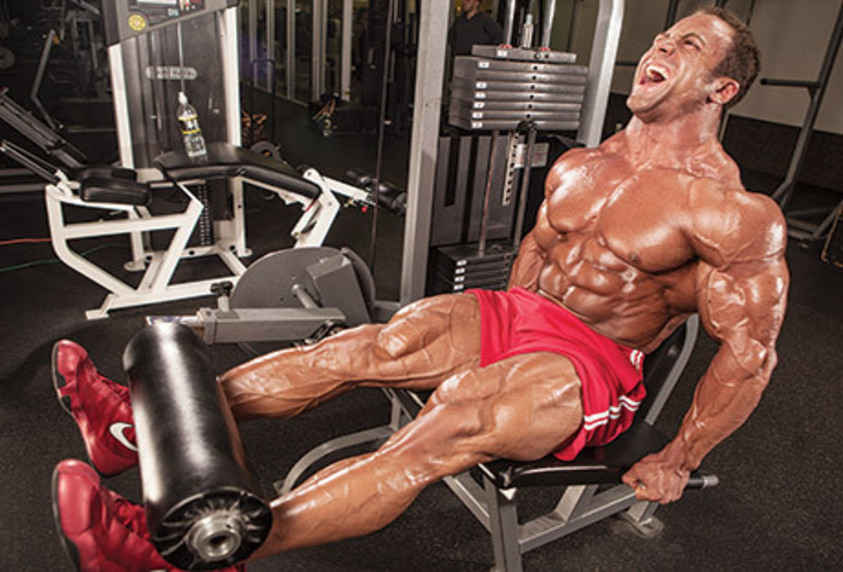
The leg extension exercise is one of the most effective isolation movements for targeting the quadriceps, making it a staple in both bodybuilding and rehabilitation-focused training programs. Unlike compound exercises such as squats or leg presses, the leg extension isolates the knee extension as the primary movement, allowing you to place direct, uninterrupted tension on the quads.
As a coach working with lifters and athletes, I frequently use the leg extension to help clients develop a stronger mind–muscle connection, especially when they struggle to feel their quadriceps during compound lifts. Because the movement is guided and requires minimal stabilization, it allows for precise control over tempo, range of motion, and muscle contraction—key factors for maximizing hypertrophy.
What makes this exercise particularly valuable is its versatility. It can be used to pre-activate the quads before heavy lifts, increase training volume after compound exercises, or even serve as a rehabilitation tool due to its controlled mechanics. When performed correctly, the leg extension is not just a finishing movement—it becomes a strategic tool for building stronger, more defined thighs.
Equipment Needed
Before performing the leg extension exercise, proper machine setup is essential for both effectiveness and joint safety. Even though this is a simple isolation movement, small adjustments—especially around the knee joint alignment—make a big difference in how the exercise feels and which structures are loaded.
As a coach, I always tell lifters: if the machine isn’t adjusted correctly, you’re not really training the quads—you’re just putting unnecessary stress on the knees.
- Leg extension machine
- Weight stack (selectorized resistance)
- Stable footwear (or barefoot for better control and alignment)
In practice, the most important details are aligning the machine’s pivot point with your knee joint and positioning the pad just above your ankles. This ensures smooth movement mechanics and allows the quadriceps to do the work without excessive joint strain.
Step-by-Step Instructions for the Leg Extension Exercise
Executing the leg extension exercise correctly starts with precise machine setup and controlled body positioning. As a coach, I can tell you that this is one of those exercises where small setup errors can completely change the stress on your knees, so attention to detail is critical from the very beginning.
A. Starting Position (Setup)
Proper setup ensures maximum quadriceps activation while minimizing unnecessary joint stress.
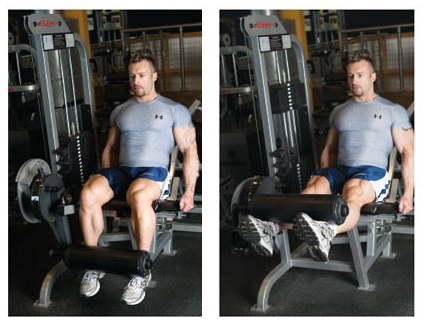
- Sit on the leg extension machine with your back firmly pressed against the pad and your hips fully supported.
- Adjust the backrest so that your knees align precisely with the machine’s axis (pivot point).
- Position the lower pad so that it rests just above your ankles.
- Bend your knees to approximately 90 degrees or slightly more, depending on the machine setup.
- Keep your toes pointing straight forward and your legs aligned with your hips.
- Grip the side handles firmly to stabilize your upper body.
- Maintain an upright torso with your lower back pressed into the seat.
Key coaching cue: Your knees must line up with the machine’s pivot—if they don’t, you’re putting unnecessary stress on the joint instead of loading the quads.
B. Movement (Execution)
Once you’re properly set up, the goal of the leg extension exercise is to create controlled, continuous tension in the quadriceps—especially in the top (contracted) position. As a coach, I always emphasize that this is not a “kick the weight up” movement, but a deliberate contraction-driven exercise where control matters more than load.
- Inhale and brace your core lightly before initiating the movement.
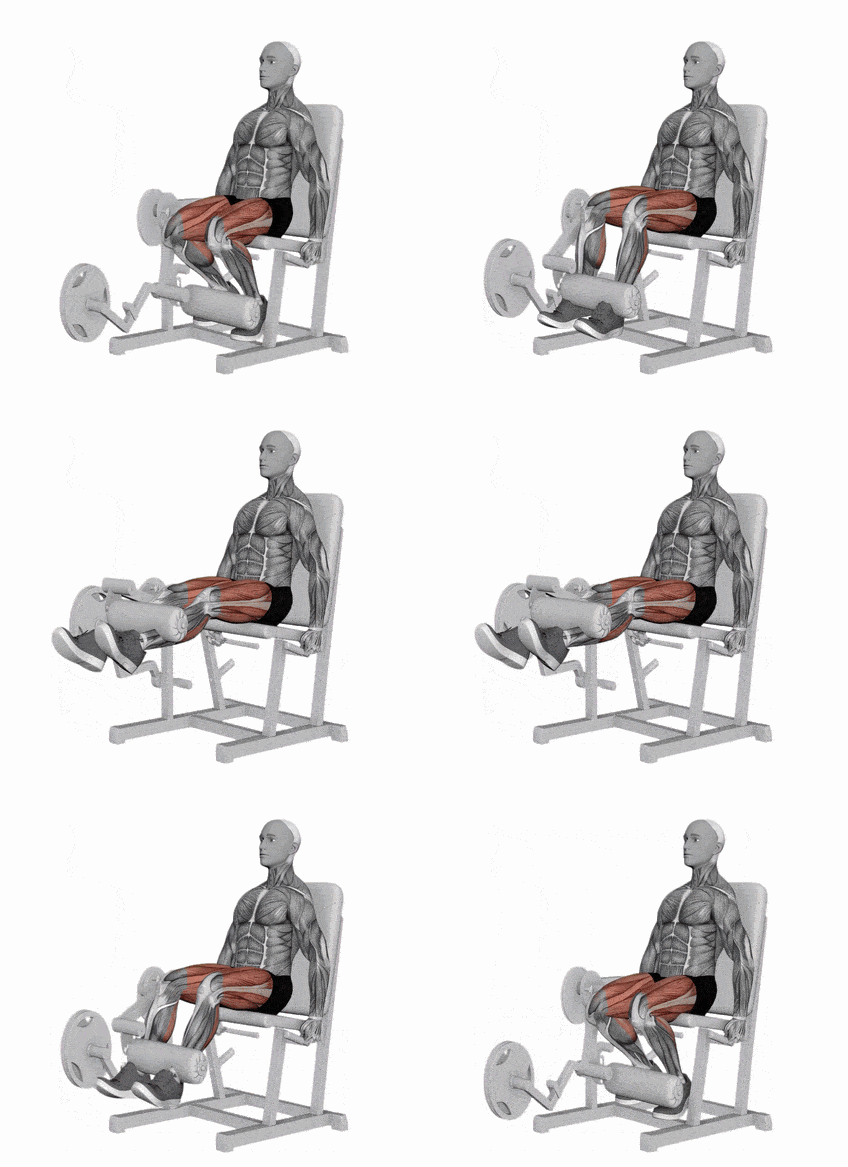
- Extend your knees to raise the pad in a smooth, semicircular motion.
- Keep your thighs fully in contact with the seat and avoid any hip movement.
- Continue the movement until your legs are almost fully straight, but do not lock your knees.
- At the top position, pause briefly and actively squeeze your quadriceps.
- Lower the weight slowly back to the starting position under full control.
- Maintain consistent tension—avoid letting the weight stack rest between reps.
Tempo recommendation: 2–3 seconds up, 1-second squeeze, 2–3 seconds down.
Performance Optimization Tips (Coach’s Cues)
Once your setup and execution are dialed in, small refinements can significantly improve how the leg extension exercise feels and how effectively it stimulates the quadriceps. As a coach, I’ve found that this exercise yields the best results when lifters focus on control, precision, and intentional contraction rather than simply moving the weight.
- Control every rep from start to finish: Avoid momentum and keep constant tension on the quadriceps throughout the movement.
- Emphasize the squeeze at the top: Hold the contracted position for 1–2 seconds to maximize quad activation.
- Use moderate weight, not maximal load: This is an isolation exercise—control and contraction matter more than heavy resistance.
- Keep your thighs fully in contact with the seat: Prevents compensation and ensures the quads do the work.
- Maintain a neutral foot position most of the time: This allows balanced development across all quadriceps heads.
- Avoid swinging or leaning back: Your torso should remain stable and supported throughout the set.
- Focus on a slow eccentric phase: Lowering the weight under control increases time under tension and hypertrophy stimulus.
- Don’t rush your reps: Smooth, consistent movement produces better results than fast, jerky repetitions.
Resistance Curve Insight
One of the unique features of the leg extension is that it places the greatest tension on the quadriceps in the shortened (fully contracted) position. This is the opposite of many compound leg exercises, which are hardest in the stretched or mid-range positions.
This makes the leg extension an excellent complement to exercises like squats or leg press, as it helps fully fatigue the quads through a different part of the strength curve, enhancing overall hypertrophy.
Muscles Worked in the Leg Extension Exercise
The leg extension exercise is a pure isolation movement that places almost all of the workload directly on the quadriceps. Unlike compound exercises, this one involves minimal other muscle groups, making it one of the best movements for targeted quad development and muscle definition.
As a coach working with lifters and athletes, I often use the leg extension to help clients truly feel and fatigue their quadriceps, especially if they struggle to achieve that during multi-joint exercises.
Primary Muscles
- Quadriceps (vastus lateralis, vastus medialis, vastus intermedius, rectus femoris): The quadriceps are fully responsible for extending the knee and are the primary drivers of the entire movement, especially in the top contracted position.
Secondary Muscles
- Minimal involvement: Because this is a single-joint isolation exercise, there is very little contribution from surrounding muscle groups.
Stabilizers
- Core musculature: Helps maintain an upright torso and prevents unwanted body movement during the exercise.
- Hip flexors: Assist in stabilizing the upper leg and maintaining proper alignment throughout the movement.
From my experience, the leg extension is one of the most effective exercises for achieving a strong peak contraction in the quadriceps, which is something that many compound lifts cannot fully provide. However, this benefit only comes if the movement is performed slowly and under control—otherwise, the tension shifts away from the muscle and the effectiveness drops significantly.
Technical Emphasis & Targeting Adjustments
One of the biggest advantages of the leg extension exercise is the ability to subtly change muscle emphasis through small adjustments in foot (toe) position and execution style. As a coach, I often use these variations to target specific parts of the quadriceps or to improve overall muscle balance and symmetry.
Because this is an isolation movement, even small changes can significantly affect how the exercise feels and which part of the quad is working the hardest.
Foot Position (Toe Angle)
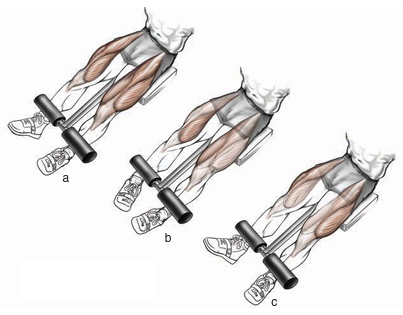
| Toe Position | Muscle Emphasis |
|---|---|
| Toes straight forward | Even activation across the entire quadriceps |
| Toes slightly turned outward | Greater emphasis on the vastus medialis (inner quad) |
| Toes slightly turned inward | Greater emphasis on the vastus lateralis (outer quad) |
Range of Motion Adjustments
| Variation | Effect |
|---|---|
| Full range of motion | Maximizes overall quadriceps development and hypertrophy |
| Short arc (partial reps) | Reduces knee stress and can be useful during rehabilitation or knee discomfort |
From my experience, most lifters either ignore these adjustments or overdo them. You don’t need extreme toe rotation during the leg extension—just a slight change is enough to shift emphasis across different regions of the quadriceps.
If your goal is balanced quad development, stick with a neutral foot position most of the time and use toe-position variations strategically rather than constantly changing your setup.
Exercise Variations
The leg extension exercise may look simple, but there are several effective variations that can change the training stimulus, improve muscle balance, or reduce joint stress. As a coach, I often rotate these variations depending on whether the goal is hypertrophy, symmetry, or joint-friendly training.
1) Single-Leg Extension

How to perform:
- Sit in the machine and position one leg under the pad, keeping the other relaxed.
- Align your knee with the machine’s pivot point.
- Extend the working leg in a controlled motion, keeping your torso stable.
- Lower the weight slowly and repeat for the desired number of reps before switching legs.
Why it works:
This variation improves left-right strength balance and prevents the stronger leg from compensating for the weaker one. It’s especially useful for addressing asymmetries or during rehabilitation.
2) Alternating Leg Extension
How to perform:
- Use both legs, alternating between left and right with each repetition.
- Maintain full control and consistent tempo throughout the set.
Why it works:
Provides a slight rest interval between reps for each leg, allowing for better control and longer sets without compromising technique.
3) Short Arc Leg Extension
How to perform:
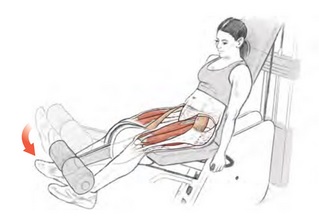
- Limit the range of motion by avoiding the deepest portion of the movement.
- Focus on controlled extension within a smaller, pain-free range.
Why it works:
Reduces stress on the knee joint and is often used in rehabilitation settings, especially for individuals dealing with patellofemoral discomfort.
4) Isometric Hold (Peak Contraction)
How to perform:
- Extend your legs fully (without locking the knees).
- Hold the top position for 2–5 seconds before lowering the weight.
Why it works:
Increases time under tension and enhances the quadriceps’ ability to fully contract, which is key for muscle development.
Alternative / Replacement Exercises
While the leg extension exercise is one of the best movements for isolating the quadriceps, it should ideally be part of a broader leg training program that includes compound exercises. As a coach, I rarely rely on isolation work alone—combining it with multi-joint movements leads to better overall strength, size, and functional development.
Depending on your goals, available equipment, or limitations, these exercises can effectively replace or complement the leg extension.
- Barbell Squat: The most fundamental lower-body exercise for building overall strength, involving the quads, glutes, and core.
- Leg Press: A machine-based compound movement that allows heavy loading while still emphasizing the quadriceps.
- Hack Squat: A machine or barbell variation that closely targets the quads with a more upright torso position.
- Bulgarian Split Squat: A unilateral exercise that develops strength, balance, and muscle symmetry.
- Step-Ups: A functional movement that improves coordination, stability, and lower-body strength.
- Lunges (Dumbbell or Barbell): Effective for building quads while also engaging glutes and stabilizers.
This movement is just one piece of the puzzle—explore our full breakdown of the best quadriceps exercises for optimal results.
In my experience, the leg extension works best as a complement to compound exercises, not a replacement. It allows you to isolate and fatigue the quadriceps after heavier lifts, ensuring that no muscle fibers are left under-stimulated.
If your goal is complete leg development, the smartest approach is to combine compound strength work with targeted isolation, using the leg extension as a finishing tool for maximum quad activation.
Key Benefits of the Leg Extension Exercise
When used correctly, the leg extension exercise delivers a unique set of benefits that are difficult to replicate with compound movements alone. As a coach, I consistently use it to isolate, fatigue, and fully develop the quadriceps, especially in lifters who struggle to target this muscle group effectively.
- Maximum quadriceps isolation: Directly targets the quads with minimal involvement from other muscle groups, allowing precise muscle development.
- Superior peak contraction: Places the highest tension at the top of the movement, helping develop that fully contracted “squeezed” quad look.
- Excellent for hypertrophy: High time under tension and controlled execution make it ideal for muscle growth.
- Improves mind–muscle connection: Helps lifters learn how to consciously contract their quadriceps.
- Joint-friendly when performed correctly: Controlled movement and adjustable range make it suitable for many individuals, including those with certain knee limitations.
- Versatile training tool: Can be used for warm-ups, pre-exhaust, hypertrophy work, or rehabilitation protocols.
- Enhances muscle symmetry: Single-leg variations help correct imbalances between the left and right legs.
Who Should Use This Exercise?
The leg extension exercise is suitable for a wide range of lifters, from beginners to advanced athletes, thanks to its simplicity, control, and targeted muscle activation. Because it isolates the quadriceps so effectively, it can be strategically used in different phases of training depending on the goal.
- Beginners: A safe and simple way to learn how to activate the quadriceps before progressing to more complex compound lifts.
- Bodybuilders: Ideal for maximizing quad hypertrophy, improving definition, and achieving a strong peak contraction.
- Intermediate and advanced lifters: Perfect as a finishing movement to fully fatigue the quadriceps after heavy leg exercises.
- Lifters with muscle imbalances: Single-leg variations help correct left-right strength differences.
- Individuals in rehabilitation: Often used in controlled settings to rebuild quadriceps strength, especially after knee-related issues (with proper guidance).
- Athletes: Useful for strengthening the knee extension pattern, which plays a key role in many sports movements.
Leg Extension vs Leg Press: Which Is Better?
The leg extension exercise and the leg press are both popular lower-body movements, but they serve very different purposes. While they both target the quadriceps, the way they load the muscles and the overall training stimulus they provide are fundamentally different.
As a coach working with lifters and athletes, I see these two exercises not as competitors but as complementary tools—each with a specific role in a well-structured leg-training program.
| Criteria | Leg Extension | Leg Press |
|---|---|---|
| Movement Type | Isolation (single-joint) | Compound (multi-joint) |
| Primary Function | Knee extension | Knee + hip extension |
| Quad Isolation | Very high | Moderate to high |
| Load Potential | Moderate | Very high |
| Stability Requirement | Very low | Low |
| Core Involvement | Minimal | Moderate |
| Best Use | Isolation, finishing, rehab | Strength, hypertrophy, volume |
If your goal is to fully isolate and fatigue the quadriceps, the leg extension is unmatched. It allows you to focus entirely on the muscle without interference from other muscle groups.
On the other hand, if your goal is to build overall lower-body strength and handle heavy loads, the leg press is the better choice.
In practice, the best results come from using both:
- Leg press for heavy loading and overall leg development
- Leg extension for targeted quad isolation and finishing work
Where This Exercise Fits in a Workout
The leg extension exercise is one of the most versatile tools in leg training, primarily because it can be used at different points in a workout depending on your goal. As a coach, I most often program it as a targeted hypertrophy and finishing movement, but it can also be used strategically before or during a session.
Recommended Placement
- As a finisher (most common): Perform after compound exercises to fully fatigue the quadriceps.
- As a pre-exhaust movement, use before squats or the leg press to pre-activate the quads and increase muscle recruitment.
- As a primary movement (in machine-based workouts): Suitable for beginners or during rehabilitation phases.
Sets & Reps Guidelines
- Hypertrophy (muscle growth): 3–4 sets of 10–20 reps
- Pre-exhaust: 2–3 sets of 12–15 reps before compound lifts
- Rehabilitation / controlled training: 2–3 sets of 12–20 reps with strict form
In my experience, the leg extension delivers the best results when it’s used to finish the quadriceps after heavier work. By the time you reach this exercise, the goal is not to lift the most weight—but to maximize muscle fatigue, control, and contraction quality.
If you treat it like a heavy compound lift, you’ll miss its real purpose. But if you use it as a precise isolation tool, it can dramatically improve quad development and overall muscle detail.
Conclusion
The leg extension exercise remains one of the most effective tools for building quadriceps size, definition, and control, especially when used strategically within a structured training program. While it doesn’t replace compound movements, it plays a critical role in ensuring the quads are fully activated and fatigued.
As a coach, I consistently see the best results when lifters approach the leg extension with precision rather than ego, focusing on controlled tempo, full range of motion, and a strong peak contraction. When executed correctly, this exercise can significantly enhance quad development and help bring out the level of detail that compound lifts alone often cannot achieve.
Is the leg extension exercise good for building muscle?
Yes, the leg extension exercise is excellent for building muscle, especially in the quadriceps. It allows direct isolation and high time under tension, which are key drivers of hypertrophy.
What muscles does the leg extension exercise work?
The leg extension exercise primarily targets the quadriceps (vastus lateralis, vastus medialis, vastus intermedius, and rectus femoris), with minimal involvement from other muscle groups.
Is the leg extension bad for your knees?
The leg extension exercise is not inherently bad for the knees when performed with proper form, controlled tempo, and appropriate weight. Poor setup or excessive loading is usually the real cause of discomfort.
Should you lock your knees during leg extensions?
No, you should avoid locking your knees at the top of the movement. Stopping just short of full lockout helps maintain muscle tension and reduces joint stress.
What is the best rep range for the leg extension exercise?
For hypertrophy, the ideal range is 10–20 repetitions per set, performed with controlled tempo and strong peak contraction.
Can beginners do the leg extension exercise?
Yes, the leg extension exercise is beginner-friendly due to its simple, guided movement and low stability requirements.
Should I do leg extensions before or after squats?
It depends on your goal. Perform them before squats for pre-exhaust, or after squats as a finishing exercise to fully fatigue the quadriceps.
What foot position is best for leg extensions?
A neutral foot position works best for balanced quad development. Slight adjustments (toes in or out) can shift emphasis to different parts of the quadriceps.
Can leg extensions help with knee rehabilitation?
Yes, the leg extension exercise is often used in controlled rehabilitation programs to rebuild quadriceps strength, especially with a limited range of motion.
How do I make leg extensions more effective?
Use controlled tempo, focus on the squeeze at the top, avoid momentum, and ensure proper machine setup for maximum quad activation.
