


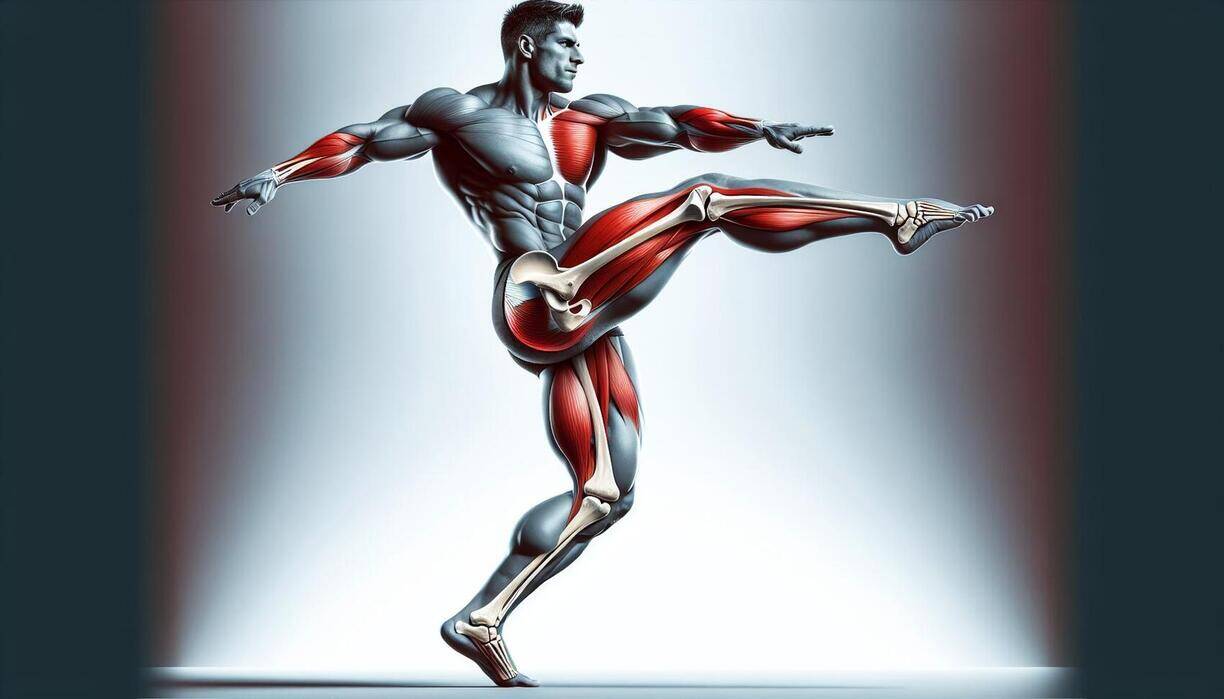
The fibula, also known as the calf bone, plays a vital but often overlooked role in our anatomy. This slender bone in the lower leg works with its neighbor, the tibia, to provide stability and support for the body.
In this article, we will explore the function and detailed anatomy of the fibula, examining its location, shape, size, muscle attachments, innervation, and blood supply.
Furthermore, you will gain insights into common injuries and conditions affecting the fibula and discover effective treatment options. We will offer tips on maintaining its health and highlight the fibula’s importance in bodybuilding. Finally, we will compare the fibula with the tibia, highlighting their differences and similarities.
Understanding the anatomy and functions of major bones, like the fibula, is vital for anyone serious about bodybuilding and fitness. Knowing these details can significantly impact your workout efficiency and help prevent injuries. When you understand where muscles attach to the bone, you can better target those muscles during your routine, maximizing your exercise benefits.
What is the fibula?
The fibula is one of the two bones in your lower leg, the other being the tibia. It’s a slender, long bone that runs parallel to the tibia on the outside part of your leg. Although it doesn’t bear much weight, the fibula plays a significant role in stabilizing the ankle and supporting muscles of the lower leg.
Brief Anatomy of the Fibula
The anatomy of the fibula is essential for understanding its role in the overall structure and function of the leg. This section examines the specific anatomical features of the fibula, including its location, shape, size, associated muscles, innervation, and blood supply.
A. Location of the Fibula
The fibula is situated laterally to the tibia in the lower leg, extending from the knee joint to the ankle joint. It runs parallel to the tibia, with its proximal end located just below the knee and its distal end forming part of the lateral aspect of the ankle. (1) While the tibia handles the heavy lifting, the fibula offers support, especially around the ankle.
B. Appearance of the Fibula
Imagine the fibula as a slender, elegant bone, resembling a long, narrow rod with gracefully contoured ends.
The fibula has a distinct shape that can be divided into three main sections: the proximal end, the shaft, and the distal end.
- Proximal End: This part of the fibula is located near the knee joint. It forms the fibular head, which connects with the tibia, creating the proximal tibiofibular joint. This joint plays a crucial role in stabilizing the knee.
- Shaft: The shaft of the fibula is long and narrow, providing a sturdy yet flexible support for your leg. It acts as an attachment point for muscles and ligaments, playing a part in ankle and foot movements.
- Distal End: Situated near the ankle, the distal end of the fibula includes the lateral malleolus. This bony prominence is essential for stability, forming part of the ankle joint and helping secure the foot.

C. Size of the Fibula
The fibula is a slender and long bone, slightly less than half a meter in length, usually around 15 inches in men and 14 inches in women. (5) Despite its length, it’s not as thick as some other bones, which helps give it a delicate appearance. Though long, it’s much narrower than its neighboring tibia.
D. Muscles Attached to the Fibula
Various muscles insert onto and originate from the fibula, contributing to its functionality (8).
Muscles Inserting into the Fibula:
- Biceps Femoris (short head)
Muscles Originating from the Fibula:
- Fibularis Longus
- Fibularis Brevis
- Soleus
- Extensor Hallucis Longus
- Extensor Digitorum Longus
- Fibularis Tertius
- Flexor Hallucis Longus
E. Blood Supply to the Fibula
Several key arteries nourish this slender bone, working together to keep the fibula healthy and functional (4).
- Fibular Artery: The primary vessel (12) responsible for delivering oxygenated blood to the fibula, branching off from the posterior tibial artery.
- Anterior Tibial Artery: Supplies the proximal portion of the fibula, playing a supporting role.
- Nutrient Arteries: Smaller vessels that penetrate the bone to provide essential nutrients.
F. Innervation
The fibula receives its nerve supply from various sources, mainly the superficial and deep fibular nerves. (3) These nerves perform crucial roles in sensory and motor functions, ensuring the fibula can effectively interact with surrounding muscles and connective tissues. (14)
Functions of the Fibula
Your fibula has several important jobs, including:
- Lateral Support: The fibula provides crucial lateral stability to your lower leg, helping to balance and support your movements.
- Muscle Attachment: It serves as an important anchor point for muscles, making it essential for various foot and ankle movements.
- Foot Movement Control: The fibula controls the movements of your foot, enhancing coordination during activities like walking or running.
- Stability of the Ankle: The fibula, by forming part of the outer ankle, contributes to the stability of the ankle joint.
- Range of Motion: It allows for a greater range of motion for the ankle, enabling flexion, extension, and rotational movements.
In summary, the fibula is integral to the function of the lower limb, providing support, stability, and a framework for muscle attachment. Its importance should not be underestimated, as it facilitates essential movements vital for everyday activities and athletic performance.

Introduction to Fibula Health
Fibula injuries and conditions can greatly affect daily life, causing pain and limited mobility. Knowing about these issues, how to treat them, and how to prevent them is key to maintaining an active lifestyle and achieving fitness goals, such as bodybuilding.
I. Common Injuries and Conditions Affecting the Fibula
While the fibula is not the primary weight-bearing bone of the leg, it is still susceptible to various injuries and conditions. Understanding these can help you take preventive measures and seek timely treatment.
Fibula Fractures
Fibula fractures are one of the most common injuries, often resulting from a high-impact event like a fall or sports collision. Depending on severity, these fractures can range from hairline cracks to complete breaks and may require immobilization or surgery.
Stress Fractures
Stress fractures occur when there is repeated stress over time, often in athletes or those with high physical activity levels. (6) These tiny cracks can cause significant pain and take weeks to heal with adequate rest and care.
Rest, ice, and proper footwear are crucial in managing stress fractures. Avoiding strenuous activities can aid in faster recovery.
Osteomyelitis
This is a bone infection that can potentially affect the fibula. It may arise from a neighboring infection or as a postoperative complication. (9) Symptoms include pain, fever, and inflammation.
Fibula Hemimelia
This congenital condition is characterized by a partial or complete absence of the fibula, leading to leg length discrepancies and potential functional challenges.
Compartment Syndrome
Compartment syndrome is an acute condition where increased muscle pressure restricts blood flow, often after an injury. When it occurs around the fibula, it requires immediate medical attention to prevent lasting damage.
Lateral Collateral Ligament (LCL) Injuries
The LCL, attached to the fibula, can be sprained during activities involving twisting or high-impact forces. LCL injuries range from mild sprains to complete tears. Signs include swelling, instability in the knee, and pain. Treatment often involves rest, physical therapy, or surgery.
II. Common Treatments for Fibula Injuries
The approach to treating injuries to the fibula largely depends on the type and severity of the injury.
Immobilization
Immobilization is often the first step in treating fibula fractures. A splint or cast keeps the bone in a stable position, helping it heal correctly. This method is crucial in preventing further damage and allowing the body to repair the fracture naturally.
Surgical Intervention
Surgery may be required in more severe cases where the fibula is significantly misaligned or fails to heal with immobilization alone. Surgical procedures often involve the use of screws and plates to realign and stabilize the bone. This intervention is crucial for ensuring proper healing and restoring function.
Rehabilitation and Physical Therapy
Rehabilitation becomes essential for regaining strength and mobility in the affected leg after immobilization or surgery. (7) Physical therapy exercises are tailored to improve flexibility, strengthen muscles around the fibula, and support recovery.
Pain Management
Managing pain is a vital part of the treatment process for fibula injuries. Over-the-counter pain medication may be recommended to alleviate discomfort and reduce inflammation, making your recovery more comfortable. (10)
Monitoring and Follow-Up Care
Regular follow-up care with your healthcare provider ensures that your fibula heals appropriately. Monitoring through X-rays or exams can help detect any complications early and adjust treatment as needed to promote optimal recovery.
Tips for Keeping the Fibula Healthy
Maintaining the health of the fibula is essential not only for preventing injuries but also for ensuring overall lower leg functionality. Here are several practical tips to keep your fibula strong and resilient:
- Maintain a Balanced Diet: A diet rich in calcium, vitamin D, and other essential nutrients supports strong bone health. Foods like dairy products, leafy greens, and fish can be beneficial. Proper nutrition ensures the fibula gets the nutrients it needs to stay robust.
- Engage in Regular Exercise: One of the most effective ways to promote fibula health is through targeted strength training. Exercises that focus on the lower legs, such as calf raises (12), ankle dorsiflexion, and resistance band exercises, can help build the muscles surrounding the fibula. Strong muscles provide better support to the bone, reducing the risk of injury. Additionally, compound movements like squats and lunges can enhance overall leg strength, benefiting the fibula and tibia.
- Wear Proper Footwear: Using the right shoes (13) during exercise or daily activities provides adequate support and minimizes the risk of injury. Shoes should fit well and be designed for the specific activity you’re engaging in.
- Practice Safe Movement Techniques: Proper body mechanics when lifting objects or engaging in physical activities reduces bone strain. This strategy prevents injuries by encouraging safe and healthy movement.
- Stay Hydrated: Drinking enough water is key to keeping your body, including your bones, functioning optimally. Hydration aids in nutrient transport and overall bone health.
- Regular Check-Ups: Routine medical exams can catch potential issues before they become serious. To maintain fibula health, ensure you discuss any leg pain or discomfort with your healthcare provider.
Importance of the Fibula in Bodybuilding
While often overshadowed by its larger counterpart, the tibia, the fibula plays a crucial role in bodybuilding and overall athletic performance.
A. Role of the Fibula in Lower Leg Stability
The fibula is located on the lateral side of the lower leg and serves as a stabilizing structure for the ankle and lower leg. It provides support to the calf muscles and aids in maintaining balance during various movements. In bodybuilding, stability is essential for executing exercises correctly and safely, especially those that involve heavy lifting or explosive movements. A strong and healthy fibula contributes to the overall stability of the lower leg, allowing bodybuilders to perform exercises such as squats, deadlifts, and lunges with greater confidence.
B. Impact on Overall Performance During Bodybuilding Exercises
The fibula plays a key role in the biomechanics of lower body movements. The fibula helps absorb impact and distribute forces across the lower limb during weightlifting or resistance training. This distribution is vital for maintaining proper form and preventing undue joint and muscle stress. When the fibula is strong and functioning well, it enhances performance by allowing for a more efficient transfer of power from the lower body through the feet into the ground. This efficiency is critical in exercises that require explosive movements, such as jumping or sprinting, which are often incorporated into bodybuilding routines to promote muscle growth and overall athleticism.
C. Preventing Injuries to Enhance Bodybuilding Progress
Injuries to the fibula, such as fractures or stress reactions, can significantly hinder a bodybuilder’s progress. These injuries may require extended rehabilitation periods, during which training can be severely limited. Therefore, understanding the fibula’s importance in bodybuilding can lead to better injury prevention strategies. Incorporating specific exercises that strengthen the muscles surrounding the fibula, focusing on proper warm-up routines, and ensuring adequate recovery can help mitigate the risk of injury. Additionally, being mindful of one’s technique during training can further protect the fibula and support the overall integrity of the lower leg.
In summary, the fibula is not just a passive bone in the lower leg; it is an integral component that supports stability, enhances performance, and plays a vital role in preventing injuries. Bodybuilders should prioritize the health of the fibula to maximize their training outcomes and ensure long-term success in their bodybuilding journey.
Comparing the Fibula and Tibia
The human lower leg is comprised of two long bones, the fibula and the tibia. While they work in tandem to provide structure and support, they have distinct differences in anatomy and function.
A. Anatomical Differences
The tibia, commonly called the shinbone, is the larger and stronger of the two bones. It is located medially (toward the center of the body) and bears most of the body’s weight during activities such as walking, running, and jumping. The tibia features a broad upper end that articulates with the femur at the knee joint and a wider lower end that connects with the ankle bones.
In contrast, the fibula is a slender bone located laterally (on the outer side of the leg) alongside the tibia. (2) It does not bear significant weight; instead, its primary function is to provide stability to the ankle and support the lower leg muscles. The fibula has a narrower structure and is less robust than the tibia. Its upper end, known as the fibular head, articulates with the tibia just below the knee, while the lower end forms the lateral malleolus, the bony prominence on the outer side of the ankle.
B. Functional Roles in the Body
The tibia plays a crucial role in weight-bearing and locomotion. It acts as the primary support structure for the leg, enabling effective transfer of forces from the upper body through the legs and into the ground. It also serves as a site of attachment for muscles that facilitate movement at the knee and ankle joints.
While not a weight-bearing bone, the fibula provides essential support and stability to the lower leg and ankle. It serves as an anchor point for several muscles and tendons, contributing to the intricate movements of the foot. The fibula’s lateral position helps maintain balance and coordination during various physical activities.
C. How Injuries Differ Between the Two Bones
Injuries to the tibia and fibula can differ significantly due to their distinct anatomical and functional roles. Tibial fractures are often more severe and can result from high-impact trauma, such as car accidents or falls from heights. These fractures can disrupt the alignment of the leg and may require surgical intervention for proper healing.
Fibula fractures, on the other hand, may result from lower-impact activities or stress overuse, often occurring in conjunction with ankle sprains. Due to repetitive stress on the bone, stress fractures of the fibula are common in athletes, particularly runners. While fibula fractures can be painful, they are generally less complicated than tibial fractures, often requiring conservative treatment methods for recovery.
🏋️ Trainer’s Perspective
As a fitness trainer with years of experience working with both athletes and everyday gym-goers, I’ve learned never to underestimate the importance of the fibula. While it doesn’t get as much attention as the tibia or the major muscle groups, I’ve seen firsthand how a compromised fibula can derail progress and limit performance.
One common scenario I’ve encountered is clients complaining about persistent ankle discomfort or instability during squats, lunges, or even basic cardio. In many of these cases, the issue can be traced back to inadequate support from the lateral side of the lower leg, which is precisely where the fibula comes into play. Educating clients on the anatomy and function of the fibula has helped them understand how essential it is to lower limb integrity overall.
I’ve also worked with bodybuilders recovering from stress fractures and fibular-related injuries. These athletes often ignored early warning signs like localized pain or weakness during dorsiflexion exercises, assuming it was just muscle fatigue. But when the fibula is overused or misaligned, it can seriously impact training volume and even lead to long-term complications.
That’s why I now incorporate fibula-conscious strategies into all lower-body programs. This includes stability work, ankle mobility drills, and targeted strength exercises for muscles like the fibularis longus and brevis. I also emphasize proper footwear, especially when clients are doing plyometrics or heavy compound lifts.
The takeaway? Even though the fibula isn’t flashy, it’s fundamental. When it’s strong, stable, and supported, everything from squats to sprints becomes more efficient and less injury-prone. Knowing your anatomy, down to the bones, is not just for medical students. It’s a vital tool for anyone serious about performance, longevity, and training smart.
Conclusion
Understanding the anatomy and function of the fibula not only aids in appreciating its integral role in lower limb stability but also highlights its importance in athletic endeavors like bodybuilding. Although often overshadowed by its larger counterpart, the tibia, the fibula’s support and movement aid are undeniable. Proper care, awareness of potential injuries, and effective treatment options are crucial for maintaining fibula health. An informed approach to safeguarding this critical bone can enhance your physical capabilities and overall well-being, ensuring a robust foundation for your active lifestyle.
Here are some of the most common questions regarding the role of the fibula in bodybuilding, strength training, and athletic performance. These answers will help you better understand how this often-overlooked bone contributes to stability, movement, and injury prevention in your lower body workouts.
Why is the fibula important for bodybuilders?
The fibula provides lateral stability to the lower leg and serves as an attachment point for muscles like the peroneals and soleus, which are crucial for balance and ankle support during strength training exercises.
Does the fibula bear weight during exercises like squats?
While the fibula is not a primary weight-bearing bone, it plays a supportive role in stabilizing the ankle and lower leg, contributing to proper form and injury prevention during squats and similar movements.
What muscles attach to the fibula, and how do they impact training?
Muscles such as the biceps femoris, peroneus longus and brevis, and soleus attach to the fibula, influencing movements like ankle stabilization, foot eversion, and knee flexion, all vital for athletic performance.
Can fibula injuries affect bodybuilding progress?
Yes, injuries like stress fractures or peroneal tendonitis can hinder mobility and training capacity, emphasizing the need for proper technique and recovery strategies to maintain progress.
How can bodybuilders prevent fibula-related injuries?
Incorporating ankle-strengthening exercises, ensuring proper footwear, and avoiding overtraining can help prevent fibula-related injuries by enhancing stability and reducing undue stress on the bone.
What are common fibula injuries in athletes?
Common injuries include lateral malleolus fractures, fibular head fractures, and stress fractures, often resulting from overuse, improper technique, or sudden impacts during training.
How does the fibula contribute to ankle stability?
The fibula forms the lateral malleolus, a key component of the ankle joint, providing structural support and serving as an attachment point for ligaments that maintain ankle stability during dynamic movements.
Is the fibula involved in knee joint function?
While the fibula does not directly participate in the knee joint, it supports the lateral aspect of the leg and serves as an attachment for ligaments and muscles that influence knee stability and movement.
How does strengthening the fibula area enhance athletic performance?
Strengthening muscles attached to the fibula improves ankle stability, balance, and lower leg strength, contributing to better performance in activities requiring agility and power.
Are there specific exercises to target the fibula region?
Exercises like calf raises, ankle eversion drills, and balance training can strengthen the muscles surrounding the fibula, enhancing stability and reducing injury risk.
