
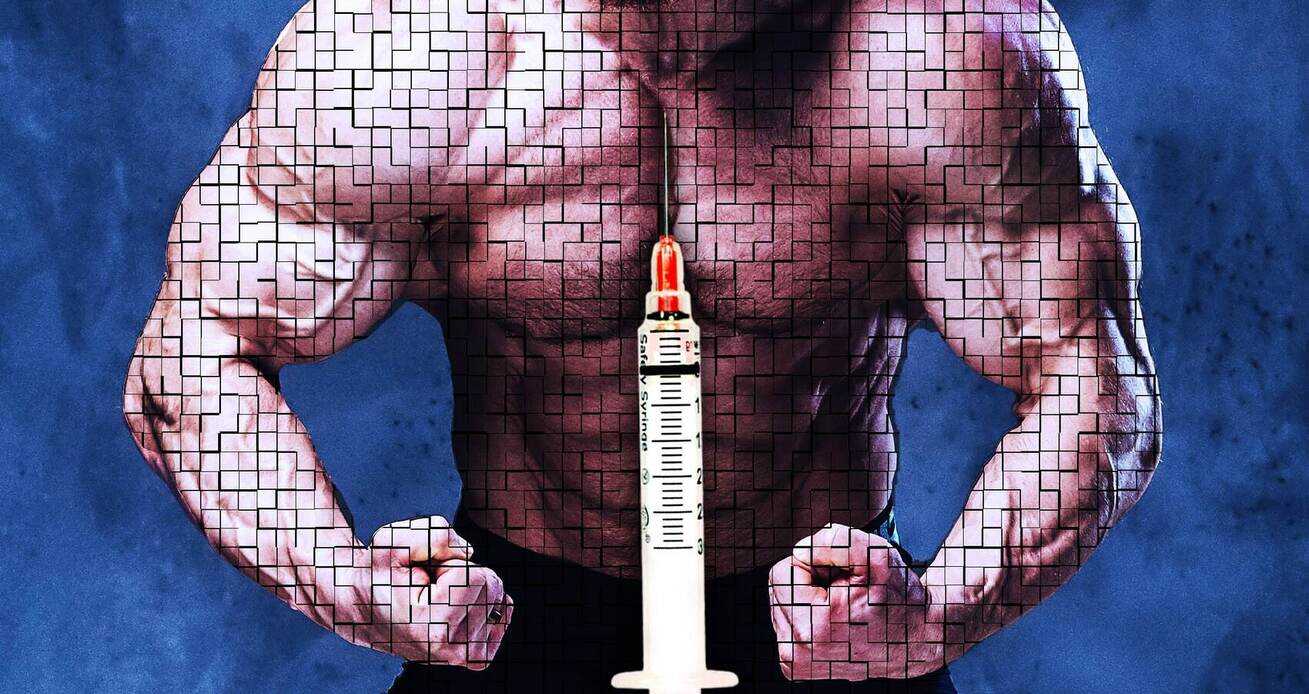
If you’re looking to improve your health, regular weight training is one of the best things you can do. It strengthens muscles, supports bone health, and boosts your overall well-being. But, in the high-stakes world of professional bodybuilding, the scenario shifts dramatically. What starts as a healthy pursuit can quickly turn into a risky endeavor when taken to the extreme.
Are professional bodybuilders healthy? When you think of professional bodybuilders, images of perfectly chiseled physiques and extraordinary strength might come to mind. Indeed, bodybuilders can look incredibly fit on the outside, but their internal health can tell a very different story.
In this article, we will delve into these health risks, explore the prevalence of premature death among bodybuilders, examine the issue of drug testing, and discuss how these athletes navigate the murky waters of banned substances.
What are the common health issues faced by professional bodybuilders?
Despite their impressive appearance, many bodybuilders are silently grappling with significant internal health issues. In reality, most professional bodybuilders face at least three of the following health issues. Many of them are literally falling apart from the inside.
1. Cardiovascular Problems
Professional bodybuilders often face cardiovascular issues due to the intense physical demands and the use of performance-enhancing drugs (PEDs). Anabolic steroids, commonly used in bodybuilding, can lead to hypertension, increased risk of heart attacks, and cardiomyopathy. The combination of extreme muscle mass and PEDs puts significant strain on the heart, increasing the risk of cardiovascular disease.
2. Kidney Failure
Kidney damage is another significant health risk for professional bodybuilders. The use of anabolic steroids and other substances can lead to a condition known as focal segmental glomerulosclerosis (FSGS), which is characterized by scarring in the kidneys. Additionally, high-protein diets, often adopted by bodybuilders to support muscle growth, can exacerbate kidney issues over time. The kidneys struggle to filter the byproducts of such extreme dietary practices, which can result in long-term kidney damage.
Professional bodybuilders typically ingest considerable amounts of dietary protein, ranging from 1.9 to 4.3 grams per kilogram of body mass per day for men and 0.8 to 2.8 grams per kilogram per day for women. (1) These levels far exceed the protein recommendations for strength-trained athletes, which are between 1.4 and 2.0 grams per kilogram per day. (2) In some cases, the intake can be even higher, as illustrated by a novice bodybuilder who reportedly consumed 750 grams of protein daily. (3)
3. Liver Damage
Liver toxicity is a common concern due to the use of oral anabolic steroids and other hepatotoxic substances. These drugs can cause liver damage, including conditions like cholestasis, liver tumors, and peliosis hepatis, which is characterized by blood-filled cysts in the liver. Long-term use can lead to irreversible liver damage and increase the risk of liver cancer.
4. Pulmonary Embolism
Bodybuilders are at an increased risk for pulmonary embolism, a potentially fatal condition where blood clots travel to the lungs. This can be attributed to dehydration, long periods of inactivity post-competition, and the use of diuretics.
5. Musculoskeletal Injuries
Extreme weight training places immense stress on muscles, tendons, and ligaments, leading to chronic injuries. Overuse injuries, tears, and strains are common and can have long-lasting impacts on mobility and quality of life.
6. Mental Health Issues
Mental health issues are also a significant concern. The pressure to maintain an ideal physique, combined with the psychological effects of PEDs, can lead to conditions such as body dysmorphic disorder, depression, and anxiety. The use of steroids has also been linked to aggressive behavior and mood swings, often referred to as ‘roid rage.’
7. Sudden Weight Fluctuations
After competitions, many bodybuilders struggle with rapid weight gain due to relaxed diet controls and binge eating. These sudden changes can adversely affect metabolic and cardiovascular health.
8. Hormonal Imbalances
Hormonal imbalances are prevalent among professional bodybuilders who use anabolic steroids. These substances can disrupt the body’s natural hormone production, leading to conditions such as hypogonadism, where the body produces insufficient testosterone. This can result in infertility, erectile dysfunction, and other endocrine disorders.
Premature deaths among professional bodybuilders
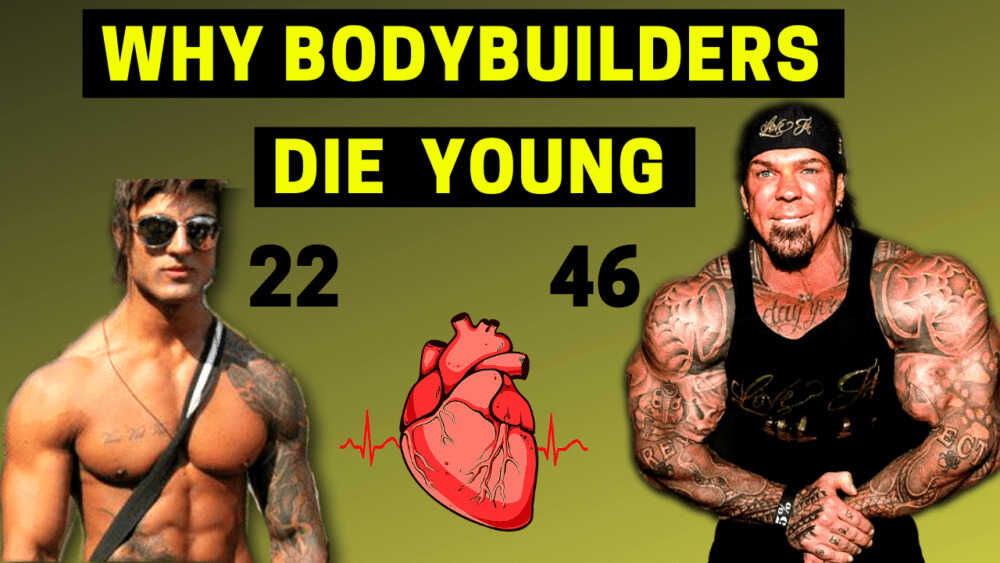
There are plenty of well-documented cases of premature deaths among professional bodybuilders. These deaths often raise concerns about the extreme measures some athletes take to achieve their physiques, including the use of performance-enhancing drugs (PEDs), extreme dieting, and intense training regimens. Here are 3 examples of many.
- One notable example is the case of Andreas Münzer, an Austrian professional bodybuilder who died at the age of 31 in 1996. Münzer was known for his extremely low body fat levels and heavy use of anabolic steroids and other substances. His death was attributed to multiple organ failure, which was likely exacerbated by his drug use and extreme dieting practices.
- Another example is Dallas McCarver, an American professional bodybuilder who passed away at the age of 26 in 2017. McCarver’s death was caused by a combination of factors, including an enlarged heart and blocked arteries. It was widely speculated that his use of PEDs and the physical demands of professional bodybuilding played a significant role in his untimely demise.
- Rich Piana, a well-known bodybuilder and social media personality, died at the age of 46 in 2017. Piana had openly discussed his use of anabolic steroids and other PEDs throughout his career. His death was attributed to heart disease, and it was suggested that his long-term drug use may have contributed to his health issues.
These cases highlight the potential health risks associated with professional bodybuilding, particularly when it comes to the use of PEDs and the extreme physical demands placed on the body. While not all bodybuilders may experience such severe consequences, these examples underscore the importance of addressing the health and safety concerns within the sport.
Premature deaths among professional bodybuilders in 2021
Here is a known list of professional (national and international level) male and female bodybuilders reported to have died seemingly premature deaths from non-accidental causes in 2021. All information was gathered via internet news sources and published in the article “Premature Death in Bodybuilders: What Do We Know?” in the Journal of Sports Medicine (BJSM) by James M. Smoliga, Z. Taggart Wilber, and Brooks Taylor Robinson. (4)
| Initials (nationality) | Sex | Date of death | Age (years) | Reported cause of death | Notes |
|---|---|---|---|---|---|
| M.S. (UK) | M | January 18, 2021 | 50 | Not reported | – |
| L.B. (USA) | F | January 22, 2021 | 52 | Suicide | History of depression |
| C.P. (South Africa) | M | January 23, 2021 | 50 | COVID-19 | – |
| A.H. (USA) | M | March 19, 2021 | 54 | Pulmonary embolism following elbow surgery | Previous history of deep vein thrombosis one year earlier |
| S.K.A. (Pakistan) | M | April 7, 2021 | 41 | Heart attack | – |
| M.H. (USA) | M | April 8, 2021 | 55 | Heart attack (13 days earlier) | Heart attack after workout on March 26 after days of pain in chest and arm, plus chills and fever |
| B.H. (USA) | M | April 11, 2021 | 54 | Not reported | Collapsed while playing billiards |
| J.L. (India) | M | April 30, 2021 | 34 | COVID-19 | – |
| F.Z.H. (Saudi Arabia) | M | May 8, 2021 | Not reported | Not reported | History of epilepsy |
| L.M. (Trinidad and Tobago) | M | May 8, 2021 | 58 | Renal failure | History of renal failure |
| S.K. (India) | M | May 10, 2021 | 35 | Heart attack | – |
| J.L (USA) | F | July 18, 2021 | 49 | Seizure during sleep | – |
| S.H. (Iraq) | M | July 20, 2021 | 35 | Stroke | – |
| S.G. (USA) | F | July 31, 2021 | 27 | Heart attack | Preparing for competition in 4–6 weeks |
| J.M. (USA) | M | August 8, 2021 | 49 | Pulmonary embolism | Heart attack 18 months earlier |
| A.H. (Czechoslovakia) | F | August 15, 2021 | 46 | Diuretic abuse | Hours before competition |
| O.G. (Italy) | M | August 17, 2021 | Unreported | Heart attack | Days after competition |
| P.H. (USA) | M | August 19, 2021 | 55 | Not reported | History of kidney disease |
| W.S. (USA) | M | August 22, 2021 | 56 | Not reported | – |
| M.M. (USA) | F | August 24, 2021 | 28 | Not reported | – |
| 1 day before Mr. Olympia’s competition | M | October 6, 2021 | 37 | Not reported | 1 day before Mr. Olympia competition |
| J.H. (USA) | F | October 23, 2021 | 58 | Not reported | – |
| S.R. (Jamaica / USA) | M | November 6, 2021 | 46 | Heart attack | – |
| R.L. (Canada) | F | November 26, 2021 | 52 | Colon cancer | – |
| T.E. (UK) | M | December 22, 2021 | 55 | Not reported | – |
What is the current state of drug testing in competitive bodybuilding?
Drug testing in competitive bodybuilding varies significantly depending on the organization and the level of competition. Some organizations, like the International Federation of Bodybuilding & Fitness (IFBB), have implemented drug testing protocols, but the rigor and frequency of these tests can differ widely.
Natural bodybuilding organizations, such as the World Natural Bodybuilding Federation (WNBF) and the International Natural Bodybuilding Association (INBA), are more stringent with their drug testing policies. These organizations often require athletes to undergo polygraph tests and urine analyses to ensure compliance with their banned substance lists.
Despite these efforts, there are concerns about the effectiveness and consistency of drug testing in bodybuilding. Some critics argue that the testing protocols are not as rigorous or frequent as those in other sports, such as the Olympics or professional football, where athletes are subject to random and out-of-competition testing.
Another issue is the use of performance-enhancing drugs (PEDs) that may not be easily detectable with standard testing methods. Substances like designer steroids, growth hormones, and other novel compounds can sometimes evade detection, allowing athletes to use them without immediate consequence.
There have been instances where prominent bodybuilders have tested positive for banned substances, leading to suspensions and tarnished reputations. However, these cases are often the exception rather than the rule, and many believe that a significant number of athletes continue to use PEDs without getting caught.
The lack of uniformity in drug testing across different bodybuilding organizations creates a fragmented landscape. While some organizations are committed to maintaining a drug-free environment, others may have more lenient policies, making it challenging to ensure a level playing field for all competitors.
In summary, while drug testing does exist in competitive bodybuilding, its effectiveness and consistency are subjects of ongoing debate. The disparity in testing protocols across different organizations and the potential for undetectable substances pose significant challenges to maintaining a truly drug-free sport.
Closing thoughts: The state of health of bodybuilders is worrying
Although professional bodybuilding is not a sport it still demands immense dedication, discipline, and physical prowess. However, pursuing perfection often comes at a steep cost to health.
The array of severe health risks—from organ damage to mental health issues—paints a sobering picture. Alarmingly, the occurrences of premature deaths amongst these athletes underscore the critical need for more rigorous health monitoring and drug testing protocols in the industry.
While the dazzling physiques may inspire admiration, it is crucial to remember that true health goes beyond muscle definition. For aspiring bodybuilders and enthusiasts, prioritizing long-term health and wellness over short-term gain is of paramount importance. The legacy of bodybuilding should not be etched in the number of lives lost but in the nurturing of strength that is also synonymous with well-being.
