

Introduction
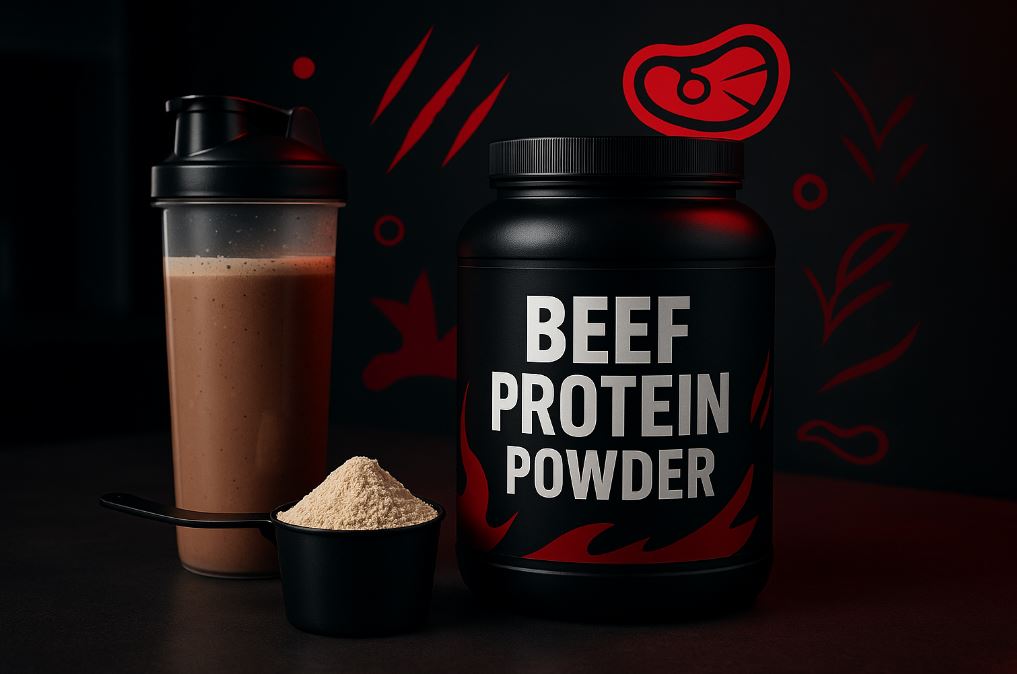
When most people think of beef, they imagine steak or ground meat — not a protein shake. However, with the rise of alternative supplements, beef protein powder has become a popular option, particularly for athletes seeking a dairy-free protein source that still comes from animals.
As a strength coach and doctor of kinesiology, I’ve seen beef protein spark curiosity because it sounds powerful and primal. Yet not all beef protein powders are the same, and many athletes wonder if they can genuinely compete with whey, casein, or even egg protein. In this article, we’ll break down how beef protein is made, its proven benefits, and whether it deserves a place in your supplement stack.
What is Beef Protein Powder?
Beef protein powder is made by hydrolyzing beef (usually lean cuts, collagen-rich tissues, or a mix of both) into amino acids and peptides, then drying it into powder. Unlike eating steak, this process strips away most of the fat and cholesterol, leaving behind concentrated protein.
The main forms include:
- Pure Beef Protein Isolate – marketed as high in protein with minimal carbs and fat.
- Hydrolyzed Beef Protein – pre-digested for faster absorption.
- Blends – sometimes combined with collagen or gelatin, which may affect the amino acid profile.
How Does Beef Protein Powder Work? – Mechanism of Action
Beef protein powder provides the amino acids necessary for muscle repair and growth. Its digestion rate is moderate, making it a steady source of amino acids without the rapid spike of whey. However, it’s important to note that many beef protein powders are derived from collagen-rich tissues, which are naturally low in leucine — the amino acid most critical for triggering muscle protein synthesis.
| Protein Source | Protein in 100 g | Serving Size (Typical) | Protein to Calorie Ratio |
|---|---|---|---|
| Lean Beef and Veal (Low Fat) | 36.0 g | 31.0 g (3 oz slice; 85 g) | 1 g protein per 5.3 calories |
| Lean Chicken (Chicken Breast) | 18.3 g | 16.0 g (3 oz serving; 85 g) | 1 g protein per 4.6 calories |
| Fish (Tuna, Salmon, Halibut) | 26.0 g | 22.0 g (3 oz fillet; 85 g) | 1 g protein per 4.5 calories |
| Pork Loin (Chops) | 30.0 g | 41.0 g (1 chop; 137 g, ~5 oz) | 1 g protein per 5.4 calories |
Proven Benefits of Beef Protein Powder
For athletes seeking alternatives to dairy-based proteins, beef protein powder offers a distinct set of advantages. While it may not replace whey as the most anabolic protein, it brings specific benefits that can make it a brilliant addition for certain diets and training goals.
#1 Dairy-Free and Allergen-Friendly
Beef protein contains no lactose, casein, or whey fractions, making it a safe choice for athletes with dairy intolerance or milk protein allergies. This allows them to maintain high protein intake without digestive issues.
#2 Supports Muscle Recovery
Although its leucine content is lower than whey, beef protein still delivers all essential amino acids. When consumed post-workout, it contributes to repairing damaged muscle fibers and supports steady recovery.
#3 May Support Joint and Connective Tissue Health
Some beef protein powders are made with collagen-rich tissues. This means they may supply peptides beneficial for joint, tendon, and ligament health — a bonus not present in whey or casein supplements.
#4 Satiety and Fat Loss Support
Beef protein digests at a moderate pace, which promotes longer-lasting fullness compared to fast-digesting whey. This makes it especially useful for athletes in cutting phases who want to curb hunger without sacrificing protein intake.
#5 Versatility in Diets
Because it is free from dairy and plant-based antinutrients, beef protein fits perfectly into paleo, keto, and carnivore-style diets where traditional powders like whey or soy are restricted.
Potential Side Effects and Risks
Although beef protein powder is generally safe and well-tolerated, it does come with a few critical limitations that athletes should consider before making it a staple supplement. Its effectiveness, cost, and overall quality depend heavily on the product chosen.
#1 Lower Leucine and Anabolic Power
Compared to whey protein, beef protein typically contains less leucine, the amino acid most responsible for triggering muscle protein synthesis. This means it’s not as effective for rapidly stimulating muscle growth after workouts. While it still contributes to recovery, it’s not the top choice for maximizing hypertrophy.
#2 Quality Varies Between Brands
Not all beef protein powders are created equal. Some high-quality products are made from lean beef isolate, offering a complete amino acid profile, while others are mainly derived from collagen and gelatin. Collagen is beneficial for joint and tendon health, but it lacks the amino acid balance required for building muscle. Athletes relying on these blends may not see the gains they expect.
#3 Digestive Concerns
A minority of athletes report bloating, gas, or stomach discomfort when using beef protein. This usually occurs with lower-grade products that are not filtered properly. Choosing a trusted brand that uses hydrolyzed beef isolate can help minimize these digestive issues.
#4 Higher Cost
Beef protein powders are often priced higher per gram of protein than whey or casein. For athletes on a budget, this can be a dealbreaker, especially since whey is both cheaper and more effective for muscle building. Unless dairy intolerance is an issue, the extra expense of beef protein may not be justified.
The Real Problem with Beef Protein Powders
Supplement companies often market beef protein powders as if you were drinking a steak in powdered form — all the protein, creatine, and vitamins, but without the fat and cholesterol. It sounds appealing, but the reality is more complicated.
Producing pure powdered lean beef would be extremely expensive, and in practice, most products on the market don’t actually come from muscle meat. Instead, many are made from lower-value parts of the cow — such as connective tissue, cartilage, ligaments, and hides — which are processed into gelatin.
To make these powders resemble a “complete” protein, manufacturers often add free-form amino acids like BCAAs and sometimes creatine. If the protein truly came from lean beef muscle, there would be no need for such additions, since red meat naturally contains high levels of branched-chain amino acids.
What this means is that a large proportion of so-called beef protein powders are essentially fortified gelatin products rather than true beef isolates. While they can still support muscle growth when combined with added amino acids, the actual benefits don’t come from beef itself, but from the additives used to balance the formula.
Beef Protein Powder vs. Gelatin-Based Protein
| Feature / Nutrient | True Beef Protein Isolate | Gelatin-Based Protein (Collagen-Derived) |
|---|---|---|
| Source | Lean beef muscle (red meat) | Connective tissue, cartilage, ligaments, and hides |
| Protein Quality | Complete protein with all essential amino acids | Incomplete protein – lacks tryptophan and is low in BCAAs |
| Leucine Content | High (key driver of muscle protein synthesis) | Very low |
| BCAAs | Naturally rich | Usually added artificially to “fix” the profile |
| Creatine Content | Naturally present in muscle meat | Absent, often added separately |
| Primary Benefits | Supports muscle growth, recovery, and strength | Supports joint, tendon, skin, and connective tissue health |
| Marketing Claim | “Powdered steak” with a complete amino acid spectrum | “Beef protein,” but often just fortified gelatin |
| Best Use | Bodybuilding, strength training, recovery | Joint health, injury rehab, skin elasticity |
Unless the label clearly states that it’s derived from lean beef isolate, chances are you’re just paying for collagen or gelatin with added amino acids. While that can still support joint health, it won’t compete with whey, casein, or even egg protein when it comes to muscle-building power.

Different Forms of Beef Protein Powder
Not all beef protein powders are created equal. The way the protein is processed has a significant impact on its nutritional quality, digestibility, and effectiveness for muscle growth. Here are the main forms you’ll encounter:
#1 Pure Beef Protein Isolate
This form is heavily marketed as the “cleanest” version, boasting a protein content of over 90% with almost no fat or carbohydrates. In theory, it should provide a similar amino acid profile to eating lean beef. However, in practice, very few powders are made exclusively from muscle meat due to high production costs. For athletes who manage to find a true isolate, this is the closest thing to a lean beef shake.
#2 Hydrolyzed Beef Protein
Hydrolyzed beef protein is partially pre-digested into smaller peptides, allowing for faster absorption and potentially improving tolerance for athletes with sensitive digestion. The downside is that many hydrolyzed versions are mainly derived from collagen-rich tissues, which means their leucine content — and therefore anabolic potential — is significantly lower than whey or egg protein. Still, it can work as a recovery aid, especially if stacked with added BCAAs.
#3 Beef Protein Blends
Many commercial beef protein powders are actually blends, often combining beef protein with collagen or gelatin. This lowers the cost of production but also dilutes the amino acid profile, making them less effective for muscle growth. These blends often require fortification with free-form BCAAs or creatine to mimic the anabolic effects of real beef protein. While they can still play a role in general nutrition, they should not be relied upon as the primary protein source for bodybuilding.
Recommended Dosage and How to Take Beef Protein Powder
#1 Dosage
A standard serving is 20–30 g per scoop, similar to whey or egg protein.
#2 Timing
- Post-workout: Effective for recovery, although not as potent as whey protein.
- Between meals, it provides satiety and steady amino acid release.
- During dieting phases: Can help control hunger while meeting protein needs.
#3 How to Take
Mix with water, almond milk, or blend into smoothies. Because the taste can be stronger than whey, it often works better in flavored shakes or recipes.

Beef Protein Powder vs Other Protein Sources
Athletes and gym goers often ask how beef protein stacks up against more established options like whey and casein. To give a clearer picture, we’ll compare these proteins based on digestion speed, leucine content, digestibility, added benefits, cost, and their ideal use cases. The table below highlights the key differences so you can decide which one best fits your training and nutrition goals.
| Feature | Beef Protein Powder | Whey Protein Powder | Casein Protein Powder |
|---|---|---|---|
| Digestion Speed | Medium (3–4 hrs) | Fast (1–2 hrs) | Slow (6–8 hrs) |
| Leucine Content | Lower | High | Moderate |
| Dairy-Free | Yes | No | No |
| Added Benefits | Possible joint support (collagen) | Strongest anabolic effect | Night-time recovery protein |
| Best Use | For dairy-free athletes, paleo/keto diets | Rapid post-workout recovery | Pre-bed slow release |
| Cost | Higher | Moderate | Moderate |
Who Should Use Beef Protein Powder?
While it’s not the most popular protein on the market, beef protein powder can be a valuable choice in certain circumstances. Here are the groups of athletes and lifters who may benefit most from including it in their supplement routine:
#1 Athletes with Lactose Intolerance or Dairy Sensitivity
For those who can’t digest whey or casein without discomfort, beef protein offers a clean, animal-based alternative that avoids the bloating, cramps, or gas often linked to dairy.
#2 Paleo, Keto, or Carnivore Dieters
Beef protein powder fits perfectly into animal-based nutrition plans, particularly paleo, keto, and carnivore diets, where dairy or soy proteins are restricted. It provides a convenient supplement that aligns with these eating philosophies.
#3 Athletes Looking for Variety Beyond Whey
Even athletes who tolerate whey well sometimes get flavor fatigue or digestive issues when they rely on it too heavily. Beef protein provides variety, giving lifters another way to hit their protein targets.
#4 Those Interested in Joint and Connective Tissue Support
Some beef protein powders contain collagen-rich peptides, which may support tendon, ligament, and joint health. While not a replacement for whey’s anabolic power, this feature makes beef protein attractive for older athletes or those prone to joint stress.
Who Should Avoid Beef Protein Powder?
Despite its benefits, beef protein powder isn’t the right fit for everyone. Here are the cases where athletes are better off choosing another protein source:
#1 Athletes Focused Solely on Maximum Muscle Growth
If your main goal is to build as much muscle as possible, whey protein still outperforms beef protein due to its higher leucine content and faster digestion. For a rapid anabolic response, beef simply can’t compete.
#2 People on a Budget
Beef protein powders are often more expensive per serving compared to whey or casein, yet they don’t offer superior results. For most athletes, whey protein provides more “bang for your buck” in terms of both effectiveness and cost.
#3 Anyone Allergic to Beef or Red Meat
Although less common than dairy allergies, beef allergies do exist. For these individuals, beef protein powders are unsafe and should be avoided entirely in favor of plant-based or egg protein powders.
Conclusion: Is Beef Protein Powder Worth It?
The beef protein powder can be a valuable tool for athletes who can’t tolerate dairy or follow animal-based diets. However, it is generally less anabolic than whey and more expensive. For most lifters, whey, casein, or egg protein powders are generally considered better options.
