
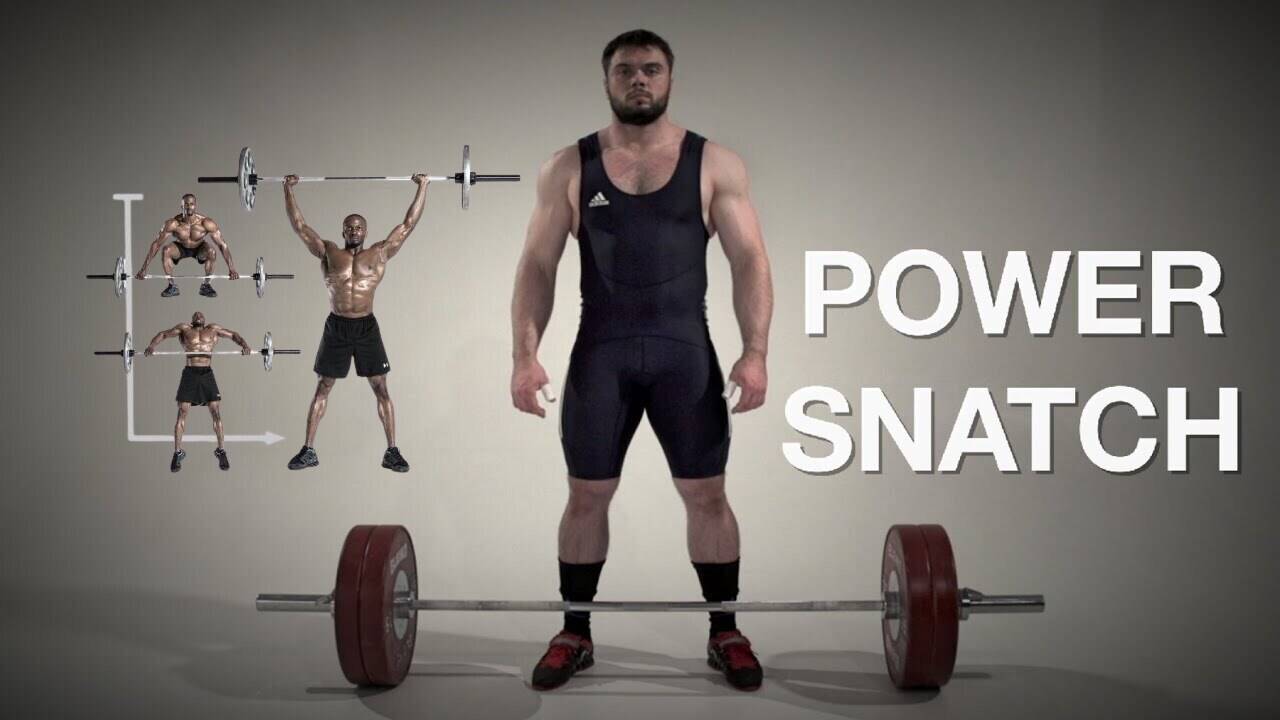
In the world of strength training, few exercises deliver the dynamic benefits of the power snatch. Combining explosive power, speed, and coordination, the power snatch stands out as a staple in many athletes’ routines. But what exactly is it, and how can you integrate it into your workout for maximum results?
The power snatch isn’t just about lifting heavy weights—it’s about lifting smart and with precision.
Olympic weightlifter Hampton Morris
In this article, we’ll break down the power snatch, understand the proper form, and uncover the benefits and common pitfalls of this powerful exercise.
What is the power snatch?
The power snatch is a dynamic weightlifting exercise that involves lifting a barbell from the ground to overhead in one explosive movement. Unlike the classic snatch, the power snatch involves catching the barbell in a partial squat position, making it accessible to those with less flexibility. This exercise is ideal for building speed, strength, and explosive power, engaging multiple muscle groups including the shoulders, back, legs, and core.
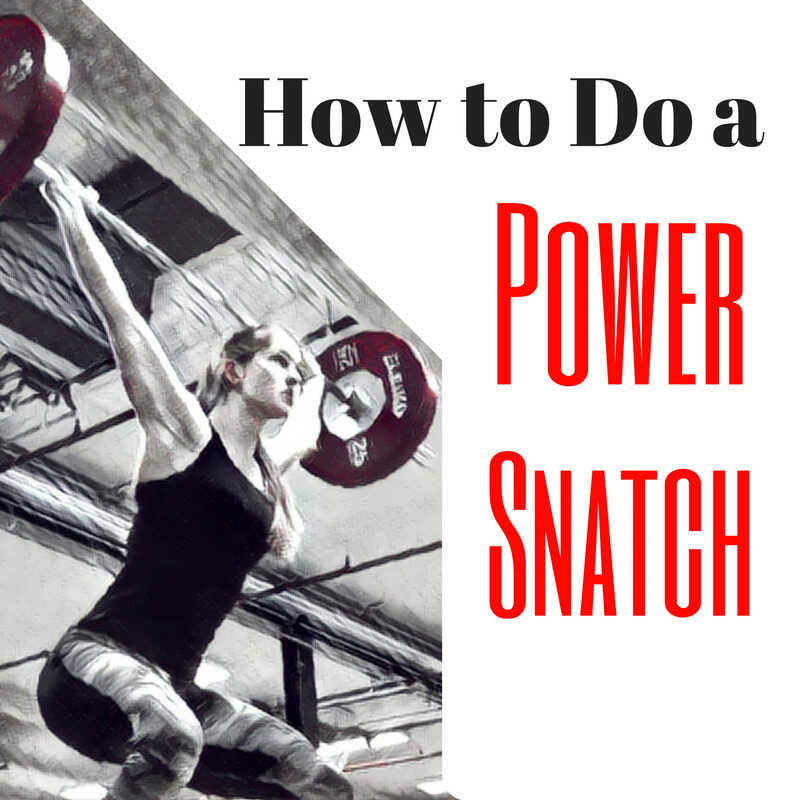
Performing the power snatch with perfect technique
Executing the power snatch correctly requires proper coordination, technique, and focus. Here is a detailed, step-by-step guide to ensure you get it right:
- Step 1: Setup Position – Stand with your feet hip-width apart. Place the barbell over the midfoot with your toes pointed slightly outward. Grip the bar with a wide grip (snatch grip), and ensure your hands are spaced far enough apart that the bar rests in your hip crease when you stand up.
- Step 2: First Pull – Initiate the lift by driving through your heels and extending your knees to lift the bar off the ground. Keep your chest up, back flat, and maintain a braced core. The bar should stay close to your shins as it rises.
- Step 3: Transition (Knees to Thighs) – As the bar passes your knees, start to push your hips forward and bring your torso to an upright position. This transition phase prepares you for the explosive second pull.
- Step 4: Second Pull – Once the bar reaches your mid-thighs, explosively extend your hips, knees, and ankles (triple extension). Shrug your shoulders and pull yourself under the bar as you achieve maximum height with the bar. Your arms should remain straight until the bar reaches its peak height.
- Step 5: Catch – As the barbell’s momentum carries it upwards, quickly pull yourself into a partial squat position to catch it. Your elbows should snap under the bar, and the barbell should land above your head with arms fully extended.
- Step 6: Stand Up – After securing the bar overhead, stand up by extending your hips and knees. Ensure the bar remains stable overhead with your arms locked out. Your feet should be flat on the ground and slightly wider than hip-width apart.
- Step 7: Reset – Carefully lower the bar back to the floor under control. Ensure you maintain proper alignment and balance during the descent.
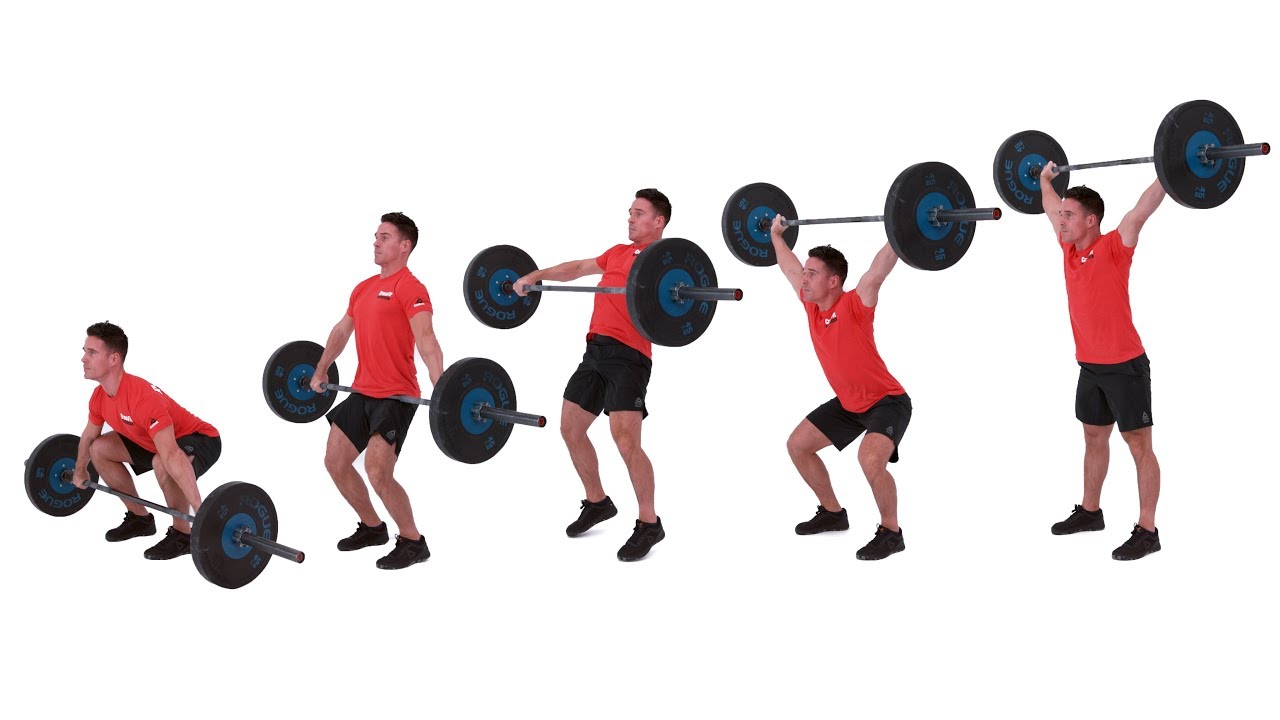
Following these steps will help you perform the power snatch with precision and effectiveness.
For even more detailed instructions and insights, consider visiting the National Strength and Conditioning Association website. They provide extensive resources and expert guidance to help you perfect your power snatch technique.
The Power Snatch video demonstration
Understanding the power snatch is one thing, but seeing it in action is another. While written instructions are valuable, there’s no substitute for visual learning when it comes to mastering such a dynamic exercise. Watching the video demonstration is key to grasping the nuances of the technique and ensuring you’re performing the movement safely and effectively.
Additional tips, tricks, and common mistakes
When perfecting the power snatch, attention to detail is crucial. This explosively dynamic movement requires precision, coordination, and strength. Even seasoned athletes can benefit from refining their technique. Whether you’re new to the power snatch or looking to improve, implementing additional performance tips can make a significant difference. Conversely, avoiding common mistakes ensures you get the most out of this remarkable exercise.
Performance tips from pros
- Use a Hook Grip: Incorporate a hook grip to ensure a secure hold on the bar, reducing the risk of slipping and allowing for more power transfer during the lift.
- Bar Path: Keep the bar close to your body throughout the lift. A straight and close bar path maximizes efficiency and safety.
- Explosive Hip Extension: Focus on an explosive hip extension. The power snatch is largely a hip-driven movement, and proper hip mechanics are crucial for generating power.
- Strong Overhead Position: Ensure that your arms are fully extended and locked overhead at the catch. The barbell should be positioned slightly behind your ears, aiding in stability and shoulder engagement.
- Controlled Descent: Lower the barbell in a controlled manner after each rep to maintain form and avoid unnecessary strain on your joints and muscles.
Common Mistakes
- Improper Starting Position: Starting with hips too high or too low disrupts the lift’s mechanics, leading to inefficient movement and potential injury.
- Early Arm Bend: Bending your arms early compromises your power output. The arms should remain straight until the final explosion and shrug of the lift.
- Over-Pulling with the Arms: Many lifters pull too much with their arms instead of focusing on hip drive and leg power, reducing the lift’s overall effectiveness.
- Poor Catch Position: Failing to properly catch the bar overhead with a stable torso and extended arms can cause loss of balance and increase the risk of injury.
- Lifting Too Heavy Too Soon: Progressing too quickly to heavier weights before mastering technique increases the risk of injury and reinforces poor form.
Muscles engaged during a power snatch
When you execute a power snatch, a variety of muscles across your body come into play. This dynamic movement targets multiple muscle groups, making it an effective exercise to build both strength and explosiveness. Here’s a closer look at the primary muscles engaged:
- Quads: Your quadriceps get a significant workout during the catch phase when you drop into a partial squat. They help you stabilize and control the landing, making it easier to stand up with the bar.
- Hamstrings: The hamstrings get engaged during the pull and extension phases. They help in driving your hips forward and stabilizing your knees, contributing to the overall power and control of the lift.
- Glutes: Engaged during both the jump and the catch phases, your glutes help propel your body upwards and stabilize your lower body upon landing. They’re essential for maintaining balance and power throughout the movement.
- Calves: These muscles activate as you push off the ground, providing the necessary lift and stability during the initial pull phase of the snatch. They’re crucial for generating the explosive power required.
- Lower back muscles: Are heavily involved in maintaining a strong, stable posture throughout the lift. They help prevent the spine from rounding and ensure proper alignment.
- Deltoids: These shoulder muscles activate significantly during the lift-off and as you guide the bar overhead. They aid in lifting and positioning the barbell, providing stability as you catch the weight.
- Upper back muscles (trapezius and rhomboids): These muscles are engaged during the pull phase of the power snatch. These muscles help in retracting the shoulder blades and stabilizing the shoulders as the barbell is lifted overhead.
- Core muscles: The core muscles, including the abdominals and obliques, are essential for maintaining balance and stability throughout the movement. A strong core helps in transferring power from the lower body to the upper body effectively.
- Forearms and grip muscles: They are responsible for holding onto the barbell securely throughout the lift. A strong grip is crucial for maintaining control over the barbell during the explosive phases of the power snatch.
The benefits and drawbacks of doing a power snatch
Adding the power snatch to your workout routine can offer several advantages, but it’s crucial to weigh these against the potential drawbacks. Here, we’ll break down the key benefits and cons so you can make an informed decision.
- Benefit: Enhances Athleticism – The power snatch requires coordination, balance, and speed, directly translating to improved athletic performance.
- Benefit: Develops Triple Extension Power – This exercise is excellent for developing power in the hips, knees, and ankles, which is crucial for various sports.
- Benefit: Improves Muscle Strength – It targets multiple muscle groups, promoting overall strength and muscle development.
- Benefit: Speed and Power – The explosive nature of the power snatch helps improve your speed and power output, beneficial for high-intensity sports.
- Drawback: Learning Curve – The technique can be challenging to master, requiring time and proper instruction to avoid injury.
- Drawback: Risk of Injury – Improper form or insufficient mobility can lead to injuries, especially in the shoulders and lower back.
- Drawback: Requires Equipment – Access to a barbell and weights is necessary, which may not be feasible for everyone.
- Drawback: Not Beginner-Friendly – Due to its complexity, the power snatch is not typically recommended for beginners or those new to weightlifting.
Is power snatch a beginner-friendly exercise?
Definitely not! While the power snatch is a highly effective exercise for building explosive strength and power, it is not typically categorized as beginner-friendly. The power snatch requires a solid foundation of strength, coordination, and mobility, which beginners might still be developing. Additionally, mastering the technique can be challenging and poses a risk of injury if done incorrectly.
However, beginners can eventually progress to the power snatch by starting with fundamental exercises to build their strength and technique. Also, working under the guidance of a qualified coach is highly recommended to ensure proper form and to minimize the risk of injury. Over time, as confidence and proficiency grow, transitioning to the full power snatch will be a smooth and rewarding journey.
How can beginners safely progress to performing a power snatch?
Beginners should start with foundational exercises that build the necessary strength, flexibility, and technique required for the power snatch. These exercises include:
- Deadlifts help in developing the posterior chain, which is crucial for the initial pull phase of the power snatch.
- Overhead squats improve shoulder stability and mobility.
- Hang snatches help in learning the explosive hip extension and the catch phase.
Power snatch – common variations
There are several variations of the power snatch that can be included in your workout routine to address different training needs and skill levels. Here are some of the most common:
- Hang Power Snatch: This variation starts with the barbell hanging at thigh level, usually just above the knees. It emphasizes the upper body pull and the explosive transition to the power position. This is excellent for focusing on the second pull and improving coordination.
- Power Snatch from Blocks: By placing the barbell on blocks, you can start the lift at various heights, typically from knee level or mid-shin. This helps athletes work on their pulling power and speed from specific portions of the lift, perfect for improving weak points.
- Power Snatch with Pause: Incorporating pauses during different phases of the lift, such as just above the knees or at the power position, can help build strength and stability while providing time to refine the technique.
- Muscle Snatch: Though not a power snatch per se, the muscle snatch is performed without the dip under the bar. It helps develop upper body strength and improves the timing of the pull.
- No Feet Power Snatch: In this version, lifters keep their feet planted on the ground throughout the lift, emphasizing precision and timing. This can be particularly useful for athletes who struggle with excessive foot movement.
Best replacement exercises
Sometimes, you might need to substitute the power snatch in your workout routine. Whether due to equipment limitations, injury, or simply wanting variety, there are several excellent alternatives that can provide similar benefits. Here are some of the best exercises to consider when looking to replace the power snatch.
- Hang Snatch: A great alternative that focuses on the explosive second pull and catching phase, making it slightly easier than the full snatch.
- Overhead Squat: Enhances stability, mobility, and strength in the receiving position of the snatch.
- Snatch High Pull: Prioritizes the explosive extension and pulling motion without the complexity of the catch.
- Clean and Jerk: Another Olympic lift that works on explosive power and coordination, but with a heavier load.
- Dumbbell Snatch: A unilateral alternative that can help address muscle imbalances and improve stability.
- Power Clean: Similar to the power snatch but with the barbell pulled to the shoulder level, making it more accessible for some lifters.
- Push Press: Focuses on the explosive extension of the hips and legs, similar to the dip and drive phase of the snatch.
The Power Snatch vs. Classic Olympic weightlifting snatch
The power snatch and the classic Olympic weightlifting snatch are two key movements in the world of weightlifting, each with its own unique technique and benefits. Understanding the differences between these exercises is crucial for athletes looking to refine their lifting skills and maximize their training results.
- Catch Position: In a power snatch, the bar is caught in a quarter-squat position. In a classic Olympic snatch, the bar is caught in a deep squat position.
- Bar Path and Height: The bar travels higher in a power snatch compared to a classic snatch, given the shallower catch position.
- Technique Learning Curve: The power snatch is generally considered easier and safer to learn, making it more accessible for beginners.
- Strength Focus: The power snatch emphasizes explosive speed, focusing on hip and leg drive. The classic snatch requires more overall strength, including significant upper-body engagement.
- Weight Loads: Typically, lighter weights are used in the power snatch compared to the classic snatch, which allows for more focus on speed and power development.
How often to include power snatches in your workout routine?
Incorporating power snatches into your workout routine should be approached with both purpose and caution. As a high-intensity, explosive movement, they can be taxing on the body and require precision in execution. For most athletes and fitness enthusiasts, including power snatches 2-3 times per week can help develop speed, power, and technique without causing overtraining. However, it’s crucial to listen to your body and adjust frequency based on recovery and performance feedback.
Beginners may benefit from integrating power snatches into their workouts once a week initially, focusing on mastering form before increasing frequency and intensity. Always consider your overall training goals and consult with a qualified coach to ensure you’re on the right track.
Do bodybuilders perform the power snatch?
While power snatches are most commonly associated with Olympic weightlifters and athletes looking to develop explosive power, bodybuilders can also benefit from incorporating this dynamic exercise into their routines. The power snatch engages multiple muscle groups, including the posterior chain, upper back, shoulders, and core, which align well with a bodybuilder’s goal of comprehensive muscle development.
However, since the power snatch is a technically challenging lift, most bodybuilders often prioritize other, more straightforward movements for hypertrophy. That said, if you’re a bodybuilder looking to enhance your functional strength, power, and athleticism, adding power snatches under the guidance of a qualified coach can be a valuable component of your training regimen.
Conclusion
In this tutorial, we’ve delved into the ins and outs of the power snatch, from achieving perfect form to understanding the muscles engaged and recognizing common mistakes. Whether you’re a seasoned athlete or just starting your fitness journey, the power snatch can be a game-changer for your strength and performance. Remember to progress at your own pace and consider alternative exercises if needed. With consistency and attention to detail, you can master the power snatch and unlock new levels of power and agility.
