
Introduction: Why Hormones Are the Missing Link in Muscle Growth
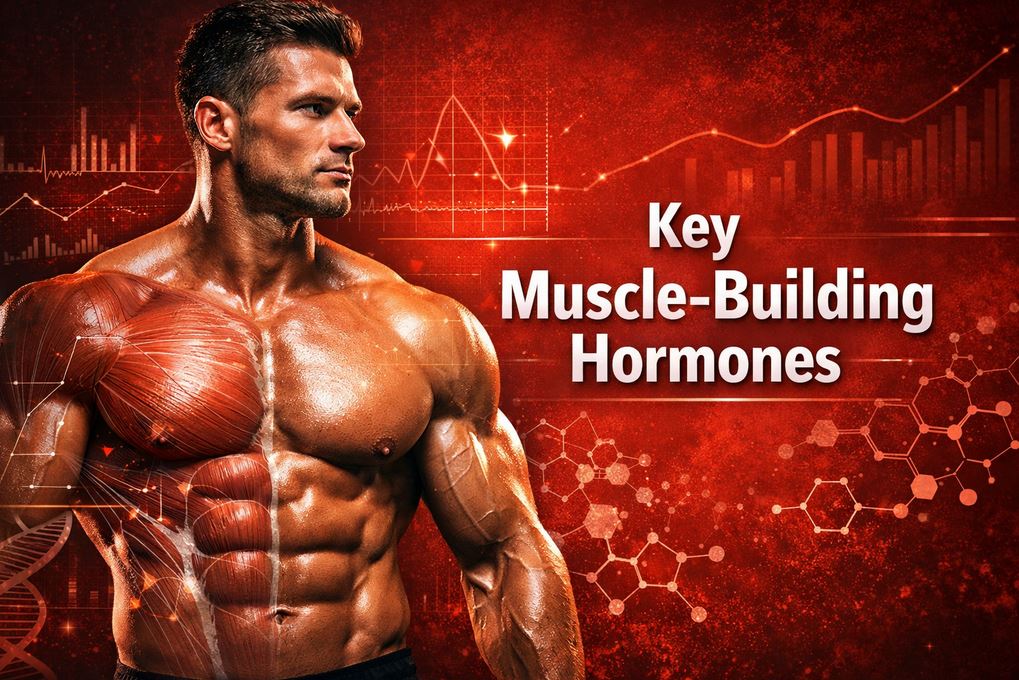
Building muscle is often reduced to sets, reps, and exercises—but that’s only part of the equation. Behind every successful training program lies a complex hormonal response that ultimately determines how your body adapts. Key muscle-building hormones act as biological messengers that decide whether your training stimulus turns into real, measurable muscle growth—or plateaus despite hard work.
From my experience as an experienced strength & conditioning coach and a PhD in kinesiology, one thing is clear: training without understanding hormonal responses has a ceiling. You can lift heavier, add more volume, and train more frequently, but without the right internal environment, progress eventually slows down.
This is where many lifters go wrong. They focus exclusively on muscle stimulation—creating mechanical tension and muscle damage—while ignoring hormonal adaptation, which governs recovery, protein synthesis, and long-term hypertrophy. More training does not automatically mean more muscle. In fact, excessive volume, poor recovery, and chronic stress can suppress key muscle-building hormones and actively work against your goals.
Core principle of this article:
This article is built around a simple but powerful principle —
you can significantly enhance muscle growth by optimizing your hormonal environment naturally, without anabolic steroids.
We will focus exclusively on natural, evidence-based strategies, including:
- Intelligent training variables
- Nutrition and nutrient timing
- Lifestyle and recovery habits
Throughout the article, I’ll bridge exercise science with real-world coaching practice, translating physiology into practical strategies lifters can actually apply.
In the sections that follow, we’ll break down the most important hormones involved in muscle growth—explaining what they do, why they matter for natural lifters, and how to support them through innovative training, nutrition, and lifestyle choices.
What Are Key Muscle-Building Hormones?
Key muscle-building hormones directly or indirectly regulate muscle hypertrophy by influencing protein synthesis, recovery capacity, nutrient partitioning, and overall anabolic–catabolic balance.
It’s important to understand that no single hormone builds muscle on its own. Muscle growth results from hormonal synergy, in which multiple hormones interact in response to training stress, nutrition, and recovery. Some hormones act as primary anabolic drivers, others regulate energy availability, while some control stress and metabolic rate—all of which influence your ability to grow muscle naturally.
For clarity, these hormones can be grouped into three functional categories:
1. Primary Anabolic Hormones
These hormones directly stimulate muscle-building processes, including protein synthesis and satellite cell activation.
- Testosterone
- Growth Hormone (GH)
- Insulin-Like Growth Factor 1 (IGF-1)
2. Nutrient and Energy Regulators
These hormones determine how efficiently nutrients are delivered to muscle tissue and whether they support growth or fat storage.
- Insulin
- Thyroid hormones (T3 & T4)
3. Regulatory and Modulatory Hormones
These hormones don’t build muscle directly but strongly influence the anabolic environment by affecting recovery, inflammation, and hormonal balance.
- Cortisol
- Estrogen (in both men and women)
Understanding how these key muscle-building hormones function—and more importantly, how they respond to training, nutrition, sleep, and stress—is essential for long-term progress. Natural muscle growth is not about “boosting” one hormone in isolation, but about creating conditions where all of them work together efficiently.
In the following sections, each hormone will be analyzed using the same structured framework, focusing on practical, science-backed methods to support natural hormone production and maximize muscle growth without pharmacological shortcuts.
| Hormone Group | Hormones Included | Primary Role in Muscle Growth |
|---|---|---|
| Primary Anabolic Hormones |
Testosterone Growth Hormone (GH) Insulin-Like Growth Factor 1 (IGF-1) |
Directly stimulate protein synthesis, satellite cell activity, and long-term hypertrophy adaptations. |
| Nutrient & Energy Regulators |
Insulin Thyroid Hormones (T3 & T4) |
Control nutrient delivery, energy availability, metabolic rate, and nutrient partitioning toward muscle tissue. |
| Regulatory & Modulatory Hormones |
Cortisol Estrogen (men & women) |
Influence recovery, inflammation, hormonal balance, and the overall anabolic–catabolic environment. |
Testosterone – The Foundation of the Anabolic Environment
1. Physiological Role in Muscle Growth
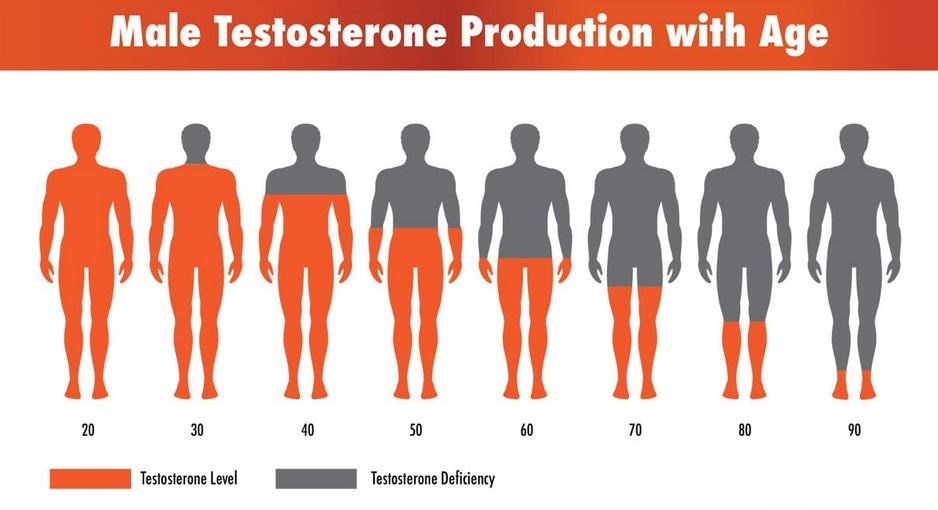
Testosterone is the primary androgenic hormone responsible for establishing an anabolic environment within skeletal muscle. From a physiological standpoint, it plays a direct anabolic role, meaning it actively participates in the mechanisms that drive muscle hypertrophy rather than merely regulating them indirectly.
Its most important effects on muscle growth include:
- Protein synthesis: Testosterone increases the rate at which muscle cells synthesize contractile proteins by enhancing androgen receptor activation within muscle tissue.
- Neuromuscular adaptation: Higher testosterone availability improves motor unit recruitment efficiency and neural drive, resulting in greater force production and training quality.
- Satellite cell activation: Testosterone stimulates satellite cells—muscle stem cells that donate nuclei to muscle fibers—thereby increasing their hypertrophic potential over time.
In simple terms, testosterone does not just “support” muscle growth—it sets the biological conditions that allow muscle growth to occur efficiently.
2. Why This Hormone Matters for Natural Lifters
For natural lifters, testosterone becomes even more critical because there is no external hormonal support to override suboptimal physiology. Unlike enhanced athletes, natural trainees rely entirely on their endogenous hormonal response to training.
Slight differences in testosterone levels—even within the normal physiological range—can significantly affect:
- Recovery capacity
- Training performance
- Long-term hypertrophy outcomes
When testosterone levels are chronically suppressed due to poor sleep, excessive stress, or improper training volume, progress often stalls despite consistent effort, on the other hand, optimizing natural testosterone production helps lifters get more adaptation from the same training stimulus.
It’s also important to be realistic: natural testosterone levels have genetic and physiological limits. The goal is not to chase extreme “boosts,” but to avoid unnecessary suppression and maintain optimal levels over time.
3. Training Variables That Influence This Hormone
Training design has a measurable impact on acute and chronic testosterone responses. While short-term hormonal spikes are not magic on their own, repeated exposure to favorable training stimuli supports a healthier anabolic environment.
Key training variables include:
- Exercise selection:
Compound movements such as squats, deadlifts, presses, and rows elicit a greater systemic hormonal response than isolation exercises because they involve greater total muscle mass. - Load and intensity:
Moderate-to-heavy loads (approximately 70–85% of 1RM) performed with good technique consistently elicit favorable testosterone responses. - Volume:
Adequate volume is necessary, but excessive volume—especially when recovery is insufficient—can elevate cortisol and blunt testosterone output. - Rest intervals:
Short-to-moderate rest periods (60–120 seconds) tend to support a more robust endocrine response than excessively long or extremely short rest periods. - Training to failure:
Strategic use of near-failure sets can be effective, but chronic all-out failure training often increases fatigue and stress, which can negatively impact testosterone over time.
The key takeaway: progressive overload with intelligent volume management beats maximal effort training done recklessly.
4. Nutrition Strategies to Support This Hormone
Testosterone production is tightly linked to nutritional status and energy availability. From a physiological perspective, the body prioritizes survival over reproduction and muscle growth when resources are limited.
Important nutritional considerations include:
- Dietary fats:
Adequate intake of dietary fats—especially saturated and monounsaturated fats—is essential, as cholesterol is the biochemical precursor for testosterone synthesis. - Carbohydrates:
Sufficient carbohydrate intake supports training intensity and helps limit excessive cortisol release, indirectly protecting testosterone levels. - Micronutrients:
Zinc, magnesium, and vitamin D play supportive roles in testosterone regulation, particularly when deficiencies are present. - Energy availability:
Chronic caloric restriction or aggressive dieting is one of the fastest ways to suppress testosterone in natural lifters.
Nutrient timing can support performance and recovery, but total daily intake matters far more than precise timing strategies.
5. Lifestyle & Recovery Factors
Testosterone is not produced during training—it is primarily regulated by recovery and lifestyle behaviors.
Key factors include:
- Sleep quality and duration:
Consistently sleeping fewer than 6–7 hours per night is associated with measurable reductions in testosterone production. - Stress management:
Chronic psychological stress elevates cortisol, which competes with testosterone at multiple regulatory levels. - Circadian rhythm alignment:
Testosterone follows a daily rhythm, peaking in the morning. Irregular sleep schedules and late-night habits disrupt this pattern. - Avoiding chronic overreaching:
Persistent fatigue, declining performance, and mood disturbances are often signs of hormonal imbalance rather than lack of effort.
In practice, many “plateaus” are actually recovery failures disguised as training problems.
6. Practical Coach’s Guidelines
Based on both research and coaching experience, the following principles consistently support healthy testosterone levels in natural lifters:
- Prioritize compound lifts as the foundation of your program
- Train hard, but avoid chronic maximal effort and constant failure
- Maintain adequate caloric intake, especially during high-volume phases
- Do not sacrifice sleep for extra training sessions
- Manage life stress as seriously as training stress
- Focus on long-term consistency, not short-term hormonal spikes
Optimizing testosterone naturally is not about extreme tactics—it’s about removing the factors that suppress it and reinforcing the habits that support it. Done correctly, this creates a stable anabolic environment that compounds results over months and years, not just weeks.
Growth Hormone (GH) – The Hormone of Recovery, Repair, and Adaptation
1. Physiological Role in Muscle Growth
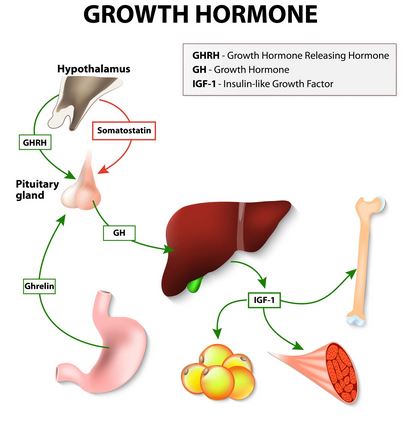
Growth Hormone (GH) is often misunderstood as a direct muscle-building hormone, but physiologically, it functions primarily as a recovery and adaptation hormone. GH does not directly increase muscle protein synthesis in the same way testosterone does; instead, it creates the conditions that allow muscle growth to occur efficiently over time.
Its key roles in muscle development include:
- Tissue repair and remodeling: GH accelerates connective tissue repair, tendon strength, and structural integrity—critical for tolerating progressive overload.
- Fat metabolism (lipolysis): GH increases fat mobilization, improving body composition and indirectly supporting an anabolic environment.
- IGF-1 signaling: GH stimulates the production of Insulin-Like Growth Factor 1 (IGF-1), which directly participates in muscle hypertrophy at the cellular level.
From a kinesiology perspective, GH is best viewed as a supportive anabolic regulator—it doesn’t build muscle directly, but without it, long-term hypertrophy and recovery capacity are compromised.
2. Why This Hormone Matters for Natural Lifters
For natural lifters, GH plays a crucial role because recovery is the limiting factor, not just training intensity. Without pharmacological assistance, the ability to repair tissue, restore performance, and tolerate volume determines how often and how effectively one can train.
Even modest improvements in GH secretion can:
- Enhance recovery between sessions
- Reduce injury risk
- Improve body composition
- Support sustainable training frequency
Low GH output—often caused by sleep deprivation, chronic stress, or excessive calorie restriction—doesn’t necessarily stop muscle growth immediately, but it quietly limits progress over time.
Importantly, natural GH secretion is highly lifestyle-dependent, making it one of the most trainable hormones through non-pharmacological means.
3. Training Variables That Influence This Hormone
Growth Hormone responds strongly to metabolic stress, making training design a powerful tool for influencing its release.
Key training variables include:
- Training density:
Shorter rest periods and higher work density increase lactate accumulation, which is closely linked to GH secretion. - Moderate loads with higher reps:
Sets performed in the 8–15-rep range, especially when taken near failure, tend to elicit a stronger GH response than very low-rep training. - Total training volume:
GH responds more to total metabolic demand than to maximal loading. Multiple sets with controlled rest are more effective than single heavy sets. - Exercise selection:
Large-muscle-group exercises—such as squats, lunges, presses, and rows—elicit a greater systemic GH response due to their higher metabolic cost. - Strategic intensity techniques:
Methods such as supersets, short-rest circuits, and controlled tempo work can increase metabolic stress without excessive joint loading.
Unlike testosterone-focused training, GH-oriented sessions emphasize accumulated effort rather than maximal force output.
4. Nutrition Strategies to Support This Hormone
Growth Hormone secretion is closely tied to energy balance and blood glucose regulation.
Key nutritional considerations include:
- Avoiding constant hyperinsulinemia:
Chronically elevated insulin levels—often caused by frequent high-sugar intake—can blunt GH secretion. - Adequate protein intake:
Amino acids support recovery processes initiated by GH, even though GH itself is not directly anabolic. - Strategic carbohydrate use:
Carbohydrates are essential for training performance, but excessive late-night intake may interfere with nocturnal GH release in some individuals. - Avoiding extreme caloric restriction:
While short-term fasting can increase GH, aggressive or prolonged energy deficits impair recovery and training quality.
Nutrition should support training performance during the day and recovery at night, not constantly suppress hormonal rhythms.
5. Lifestyle & Recovery Factors
Growth Hormone is produced primarily outside the gym, with the largest pulses occurring during deep sleep.
Critical lifestyle factors include:
- Sleep quality:
Deep slow-wave sleep accounts for most daily GH secretion. Poor sleep duration or fragmented sleep drastically reduces output. - Circadian rhythm consistency:
Regular sleep–wake schedules enhance GH pulsatility, while irregular routines suppress it. - Stress management:
Elevated cortisol interferes with GH release and downstream recovery processes. - Body composition:
Higher levels of visceral fat are associated with reduced GH secretion, further reinforcing the importance of long-term metabolic health.
For many lifters, improving sleep quality alone leads to noticeable improvements in recovery and training performance.
6. Practical Coach’s Guidelines
From a practical coaching standpoint, optimizing Growth Hormone naturally comes down to supporting recovery and metabolic efficiency, not chasing fatigue.
Key guidelines include:
- Incorporate moderate-load, higher-rep work alongside heavy training
- Use shorter rest periods strategically, not constantly
- Prioritize sleep depth and consistency over supplements
- Avoid chronic late-night eating when recovery is compromised
- Balance high-intensity sessions with adequate recovery days
- Focus on training sustainability, not constant exhaustion
Growth Hormone thrives in an environment of smart training stress followed by high-quality recovery. When respected, it becomes a powerful ally in long-term muscle development, joint health, and overall performance longevity.
Insulin-Like Growth Factor 1 (IGF-1) – The Direct Signal for Muscle Hypertrophy

1. Physiological Role in Muscle Growth
Insulin-Like Growth Factor 1 (IGF-1) is one of the most directly hypertrophic hormones in human physiology. While Growth Hormone initiates upstream signals, IGF-1 acts at the level of muscle tissue, making it a central driver of muscle fiber growth.
Its key physiological roles include:
- Stimulation of muscle protein synthesis:
IGF-1 activates intracellular signaling pathways (notably mTOR-related mechanisms) that directly increase protein synthesis within muscle fibers. - Satellite cell activation and proliferation:
IGF-1 plays a decisive role in activating satellite cells and promoting their fusion with existing muscle fibers, increasing myonuclear number and long-term growth capacity. - Muscle repair and remodeling:
By accelerating tissue repair, IGF-1 allows muscles to adapt more efficiently to repeated mechanical loading.
From a kinesiology perspective, IGF-1 is best understood as the final common pathway through which mechanical tension and hormonal signals translate into hypertrophy.
2. Why This Hormone Matters for Natural Lifters
For natural lifters, IGF-1 is critical because it represents the bridge between training stimulus and muscle growth. Without pharmacological amplification, natural athletes rely heavily on their ability to stimulate local IGF-1 production within muscle tissue.
Even relatively small increases in IGF-1 activity can:
- Improve hypertrophic response to training
- Enhance recovery between sessions
- Increase long-term muscle-building potential
Importantly, systemic IGF-1 levels are only part of the story. Local, muscle-derived IGF-1—stimulated directly by resistance training—is far more relevant for hypertrophy than circulating levels measured in blood tests.
For natural lifters, this means training quality often matters more than attempting to “boost” IGF-1 through supplements or shortcuts.
3. Training Variables That Influence This Hormone
IGF-1 responds most strongly to mechanical tension combined with sufficient volume, making intelligent resistance training the primary driver of its activity.
Key training variables include:
- Mechanical tension:
Progressive overload using challenging loads is the most potent stimulus for local IGF-1 production within muscle tissue. - Time under tension:
Controlled eccentrics and adequate set duration increase intracellular signaling linked to IGF-1 expression. - Training volume:
Multiple working sets per muscle group create a stronger IGF-1 response than minimal-volume approaches. - Exercise selection:
Compound movements produce robust IGF-1 signaling, but well-executed isolation work also plays a role by increasing localized mechanical stress. - Training frequency:
Repeated exposure to mechanical loading throughout the week helps maintain a consistent anabolic signaling environment.
Unlike GH-focused training, IGF-1 is less about metabolic stress and more about quality mechanical loading over time.
4. Nutrition Strategies to Support This Hormone
IGF-1 production is sensitive to overall nutritional status, particularly the availability of energy and protein.
Key nutritional factors include:
- Adequate protein intake:
Sufficient daily protein provides the amino acids necessary for IGF-1–mediated muscle protein synthesis. - Energy availability:
Chronic caloric deficits suppress IGF-1 production, even when training quality remains high. - Carbohydrate support:
Carbohydrates help sustain training intensity and support the insulin-mediated environment that allows IGF-1 signaling to function optimally. - Micronutrient sufficiency:
Zinc and overall micronutrient adequacy support growth-related endocrine signaling, particularly in physically active individuals.
While insulin and IGF-1 share structural similarities, balanced nutrition—not constant insulin spikes—is what sustains IGF-1 activity long term.
5. Lifestyle & Recovery Factors
IGF-1 levels are influenced not only by training and nutrition but also by recovery quality and overall physiological stress.
Key lifestyle factors include:
- Sleep consistency:
Poor sleep reduces GH output, which in turn limits IGF-1 production. - Stress management:
Chronic psychological stress elevates cortisol, which interferes with IGF-1 signaling at the tissue level. - Avoiding chronic under-recovery:
Persistent fatigue and insufficient recovery blunt anabolic signaling, including IGF-1 activity. - Age-related considerations:
IGF-1 naturally declines with age, making recovery optimization even more critical for older lifters.
In practice, IGF-1 thrives in well-recovered athletes who train with intent rather than exhaustion.
6. Practical Coach’s Guidelines
From a coaching perspective, supporting IGF-1 naturally is about maximizing training quality and recovery, not chasing biochemical shortcuts.
Key guidelines include:
- Prioritize progressive overload with solid technique
- Use controlled tempos, especially during eccentric phases
- Accumulate sufficient weekly volume per muscle group
- Avoid prolonged aggressive calorie deficits
- Support recovery with consistent sleep routines
- Focus on long-term progression, not short-term intensity spikes
IGF-1 rewards lifters who train intelligently, eat adequately, and recover consistently. When these fundamentals are in place, it becomes one of the most potent natural drivers of muscle hypertrophy—quietly translating effort into lasting physical change.
Insulin – The Gatekeeper of Nutrient-Driven Muscle Growth
1. Physiological Role in Muscle Growth
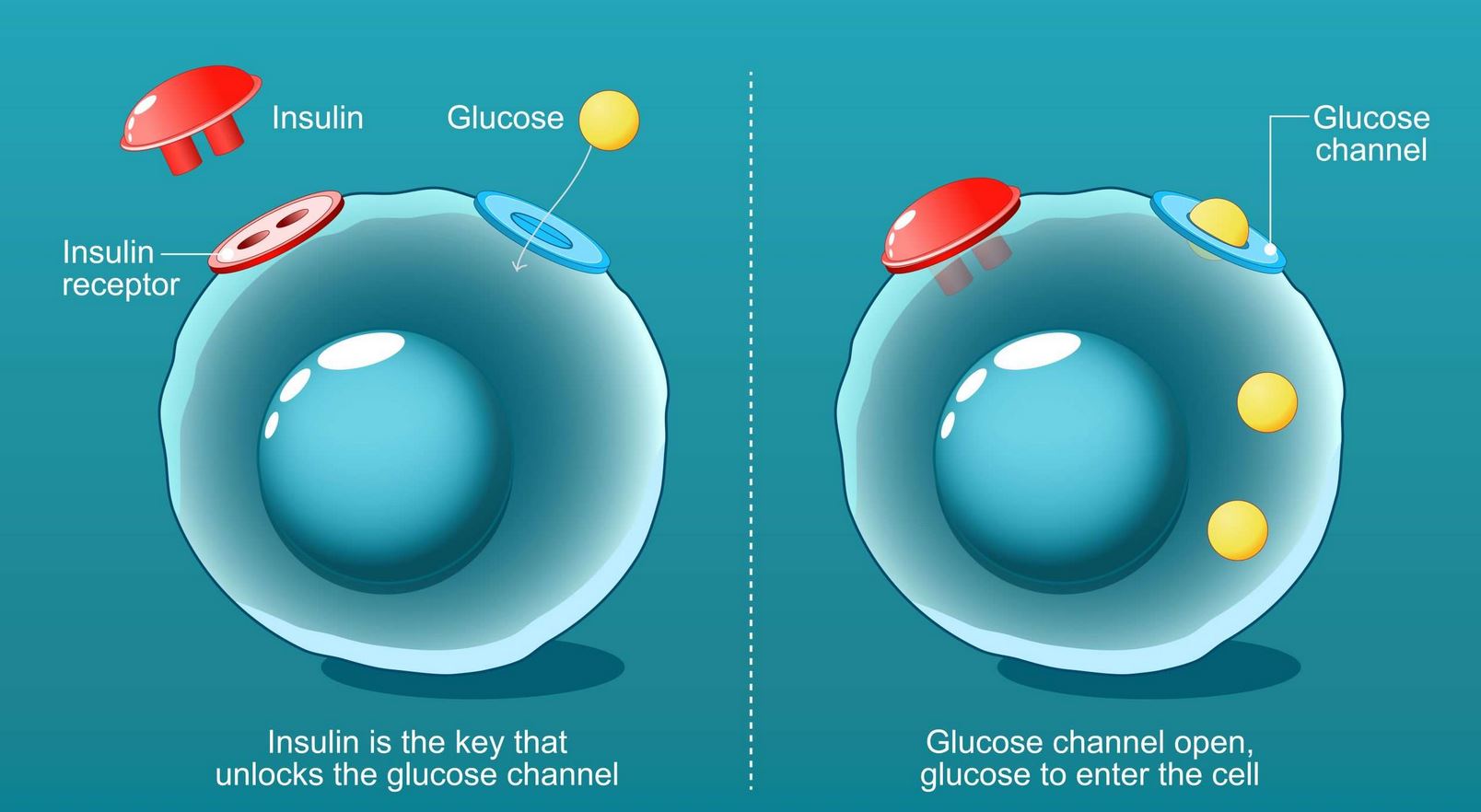
Insulin is often misunderstood in the context of muscle building. Physiologically, it is not a direct anabolic hormone in the classic sense, but it is one of the most powerful anti-catabolic and nutrient-partitioning hormones in the human body. Its primary role is to regulate the entry of nutrients—especially glucose and amino acids—into cells.
In relation to muscle growth, insulin influences:
- Amino acid uptake:
Insulin facilitates the transport of amino acids into muscle cells, creating the intracellular conditions necessary for muscle protein synthesis to occur. - Inhibition of muscle protein breakdown:
One of insulin’s most important effects is its strong anti-catabolic action, reducing muscle protein degradation after training. - Glycogen replenishment:
By driving glucose into muscle cells, insulin restores glycogen levels, which directly affects training performance and recovery capacity.
From a kinesiology standpoint, insulin acts as the gatekeeper—it does not initiate muscle growth on its own, but without it, the building materials never reach the muscle.
2. Why This Hormone Matters for Natural Lifters
For natural lifters, insulin is critical because nutrient efficiency becomes a limiting factor. Unlike enhanced athletes, natural trainees cannot rely on pharmacological agents to force nutrients into muscle tissue regardless of metabolic state.
Even with optimal training, poor insulin sensitivity can lead to:
- Inefficient nutrient delivery to the muscle
- Increased fat storage
- Slower recovery
- Blunted hypertrophic response
On the other hand, good insulin sensitivity allows natural lifters to:
- Get more muscle growth from the same caloric intake
- Recover faster between sessions
- Maintain better body composition during growth phases
The goal is not to maximize insulin levels, but to maximize insulin effectiveness.
3. Training Variables That Influence This Hormone
Resistance training itself is one of the most powerful tools for improving insulin sensitivity, particularly in skeletal muscle.
Key training-related factors include:
- Muscle contraction:
Muscle contractions increase glucose uptake independently of insulin, improving insulin sensitivity both acutely and chronically. - Training volume:
Adequate weekly volume enhances muscle glycogen turnover, which improves how effectively muscles respond to insulin. - Large muscle group training:
Compound exercises involving the lower body and large muscle mass (e.g., squats, deadlifts, lunges) have a greater systemic impact on insulin sensitivity. - Training frequency:
Regular resistance training sessions help maintain improved insulin responsiveness over time. - Avoiding excessive inactivity:
Long periods of inactivity reduce insulin sensitivity, even in individuals who train hard a few times per week.
In practical terms, consistent resistance training keeps muscles metabolically “hungry” for nutrients.
4. Nutrition Strategies to Support This Hormone
Insulin is primarily influenced by dietary carbohydrate intake, but context matters more than absolute numbers.
Key nutritional strategies include:
- Carbohydrate timing:
Carbohydrates consumed around training are more likely to be directed toward muscle glycogen rather than fat storage due to increased insulin sensitivity. - Balanced meals:
Combining carbohydrates with protein and some fat slows digestion and leads to a more controlled insulin response. - Fiber intake:
High-fiber foods improve insulin sensitivity and reduce unnecessary insulin spikes throughout the day. - Avoiding constant snacking:
Continually elevated insulin levels reduce metabolic flexibility and may impair long-term insulin sensitivity. - Energy balance awareness:
Chronic caloric surplus without adequate training stimulus leads to poorer insulin partitioning over time.
Insulin works best when periods of elevation are followed by periods of low baseline levels—not when it is constantly high.
5. Lifestyle & Recovery Factors
Lifestyle behaviors outside the gym heavily influence insulin sensitivity.
Important factors include:
- Sleep quality:
Even short-term sleep deprivation significantly reduces insulin sensitivity. - Stress levels:
Chronic stress elevates cortisol, which interferes with insulin signaling and glucose regulation. - Daily movement:
Non-exercise physical activity (walking, light movement) plays a significant role in maintaining insulin responsiveness. - Body composition:
Higher levels of visceral fat are associated with impaired insulin sensitivity, even in physically active individuals.
Many insulin-related issues seen in lifters are lifestyle-driven rather than training-driven.
6. Practical Coach’s Guidelines
From a coaching perspective, insulin should be treated as a precision tool, not a hormone to be constantly stimulated.
Key practical guidelines include:
- Use carbohydrates strategically around training, not indiscriminately
- Prioritize resistance training to maintain muscle insulin sensitivity
- Avoid grazing and constant high-calorie snacking
- Combine carbohydrates with protein for better nutrient partitioning
- Protect sleep quality to preserve metabolic health
- Focus on insulin sensitivity, not insulin spikes
When insulin is managed intelligently, it becomes a powerful ally—efficiently delivering nutrients where they matter most and supporting muscle growth without unnecessary fat gain.
Thyroid Hormones (T3 & T4) – The Metabolic Foundation of Muscle Growth
1. Physiological Role in Muscle Growth
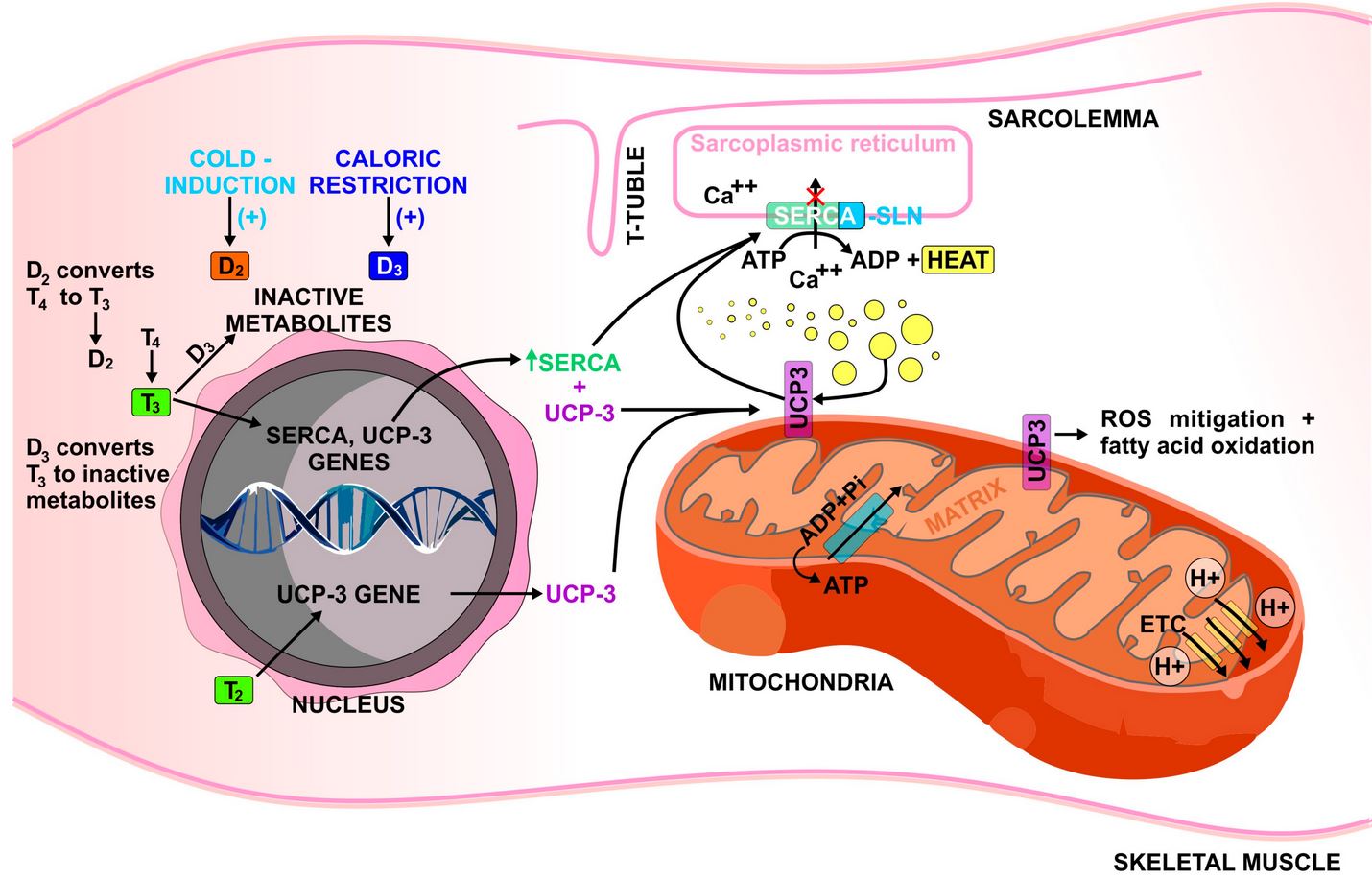
Thyroid hormones—triiodothyronine (T3) and thyroxine (T4)—do not build muscle directly, but they establish the metabolic conditions under which muscle growth can occur. From a physiological perspective, T3 is the biologically active hormone at the tissue level, while T4 acts largely as a prohormone that must be converted into T3.
Their primary roles relevant to muscle growth include:
- Regulation of metabolic rate:
Thyroid hormones determine how efficiently cells produce energy (ATP), which directly affects training capacity and recovery. - Protein turnover:
T3 influences both protein synthesis and breakdown. Balanced thyroid function supports normal muscle remodeling; dysfunction disrupts it. - Mitochondrial function:
Thyroid hormones increase mitochondrial activity, improving energy production within muscle fibers. - Interaction with anabolic hormones:
Adequate thyroid function supports the effectiveness of testosterone, IGF-1, and insulin signaling at the cellular level.
In short, thyroid hormones define the metabolic “speed” of the system—too slow or too fast, and muscle growth efficiency suffers.
2. Why This Hormone Matters for Natural Lifters
For natural lifters, thyroid hormones are especially important because energy availability and recovery capacity cannot be pharmacologically bypassed. When thyroid function is suboptimal, even well-designed training programs produce disappointing results.
Low thyroid activity may lead to:
- Persistent fatigue
- Reduced training performance
- Poor recovery
- Difficulty building lean mass
Excessively elevated thyroid activity, on the other hand, can:
- Increase muscle protein breakdown
- Impair recovery
- Make it difficult to maintain muscle mass
The goal is euthyroid balance—not pushing metabolism artificially high or suppressing it through extreme dieting or overtraining.
3. Training Variables That Influence This Hormone
Training affects thyroid hormones primarily through energy demand and cumulative stress, rather than through acute hormonal spikes.
Key training-related factors include:
- Overall training load:
Extremely high training volumes without sufficient recovery can suppress thyroid hormone conversion (T4 → T3). - Chronic endurance overload:
Excessive endurance training combined with low caloric intake often leads to reduced T3 levels. - Resistance training balance:
Well-structured strength training supports healthy metabolic activity without excessive endocrine stress. - Deloading and periodization:
Planned reductions in training stress help maintain normal thyroid signaling over long training cycles.
In practice, thyroid hormones respond best to structured, sustainable training rather than to constant maximal output.
4. Nutrition Strategies to Support This Hormone
Thyroid function is highly sensitive to caloric intake and micronutrient sufficiency.
Key nutritional considerations include:
- Adequate calorie intake:
Chronic energy restriction is one of the most common causes of reduced T3 levels in physically active individuals. - Carbohydrate availability:
Carbohydrates support T4-to-T3 conversion and overall metabolic function. - Micronutrients:
Iodine, selenium, iron, and zinc are essential for thyroid hormone synthesis and conversion. - Avoiding extreme dieting:
Prolonged very-low-calorie or very-low-carbohydrate diets often impair thyroid output.
Nutrition should support metabolic stability, not constant metabolic stress.
5. Lifestyle & Recovery Factors
Thyroid hormones are deeply influenced by systemic stress and the quality of recovery.
Key lifestyle factors include:
- Sleep duration and consistency:
Chronic sleep deprivation disrupts thyroid hormone regulation. - Psychological stress:
Long-term stress alters hypothalamic–pituitary–thyroid (HPT) axis signaling. - Illness and inflammation:
Chronic inflammation can reduce the availability of active T3 at the tissue level. - Training–life balance:
Thyroid function often declines when total life stress exceeds recovery capacity.
Many “unexplained” plateaus in muscle gain are actually metabolic slowdowns driven by lifestyle stress, not training mistakes.
6. Practical Coach’s Guidelines
From a coaching perspective, thyroid health is about protecting metabolic integrity, not aggressively manipulating hormones.
Key practical guidelines include:
- Avoid prolonged aggressive calorie deficits
- Support training with sufficient carbohydrate intake
- Balance resistance training with adequate recovery
- Use deloads to reduce cumulative metabolic stress
- Prioritize sleep consistency and stress management
- View fatigue as a metabolic signal, not a weakness
Thyroid hormones do not build muscle directly, but without a properly regulated metabolism, muscle growth becomes inefficient, inconsistent, and difficult to sustain. For natural lifters, protecting thyroid function is essential for long-term progress and performance stability.
Cortisol – The Necessary Stress Hormone That Can Limit Muscle Growth If Mismanaged
Yes, this probably surprised you—like a bolt from the blue.
Cortisol is not an anabolic hormone and does not build muscle directly.
However, it is a key regulatory hormone that determines whether muscle growth can actually occur.
Without cortisol, there is no proper stress response, no tissue remodeling, and no adaptation to training.
The real problem is not cortisol itself, but chronically elevated cortisol caused by poor recovery, excessive training volume, and unmanaged lifestyle stress.
1. Physiological Role in Muscle Growth
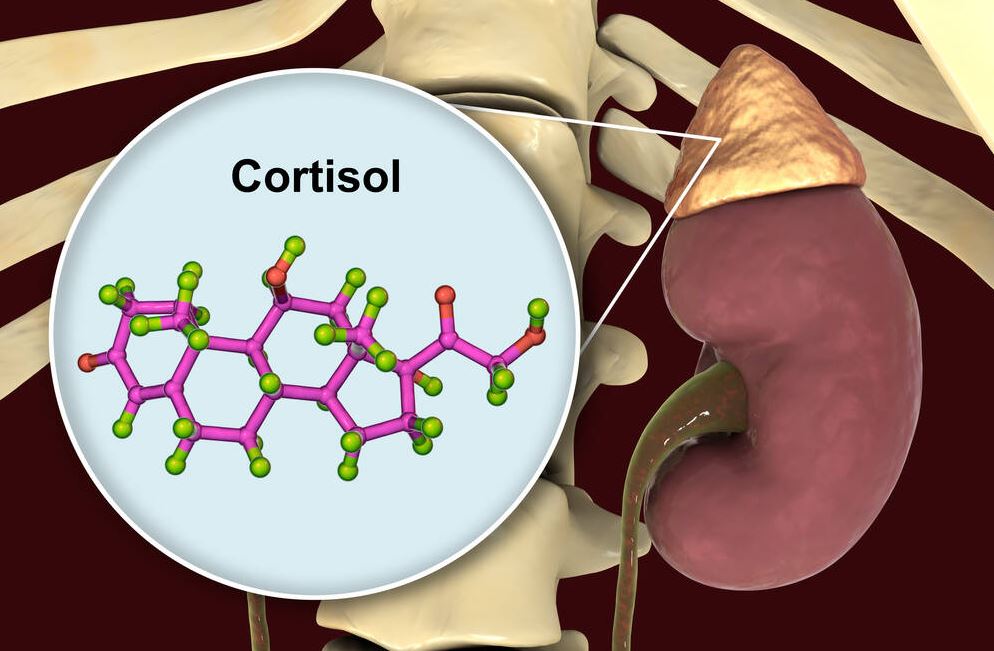
Cortisol is commonly labeled as a “catabolic hormone,” but from a physiological and kinesiology standpoint, this is an oversimplification. Cortisol is an essential stress-regulating hormone that plays a critical role in energy mobilization, inflammation control, and adaptation to physical stress—including resistance training.
Its key functions related to muscle growth include:
- Energy availability:
Cortisol increases the availability of glucose and fatty acids during and after training, ensuring the body has sufficient fuel to cope with stress. - Inflammation regulation:
It helps control excessive inflammation following intense training, allowing tissue repair to proceed in a controlled manner. - Protein turnover regulation:
Cortisol increases protein breakdown, which sounds negative, but this process is necessary for remodeling damaged muscle tissue and initiating adaptation.
Physiologically, cortisol is neither “good” nor “bad.” It is regulatory, not anabolic, and becomes problematic only when chronically elevated.
2. Why This Hormone Matters for Natural Lifters
For natural lifters, cortisol is one of the most important hormones to understand because recovery capacity sets the ceiling for progress. Without pharmacological support, excessive cortisol exposure cannot be masked and will directly impact muscle retention and growth.
Chronically elevated cortisol can:
- Impair muscle protein synthesis
- Interfere with testosterone and IGF-1 signaling
- Slow recovery between training sessions
- Increase fatigue and reduce training quality
However, too little cortisol signaling is not ideal either. Cortisol is required for proper adaptation to training stress. The real issue is not cortisol itself, but chronic imbalance between stress and recovery.
Natural lifters must therefore manage cortisol intelligently rather than attempting to suppress it completely.
3. Training Variables That Influence This Hormone
Training is one of the strongest acute stimulators of cortisol, and this is normal. Problems arise when training stress consistently exceeds recovery capacity.
Key training-related factors include:
- Training volume:
Excessive weekly volume, especially when combined with insufficient recovery, is a primary driver of chronically elevated cortisol. - Training intensity and density:
High-intensity sessions with very short rest periods dramatically increase cortisol output, particularly when performed frequently. - Training to failure:
Frequent all-out failure training significantly elevates stress hormones and should be used strategically, not constantly. - Session duration:
Very long training sessions increase cortisol exposure without necessarily providing additional hypertrophic stimulus. - Program structure:
Poorly planned programs that lack deloads or variation often lead to cumulative stress overload.
From a coaching perspective, more stress is not always more stimulus.
4. Nutrition Strategies to Support This Hormone
Cortisol is highly sensitive to energy availability and blood glucose stability.
Key nutritional considerations include:
- Adequate carbohydrate intake:
Carbohydrates blunt excessive cortisol release during and after training by supporting glycogen availability. - Sufficient total calories:
Chronic caloric restriction elevates baseline cortisol levels, particularly in physically active individuals. - Regular meal timing:
Extremely irregular eating patterns may increase stress hormone output in some lifters. - Protein adequacy:
Adequate protein intake helps limit excessive muscle protein breakdown during periods of elevated cortisol.
Nutrition does not eliminate cortisol—but it helps prevent unnecessary hormonal stress.
5. Lifestyle & Recovery Factors
Cortisol is one of the most lifestyle-sensitive hormones involved in muscle growth.
Key lifestyle factors include:
- Sleep deprivation:
Poor sleep quality or insufficient sleep elevates baseline cortisol levels and reduces recovery capacity. - Psychological stress:
Work stress, emotional stress, and anxiety contribute significantly to chronic cortisol elevation. - Circadian rhythm disruption:
Irregular sleep–wake cycles disturb normal cortisol rhythms, keeping levels elevated when they should decline. - Caffeine misuse:
Excessive stimulant use—especially later in the day—can compound stress hormone output.
Many training plateaus attributed to “bad genetics” are actually the result of unmanaged lifestyle stress.
6. Practical Coach’s Guidelines
From a coaching standpoint, cortisol management is about stress budgeting, not stress avoidance.
Key practical guidelines include:
- Keep training sessions focused and time-efficient
- Avoid chronic maximal effort and constant failure training
- Support training with adequate carbohydrate intake
- Treat sleep as a non-negotiable recovery tool
- Schedule deloads or lower-stress weeks proactively
- Address life stress with the same seriousness as training variables
Cortisol is essential for adaptation, but only when paired with sufficient recovery. When stress consistently exceeds recovery, cortisol shifts from a regulatory ally to a growth-limiting factor.
Estrogen – The Overlooked Hormone for Recovery, Joint Health, and Long-Term Muscle Performance
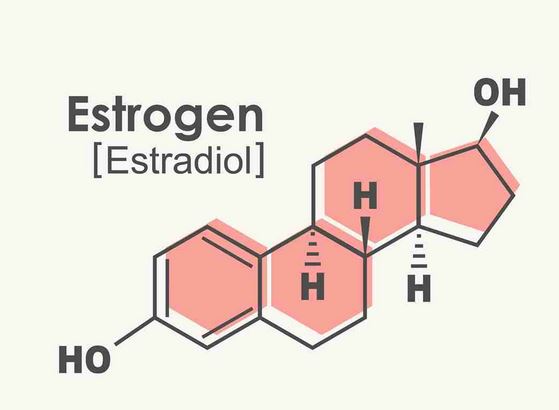
Yes, this probably caught you off guard.
Estrogen is not an anabolic hormone and does not build muscle directly.
However, it is a key regulatory hormone that supports recovery, joint health, insulin sensitivity, and overall hormonal balance.
Without adequate estrogen levels, muscle recovery slows down, injury risk increases, and the anabolic effects of other hormones—such as testosterone—are reduced.
The goal is not to eliminate estrogen, but to maintain a healthy physiological balance that allows long-term muscle growth and performance.
1. Physiological Role in Muscle Growth
Estrogen is one of the most misunderstood hormones in the context of strength training and bodybuilding—especially among male lifters. Physiologically, estrogen is not an anabolic hormone in the classic sense, but it plays a critical regulatory role in several processes that directly influence muscle growth capacity.
Its key roles include:
- Muscle recovery and repair:
Estrogen has anti-inflammatory properties that help regulate post-training muscle damage and support efficient tissue repair. - Joint and connective tissue health:
Adequate estrogen levels contribute to collagen synthesis and joint lubrication, reducing injury risk and improving training longevity. - Insulin sensitivity and nutrient utilization:
Estrogen supports glucose metabolism and insulin sensitivity, indirectly enhancing nutrient delivery to muscle tissue. - Interaction with anabolic hormones:
Estrogen modulates testosterone activity and receptor sensitivity, influencing how effectively androgenic signals are expressed at the tissue level.
From a kinesiology standpoint, estrogen should be viewed as a protective and regulatory hormone that supports the conditions under which muscle growth can occur sustainably.
2. Why This Hormone Matters for Natural Lifters
For natural lifters, estrogen balance is especially important because there is no pharmacological safety net to compensate for hormonal mismanagement. Suppressing estrogen too aggressively—intentionally or unintentionally—often backfires.
When estrogen levels are too low, lifters commonly experience:
- Poor joint health and increased injury risk
- Impaired recovery
- Reduced training performance
- Decreased insulin sensitivity
Conversely, excessively high estrogen levels can:
- Negatively affect body composition
- Interfere with testosterone signaling
- Increase fatigue and water retention
The goal is not to eliminate estrogen, but to maintain physiological balance, where estrogen supports recovery and performance without overshadowing anabolic signaling.
3. Training Variables That Influence This Hormone
Estrogen levels are indirectly influenced by training through changes in energy balance, body composition, and overall stress load.
Key training-related factors include:
- Training volume:
Extremely high training volumes without adequate recovery can disrupt hormonal balance, including estrogen regulation. - Resistance training consistency:
Regular strength training supports healthier body composition, which helps regulate estrogen metabolism. - Excessive cardio:
High volumes of endurance training—especially combined with low caloric intake—can negatively impact estrogen levels, particularly in women. - Body fat levels:
Adipose tissue plays a role in estrogen production via aromatization; both excessively low and excessively high body fat can disrupt hormonal balance.
Training should aim for a sustainable workload and healthy body composition, not hormonal extremes.
4. Nutrition Strategies to Support This Hormone
Estrogen balance is strongly influenced by dietary patterns and micronutrient intake.
Key nutritional considerations include:
- Adequate energy intake:
Chronic low-calorie diets suppress estrogen production, particularly in female athletes. - Dietary fats:
Sufficient fat intake supports overall hormone synthesis and regulation. - Micronutrient adequacy:
Nutrients such as magnesium, zinc, and B vitamins support hormonal balance and metabolic health. - Fiber and gut health:
A healthy gut microbiome plays a role in estrogen metabolism and clearance. - Avoiding extreme dietary restriction:
Aggressive dieting strategies often disrupt estrogen balance more than they improve body composition.
Balanced nutrition supports hormonal stability, which is essential for consistent training progress.
5. Lifestyle & Recovery Factors
Estrogen regulation is closely tied to stress, sleep, and overall physiological load.
Important lifestyle factors include:
- Sleep quality:
Poor sleep disrupts endocrine regulation and negatively affects estrogen balance. - Chronic stress:
Elevated stress hormones interfere with normal sex hormone signaling. - Recovery sufficiency:
Inadequate recovery increases systemic stress and disrupts hormonal harmony. - Sex-specific considerations:
Women are particularly sensitive to energy deficits and stress, making recovery strategies even more critical.
Ignoring lifestyle factors often leads to hormonal issues that no amount of training optimization can fix.
6. Practical Coach’s Guidelines
From a coaching perspective, estrogen should be respected, not feared.
Key practical guidelines include:
- Avoid extreme dieting and prolonged low-calorie phases
- Maintain a healthy, sustainable body fat range
- Balance training volume with recovery capacity
- Do not intentionally suppress estrogen without a medical indication
- Prioritize joint health and long-term performance
- Recognize that hormonal balance supports consistency, not just aesthetics
Estrogen does not build muscle directly—but without adequate estrogen balance, muscle growth becomes harder, recovery slows, and injury risk rises. For natural lifters, respecting this hormone is a key component of long-term progress and training longevity.
How These Hormones Work Together – Hormonal Synergy in Muscle Growth
One of the biggest misconceptions in bodybuilding is that a single hormone drives muscle growth. In reality, hypertrophy is the result of a finely tuned hormonal network, where each hormone plays a specific role—and where imbalance in just one area can limit the entire process.
Think of muscle growth as a chain reaction, not a single trigger.

Muscle Growth Is a Coordinated Hormonal Process
Here’s how the key muscle-building hormones interact in practice:
- Testosterone sets the anabolic tone
It increases protein synthesis capacity, neuromuscular efficiency, and androgen receptor signaling—essential for translating training into growth. - Growth Hormone (GH) supports recovery and structural adaptation
GH enhances tissue repair and fat metabolism and stimulates downstream IGF-1 production. - IGF-1 delivers the direct hypertrophy signal
This is where mechanical tension and hormonal signaling converge to activate satellite cells and drive muscle fiber growth. - Insulin ensures nutrients reach the muscle
Without insulin-mediated amino acid and glucose uptake, anabolic signaling cannot be fully expressed. - Cortisol regulates stress and adaptation
Acute cortisol is necessary for energy mobilization and remodeling; chronic cortisol disrupts the anabolic environment. - Estrogen protects recovery and joint integrity
It supports connective tissue health, insulin sensitivity, and optimal anabolic hormone function. - Thyroid hormones (T3 & T4) regulate metabolic capacity
They determine whether the body has the energy throughput to support training, recovery, and growth.
Why Balance Matters More Than Maximization
A critical takeaway—especially for natural lifters—is this:
Muscle growth is limited by the weakest hormonal link, not the strongest one.
Examples:
- High testosterone with poor sleep → suppressed GH and recovery
- Hard training with low calories → reduced thyroid output and IGF-1
- High volume with unmanaged stress → chronically elevated cortisol
- Aggressive dieting → disrupted estrogen and insulin signaling
In all these cases, effort is high—but adaptation is limited.
The Natural Lifter’s Advantage: Control Through Habits
Unlike pharmacological approaches that artificially amplify single hormones, natural lifters improve results by optimizing the entire system through:
- intelligent training design
- sufficient nutrition
- high-quality sleep
- stress management
- long-term consistency
This is why natural hormone optimization is not about chasing “boosts,” but about creating an internal environment where all key muscle-building hormones can do their job simultaneously.
Coach’s Perspective
In real-world coaching, the lifters who progress the most over years—not weeks—are rarely the ones with extreme hormone profiles. They are the ones who:
- recover well
- train consistently
- manage stress intelligently
- respect metabolic limits
When hormonal synergy is in place, muscle growth becomes predictable, sustainable, and repeatable.
Conclusion: Build Muscle by Optimizing the System, Not Chasing Hormones
Muscle growth is not driven by a single hormone, a single workout, or a single strategy. It is the result of a well-coordinated hormonal system responding to intelligent training, adequate nutrition, and proper recovery. Understanding key muscle-building hormones allows lifters to move beyond guesswork and focus on what truly drives long-term progress.
For natural lifters especially, the goal is not to “boost” individual hormones, but to remove the factors that suppress them—chronic stress, poor sleep, excessive training volume, and aggressive dieting. When testosterone, growth hormone, IGF-1, insulin, cortisol, estrogen, and thyroid hormones are kept in balance, the body becomes far more responsive to training.
The most effective muscle-building strategies are not extreme. They are consistent, sustainable, and rooted in physiology. Optimize the system, respect recovery, and let your hormones work with your training—not against it.
Key Takeaways
- Key muscle-building hormones work as a system — muscle growth depends on balance, not on maximizing a single hormone.
- Testosterone, GH, and IGF-1 support anabolic signaling, but only when recovery and energy availability are adequate.
- Insulin determines nutrient delivery — insulin sensitivity matters far more than insulin spikes.
- Cortisol and estrogen are not enemies — when properly regulated, they support recovery, adaptation, and joint health.
- Thyroid hormones set the metabolic foundation — without proper metabolic regulation, muscle growth becomes inefficient.
- Sleep, nutrition, and stress management influence hormonal balance as much as training variables.
- Natural muscle growth rewards consistency — sustainable habits outperform short-term hacks every time.
Can blood tests accurately predict my muscle-building potential?
Blood tests can provide useful baseline information about hormone levels, but they do not reliably predict muscle-building potential. Muscle growth depends more on tissue-level sensitivity, receptor activity, training response, and recovery capacity than on single blood values.
Do hormone levels matter more than training quality?
No. Hormone levels influence how your body responds to training, but training quality remains the primary driver. Optimal hormone levels amplify good training—they cannot compensate for poor programming or inconsistent effort.
Is it possible to optimize hormones while training in a calorie deficit?
Yes, but with limitations. During a calorie deficit, the goal shifts from maximizing anabolic hormones to minimizing hormonal suppression. Smart training, sufficient protein, and adequate sleep become especially important to preserve muscle.
Do age-related hormone declines mean muscle growth is no longer possible?
Not at all. While some hormones decline with age, muscle tissue remains responsive to resistance training throughout life. Proper recovery, nutrition, and realistic expectations allow continued progress even with lower baseline hormone levels.
Can supplements meaningfully increase muscle-building hormones naturally?
Most supplements have modest or indirect effects at best. They may help correct deficiencies or support recovery, but long-term hormone optimization is driven primarily by training structure, energy balance, sleep, and stress management.
How long does it take for lifestyle changes to affect hormone balance?
Some changes—such as improved sleep—can affect hormones within days, while others—like improved insulin sensitivity or metabolic adaptation—may take several weeks. Hormonal optimization is a cumulative process, not an instant switch.
Does training frequency influence hormones more than training volume?
Both matter, but total recoverable volume is the key factor. Training frequency helps distribute stress more evenly, which can indirectly support better hormonal balance by reducing excessive fatigue per session.
Are women limited in muscle growth because of lower anabolic hormones?
No. While women have lower testosterone levels, they also have different recovery patterns and muscle responsiveness. When training and nutrition are properly structured, women can achieve significant and sustainable muscle growth.
Can too much focus on hormones actually hurt progress?
Yes. Overanalyzing hormones can distract from fundamentals like progressive overload, consistency, and recovery. Hormones should be viewed as supporting systems, not as levers to micromanage daily.
What is the biggest hormonal mistake natural lifters make?
The most common mistake is chronic recovery neglect—training hard while under-eating, under-sleeping, and over-stressing. This combination quietly suppresses multiple hormones at once, limiting progress despite high effort.
