
The radius and ulna are two critical bones in the intricate network of the human skeletal system, whose importance stretches beyond mere structural support. These bones, primarily located in the forearm, play a crucial role in the movement and function of the upper limb. This article delves into the anatomy and function of the radius and ulna, exploring their location, appearance, size, muscles, blood supply, and associated nerves. We will also discuss common injuries and conditions that affect these bones and various treatment options.
Understanding the anatomy and function of these bones is particularly significant for bodybuilders and fitness enthusiasts. A comprehensive knowledge of the radius and ulna can enhance one’s ability to build strength, perform exercises safely, and prevent injuries. Furthermore, the discussion will extend to valuable tips for maintaining the health of these bones and highlight the difference between the radius, ulna, and humerus, another vital bone in the arm.
What are the Radius and the Ulna?
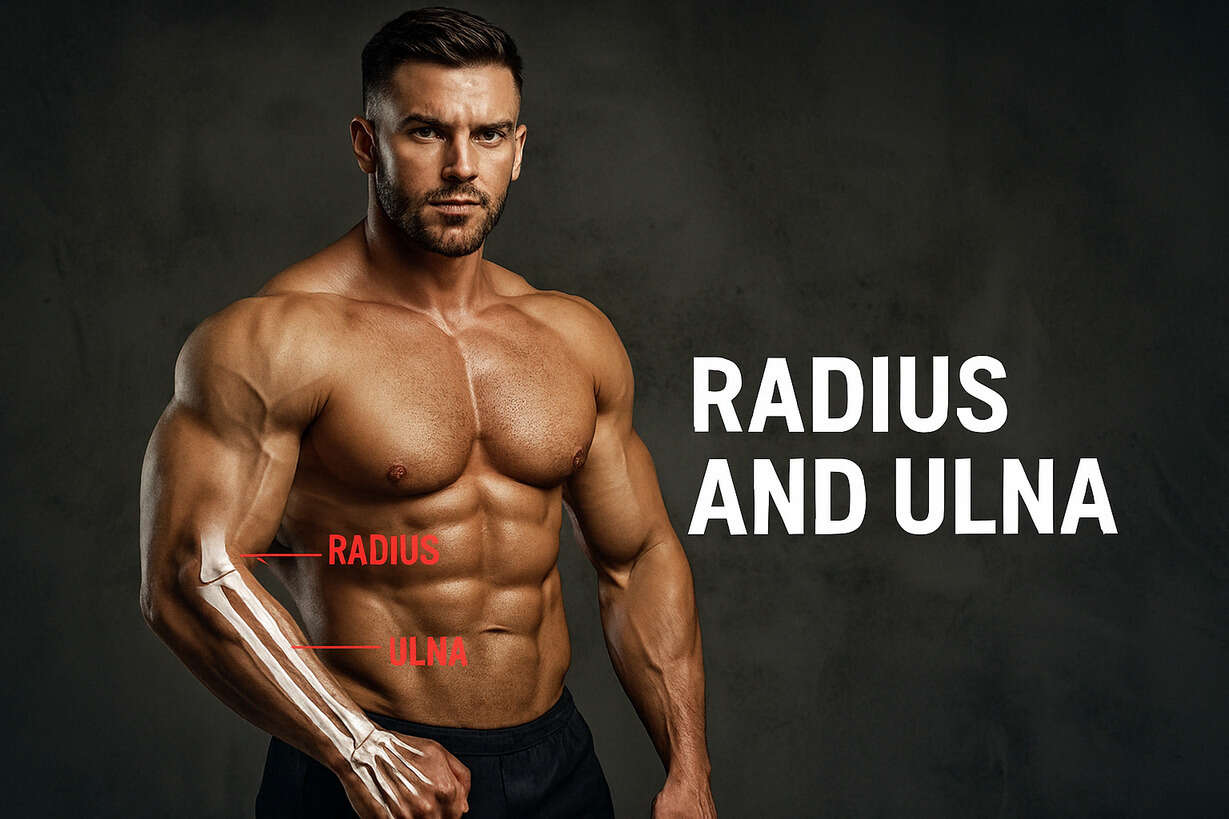
The radius and ulna are the two prominent bones in your forearm. They extend from your elbow to your wrist. The radius is on the thumb side, while the ulna is on the pinky side. The main job of these bones is to make your arm move smoothly. They help you twist your arm and rotate your wrist. The radius is usually shorter than the ulna.
Brief Anatomy of Radius and Ulna
Understanding the basic anatomy of the radius and ulna is crucial for appreciating their role in the arm’s structure and function. In this section, we examine detailed anatomical features of these two bones, exploring their location, shape, size, the muscles they engage with, innervation, and blood supply.
A. Location
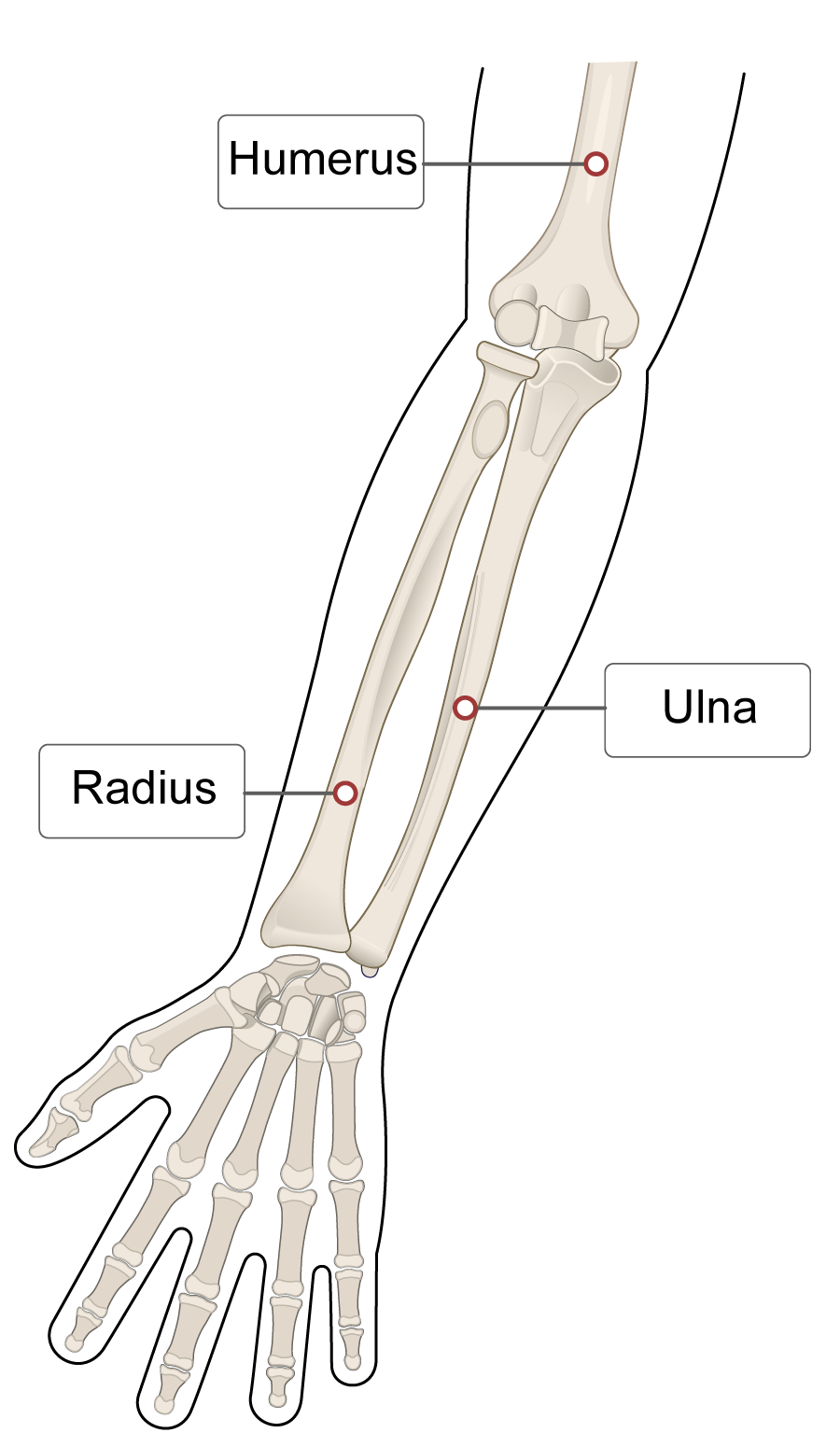
The radius and ulna are located in your forearm. They run parallel to each other, starting at the elbow and ending at the wrist. The radius is on the thumb side, while the ulna is on the pinky side. Together, they form a vital part of your arm’s mobility. This arrangement allows for various movements, such as twisting and rotating your arm.
B. Appearance
The radius presents a cylindrical shape that widens as it extends towards the wrist. Its smooth, concave surface is adept at articulation with the humerus capitulum and the ulna’s radial notch. The ulna, on the other hand, bears a more elongated and triangular profile. Its olecranon and the trochlear notch create a hinge-like interaction with the humerus, giving it a rather sturdy look at the proximal end.
| Bone Aspect | Radius | Ulna |
|---|---|---|
| Proximal Aspect | The head resembles a disc, articulates with the humerus at the elbow joint. | The olecranon process forms the elbow’s bony prominence, fitting into the humerus. |
| Shaft | Slightly curved shape, with a narrow neck below the head. | Long and slightly curved, with a consistent width along the bone’s length. |
| Distal Aspect | Flared, with a large styloid process and articulates with the carpal bones. | Less flared, ending near the wrist with a small styloid process. |
C. Size
The radius is shorter than the ulna. Generally, the radius is about 20-26 centimeters long. It’s thicker and supports wrist movements. The ulna is longer, about 25-30 centimeters. It connects with the elbow and stabilizes the forearm. Together, they create a sturdy support structure.
D. Muscles Attached to Radius and Ulna
When understanding these two bones, knowing the muscles that interact with them is crucial. These muscles either insert into or originate from (3) the radius and ulna, aiding various arm movements.
| Radius | Muscles Originating from the Radius | Muscles Inserting into the Radius |
|---|---|---|
| Radius | Supinator | Biceps Brachii |
| Flexor Pollicis Longus | Pronator Teres | |
| Pronator Quadratus | Pronator Quadratus | |
| Abductor Pollicis Longus | Supinator | |
| Flexor Digitorum Superficialis |
| Ulna | Muscles Originating from the Ulna | Muscles Inserting into the Ulna |
|---|---|---|
| Ulna | Flexor Carpi Ulnaris | Triceps Brachii |
| Flexor Digitorum Profundus | Anconeus | |
| Extensor Carpi Ulnaris | Brachialis | |
| Extensor Pollicis Longus | Flexor Carpi Ulnaris | |
| Pronator Quadratus | Pronator Teres |
E. Blood Supply
The blood supply of the radius and ulna is integral to their function and healing. The ulna receives its main blood supply from the ulnar artery and the ulnar recurrent artery (3). Additionally, the ulnar metaphysis benefits from the end branches of the anterior interosseous artery. The ulnar artery branches into the common interosseous artery, which then divides into the posterior and anterior interosseous vessels, further enhancing the bone’s vascular network.
The arterial blood supply to the radius is equally critical. The distal radius is vascularized by minor divisions of the radial artery that ensure proper nutrient distribution. These vessels deliver essential nutrients and oxygen to these bones, facilitating repair and regeneration.
F. Innervation
The radius and ulna are primarily innervated by three key nerves: the median, ulnar, and radial nerves. Each plays an essential role in the functionality of your forearm and hand. The radial nerve extends posteriorly down the arm, controlling the extension of the forearm, wrist, and fingers. It supplies both motor and sensory functions, ensuring smooth movements and responsiveness.
The median nerve runs anterolaterally and is critical in the innervation of the wrist and fingers, particularly affecting the flexion of digits 1 to 3 and the radial side of the 4th digit. A notable branch of the median nerve, the anterior interosseous nerve, is pivotal for precise movements like the pincer grasp.
In a complementary manner, the ulnar nerve, which runs anteromedially, is responsible for innervating the ulnar side of your hand. It specifically aids in the flexion of the 4th and 5th fingers and extends across these fingers, ensuring comprehensive motion and sensory feedback.
Collectively, these nerves orchestrate a symphony of movement and sensation, allowing the radius and ulna to perform their duties seamlessly in everyday activities.
Functions of Radius and Ulna
The radius and ulna are integral in forearm movement and stability dynamics, enabling a range of functions essential for daily activities. Their unique interplay facilitates mobility and strength, crucial for performing tasks from typing to lifting. Look deeper into how these remarkable bones orchestrate the forearm’s functionality.
Functions of the Radius:
- Enables rotational movement of the forearm, allowing for pronation and supination.
- Articulates with the ulna and humerus to facilitate elbow movement.
- It contributes to wrist flexibility and mobility in conjunction with the wrist bones (lunate and scaphoid).
- Acts as a key structural component for transmitting arm loads to the forearm.
Functions of the Ulna:
- It provides structural support to the forearm, crucial in maintaining its integrity and stability.
- Works with the radius to enable a wide range of movements at the wrist and elbow.
- Constitutes the primary stabilizing structure of the forearm, especially in activities that require lifting or carrying weight.
- Facilitates articulation at the distal radioulnar joint, supporting coordinated forearm and hand movements.
Interactions with other bones in the arm
The radius and ulna have complex relationships with surrounding bones, which are crucial for the arm’s functions. The ulna articulates with the humerus at the elbow, forming the hinge-like elbow joint, allowing flexion and extension movements. Meanwhile, the head of the radius fits into the radial notch of the ulna, facilitating the pivotal rotational motions of the forearm, such as supination and pronation.
Distally, the radius articulates with the wrist’s carpal bones, forming part of the wrist joint. This connection is essential for the wrist’s complex movements, including flexion, extension, and rotational abilities. The interosseous membrane, a fibrous sheet connecting the radius and ulna along their shafts, helps maintain the stability of these articulations while transferring forces transmitted through the radius to the ulna, further unifying the function and coordination of the forearm.
View how this bone connects with the rest of the skeleton in our interactive model.
Open Interactive Skeleton →Trainer’s Perspective
As a fitness coach who has worked closely with athletes and bodybuilders for over a decade, I can confidently say that most people underestimate the importance of the forearm—until it becomes a problem. The radius and ulna might not be the showiest parts of the body, but they are foundational to nearly every upper-body movement (exercise) we perform in the gym.
I’ve seen firsthand how poor wrist positioning or lack of mobility in these bones can lead to nagging issues like grip fatigue, wrist impingement (4), and even elbow tendonitis. In one particular case, I worked with a competitive powerlifter who had recurring forearm pain that was initially dismissed as overuse. After some biomechanical assessment, we realized the issue’s root lay in restricted rotation between the radius and ulna during pronation under load—something that could’ve been prevented with a better understanding of these bones’ function and more brilliant accessory work.
That’s why I always emphasize forearm training, mobility drills, and nerve gliding exercises in my clients’ routines. Whether it’s barbell curls, deadlifts, or even bodyweight movements like chin-ups, the radius and ulna are under constant stress. Keeping these bones—and the structures around them—healthy is essential for performance and longevity in training.
If you’re serious about bodybuilding or strength training, don’t neglect the “smaller” bones. A firm grip, proper range of motion, and healthy nerve pathways all start with understanding what the radius and ulna do for your body. Trust me—your progress (and your joints) will thank you.
Introduction to Radius and Ulna Health
Radius and ulna injuries and conditions can significantly affect daily life, causing pain and limited mobility. Knowing about these issues, how to treat them, and how to prevent them is key to maintaining an active lifestyle and achieving fitness goals, such as bodybuilding.
I. Common Injuries and Conditions Affecting Radius and Ulna
Fractures
Fractures are the most prevalent injuries affecting the radius and ulna (1). Due to the interconnected nature of the bones, fractures can occur as isolated fractures or, more commonly, as simultaneous fractures. Fractures often result from falls or direct trauma and may present with pain, swelling, and limited movement (7) of the arm.
Osteoarthritis
Osteoarthritis is a degenerative joint disease that can impact the radius and ulna, causing joint pain and stiffness, particularly in older adults. This condition results from the breakdown of cartilage, leading to discomfort and affecting the ability to perform daily tasks.
Ulnar Wrist Pain
Ulnar wrist pain (4), characterized by pain on the pinky side of the wrist, can be caused by various causes, including ligament injuries or inflammation. This condition may make gripping objects or performing wrist motions difficult (5).
Ulnar Nerve Entrapment
Ulnar nerve entrapment occurs when the ulnar nerve is compressed, often at the elbow, leading to numbness or tingling in the fingers. This condition can affect hand strength and dexterity and may require surgical intervention if conservative treatments fail.
II. Common Treatments for Radius and Ulna
The approach to treating injuries (2) to the radius and ulna largely depends on the type and severity of the injury.
1. Immobilization
Immobilization involves using a cast or splint to keep the bones in place during healing. This is typically used for less severe fractures where the bones have not moved out of alignment.
2. Surgical Intervention
In more severe cases, such as when fractures are displaced or involve multiple breaks, surgical intervention may be necessary. This could include the use of pins, plates, or screws to realign and stabilize the broken bones.
3. Physical Therapy
Once the initial healing has occurred, physical therapy can be crucial in regaining full mobility and strength. Exercises are tailored to improve the arm and wrist’s flexibility, strength, and functionality.
4. Pain Management
Pain management is essential to treatment, involving medications such as ibuprofen or acetaminophen to help ease discomfort and inflammation.
5. Long-term Monitoring
Regular follow-up visits with a healthcare provider are essential to ensure the bones heal correctly and monitor for potential complications, such as improper alignment or joint instability.
Tips for Keeping Radius and Ulna Healthy
1. Maintain Good Posture
Good posture plays a crucial role in keeping the radius and ulna healthy. When you align your body correctly, it reduces undue stress on your forearm bones. This minimizes the risk of injury and promotes optimal movement. Make a conscious effort to keep your back straight, shoulders relaxed, and elbows at a right angle while working or exercising.
2. Engage in Regular Exercise
Consistent physical activity, particularly exercises focusing on the upper body, strengthens the muscles surrounding the radius and ulna. Resistance training, yoga, and pilates help improve arm flexibility and stability, supporting overall bone health. Always warm up before strenuous activities to prevent strain on your forearm bones.
3. Eat a Balanced Diet
Nourish your bones with a diet rich in calcium and vitamin D, essential for bone health. Dairy products, leafy greens, and fish can enhance bone density and strength. Staying hydrated also supports the body’s natural healing processes, ensuring the radius and ulna remain resilient.
4. Protect Your Arms from Injury
Avoid situations leading to forearm injuries, such as falls or direct impacts. Using protective gear like wrist guards can be beneficial when participating in sports or activities that carry a risk of falls. Additionally, practice safe techniques when lifting heavy objects to prevent unnecessary strain on your forearm bones.
5. Implement Stretching Routines
Incorporate stretches into your daily routine to maintain flexibility in the forearm muscles and tendons. Flexibility (6) exercises can relieve tension in the arm and enhance your range of motion. Regular forearm stretches can keep the muscles and joints around the radius and ulna functioning effectively.
6. Schedule Regular Check-Ups
Regular visits to your healthcare provider can help monitor the health of your bones. Early detection of issues allows for prompt treatment, minimizing any long-term impact. Consult your doctor if you experience persistent pain or discomfort in your forearm, ensuring the health of your radius and ulna is maintained.
Importance of Radius and Ulna in Bodybuilding
Stability and Strength in Lifts
The radius and ulna are critical for stabilizing the wrist and forearm during weightlifting and strength training exercises. Their robust structure allows you to handle heavier weights safely, promoting muscle growth and enhancing your overall lifting performance.
Facilitating Range of Motion
These bones enable pronation and supination, which are necessary for performing various exercises like curls, rows, and other upper arm movements. This flexibility can prevent exercise monotony and help target different muscle groups effectively.
Support for Arm Endurance
Endurance in sports depends notably on the strength and integrity of the radius and ulna. They support sustained physical activity by helping distribute forces evenly across the arm, reducing fatigue, and preventing overuse injuries.
Essential for Grip Strength
Grip strength is vital in bodybuilding and sports, influencing one’s ability to hold and maneuver weights securely. The radius and ulna are pivotal in grip dynamics, helping one improve one’s hold and execute exercises with greater precision and safety.
Conclusion
Understanding the anatomy and functions of the radius and ulna highlights their integral role in the complex movements of our arms. While often overlooked, these bones are vital, from picking up a cup to lifting heavy weights. Their interaction with other bones and their contribution to everyday activities and specialized tasks like bodybuilding accentuate their importance. Proper care, regular exercise, and a healthy lifestyle can help maintain functionality and prevent common injuries. Whether enhancing your grip strength or aiming for healthier bones, the radius and ulna are your steadfast allies in human anatomy.
Curious how your forearm bones impact your lifting performance? Below, we break down some of the most frequently asked questions about the radius and ulna — and explain why these two bones deserve a spot in your strength training knowledge toolkit.
What is the function of the radius and ulna in weightlifting?
They help stabilize the forearm and transfer force during pushing and pulling exercises.
Can you train with a fractured radius or ulna?
No, training should be paused until cleared by a medical professional.
How do radius and ulna injuries occur in bodybuilding?
Commonly from overuse, poor form, or dropping weights.
How can I strengthen my radius and ulna bones?
Through resistance training, proper nutrition (especially calcium and vitamin D), and impact-loading exercises.
Is forearm pain a sign of a radius or ulna injury?
Yes, persistent forearm pain can indicate stress or injury to these bones.
Are radius and ulna injuries common in athletes?
Yes, especially in contact sports, gymnastics, or when falling on an outstretched hand.
Should I train forearms separately to protect the radius and ulna?
Yes, targeted forearm training helps build muscle around the bones and improves overall arm stability.
How long does it take to recover from a radius or ulna fracture?
Typically 6–8 weeks, but it can vary depending on severity and treatment.
Can I do push-ups with a forearm injury?
It’s not recommended until the injury fully heals, as push-ups place stress on the forearm bones.
Do radius and ulna affect grip strength?
Yes, they play a key role in wrist rotation and forearm stability, which directly influence grip strength.
