



Introduction
The seated leg curl is one of the most effective machine-based exercises for isolating the hamstrings through controlled knee flexion while placing the muscles under significant stretch. Unlike hip-dominant posterior-chain exercises, the seated leg curl specifically targets the hamstrings in a highly stable environment, making it an excellent option for both beginners and advanced lifters focused on hypertrophy and muscular balance.
This exercise is mechanically very similar to the machine leg extension used for quadriceps training, but instead of extending the knees against resistance, you place the roller pad under your heels while your thighs are secured beneath a cushioned support pad. This setup allows the hamstrings to work through a controlled curling motion while minimizing unnecessary body movement.
One of the biggest advantages of the seated leg curl is the hip-flexed body position created by the upright backrest. Because the hips remain flexed around 90 degrees, the hamstrings are trained in a more lengthened position compared to lying or standing leg curls. Many lifters experience a stronger stretch sensation and improved overall hamstring activation during seated variations.
The seated leg curl is especially valuable for balancing quadriceps-dominant leg development. Strong and well-developed hamstrings improve knee stability, support athletic performance, and help reduce the risk of muscular imbalances and lower-body injuries over time.
Required Equipment
To perform the seated leg curl correctly, you need:
- Seated leg curl machine
- Adjustable ankle roller pad
- Adjustable thigh support pad
Proper machine setup is extremely important for both comfort and hamstring activation. The ankle pad should rest just above the heels near the Achilles tendons, while the thigh pad should hold the legs firmly in place without causing excessive pressure or restricting circulation.
One of the biggest advantages of the seated leg curl machine is the hip-flexed body position it creates with the upright backrest. This setup places the hamstrings under greater stretch throughout the movement, which may improve overall hypertrophy stimulus compared to shorter muscle-length positions.
Other Names for the Seated Leg Curl
This exercise may also be referred to as:
- Seated Hamstring Curl
- Machine Seated Leg Curl
- Seated Machine Curl
- Hamstring Curl Machine
- Seated Knee Curl
Although the names vary slightly, all versions involve seated knee flexion against machine resistance, with the hips flexed to around 90 degrees.
How to Perform the Seated Leg Curl
Starting Position (Setup)
Proper setup is critical for maximizing hamstring activation and maintaining safe knee mechanics throughout the exercise.
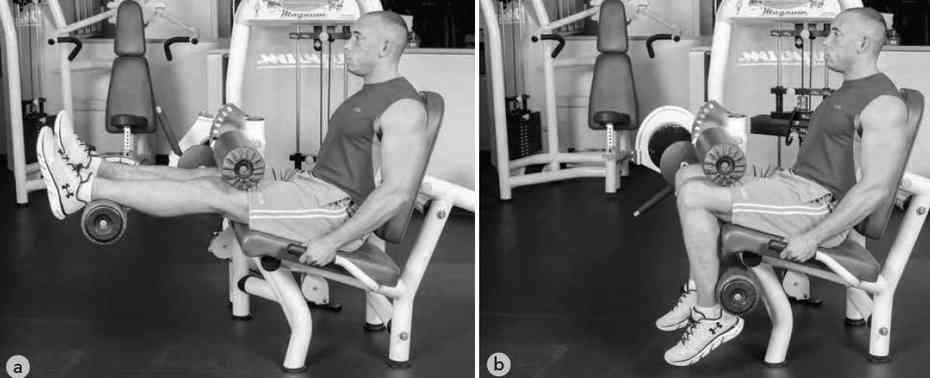
- Sit upright against the machine backrest.
- Position the ankle pad just above your heels near the Achilles tendons.
- Secure your thighs firmly beneath the support pad.
- Align your knees with the machine’s pivot point.
- Keep your feet, knees, and thighs aligned throughout the movement.
- Grip the side handles for stability and support.
Before beginning the exercise, make sure the hamstrings feel comfortably stretched in the starting position without excessive knee discomfort.
Execution (Movement Phase)
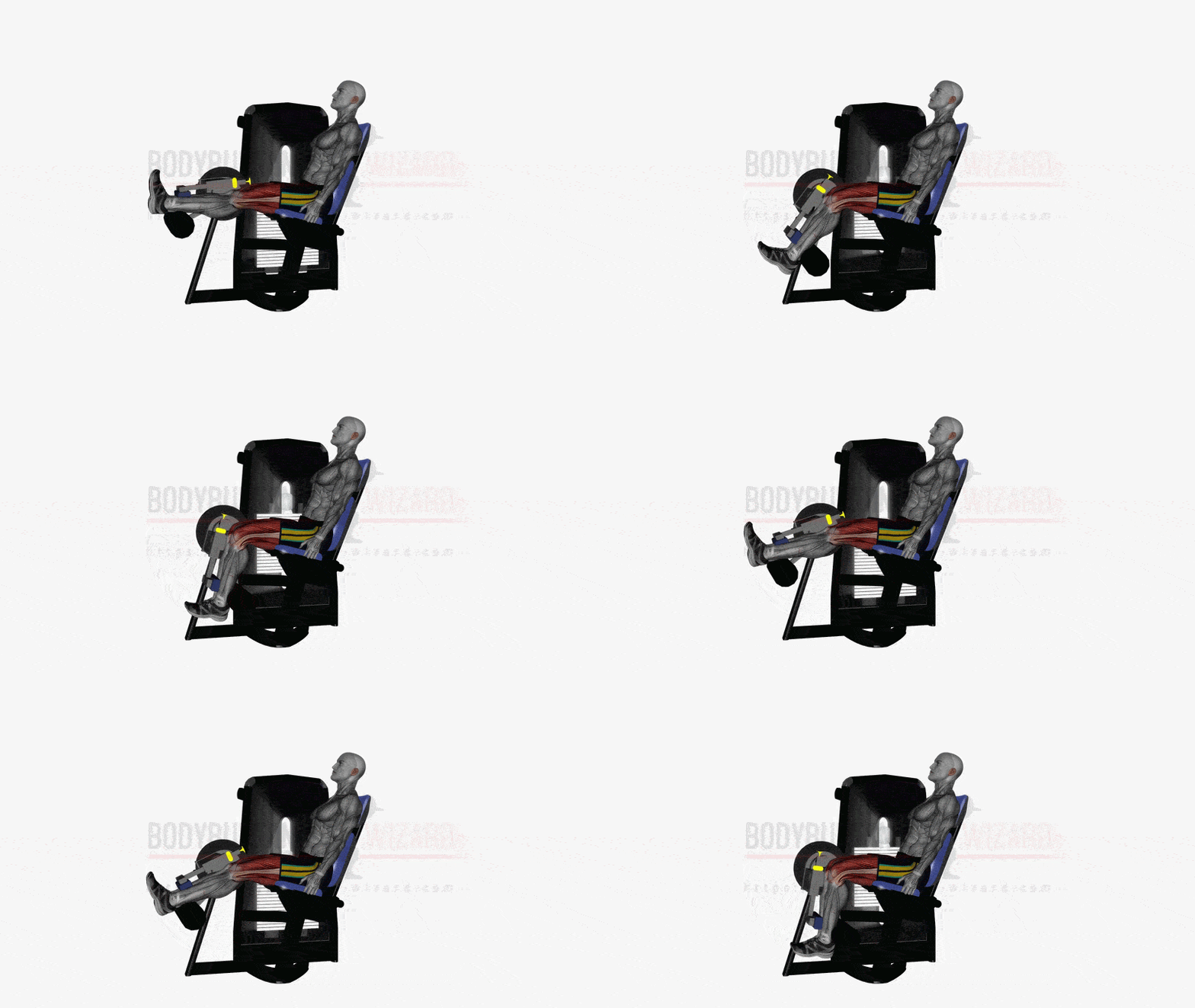
- Initiate the movement by contracting the hamstrings.
- Pull the ankle pad backward in a smooth, controlled motion.
- Continue curling until maximal comfortable knee flexion is reached.
- Squeeze the hamstrings hard for 1 second at the bottom.
- Slowly return the weight over 3–4 seconds.
- Maintain tension without allowing the stack to fully rest between reps.
The seated leg curl is especially effective when performed with controlled eccentric contractions and a full range of motion, rather than with excessive weight.
Technique Optimization Tips for the Seated Leg Curl
Small technical adjustments can significantly improve hamstring recruitment and overall exercise quality.
- Keep the lower back firmly against the seat.
- Avoid lifting the hips during the curl.
- Control the eccentric phase slowly.
- Point the toes slightly downward to reduce calf dominance.
- Do not jerk or swing the weight.
- Use a full range of motion whenever mobility allows.
- Maintain continuous tension throughout the set.
A highly effective cue is: “Pull the heels down and back while keeping the hips still.”
Mechanical Resistance Analysis
The seated leg curl differs from standing and lying variations primarily because the hips remain flexed throughout the movement. This places the hamstrings in a more lengthened position before knee flexion even begins.
Research increasingly suggests that training muscles under greater stretch may improve hypertrophy potential. For this reason, many coaches and lifters consider the seated leg curl one of the best machine-based hamstring exercises for muscle growth.
Compared to the lying leg curl, the seated variation often creates a stronger stretch sensation in the semitendinosus and semimembranosus — the inner hamstring muscles. However, because the hips remain fixed against the backrest, some lifters may experience a slightly lower peak contraction than in prone variations.
Like other machine-based hamstring curls, the seated leg curl is most effective when performed with controlled eccentrics, moderate loads, and strict technique rather than momentum-driven repetitions.
Common Mistakes
Even though the seated leg curl is a stable machine exercise, poor setup and uncontrolled execution can still reduce hamstring activation and increase unnecessary joint stress.
- Using excessive momentum
- Lifting the hips off the seat
- Allowing the lower back to round excessively
- Performing short partial repetitions
- Letting the weight stack rest between reps
- Using too much weight and losing control
- Positioning the ankle pad too high on the calves
One of the biggest mistakes is rushing the eccentric phase. Slowly lowering the weight is often where the greatest hamstring tension and hypertrophy stimulus occur.
Muscles Involved in the Seated Leg Curl
Understanding muscle recruitment helps improve exercise precision and overall hamstring development.
MAIN MUSCLES:
Hamstrings (biceps femoris, semitendinosus, semimembranosus)
SECONDARY MUSCLES:
Gastrocnemius, gracilis, sartorius
ASSISTING MUSCLES:
Popliteus, plantaris
ANTAGONISTS:
Seated Leg Curl Pros and Cons
The seated leg curl is widely considered one of the best machine exercises for hamstring hypertrophy because it combines stability, strong stretch tension, and controlled isolation work. It is especially valuable for lifters who struggle to feel their hamstrings during hip-dominant posterior-chain exercises.
Advantages
- Excellent hamstring stretch under tension
The hip-flexed seated position keeps the hamstrings lengthened throughout the exercise. - Highly effective for hypertrophy
Many lifters experience exceptional hamstring activation and muscle soreness from seated leg curls. - Low spinal loading
The seated position minimizes stress on the lower back compared to deadlift variations. - Beginner-friendly setup
The machine stabilizes the body and simplifies proper hamstring isolation. - Easy to control tempo and range of motion
The seated setup makes it easier to maintain controlled eccentrics and constant tension.
Potential Drawbacks
Despite its benefits, the seated leg curl also has limitations.
- Less explosive strength carryover
The movement isolates knee flexion but does not strongly train athletic hip extension mechanics. - Peak contraction may feel weaker for some lifters
Compared with lying leg curls, some people experience less of a shortened-position contraction. - Machine setup matters significantly
Poor alignment can reduce comfort and hamper hamstring activation. - Limited stabilization demands
Because the body is fully supported, the exercise develops less overall posterior-chain coordination than free-weight movements.
Many lifters underestimate how powerful stretch-mediated tension can be for hamstring growth. The seated leg curl places the hamstrings in a lengthened position from the very start of the movement, which often creates a completely different training stimulus compared to lying or standing variations.
As a coach working with physique athletes and recreational lifters, I’ve consistently found that seated leg curls produce some of the best hamstring hypertrophy results when performed with controlled eccentrics, moderate loads, and full range of motion.
Seated Leg Curl Variations
Small changes in body position, loading style, or machine setup can slightly alter hamstring recruitment and the overall feel of the exercise. Rotational variations over time may also help improve long-term hamstring development and reduce monotony in training.
Lying Leg Curl
The lying leg curl trains the hamstrings in a prone position with the hips more extended. Compared to the seated version, it often allows a stronger peak contraction but slightly less stretch tension.

Standing Leg Curl
The standing leg curl trains one hamstring at a time, making it especially useful for correcting muscular imbalances and improving unilateral control.

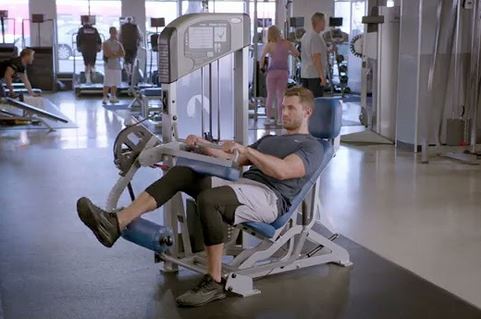
Single-Leg Seated Leg Curl
Performing seated leg curls one leg at a time increases focus on individual hamstring activation and may improve mind–muscle connection.
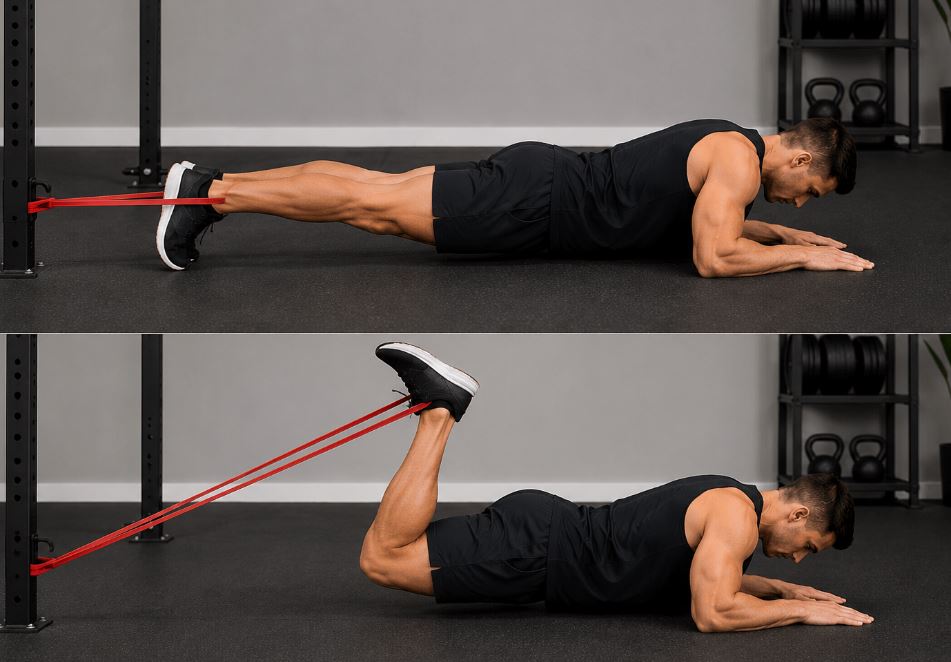
Resistance Band Leg Curl
Resistance bands provide accommodating resistance and work well for home training, warm-ups, or rehabilitation-focused workouts.
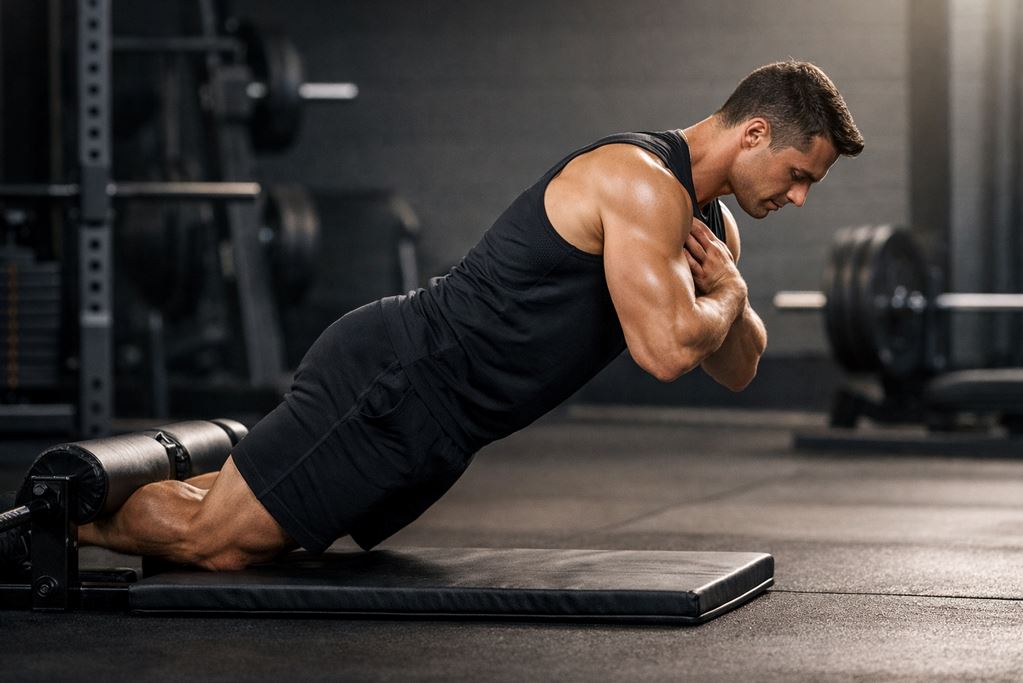
Nordic Hamstring Curl
The Nordic hamstring curl is an advanced eccentric-focused movement known for its exceptional hamstring-strengthening and injury-prevention benefits.
Alternative Exercises for Hamstring Development
Although the seated leg curl is excellent for isolating the hamstrings, combining it with hip-dominant posterior-chain exercises usually leads to more complete lower-body development.
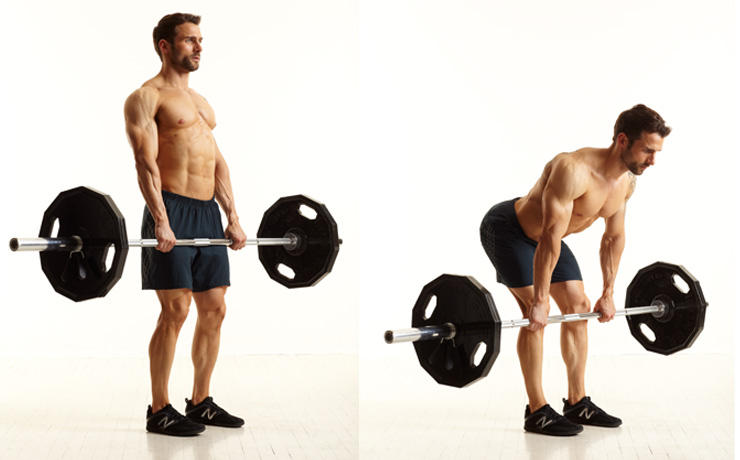
Romanian Deadlift
The Romanian deadlift emphasizes the hamstrings through loaded hip hinging and significant stretch under tension. It is one of the best overall exercises for posterior-chain strength and hypertrophy.
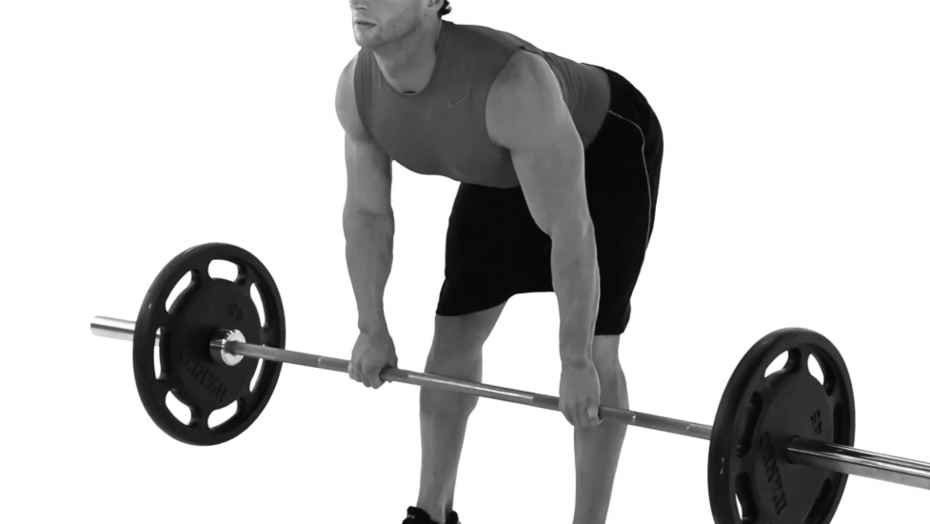
Stiff-Leg Deadlift
The stiff-leg deadlift emphasizes the hamstrings through loaded hip hinging with minimal knee flexion. Compared to seated leg curls, it develops the posterior chain more functionally and places the hamstrings under greater eccentric stretch.
Glute-Ham Raise
The glute-ham raise combines knee flexion and hip extension into one highly demanding posterior-chain exercise. It develops both hamstring strength and athletic function.

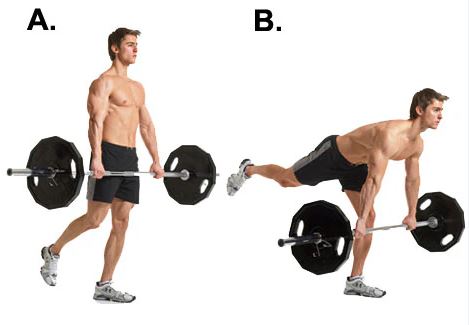
Single-Leg Romanian Deadlift
The single-leg Romanian deadlift improves hamstring strength, balance, and hip stability simultaneously. It is especially useful for athletic training and unilateral posterior-chain development.
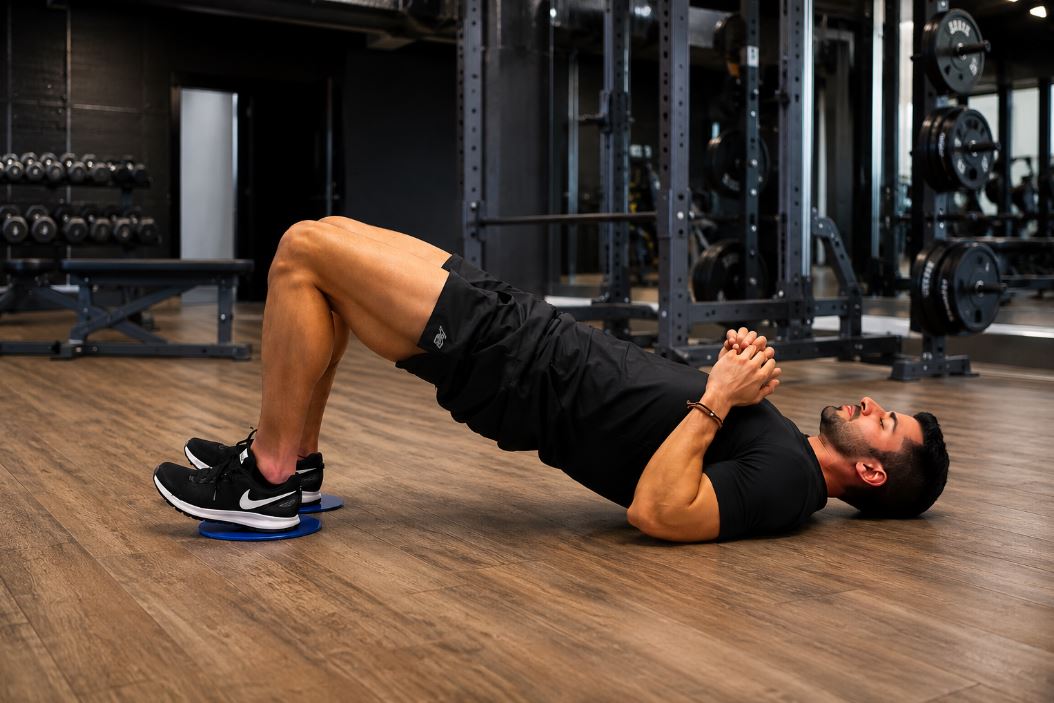
Sliding Leg Curl
Sliding leg curls mimic machine leg curl mechanics using bodyweight resistance. They are highly effective for home workouts and eccentric hamstring training.
Seated Leg Curl vs Lying Leg Curl
Both exercises are excellent for hamstring isolation and hypertrophy, but differences in hip position significantly change how the hamstrings are loaded. Understanding these distinctions can help you choose the best variation based on your training goals and overall lower-body program.
Conclusion: Both exercises are highly effective for hamstring development. The seated leg curl generally provides greater stretch tension and may offer superior hypertrophy potential, while the lying leg curl often produces a stronger peak contraction sensation.
Why Hamstring Stretch Matters for Muscle Growth
Recent hypertrophy research increasingly suggests that muscles trained under greater stretch may experience enhanced growth stimulus. Because the seated leg curl places the hips in a flexed position, the hamstrings begin the exercise in a more lengthened state compared to standing or lying variations.
This lengthened loading appears especially important for the semitendinosus and semimembranosus — the inner hamstring muscles. Many lifters notice stronger stretch sensation, delayed-onset muscle soreness, and improved mind–muscle connection during seated leg curls for this reason.
That does not necessarily make seated leg curls “superior” to all other hamstring exercises, but it does make them a highly valuable tool within a balanced posterior-chain program that also includes hip-hinge movements and shorter-length hamstring work.
Final Thoughts
The seated leg curl is one of the best machine-based exercises for isolating the hamstrings, improving muscular balance, and maximizing stretch-mediated hypertrophy with minimal lower-back stress.
When performed with strict technique, controlled eccentrics, and a full range of motion, the seated leg curl becomes far more than a simple accessory exercise. Used strategically within a comprehensive lower-body training program, it can significantly improve hamstring development, knee stability, and overall posterior chain function.
Why do many lifters feel seated leg curls more than lying leg curls?
The seated position places the hamstrings under greater stretch because the hips remain flexed throughout the exercise. For many lifters, this creates stronger tension in the inner hamstrings and improves overall muscle awareness during the movement.
Are seated leg curls better for hamstring hypertrophy?
Potentially yes. Recent hypertrophy research suggests that training muscles in a lengthened position may increase growth stimulus, and the seated leg curl places the hamstrings under more stretch than most other machine curl variations.
Why do the hamstrings feel weak at the bottom of seated leg curls?
The bottom position places the hamstrings in a highly stretched state, which reduces mechanical leverage and makes the movement feel harder. This is completely normal and one reason the exercise can be so effective for muscle growth.
Should you lock out the knees during seated leg curls?
No. Fully locking the knees and relaxing at the bottom reduces tension on the hamstrings and may increase unnecessary stress on the knee joint. Maintaining slight tension throughout the set is usually more effective.
Why do seated leg curls sometimes cause hamstring cramps?
Hamstring cramps commonly occur due to weak hamstrings, excessive weight, dehydration, or poor neuromuscular coordination. Slowing the tempo and using lighter controlled repetitions often reduces cramping significantly.
Is the seated leg curl useful for athletes or only bodybuilders?
It is useful for both. Bodybuilders benefit from the hypertrophy stimulus, while athletes benefit from stronger knee-flexion mechanics and improved hamstring resilience that may support sprinting and deceleration performance.
Should seated leg curls be trained heavy or with controlled tempo?
For most lifters, controlled tempo with moderate loads produces the best results. Excessively heavy repetitions often reduce range of motion, increase momentum, and shift tension away from the hamstrings.
Can seated leg curls help improve knee stability?
Yes. Strong hamstrings help stabilize the knee joint by assisting in tibial control and balancing quadriceps dominance. While seated leg curls alone are not a complete injury-prevention solution, stronger hamstrings generally support healthier knee mechanics.
