
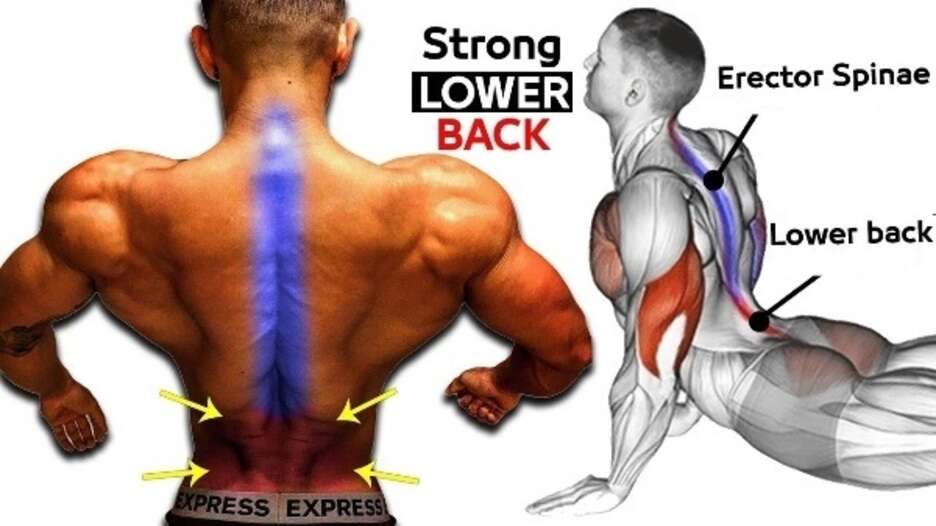
Whether you’re a seasoned bodybuilder or just starting your fitness journey, incorporating exercises that target the lower back, specifically the erector spinae muscles, is crucial. These muscles are fundamental in maintaining posture, enabling movements, and supporting the spine. A well-developed lower back not only enhances your overall physique but also fortifies your body against injuries. By strengthening your erector spinae muscles, you’ll not only improve your functional fitness and performance in major bodybuilding exercises but you’ll also be rewarded with the impressive visual of two defined, muscular bands running along your back, reminiscent of powerful boa constrictors.
In this article, we’ll explore the best exercises to develop and strengthen the erector spinae muscles. From traditional deadlifts to the bird dog, these exercises will help you build a robust and resilient lower back.
What are the erector spinae muscles?
Often regarded as the primary muscles of the lower back, the erector spinae group extends well beyond this region, running almost the whole length of the spine. This group comprises three key muscles: the Spinalis, Longissimus, and Iliocostalis. Originating from the sacrum and iliac crest and attaching to various parts of the vertebrae, ribs, and skull base, their main role is to stabilize and mobilize the spine, allowing for extension, lateral flexion, and rotation movements. For a deeper understanding of the functional anatomy of these crucial muscles, check out our article, The Anatomy of Lower Back Muscles: Erector Spinae.
What are the benefits of developing powerful erector spinae muscles (spinal erectors)?
- Essential for Bodybuilding: Strong spinal erectors are indispensable for bodybuilding. These muscles play a pivotal role in performing a multitude of exercises such as deadlifts, squats, and bent-over rows, enabling you to lift heavier weights with proper form. Moreover, you will have hard time finding a single exercise where these muscles are not involved.
- Improved Posture: Well-developed erector spinae muscles help in maintaining a tall, upright posture, which is not only aesthetically pleasing but also essential for spinal health and overall body alignment.
- Enhanced Spinal Stability: These muscles provide critical support and stability to your spine, reducing the risk of injuries during intense workouts or heavy lifting.
- Better Athletic Performance: Strong erector spinae muscles enhance your ability to perform various sports and physical activities, giving you more power and endurance while running, jumping, or lifting.
- Increased Core Strength: The erector spinae work in tandem with your abdominal muscles to support the torso, contributing to a stronger and more balanced core.
- Pain Reduction: Strengthening your erector spinae can help alleviate lower back pain, a common issue faced by many. A robust lower back can handle more stress and reduces the likelihood of chronic pain.
- Versatility in Movement: These muscles facilitate a range of complex spinal movements including extension, lateral flexion, and rotation, thereby improving your overall flexibility and mobility.
Most effective erector spinae strengthening exercises
To achieve a strong and well-developed lower back, integrating a variety of exercises targeting the erector spinae muscles into your routine is key. Below, we’ve compiled a list of some of the most effective exercises to strengthen and build your spinal erectors. Each exercise includes a brief description of why it’s beneficial and detailed instructions on how to perform it correctly.
Traditional or Conventional Deadlift
The traditional deadlift is a staple for building lower back strength, as it recruits multiple muscle groups, especially the erector spinae. It is, without any doubt, one of the best erector spinae strengthening exercises.
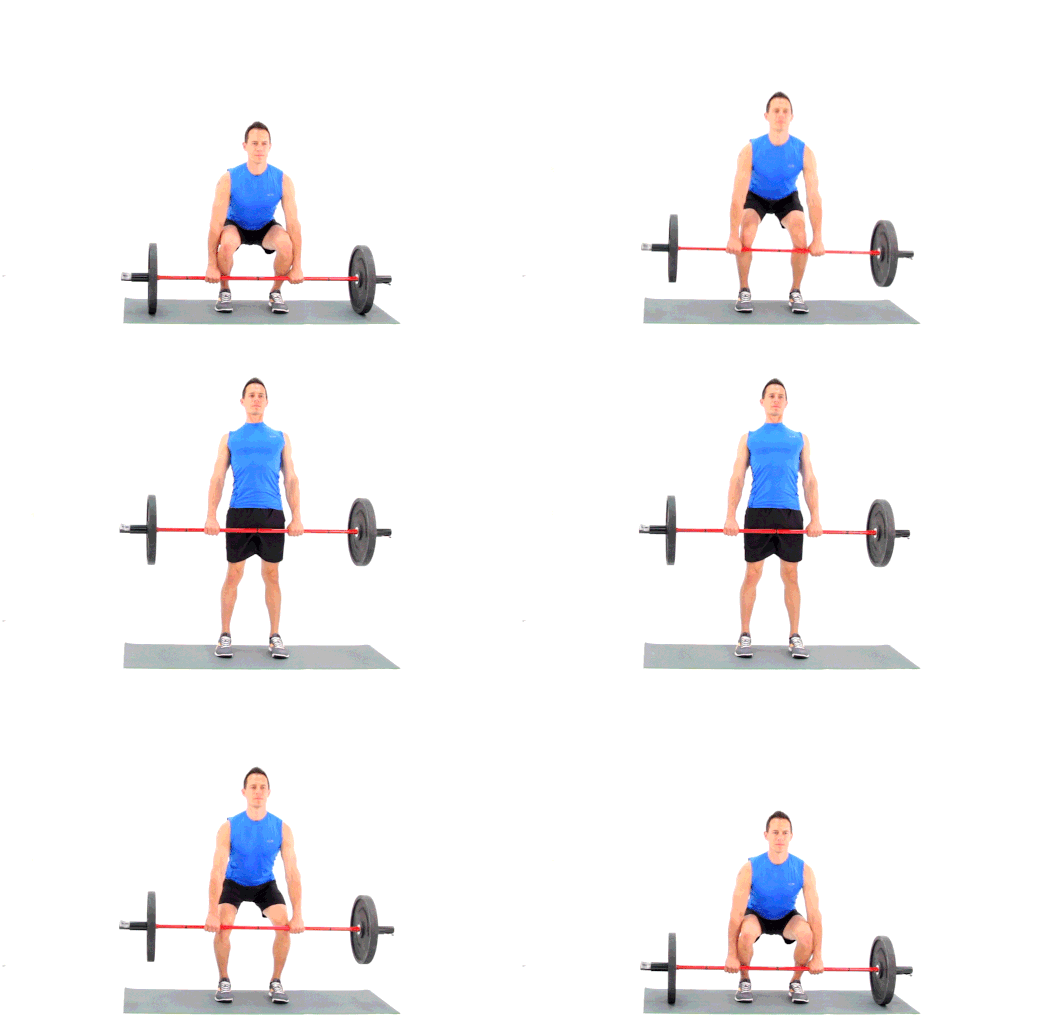
- Stand with feet hip-width apart, a barbell over your mid-foot.
- Bend at your hips and knees to grasp the barbell with an overhand grip, hands just outside your knees.
- Keep your back straight, chest up, and head in line with your spine.
- Engage your core and lift the barbell by driving through your heels and extending your hips and knees simultaneously.
- Stand up fully, locking your hips at the top, ensuring your shoulders are back.
- Reverse the movement to lower the barbell back to the ground.
Rack Pulls
Rack pulls are a partial deadlift variation that limits the range of motion, focusing on the lockout portion and heavily engaging the spinal erectors. Instead of starting with the barbell on the floor, rack pulls begin with the barbell resting on a rack. This allows you to hone in on a specific segment of the deadlift, improving your skills and strength in that particular range.

- Set up a barbell on a rack at knee height.
- Stand with feet hip-width apart, grip the barbell with an overhand grip just outside your knees.
- With a straight back, engage your core, and extend your hips and knees.
- Pull the barbell up until you’re standing upright, with your shoulders back.
- Lower the bar back to the rack in a controlled manner.
Romanian Deadlift
Romanian deadlifts emphasize the hamstrings and glutes while placing significant strain on the lower back muscles, focusing on hip hinging.
While the Romanian deadlift and the stiff-legged deadlift (next exercise in the sequence) might seem similar, they have distinct differences. The stiff-legged deadlift involves bending forward without pushing your hips back, keeping your legs straight. On the other hand, the Romanian deadlift requires you to start by moving your hips back, allowing your knees to bend. Importantly, during a Romanian deadlift, you should keep the bar close to your body throughout the entire movement range. Although some bodybuilders and trainers might use these terms interchangeably, knowing the difference can make a big impact on your training.
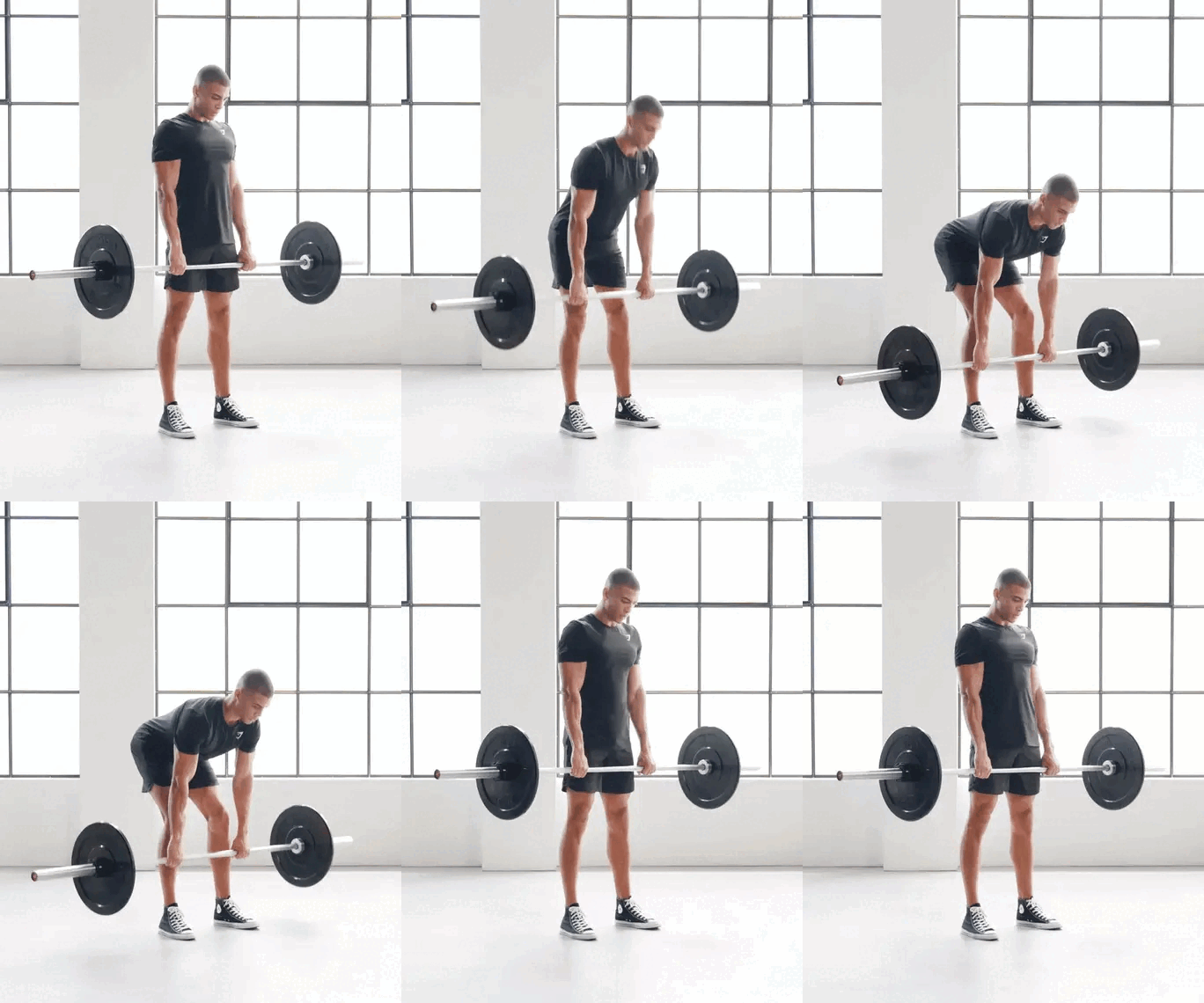
- Stand with feet hip-width apart, holding a barbell in front of your thighs.
- With a slight bend in your knees, hinge at your hips while lowering the barbell along the length of your legs.
- Keep your back straight and lower the barbell down until you feel a stretch in your hamstrings.
- Drive your hips forward and return to the starting position.
Stiff-Leg Deadlift
Similar to Romanian deadlifts, stiff-leg deadlifts target the hamstrings and glutes but involve less knee bend, putting more emphasis on the lower back. See the above exercise (Romanian Deadlift) for more details about the differences.
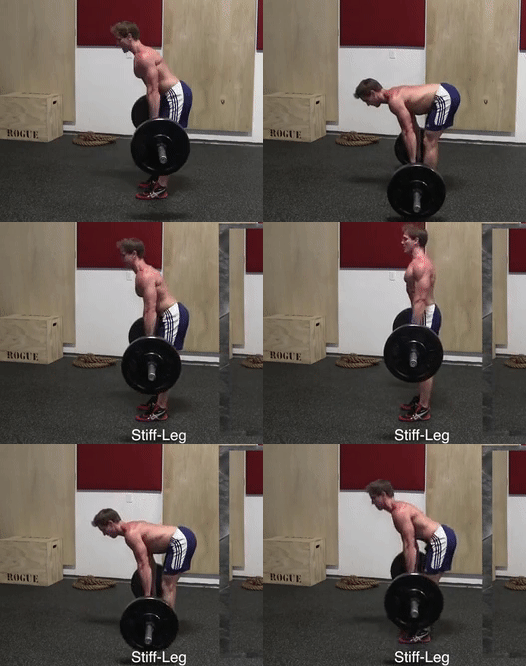
- Stand with feet hip-width apart, holding a barbell in front of your thighs.
- Keep your legs straight (a slight bend is okay) and hinge at your hips to lower the bar along your legs.
- Maintain a straight back and lower until you feel a pull in your hamstrings.
- Extend your hips to return to the starting position.
Barbell Good Morning
Barbell good mornings are effective for targeting the lower back through a deep hip hinge, engaging the erector spinae significantly.
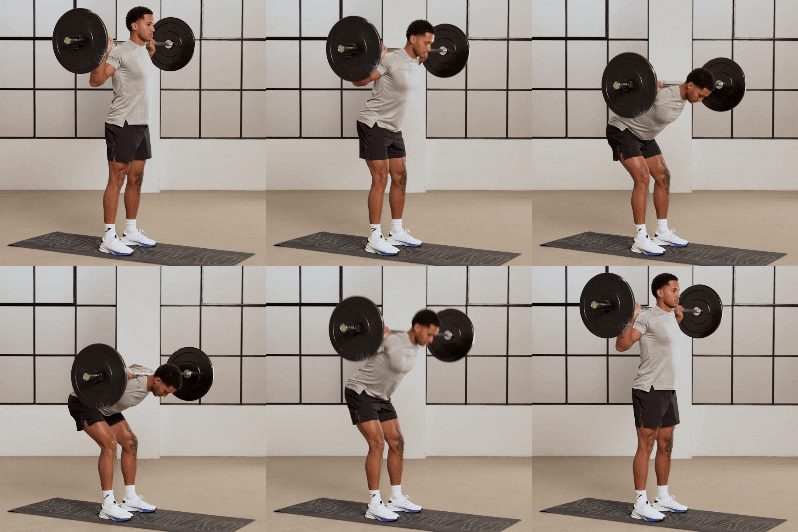
- Place a barbell across your upper back and stand with feet shoulder-width apart.
- With a slight bend in your knees, hinge forward at the hips while keeping your back straight.
- Lower your torso until it’s almost parallel to the ground.
- Reverse the movement, driving your hips forward to return to standing.
45-Degree Back Extension
This exercise isolates the lower back muscles, making it an excellent choice for directly targeting the erector spinae.

- Position yourself on a 45-degree hyperextension bench with your feet secured.
- Cross your arms over your chest (you can hold a weight plate to make it more difficult) or behind your head.
- Lower your upper body towards the ground, maintaining a straight back.
- Extend your back to lift your torso until it aligns with your legs.
- Slowly return to the starting position.
Barbell Bent-Over Rows
Bent-over rows, while primarily a back exercise, also engage the erector spinae to maintain trunk stability during the movement.
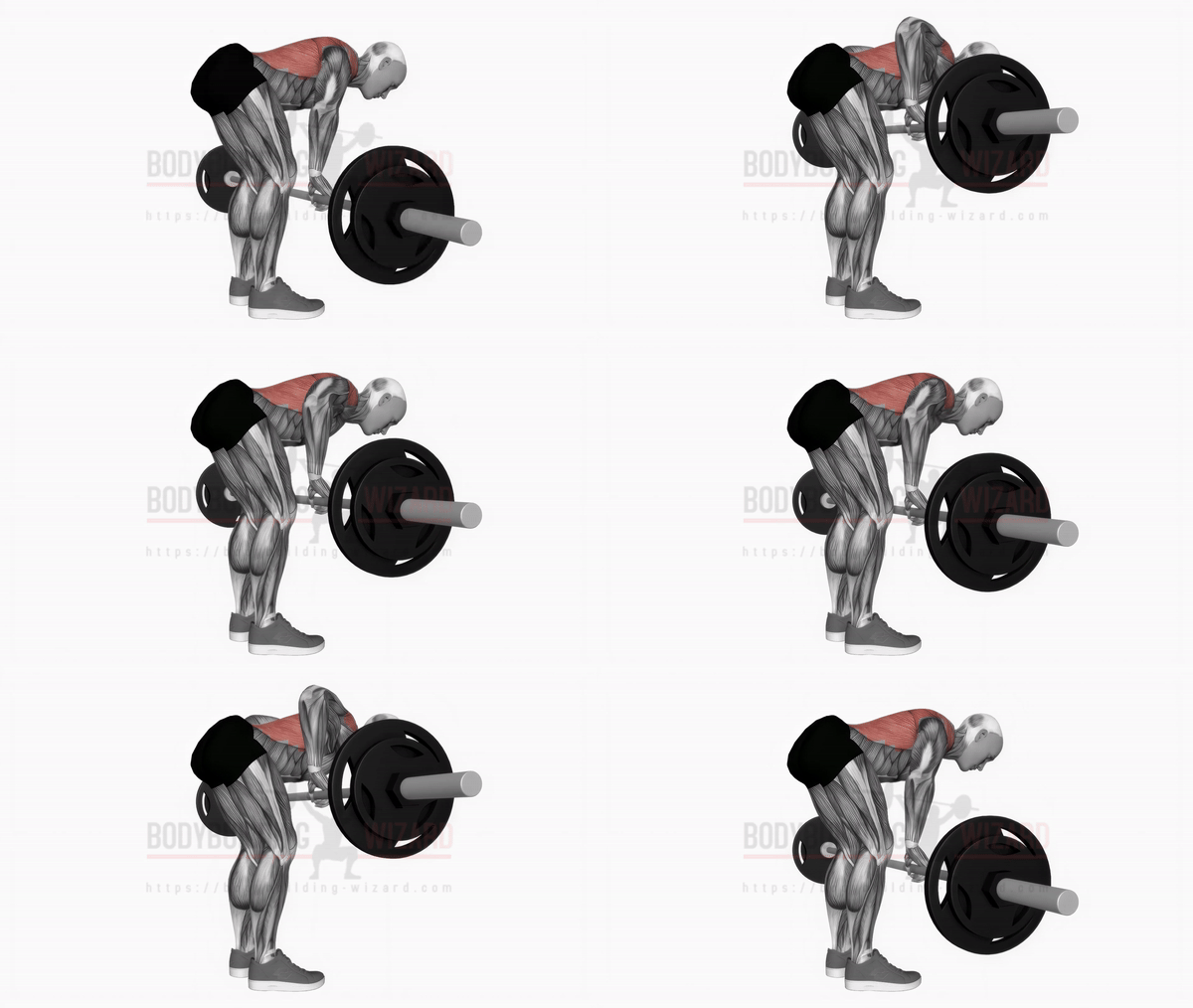
- Stand with feet hip-width apart, holding a barbell with a shoulder-width grip.
- Bend at the hips and knees, keeping your back straight and leaning forward until your torso is almost parallel to the floor.
- Pull the barbell towards your lower ribcage, squeezing your shoulder blades together.
- Lower the barbell back to the starting position.
Horizontal Bench Back Extension (The Roman Chair Back Extension)
This erector spinae strengthening exercise offers an alternative angle to target the erector spinae, providing a different stimulus for growth and strengthening.
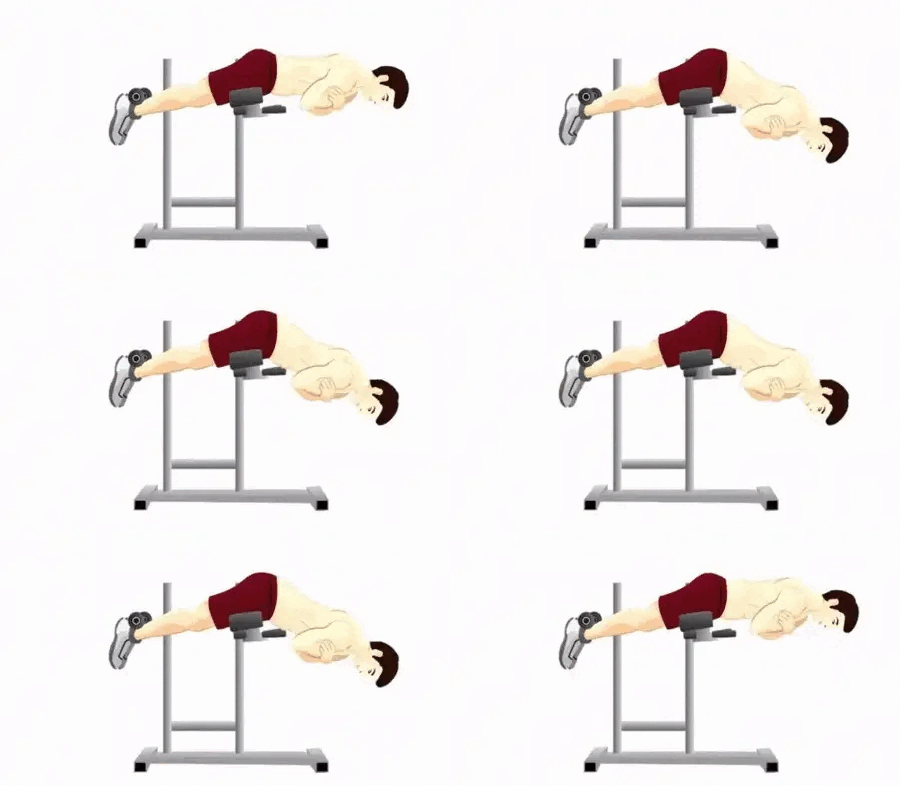
- Lie face down on a flat bench, your torso hanging off the end, feet secured under a stable surface.
- Cross your arms over your chest or place your hands behind your head.
- Lift your upper body until your torso is in line with your legs (your entire body makes a straight line).
- Lower back down slowly to the starting position.
Reverse Back Extension (Reverse Hyper)
The reverse hyperextension is excellent for targeting the lower back, glutes, and hamstrings through a controlled motion.
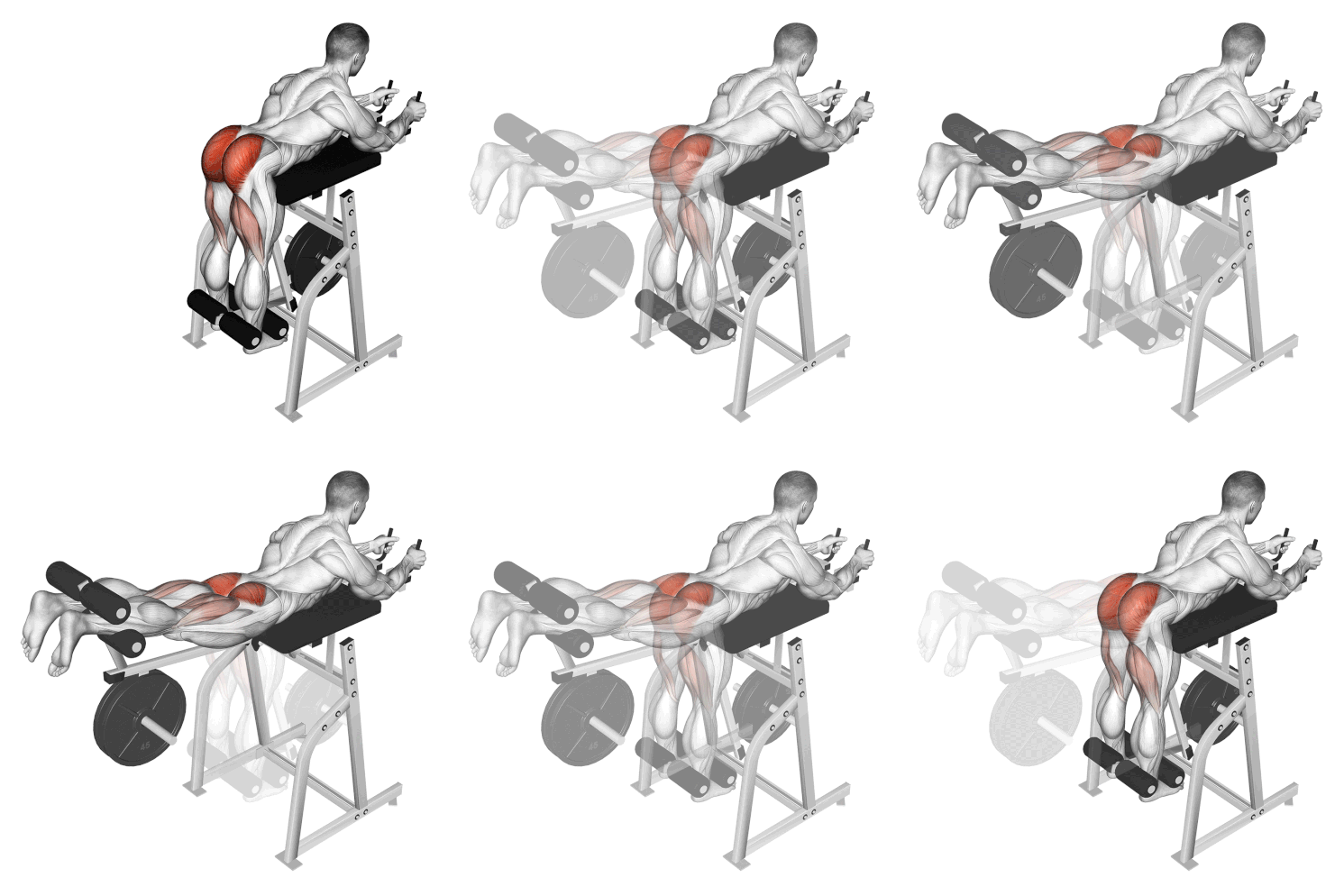
- Lie face down on a reverse hyperextension machine, hips just over the edge.
- Grip the handles and keep your legs straight, hanging toward the ground.
- Lift your legs until they’re in line with your torso.
- Lower your legs back to the starting position in a controlled manner.
If you don’t have access to a reverse hyperextension machine you can perform this exercise in many different ways as shown in this article.
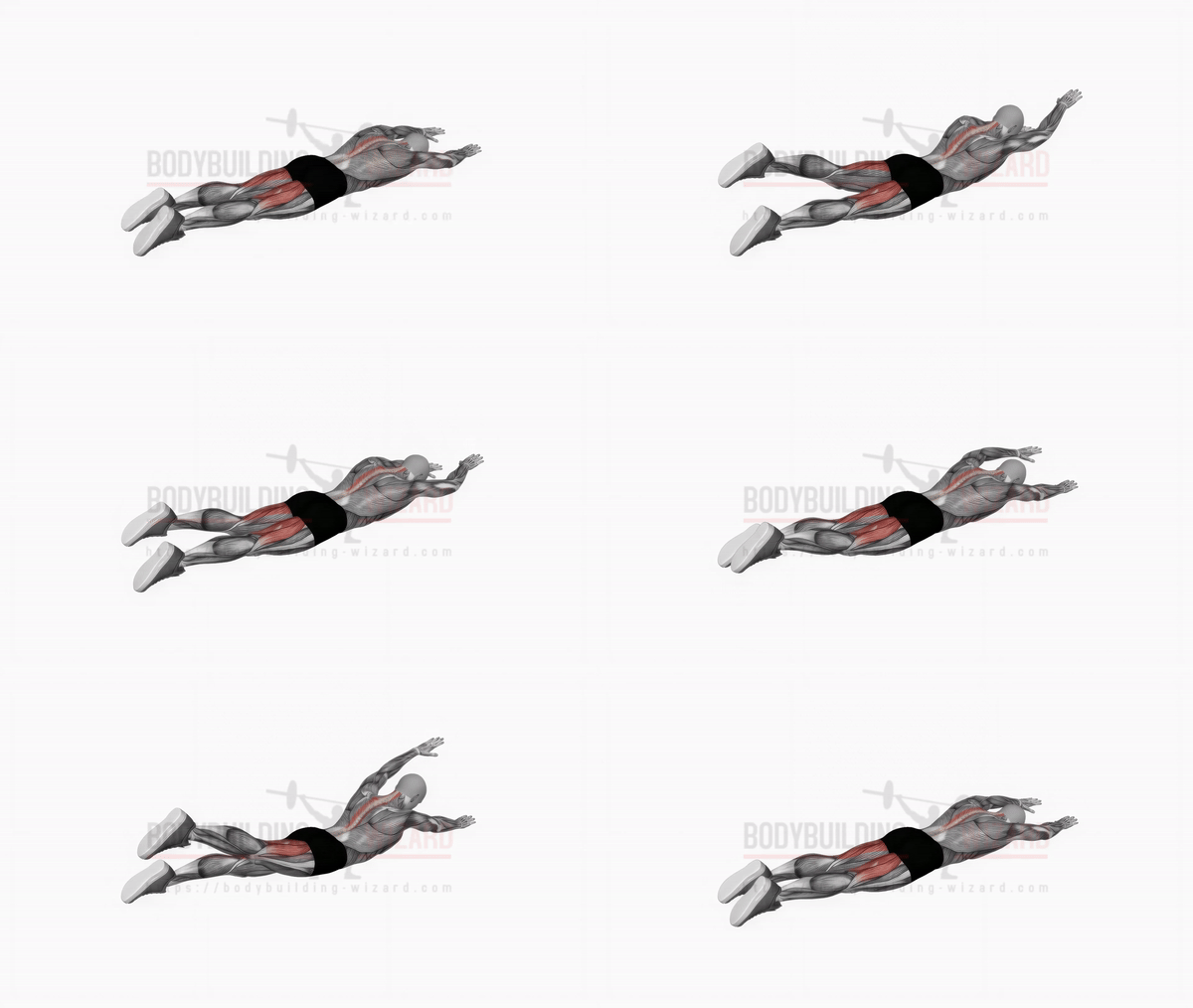
Prone Superman
An effective bodyweight exercise, prone supermans activate the entire back, emphasizing the erector spinae.

- Lie face down on the floor with arms extended in front of you.
- Simultaneously lift your arms, chest, and legs off the ground.
- Hold the top position briefly, squeezing your lower back.
- Lower back down slowly to the starting position.
Instead of lifting both arms and legs simultaneously, you can lift the opposite arm and leg, alternating sides (alternate Superman exercise).
Roman Chair Glute-Ham Raise
This exercise is excellent for targeting the posterior chain, particularly the glutes and erector spinae.
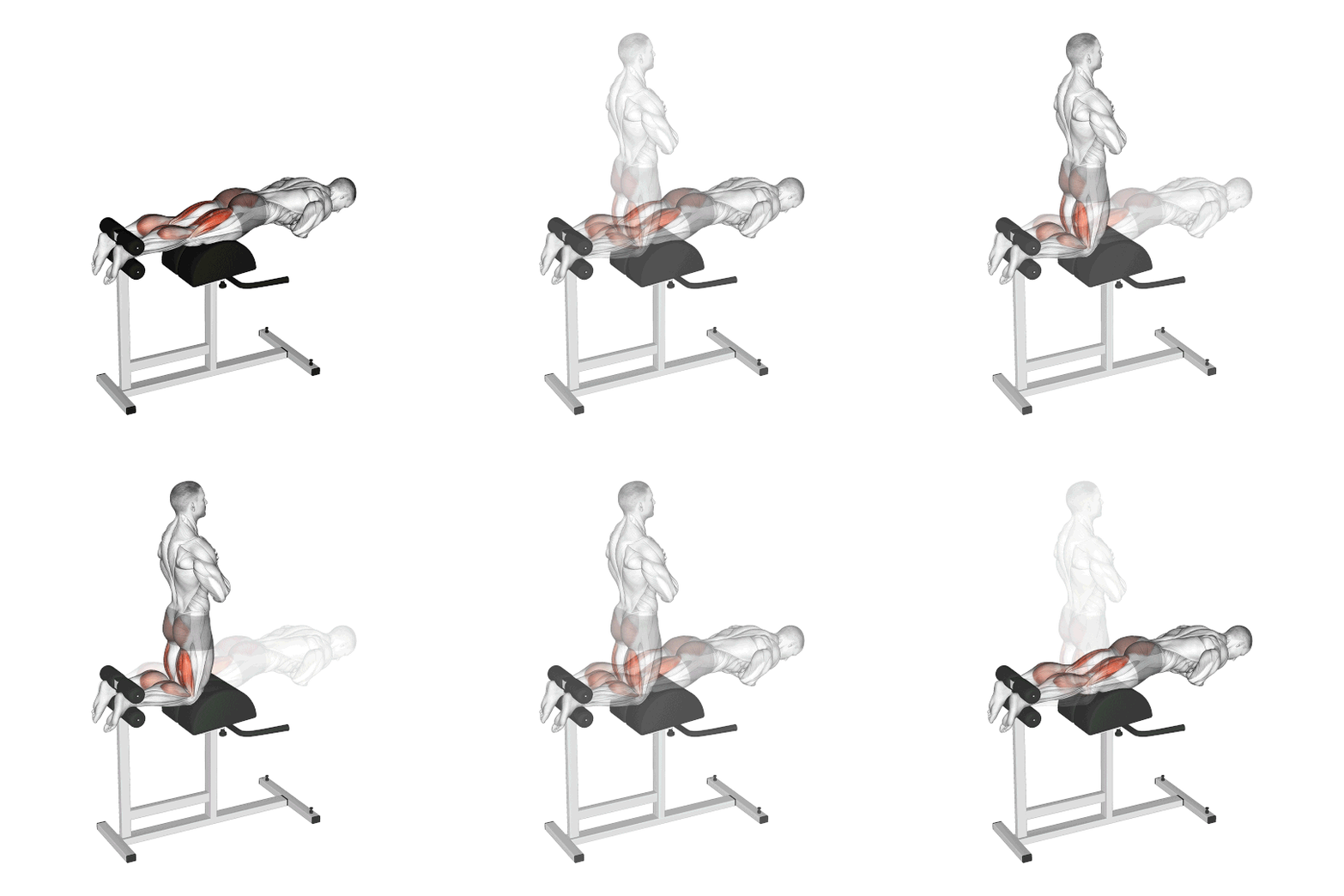
- Position yourself on a glute-ham raise machine with your feet secured and thighs against the padding.
- Lower your upper body towards the ground (until your upper legs and body are parallel to the floor), maintaining a straight line from head to knees.
- Raise your torso by extending your hips and engaging your lower back muscles.
- Return to the starting position in a controlled manner.
To increase the difficulty of this already challenging exercise, hold a weight at your chest level, similar to how you would during a back extension. You will need access to a Roman chair for this exercise, which is commonly available in most gyms. If your gym doesn’t have one, consider these Glute Ham Raise Alternatives.
Kettlebell Swings
Kettlebell swings improve overall posterior chain strength, engaging the erector spinae through explosive hip extension.
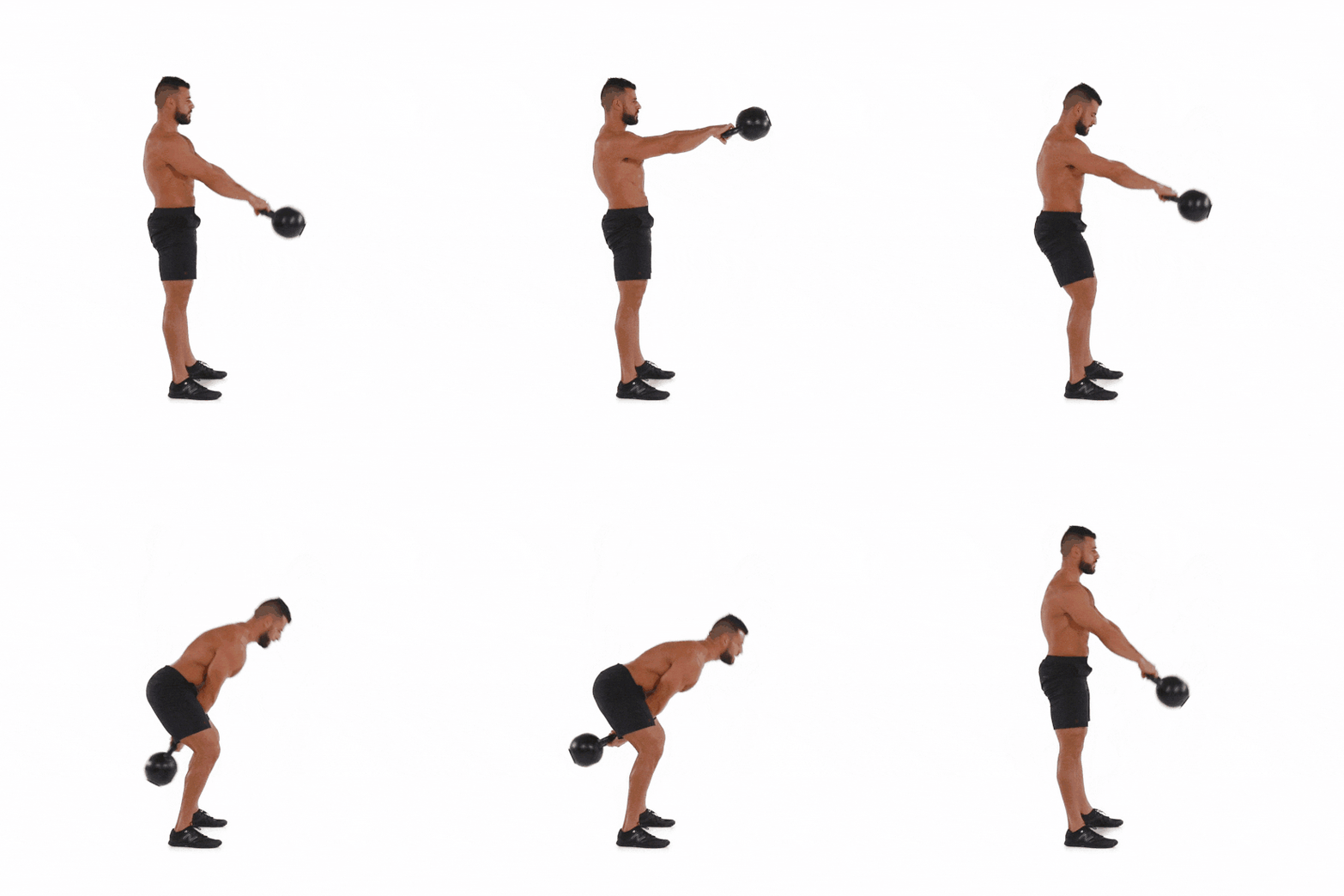
- Stand with feet shoulder-width apart, holding a kettlebell with both hands.
- Hinge at the hips and swing the kettlebell between your legs.
- Drive through your hips to swing the kettlebell up to shoulder height.
- Let the kettlebell swing back down under control, repeating the motion.
Bird Dog
This bodyweight exercise enhances core stability and strength, engaging the erector spinae muscles effectively.
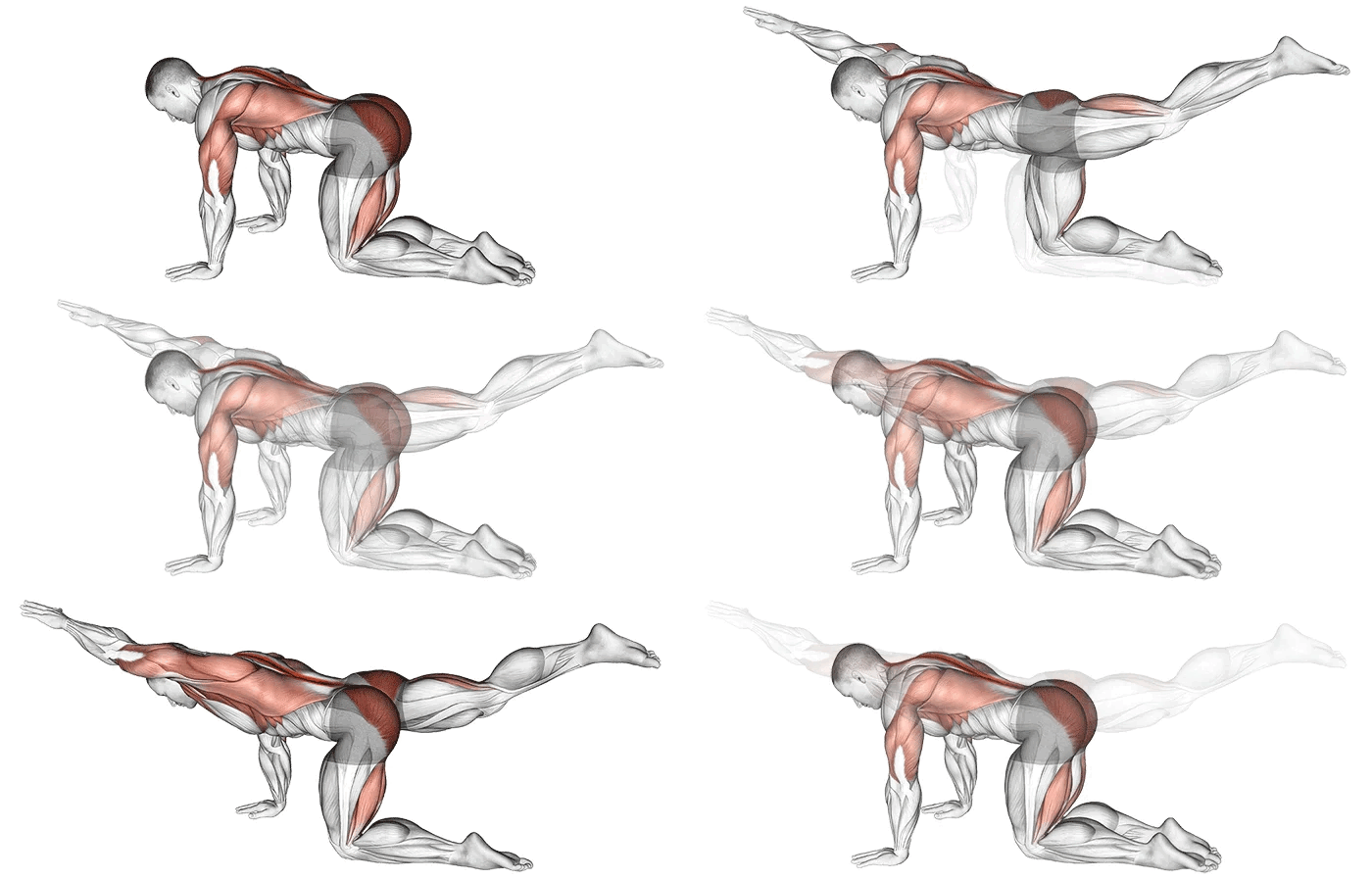
- Start on all fours with hands under shoulders and knees under hips.
- Simultaneously extend your right arm forward and left leg back, keeping your back flat.
- Hold briefly, then return to the starting position.
- Repeat on the opposite side.
Special considerations (precaution tips) for performing lower back exercises
Performing lower back exercises effectively and safely is crucial to avoid potential injury and maximize the benefits of your workout. Whether you’re a beginner or an experienced lifter, paying attention to your form and technique can make all the difference. Here are some tips to help you get the most out of your lower back exercises:
- Focus on Proper Form: Maintaining a neutral spine throughout each movement is essential. Avoid rounding or excessively arching your back.
- Start with a Warm-Up: Engage in a light cardio warm-up and perform dynamic stretches targeting the lower back to prepare your muscles for the workout.
- Gradually Increase Weights: Begin with lighter weights to master the technique, then slowly increase the load as your strength improves.
- Core Engagement: Always brace your core muscles during exercises to help stabilize your spine and prevent undue stress on your lower back.
- Use a Weightlifting Belt: A weightlifting belt can provide additional support for your lower back during heavy lifts, helping to prevent injuries. However, use it as a supplement to proper form, not a substitute.
- Avoid Overtraining: Give your lower back muscles adequate rest between intense workout sessions to facilitate recovery and growth.
- Listen to Your Body: If you experience pain or discomfort, stop the exercise immediately and reassess your technique. Persistent pain should be evaluated by a healthcare professional.
- Modify Exercises When Necessary: Implement modifications if you have any pre-existing injuries or conditions. Consult with a trainer or therapist for tailored advice.
- Use Proper Footwear: Wear supportive, flat shoes to ensure stability and proper weight distribution during lifting activities.
- Hydration: Stay hydrated throughout your workout to maintain muscle function and overall performance.
By incorporating these tips into your routine, you can enhance your lower back strength training while minimizing the risk of injury. Furthermore, when crafting an effective back workout, it’s not just about focusing on the erector spinae. To achieve a well-rounded and strong back, make sure to include exercises that target back width, back thickness, and the trapezius. This comprehensive approach ensures balanced development and maximizes strength gains.
Conclusion: Erector Spinae Strengthening Exercises
Building a strong and resilient lower back through targeted erector spinae exercises is essential for overall strength, stability, and injury prevention. By incorporating a variety of exercises such as deadlifts, back extensions, and bird dogs into your routine, you can ensure balanced development and optimal performance. Remember to prioritize proper form and gradual progression to maximize benefits and reduce the risk of injury.
We’d love to hear from you! Which erector spinae exercises have you found most effective in your fitness journey? Share your experiences and tips in the comments below!
