Close Menu
Bodybuilding Wizard

    Subscribe to Updates

    Join our mailing list to receive the latest updates from our team.

    Facebook X (Twitter) Instagram
    Trending
    • Does Soy Lower Testosterone or Increase Estrogen in Men? What the Science Says
    • Does Training Legs Really Boost Testosterone? What the Science Says
    • Does Sauna Really Boost Growth Hormone 16x? Myth vs. Science
    • Does Power Posing Really Boost Testosterone? Myth, Science & the Retraction
    • Does Ashwagandha Really Boost Testosterone and Lower Cortisol? Myth vs. Science
    • Progesterone and Exercise: How It Affects Training, Metabolism & the Menstrual Cycle
    • Estrogen and Exercise: How Estradiol Affects Muscle, Fat, Bone Health & Performance
    • Thyroid Hormones and Metabolism: T3, T4, Muscle Growth & Fat Loss Explained
    RSS Facebook X (Twitter) LinkedIn YouTube Pinterest Instagram
    Bodybuilding Wizard
    Subscribe Login
    • Home
    • Tools
      • Interactive Muscle Anatomy
      • Interactive Human Skeleton
      • Bodybuilding & Fitness Calculators
      • Dietary & Nutrition Calculators
      • Body Measurement Calculators
      • Fitness Tests
      • Bodybuilding Glossary
      • DIY Projects
    • Training
      • Weight training basics
      • Advanced bodybuilding
      • Strength training for women
      • Workout programs
      • Home weight training programs
      • Cardio workout
      • Exercise equipment
      • Weight training accessories
      • Weight lifting injuries
      • Weight training for sports
    • Exercises
      • Chest exercises
        • Middle chest exercises
        • Upper chest exercises
        • Lower chest exercises
      • Back exercises
        • Middle back (latissimus dorsi)
        • Upper back (trapezius)
        • Lower back (erector spinae)
      • Arm exercises
        • Bicep exercises
        • Tricep exercises
        • Forearm exercises
        • Grip-strengthening exercises
      • Shoulder exercises
        • Front deltoid
        • Side deltoid
        • Rear deltoid
        • Rotator Cuff
        • Scapular & Shoulder Stability
        • Neck strengthening exercises
      • Leg and glute exercises
        • Quadricep exercises
        • Hamstring exercises
        • Calf exercises
        • Glute & Hip exercises
        • Shin exercises
      • Abdominal exercises
        • Upper abdominal exercises
        • Lower abdominal exercise
        • Oblique exercises
      • Core exercises
      • Kettlebell exercises
      • Foam rolling & Stretching
      • Explosive (dynamic) lifts
    • Motivation
      • Greatest physiques
      • Motivation techniques & tips
      • Events and competitions
      • Latest fitness news
      • Videos
        • Funny gym reels
        • Motivational videos
        • Funny workout videos
      • Pictures
      • Quotes
      • Funny Fitness
      • Transformations
    • Diet
      • Nutrition Fundamentals
      • Diet Types & Strategies
      • Foods & Superfoods for Athletes
      • Muscle Building & Performance Nutrition
      • Weight Loss & Fat Management
      • Food Psychology & Myths
      • Recipes & Meal Ideas
    • Supplements
      • Supplements Review
      • Muscle Building Supplements
      • Anabolic Steroids
      • Fat Burners & Weight Loss
      • Pre-Workout & Energy Boosters
      • Recovery & Sleep Aids
      • Cognitive & Nootropic Support
      • General Supplement Advice
      • Health Supplements
        • Joint & Bone Support
        • Gut Health & Digestion
        • Vitamins & Minerals
        • Superfoods & Greens
      • Steroid Alternatives
    • Anatomy
      • Upper-Body Muscles
      • Lower-Body Muscles
      • Bones & Skeletal Anatomy
      • Muscle Growth & Genetics
      • Joints, Tendons & Connective Tissue
      • Hormones & Endocrine System
      • Physiology & Body Systems
      • Body Composition & Fat
      • General Anatomy & Basics
    • Health
    Bodybuilding Wizard
    You are at:Home»Supplements»Muscle Building Supplements»Whey Protein Concentrate (WPC) – Benefits, Drawbacks, Dosage & Best Uses
    Muscle Building Supplements

    Whey Protein Concentrate (WPC) – Benefits, Drawbacks, Dosage & Best Uses

    No Comments8 Mins ReadkrunoslavBy krunoslavAugust 13, 2025Updated:August 22, 2025
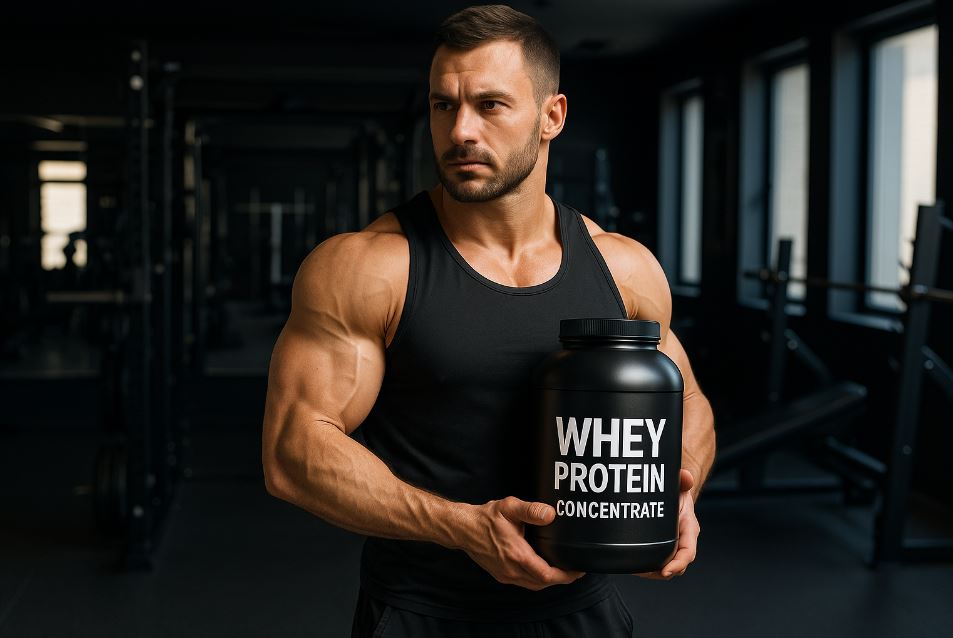
    whey protein concentrate wpc guide
    Share
    Facebook Twitter Pinterest LinkedIn Email Tumblr WhatsApp Telegram

    Whey protein concentrate (WPC) is one of the most popular and cost-effective forms of whey protein available today. Known for its excellent amino acid profile, digestibility, and budget-friendly price, WPC has been a staple in bodybuilding and fitness nutrition for decades. Despite newer, more processed forms of whey protein hitting the market, many athletes and everyday gym-goers still prefer WPC for its balance of quality and value.

    💡 From my experience as a fitness coach, I’ve seen beginners and seasoned athletes alike achieve outstanding results using WPC — when it’s used correctly and consistently.

    Table of Contents
    • What Is Whey Protein Concentrate? – Definition & Production
    • Nutritional Profile of WPC
    • How WPC Works in the Body – Mechanism
    • Proven Benefits for Bodybuilding & Sports
    • Potential Side Effects & Risks
    • Recommended Dosage & How to Take WPC
    • Best Combinations (Stacks)
    • Forms & Comparison with Other Whey Proteins
    • Who Is WPC Ideal For?
    • Who Should Avoid WPC?
    • Tips for Choosing the Right Whey Protein Concentrate (WPC)
    • Conclusion

    What Is Whey Protein Concentrate? – Definition & Production

    Definition:

    Whey protein concentrate is a powdered form of whey protein that contains around 70–80% protein by weight [1], with the remainder made up of carbohydrates (mainly lactose) and small amounts of fat.

    Production process:

    1. Source – WPC starts as liquid whey, a byproduct of cheese-making [6].
    2. Filtration – It undergoes microfiltration or ultrafiltration to remove a portion of lactose and fat.
    3. Drying – The filtered whey is spray-dried into a fine powder.

    How it differs from other whey forms:

    • Less processed than whey protein isolate (WPI) → retains more bioactive compounds.
    • Lower protein percentage than WPI or hydrolyzed whey (WPH) [7].
    • More lactose and fat compared to isolates, which can be beneficial for energy but problematic for sensitive stomachs.

    Nutritional Profile of WPC

    On average, per 30g serving of quality WPC [1] :

    • Protein: 21–24 g
    • Carbohydrates: 2–4 g (mostly lactose)
    • Fat: 1.5–3 g
    • Calories: ~120 kcal
    • BCAAs: ~5–6 g (including ~2.5 g leucine)

    WPC retains bioactive peptides like lactoferrin and immunoglobulins, which may support immune function and gut health.

    💡 Coach’s Note: “These extra compounds might not directly add muscle, but they help athletes stay healthy and recover better, which indirectly supports long-term progress.”

    How WPC Works in the Body – Mechanism

    WPC is a fast-digesting protein, meaning it breaks down quickly into amino acids after ingestion. The high leucine content triggers muscle protein synthesis — the process of repairing and building muscle fibers after training.
    Its relatively quick absorption (within ~1.5 hours) makes it ideal for post-workout recovery [1], although it can be used at any time of day to increase total protein intake.

    Proven Benefits for Bodybuilding & Sports

    Whey protein concentrate offers several proven advantages that make it a valuable supplement for athletes and bodybuilders aiming to improve performance, recovery, and muscle growth.

    • Supports muscle growth: High leucine [2] levels stimulate muscle protein synthesis.
    • Enhances recovery: Fast digestion speeds up nutrient delivery to muscles [3].
    • Cost-effective: Cheaper than WPI or WPH, making it sustainable for long-term use.
    • Retains immune-supporting compounds: Bioactive peptides [2] support overall health.
    • Aids in maintaining a positive nitrogen balance: Helps maintain a positive nitrogen balance, preventing muscle breakdown during intense training or calorie deficits.

    💡 Coach’s Insight: “Many of my clients see WPC as the best bang-for-your-buck option — you can afford to use it daily without draining your wallet, which means you hit your protein target consistently. Drinking whey protein won’t give you the rugged density of Dorian Yates, Lee Haney, or Frank Zane, but it will help you repair and strengthen muscles session after session.”

    Health Benefits of Whey Protein Concentrate

    While whey protein concentrate (WPC) is primarily used for muscle growth and recovery, research also suggests several potential health benefits beyond athletic performance. These benefits stem from its complete amino acid profile, bioactive peptides, and high-quality protein content.

    • Supports Immune Function – WPC contains immunoglobulins and lactoferrin, which may help strengthen the body’s defense system and improve resistance to infections.
    • Promotes Healthy Weight Management – Its high protein content can increase satiety, potentially reducing overall calorie intake and supporting fat loss when combined with a balanced diet.
    • Helps Maintain Bone Health – The calcium and phosphorus naturally present in WPC contribute to stronger bones and may help reduce the risk of osteoporosis [3].
    • May Improve Heart Health – Certain bioactive peptides in whey have been linked to modest reductions in blood pressure, supporting cardiovascular health.
    • Aids in Blood Sugar Control – Consuming WPC with meals may slow glucose absorption [2] and improve insulin response, which can be beneficial for blood sugar regulation.

    💡 Coach’s Note: While these benefits are promising, they are not a replacement for proper medical care or a balanced diet. WPC should be part of a holistic nutrition plan rather than relied upon as a sole health intervention.

    Potential Side Effects & Risks

    While whey protein concentrate is generally safe for most people, there are a few potential drawbacks and considerations to keep in mind before making it a regular part of your diet.

    • Lactose content: Can cause bloating, gas, or diarrhea in lactose-intolerant individuals. [4]
    • Allergies: Not suitable for people allergic to dairy proteins [4].
    • Not for ultra-low-carb diets: Contains small amounts of carbs and fat.

    Myth-busting:

    • “Protein powder damages your kidneys” – There’s no evidence of harm in healthy individuals. Issues arise only in pre-existing kidney disease.
    • “More protein = more muscle” – Muscle growth requires adequate total protein, but also proper training stimulus and recovery.

    WPC Pros

    • Supports muscle growth
    • Enhances recovery
    • Cost-effective
    • Retains immune-supporting compounds
    • Aids in maintaining a positive nitrogen balance

    WPC Cons

    • Lactose content
    • Allergies
    • Not for ultra-low-carb diets

    Recommended Dosage & How to Take WPC

    • Standard dose: 20–30 g (1 scoop) 1–2 times per day.
    • Timing:
      • Post-workout for rapid recovery.
      • Between meals to meet daily protein needs.
    • Mixing options: Water for faster absorption, milk for creamier taste and extra calories, or in smoothies with fruit and oats for a meal replacement [5].

    💡 Coach’s Tip: “For lean bulking, I often have clients mix WPC with milk and oats — it turns a simple shake into a calorie-dense, muscle-building meal.”

    Best Combinations (Stacks)

    When paired with other well-chosen supplements, whey protein concentrate can deliver even greater results by targeting multiple performance and recovery pathways at once.

    • WPC + Creatine: Maximizes strength gains and muscle volume.
      Why it works: Creatine replenishes ATP for short, explosive lifts, while WPC supplies amino acids for muscle repair.
    • WPC + Beta-Alanine: Improves muscular endurance.
      Why it works: Beta-alanine boosts muscle carnosine levels, delaying fatigue, while WPC accelerates recovery.
    • WPC + Carbohydrates (Post-Workout): Faster glycogen replenishment.
      Why it works: Carbs spike insulin, improving amino acid uptake from WPC.

    Forms & Comparison with Other Whey Proteins

    Whey protein concentrate is just one of several whey protein forms available, and understanding how it stacks up against others can help you choose the option that best fits your needs. The table below highlights key differences in composition, lactose content, price, and ideal usage.

    TypeProtein %LactosePriceBest For
    WPC70–80%ModerateLowBudget-friendly daily use
    WPI90%+LowMed–HighLactose-sensitive users
    WPH80–90%LowHighUltra-fast recovery needs
    Comparison with Other Whey Proteins: Whey Protein Isolate and Whey Protein Hydrolysate

    💡 Coach’s Note: “If you don’t have digestion issues and you’re not in extreme contest prep, WPC often wins for everyday athletes.”

    Who Is WPC Ideal For?

    • Beginner and intermediate lifters.
    • Athletes without lactose intolerance.
    • Budget-conscious supplement users.
    • Those aiming for steady progress rather than rapid, competition-focused results [5].

    Who Should Avoid WPC?

    • People with severe lactose intolerance.
    • Athletes in extreme cutting phases requiring zero extra carbs or fats.
    • Individuals with dairy allergies.

    Tips for Choosing the Right Whey Protein Concentrate (WPC)

    Selecting the ideal whey protein concentrate ensures you get maximum nutritional value while keeping your supplement routine clean and effective.

    • Check Protein-to-Carb-Fat Ratio: Aim for at least 70–80% protein content to ensure quality while keeping carbs and fats moderate.
    • Look for Minimal Additives: Choose WPC with a short ingredient list — ideally just whey concentrate, natural flavors, and sweetener (if any).
    • Source Quality: Prefer grass-fed, hormone-free (rBGH-free) milk sources for better amino acid profile and fewer contaminants.
    • Digestive Tolerance: If you’re lactose-sensitive, choose a WPC that has added digestive enzymes like lactase.
    • Brand Transparency: Buy from companies that provide batch testing results and clear nutritional labeling.

    Conclusion

    Whey protein concentrate is a proven, reliable, and cost-effective way to increase protein intake, support muscle growth, and enhance recovery. While it may not be ideal for everyone, for most athletes without lactose intolerance, WPC remains one of the most practical supplement choices.

    💡 In my coaching practice, WPC is often the default recommendation — unless there’s a specific reason to go for a more processed, expensive whey type.

    References

    1. American Dairy Products Institute. (2025, March 28). Whey protein Concentrate – ADPI. ADPI. (source)
    2. BSc, K. G. (2023, February 7). Whey Protein 101: The Ultimate Beginner’s Guide. Healthline. (source)
    3. Castro, L. H. A., De Araújo, F. H. S., Olimpio, M. Y. M., De B Primo, R. B., Pereira, T. T., Lopes, L. a. F., De M Trindade, E. B. S., Fernandes, R., & Oesterreich, S. A. (2019). Comparative Meta-Analysis of the effect of concentrated, hydrolyzed, and isolated Whey protein supplementation on body composition of physical activity practitioners. Nutrients, 11(9), 2047. (source)
    4. Cava, E., Padua, E., Campaci, D., Bernardi, M., Muthanna, F. M. S., Caprio, M., & Lombardo, M. (2024). Investigating the health implications of whey protein consumption: A narrative review of risks, adverse effects, and associated health issues. Healthcare, 12(2), 246. (source)
    5. Clinic, C. (2025, July 29). Is whey protein good for you? Cleveland Clinic. (source)
    6. Mangino, M. E. (1992). Properties of whey protein concentrates. In Springer eBooks (pp. 231–270). (source)
    7. Seed, S. (2024, June 26). Difference between Whey and whey isolate. WebMD. (source)
    i Disclaimer:

    The information provided in this article is intended for general informational and educational purposes only. It should not be considered medical advice or a substitute for professional consultation. Dietary supplements are not meant to diagnose, treat, cure, or prevent any disease, and their effectiveness may vary between individuals.

    Always consult a qualified healthcare professional before starting any new supplement regimen—especially if you are under 18, pregnant, breastfeeding, have a medical condition, or take prescription medications.

    The author and the Bodybuilding Wizard website are not responsible for any health issues, side effects, or adverse outcomes resulting from the use or misuse of supplements discussed herein. Use supplements only as directed by the manufacturer and prioritize a balanced diet, proper training, and recovery as the foundation of your fitness journey.
    Share. Facebook Twitter Pinterest LinkedIn Tumblr Email WhatsApp
    krunoslav
    • X (Twitter)

    Hey! My name is Kruno, and I'm the owner and author of Bodybuilding Wizard. I am a licensed fitness trainer with a Ph.D. in kinesiology. Throughout my career, I have dedicated myself to helping individuals achieve their health and fitness goals through personalized training programs. In addition to my academic qualifications, I have completed various specialized courses, including certifications in nutrition and strength training, which have further enhanced my ability to provide comprehensive fitness guidance. I started this website back in late 2014, and it has been my pet project ever since. My goal is to help you learn proper weight training and nutrition principles so that you can get strong and build the physique of your dreams!

    Related Posts

    Best Mass Gainer Supplements for Men in 2025 (In-Depth Reviews & Coach’s Guide)

    10 Best Egg White Protein Powders in 2025 Reviewed & Coach Approved

    Creatine vs. Pre-Workouts: Which Builds More Muscle? The Ultimate Comparison

    Leave A Reply Cancel Reply

    You must be logged in to post a comment.

    WE ARE SOCIAL
    • Facebook 3.6K
    • Twitter
    • YouTube 133
    • Instagram
    RECENT POSTS
    August 27, 2026

    Does Soy Lower Testosterone or Increase Estrogen in Men? What the Science Says

    August 26, 2026

    Does Training Legs Really Boost Testosterone? What the Science Says

    August 24, 2026

    Does Sauna Really Boost Growth Hormone 16x? Myth vs. Science

    August 24, 2026

    Does Power Posing Really Boost Testosterone? Myth, Science & the Retraction

    August 23, 2026

    Does Ashwagandha Really Boost Testosterone and Lower Cortisol? Myth vs. Science

    RECENT COMMENTS
    • Justin Dew on Designing your own home gym
    • krunoslav on Meet Your Muscles: How muscles are named?
    • Christina on Meet Your Muscles: How muscles are named?
    • igtropin on Stiff-Leg Deadlift: Proper Form, Muscles Worked & Hamstring Growth Guide
    • teragon labs on Barbell Back Squat: Proper Form, Benefits, Muscles Worked & Expert Tips
    LATEST GALLERIES

    Subscribe to Updates

    Join our mailing list to receive the latest updates from our team.

    ABOUT
    ABOUT

    We are a group of bodybuilding enthusiasts and this is our effort to have all the details about bodybuilding on a single website. We strive to educate and inform our visitors so that they can make the correct training, nutrition, and supplement decisions on their own. Bodybuilding Wizard will make your dream body your reality and take you to a whole new level!

    POPULAR POSTS
    April 2, 2014

    Lying Leg Curl: Complete Guide to Hamstring Isolation, Strength & Muscle Growth

    February 18, 2019

    Meet Your Muscles: How muscles are named?

    March 28, 2014

    Free weights: The main tool for building muscles

    BODYBUILDING WIZARD
    Bodybuilding Wizard Footer Logo
    Facebook X (Twitter) Instagram Pinterest YouTube
    • About
    • Authors
    • Editorial Policy
    • Write for us
    • Privacy
    • Contact
    • Terms of Use
    • Advertising
    • FAQ
    Copyright © 2014-2026 BodybuildingWizard. All rights reserved. Powered by WordPress. Made with love and lots of caffeine.

    Type above and press Enter to search. Press Esc to cancel.

    Sign In or Register

    Welcome Back!

    Login to your account below.

    Lost password?