


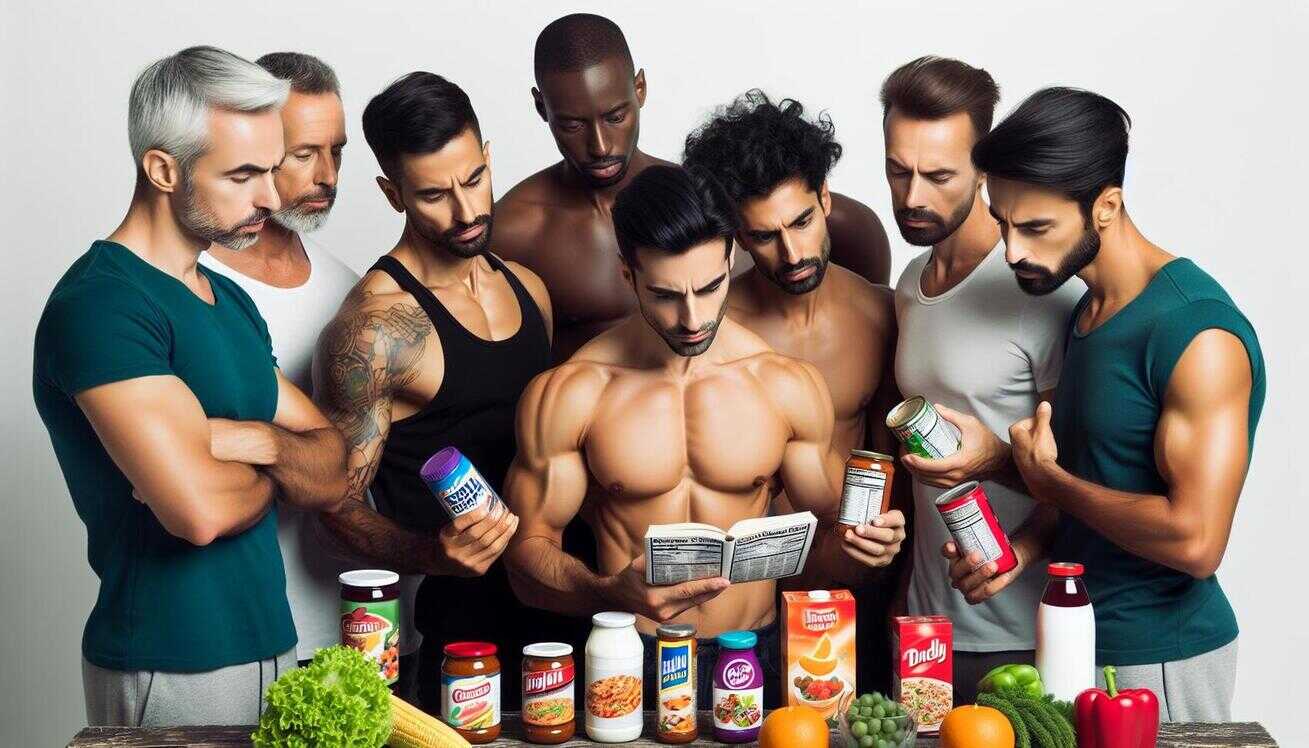
In today’s fast-paced world, convenience often takes precedence over nutrition. Many of us find ourselves reaching for foods that are quick to prepare and easy to eat, yet these convenient choices are usually ultra-processed. But what exactly does “ultra-processed” mean, and how can it impact your health? Understanding this term is critical to making informed choices about what goes into your body. A clear understanding of ultra-processed foods is vital for fitness enthusiasts and bodybuilders. For those focused on improving their physical appearance, the quality of nutrition can significantly impact performance and results. Making informed food choices supports muscle growth and recovery and contributes to overall health and well-being.
“Ultra-processed foods are industrial formulations made entirely or mostly from substances extracted from foods, derived from food constituents, or synthesized in laboratories.”
These products are far removed from their natural state and often packed with ingredients such as additives, preservatives, and artificial flavors. While processed foods have their place, it’s crucial to distinguish between what’s merely processed and what’s ultra-processed. Let’s dive into what sets these culinary creations apart and, more importantly, how to avoid them in your everyday diet.
Introduction to Ultra-Processed Foods
Definition and Characteristics
Ultra-processed foods are industrial formulations made entirely or mainly from substances extracted from foods, derived from food constituents, or synthesized in laboratories. The production of ultra-processed foods involves a series of physical, biological, and chemical processes. These processes transform raw ingredients into products far removed from their original state. This transformation often results in foods high in sugar, fat, and salt while low in essential nutrients such as vitamins, minerals, and fiber. These foods typically contain additives and are often designed to be highly palatable or convenient at the cost of nutritional quality.
- High in sugar, unhealthy fats, and salt
- Low in fiber, protein, vitamins, and minerals
- Contains artificial flavors, emulsifiers, sweeteners, colors, or preservatives
- Long shelf-life
- Packaged in attractive, market-driven designs
- Often ready-to-eat or ready-to-heat
- Marketed with unique branding and packaging
Sugary drinks, packaged snacks, instant noodles, reconstituted meat products, and ready-to-eat meals are typical examples of ultra-processed foods.
Prevalence in Modern Diets
The prevalence of ultra-processed foods in today’s diets is undeniable. From breakfast cereals and snack bars to frozen meals and soft drinks, these items represent a significant portion of the food products available in supermarkets and convenience stores. The global expansion of food manufacturing and distribution networks has made it easier for consumers to access these products, often at a lower cost than whole or minimally processed foods. As a result, ultra-processed foods frequently make up a large percentage of daily energy intake in many countries.
Purpose and Appeal
The primary appeal of ultra-processed foods lies in their convenience. They are designed for quick consumption, catering to individuals and families who may lack the time or resources to prepare meals from scratch. Additionally, the sensory appeal of these foods—often rich in sugar, fat, and salt—can create a strong preference for more nutritious options. Marketing strategies and packaging further enhance their attractiveness to children and adolescents.
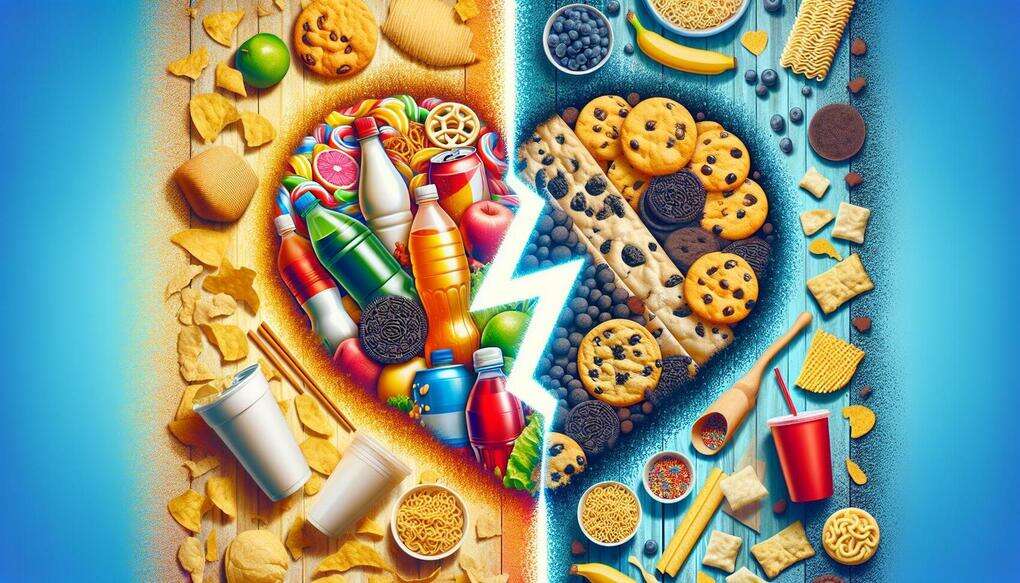
The distinction between processed and ultra-processed foods
Understanding the difference between processed and ultra-processed foods is crucial. Processed foods are those altered in some way from their original form (cutting, freezing, or adding common kitchen ingredients), often for preservation or flavor enhancement. This includes canned vegetables and fish, cheese, smoked meats, frozen vegetables, bakery bread, and yogurt. These can form part of a balanced diet, as they retain most of their nutritional value and often involve minimal processing.
On the other hand, ultra-processed foods are industrial formulations typically laden with additives, preservatives, sweeteners, and artificial colors that significantly alter the original food. They include sugary sodas, packaged baked goods, and many ready-to-eat meals. These foods often offer lower nutritional quality despite being calorie-dense.
While processed foods can seamlessly fit into a healthy eating plan, ultra-processed foods should be consumed sparingly. Excessive consumption is linked to health risks, including obesity, heart disease, and metabolic disorders.
For a balanced diet, prioritize whole or minimally processed foods and keep ultra-processed options as occasional indulgences rather than staples.
Health risks linked to ultra-processed foods
Ultra-processed foods are becoming increasingly prevalent in our daily diets, often at the expense of our health. While they offer convenience and long shelf-life, consuming them heavily has significant drawbacks. Here’s a closer look at the health risks associated with these foods:
- Obesity: Ultra-processed foods are typically high in calories, sugars, and unhealthy fats, contributing to excessive calorie intake, weight gain, and obesity.
- Cardiovascular Disease: These foods can increase the risk of heart conditions due to high levels of salt, trans fats, and sugars, which elevate blood pressure and cholesterol levels.
- Cancer: Studies suggest a link between the consumption of ultra-processed foods and a higher risk of various cancers, potentially due to additives, contaminants, and nutrient deficiencies.
- Diabetes: The high sugar content of ultra-processed foods can lead to insulin resistance and eventually Type 2 diabetes.
- Nutritional Deficiencies: Consuming a diet high in ultra-processed foods can lead to deficiencies in vital nutrients such as iron, calcium, and vitamin D. Over time, these deficiencies can result in various health problems, including weakened immune function, bone health issues, and impaired cognitive development in children.
- Mental Health Disorders: There is growing evidence that diets high in ultra-processed foods are linked to depression and anxiety, possibly due to inflammation or nutritional deficiencies. Nutritionally, ultra-processed foods often lack the nutrients necessary for optimal brain function, such as omega-3 fatty acids, B vitamins, and antioxidants.
Recognizing these risks is essential to making informed dietary choices that promote long-term health and well-being.
How can consumers identify ultra-processed ingredients?
Being able to spot ultra-processed ingredients is an empowering step towards healthier eating. The ingredient list on food packaging is your first line of defense. You can make more informed and healthy choices by learning to read these labels effectively. Here are some key pointers to help you identify ultra-processed foods:
- Look for ingredients not commonly found in a typical home kitchen, such as butylated hydroxyanisole (BHA) or modified starches.
- Familiarize yourself with common additives and preservatives often used in ultra-processed foods. These can include sodium benzoate, potassium sorbate, and monosodium glutamate (MSG). While these additives are generally considered safe in small amounts, they indicate a high level of processing.
- Beware of cosmetic additives like artificial colors, flavors, and sweeteners, which often signal ultra-processed items.
- Check for preservatives and emulsifiers; these are added to extend shelf life and improve texture but indicate high processing levels.
- Multiple added sugars with names like corn syrup, fructose, and maltose often point to ultra-processing.
- If a food product has more than five ingredients, it may be ultra-processed, particularly if most of the ingredients sound chemical or unfamiliar.
- Be wary of health claims on the front of packaging, which can be misleading. Terms like ‘low-fat’, ‘sugar-free’, or ‘fortified with vitamins’ can sometimes mask the presence of ultra-processed ingredients. Always cross-reference these claims with the ingredients list to ensure the product is healthy.

How to Avoid Ultra-Processed Foods?
- Read Labels and Ingredients: It’s key to becoming a label detective. When shopping, look for foods with simple ingredient lists. If you spot a long list of ingredients, particularly with names that sound like they belong in a laboratory rather than a fridge, it’s a hint that the product might be ultra-processed.
- Incorporate Whole Foods: Embrace natural options like fruits, vegetables, whole grains, nuts, and seeds. These foods are less likely to be processed, and their natural state offers unparalleled nutritional benefits.
- Plan Your Meals: Spend a little time each week planning your meals. By thinking ahead, you’ll rely less on convenience foods and more on wholesome, homemade dishes.
- Cook at Home: Home cooking gives you control over what’s in your food. Simple recipes focusing on fresh ingredients can be a delicious and rewarding way to avoid ultra-processed products. Plus, it can be a fun, creative outlet!
- Avoid Unfamiliar Ingredients: A rule of thumb is to steer clear of unrecognizable ingredients or those you wouldn’t use in your own kitchen. This approach helps ensure that what you’re consuming is closer to nature.
- Prioritize Fresh Produce: Fill your plate with fresh fruits and vegetables. They are healthy and naturally free from the hidden extras found in processed foods.
- Gradually Reduce Ultra-Processed Foods: Transitioning away from these foods doesn’t have to happen overnight. Start by gradually cutting back and slowly substituting ultra-processed items with healthier options.
GoCoCo – The Perfect Grocery Shopping Sidekick
GoCoCo is your ultimate grocery shopping ally, designed to simplify your journey towards healthier eating and stress-free. It’s an intuitive app that helps identify ultra-processed foods, highlights banned additives and suggests healthier alternatives. With a quick scan, GoCoCo rates foods on a scale from 1-10 based on their nutritional composition and degree of ultra-processing, offering immediate insights into the quality of your food choices.
Beyond identifying what to avoid, GoCoCo enriches your shopping experience by suggesting healthier food swaps, providing delicious, science-backed recipes, and offering informative articles that deepen your understanding of nutrition. Its practical tips and tailored recommendations guide you in making more thoughtful food selections, making it easier to maintain a balanced diet and achieve your health goals.
Conclusion
Embracing a lifestyle that minimizes the intake of ultra-processed foods can significantly contribute to better health. You can make informed decisions at the grocery store by understanding the differences between processed and ultra-processed items. It’s not about shunning convenience but choosing items that fuel your body with the nourishment it needs. Use tools like GoCoCo to guide your shopping choices and explore wholesome, natural alternatives.
Remember, each small step counts. Gradually replacing ultra-processed foods with healthier options fosters habits that support overall well-being. Continue educating yourself, be mindful of labels, and relish the journey to a healthier you.
