


Introduction
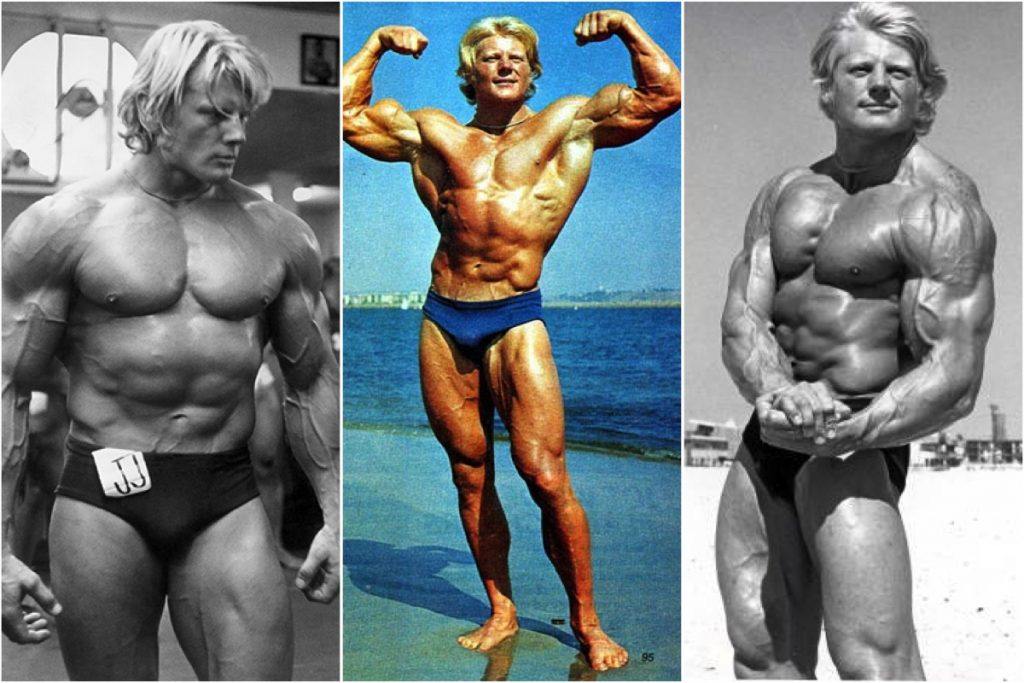
Dave Draper, famously known as “The Blonde Bomber”, was one of the most iconic figures of bodybuilding’s Golden Era. Rising to prominence during the 1960s and 1970s, Draper became a symbol of classic aesthetics, strength, and charisma both on stage and in Hollywood. He captured major bodybuilding titles, including Mr. America (1965), Mr. Universe (1966), and Mr. World (1970), while also building a successful career as an actor, author, and fitness ambassador.
More than just a competitor, Draper embodied the spirit of the California Muscle Beach culture and was part of the legendary group that trained at Gold’s Gym in Venice, alongside Arnold Schwarzenegger, Franco Columbu, and Frank Zane. His combination of rugged good looks, broad shoulders, and symmetrical proportions made him a crowd favorite and an enduring inspiration for generations of lifters.
In this article, we present the complete biography of Dave Draper — covering his early life, bodybuilding career, workout and diet philosophy, toughest rivals, media appearances, personal life, and lasting legacy. Whether you know him as a champion bodybuilder, Hollywood actor, or the voice behind his books and columns, Draper’s story is one of discipline, influence, and timeless inspiration.
Dave Draper’s Profile Summary & Quick Facts
Below, you will find a comprehensive summary of Dave Draper’s impressive athletic statistics and personal details:
Personal Details
| Full Name | David Draper |
| Nickname | “The Blond Bomber” |
| Date of Birth | April 16, 1942 |
| Place of Birth | Secaucus, New Jersey, USA |
| Died | November 30, 2021 (aged 79) |
| Nationality | American |
| Profession | Professional Bodybuilder, Actor, Author |
| Major Titles | 1965 IFBB Mr. America, 1966 IFBB Mr. Universe, 1970 IFBB Mr. World |
Athletic Statistics (Body Measurements)
| Height | 6 ft 0 in (183 cm) |
| Contest Weight | 215–225 lbs (97–102 kg) |
| Off-Season Weight | 230–240 lbs (104–109 kg) |
| Arms | 20 in (51 cm) |
| Chest | 56 in (142 cm) |
| Waist | 29 in (74 cm) |
| Legs | 28 in (71 cm) |
Physique Analysis — What Set Him Apart?
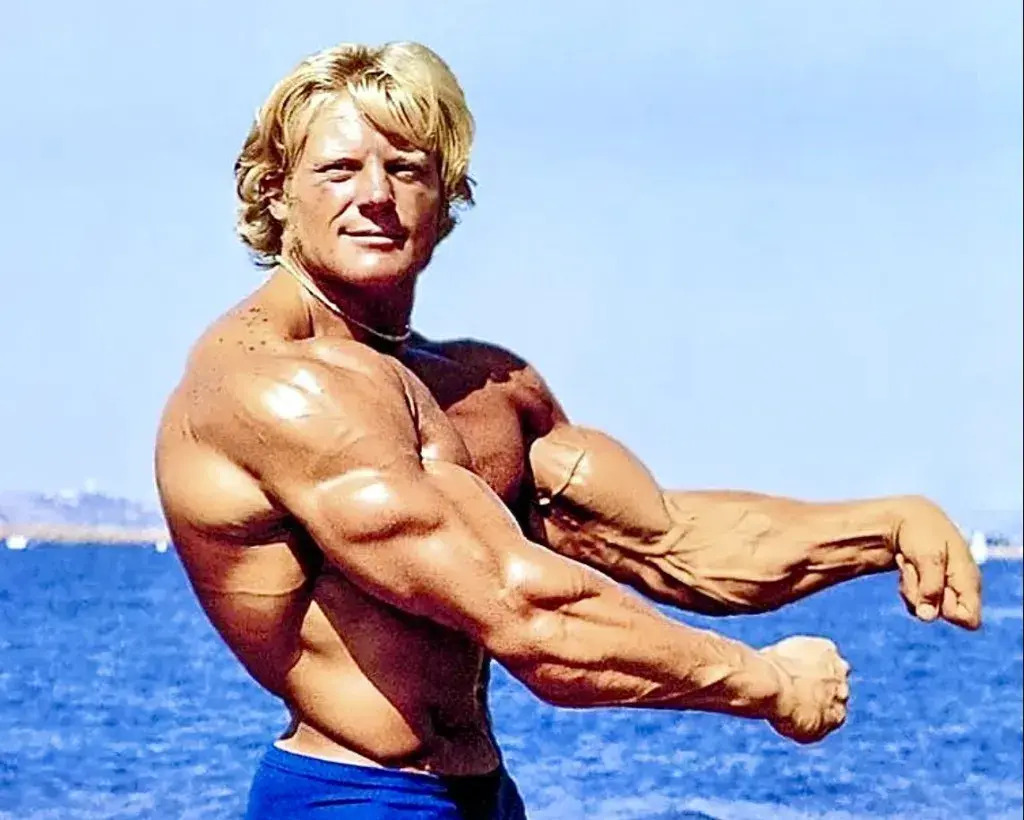
When we look at Dave Draper’s body measurements, it becomes clear why he became one of the standout figures of bodybuilding’s Golden Era. At 6’1” (185 cm) and a contest weight of around 215–225 lbs (97–102 kg), Draper had the type of physique that combined size with aesthetics — tall, broad-shouldered, and classically proportioned.
From a coach’s perspective, Draper exemplified the classic bodybuilding ideal: not simply chasing mass, but building a balanced, aesthetic body that looked just as good in photographs as it did on stage. His proportions still stand as a reference point for athletes who value symmetry over sheer bulk.

Early Life and Background – Who Was Dave Draper Before Bodybuilding?
Dave Draper was born on April 16, 1942, in Secaucus, New Jersey, USA, into a modest family where sports and physical activity were a natural part of life. From a young age, Draper showed a keen interest in strength and athleticism, gravitating toward weightlifting as a teenager. At the age of 10, he had already begun experimenting with makeshift weights, and by 12, he was training seriously with a barbell set in his basement.
In high school, Draper excelled in various sports, including swimming, gymnastics, and wrestling, which laid the foundation for his athletic physique. His love for training with weights, however, quickly outshone all other activities. By the time he was 15 years old, Draper was already competing in local weightlifting contests and attracting attention for his muscular development and natural symmetry.
After graduating from Secaucus High School, Draper pursued his passion for bodybuilding full-time. Unlike many of his peers, who saw bodybuilding as just a hobby, Draper was determined to transform it into a lifestyle and career. His early dedication soon led him to California, the mecca of bodybuilding, where he would train at the legendary Muscle Beach and later at Gold’s Gym in Venice.
These formative years not only shaped Draper’s body but also his philosophy toward fitness and life. He developed a reputation for discipline, humility, and a work ethic that would carry him through his professional career — both as a competitor and as a mentor to future generations.
Dave Draper’s Bodybuilding Career
Draper’s First Steps into Bodybuilding
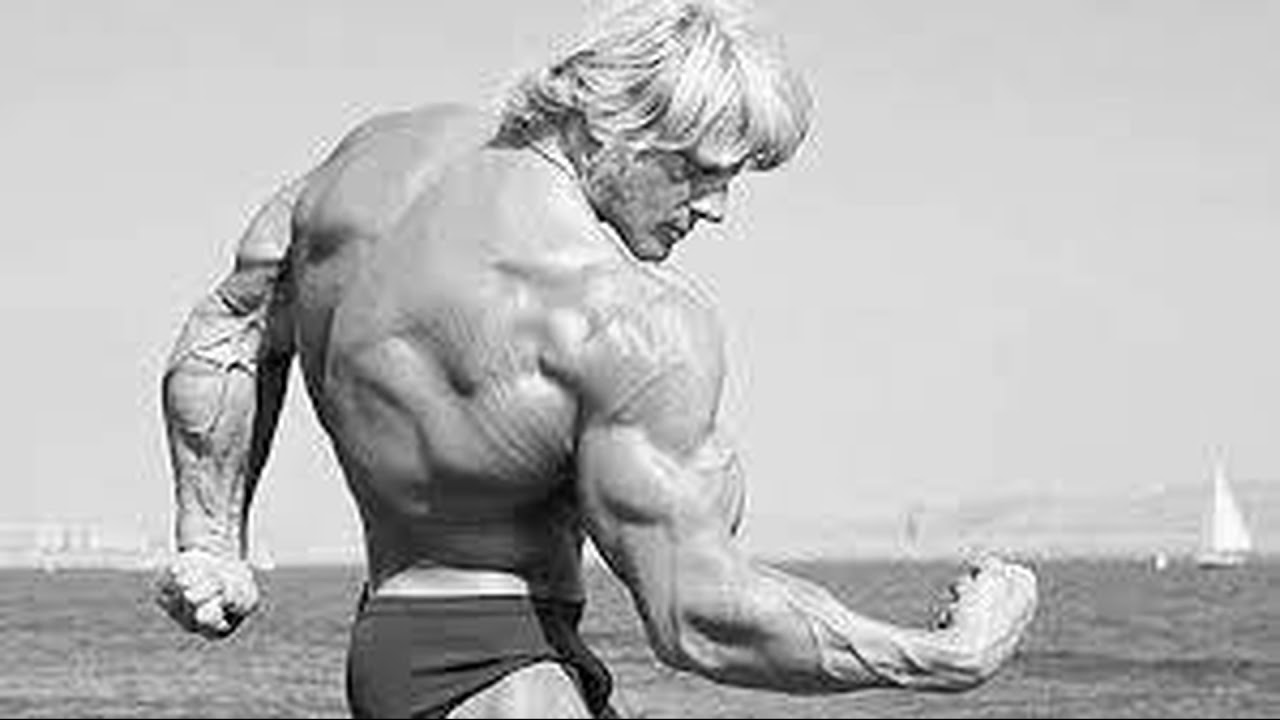
Dave Draper’s competitive journey began in the early 1960s when his impressive physique caught the attention of the bodybuilding community. His classic lines, broad shoulders, and small waist set him apart in an era dominated by athletes who prioritized proportion and aesthetics over sheer mass.
In 1963, Draper won the Mr. New Jersey title, marking his first significant success on the amateur stage. This victory provided him with the confidence and recognition to pursue bodybuilding at a higher level. Only two years later, in 1965, Draper’s career skyrocketed when he captured the prestigious IFBB Mr. America title, beating out intense competition and cementing his name among the sport’s rising stars.
Draper’s dedication and rapid rise reflected not only his physical gifts but also his relentless work ethic. He was known to train with intensity and focus, often pushing beyond the standards of the time. His early accomplishments established him as one of the most promising young competitors of the Golden Era.
Professional Bodybuilding Career – How Did Draper Rise in Bodybuilding?
Following his amateur triumphs, Draper transitioned smoothly into the professional ranks, where he continued to impress. In 1966, he claimed the Mr. Universe title, a victory that earned him international fame and the respect of bodybuilding icons such as Joe Weider and Arnold Schwarzenegger. His ability to combine size, shape, and charisma made him one of the standout figures of the sport.
Perhaps one of Draper’s most celebrated achievements came in 1970, when he won the Mr. World competition, further solidifying his reputation as one of the top bodybuilders of his time. Competing against legends like Sergio Oliva and Arnold Schwarzenegger, Draper consistently demonstrated that he belonged among the elite.
Beyond titles, Draper’s career was defined by his presence. With his striking looks and camera-ready physique, he became a bridge between bodybuilding and Hollywood, appearing in movies and fitness magazines that expanded the sport’s appeal to mainstream audiences.
Though he eventually stepped away from competitive bodybuilding, Draper’s career during the 1960s and 1970s left an indelible mark. He was not only a champion on stage but also a pioneer in popularizing bodybuilding as a lifestyle and cultural phenomenon.
| Year | Competition | Placement |
|---|---|---|
| 1962 | Mr. New Jersey | — |
| 1965 | IFBB Mr. America (Tall Class & Overall) | 1st |
| 1966 | IFBB Mr. Universe (Tall Class & Overall) | 1st |
| 1967 | Mr. Olympia | 4th |
| 1970 | AAU Mr. World | 3rd |
| 1970 | IFBB Mr. World (Tall & Overall) | 1st |
| 1970 | NABBA Mr. Universe (Tall) | 3rd |
Career Highlights
Toughest Rivals
Throughout his competitive career, Dave Draper shared the stage with some of the most iconic bodybuilders in the sport’s history. Competing during the Golden Era, Draper often found himself going head-to-head with legends who helped shape the sport into what it is today.
- Arnold Schwarzenegger – Perhaps Draper’s most famous contemporary, Arnold’s combination of size, charisma, and stage presence often overshadowed his rivals. Their friendly rivalry was a highlight of the late 1960s and early 1970s, and the two later became close friends.
- Sergio Oliva – known as “The Myth”– brought an unprecedented level of size and muscularity that challenged every competitor of his time. Draper admired Oliva’s raw power but relied on his own aesthetics and proportions to stand out.
- Frank Zane – While Draper carried more mass, Zane’s razor-sharp conditioning and aesthetic flow represented a different standard of bodybuilding excellence. Their contrasting physiques highlighted the diversity of body types in the sport.
- Reg Park – As one of Draper’s early inspirations and later a rival on stage, Reg Park embodied the classic balance of size and proportion that Draper himself pursued.
From a coach’s perspective, Draper’s most significant challenge was not any single rival but rather competing in an era stacked with talent. The 1960s and 1970s were filled with champions, and standing out in that crowd required not only hard work but also a unique look. Draper achieved this with his broad shoulders, narrow waist, and Hollywood charisma, which made him unforgettable even when competing against the best.
Training and Diet Tips
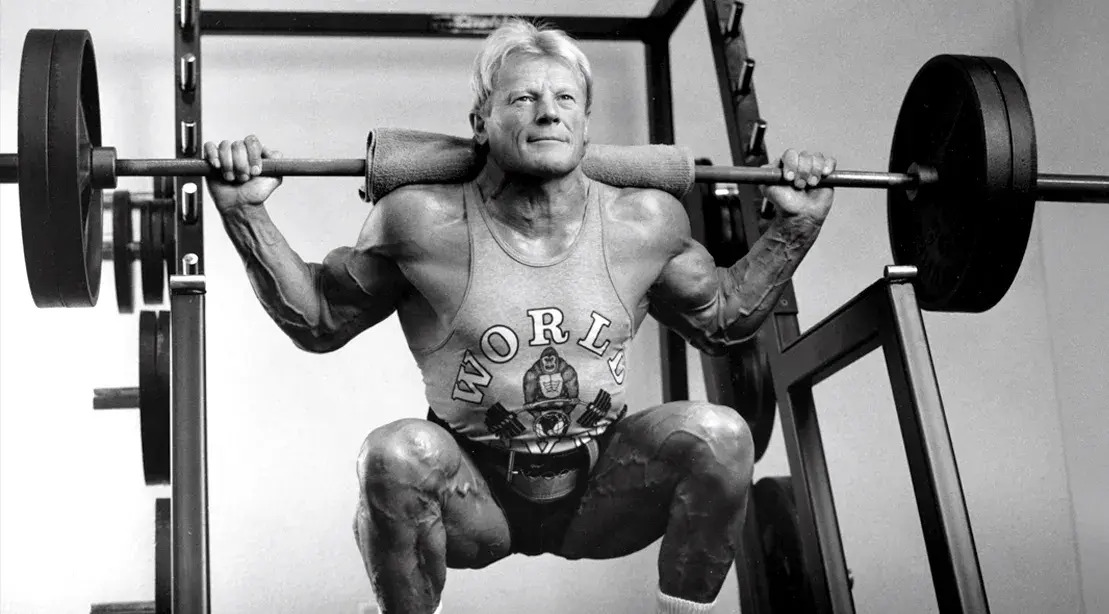
Dave Draper’s approach to training was a blend of intensity, consistency, and creativity, shaped by the philosophies of the Golden Era but adapted to his own needs. His workouts emphasized heavy compound lifts while also including enough variety to ensure balanced muscular development.
Training Principles
- Heavy Compounds First – Draper prioritized exercises like squats, bench presses, deadlifts, and overhead presses as the foundation of his training.
- High Volume Sessions – He often trained with multiple exercises per body part, typically performing 5–6 sets per movement.
- Supersets and Giant Sets – To push intensity and save time, Draper frequently paired exercises, such as chest and back supersets or arm giant sets.
- Mind–Muscle Connection – Long before the term became popular, Draper emphasized feeling each rep and contracting the muscle fully.
- Consistency Over Perfection – He believed that showing up to train regularly mattered more than chasing the “perfect” workout plan.
Diet Approach
Draper’s diet reflected the bodybuilding wisdom of the 1960s and 1970s:
- Protein-Rich Meals – Lean meats, eggs, fish, and milk were staples to fuel recovery and muscle growth.
- Whole Foods Focus – He emphasized simple, nutrient-dense foods over supplements, though protein powders were occasionally used.
- Moderate Carbohydrates – Sources like rice, potatoes, and vegetables provided energy for his high-volume training.
- Healthy Fats – Nuts and oils were included to support overall health and hormone function.
- Balance and Enjoyment – Draper often wrote about enjoying food without obsession, promoting a sustainable approach rather than extreme dieting.
From a coach’s perspective, Draper’s philosophy was refreshingly sustainable and realistic. While many athletes of his era relied on extremes, Draper’s balance of hard training and whole-food nutrition helped him maintain both health and performance long after retiring from competition.
Personal Life & Media Presence
Beyond the bodybuilding stage, Dave Draper became a recognizable face in mainstream media and fitness culture. His striking looks and athletic build earned him opportunities far outside the gym.
- Film and Television Roles – Draper appeared in several movies during the late 1960s and 1970s, including Don’t Make Waves (1967), where he starred alongside Tony Curtis and Sharon Tate. His Hollywood presence helped introduce bodybuilding to audiences who had never set foot in a gym. He also made guest appearances on TV shows, further boosting his visibility.
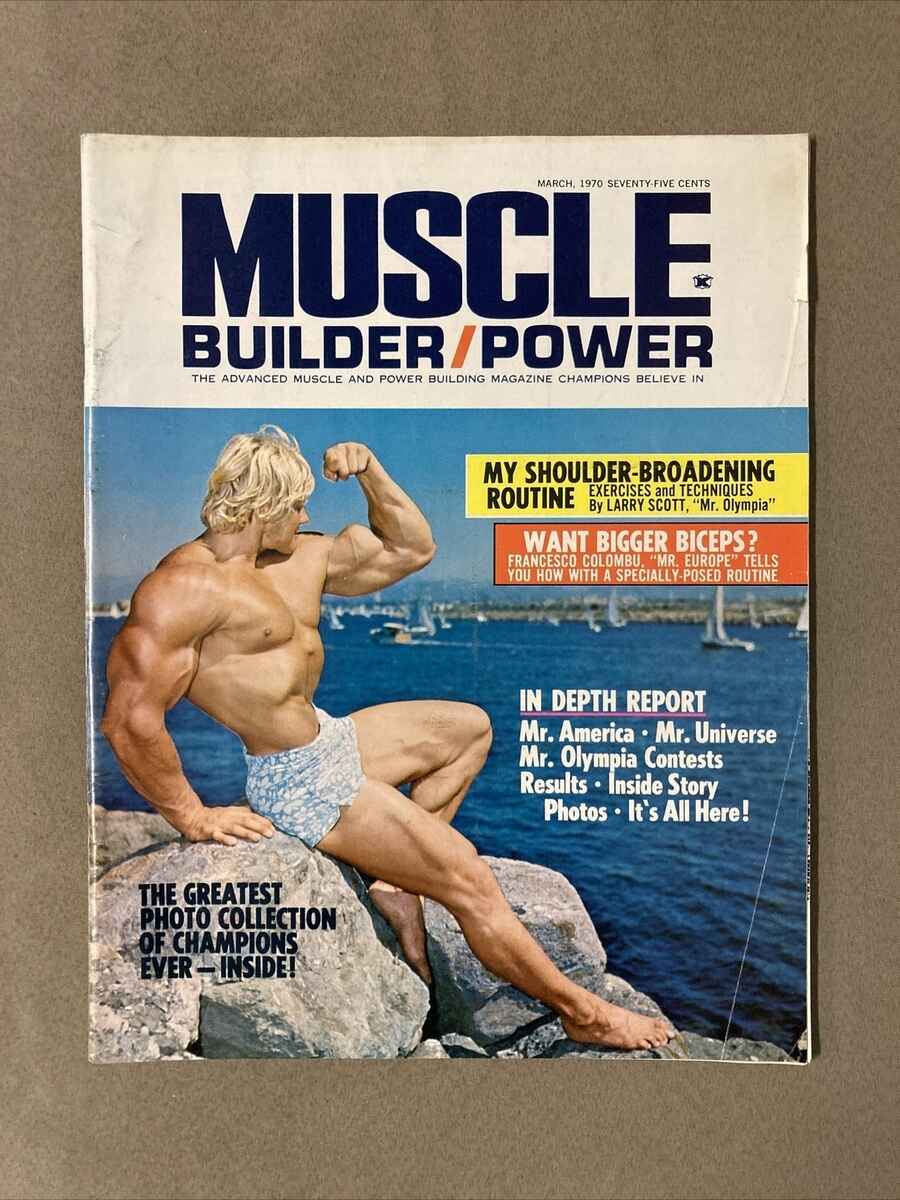
- Magazine Covers and Features – Draper graced the covers of Joe Weider’s Muscle Builder and Mr. America magazines, where his physique symbolized the perfect blend of muscle and aesthetics. These appearances made him one of the most photographed bodybuilders of his generation.
- Authorship and Writing – Later in life, Draper turned to writing. He published books such as Brother Iron, Sister Steel, and Iron in My Hands, where he shared his philosophy on training, nutrition, and life lessons. His poetic and reflective writing style set him apart from typical bodybuilding instruction manuals.
- Online Presence – Draper embraced the digital era by maintaining a website and newsletter, connecting directly with fans and offering advice on fitness, motivation, and lifestyle.
In his personal life, Draper was known for his humility and down-to-earth nature. Despite his fame, he valued privacy and spent much of his later years in Santa Cruz, California, where he continued to train, write, and inspire others.
From a cultural standpoint, Draper was more than a bodybuilder — he was a bridge between the sport and popular culture, paving the way for future stars like Arnold Schwarzenegger to cross into Hollywood.
Health Issues
Like many bodybuilders of his generation, Dave Draper faced health challenges later in life. Despite his disciplined lifestyle and continued passion for training, years of intense physical exertion and the stresses of competition inevitably took their toll.
- Cardiac Problems – Draper experienced heart-related health issues in his later years, a condition that ultimately contributed to his passing in November 2021 at the age of 79.
- Aging and Recovery – In his writings, Draper often reflected on the realities of aging as an athlete, acknowledging that recovery times increased and adjustments to training intensity became necessary.
- Balanced Perspective – Unlike some of his contemporaries, Draper advocated moderation and health-conscious decisions in training and diet, which likely extended both his quality of life and longevity compared to others from his era.
From a coach’s perspective, Draper’s later years serve as a reminder that longevity requires adaptation. He showed that even legendary physiques must evolve with time, and that prioritizing health over constant intensity is the true key to a lasting legacy.
Legacy and Influence – Why Does Dave Draper Still Matter?
Dave Draper’s impact on bodybuilding extends far beyond the trophies he earned on stage. Known as the “Blond Bomber”, he represented the ideals of the Golden Era — a time when aesthetics, proportion, and charisma defined success just as much as sheer size.
- Golden Era Icon – Draper stood alongside legends like Arnold Schwarzenegger, Sergio Oliva, and Frank Zane, helping to define what many still consider the most inspiring era of bodybuilding.
- Inspiration for Generations – His physique, particularly his broad shoulders and narrow waist, remains a standard for athletes chasing the “classic” look rather than mass alone.
- Cultural Crossover – Through movies, television, and magazines, Draper helped bring bodybuilding into mainstream culture, opening doors for future stars to transition into Hollywood and beyond.
- Author and Mentor – Draper’s books and online writings continue to guide athletes today. His philosophical reflections on training and life gave him a unique voice in the bodybuilding world.
- Respected Gentleman of the Sport – Known for his humility, intelligence, and positive outlook, Draper’s character was as admired as his physique.
From my perspective as a coach, Draper’s true legacy lies in his balanced philosophy. He proved that bodybuilding could be more than a pursuit of muscle — it could be a lifelong journey of discipline, creativity, and self-expression. His influence continues to shape how athletes view fitness, not just as a sport, but as a way of life.
Conclusion
Dave Draper’s life and career embody the essence of bodybuilding’s Golden Era. From his early triumphs as Mr. America (1965) and Mr. Universe (1966) to his crossover success in Hollywood and his later work as an author and mentor, Draper left a mark that transcended the stage. Known as the “Blond Bomber”, he stood shoulder to shoulder with the legends of his time, yet maintained a unique identity rooted in aesthetics, charisma, and humility.
Even in his later years, Draper’s voice carried weight. Through his books and online writings, he offered guidance that combined training wisdom with more profound reflections on life. He reminded athletes and fans alike that bodybuilding is not just about building muscle, but about cultivating discipline, character, and a balanced approach.
From my perspective as a coach, Draper remains one of the most relatable and inspiring figures in the history of bodybuilding. He didn’t just chase size — he chased harmony, health, and longevity. His story continues to resonate because it shows that true greatness is measured not only in titles but in the ability to inspire generations.
Dave Draper’s legacy lives on as a beacon of classic physique ideals, personal integrity, and timeless wisdom.
