


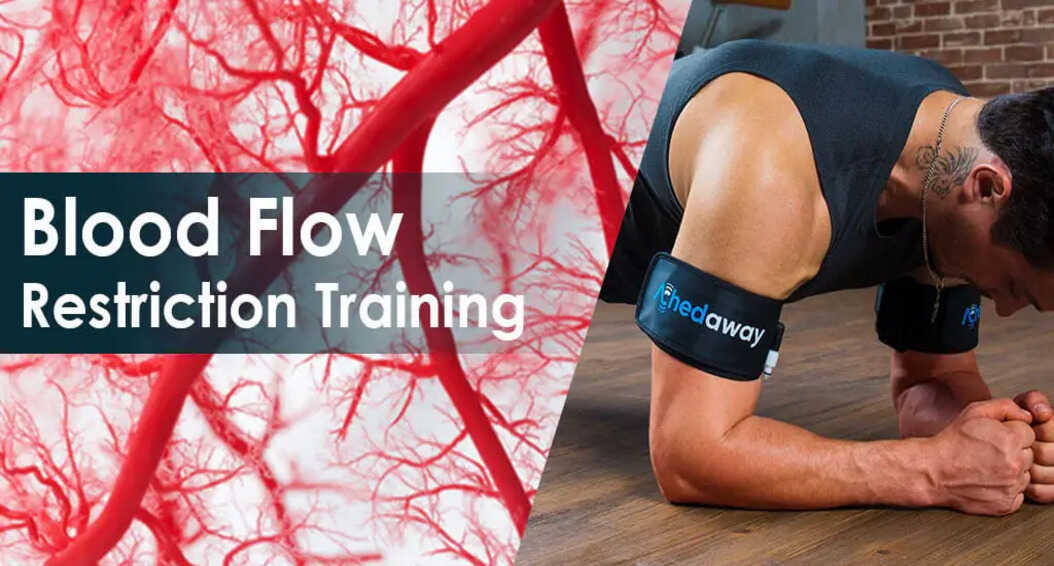
In 2025, one training method quietly revolutionized how elite athletes build muscle and recover faster: Blood Flow Restriction Training (BFR). Once seen as a niche rehabilitation tool, BFR is now being adopted by top-tier bodybuilders, Olympians, and fitness influencers for its ability to stimulate growth using lighter weights, minimizing joint stress while maximizing hypertrophy.
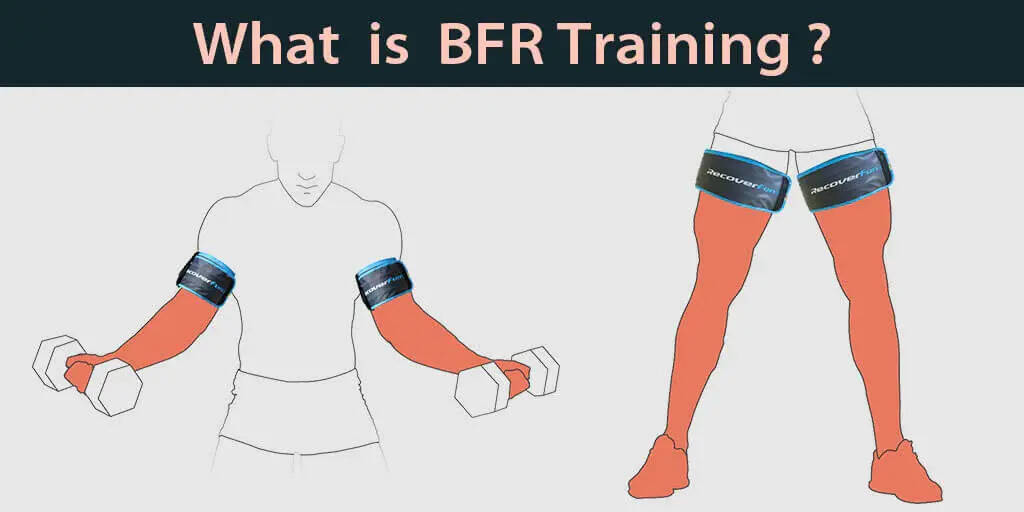
🔍 What is Blood Flow Restriction Training?
Blood Flow Restriction (BFR) training involves wrapping cuffs or bands around the upper portion of the limbs to partially restrict blood flow during low-load resistance exercises. This creates a unique metabolic stress environment that stimulates muscle growth, even with loads as low as 20–30% of one’s 1RM.
The technique tricks the body into thinking it’s working much harder, causing increased lactic acid buildup and muscle fiber recruitment, without the wear and tear of heavy lifting.
📈 Why It’s Trending in 2025
Several factors have contributed to BFR’s rise this year:
- Injury prevention: Top athletes use BFR to train around injuries while stimulating hypertrophy.
- Scientific validation: 2024 saw a surge in peer-reviewed research confirming BFR’s effectiveness for strength and hypertrophy.
- Wearable tech integration: New smart cuffs, like the Kaatsu Pro+ and BStrong BFR 2.0, offer real-time pressure control and tracking, making the method safer and more accessible.
- Celebrity endorsement: Fitness icons like Chris Bumstead, Nick Walker, and Mat Fraser have shared their BFR sessions online, creating a ripple effect throughout the training community.
🏋️ How Athletes Are Using BFR
Most pros implement BFR 2–3 times weekly as part of an accessory or recovery session. Common applications include:
- Biceps/triceps supersets with bands post heavy pressing;
- Leg extensions or curls using 20–30% of normal load;
- Rehab or deload weeks, where joint preservation is key;
- Post-competition recovery to maintain muscle without CNS overload;
🎯 A Coach’s Insight — Why BFR Belongs in Your Program
As a strength coach, I’ve increasingly recommended BFR training to my clients, especially bodybuilders in contest prep or athletes returning from injury. Here’s why:
- Reduced mechanical load means less joint inflammation;
- Faster hypertrophy stimulus without needing to push to failure;
- Improved mind-muscle connection, especially for stubborn body parts;
- Shorter recovery times post-session;
For lifters over 35, BFR is a game-changer. It allows them to train intensely with minimal risk, keeping progression going year-round. I’ve used BFR to maintain arm size during elbow rehab, and the pump is unreal.
⚠️ Safety Considerations & Medical Precautions
Before starting BFR training, keep these safety guidelines in mind:
- Don’t use random elastic bands — Always opt for specialized BFR cuffs with adjustable pressure.
- Avoid excessive tightness — Over-constriction can cause nerve compression or tissue damage.
- Limit session duration — Most protocols recommend 15–20 minutes per muscle group.
- Not for everyone — People with cardiovascular issues, blood clotting disorders, or high blood pressure should consult a doctor first.
- Start under supervision — Beginners should learn proper technique from a qualified coach or physiotherapist.
BFR is safe and effective when used correctly, but misuse can carry serious risks.

🏅 Elite Athletes Who Use BFR Training
Blood Flow Restriction training isn’t just theory—it’s a staple in the routines of many world-class athletes across various disciplines. Bodybuilding stars like Chris Bumstead and Mike Sommerfeld have openly incorporated BFR into their arm and leg hypertrophy work, and in the realm of CrossFit, Mat Fraser, a multiple-time Games champion, used BFR as part of his recovery and deload strategies during peak competition years.
Outside of strength sports, Olympic sprinters, UFC fighters like TJ Dillashaw, and even NBA stars such as LeBron James have been reported or rumored to use BFR for rehab and performance enhancement. Their adoption of the method further underscores its value, not just as a rehab tool, but as a mainstream performance booster embraced at the highest level of competition.
However, other elite athletes, such as Chris Hemsworth, have incorporated BFR training into their routines. For instance, as documented on his Instagram profile, Chris Hemsworth used BFR training during his knee surgery rehabilitation.
⏩ What’s Next for BFR?
Expect even more innovation in this space:
- AI-based cuff pressure auto-regulation. Next-generation BFR cuffs will use real-time sensors and artificial intelligence to monitor blood flow, tissue resistance, and fatigue levels. These innovative systems automatically adjust cuff pressure to maintain optimal occlusion without manual input.
- Integration into recovery boots and compression garments. Manufacturers are beginning to embed BFR technology into compression boots and performance garments, allowing athletes to combine occlusion with muscle recovery protocols.
- Mainstream fitness classes are offering BFR as part of their programming. BFR is no longer reserved for elite athletes and rehab clinics. Commercial gyms are starting to offer BFR-based group classes.
With governing bodies like the NSCA and ACSM now incorporating BFR into certification curricula, it’s clear this isn’t a passing trend—it’s a new chapter in intelligent hypertrophy training.
