



Introduction
Choosing among popular fitness trackers this season can feel overwhelming. The market is full of smartwatches, bands, rings, and performance wearables, all promising better health, better fitness, and better results. In reality, not every tracker makes sense for every person—or every goal.
Over the course of 2025, my colleagues and I actively tested a wide range of fitness trackers—both through personal use and daily work with clients. Today, almost every client who walks into a gym wears some form of tracker, whether it’s a smartwatch, band, or ring. That gave us something far more valuable than spec sheets: real-world feedback. We heard firsthand what actually helped people train better, recover smarter, and stay consistent—and what features frustrated them, distracted them, or ended up unused after the novelty wore off.
This guide exists for one reason: to help you choose a fitness tracker that is actually worth using, not just popular on paper. As a fitness coach, I look at these devices through a practical lens—how they support training, recovery, consistency, and long-term habits, not just how many features they list on a spec sheet.
Instead of technical overload, you’ll find straightforward explanations, real-world use cases, and honest guidance on which trackers help—and which ones often create more confusion than value.
What Are Fitness Trackers and What Do They Usually Track?
Fitness trackers are wearable devices designed to monitor physical activity, basic health metrics, and recovery indicators throughout the day. Their primary purpose is to provide feedback that helps people understand how their body responds to movement, stress, and rest.
Most modern fitness trackers measure a combination of:
- daily activity (steps, distance, active minutes)
- heart rate (resting and during activity)
- estimated calorie expenditure
- sleep duration and sleep stages
- stress indicators or heart rate variability (HRV)
- recorded workouts such as walking, running, cycling, or strength training
More advanced models also track metrics like blood oxygen levels, temperature trends, recovery scores, and training readiness. While these numbers can be helpful, their value depends heavily on how well the user understands and applies the data.
Which Devices Fall Under the Definition of “Fitness Trackers”?
The term fitness tracker covers a wide range of devices, not just simple step-counting bands. Understanding these categories helps narrow down what actually fits your needs.
Fitness bands
These are lightweight, minimalist devices focused on basic activity tracking, heart rate monitoring, and sleep tracking. They work well for beginners or people who want simple health insights without distractions.
Smartwatches with fitness features
These devices combine lifestyle functions (notifications, apps) with robust fitness and health tracking. They suit users who want an all-in-one device for daily life and training.
Performance and recovery-focused trackers
Some wearables prioritize recovery, sleep quality, and readiness over screens or notifications. These devices appeal to athletes or highly engaged users seeking more profound insight into how their bodies adapt to training and stress.
Each category serves a different purpose. The key question is not which tracker is most popular—but which one supports your goals without creating unnecessary complexity.
Coach’s Note: Do You Even Need a Fitness Tracker?
A fitness tracker is not a requirement for progress. Many people improve their health, fitness, and consistency without tracking a single metric. A tracker only becomes useful when it helps you make better decisions—not when it adds pressure or confusion.
In my experience, fitness trackers work best for people who like structure, feedback, and simple accountability. They often help beginners build awareness and help experienced trainees monitor recovery. On the other hand, some users become overly focused on numbers and ignore how their body actually feels. If that sounds familiar, a tracker may do more harm than good.
Before buying one of the popular fitness trackers this season, ask yourself a simple question: Will this device guide my training decisions—or just distract me?
Smartwatch vs. Fitness Band vs. Fitness Ring — What’s the Difference?
While all three devices are worn on the body and track health data, they serve very different purposes.


In short: smartwatch equals maximum functionality, band offers a balance of fitness and simplicity, and ring delivers unobtrusive, data-driven health insights.
Popular Fitness Trackers This Season — Which Ones Are Actually Worth Using?
Below, you’ll find honest, coach-driven reviews of the most popular fitness trackers this season. Each device is evaluated for real-world usefulness, not marketing promises, to help you make a confident buying decision.
- Best Overall Fitness Tracker: Garmin Vivoactive 6
- Best Fitness Tracker for iPhone Users: Apple Watch Series 11
- Best Fitness Tracker for Android Users: Samsung Galaxy Watch 6
- Best Fitness Tracker for Runners: Garmin Forerunner 265
- Best All-Round Health & Lifestyle Watch: Garmin Venu 3
- Best Fitness Band for Everyday Use: Fitbit Charge 6
- Best Fitness Tracker Ring (Sleep & Recovery): Oura Ring 4
- Best Fitness Tracker for Sleep & Recovery: Whoop 5.0
Apple Watch Series 11 — Full Review
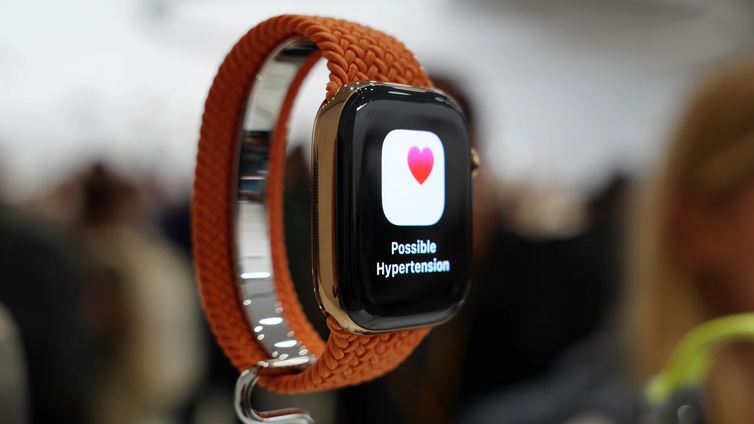
Apple Watch Series 11 represents another confident refinement of Apple’s flagship smartwatch formula. It does not reinvent the category, but it further cements Apple’s position as the safest and most complete smartwatch choice for iPhone users. With watchOS 26, improved display durability, excellent heart rate and GPS accuracy, and new health features such as hypertension notifications and Sleep Score, the Series 11 continues to set the standard for everyday health-focused smartwatches.
- watchOS 26 with refreshed Liquid Glass interface
- Optical heart rate sensor with ECG and advanced health monitoring
- Passive hypertension notifications
- Sleep Score and expanded sleep tracking
- Single-band GPS with strong real-world accuracy
- Always-on OLED display with improved scratch resistance
- Optional cellular connectivity with 5G RedCap support
- Fast charging with full-day battery life
- Extremely accurate heart rate tracking, even during intervals
- Reliable and clean GPS tracking in real-world use
- Deep and seamless integration with iPhone and iOS ecosystem
- Improved scratch resistance on aluminum models
- WatchOS 26 is fluid, polished, and intuitive
- Still not a true multi-day battery device
- No dual-frequency GNSS
- Minimal hardware upgrades for recent Apple Watch owners
- Same processor as the previous generation
Apple Watch Series 11 is ideal for iPhone users who want a smartwatch that excels at daily health tracking, fitness monitoring, communication, and safety features. It suits users who value accuracy, ecosystem integration, and a frictionless experience over raw battery life or extreme sports specialization.
This watch is not aimed at endurance athletes who need multi-day battery life, trail runners who rely on advanced navigation, or users looking for a significant upgrade from Series 9 or Series 10. Android users should look elsewhere entirely.
Premium
Heart rate accuracy is among the best available from a wrist-based sensor, closely matching chest straps during steady-state and interval training. GPS accuracy is consistently strong despite lacking dual-band support, often producing cleaner tracks than competitors in practice. The slim case and balanced weight make it comfortable for 24/7 wear, including sleep tracking.
The Series 11 is deeply tied to the Apple ecosystem and delivers its best experience when paired with an iPhone. Most health and fitness features do not require subscriptions, though cellular models require a monthly carrier plan. Integration with Apple Health, Fitness, and third-party apps is seamless.
From a coaching standpoint, the Apple Watch Series 11 excels as a lifestyle and health-monitoring tool rather than a performance-first training watch. Its strength lies in consistency, reliability, and long-term adherence. The health alerts, sleep scoring, and accurate heart rate data make it especially valuable for general population clients, busy professionals, and anyone focused on sustainable fitness rather than competitive performance metrics.
Worth it if you are upgrading from a Series 8 or older and want the most refined Apple Watch experience available. Not worth it if you already own a Series 9 or Series 10 and are expecting a meaningful hardware leap.
Garmin Venu 3 — Full Review
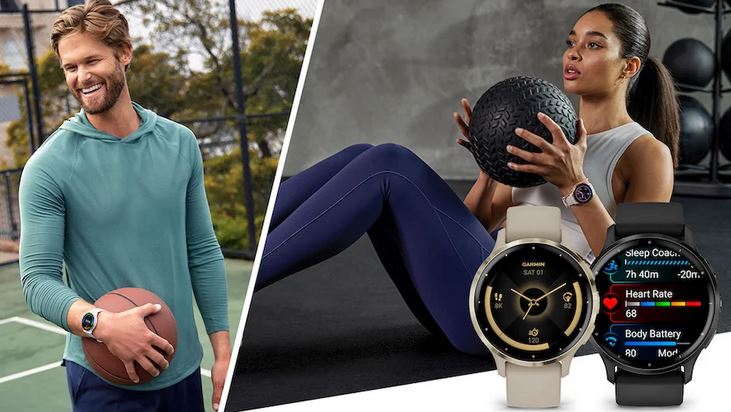
Garmin Venu 3 is one of the most popular fitness trackers this season because it offers a rare balance between advanced health tracking, fitness performance, and everyday smartwatch features. It stands out especially for users who care about sleep quality, recovery, and long battery life rather than constant charging and notifications.
- Continuous heart rate monitoring with HRV tracking
- Advanced sleep tracking with sleep stages, nap detection, and sleep coaching
- Body Battery and stress tracking for recovery insights
- Skin temperature monitoring and health snapshots
- Wide range of sports modes, including strength training, cardio, yoga, HIIT, and outdoor activities
- Built-in GPS for running, cycling, and other outdoor sports
- AMOLED display with two size options (Venu 3 and Venu 3S)
- Long battery life compared to most smartwatches
- Excellent battery life that supports multi-day use and sleep tracking
- Very comprehensive sleep and recovery analysis without a subscription
- Accurate heart rate and HRV tracking for daily use and training
- Wide selection of sport modes suitable for most fitness enthusiasts
- Comfortable, lightweight design suitable for all-day and overnight wear
- Design and materials feel less premium than some competitors in the same price range
- Limited third-party app ecosystem and slower app downloads
- No LTE version available
- Smart features feel less polished than those of Apple or Samsung devices
Garmin Venu 3 is ideal for health-conscious users who want to improve sleep, recovery, and overall well-being while still tracking workouts and daily activity. It suits fitness enthusiasts, busy professionals, and people who value long battery life and meaningful health insights over smartwatch extras.
This device is not ideal for users who want a highly polished smartwatch experience, a large app store, or deep voice assistant integration. It may also disappoint users who expect premium materials or LTE connectivity.
Premium
Heart rate tracking is precise and stable during everyday activity and most workouts, closely matching chest-strap readings under steady conditions. GPS performance is reliable for daily outdoor training, though initial signal lock can occasionally be slower. The lightweight build and soft strap make the watch comfortable for all-day wear and sleep tracking.
Garmin Venu 3 works with both iOS and Android through the Garmin Connect platform. Core health, fitness, and sleep features do not require a paid subscription, which adds long-term value compared to competitors that lock insights behind monthly fees.
From a coaching standpoint, Garmin Venu 3 excels as a health-first smartwatch. Clients who struggle with sleep consistency and recovery benefit most from its detailed sleep analysis, HRV tracking, and Body Battery insights. The long battery life removes friction, making it easier to wear continuously and actually use the data. While it doesn’t match the polish of Apple’s smartwatch features, it delivers where training and recovery matter most.
Worth it if you prioritize sleep quality, recovery insights, and long battery life in a fitness-focused smartwatch.
Skip it if smartwatch aesthetics, app variety, and advanced innovative features matter more than health and training data.
Fitbit Charge 6 — Full Review
Fitbit Charge 6 remains one of the most popular fitness trackers this season because it focuses on accurate daily health and activity tracking without trying to become a full smartwatch. It sits firmly in the “tracker-first” category, offering strong sleep and health monitoring with just enough innovative features to feel modern.

- Continuous heart rate monitoring with updated algorithms
- Sleep tracking with sleep stages, HRV, breathing rate, and sleep score
- Skin temperature and blood oxygen (SpO2) monitoring
- Active Zone Minutes for intensity-based activity tracking
- Built-in GPS with phone-assisted tracking
- Google integrations, including Wallet, Maps, and YouTube Music
- Auto-detection of common workouts
- Slim, lightweight design with haptic side button
- All-week battery life in standard use
- Powerful sleep and health tracking accuracy
- Lightweight and comfortable for all-day and overnight wear
- Long battery life compared to most smartwatches
- Clear, beginner-friendly presentation of daily activity data
- No subscription required for basic tracking features
- Some advanced insights are locked behind Fitbit Premium
- GPS performance is unreliable for serious outdoor training
- Sports tracking lacks depth compared to dedicated sports watches
- Limited music support is restricted to YouTube Music
- Navigation and motivation features feel underdeveloped
Fitbit Charge 6 is ideal for users who want reliable daily activity, sleep, and health tracking without the distraction or complexity of a full smartwatch. It suits beginners, lifestyle-focused users, and people rebuilding consistency rather than chasing performance metrics.
This device is not a good choice for serious runners, hikers, or endurance athletes who rely on accurate standalone GPS and advanced training data. It may also frustrate users who dislike subscription-based features.
Mid-range
Heart rate tracking performs well during steady activities and general daily movement, staying reasonably close to chest strap readings in consistent efforts. Accuracy drops during workouts with rapid intensity changes. Sleep tracking is one of the device’s strongest features, delivering consistent, believable results night after night. The slim form factor makes it exceptionally comfortable for 24/7 wear.
Fitbit Charge 6 works with both Android and iOS, though it leans heavily toward Google’s ecosystem. Core tracking features work without a subscription, but detailed readiness scores, advanced sleep insights, and wellness reports require Fitbit Premium.
From a coaching standpoint, the Fitbit Charge 6 works best as a habit-building tool. It encourages awareness around movement, sleep, and consistency rather than performance optimization. Clients who feel overwhelmed by complex metrics often respond better to this more straightforward, calmer approach. The main limitation is the lack of motivation feedback — more proactive encouragement could significantly improve adherence.
Worth It or Not?
Worth it if you want accurate health and sleep tracking in a lightweight, easy-to-wear fitness tracker without paying smartwatch prices.
Skip it if you need reliable GPS, advanced sports metrics, or full smartwatch functionality.
Samsung Galaxy Watch 6 — Full Review
Samsung Galaxy Watch 6 is one of the most popular fitness trackers this season because it delivers a polished smartwatch experience paired with strong health and fitness tracking. For Android users, especially those within the Samsung ecosystem, it represents one of the most complete smartwatch options currently available.
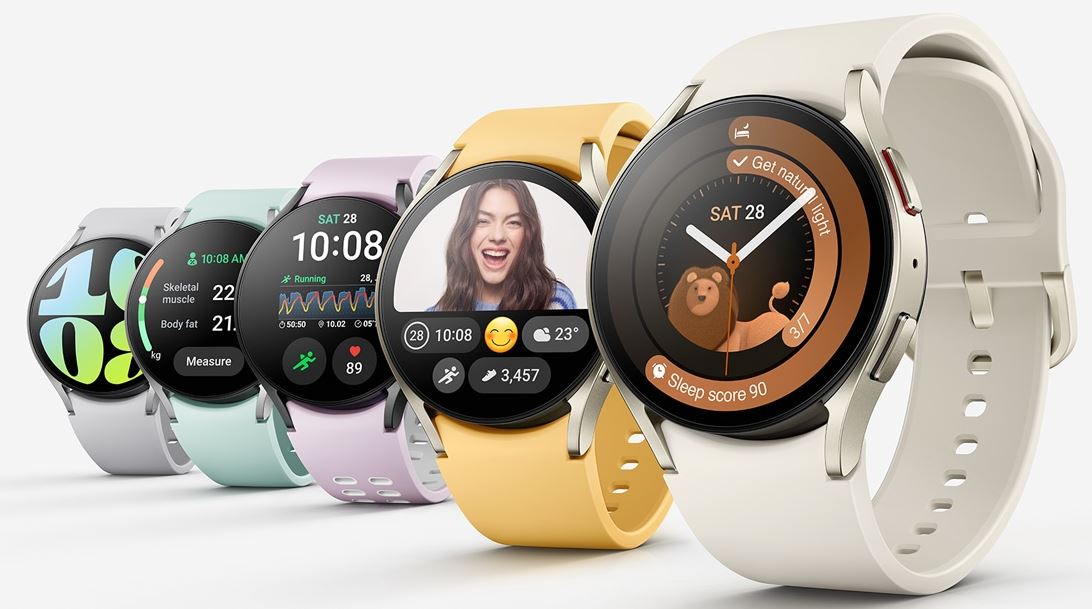
- Super AMOLED display with sapphire crystal protection
- Wear OS 4 with access to the Google Play app ecosystem
- Extensive workout library with over 90 activity types
- Built-in GPS with multi-system support
- Heart rate monitoring with advanced training features
- Health metrics, including sleep tracking, body composition, ECG, and blood pressure
- NFC payments via Samsung Wallet
- Call, text, and voice assistant support
- Two size options (40mm and 44mm)
- Outstanding display quality that remains clear even in bright outdoor conditions
- Very intuitive interface with a refined Wear OS experience
- Large third-party app ecosystem compared to most competitors
- Solid health and fitness tracking for a wide range of users
- No subscription required to access core health features
- Battery life is a weak point, especially with the always-on display enabled
- Some advanced health features require a Samsung phone
- Touch bezel is less satisfying than a physical rotating bezel
- GPS accuracy is decent, but not ideal for serious runners
Samsung Galaxy Watch 6 is perfect for Android users seeking a whole smartwatch experience, with strong health tracking and a beautiful display. It suits casual gym-goers, everyday fitness enthusiasts, and users who value convenience, apps, and innovative features alongside fitness tracking.
This watch is not ideal for users who prioritize long battery life, endurance sports tracking, or those outside the Samsung ecosystem who want unrestricted access to all health features. It is also not compatible with iPhones.
Premium
Heart rate tracking performs well during steady activities and indoor training, closely matching external monitors in controlled conditions. GPS performance is acceptable for casual running but shows minor inaccuracies in dense urban environments. The watch is comfortable for daily wear, though frequent charging can interrupt continuous sleep tracking.
Samsung Galaxy Watch 6 runs on Wear OS 4 and integrates deeply with Samsung Health. Core health and fitness features do not require a subscription. However, some advanced measurements, such as ECG and blood pressure, are only fully accessible when paired with a Samsung Galaxy smartphone.
From a coaching standpoint, the Galaxy Watch 6 works best as an all-around lifestyle smartwatch rather than a performance-driven training tool. Clients appreciate its clarity, ease of use, and visual feedback, especially beginners who benefit from its approachable interface. Its main limitation is battery life, which can reduce consistency in sleep and recovery monitoring if not managed carefully.
Worth It or Not?
Worth it if you are an Android or Samsung user looking for the most complete smartwatch experience with strong health and fitness tracking.
Skip it if battery life, advanced sports accuracy, or platform independence are your top priorities.
Garmin Forerunner 265 — Full Review
Garmin Forerunner 265 is one of the most popular fitness trackers this season among runners and endurance-focused users. It is a fitness-first watch designed to deliver deep training, recovery, and health insights rather than a whole smartwatch experience. While it sits in the mid-range of Garmin’s lineup, it offers far more performance data than most users will ever need.

- AMOLED touchscreen display in two size options
- Advanced heart rate and HRV tracking
- Training readiness and morning report features
- Extensive running metrics, including cadence, stride length, and ground contact time
- Multi-system GPS with SatIQ for adaptive accuracy and battery efficiency
- Body Battery, stress, sleep, and recovery tracking
- Offline music storage and playback
- Garmin Pay contactless payments
- Multi-day battery life in smartwatch mode
- Excellent depth of training and recovery metrics
- Powerful battery life for a performance-focused watch
- Lightweight and comfortable for long runs and daily wear
- Morning report and training readiness provide meaningful daily guidance
- Highly customizable screens, shortcuts, and alerts
- Expensive for users who won’t use advanced training data
- No cellular connectivity
- Navigation and route guidance can be unreliable for trail running
- Plastic casing looks and feels less premium
- Heart rate sensor struggles on tattooed skin
Garmin Forerunner 265 is ideal for runners and endurance athletes seeking detailed insights into training load, recovery, and performance trends. It suits hobbyists to advanced runners who already understand structured training and want data to guide intensity, pacing, and recovery.
This watch is not a good fit for beginners who need built-in training plans, users who rely heavily on navigation in unfamiliar terrain, or athletes who require very long GPS battery life for ultra-distance events. It may also frustrate users with heavily tattooed wrists.
Premium
Heart rate, HRV, stress, and sleep tracking are highly accurate when the sensor has clean skin contact, rivaling chest strap performance in steady conditions. GPS accuracy is generally solid for road running but shows weaknesses in navigation and course-following features, especially on trails. The lightweight build makes it comfortable for training, though some users find it bulky for sleep tracking.
Garmin Forerunner 265 works with both iOS and Android through Garmin Connect. Core features do not require a subscription, though structured training plans are often sourced externally. The ecosystem favors experienced users who enjoy customizing data and workflows.
From a coaching standpoint, the Forerunner 265 is a powerful tool for athletes who already understand training concepts like recovery, HRV, and load management. The watch shines at preventing overtraining and supporting consistency through its readiness scores and daily suggestions. Its biggest weakness is navigation, which limits its appeal for trail and ultra runners despite its strong physiological tracking.
Worth it if you are a runner or endurance athlete who wants deep performance data, recovery insights, and long battery life in a lightweight package. Skip it if you rely heavily on navigation, need ultra-long GPS battery life, or want a premium-feeling smartwatch.
Oura Ring 4 — Full Review
The Oura Ring 4 represents the most refined version of Oura’s wellness-first philosophy so far. Rather than trying to replace a smartwatch, it focuses on continuous, unobtrusive health monitoring, with a strong emphasis on sleep quality, recovery, readiness, and early physiological signals that something may be off. For users who care more about long-term wellness than workout stats, this is currently the benchmark smart ring.

- Form factor: Smart ring (sizes 4–15)
- Build: Full titanium construction (inside and outside)
- Battery life: Up to 8 days (real-world 6–7 days depending on size)
- Sensors: Heart rate, HRV, skin temperature, SpO₂, respiratory rate
- Water resistance: Suitable for swimming and daily water exposure (up to ~100 m)
- Compatibility: iOS and Android
- App ecosystem: Oura app with readiness, sleep, resilience, and health trend analysis
- Subscription: Required for full insights ($6/month or ~$70/year)
- Extremely comfortable and discreet for 24/7 wear
- Industry-leading sleep tracking accuracy
- Actionable readiness and recovery insights
- Long battery life compared to smartwatches
- Early detection of illness trends via temperature and HRV shifts
- Works equally well on iPhone and Android
- Excellent app design and data presentation
- Subscription required to unlock full value
- Limited workout and sport-specific tracking
- No built-in GPS or real-time workout feedback
- Heart rate accuracy drops during cycling and low-hand-movement activities
- No travel charging case
- Users focused on sleep, recovery, stress, and long-term health trends
- People who dislike wearing a watch to bed
- Biohackers and wellness-oriented users
- Anyone who wants health insights without notifications or screen distractions
- Users who value passive, always-on tracking over active fitness metrics
- Runners or cyclists who want live pace, distance, or route tracking
- Strength athletes looking for workout analytics
- Users who want a screen, notifications, or smartwatch features
- Anyone unwilling to pay an ongoing subscription
- Starting price: $349
- Premium finishes: $399–$499, depending on color
- Subscription: $6/month or ~$69.99/year
For sleep tracking, readiness, and overnight recovery metrics, the Oura Ring 4 is among the most accurate consumer wearables available. Its lighter titanium build and smoother inner surface make it exceptionally comfortable during sleep. Heart rate accuracy is solid during rest and walking, acceptable during running, but noticeably weaker during cycling or activities with minimal hand movement.
The Oura ecosystem is built entirely around its app, which is polished, intuitive, and insight-driven. However, meaningful features such as readiness scores, trend analysis, and advanced health insights are locked behind a paid subscription. While the subscription feels justified for serious wellness users, it does increase the long-term cost compared to subscription-free competitors.
From a coaching standpoint, the Oura Ring 4 excels as a recovery and lifestyle-awareness tool rather than a training device. I see the most value in clients who struggle with sleep consistency, stress management, or overtraining. It’s especially useful for identifying when to push and when to pull back — but it should complement, not replace, a proper training-focused tracker.
Worth it or not
Yes — if your priority is sleep, recovery, and overall wellness.
No — if your main goal is structured training, performance tracking, or sport-specific data.
Whoop 5.0 — Full Review
Whoop 5.0 has never tried to be a traditional fitness tracker—and that’s precisely its strength. Instead of steps, screens, and notifications, it focuses on what truly drives performance and health: sleep quality, recovery, stress, and long-term physiological adaptation. With the fifth generation, Whoop refines its health-first philosophy by improving battery life, expanding wellness insights, and sharpening its recovery-focused ecosystem, while still carrying a few familiar trade-offs.

- Continuous tracking of heart rate, HRV, respiration, skin temperature, and sleep
- Advanced Recovery, Strain, and Sleep Scoring System
- Battery life of up to 10–14 days, depending on usage
- Wireless charging while worn on the wrist
- Bluetooth heart rate broadcasting to compatible fitness equipment
- Waterproof design suitable for daily wear and training
- Screenless, distraction-free hardware with app-based insights
- Profound sleep and recovery analysis
- Long battery life without daily charging
- No screen means zero distractions and true 24/7 wear
- Strong coaching insights and long-term health trends
- Excellent for athletes and high-volume trainees
- One of the best tools for monitoring stress and overtraining
- Subscription is mandatory
- No built-in GPS
- No real-time metrics are displayed on the device
- Heart rate accuracy varies by activity type
- Not ideal for casual users who want instant feedback
Whoop 5.0 is best suited for athletes, coaches, advanced recreational lifters, and individuals who care deeply about recovery, sleep optimization, and long-term health. It’s especially valuable for those who frequently train, manage high stress levels, or struggle with fatigue and inconsistent performance.
If you want a device that shows pace, distance, notifications, and workout stats in real time, Whoop will feel limiting. It’s also not ideal for users who dislike subscription models or who rely heavily on precise heart rate zone training for every workout.
Whoop hardware is included with a paid membership. Annual plans fall into the mid-to-high price range depending on the selected tier. Over time, Whoop has been one of the more expensive fitness-tracking solutions available.
Whoop 5.0 is highly comfortable for all-day and overnight wear. Heart rate tracking is very reliable at rest and during sleep, but can fluctuate during certain activities such as indoor cycling, racket sports, or strength training. While this usually doesn’t undermine overall recovery or strain insights, it can be a limitation for users who demand precise heart rate data during workouts.
The entire Whoop experience lives inside the app. Without an active subscription, the device offers little value. That said, the app is one of the most thoughtfully designed in the industry, prioritizing long-term patterns and behavioral insights over daily numbers. Whoop’s growing focus on healthspan, stress management, and biological aging clearly separates it from traditional fitness trackers.
From a coaching standpoint, Whoop 5.0 excels at answering the “why” behind stalled progress. It helps athletes understand how poor sleep, chronic stress, and inadequate recovery silently undermine training results. I wouldn’t recommend it to everyone—but for serious trainees and professionals, it’s a powerful decision-making tool.
If sleep quality, recovery, and long-term health matter more to you than screens and notifications, Whoop 5.0 is absolutely worth it. If you’re looking for a classic, all-in-one smartwatch experience, there are more practical—and cheaper—options.
Garmin Vivoactive 6 — Full Review
The Garmin vivoactive 6 is designed to sit right in the middle ground between a fitness-focused smartwatch and an everyday wearable. It targets users who want reliable health tracking, built-in GPS, and long battery life without stepping into the heavier, more complex territory of advanced sports watches.
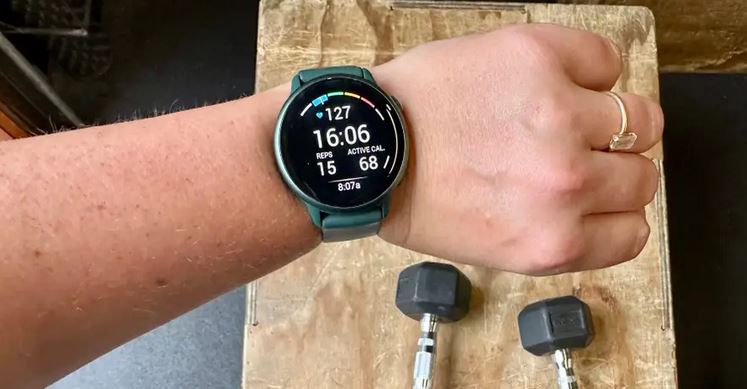
- AMOLED display, 1.2-inch
- Built-in GPS with multi-system support
- Up to 11 days of battery life in smartwatch mode
- Heart rate monitoring, sleep tracking, HRV insights
- Over 80 sport and activity modes
- Garmin Pay contactless payments
- Water resistance up to 50 meters (5 ATM)
- Compatible with Android and iOS
- Excellent battery life for an AMOLED smartwatch
- Built-in GPS suitable for running, walking, and general outdoor training
- Lightweight and comfortable for 24/7 wear
- Broad health tracking features, including sleep, stress, and Body Battery
- Contactless payments without relying on a phone
- No ECG functionality
- Lacks advanced training and performance metrics found in higher-end Garmin models
- Limited third-party app ecosystem compared to Apple or Samsung
- Optical heart rate accuracy can struggle during high-intensity or interval training
This watch is a strong fit for recreational athletes, fitness enthusiasts, and everyday users who want a dependable all-in-one fitness tracker. It works especially well for people who value battery life, simple GPS tracking, and general health insights without needing deep performance analytics.
It’s not ideal for competitive runners, triathletes, or data-driven athletes who rely on advanced training metrics, ECG data, or ultra-precise heart rate tracking. Users seeking a whole app ecosystem or LTE features may also find it limiting.
Typically positioned in the mid-range smartwatch category, usually around the $300 mark, depending on region and retailer.
For steady-state activities like walking, easy runs, and general daily movement, GPS tracking is solid and consistent. Heart rate accuracy is acceptable for most users but can lag during rapid intensity changes, cold conditions, or interval-based workouts. Comfort is one of the device’s strengths; its lightweight design and slim profile make it easy to wear all day and through the night.
The vivoactive 6 integrates seamlessly with the Garmin Connect ecosystem, which provides in-depth health and activity data without requiring a paid subscription. It supports smartphone notifications, music storage, and contactless payments, but relies on Garmin’s own platform rather than a broad third-party app marketplace.
From a coaching standpoint, this is an efficient “daily driver” watch. It encourages movement, supports consistency, and offers enough feedback to guide general fitness decisions. I wouldn’t use it as a primary tool for advanced endurance programming or race preparation. Still, for most people trying to stay active and healthy, it delivers more than enough insight without becoming overwhelming.
Yes, for the right user. If your goal is balanced fitness tracking, reliable GPS, and strong battery life in a comfortable, no-nonsense package, the Garmin vivoactive 6 is absolutely worth considering. If you need elite-level training tools or medical-grade features, you’ll want to look higher up the Garmin lineup.
At a Glance: Popular Fitness Trackers This Season
| Product | Device Type | Best For | Battery Life | GPS | Subscription | Platform |
|---|---|---|---|---|---|---|
| Apple Watch Series 11 | Smartwatch | iPhone users, lifestyle + fitness | ~18–36 hrs | Yes | No | iOS only |
| Garmin Venu 3 | Smartwatch | Health, wellness & everyday fitness | Up to 14 days | Yes | No | iOS / Android |
| Fitbit Charge 6 | Fitness band | Everyday activity & simplicity | Up to 7 days | Yes | Optional | iOS / Android |
| Samsung Galaxy Watch 6 | Smartwatch | Android users & innovative features | ~30–40 hrs | Yes | No | Android |
| Garmin Forerunner 265 | Sports watch | Running & structured training | Up to 13 days | Yes | No | iOS / Android |
| Oura Ring 4 | Smart ring | Sleep, recovery & wellness | Up to 8 days | No | Yes | iOS / Android |
| Whoop 5.0 | Screenless tracker | Sleep & recovery analytics | Up to 10–14 days | No | Yes | iOS / Android |
| Garmin Vivoactive 6 | Smartwatch | Best all-round value | Up to 11 days | Yes | No | iOS / Android |
Buying Guide: How to Choose the Right Fitness Tracker for Your Needs
Choosing a fitness tracker isn’t about buying the most expensive or most popular device — it’s about matching the tracker to your goals, lifestyle, and tolerance for data, screens, and subscriptions.
As a coach, this is exactly how I help clients decide what actually supports their training and health—not just what looks good on paper.
Below are the key decision points you should consider before buying.
1. What Is Your Primary Goal?
This is the most critical question — everything else comes second.
- Improving general health and staying active
- Tracking workouts and performance
- Optimizing sleep and recovery
- Managing stress, readiness, and long-term wellness
- Replacing your smartphone on your wrist
Coach’s take:
If you don’t clearly define your main goal, you’ll end up paying for features you’ll never use.
2. Smartwatch vs Fitness Band vs Ring (Quick Reality Check)
Each category serves a different type of user:
- Smartwatches offer the most features, but shorter battery life
- Fitness bands balance simplicity and tracking
- Rings focus on passive health and recovery data
Coach’s rule:
More features ≠ better results. Fewer distractions often lead to better consistency.
3. Do You Want a Screen — or Less Screen Time?
Ask yourself honestly:
- Do you want to see stats during workouts?
- Or do you want data only after the day is over?
Coach’s insight:
Many clients train better when they stop staring at numbers mid-workout. Screenless devices often improve long-term adherence.
4. How Important Is Battery Life?
Battery life directly affects consistency.
- Daily charging → more features, more friction
- Weekly charging → easier habit formation
Coach’s take:
If you forget to charge your devices, choose a long-lasting battery device. Missed data = broken feedback loop.
5. Training vs Wellness: Be Honest
Some devices are training tools, others are wellness companions.
- Training-focused users benefit from GPS, zones, and structured workouts
- Wellness-focused users benefit more from sleep, HRV, and recovery insights
Coach’s take:
Trying to force a single device to handle both often leads to frustration.
6. Subscription: Dealbreaker or Not?
Some platforms lock their best insights behind a monthly fee.
Ask yourself:
- Do I want advanced interpretation or just raw data?
- Am I okay paying long-term?
Coach’s reality check:
A great subscription you actually use beats free features you ignore.
My Coach Picks: Best Choice for Common Scenarios
Here’s how I would guide a real client, based on experience — not specsheets.
| Your Goal / Situation | My Top Pick | Why This Makes Sense |
|---|---|---|
| Best all-around fitness tracker | Garmin Vivoactive 6 | Balanced mix of health tracking, GPS, battery life, and smartwatch features without unnecessary complexity. |
| Deep sleep, recovery & readiness insights | Whoop 5.0 | Best-in-class sleep and recovery analysis with HRV-driven coaching for serious athletes. |
| Minimalist wellness tracking without a screen | Oura Ring 4 | Unmatched comfort and sleep accuracy for users who want insights without distractions. |
| Everyday fitness tracking at a lower price | Fitbit Charge 6 | Slim form factor with GPS, strong health tracking, and excellent ease of use for daily activity. |
| Advanced running metrics & structured training | Garmin Forerunner 265 | Purpose-built for runners who want performance data, pacing tools, and training guidance. |
| Stylish smartwatch with strong fitness features | Garmin Venu 3 | Combines premium design, health tracking, and smartwatch convenience with solid battery life. |
| Best option for Android users | Samsung Galaxy Watch 6 | Best Wear OS experience with a beautiful display and deep Android ecosystem integration. |
| Best option for iPhone users | Apple Watch Series 11 | Seamless iOS integration, top-tier health features, and the strongest app ecosystem. |
Conclusion: Popular Fitness Trackers This Season
There’s no single “best” fitness tracker for everyone — the right choice depends on how you train, what you want to track, and how much data you actually plan to use. Smartwatches like Apple Watch and Garmin models offer versatility and rich features, bands like Fitbit Charge 6 strike a balance between simplicity and insight, while screen-free devices like Whoop and Oura focus on recovery, sleep, and long-term health.
As a coach, my advice is simple: choose the device that supports your habits, not one that overwhelms you with features you’ll never use. When the tracker fits naturally into your lifestyle, it becomes a powerful tool — not a distraction — and that’s when it truly delivers value.
Do I really need a fitness tracker?
You don’t need one to get fit, but the right fitness tracker can significantly improve consistency, awareness, and recovery. In my coaching practice, clients who use trackers wisely tend to train more regularly and recover better. The key is choosing a device that supports your habits instead of distracting you.
What’s the difference between a smartwatch, fitness band, and fitness ring?
A smartwatch offers the most features, including apps, notifications, and advanced training tools. A fitness band focuses on core health metrics with fewer distractions and longer battery life. A fitness ring prioritizes passive, 24/7 health tracking—especially sleep and recovery—with minimal interaction.
Are fitness trackers accurate enough to trust?
For trends and patterns, yes. For medical-grade precision, no. Fitness trackers are best used to monitor direction over time—sleep quality improving, recovery declining, activity consistency—not to obsess over single data points.
Can a fitness tracker actually improve motivation?
Yes, when used correctly. Trackers work best as feedback tools, not as judges. Clients who focus on simple metrics like activity consistency, sleep regularity, and recovery scores tend to stay motivated longer than those who chase numbers obsessively.
Is a subscription-based fitness tracker worth it?
It depends on how you use it. Subscription platforms like Whoop or Oura offer deeper insights and coaching-style feedback, which many serious users value. If you only want basic tracking, a non-subscription device may be a better fit.
Which fitness tracker is best for strength training?
Most wrist-based trackers struggle with lifting accuracy. Devices that emphasize recovery, readiness, and overall strain often work better for strength-focused users than those obsessed with steps or calories.
Which fitness tracker is best for sleep tracking?
Trackers designed for 24/7 wear without screens tend to perform best for sleep. Comfort, battery life, and consistency matter more here than flashy displays or workout modes.
Can fitness trackers become distracting or harmful?
Yes—if you let them control your behavior. I’ve seen clients become anxious over scores instead of listening to their bodies. The tracker should support your decisions, not replace your judgment.
How long does it take to see benefits from using a fitness tracker?
Most users notice meaningful patterns within 2–4 weeks. Sleep trends, recovery awareness, and activity consistency usually improve first. The biggest benefits come from long-term use, not daily micromanagement.
Which fitness tracker is best for beginners?
Beginners benefit most from simple, easy-to-read devices with minimal setup and clear feedback. The best tracker for a beginner is the one that feels effortless to wear and easy to understand—not the one with the longest feature list.
