Close Menu
Bodybuilding Wizard

    Subscribe to Updates

    Join our mailing list to receive the latest updates from our team.

    Facebook X (Twitter) Instagram
    Trending
    • Does Soy Lower Testosterone or Increase Estrogen in Men? What the Science Says
    • Does Training Legs Really Boost Testosterone? What the Science Says
    • Does Sauna Really Boost Growth Hormone 16x? Myth vs. Science
    • Does Power Posing Really Boost Testosterone? Myth, Science & the Retraction
    • Does Ashwagandha Really Boost Testosterone and Lower Cortisol? Myth vs. Science
    • Progesterone and Exercise: How It Affects Training, Metabolism & the Menstrual Cycle
    • Estrogen and Exercise: How Estradiol Affects Muscle, Fat, Bone Health & Performance
    • Thyroid Hormones and Metabolism: T3, T4, Muscle Growth & Fat Loss Explained
    RSS Facebook X (Twitter) LinkedIn YouTube Pinterest Instagram
    Bodybuilding Wizard
    Subscribe Login
    • Home
    • Tools
      • Interactive Muscle Anatomy
      • Interactive Human Skeleton
      • Bodybuilding & Fitness Calculators
      • Dietary & Nutrition Calculators
      • Body Measurement Calculators
      • Fitness Tests
      • Bodybuilding Glossary
      • DIY Projects
    • Training
      • Weight training basics
      • Advanced bodybuilding
      • Strength training for women
      • Workout programs
      • Home weight training programs
      • Cardio workout
      • Exercise equipment
      • Weight training accessories
      • Weight lifting injuries
      • Weight training for sports
    • Exercises
      • Chest exercises
        • Middle chest exercises
        • Upper chest exercises
        • Lower chest exercises
      • Back exercises
        • Middle back (latissimus dorsi)
        • Upper back (trapezius)
        • Lower back (erector spinae)
      • Arm exercises
        • Bicep exercises
        • Tricep exercises
        • Forearm exercises
        • Grip-strengthening exercises
      • Shoulder exercises
        • Front deltoid
        • Side deltoid
        • Rear deltoid
        • Rotator Cuff
        • Scapular & Shoulder Stability
        • Neck strengthening exercises
      • Leg and glute exercises
        • Quadricep exercises
        • Hamstring exercises
        • Calf exercises
        • Glute & Hip exercises
        • Shin exercises
      • Abdominal exercises
        • Upper abdominal exercises
        • Lower abdominal exercise
        • Oblique exercises
      • Core exercises
      • Kettlebell exercises
      • Foam rolling & Stretching
      • Explosive (dynamic) lifts
    • Motivation
      • Greatest physiques
      • Motivation techniques & tips
      • Events and competitions
      • Latest fitness news
      • Videos
        • Funny gym reels
        • Motivational videos
        • Funny workout videos
      • Pictures
      • Quotes
      • Funny Fitness
      • Transformations
    • Diet
      • Nutrition Fundamentals
      • Diet Types & Strategies
      • Foods & Superfoods for Athletes
      • Muscle Building & Performance Nutrition
      • Weight Loss & Fat Management
      • Food Psychology & Myths
      • Recipes & Meal Ideas
    • Supplements
      • Supplements Review
      • Muscle Building Supplements
      • Anabolic Steroids
      • Fat Burners & Weight Loss
      • Pre-Workout & Energy Boosters
      • Recovery & Sleep Aids
      • Cognitive & Nootropic Support
      • General Supplement Advice
      • Health Supplements
        • Joint & Bone Support
        • Gut Health & Digestion
        • Vitamins & Minerals
        • Superfoods & Greens
      • Steroid Alternatives
    • Anatomy
      • Upper-Body Muscles
      • Lower-Body Muscles
      • Bones & Skeletal Anatomy
      • Muscle Growth & Genetics
      • Joints, Tendons & Connective Tissue
      • Hormones & Endocrine System
      • Physiology & Body Systems
      • Body Composition & Fat
      • General Anatomy & Basics
    • Health
    Bodybuilding Wizard
    You are at:Home»Anatomy»Physiology & Body Systems»Effect of weight training on blood pressure
    blood pressure and exercise

    Effect of weight training on blood pressure

    0
    By krunoslav on September 23, 2019 Physiology & Body Systems
    Share
    Facebook Twitter Pinterest LinkedIn Email Tumblr WhatsApp Telegram

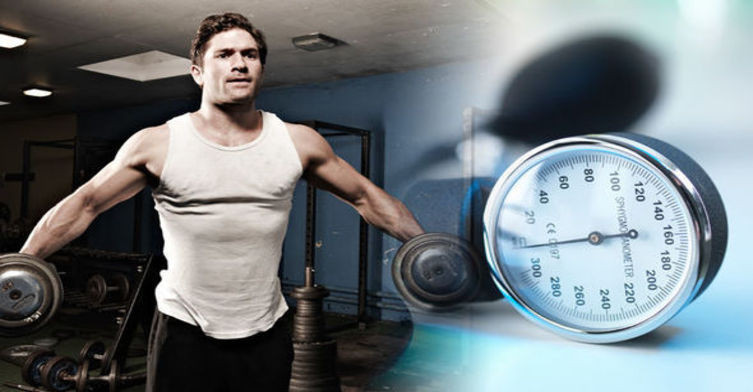
    Effect of weight training on blood pressure

    Blood pressure and exercise are closely related. We all know by now that regular aerobic exercise can improve circulation and reduce blood pressure. But what about weightlifting? Should you worry about your blood pressure if you are lifting heavy weights? Can regular weight training help you to lower your resting blood pressure and heart rate in the long run? What about individuals with high blood pressure (hypertension)?

    Lifting weights can raise or lower your blood pressure. There are differences between how weightlifting effects your blood pressure during rest and exercise. Knowing how weight training might lower blood pressure can lead to improved cardiovascular health.

    Blood pressure during weight training session (short-term effect)

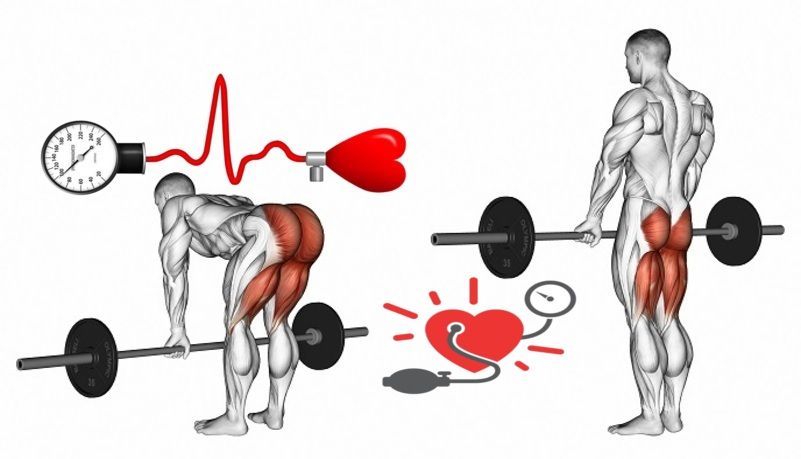
    During exercise that is more anaerobic or that which involves more isometric type muscle contractions such as weightlifting, the changes in blood pressure are very different compared to aerobic exercise. In this instance, both systolic and diastolic blood pressures rise significantly, largely due to the performer holding their breath, which increases the pressure within the thorax and abdomen and squeezes on the peripheral blood vessels, increasing overall mean blood pressure.

    For a healthy person this should be no problem.
    Effect of weight training on blood pressure

    Long-term effect of weightlifting on blood pressure

    Unlike aerobic training, vascular resistance increases in weight training due in part to mechanical compression of the skeletal muscle vascular beds. While some long-term strength training protocols have resulted in reductions of systolic and diastolic BP, these have been modest at best.

    The recent adoption of circuit training, which involves moving quickly between higher repetition and lower resistance exercises, adds a component of aerobic training to the workout and may result in improved blood pressure effects.

    Several programs including resistance training to aerobic exercise regimens have shown favorable reductions in both resting systolic and diastolic BP. This, and the fact that resistance training is correlated with improved glycemic control and a reduction in total body fat mass, has led the American Heart Association and the American College of Sports Medicine to endorse resistance training as a complement to aerobic exercise in the treatment of hypertension. This is only true if you’re not lifting heavy weight.

    Weightlifting and people with hypertension

    If you’re planning to embark on a weight-lifting program, check in with your doctor first. People with hypertension are at greater risk for a stroke if they don’t control their blood pressure. This is because the strain of weightlifting will briefly raise the blood pressure.

    With regular workouts, the rise in blood pressure will usually become less substantial, as long as your resting blood pressure is normal. Of course, people with untreated heart problems, such as unstable blockages and congestive heart failure, should not exercise until their problems are under good control. A few heart conditions, such as serious heart valve disease and severely thickened heart muscle walls, make weightlifting unacceptably risky.

    Furthermore, a study by a team of Yale University researchers found that some weight lifters may be at risk of rupturing the aorta (the main artery coming from the heart) during workouts. The muscles in your body contract when you lift a weight causing a spike in your blood pressure. The heavier the weight, the stronger the muscular contraction is. The stronger the contraction, the larger the spike is. In a number of cases, this blood-pressure spike has caused the lifter’s aorta to tear open. The team of researchers believes that people who already have weak arteries due to genetics or other factors are at the greatest risk for this type of injury.

    Heavy resistance weight training should be avoided at any cost. If you decide to weight train, try to follow the guidelines listed in the paragraph below.

    How to make weight training safer for people with high blood pressure?

    Use caution if you choose to weight train as heavy weight (strength) training can elevate your blond pressure to dangerous levels. It’s wise to ask your doctor if resistance training is OK for you before starting.

    Here are some guidelines for a safe workout:

    • Emphasize muscular endur­ance over strength and power. The goal should be to do a higher number of reps with a lighter load. In other words, avoid lifting heavy.
    • Circuit training, with lower weights and multiple repetitions is safer. This type of training have more blood pressure-lowering benefits than conventional weight training.
    • If your blood pressure is above 160/90, check with your doctor before resistance training (weight training).
    • Be careful of overhead moves.
    • Always make time to adequately warm up and cool down. People with vascular issues such as high or low blood pressure can get into trouble if they start out too hard and stop exercising abruptly. Be alert that blood pressure medications can cause sudden drops in blood pressure with postural moves such as getting up too quickly.
    • Don’t hold your breath while training.
    • Ask your doctor what influ­ence your medication has on exercise.
    • If you can’t whistle while you’re exercising, you’re work­ing too hard.

    The effects of aerobic exercise upon blood pressure

    Performing cardiovascular (aerobic) exercise, such as a long distance run or a distance swim, causes systolic blood pressure to increase. This increase is usually in direct proportion to the exercise intensity. Systolic pressure can rise from its resting value of 120mmHg to values approaching 200mmHg. This increase results largely from the increase in cardiac output and the vasoconstriction of arterioles that help the vascular shunting of blood towards the working muscles.

    However, once steady state is reached, systolic blood pressure may in fact start to gradually decrease due to the arteriole dilation supplying the working muscles. This has the effect of reducing the total peripheral resistance, thereby lowering mean blood pressure to only just above that of resting levels. The diastolic pressure changes little during this endurance type activity.

    In the long run the benefits are straightforward. The mechanism behind this is quite simple. Regular cardiovascular exercise makes your heart stronger and more efficient in the long-run. A stronger heart can pump more blood with less effort. If your heart can work less to pump, the force on your arteries decreases, lowering your blood pressure.

    Closing thoughts

    Weightlifting can cause a temporary (during weightlifting session) increase in blood pressure. This increase can be dramatic, depending on how much weight you lift and some other factors. Regular exercise, including moderate weightlifting, provides many health benefits, including helping to lower blood pressure in the long term. These long-term benefits to blood pressure can easily outweigh the risk of a temporary spike for most people.

    But if you have hypertension (high blood pressure), you may want to discuss with your doctor before you increase the intensity of your workouts. Because when it comes to weight lifting and hypertension, there are some precautions and safety measures. Your doctor can help you develop an exercise program tailored to your needs and medical conditions.

    The combination of dynamic aerobic exercises with weight training would provide optimal benefit in lowering blood pressure.

    Share. Facebook Twitter Pinterest LinkedIn Tumblr Email WhatsApp
    krunoslav
    • X (Twitter)

    Hey! My name is Kruno, and I'm the owner and author of Bodybuilding Wizard. I am a licensed fitness trainer with a Ph.D. in kinesiology. Throughout my career, I have dedicated myself to helping individuals achieve their health and fitness goals through personalized training programs. In addition to my academic qualifications, I have completed various specialized courses, including certifications in nutrition and strength training, which have further enhanced my ability to provide comprehensive fitness guidance. I started this website back in late 2014, and it has been my pet project ever since. My goal is to help you learn proper weight training and nutrition principles so that you can get strong and build the physique of your dreams!

    Related Posts

    Sleep Cycles and Their Role in Athletic Performance

    Understanding Energy Systems: Aerobic vs. Anaerobic for Effective Resistance and Cardio Training

    The Nervous System: Its Critical Role in Athletic Performance

    Leave A Reply Cancel Reply

    You must be logged in to post a comment.

    WE ARE SOCIAL
    • Facebook 3.6K
    • Twitter
    • YouTube 133
    • Instagram
    RECENT POSTS
    August 27, 2026

    Does Soy Lower Testosterone or Increase Estrogen in Men? What the Science Says

    August 26, 2026

    Does Training Legs Really Boost Testosterone? What the Science Says

    August 24, 2026

    Does Sauna Really Boost Growth Hormone 16x? Myth vs. Science

    August 24, 2026

    Does Power Posing Really Boost Testosterone? Myth, Science & the Retraction

    August 23, 2026

    Does Ashwagandha Really Boost Testosterone and Lower Cortisol? Myth vs. Science

    RECENT COMMENTS
    • Justin Dew on Designing your own home gym
    • krunoslav on Meet Your Muscles: How muscles are named?
    • Christina on Meet Your Muscles: How muscles are named?
    • igtropin on Stiff-Leg Deadlift: Proper Form, Muscles Worked & Hamstring Growth Guide
    • teragon labs on Barbell Back Squat: Proper Form, Benefits, Muscles Worked & Expert Tips
    LATEST GALLERIES

    Subscribe to Updates

    Join our mailing list to receive the latest updates from our team.

    ABOUT
    ABOUT

    We are a group of bodybuilding enthusiasts and this is our effort to have all the details about bodybuilding on a single website. We strive to educate and inform our visitors so that they can make the correct training, nutrition, and supplement decisions on their own. Bodybuilding Wizard will make your dream body your reality and take you to a whole new level!

    POPULAR POSTS
    April 2, 2014

    Lying Leg Curl: Complete Guide to Hamstring Isolation, Strength & Muscle Growth

    February 18, 2019

    Meet Your Muscles: How muscles are named?

    March 28, 2014

    Free weights: The main tool for building muscles

    BODYBUILDING WIZARD
    Bodybuilding Wizard Footer Logo
    Facebook X (Twitter) Instagram Pinterest YouTube
    • About
    • Authors
    • Editorial Policy
    • Write for us
    • Privacy
    • Contact
    • Terms of Use
    • Advertising
    • FAQ
    Copyright © 2014-2026 BodybuildingWizard. All rights reserved. Powered by WordPress. Made with love and lots of caffeine.

    Type above and press Enter to search. Press Esc to cancel.

    Sign In or Register

    Welcome Back!

    Login to your account below.

    Lost password?