



If you’re seeking to supercharge your athletic performance, don’t overlook the power of what may seem like a humble vegetable—beetroot. Packed with a nutritional profile that puts many other vegetables to shame, beetroot might just be the secret weapon you need to push your performance to the next level.
Renowned for its high concentration of nitrates, vitamins, and minerals, beetroot presents an impressive list of health benefits ranging from improved digestion to lower blood pressure. Not to mention its touted capacity to enhance athletic performance, which has caught the attention of athletes and fitness enthusiasts alike.
However, just consuming beetroot without a clear understanding of how and when to do so might not fetch you the benefits you’re hoping for. Therefore, we’ll guide you on how to incorporate this nutrient-dense vegetable into your everyday regimen, ensuring you reap the maximum benefits beetroot has to offer.
What is beetroot?
Beetroot, often simply referred to as beet, is a root vegetable known for its rich, vibrant red color. Betalains, a unique and potent class of antioxidants, are responsible for that intense red color in beetroot. These substances, while providing visual appeal, also pack a powerful punch in terms of health benefits, with antioxidant and anti-inflammatory properties observed in numerous research studies.
Beetroot nutritional profile
Beetroot’s nutritional profile is as diverse as it is abundant. Raw beetroot holds a high water content, with around 87.58% of its weight arising from water. This makes it an exceptional hydration source. When it comes to carbohydrate content, 100 grams of raw beetroot contain approximately 9.56 grams, which provides the body with essential energy. Moreover, it has impressive fiber content too – roughly 2.8 grams per 100 grams. Dietary fiber not only aids in maintaining healthy digestion but also contributes to feelings of fullness, which can be especially beneficial for those actively managing their weight.
Despite being loaded with vitamins and minerals, beetroot is relatively low in both calories and fat, making it a great addition to a balanced diet. To be precise, a 100-gram serving of raw beetroot only contains about 43 calories and just 0.2 grams of fat. This low-fat profile, complemented by its high nutrition density, makes beetroot a stellar choice for athletes who are looking to keep their fat intake minimal while maximizing their nutrient intake. As for protein content, it’s modest, accounting for about 1.6 grams per the same serving size.
Vitamin-wise, beetroot is chock full of essential elements such as vitamin C, a potent antioxidant known to protect the immune system. It’s also high in choline, niacin, vitamin B5, vitamin B6, vitamin B2, and folate (vitamin B9), a nutrient that plays a critical role in cell function and tissue growth.
As for minerals, beetroot boasts an impressive content of potassium, essential for the proper function of nerve and muscle cells, as well as iron, which is necessary for hemoglobin production. It also carries a significant amount of manganese. This nutrient is a co-factor for many enzymes involved in metabolism and bone formation. Additionally, beetroot is enriched with betalains, plant compounds with strong antioxidant and anti-inflammatory properties. These elements work together to support overall wellness, highlighting the holistic and versatile nature of this humble vegetable.
Macronutrients
Here’s a breakdown of the macronutrients that raw beetroot has to offer (based on serving size: 100 g)
| Carbohydrates | Proteins | Fats | Energy |
|---|---|---|---|
| 9.56 grams | 1.61 grams | 0.17 grams | 43 kcal |
| – 2.8 grams of dietary fibers | – not complete protein | – no saturated fat, or cholesterol | (or 180 kJ) |
Micronutrients
Here’s a breakdown of the key micronutrients that raw beetroot has to offer (based on serving size: 100 g)
| Vitamins | Minerals |
|---|---|
| Vitamin C: 4.9 mg | Potassium, K: 325 mg |
| Choiline: 6.0 mg | Sodium, Na: 78 mg |
| Niacin: 0.334 mg | Phosphorus, P: 40 mg |
| Pantothenic acid (vitamin B5): 0.155 mg | Magnesium, Mg: 23 mg |
| Vitamin B6: 0.067 mg | Calcium, Ca: 16 mg |
| Riboflavin (vitamin B2): 0.04 mg | Iron, Fe: 0.8 mg |
| Folate (vitamin B9): 109 µg | Manganese, Mn: 0.329 mg |
What are the health benefits of beetroot?
Beetroot brings a myriad of health benefits due to its nutrient-rich profile and potent plant compounds. It supports various aspects of our health, including brain function, heart health, digestive well-being, and notably, athletic performance. Here are some of the key health benefits:
- Enhanced Blood Flow: Beetroot comes packed with dietary nitrates, which when consumed lead to increased nitric oxide production in your body. This results in the dilation of blood vessels, thus improving blood flow throughout your body.
- Blood Pressure Regulation: This improved blood flow ultimately helps control blood pressure. Studies indicate a link between beetroot consumption and lower systolic blood pressure.
- Fights Inflammation: Beetroot is also known for its anti-inflammatory properties. It contains betalains, a type of phytonutrients that have been shown to have antioxidant and anti-inflammatory effects, thus combating inflammatory diseases.
- Supports Brain Health: Due to the dietary nitrates found in beetroot, it increases blood flow to the brain, which might enhance cognitive function and overall brain health.
- Rich in Fiber: High in dietary fiber, beetroot aids in promoting digestive health by enhancing gut motility and supporting overall digestive well-being.
- Supports Immune System: The vitamin C in beetroot boosts the immune system, aids in collagen production, and enhances iron absorption. This makes beetroot a valuable addition to any diet, but particularly for those who engage in regular physical activity.

How does beetroot specifically improve athletic performance?
Beetroot holds immense potential for the world of fitness and sports, moving beyond just being an everyday vegetable in our diet. This earthy superfood plays a key role in enhancing athletic performance, backed by valid scientific literature. Here’s how:
- Lower Blood Pressure: Beetroot is rich in dietary nitrate, which your body can convert into nitric oxide. Nitric oxide is a potent vasodilator [3], meaning it relaxes and widens your blood vessels, allowing for increased blood flow to your muscles during physical activity. This can lower blood pressure and ultimately lead to improved endurance and performance as found in a systematic review on “Dietary Nitrate from Beetroot Juice for Hypertension”. Lower blood pressure means your heart can pump blood more efficiently throughout your body [1].
- Increased Exercise Capacity: Due to its nitrate content, beetroot can help boost your stamina, making you less tired during exercise. Nitrates improve the efficiency of mitochondria, the energy-producing structures in your cells. This can lead to increased exercise capacity, allowing you to exercise for longer periods without getting fatigued. The efficiency enhancement of mitochondria during energy production reduces the oxygen cost of exercise, contributing to improved performance. Nitric oxide is known to dilate blood vessels and thereby increase oxygen flow to muscles. This boost in oxygen can significantly enhance your endurance [2] and stamina during strenuous workouts. It’s like a natural, nutrition-packed energy drink for your muscles!
- Boosts Muscle Power: Loaded with compounds like Vulgaxanthin and Betanin, beetroot can provide an instant boost to muscle power. In fact, research has shown that people with heart failure, who often suffer from reduced muscle power, can experience a significant increase in muscle strength after consuming beetroot juice.
- Anti-Inflammatory Properties: Exercise can cause micro-tears in your muscle tissues, leading to inflammation and muscle soreness. However, beetroot is high in betalains, which have potent antioxidant and anti-inflammatory properties. They aid in neutralizing harmful free radicals generated during intense exercise and soothe muscle inflammation. These betalains can speed up recovery and reduce muscle soreness post-workout.
What are the best ways and timings for athletes to consume beetroot for optimum benefits?
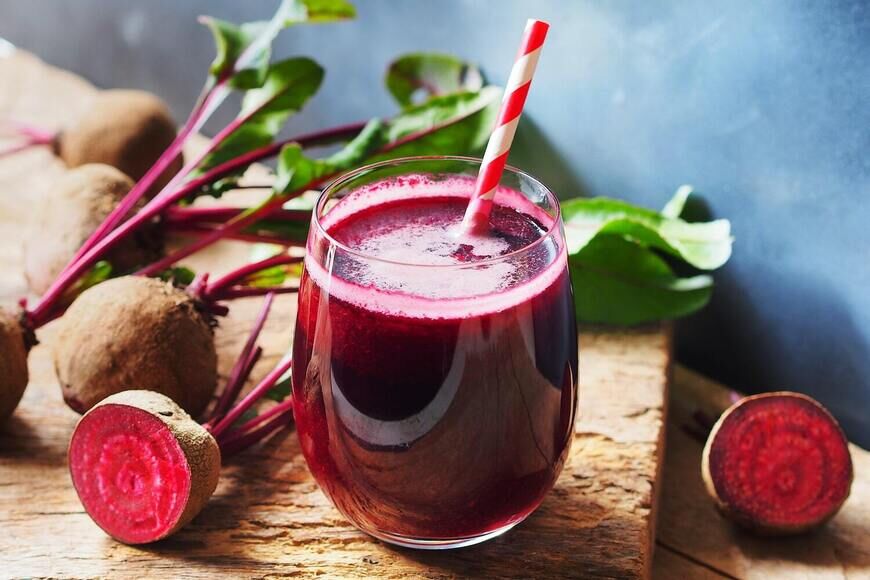
Keep in mind, though, how you prepare and consume beetroot can impact its effectiveness in boosting your athletic performance. Beetroot can be consumed in various forms such as raw, cooked, juiced, or in the form of beetroot powder.
It’s believed that cooking can reduce the quantity of dietary nitrates, thus diminishing beetroot’s athletic benefits. Consuming raw beetroot juice about 2-3 hours before your workout can provide the most benefits. This allows enough time for nitrate levels to peak in the bloodstream. A study in the Journal of the Academy of Nutrition and Dietetics (2012) found that consuming beetroot juice 2.5 hours before running resulted in peak nitrate levels during exercise.
Beetroot can also be consumed post-exercise to aid recovery. The antioxidants in beetroot can help reduce inflammation and oxidative stress caused by intense exercise. A study in Nutrients (2017) found that consuming beetroot juice after exercise reduced muscle soreness and promoted recovery in soccer players.
Beetroot powder supplements
Beetroot powder supplements are becoming increasingly popular among athletes and fitness enthusiasts. You already know the reasons by now. One of the primary reasons is due to the high nitrate content found in beetroot. This compound is converted into nitrite and then into nitric oxide in the body, leading to increased blood flow and oxygen delivery. This physiological response is particularly beneficial for those participating in endurance sports or intense workouts as it can significantly boost performance and stamina.
Additionally, beetroot powder can act as an excellent post-workout recovery supplement. It’s known for its high fiber content and anti-inflammatory properties, which can relieve muscle aches and soreness after rigorous activity. Plus, it provides a good source of potassium, a crucial mineral needed for muscle contraction and bone health.

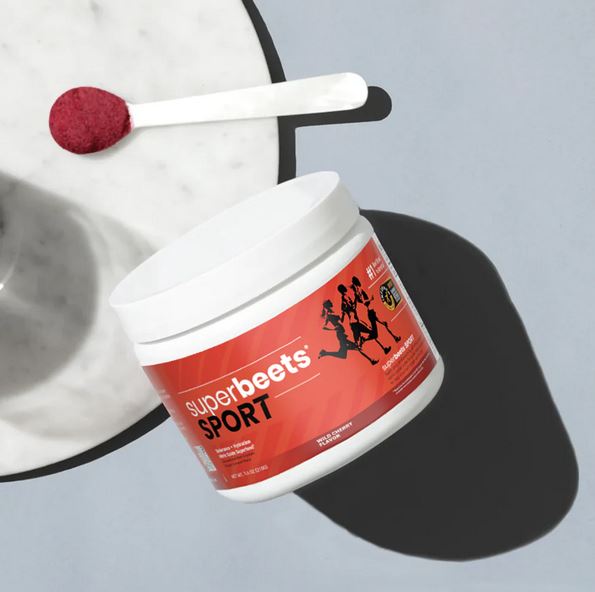
HumanN Superbeets SPORT
Our top choice for pre-workout beetroot powder supplements is SuperBeets. This selection is straightforward: the dose of beetroot powder per serving is higher than any other beetroot powder supplements we could find.
Pros:Cons:
Are there any potential side effects of beetroot consumption for athletes?
Beetroot is generally considered safe for most people, including athletes when consumed in moderate amounts. However, like any food, it may cause some side effects in certain individuals. One of the most common side effects is beeturia, a harmless condition where urine turns pink or red after consuming beetroot. This is due to the presence of betanin, a pigment in beetroot, and it affects about 10-14% of the population.
Another potential side effect is gastrointestinal discomfort. Beetroot is high in fiber, which can cause bloating, gas, or stomach cramps in some people, especially if they are not used to a high-fiber diet.
Beetroot is also high in oxalates, compounds that can contribute to the formation of kidney stones in susceptible individuals.
Lastly, beetroot can interact with certain medications. For example, it can enhance the effects of nitrate medications used for heart disease, leading to low blood pressure.
Closing thoughts: Benefits of beetroot for athletes
As we wrap up this discussion, it’s hard to dispute the multi-faceted benefits beetroot offers, particularly to athletes and fitness enthusiasts. From being a nutrient powerhouse to its profound impact in advancing exercise capacity, beetroot has earned its place in the dietary regimen of athletes.
Let’s not forget, that the scientific backing for each claim we’ve discussed adds weight to its effectiveness. However, like any dietary change, moderation and regularity are key to beetroot consumption. Incorporating it wisely according to your routine and needs can help you reap its full benefits. Keeping in mind possible side effects, it’s typically best to begin with smaller quantities and gradually increase as your body adapts.
