



Have you ever wondered how much water you should drink daily? It’s a question that might seem straightforward, yet the answer depends on various factors unique to you. From your lifestyle and diet to your body size and activity level, all these dynamics play a critical role in determining your optimal water intake. Proper hydration isn’t just about quenching thirst—it’s essential for maintaining energy, supporting bodily functions, and, for athletes, enhancing performance.
“Water is the driving force of all nature.” ― Leonardo da Vinci
This article will explore the concept of a water intake calculator, determining the right amount for individual needs, and tips for staying hydrated.

Why Hydration Matters?
Water is a vital component of life, constituting about 60% of the human body. Adequate hydration is essential for various bodily functions, including:
- Regulating Body Temperature: Water helps maintain a stable internal temperature, especially during intense workouts.
- Nutrient Transport: It facilitates the delivery of nutrients to cells and the removal of waste products.
- Joint Lubrication: Proper hydration keeps joints lubricated, reducing the risk of injuries.
The Importance of Hydration for Athletic Performance
Hydration can significantly impact performance, recovery, and overall health for fitness enthusiasts and bodybuilders.
- Maintains Energy Levels: Proper hydration ensures that your muscles can function optimally, preventing fatigue and allowing you to maintain peak energy levels throughout your workouts.
- Regulates Body Temperature: Staying hydrated helps your body effectively manage its core temperature, which is essential during intense exercise to prevent overheating.
- Enhances Endurance: Adequate water intake keeps your cardiovascular system running smoothly, which can help improve endurance and reduce the risk of cramps or strain.
- Speeds Recovery: Post-exercise, hydration aids in transporting nutrients to muscles, promoting faster recovery and repair.
- Boosts Mental Clarity: Staying well-hydrated ensures your brain functions at its best, improving concentration and decision-making during training sessions.
- Prevents Exercise-Related Injuries: Proper hydration reduces the risk of sprains and other injuries that can occur from overexertion by keeping muscles and joints lubricated.
Understanding Water Intake Needs
Determining how much water one should drink daily can vary based on several factors, including:
- Activity Level: More active individuals require more water to replace fluids lost through sweat.
- Body Weight: A heavier person typically needs more water than a lighter person.
- Climate: Hot or humid environments increase water loss through perspiration.
- Diet: Diets high in protein, salt, or sugar may necessitate additional water intake.
Beyond the commonly mentioned factors, your age, gender, overall health, alcohol consumption, and pregnancy or breastfeeding status can significantly influence your daily water intake needs.
How Much Water Should You Drink Per Day
You’ve probably heard the age-old advice: “Drink eight 8-ounce glasses of water daily.” While this is a good starting point, your water needs depend on various factors, including age, gender, activity level, and climate. Typically, it’s suggested that men should aim for about 3.7 liters (or approximately 13 cups) of fluids daily. According to the National Academies of Sciences, Engineering, and Medicine, women should target 2.7 liters (about 9 cups). Drink one extra 8 oz glass of water every 20 minutes while working in the heat.
Water Intake Formula
Determining how much water you should drink each day can be made simpler with a straightforward formula, taking into account your body weight and exercise habits. The formula is:
Water needed (oz) = Body weight (lbs) + (12 * Time exercising (min) / 30)
This formula helps tailor your water intake based on your weight and the duration of your physical activity.
For example, if you weigh 150 lbs and exercise for 60 minutes, your daily water intake should be 150 + (12 * 60 / 30) = 174 ounces.
Does drinking water before meals reduce appetite and calorie intake?
Drinking a glass of water before meals can reduce appetite and calorie intake. Many studies highlight that consuming water before eating can lead to a decrease in overall calorie consumption. For instance, research indicates that drinking about 17 ounces (500 mL) of water before each meal may reduce appetite and potentially result in more significant weight loss. Additionally, by choosing water over sugary drinks, you cut down on unnecessary calories and support your body’s overall metabolism. So, if you want to manage your weight, staying hydrated before meals could be a simple yet effective strategy.
How much water should I drink a day to lose weight?
Many health experts suggest following the “8×8 rule,” which means drinking eight 8-ounce glasses of water, approximately 2 liters, daily.
However, a 2017 study revealed no solid link between consuming this specific amount daily and achieving weight loss among adolescents facing obesity or being overweight.
Your water needs indeed hinge on personal factors. Those who perspire heavily or engage in regular physical activity might require more water than their less active counterparts. Additionally, older adults and nursing parents should pay extra attention to their hydration levels.
Remember, hydration isn’t solely about drinking water. You also receive water from various foods and drinks, including coffee, tea, meats, fish, milk, and fruits and vegetables.
A sensible approach is to drink water whenever you’re thirsty and ensure you have enough to satisfy that thirst.
Signs like dry skin, dark urine, or an unusual sense of fatigue may indicate mild dehydration. Increasing your water intake could alleviate these symptoms.
Here’s a general guideline on how much fluid you should aim to drink daily, expressed in different measurements:
- Liters: 2.2 L for women and 3 L for men
- Ounces: 74 oz for women and 101 oz for men
- Glasses (8 oz): 9 cups for women and 13 cups for men
It’s crucial to note that these are just guidelines. Some might need less, while others could require significantly more. Consulting with a healthcare professional can provide personalized advice on your water intake needs.
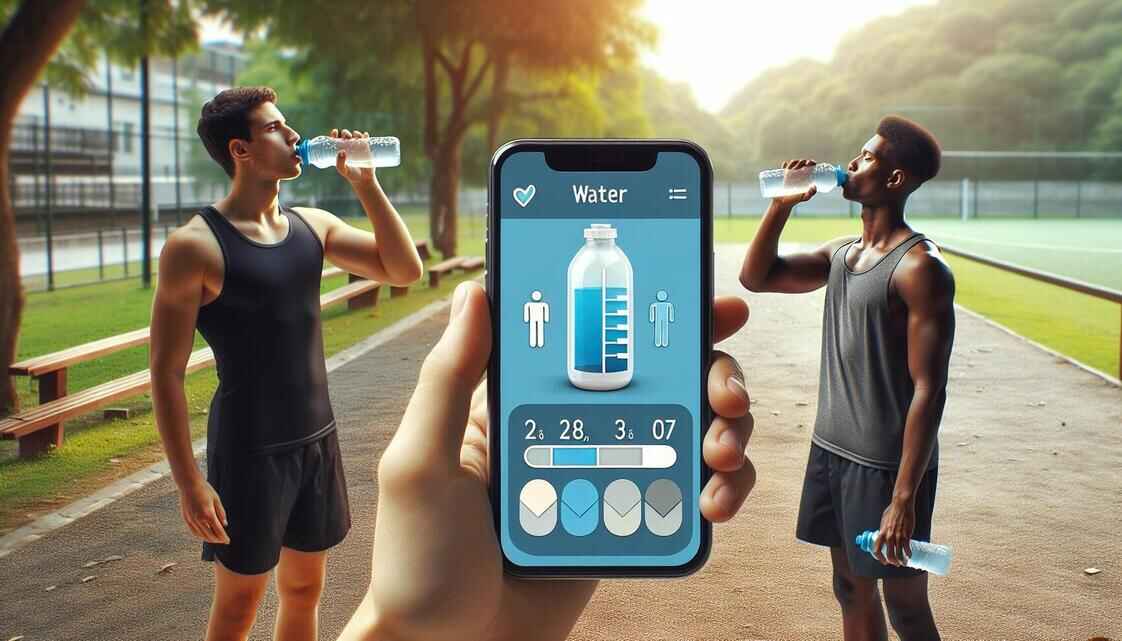
How to Use Water Intake Calculator
A water intake calculator can help you determine the right amount of water your body needs daily.
- Enter your body weight in pounds (or kilograms), a key parameter for calculating daily water needs.
- Provide the duration of your exercise in minutes if you engage in physical activities. This addition helps tailor your hydration needs based on increased fluid loss from sweating.
- Check if there are any additional fields to fill out, such as age or environmental conditions, to get a more personalized recommendation.
- Click “Calculate” to get your recommended daily water intake in ounces. Remember, this is a guideline, and consulting with a healthcare professional for personalized advice is beneficial.
- Review the result and aim to distribute this water intake throughout your day to maintain proper hydration.
Signs of Dehydration
Recognizing the signs of dehydration is vital for maintaining optimal hydration levels. Common symptoms include:
- Thirst: A clear signal that the body needs more water.
- Dark Urine: A sign of concentrated urine indicating insufficient hydration.
- Fatigue: Dehydration can lead to increased feelings of tiredness and decreased performance.
- Dizziness: A lack of fluids can result in lightheadedness, especially during workouts.
Fitness enthusiasts must be vigilant in monitoring their hydration status, especially during intense training sessions.
Tips for Staying Hydrated
Staying adequately hydrated doesn’t have to be a chore. Here are some practical tips to ensure sufficient water intake:
- Carry a Water Bottle. A reusable water bottle can encourage regular sipping throughout the day. Fitness enthusiasts can even opt for marked bottles to track their progress.
- Set Reminders. Utilizing smartphone apps or timers can serve as helpful reminders to drink water regularly, especially during busy workout days.
- Infuse Water with Flavor. Adding slices of fruits, herbs, or vegetables can make water more appealing. Cucumber, lemon, and mint are popular choices that enhance flavor without adding calories.
- Monitor Fluid Intake. A daily water consumption log can motivate individuals to meet their hydration goals. Many fitness-tracking apps now include water-tracking features.
- Adjust for Exercise. During workouts, drinking water before, during, and after exercise is essential. Consider incorporating electrolyte drinks to replenish lost minerals for extended workouts or high-intensity training.
The Role of Foods in Hydration
While drinking water is crucial, many foods also contribute to daily hydration. Incorporating water-rich foods into the diet can help maintain fluid balance. Some excellent options include:
- Fruits: Watermelon, oranges, strawberries, and cucumbers are delicious choices with high water content.
- Vegetables: Leafy greens, bell peppers, and zucchini are also hydrating options.
- Soups and Broths: These can be excellent sources of hydration, particularly in colder months.
Water Intake While Taking Creatine Supplements
You should drink more water while taking creatine supplements. Creatine draws water into your muscle cells, so your body requires additional fluids to maintain overall hydration. Failing to consume extra water can lead to dehydration, as the water used by your muscles is not available for other physiological processes. Therefore, increasing your water intake ensures that you stay properly hydrated, supports muscle function, and maximizes the effectiveness of creatine supplementation.
Conclusion: Finding the Right Balance
Hydration should not be overlooked in the quest for fitness and bodybuilding goals. A water intake calculator can provide a tailored approach to understanding individual hydration needs. By monitoring water intake, recognizing signs of dehydration, and adjusting for activity levels, individuals can ensure they are well-hydrated, ultimately improving performance, recovery, and overall health.
By incorporating these insights and tips, fitness enthusiasts can effectively manage their hydration and support their active lifestyles. Remember, staying hydrated is not just about drinking water; it’s about fostering a holistic approach to health and wellness.
