
Introduction
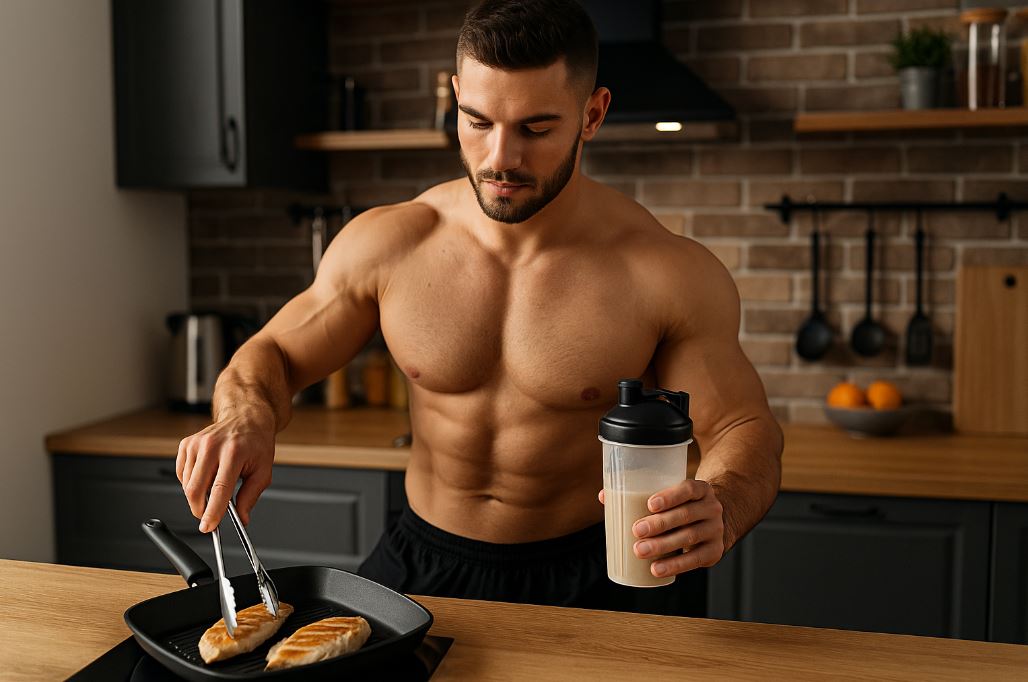
If bodybuilding had a “king macronutrient,” it would undoubtedly be protein. While carbohydrates fuel your workouts and fats regulate hormones, proteins in bodybuilding serve as the raw material for muscle growth, repair, and recovery. Every squat, bench press, or deadlift causes microscopic tears in muscle fibers, and it’s dietary protein that provides the amino acids needed to rebuild them stronger and bigger.
Protein is not just about muscle size—it also plays key roles in metabolism, fat loss, hormonal balance, and even immune function. Yet many athletes still underestimate its importance, or they fall prey to myths about how much protein is “too much.”
In this guide, we’ll dive deep into the functions of protein, the best dietary sources, daily needs, timing strategies, supplements, and its role in fat loss and overall health. You’ll also see practical examples, scientific insights, and my perspective as a coach who’s guided athletes through bulking, cutting, and competition prep.
Additionally, if you’re new to the topic of sports nutrition, be sure to start with our Fundamentals of Bodybuilding Nutrition: A Complete, Beginner-Friendly Guide, which lays the groundwork before delving deeper into carbohydrates.
Functions of Proteins in the Body
Proteins are composed of amino acids, which are involved in nearly every biological process. For bodybuilders, these functions have direct performance and physique implications:
- Muscle growth and repair: Protein drives muscle protein synthesis (MPS), allowing recovery and adaptation from resistance training. After intense sessions, amino acids from dietary protein rebuild fibers thicker and stronger, which is the foundation of hypertrophy.
- Enzymes and hormones: Many enzymes (catalysts of metabolism) and hormones (like growth hormone, insulin, and testosterone-binding proteins) are protein-based. Without adequate protein, these critical systems work less efficiently, affecting everything from nutrient absorption to anabolic signaling.
- Immune support: Antibodies are proteins that defend against illness—vital during intense training phases when the immune system is stressed. Low protein intake often leads to increased risk of colds or infections, which can derail progress.
- Structural components: Hair, skin, nails, tendons, ligaments, and bones all rely on protein. For bodybuilders, strong connective tissue is just as important as strong muscles, since it helps prevent injuries during heavy lifts.
- Energy source: At 4 kcal per gram, protein can provide energy, though this is not its primary role. In extreme dieting or low-carb phases, however, the body may convert protein to glucose (gluconeogenesis) to maintain energy levels, which can compromise muscle mass if intake is too low.
👉 Bottom line: Without enough protein, building or even maintaining muscle mass becomes nearly impossible, regardless of how hard you train.
Amino Acids: The Building Blocks
There are 20 amino acids, classified as:
- Essential amino acids (EAAs): These cannot be synthesized by the body and must come from the diet. They are absolutely critical for bodybuilders because they directly stimulate muscle protein synthesis (MPS). A lack of even one essential amino acid can halt muscle repair, no matter how much total protein you eat.
- Non-essential amino acids (NEAAs): These can be produced internally, but that doesn’t make them irrelevant. They still play key roles in connective tissue health, energy production, and recovery. For example, glutamine supports immune function and gut health, which become strained during intense training cycles.
Among the EAAs, three are especially valuable for athletes: the branched-chain amino acids (BCAAs)—leucine, isoleucine, and valine.
- Leucine is the star player. It activates the mTOR pathway, which functions as the “on switch” for muscle protein synthesis. Research shows that hitting a “leucine threshold” (around 2–3 g per meal) is necessary to maximize muscle growth.
- Isoleucine and valine assist with energy production during training and help reduce exercise-induced fatigue by competing with tryptophan for entry into the brain.
Protein Quality and Biological Value
Not all proteins are created equal. Their effectiveness depends on two key factors: digestibility (how well your body absorbs them) and amino acid composition (whether they contain all essential amino acids in sufficient amounts). For bodybuilders, this matters because high-quality proteins translate directly into better recovery, faster gains, and more efficient use of every gram you consume.
Measures of Protein Quality
- Biological Value (BV):
This is one of the oldest ways to measure protein quality. It looks at how efficiently the body can use the protein you eat for tissue growth and repair. A BV of 100 (like whole eggs) means nearly all the protein is utilized. Most animal proteins score high (chicken, whey, fish), while plant proteins often score lower. - PDCAAS (Protein Digestibility-Corrected Amino Acid Score):
This method (scale 0–1.0) evaluates both the amino acid profile and digestibility. It’s widely used by organizations like the WHO. Whey, casein, and soy all score 1.0, meaning they provide sufficient essential amino acids and are highly digestible. Many legumes score lower because they lack one or more essential amino acids. - DIAAS (Digestible Indispensable Amino Acid Score):
A more modern and accurate method than PDCAAS. It measures amino acid digestibility at the end of the small intestine (ileum), instead of after fermentation in the colon. Animal proteins (whey, eggs, milk, meat) usually outperform plant proteins here. For example, whey protein has a DIAAS >1.1, while wheat protein is ~0.45.
Animal vs. Plant Proteins
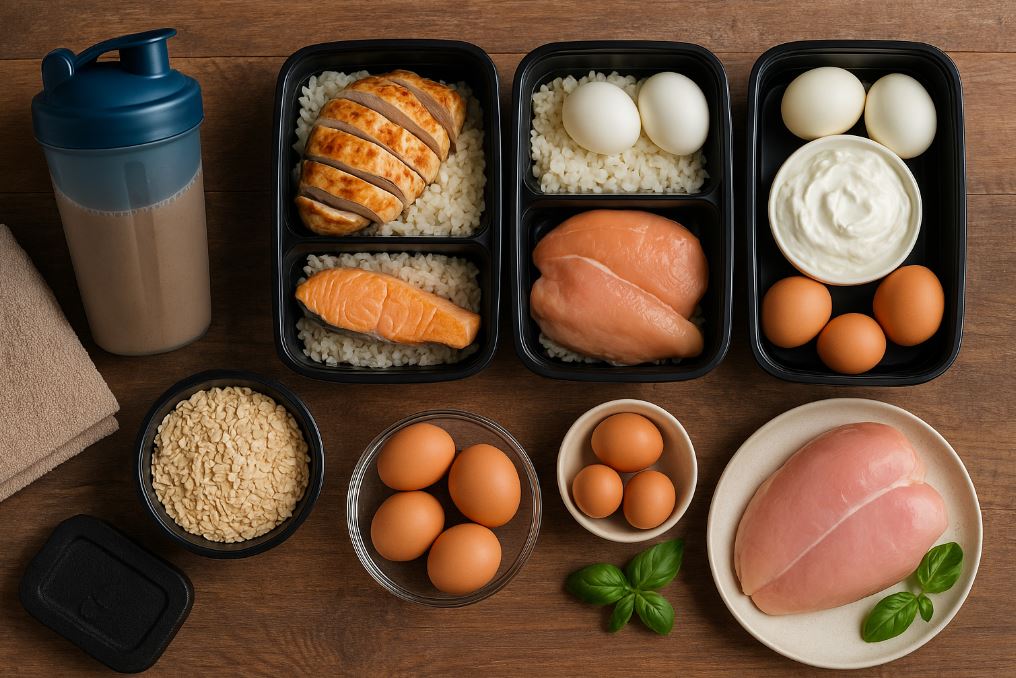
- Animal proteins: These are considered “complete” proteins because they contain all essential amino acids in optimal ratios. They also tend to have high digestibility. Examples: chicken, beef, fish, eggs, dairy. This is why they form the backbone of most bodybuilding diets.
- Plant proteins: Many are “incomplete,” lacking one or more EAAs (for instance, grains are low in lysine, while legumes are low in methionine). However, combining different plant sources (e.g., rice + beans, or pea + rice protein powders) can provide a complete profile. This is how vegan bodybuilders can still hit their targets effectively.
👉 For bodybuilders: Choosing higher-quality proteins means less “wasted” intake and more efficient use of every calorie. That’s why whey protein, lean meats, and eggs are staples in bodybuilding nutrition plans.
Best Protein Sources for Bodybuilders
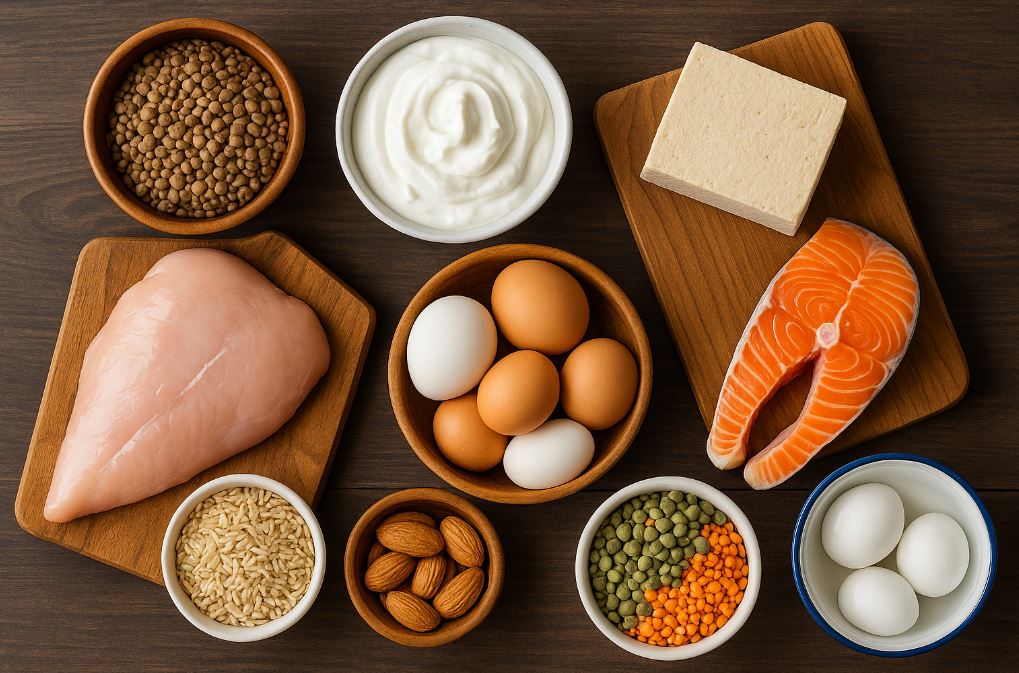
For bodybuilders, the choice of protein source isn’t just about hitting daily grams—it’s about optimizing recovery, muscle growth, and overall health. Below, we’ll cover both animal-based and plant-based proteins, plus a practical comparison.
Animal-Based Sources
These are the gold standard due to their high biological value and complete amino acid profiles.
- Chicken breast: A lean, versatile staple rich in leucine.
- Eggs: Nature’s “perfect protein,” high BV, and very digestible.
- Fish (salmon, tuna, cod, sardines): Excellent protein content plus omega-3s for recovery and anti-inflammatory benefits.
- Dairy (milk, cottage cheese, Greek yogurt, whey, casein): Provide both fast- and slow-digesting proteins.
- Beef and pork: High in protein, creatine, B vitamins, and iron.
Plant-Based Sources
Plant proteins can absolutely support bodybuilding, but they often need strategic combinations.
- Soy (tofu, tempeh, soy milk): A complete plant protein, similar to animal sources.
- Legumes (lentils, beans, chickpeas): Affordable, fiber-rich, but often incomplete—pair with grains for best results.
- Quinoa and buckwheat: Rare plant foods that are complete proteins.
- Nuts and seeds (almonds, chia, hemp, pumpkin seeds): Great as additions, though calorie-dense.
- Plant protein powders (pea, rice, hemp, soy blends): Convenient for vegans to hit targets.
| Food | Serving Size | Protein (g) | Extra Notes |
|---|---|---|---|
| Chicken breast (cooked) | 100 g | 31 g | Lean, high leucine content |
| Salmon (cooked) | 100 g | 25 g | Protein + omega-3 fatty acids |
| Lean beef (cooked) | 100 g | 26 g | Creatine + B vitamins |
| Whole egg | 1 large (50 g) | 6 g | High BV, complete protein |
| Egg whites | 100 g (~3 whites) | 11 g | Pure protein, fat-free |
| Greek yogurt | 200 g | 20 g | Slow-digesting, calcium-rich |
| Cottage cheese | 200 g | 22 g | Casein-rich, great pre-bed |
| Whey protein powder | 30 g scoop | 24 g | Fast-digesting, ideal post-workout |
| Lentils (cooked) | 100 g | 9 g | High in fiber, combine with grains |
| Chickpeas (cooked) | 100 g | 8 g | Good vegan staple |
| Tofu | 100 g | 8 g | Versatile, soy-based complete protein |
| Quinoa (cooked) | 185 g (1 cup) | 8 g | Complete plant-based protein |
| Almonds | 28 g (1 oz) | 6 g | Protein + healthy fats |
| Chia seeds | 28 g (1 oz) | 5 g | Protein + omega-3 ALA |
Daily Protein Needs in Bodybuilding
Protein requirements vary greatly between sedentary individuals and those engaged in intense strength training. For bodybuilders, daily intake isn’t just about covering “basic needs”—it’s about optimizing muscle protein synthesis (MPS), recovery, and performance while adapting to different phases (bulking, maintenance, or cutting).
General Guidelines
- Sedentary adults: 0.8 g per kg body weight (bare minimum for health, not performance).
- Active individuals (fitness/recreational): 1.2–1.6 g/kg to support activity and recovery.
- Strength athletes & bodybuilders: 1.6–2.2 g/kg to maximize hypertrophy.
- Cutting phase (fat loss): 2.2–2.4 g/kg to maintain muscle in calorie deficit.
👉 This means an 80 kg bodybuilder should aim for 128–176 g protein daily (maintenance/bulking), and possibly up to 192 g during a strict cutting phase.
Daily Protein Needs in Bodybuilding
Protein requirements vary greatly between sedentary individuals and those engaged in intense strength training. For bodybuilders, daily intake isn’t just about covering “basic needs”—it’s about optimizing muscle protein synthesis (MPS), recovery, and performance while adapting to different phases (bulking, maintenance, or cutting).
General Guidelines
- Sedentary adults: 0.8 g per kg body weight (bare minimum for health, not performance).
- Active individuals (fitness/recreational): 1.2–1.6 g/kg to support activity and recovery.
- Strength athletes & bodybuilders: 1.6–2.2 g/kg to maximize hypertrophy.
- Cutting phase (fat loss): 2.2–2.4 g/kg to maintain muscle in calorie deficit.
👉 This means an 80 kg bodybuilder should aim for 128–176 g protein daily (maintenance/bulking), and possibly up to 192 g during a strict cutting phase.
| Bodyweight | Bulking / Maintenance | Cutting (Fat Loss) |
|---|---|---|
| 60 kg | 96–132 g | 132–144 g |
| 70 kg | 112–154 g | 154–168 g |
| 80 kg | 128–176 g | 176–192 g |
| 90 kg | 144–198 g | 198–216 g |
| 100 kg | 160–220 g | 220–240 g |
Protein Distribution
It’s not just how much protein you eat in a day, but how you spread it across meals:
- Optimal per meal dose: ~0.3–0.4 g/kg of high-quality protein (20–40 g for most athletes).
- Number of meals: 4–6 protein-rich meals spaced every 3–4 hours.
- Leucine threshold: Aim for 2–3 g leucine per meal (usually covered by ~25 g of whey or ~120 g chicken).
Example Daily Protein Targets (80 kg athlete)
Bulking / Maintenance (160 g protein):
- Breakfast: 30 g (eggs + Greek yogurt)
- Snack: 25 g (whey shake)
- Lunch: 40 g (chicken + rice + vegetables)
- Snack: 20 g (cottage cheese + almonds)
- Dinner: 35 g (salmon + quinoa)
- Pre-bed: 10 g (casein snack)
Cutting (190 g protein):
- Breakfast: 35 g (egg whites + turkey slices)
- Snack: 30 g (whey shake + small portion nuts)
- Lunch: 45 g (lean beef + vegetables)
- Snack: 25 g (tuna salad)
- Dinner: 40 g (cod + broccoli + sweet potato)
- Pre-bed: 15 g (cottage cheese)
Protein Timing and Distribution
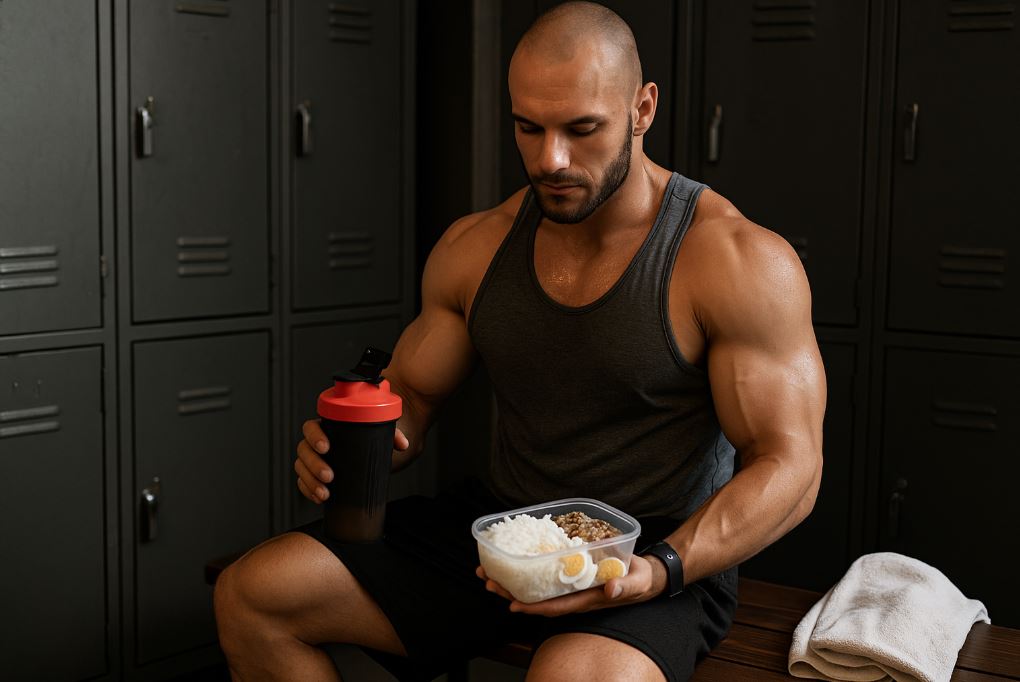
For bodybuilders, it’s not just how much protein you consume in a day, but also when and how you distribute it. Proper timing ensures that your muscles have a steady supply of amino acids throughout the day, maximizing muscle protein synthesis (MPS) and minimizing muscle breakdown.
Research shows that the body can only use a certain amount of protein for MPS at one time (generally 20–40 g depending on body size and quality of the protein). Eating all your protein in one or two large meals is inefficient. Instead, spreading intake evenly across 4–6 meals stimulates MPS multiple times per day, creating a stronger anabolic environment.
Per Meal Recommendations
- Dose per meal: ~0.3–0.4 g/kg of high-quality protein.
- For a 70 kg athlete: ~21–28 g per meal.
- For a 90 kg athlete: ~27–36 g per meal.
- Leucine threshold: Each meal should include at least 2–3 g leucine, which is enough to activate the mTOR pathway.
- Meal frequency: Every 3–4 hours for optimal stimulation.
Pre-Workout Protein
- What to eat: 20–30 g of easily digestible protein, ideally with some carbs.
- When: 1–2 hours before training.
- Why: Provides amino acids in circulation during your session, reducing muscle breakdown and supporting performance.
- Examples:
- Whey shake + banana
- Chicken and rice (small portion)
- Greek yogurt with oats
Post-Workout Protein
- What to eat: 20–40 g of fast-digesting protein (whey, lean chicken, tuna).
- When: Within 1–2 hours after training (“anabolic window”).
- Why: Resistance training makes muscles more sensitive to nutrients. A quick protein dose accelerates recovery and growth.
- Examples:
- Whey isolate shake + rice cakes
- Tuna sandwich on whole-grain bread
- Chocolate milk (protein + carbs)
Pre-Sleep Protein
- What to eat: 20–40 g of slow-digesting protein (casein-rich).
- Why: Casein releases amino acids steadily overnight, reducing overnight catabolism.
- Examples:
- Cottage cheese with nuts
- Casein protein shake
- Greek yogurt with chia seeds
| Meal | Protein (g) | Example Foods |
|---|---|---|
| Breakfast | 30 g | 3 eggs + 200 g Greek yogurt |
| Pre-Workout | 25 g | Whey shake + banana |
| Post-Workout | 35 g | Chicken breast + rice + broccoli |
| Snack | 20 g | Cottage cheese + almonds |
| Dinner | 35 g | Salmon + quinoa + spinach |
| Pre-Bed | 15 g | Casein shake or cottage cheese |
Nitrogen Balance in Bodybuilding
One of the lesser-discussed but fundamental concepts in bodybuilding nutrition is nitrogen balance. Since protein is the only macronutrient that contains nitrogen, measuring nitrogen balance is a way to estimate whether the body is building (anabolic) or breaking down (catabolic) muscle tissue.
What Is Nitrogen Balance?
- Positive nitrogen balance: Protein intake is greater than protein breakdown. This means your body has enough amino acids available to repair and build new muscle tissue. This state is essential for hypertrophy.
- Negative nitrogen balance: Protein breakdown exceeds intake. This typically happens during severe dieting, illness, overtraining, or inadequate protein intake. In this state, muscle tissue is lost.
- Neutral nitrogen balance: Intake equals breakdown. This may be sufficient for maintenance but not ideal for muscle growth.
Why It Matters in Bodybuilding
A consistent positive nitrogen balance is the cornerstone of muscle building. Without it, even the hardest training will fail to translate into growth. That’s why bodybuilders emphasize high-protein diets: to ensure a steady stream of amino acids to keep the balance tilted toward growth and recovery.
Practical Strategies to Stay in Positive Balance
- Adequate daily intake: Stick to the recommended 1.6–2.2 g/kg (up to 2.4 g/kg during cutting).
- Meal frequency: Spread protein across 4–6 meals to provide constant amino acid availability.
- Post-workout nutrition: Prioritize fast-digesting proteins (like whey) to quickly shift from a catabolic to an anabolic state.
- Pre-sleep protein: A slow-digesting protein (like casein) ensures you stay anabolic overnight.
- Avoid excessive fasting: Long periods without protein increase the risk of slipping into negative nitrogen balance.
Proteins and Fat Loss
Protein isn’t just about bulking—it’s also the most important macronutrient for cutting.
- Satiety: Keeps you full longer, preventing overeating.
- Thermic Effect of Food (TEF): ~20–30% of protein calories are burned during digestion (vs 5–10% for carbs, 2–3% for fat).
- Muscle preservation: Maintains lean mass in a calorie deficit.
👉 That’s why nearly every successful fat-loss plan for athletes is high in protein.
High-Protein Diet and Kidney Health
One of the biggest myths: “high protein diets damage kidneys.”
- Scientific evidence: Healthy individuals tolerate protein intakes of up to 3 g/kg with no negative effects.
- At risk: Only those with pre-existing kidney disease need to limit protein.
Protein Supplements
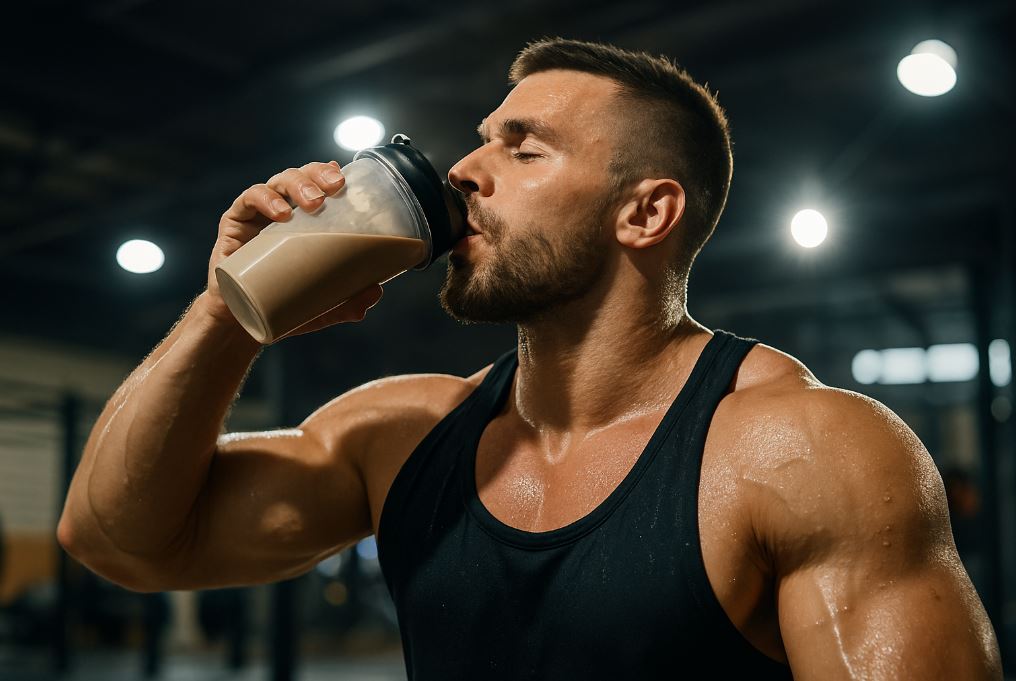
Supplements make hitting daily protein goals easier, especially for athletes with busy schedules or higher requirements. However, they should never replace whole foods like lean meats, eggs, or legumes, which offer not only protein but also vitamins, minerals, and other important nutrients. Think of supplements as a tool, not a foundation.
Common Options
- Whey protein: Fast-digesting, rich in leucine, and ideal post-workout. Whey isolate is lower in lactose, while whey hydrolysate digests even faster but is usually more expensive.
- Casein protein: Digests slowly, making it perfect before sleep to sustain amino acid release overnight.
- Soy protein: A complete plant-based protein. Useful for vegans, though it has a slightly lower leucine content compared to whey.
- Pea + rice protein blends: Combining these covers amino acid gaps, making them an excellent vegan-friendly alternative with good digestibility.
Pros and Cons of Protein Supplements
Pros:
- Convenient and portable (great for travel or post-gym).
- High protein with relatively low calories.
- Affordable compared to eating large amounts of meat or fish.
Cons:
- Lack the micronutrients and phytonutrients found in whole foods.
- Over-reliance can create an unbalanced diet.
- Some powders contain additives, sweeteners, or fillers.
👉 The best approach is to use supplements strategically—for example, after training, on-the-go, or when appetite is low—but keep the bulk of your protein intake from whole foods.
Coach’s Practical Tips
- Always start meal planning with a protein anchor (meat, fish, eggs, tofu, legumes).
- Push protein intake higher during a cut—it helps you stay fuller and protects muscle.
- Use whole food first, supplements second.
- Don’t overcomplicate things: consistent intake matters more than chasing “perfect timing.”
Conclusion: Proteins in Bodybuilding
Proteins in bodybuilding are the foundation of muscle growth, recovery, and fat loss. They supply the amino acids needed for repair, enhance satiety, and even improve metabolism. Whether you’re bulking or cutting, protein is the macronutrient you can’t afford to overlook.
