

Introduction
Most bodybuilders obsess over protein shakes, carb timing, or the right amount of healthy fats. Yet, many forget a critical truth: without vitamins and minerals, none of those macronutrients can do their job correctly. Micronutrients in bodybuilding are the silent drivers of performance—they don’t provide calories, but they control metabolism, energy production, recovery, and hormonal balance.
If you’re serious about building muscle and staying healthy, you need more than protein and carbs. You need optimal micronutrient intake.
What Are Micronutrients?
Micronutrients are nutrients required by the body in relatively small amounts—measured in milligrams or micrograms—yet their impact on health and performance is enormous. Unlike macronutrients (proteins, carbohydrates, and fats), which provide calories and energy, micronutrients act more like catalysts: they make sure that every process in your body runs smoothly.
They fall into two main categories:
- Vitamins: Organic compounds that regulate biochemical reactions. Some act as antioxidants, others support hormone production or energy metabolism. They are classified as fat-soluble (A, D, E, K) and water-soluble (B-complex, C).
- Minerals: Inorganic elements required for structural and functional roles in the body. Some are macrominerals (like calcium, magnesium, sodium, potassium), while others are trace minerals (like iron, zinc, selenium).
For bodybuilders, micronutrients function like the invisible framework that keeps the “muscle-building machine” operational. Without them, even the best training program and the most protein-packed diet won’t deliver optimal results.

Key Functions of Micronutrients in Bodybuilding
- Enabling muscle contraction: Calcium triggers muscle fibers to contract, while magnesium helps them relax. Potassium and sodium regulate the electrical impulses that control this process.
- Supporting energy metabolism: B vitamins convert carbs, fats, and proteins into usable energy. Without them, fatigue sets in quickly.
- Strengthening bones and joints: Calcium and vitamin D fortify bones against heavy lifting, while vitamin C supports collagen production in tendons and ligaments.
- Regulating hormones: Vitamin D and zinc are directly linked to testosterone production; iodine and selenium support thyroid hormones that control metabolism.
- Enhancing recovery and immune health: Antioxidants like vitamins C and E neutralize free radicals produced during intense workouts, while zinc and vitamin A strengthen the immune system.
- Reducing inflammation: Certain micronutrients (e.g., omega-3–linked minerals, selenium, vitamin E) lower inflammation, speeding up recovery between sessions.
👉 In short: micronutrients don’t build muscle directly, but they make sure your body has the tools to do so effectively.
Vitamins in Bodybuilding
Vitamins are broadly classified into fat-soluble (A, D, E, K) and water-soluble (B-complex, C). Each group has unique roles for athletes.
Fat-Soluble Vitamins
The fat-soluble vitamins are dependent on the presence of dietary fat for intestinal absorption and transport throughout the body. Fat-soluble vitamins can be more toxic to the body than water-soluble vitamins because they are stored in the liver and adipose tissues and can accumulate over time.
- Vitamin A
- Function: Supports vision, immune health, and protein synthesis.
- Role in bodybuilding: Aids recovery and muscle repair.
- Sources: Liver, dairy, eggs, carrots, spinach.
- Vitamin D
- Function: Regulates calcium, bone strength, and testosterone.
- Role in bodybuilding: Essential for strength, muscle growth, and immunity.
- Sources: Sunlight, fatty fish, fortified dairy.
- Coach’s Note: Almost every athlete I’ve tested had low vitamin D in winter. Supplementation here is often a game-changer.
- Vitamin E
- Function: Powerful antioxidant.
- Role in bodybuilding: Reduces oxidative stress from training, aiding recovery.
- Sources: Nuts, seeds, vegetable oils.
- Vitamin K
- Function: Blood clotting and bone health.
- Role in bodybuilding: Supports strong bones under heavy loads.
- Sources: Leafy greens, broccoli, fermented foods.
Water-Soluble Vitamins
They are not able to be stored in the body, and excess amounts are eliminated in urine. Because they can’t be retained, water-soluble vitamins need to be taken daily if you don’t get enough of them in the food you eat.
- B-Complex (B1, B2, B3, B6, B12, Folate, Biotin, Pantothenic acid):
- Function: Energy metabolism, red blood cell formation.
- Role in bodybuilding: Converts food into energy, supports the nervous system, and aids recovery.
- Sources: Meat, eggs, whole grains, legumes, leafy greens.
- Vitamin C
- Function: Collagen synthesis, immune defense, antioxidant.
- Role in bodybuilding: Protects joints, aids recovery, and reduces muscle soreness.
- Sources: Citrus fruits, berries, peppers.
Minerals in Bodybuilding
Minerals are divided into macrominerals (those needed in larger amounts) and trace minerals (those needed in small quantities but are still critical).
Key Macrominerals
- Calcium
- Function: Bone strength, nerve transmission, and muscle contraction.
- Role in bodybuilding: Prevents cramps and stress fractures.
- Sources: Dairy, leafy greens, fortified milk alternatives.
- Magnesium
- Function: Involved in over 300 enzymatic reactions.
- Role in bodybuilding: Energy production, sleep quality, and reducing cramps.
- Sources: Nuts, seeds, spinach, dark chocolate.
- Coach’s Note: I often recommend magnesium before bed. Athletes usually report better recovery and deeper sleep.
- Potassium
- Function: Fluid balance, nerve signals, and muscle contraction.
- Role in bodybuilding: Reduces cramps, supports endurance.
- Sources: Bananas, potatoes, beans, yogurt.
- Sodium
- Function: Fluid balance, nerve impulses, and blood pressure regulation.
- Role in bodybuilding: Critical during intense sweating—maintains performance and prevents hyponatremia.
- Sources: Table salt, electrolyte drinks.
Key Trace Minerals
- Iron
- Function: Oxygen transport (hemoglobin).
- Role in bodybuilding: Prevents fatigue and supports endurance.
- Sources: Red meat, spinach, beans.
- Note: Women are at higher risk of deficiency.
- Zinc
- Function: Immune function, testosterone production.
- Role in bodybuilding: Supports anabolic hormones and recovery.
- Sources: Meat, shellfish, pumpkin seeds.
- Selenium
- Function: Antioxidant, thyroid health.
- Role in bodybuilding: Supports metabolism and recovery.
- Sources: Brazil nuts, fish, eggs.
Practical Guide for Athletes
Table: Key Micronutrients for Bodybuilders
| Micronutrient | Main Function | Role in Bodybuilding | Food Sources |
|---|---|---|---|
| Vitamin A | Vision, immune health, protein synthesis | Aids recovery, supports growth, maintains skin & joint health | Carrots, spinach, liver, dairy |
| Vitamin D | Calcium absorption, hormone regulation | Boosts testosterone, strengthens bones, enhances strength | Sunlight, salmon, fortified dairy |
| Vitamin E | Antioxidant protection | Reduces muscle damage, speeds recovery | Nuts, seeds, vegetable oils |
| Vitamin K | Blood clotting, bone metabolism | Maintains strong bones for heavy lifting | Kale, broccoli, fermented foods |
| Vitamin C | Collagen synthesis, antioxidant | Protects joints, reduces soreness, supports immunity | Oranges, peppers, berries |
| Vitamin B1 (Thiamine) | Carbohydrate metabolism | Converts carbs into energy for training | Whole grains, pork, beans |
| Vitamin B6 | Amino acid metabolism | Supports protein metabolism and recovery | Chicken, bananas, potatoes |
| Vitamin B12 | Red blood cell formation | Delivers oxygen to muscles, prevents fatigue | Meat, fish, eggs, dairy |
| Folate (B9) | DNA synthesis | Supports muscle cell repair and growth | Leafy greens, legumes |
| Calcium | Bone health, muscle contraction | Prevents cramps and injuries, strengthens the skeleton | Dairy, spinach, fortified plant milk |
| Magnesium | Enzyme function, muscle relaxation | Reduces cramps, improves recovery, enhances sleep | Nuts, seeds, dark chocolate, spinach |
| Potassium | Fluid balance, nerve signals | Prevents cramps, improves endurance | Bananas, potatoes, yogurt |
| Sodium | Electrolyte balance, nerve transmission | Maintains hydration and performance during sweating | Salt, electrolyte drinks |
| Iron | Oxygen transport (hemoglobin) | Prevents fatigue, boosts endurance | Red meat, spinach, lentils |
| Zinc | Hormonal regulation, immune function | Supports testosterone, muscle growth, and wound healing | Beef, pumpkin seeds, oysters |
| Selenium | Antioxidant, thyroid health | Supports metabolism and reduces oxidative stress | Brazil nuts, fish, eggs |
Coach’s Perspective
When clients complain of constant cramps, fatigue, or slow recovery, they almost always blame macronutrients: “Maybe I need more protein or carbs.” But in many cases, the real issue is micronutrients. A simple fix, such as adding more magnesium-rich foods, correcting vitamin D levels, or increasing potassium intake, can make the difference between mediocre and peak performance. I’ve had athletes reduce their injury rates simply by ensuring proper intake of vitamin C (for collagen formation) and magnesium (for muscle relaxation). Never underestimate the “small” nutrients.
Micronutrients and Performance
Micronutrients directly affect every aspect of training capacity and recovery. While macronutrients supply the fuel, micronutrients act like the spark plugs that make the engine run smoothly. If even one is missing, performance can suffer dramatically.
- Energy production: B vitamins (especially B1, B2, B3, B6, and B12) are cofactors in the breakdown of carbohydrates, fats, and proteins into ATP, the energy currency of your cells. Without adequate intake, fatigue sets in early, even if you are eating enough calories. Athletes often describe this as “running out of gas too quickly” despite eating properly.
- Muscle contraction: Calcium triggers muscle fibers to contract, while magnesium ensures proper relaxation afterward. Potassium and sodium regulate nerve impulses and fluid balance, preventing cramps and maintaining strength output. A slight imbalance here can mean the difference between finishing a set strong or cramping mid-workout.
- Hormonal regulation: Vitamin D and zinc support testosterone and growth hormone, which are critical for muscle growth, recovery, and strength gains. Even mild deficiencies can blunt anabolic responses and slow progress in the gym.
- Recovery and repair: Vitamin C, vitamin E, and selenium function as antioxidants, helping to reduce oxidative stress caused by intense training. This helps lower inflammation, minimize delayed onset muscle soreness (DOMS), and accelerate tissue repair. Athletes who skimp on these often notice prolonged soreness and slower bounce-back between sessions.
- Mental focus and endurance: Iron plays a vital role in oxygen transport via hemoglobin, ensuring that muscles and the brain receive enough oxygen during training. Magnesium supports neurotransmitter activity, influencing mood, sleep quality, and mental sharpness. Low levels here don’t just make you weaker—they also affect motivation, concentration, and confidence under the bar.
👉 In short, micronutrients in bodybuilding are not optional extras—they determine whether you can train hard, recover fully, and continue progressing.
Common Deficiencies in Athletes & Bodybuilders
Despite following structured diets, many athletes and bodybuilders still experience micronutrient deficiencies. These gaps often occur due to restricted diets (cutting phases, vegan or vegetarian diets), heavy sweating, or simply not prioritizing nutrient diversity. Here are the most common and impactful deficiencies:
- Vitamin D
- Why it matters: Known as the “sunshine vitamin,” vitamin D regulates calcium absorption, supports testosterone levels, and strengthens bones.
- Why athletes are at risk: Indoor training, limited sun exposure in winter, or living in northern climates can lead to chronic low levels.
- Symptoms in athletes: Low testosterone, weak bones, increased injury risk, fatigue, reduced strength output.
- Coach’s Note: Almost every athlete I tested in winter had suboptimal vitamin D levels. Supplementation, combined with fatty fish and fortified dairy, often turned things around in just a few weeks.
- Magnesium
- Why it matters: Involved in over 300 enzymatic reactions, magnesium regulates muscle contraction, energy production, and nervous system function.
- Why athletes are at risk: Intense training and heavy sweating can quickly deplete magnesium levels. High caffeine intake can also lower magnesium levels.
- Symptoms in athletes: Muscle cramps, restless sleep, irritability, fatigue, and difficulty recovering from workouts.
- Practical tip: Adding nuts, seeds, spinach, and even a pre-bed magnesium supplement can drastically improve sleep and reduce soreness.
- Zinc
- Why it matters: Zinc is essential for immune function, protein synthesis, and hormone production—especially testosterone.
- Why athletes are at risk: Intense training increases zinc losses through sweat and urine. Vegetarian diets may also provide less bioavailable zinc.
- Symptoms in athletes: Low libido, slow wound healing, frequent colds, reduced strength gains, and suppressed testosterone.
- Coach’s Note: A bodybuilder I worked with had stalled progress for months. Blood tests revealed zinc deficiency. Once corrected, his recovery speed and testosterone levels improved significantly.
- Iron
- Why it matters: Iron enables oxygen transport through hemoglobin, fueling both muscles and the brain.
- Why athletes are at risk: Endurance athletes and female athletes are especially vulnerable. Heavy training and restrictive diets amplify the risk.
- Symptoms in athletes: Constant fatigue, pale skin, dizziness, low endurance, and reduced mental focus.
- Practical tip: Red meat, spinach, and lentils are great options. Pairing plant-based iron with vitamin C (like spinach with citrus) boosts absorption.
👉 These deficiencies explain why athletes who nail their protein and calorie targets can still feel weak, tired, or stuck in progress. Without micronutrients, macronutrients can’t work optimally.
Recommended Daily Intake of Key Vitamins and Minerals for Athletes
While official RDAs (Recommended Dietary Allowances) are designed for the general population, athletes often require slightly higher intakes due to increased energy expenditure, sweat losses, and metabolic demands. Below is a practical guide to micronutrient targets relevant for bodybuilding and intense training.
| Micronutrient | General RDA (Adults) | Recommended for Athletes/Bodybuilders | Key Functions |
|---|---|---|---|
| Vitamin D | 600–800 IU (15–20 µg) | 1,000–2,000 IU (25–50 µg), sometimes higher if deficient | Bone health, testosterone, muscle strength |
| Vitamin C | 75–90 mg | 200–500 mg (higher needs with training stress) | Antioxidant, collagen, and immune support |
| Vitamin B12 | 2.4 µg | 3–6 µg | Energy metabolism, red blood cells |
| Folate (B9) | 400 µg | 600 µg | DNA synthesis, cell repair |
| Calcium | 1,000 mg | 1,200–1,500 mg | Bone strength, muscle contraction |
| Magnesium | 400–420 mg (men), 310–320 mg (women) | 450–600 mg (men), 350–450 mg (women) | Muscle relaxation, sleep, energy production |
| Potassium | 3,500–4,700 mg | 4,500–5,500 mg (due to sweat losses) | Fluid balance, muscle function |
| Sodium | 1,500 mg (AI) | 2,500–3,500 mg (intense sweating) | Electrolyte balance, nerve impulses |
| Iron | 8 mg (men), 18 mg (women) | 10–12 mg (men), 18–22 mg (women) | Oxygen transport, endurance |
| Zinc | 11 mg (men), 8 mg (women) | 12–15 mg | Testosterone, immunity, protein synthesis |
| Selenium | 55 µg | 70–100 µg | Antioxidant, thyroid support |
Food Sources vs. Supplements
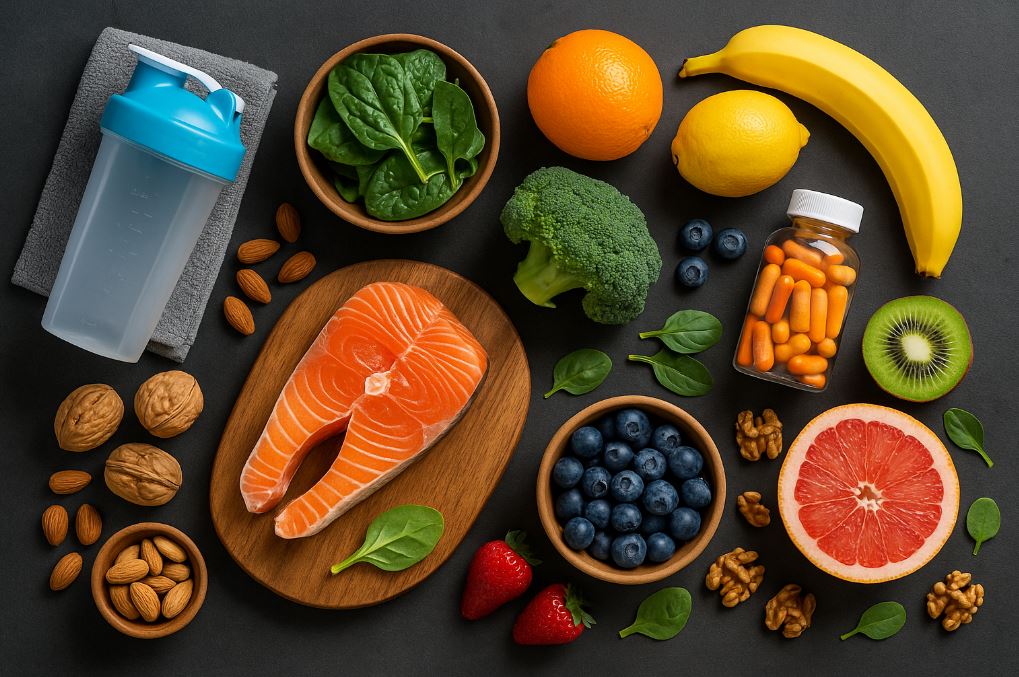
Whole foods should always be the foundation. They provide micronutrients in balanced forms, along with fiber and phytonutrients. However, supplements may help when:
- Diet is restricted (cutting phase, vegan athletes).
- Sunlight exposure is low (vitamin D).
- Sweat losses are high (electrolytes, magnesium, sodium).
- Recovery needs are extreme (antioxidants, zinc).
Bodybuilders, due to their intense workouts, definitely need to take a basic vitamin supplement, which can provide good insurance against vitamin deficiencies. Follow the dosage suggestions on the bottle unless advised to do otherwise by your doctor.
⚠️ Over-supplementation is risky: fat-soluble vitamins (A, D, E, K) and minerals like iron can accumulate to toxic levels. Always prioritize food first.
Conclusion about micronutrients in bodybuilding
Micronutrients in bodybuilding may not be as glamorous as protein shakes or carb timing, but they are the foundation of performance. Without optimal vitamins and minerals, recovery slows, hormones suffer, and muscle growth stalls. By focusing on a micronutrient-rich diet—supported by smart supplementation when needed—you give yourself the best chance to train harder, recover faster, and build muscle safely.
