


Among all the micronutrients involved in hormone regulation, zinc stands out as one of the most crucial for testosterone production and overall male health and vitality. This trace mineral is the silent powerhouse behind hundreds of enzymatic reactions that support protein synthesis, muscle repair, immunity, and hormonal health. Without adequate zinc, testosterone levels can plummet — even when your training, diet, and recovery are on point. That’s why nearly every testosterone booster supplement includes zinc as a core ingredient.
Discover how zinc supports your endocrine system, boosts natural testosterone, and keeps your body performing at its best — naturally and safely.
What Is Zinc? — Definition and Sources
Zinc is an essential trace mineral required by more than 300 enzymes in the human body. It plays a vital role in protein synthesis, immune defense, DNA replication, and most importantly, testosterone and sperm production.
Because the human body doesn’t store zinc, consistent dietary intake is essential.
Main dietary sources:
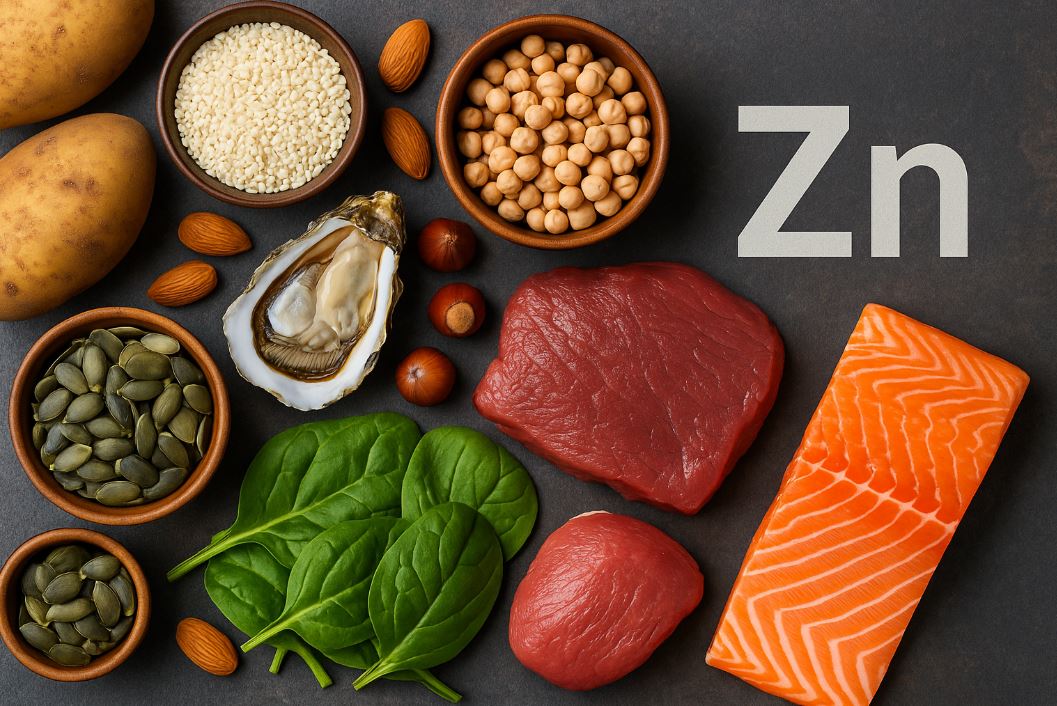
- Oysters, red meat, poultry, and seafood
- Dairy, eggs, legumes, nuts, and seeds
- Whole grains and fortified cereals (although plant zinc is less bioavailable due to phytates)
Supplemental forms include zinc gluconate, zinc picolinate, and zinc monomethionine — the latter two are more easily absorbed. Athletes, vegans, and people who sweat heavily are at the highest risk of deficiency.
How Zinc Affects Testosterone — Mechanism Explained
Zinc acts as a biological catalyst, helping to keep your hormonal axis functioning efficiently. It influences both the HPG axis (hypothalamic–pituitary–gonadal) — the communication pathway between your brain and testes — and the enzymes responsible for testosterone synthesis inside the Leydig cells.
When zinc levels drop, the entire hormonal chain becomes sluggish: the brain releases less GnRH, the pituitary produces less LH, and the testes respond with weaker testosterone output. In simple terms, your body loses its hormonal “signal strength.”
Here’s how zinc works step by step:
- 🧠 Stimulates the hypothalamus → Zinc supports the release of gonadotropin-releasing hormone (GnRH), which triggers the hormonal cascade that ultimately produces testosterone.
- ⚙️ Promotes LH release → The pituitary gland releases luteinizing hormone (LH), which directly stimulates testosterone synthesis in the testes.
- 🔬 Activates Leydig cells → These specialized testicular cells convert cholesterol into testosterone. Without sufficient zinc, this conversion process is significantly weakened.
- 🚫 Reduces aromatase activity → Zinc inhibits the aromatase enzyme, which prevents excessive conversion of testosterone into estrogen — keeping the hormonal balance tilted toward muscle-building potential.
- 🛡️ Protects testicular tissue → Its antioxidant properties defend the testes from oxidative damage caused by stress, overtraining, and environmental toxins.
In addition, zinc may enhance androgen receptor sensitivity, meaning it helps your body use testosterone more effectively, not just produce it.
Mechanism of Action — Simplified
🧠 Hypothalamus ↑ → ⚙️ LH ↑ → 🔬 Leydig Cells ↑ → 💪 Testosterone ↑ → 🚫 Aromatase ↓ → 🧬 Hormone Balance & Fertility ↑
In short, zinc strengthens communication between your brain and testes, ensuring your body produces and maintains healthy testosterone levels.
If terms like “Leydig cells” or “aromatase” sound complex — don’t worry. You don’t need a biochemistry degree to understand zinc’s central role: it keeps your hormonal machinery running smoothly.
Proven Benefits for Bodybuilding and Men’s Health
Zinc doesn’t artificially increase testosterone (like anabolic steroids) — it helps your body restore and maintain optimal hormonal balance. That’s what makes it an essential mineral for athletes, strength trainers, and men facing hormonal or recovery challenges.
When zinc levels are adequate, the endocrine system functions like a finely tuned engine — producing enough testosterone to support muscle growth, energy, and recovery. However, when zinc levels are low, cortisol and inflammation often rise, leading to slower gains and increased fatigue.
In my coaching experience, zinc is one of those “silent” performance boosters. You don’t get the sudden rush that comes from pre-workouts — instead, you feel more stable energy, deeper sleep, and better recovery. Clients who fix their zinc deficiency often report renewed motivation within a month.
Key benefits:
- Supports testosterone synthesis and helps maintain stable serum levels, which are vital for muscle protein synthesis and long-term anabolic signaling.
- Prevents testosterone decline during periods of overtraining or caloric restriction — a common issue among competitive bodybuilders and athletes cutting weight.
- Improves sperm quality and fertility by protecting testicular cells from oxidative stress, maintaining reproductive and hormonal health.
- Strengthens immune defense and reduces systemic inflammation, allowing for faster recovery and fewer training interruptions.
- Enhances muscle repair, recovery, and protein utilization, helping athletes bounce back from intense workouts more efficiently.
- Promotes mental stability, libido, and drive, as hormonal balance affects neurotransmitters such as dopamine and serotonin.
- It may also help regulate appetite and metabolism, indirectly supporting body composition goals.
Without sufficient zinc, even the best-designed training and nutrition program can underperform — like an engine running low on oil. Maintaining this mineral in the optimal range ensures your testosterone, performance, and recovery stay on track.
Over the years, I’ve noticed a clear pattern — athletes who were chronically tired, low on motivation, or recovering poorly often turned out to be zinc deficient. Once we optimized their zinc intake, their energy and focus noticeably improved within a few weeks. It wasn’t a placebo — it was their hormonal system finally working as it should.
Even small changes in micronutrient balance can make a huge difference in how you feel and perform. When testosterone, recovery, and mood improve together, training starts feeling effortless again — that’s usually when I know we’ve nailed the zinc factor.
Scientific Evidence — Key Human Studies
Before concluding, it’s essential to look at what human research actually says about the relationship between zinc and testosterone.
Over the past few decades, several controlled trials have investigated the impact of zinc status on hormone levels, fertility, and performance — particularly in athletes and men with marginal zinc deficiencies.
Interestingly, the pattern observed in zinc studies mirrors that of other natural testosterone-supporting ingredients, such as Fenugreek and Tongkat Ali: those with low or borderline testosterone levels tend to experience the most significant improvements. In contrast, men with already optimal levels experience minimal or no changes.
| Authors / Year | Study Title | Main Findings | Result |
|---|---|---|---|
| Prasad et al., 1996 | Zinc status and serum testosterone levels in men | Zinc-deficient men had 75% lower testosterone. Supplementation restored levels after 6 months. | ✅ |
| Kilic et al., 2007 | Effects of zinc supplementation on athletes during exhaustive exercise | Prevented post-exercise testosterone drop; improved antioxidant status. | ✅ |
| Fallah et al., 2018 | Zinc and male fertility: meta-analysis | Improved sperm count, motility, morphology; linked to higher testosterone. | ✅ |
| Hunt et al., 1992 | Low dietary zinc and hormonal changes in men | Zinc restriction led to reduced testosterone and sperm function within 20 weeks. | ✅ |
| Koehler et al., 2019 | Zinc supplementation in eugonadal men | No major changes in men with already optimal zinc and testosterone levels. | ❌ |
If your diet already provides plenty of zinc — through meat, seafood, and eggs — you may not see dramatic hormonal shifts. But if you’re a vegan, heavy sweater, or intense lifter, zinc can be the missing link that restores performance, libido, and focus.
Potential Side Effects and Safety
When it comes to zinc supplementation, more isn’t always better. Although zinc is one of the safest and most well-studied minerals, taking excessive doses for long periods can create trace mineral imbalances and interfere with the absorption of other nutrients — particularly copper and iron.
In general, zinc is well-tolerated when taken in moderate, evidence-based amounts. The recommended daily intake for men is around 11 mg, while most testosterone-support formulas use 15–30 mg per day, which remains within the safe physiological range for healthy adults.
Some clinical studies even used short-term doses of up to 40 mg without notable adverse effects, though such levels are not intended for long-term daily use.
Possible side effects of excess zinc:
- Mild nausea or stomach discomfort, especially if taken on an empty stomach
- Headache or metallic taste in the mouth
- Reduced copper absorption, leading to fatigue or a weakened immune response after prolonged high intake
- Occasionally, digestive upset or decreased appetite
To maintain mineral balance, choose supplements that include both zinc and copper, ideally in a 10:1 ratio. This combination supports optimal enzyme function and prevents micronutrient competition.
Moreover, it’s wise to cycle zinc occasionally — for example, 8–12 weeks on, followed by a short break — especially if you use multiple fortified supplements or multivitamins containing zinc.
Therefore, while zinc is highly safe and beneficial within the recommended range, exceeding the upper limit (40 mg daily) for months at a time offers no additional benefit and may actually work against your hormonal goals.
Recommended Dosage and Usage
Dosage
Finding the right zinc dosage isn’t about taking more — it’s about maintaining balance and consistent daily intake. Zinc acts more like a regulator than a stimulant, meaning that steady levels over time provide far better hormonal and recovery benefits than sporadic high doses.
For healthy adult men, the recommended dietary allowance (RDA) is 11 mg per day, while most effective testosterone-supporting supplements use 15–30 mg of elemental zinc daily. This dosage range is considered both safe and effective for athletes, bodybuilders, and men with marginal deficiencies.
Timing
Zinc is best taken with food, ideally during breakfast or lunch. Taking it on an empty stomach can occasionally cause mild nausea or digestive discomfort. In contrast, when combined with a meal containing protein and healthy fats, zinc absorption and utilization improve significantly.
Forms of Zinc (and Why They Matter)
- Zinc Picolinate → Highly bioavailable, gentle on the stomach, and ideal for long-term daily use.
- Zinc Monomethionine → Excellent absorption and antioxidant synergy; often found in ZMA formulas.
- Zinc Gluconate → Common, cost-effective, but slightly less absorbed than the previous two.
- Zinc Citrate → Well tolerated for sensitive stomachs, with moderate absorption.
Each of these forms contains a different amount of elemental zinc, so it’s crucial to check labels — 30 mg of zinc gluconate, for instance, provides only about 4 mg of actual elemental zinc.
Combination tips
Zinc works exceptionally well when combined with magnesium and vitamin B6 (in the ZMA complex), as these nutrients complement each other in supporting muscle recovery, hormonal regulation, and deep sleep.
However, avoid taking zinc simultaneously with iron or calcium, as they compete for absorption in the gut.
Consistency is key — zinc doesn’t deliver instant results like a stimulant, but after several weeks of proper dosing, you’ll notice more stable energy, recovery, and mood.
Best Combinations (Stack Ideas)
| Stack Combination | Why It Works |
|---|---|
| Zinc + Magnesium (ZMA) | A classic and proven combination that supports testosterone production, recovery, and deep sleep. Magnesium complements zinc by enhancing muscle relaxation and cellular energy metabolism. |
| Zinc + D-Aspartic Acid | D-AA stimulates the release of LH and testosterone at the pituitary level, while zinc ensures the testes respond effectively to that hormonal signal. Excellent synergy for short cycles aimed at hormonal reset. |
| Zinc + Fenugreek | Fenugreek may boost free testosterone by reducing SHBG, and zinc supports total testosterone synthesis. Together, they enhance hormonal efficiency and recovery during demanding training phases. |
| Zinc + Tongkat Ali | Perfect for men under chronic stress or fatigue. Tongkat Ali helps regulate cortisol and LH, while zinc stabilizes testicular testosterone production. Ideal for natural lifters or those on cutting programs. |
| Zinc + Vitamin D3 + Omega-3 | This trio improves hormone signaling, immune defense, and inflammation control — creating an environment where testosterone and recovery thrive naturally. |
When used together, these combinations create a synergistic effect by targeting different parts of the hormonal and recovery pathways.
For instance, while D-Aspartic Acid primarily acts through the brain–pituitary connection, Fenugreek helps to free bound testosterone, and Zinc maintains enzyme integrity within the testes.
Adding Tongkat Ali or Vitamin D3 complements the process by improving stress regulation and receptor sensitivity.
Who Benefits Most From Zinc Supplementation
Zinc supplementation provides noticeable benefits for men and athletes whose dietary or lifestyle habits increase their risk of deficiency.
While zinc can support hormonal health in nearly everyone, certain groups may benefit more than others due to higher nutrient requirements or increased physical stress.
You’re likely to benefit from zinc if you:
- Follow a plant-based or vegetarian diet, since plant foods contain phytates that reduce zinc absorption.
- Are you a strength athlete or bodybuilder who sweats heavily? Zinc is lost in significant amounts through perspiration.
- Are you experiencing low energy, libido, or slower recovery despite proper sleep and nutrition?
- Are over 40, as absorption efficiency naturally declines with age.
- Are under chronic stress, which increases zinc excretion and can suppress testosterone over time.
- Frequently use multivitamins or fat-burners that deplete zinc through the use of caffeine or diuretics.
In particular, athletes who train intensely while eating calorie-restricted or “clean” diets often underestimate how quickly their zinc levels can drop.
Therefore, restoring adequate zinc intake can make a visible difference in strength consistency, mood, recovery speed, and hormonal stability.
Over the years, I’ve worked with many clients who had great training programs but kept hitting a wall with fatigue and recovery. Once we corrected basic deficiencies — especially zinc and magnesium — their progress returned almost immediately. Don’t underestimate the small things; micronutrients often separate good results from great ones.
Who Should Avoid Excessive Zinc
Although zinc is essential, taking too much can be counterproductive. High doses for extended periods can interfere with copper and iron absorption and may suppress immune function — the exact opposite of what most athletes want.
Avoid or use zinc cautiously if you:
- Already eat a meat-rich diet (steak, liver, seafood several times weekly).
- Are taking a multivitamin that includes 15–30 mg of zinc — adding more could exceed safe limits.
- Have a known copper deficiency or anemia related to mineral imbalance.
- Suffer from chronic digestive conditions (Crohn’s, IBS) that affect nutrient absorption — medical guidance is required.
- Are under 18, since young men already produce peak testosterone naturally.
- Are pregnant or breastfeeding, where mineral requirements differ.
While zinc toxicity is rare, maintaining a balanced intake is key. If you experience persistent nausea, loss of taste, or unexplained fatigue while supplementing, it may be a sign of mineral imbalance rather than improvement. Therefore, it’s wise to take periodic breaks or have your mineral levels checked through a simple blood test if you consistently use supplements.
Conclusion
Zinc may be miniature in quantity, but its impact on testosterone, recovery, and overall performance is massive.
By supporting hormonal balance, muscle repair, and immune defense, zinc acts as one of the true foundations of male vitality — especially for bodybuilders and athletes.
If your diet or training lifestyle increases zinc loss, restoring proper intake can reignite strength, focus, and endurance. In short, maintaining optimal zinc levels isn’t just a supplement strategy — it’s a cornerstone of long-term performance and health.
Can zinc improve sleep quality and recovery?
Yes — zinc contributes to melatonin production and nervous system regulation, which promotes deeper, more restorative sleep. Better sleep, in turn, supports testosterone recovery and muscle growth.
Does zinc help control cortisol levels?
Indirectly, yes. Zinc reduces the body’s stress response by moderating adrenal gland activity. Lower cortisol means less testosterone suppression — an advantage during intense training or dieting.
Is zinc effective for vegan bodybuilders?
Absolutely. Vegans often have lower zinc levels because plant foods contain phytates that bind minerals. Supplementing 15–30 mg of zinc daily can help restore balance and support hormonal function.
Can zinc supplementation help with acne or oily skin?
Yes. Zinc regulates sebum production and supports immune defense against acne-causing bacteria. This skin benefit often appears alongside improved hormonal balance.
What’s the best time of day to take zinc for maximum absorption?
Morning or midday with a meal is ideal. Avoid taking zinc late at night with calcium or iron-rich foods, since these minerals compete for absorption.
Does zinc affect dopamine or mood levels?
Yes — zinc is a cofactor for enzymes involved in dopamine synthesis. Higher zinc levels are linked to improved motivation, focus, and mental clarity — all critical for consistent gym performance.
Is zinc helpful during cutting or calorie-restricted diets?
Definitely. Zinc supports thyroid and metabolic function, helping maintain energy and testosterone levels even when calories are low — crucial for preserving lean muscle mass during a cut.
Can zinc reduce inflammation from heavy training?
Yes. Zinc plays a central role in antioxidant defense and reduces post-exercise oxidative stress, which speeds up recovery and limits tissue damage.
How long should I take zinc supplements before seeing results?
Most users notice improvements in 3–6 weeks, especially if starting from a deficiency. However, maintaining optimal levels continuously gives the best long-term results.
Can zinc supplementation enhance the effects of testosterone boosters?
Yes — zinc acts as a foundation. It amplifies the effectiveness of other ingredients like D-Aspartic Acid, Fenugreek, or Tongkat Ali, ensuring the body can actually use the increased hormonal signals efficiently.
This article is for informational purposes only and should not replace professional medical advice. Always consult your physician or a qualified healthcare provider before starting any supplement, especially if you have pre-existing health conditions or take prescription medication.
