

📌 Introduction: Why This Guide Matters
The use of anabolic steroids in bodybuilding has long sparked debates within the fitness community, regulatory bodies, and medical circles. These compounds, while capable of significantly enhancing muscular size and performance, come with complex physiological effects and legal implications.
This ultimate guide aims to demystify the world of anabolic steroids — from how they work to why they’re used, and from the risks they pose to the reality behind professional use in competitive bodybuilding (both for men and women). It’s also designed to serve as a central hub for in-depth exploration of specific topics, featuring links to our detailed articles on individual steroids, testing, post-cycle therapy, and other related topics.
📌 What Are Anabolic Steroids?
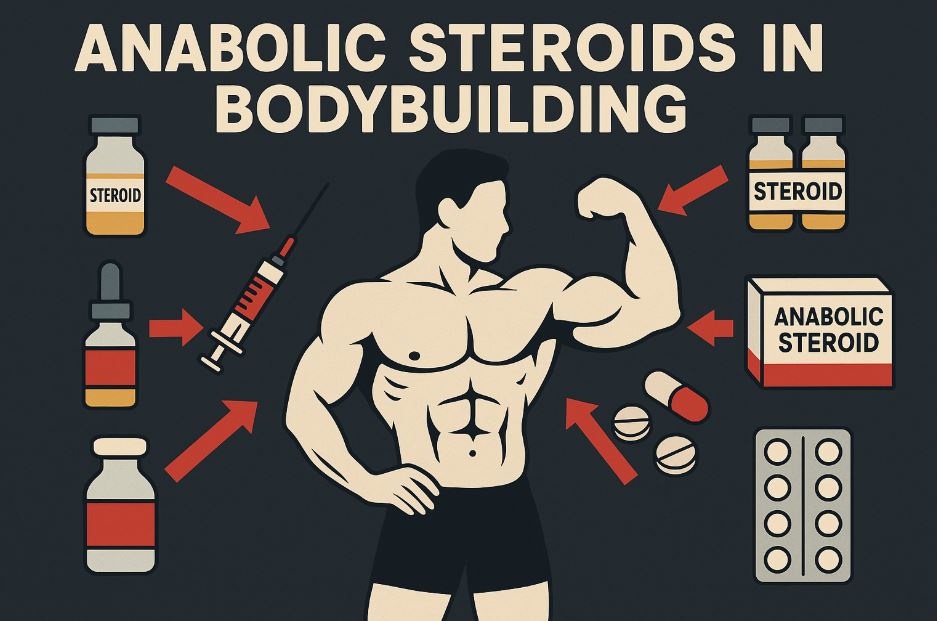
Anabolic-Androgenic Steroids (AAS) are synthetic derivatives of the male sex hormone testosterone, the master muscle-building hormone. Their primary function is to promote muscle growth (anabolic effects) and enhance male sexual characteristics (androgenic effects).
- Anabolic = Muscle building
- Androgenic = Development of male traits (e.g., deep voice, facial hair)
These compounds were originally developed for medical purposes, including the treatment of muscle wasting, delayed puberty, and hormonal deficiencies. However, their performance-enhancing capabilities have led to widespread misuse, particularly in the world of bodybuilding.
Despite their legitimate medical uses, the biggest market for most of these drugs is in sports, and the sport most closely associated with these drugs is bodybuilding.
📌 History and Medical Origins of Anabolic Steroids
Anabolic steroids did not originate in bodybuilding circles. Their roots are firmly grounded in legitimate medical science. In the 1930s, German scientists first synthesized testosterone, initially to treat conditions like hypogonadism and muscle-wasting diseases. During World War II, reports emerged of testosterone being administered to soldiers to boost aggression and performance. This laid the groundwork for wider experimentation with synthetic analogs.
By the 1950s and 60s, anabolic steroids had reached the athletic domain. Soviet and Eastern Bloc athletes began using them to dominate international competitions, prompting Western countries to adopt similar approaches. The rise of anabolic steroids in bodybuilding began in earnest during the Golden Era (1960s–1970s), especially with figures like Arnold Schwarzenegger popularizing the sport. Since then, the distinction between medical use and performance enhancement has become increasingly blurred.
In medical contexts, anabolic steroids remain valuable tools. They’re prescribed to treat delayed puberty, muscle atrophy due to AIDS or cancer, severe burns, and certain types of anemia. However, these applications are tightly regulated and monitored.
- 1930s: German scientists isolate testosterone; synthetic versions begin to emerge.
- 1950s–1970s: Widespread adoption in Olympic weightlifting and professional sports.
- 1980s–1990s: Steroids become associated with elite bodybuilding, including Mr. Olympia champions.
- 1990: The Anabolic Steroid Control Act is passed in the United States, classifying AAS as controlled substances.
- 2000s–present: Growing concern over health risks, stricter doping regulations, and increased black market activity.
Despite tighter laws, the underground use of anabolic steroids in bodybuilding continues to thrive, especially in competitive circles and social media-driven “physique culture.”
🔗 Related read: History of Anabolic Steroids in Sports: From Ancient Roots to Modern Controversies
📌 Medical Uses vs. Performance Enhancement
Anabolic steroids have legitimate medical applications, but the dosages used therapeutically differ drastically from those used for bodybuilding. For example:
| Medical Use | Typical Medical Dose | Bodybuilding Use |
|---|---|---|
| Hypogonadism (low testosterone) | 100–200 mg/week | 400–1000+ mg/week |
| Muscle wasting (e.g., HIV) | 50–100 mg/day (oral) | Stacking multiple compounds |
| Delayed puberty | Short-term administration | Cycled use over 8–16 weeks |
Athletes typically abuse these compounds in supraphysiological doses, which increases both anabolic effects and side effects.
📌 Mechanism of Action — How Anabolic Steroids Work in the Body
Understanding how anabolic steroids work helps explain both their dramatic effects and their potential dangers. Anabolic steroids are synthetic derivatives of testosterone, the primary male sex hormone. They exert their influence through several physiological mechanisms:
1. Androgen Receptor Binding
Steroid molecules bind to androgen receptors in muscle cells. Once bound, this complex enters the nucleus of the cell and stimulates gene expression, promoting the synthesis of muscle-specific proteins.
- Result: Increased protein production → faster muscle repair and hypertrophy (muscle growth)
2. Enhanced Protein Synthesis
Steroids accelerate the body’s ability to synthesize new proteins, which are the building blocks of muscle tissue.
- Result: Faster recovery between workouts and more muscle mass accumulation
3. Nitrogen Retention
Steroids improve the body’s nitrogen balance — a marker of muscle anabolism. More nitrogen means more capacity to build and maintain lean tissue.
- Result: Positive nitrogen balance → prolonged muscle-building state
4. Increased IGF-1 and Satellite Cell Activity
Steroid use boosts levels of Insulin-Like Growth Factor-1 (IGF-1) and activates satellite cells (muscle stem cells).
- Result: IGF-1 supports muscle repair and new fiber formation; satellite cells contribute to muscle regeneration
5. Elevated Red Blood Cell Production (Erythropoiesis)
Steroids stimulate the production of red blood cells by enhancing erythropoietin activity.
- Result: More oxygen transport → better endurance and performance
💡 Layman’s Explanation Table
| Term | Simple Explanation |
|---|---|
| Protein Synthesis | The body’s way of building muscle from nutrients and training |
| Nitrogen Retention | Helps muscles stay in a growth-friendly state |
| IGF-1 Activity | A hormone that helps muscles recover and grow faster |
| Erythropoiesis | Creation of red blood cells that carry oxygen to muscles |
📌 Potential Benefits of Anabolic Steroids in Bodybuilding
Anabolic steroids, when used in bodybuilding contexts, can yield rapid and impressive physical transformations. While these substances carry significant risks, it’s important to understand why athletes and bodybuilders are drawn to them in the first place.
Below are the most commonly cited benefits, each followed by the mechanism, result, and scientific evidence where applicable.
1. Rapid Muscle Growth
- Mechanism: Increased protein synthesis and activation of androgen receptors in muscle cells.
- Result: Faster hypertrophy and an increase in muscle volume, especially when combined with resistance training.
- Study: “The effects of supraphysiologic doses of testosterone on muscle size and strength in normal men” – Bhasin et al., 1996 (NEJM)
2. Increased Strength and Power
- Mechanism: Steroids boost neuromuscular efficiency and increase muscle fiber size.
- Result: Enhanced power output, particularly in compound movements (e.g., bench press, squat).
- Study: “Anabolic steroids and strength performance” – Rogerson et al., Sports Med, 2007
3. Reduced Recovery Time
- Mechanism: Decreased cortisol levels and enhanced muscle repair processes.
- Result: Shorter downtime between intense workouts, allowing for higher training volume and frequency.
- Study: “Anabolic steroids in sport and exercise: mechanisms of action and effects on performance” – Hartgens & Kuipers, 2004
4. Preservation of Lean Mass During Cutting
- Mechanism: Anti-catabolic properties of AAS prevent muscle breakdown during caloric restriction.
- Result: Maintains muscle while reducing body fat — essential in contest prep phases.
- Study: “Effects of Androgenic-Anabolic Steroids in Athletes” – Hartgens F, Kuipers H, Journal: Sports Medicine (2004)
5. Increased Red Blood Cell Count
- Mechanism: Stimulation of erythropoiesis via increased erythropoietin activity.
- Result: Improved endurance and resistance to fatigue during intense training sessions.
- Study: “Effects of graded doses of testosterone on erythropoiesis in healthy young and older men” – Coviello et al., 2008
6. Boosted Motivation and Confidence (Subjective)
- Mechanism: Steroids may influence neurotransmitter activity, leading to increased dopamine and aggression.
- Result: Some users report increased motivation, mental edge, and drive to train hard.
- Note: These effects are highly individual and can lead to mood swings or irritability in some.
⚠️ A Critical Reminder: While these benefits may seem appealing, they come at a cost — the next sections will outline in detail the short- and long-term health risks that accompany steroid use, especially when used outside of a medical context or under improper supervision.
📌 Types of Anabolic Steroids and Their Administration
Anabolic steroids fall into two primary categories: oral and injectable. While both aim to deliver synthetic testosterone or its derivatives into the body, their mechanisms and impact differ significantly.
Oral Anabolic Steroids
These steroids are taken in pill or tablet form. They are chemically modified (alkylated at the 17th carbon) to survive liver metabolism, allowing effective systemic circulation.
Pros
Cons
Injectable Anabolic Steroids
Injected (using a hypodermic needle) directly into the muscle, these compounds usually come in esterified forms (e.g., enanthate, cypionate) to control the release rate.
Pros
Cons
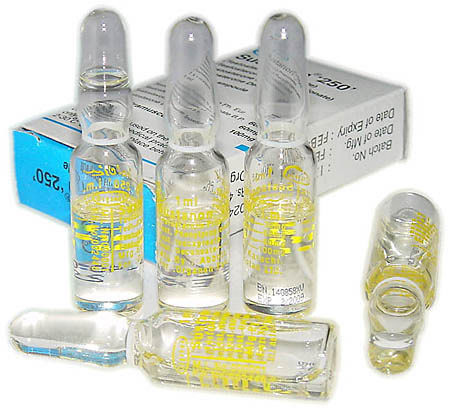
What You Should Know: Oral steroids may seem appealing for beginners due to ease of use, but their liver impact makes long-term use risky. Injectable forms, while more complex to administer, offer greater stability and reduced hepatic stress. Injectable steroids provide more stable blood levels and are generally used in long-term cycles.
| Steroid Name | Type | Half-Life (Approx.) | Main Benefit | Common Use |
|---|---|---|---|---|
| Dianabol (Methandrostenolone) | Oral | 4–6 hours | Rapid strength gains | Bulking |
| Anavar (Oxandrolone) | Oral | 9–10 hours | Lean muscle retention | Cutting |
| Winstrol (Stanozolol) | Oral | 9 hours | Hard, dry appearance | Cutting |
| Testosterone Enanthate | Injectable | 8–10 days | Overall mass and strength | Bulking/Maintenance |
| Testosterone Propionate | Injectable | 2–3 days | Fast-acting testosterone | Cutting/Test base |
| Deca-Durabolin (Nandrolone Decanoate) | Injectable | 14–16 days | Joint support, mass gains | Bulking |
| Trenbolone Acetate | Injectable | 2–3 days | Extreme strength & hardness | Pre-contest |
| Primobolan (Methenolone Enanthate) | Injectable | 10–14 days | Mild lean gains, safe profile | Cutting / Recomp |
| Superdrol (Methasterone) | Oral | 6–8 hours | Dry muscle mass + strength | Short aggressive bulks |
| Mibolerone (Cheque Drops) | Oral | ~4 hours | Instant aggression boost | Pre-competition (power) |
| Turinabol (T-bol) | Oral | ≈16 hours | Clean, dry gains, no aromatization | Cutting and lean-mass steroid |
Bulking vs. Cutting Steroids
When it comes to anabolic steroid use in bodybuilding, compounds are often classified based on their intended goal — bulking or cutting.
Bulking steroids are primarily used during phases of mass gain. They help bodybuilders and athletes rapidly increase muscle size, strength, and overall body weight. These compounds typically promote intense nitrogen retention, increased appetite, and enhanced protein synthesis, which are all crucial for muscle hypertrophy.
Cutting steroids, on the other hand, are used during fat-loss phases. Their goal is to preserve lean muscle tissue while shedding body fat. These compounds often exhibit drying effects (reduced water retention) and help achieve a harder, more vascular appearance — ideal for contest prep or photo shoots.

📌 Side Effects of Anabolic Steroids in Bodybuilding
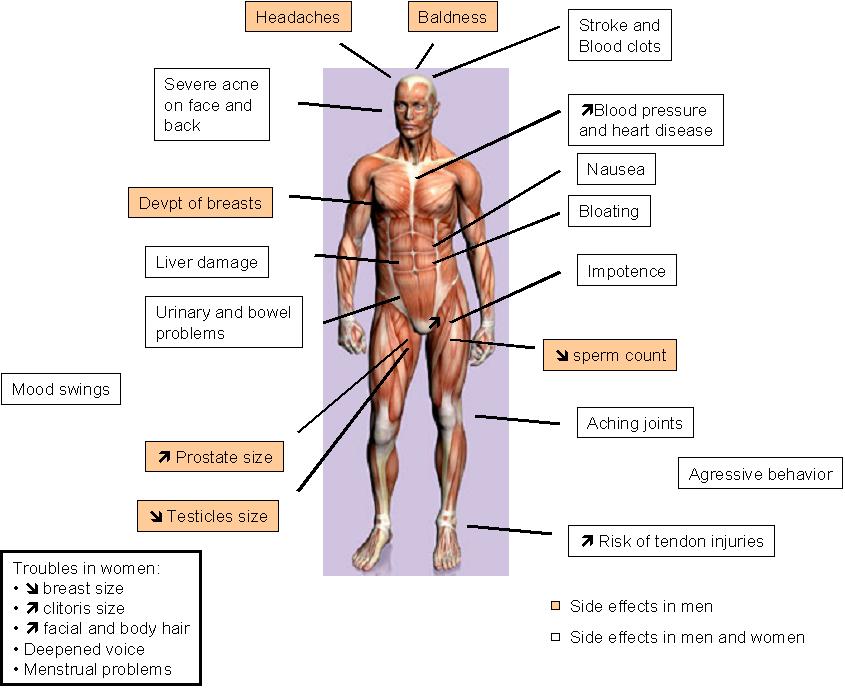
While anabolic steroids can enhance muscle mass, strength, and performance, their use comes with a significant range of adverse effects. These side effects differ based on:
- Sex (men vs. women)
- Method of administration (oral vs. injectable)
- Duration and dosage of use
- Genetic predisposition and overall health
Below is an overview of the most common side effects, categorized by gender and method of use.
1. Common Side Effects in Men
| Side Effect | Cause | Reversibility |
|---|---|---|
| Testicular atrophy | Suppressed natural testosterone production | Often reversible with PCT |
| Gynecomastia | Aromatization into estrogen | May require surgery if severe |
| Acne & oily skin | Increased sebum production | Usually reversible |
| Hair loss | Acceleration of male pattern baldness | Irreversible if genetically predisposed |
| Infertility | Suppression of spermatogenesis | Often reversible, but not always |
2. Common Side Effects in Women
| Side Effect | Cause | Reversibility |
|---|---|---|
| Deepened voice | Androgenic effect on vocal cords | Often irreversible |
| Facial hair growth (hirsutism) | Increased androgen levels | Partially reversible |
| Menstrual disruption | Hormonal imbalance | Usually reversible |
| Clitoral enlargement | Androgen stimulation | Often irreversible |
| Hair loss | Similar to male pattern baldness | Irreversible in most cases |
🔗 Related read: Anabolic Steroids Effects on Women: Health Risks & Hormonal Impact
3. Specific Concerns: Oral Steroids
Oral AAS passes through the liver and is often 17-alpha-alkylated, which increases hepatotoxicity.
| Risk | Explanation |
|---|---|
| Liver toxicity | Can cause elevated liver enzymes and long-term liver damage |
| Lipid imbalance | Oral steroids tend to lower HDL and raise LDL significantly |
| Elevated blood pressure | Due to increased water retention and vascular strain |
🔗 Related read: Are Professional Bodybuilders Truly Healthy?
4. Specific Concerns: Injectable Steroids
While injectable steroids bypass the liver, they carry other types of risk.
| Risk | Explanation |
|---|---|
| Injection site infections | Due to improper technique or unsterile compounds |
| Nerve damage | From incorrect injection placement |
| Pulmonary oil microembolism (POME) | Rare but serious complications with some esters |
5. Long-Term Health Consequences
Let’s highlight long-term consequences that many users either overlook or underestimate.
| System | Potential Damage |
|---|---|
| Cardiovascular | Increased risk of heart attack, stroke, and hypertension |
| Liver | Hepatic tumors (esp. with orals), cholestasis |
| Kidneys | Focal segmental glomerulosclerosis (in heavy users) |
| Mental Health | Aggression, depression, mood swings, and dependency syndrome |
Summary of Risks: Even short-term cycles can cause long-lasting disruptions to endocrine and cardiovascular systems. Women are especially vulnerable to irreversible virilization effects, while men face testicular shrinkage, infertility, and mood instability.
📌 Half-Lives of Steroids: Why Timing Matters
Each anabolic steroid has a unique half-life, which is the time it takes for the substance’s concentration in the bloodstream to reduce by half. This characteristic determines the frequency of administration and the duration of detectability in the system.
| Steroid | Half-Life | Administration |
|---|---|---|
| Testosterone Propionate | ~2–3 days | Injectable |
| Testosterone Enanthate | ~4.5–5 days | Injectable |
| Testosterone Cypionate | ~8 days | Injectable |
| Deca-Durabolin (Nandrolone D.) | ~6–12 days | Injectable |
| Trenbolone Acetate | ~3 days | Injectable |
| Winstrol (Stanozolol oral) | ~9 hours | Oral |
| Dianabol (Methandrostenolone) | ~4–6 hours | Oral |
| Anadrol (Oxymetholone) | ~8–9 hours | Oral |
| Mibolerone (Cheque Drops) | ~3–4 hours | Oral |
What This Means:
- Oral steroids have shorter half-lives, necessitating daily administration and resulting in rapid peak levels.
- Injectable steroids maintain stable blood levels over several days or even weeks. These require less frequent administration (e.g., once a week) but remain in the system for a longer period.
- Timing affects not only effectiveness, but also suppression, side effects, and detection windows in drug testing.
🔗 Related read: Half-Lives of Common Steroids: Why Timing Matters
📌 Understanding Ester Chains: A Crucial Component
The ester attached to a steroid molecule controls the speed, duration, and frequency of its release. Esters don’t affect potency but influence pharmacokinetics.
| Steroid | Ester | Approximate Half-Life | Injection Frequency |
|---|---|---|---|
| Testosterone Propionate | Propionate | ~2 days | Every 2 days |
| Testosterone Cypionate | Cypionate | ~8 days | 1-2 times/week |
| Nandrolone Decanoate | Decanoate | ~15 days | Once every 7–10 days |
Understanding esters enables users to plan cycles, stack combinations, and design PCT protocols more effectively.
- Short esters (e.g., propionate) = Fast-acting, require frequent injections.
- Long esters (e.g., enanthate, cypionate) = Slower release, less frequent dosing.
Ester doesn’t change the steroid’s action — it just modifies the duration and release rate.
📌 Steroid Testing & Detection Times
Athletes subject to testing must be aware that steroid metabolites remain detectable well beyond the active period of the drug. Detection times depend on the compound, dose, duration, and test sensitivity. Modern testing utilizes GC-MS (Gas Chromatography-Mass Spectrometry) and LC-MS/MS, which are highly sensitive and specific methods.
| Steroid | Detection Time |
|---|---|
| Testosterone Enanthate | Up to 3 months |
| Nandrolone Decanoate (Deca) | 18 months |
| Dianabol (Methandrostenolone) | 5–6 weeks |
| Trenbolone | 4–5 months |
| Winstrol (Stanozolol) | 2–3 weeks |
🔗 Related read: Steroid Testing & Detection Times: What Athletes Should Know
📌 Steroid Cycles: Cycling, Stacking, and Pyramiding
Athletes rarely use steroids in isolation or continuously. Instead, they employ cycling strategies to maximize gains while attempting to manage side effects.
1. Cycling
Use of steroids over a set period (e.g., 6–12 weeks), followed by a break or Post Cycle Therapy (PCT).
2. Stacking
Combining multiple steroids to synergize effects — e.g., testosterone with trenbolone and winstrol.
3. Pyramiding
Gradually increasing the dose, peaking mid-cycle, then tapering down before stopping or entering PCT.
These practices lack scientific validation and often result in more severe hormonal suppression and longer recovery periods.
📌 Post Cycle Therapy (PCT): What It Is and Why It’s Essential
After completing a steroid cycle, the body’s natural testosterone production is typically suppressed or entirely shut down. Post Cycle Therapy (PCT) refers to the strategic use of medications or supplements aimed at restoring hormonal balance, minimizing muscle loss, and reducing the risk of long-term endocrine disruption.
Purpose of PCT
- Restart Natural Testosterone Production
The hypothalamic-pituitary-gonadal (HPG) axis becomes suppressed during steroid use. PCT stimulates this system to resume testosterone synthesis. - Prevent Estrogen Dominance
As exogenous testosterone declines, estrogen may become dominant, leading to fat gain, mood swings, and gynecomastia. PCT agents help maintain hormonal balance. - Retain Muscle Gains
A sharp drop in testosterone can lead to catabolism. PCT helps maintain the anabolic state and protect lean muscle mass.
| Drug Name | Class | Purpose |
|---|---|---|
| Clomiphene (Clomid) | SERM (Selective Estrogen Receptor Modulator) | Stimulates LH & FSH to restart testosterone |
| Tamoxifen (Nolvadex) | SERM | Similar to Clomid, often stacked together |
| hCG (Human Chorionic Gonadotropin) | Hormone | Mimics LH; used before PCT to preserve testicular size |
| Aromatase Inhibitors (e.g., Arimidex) | AI (Aromatase Inhibitors) | Reduces estrogen levels |
🔗 Related read: Post-Cycle Therapy Guide (PCT): Purpose, Timing & Protocols
📌 The Psychology Behind Steroid Use in Athletes
Many athletes don’t turn to steroids purely for physical transformation — psychological and social factors often play a major role.
Psychological Drivers
- Performance Pressure
Competing at high levels requires continuous improvement and progression. Steroids promise faster strength and recovery. - Body Image Disorders
Conditions like muscle dysmorphia create a distorted self-image, pushing users to “do more” despite already being muscular. - Social Comparison & Validation
Social media and locker-room culture can foster unrealistic standards and reinforce anabolic drug use as normalized behavior.
🔗 Related read:
- The Psychology of Steroid Use: Why Athletes Risk It
- Pope, H. G., Khalsa, J. H., & Bhasin, S. (2016). Body image disorders and abuse of Anabolic-Androgenic steroids among men. JAMA, 317(1), 23.
📌 Safe vs. Unsafe Sources: Why Online Buying is a Gamble
In an attempt to bypass legal and medical systems, many users resort to underground labs (UGLs) and online black markets to obtain steroids.
Risks of Buying Online
- Product Contamination
Studies show over 60% of UGL steroids contain impurities, underdosed or incorrect compounds. - Fake Labels & Deception
Sellers often use pictures of clean, professional labs, but production often occurs in dirty, unsanitary conditions. - Legal Repercussions
Purchasing steroids without a prescription is illegal in most countries, carrying criminal charges.
🔗 Related read: Safe vs. Unsafe Sources: Why Buying Steroids Online is Dangerous?
📌 Injection Technique Risks: Why Hitting the Right Spot Matters
Injectable anabolic steroids are designed for deep intramuscular administration, typically into the gluteus or deltoid muscle. However, if the injection is accidentally administered into a blood vessel, this can lead to serious complications, including:
- Pulmonary oil microembolism (POME): A rare but potentially dangerous condition where oil-based steroid particles enter the bloodstream and lodge in the lungs, causing coughing, shortness of breath, or even chest pain.
- Coughing fits (often referred to as “test flu”): Users may experience sudden, violent coughing shortly after injection, believed to be triggered by trace amounts of oil entering the pulmonary circulation.
- Systemic reaction: If the compound enters the bloodstream too rapidly, it can provoke dizziness, anxiety, nausea, or rapid heart rate.
📌 Use of Steroids in Professional Bodybuilding
In professional bodybuilding, particularly in competitions such as the Mr. Olympia and Arnold Classic, the extreme physiques displayed on stage often surpass natural limitations. While organizations rarely admit to leniency, insider reports and historical evidence suggest anabolic steroid use is widespread, particularly in Open Bodybuilding, Women’s Physique, and 212 divisions.
Testing and Regulation: A Gray Area
- Federations such as the IFBB Pro League do not publicly disclose detailed anti-doping procedures, and many events are not drug-tested.
- Contrastingly, natural federations like WNBF enforce strict bans and implement polygraph and urinalysis tests.
In female divisions (e.g., Wellness, Women’s Physique, Figure), the visual signs of virilization raise questions about performance enhancement, as achieving such muscle density and hardness naturally is improbable.
📌 Legal Status of Anabolic Steroids Around the World
The legal classification of anabolic steroids (AAS) varies significantly across the globe, reflecting differences in medical policy, sports regulation, and national drug control laws.
United States
- Classified as Schedule III controlled substances under the Anabolic Steroid Control Act.
- Possession without a prescription is illegal and punishable by law.
- Only legally prescribed for medical conditions like delayed puberty or muscle-wasting diseases.
Canada
- Legal for personal use, but illegal to sell or distribute without proper licensing.
- Classified under Schedule IV of the Controlled Drugs and Substances Act.
United Kingdom
- Classified as Class C drugs under the Misuse of Drugs Act.
- Legal to possess for personal use, but illegal to supply.
- Importation via mail or courier is illegal without a prescription.
Australia
- Considered Schedule 4 prescription drugs.
- Illegal to import, possess, or use without a valid prescription.
- Strict penalties apply, and customs routinely intercept packages.
Germany
- Legal only with a prescription.
- Sporting organizations enforce strict anti-doping rules.
Brazil
- Some steroids are available in pharmacies, but require a medical prescription.
- Black market usage is widespread, and enforcement is inconsistent.
| Country | Legal to Possess (Personal Use) | Requires Prescription | Illegal to Sell/Distribute | Notes |
|---|---|---|---|---|
| USA | ❌ No | ✅ Yes | ✅ Yes | Schedule III Controlled |
| UK | ✅ Yes | ✅ Yes | ✅ Yes | Class C Drug |
| Canada | ✅ Yes | ✅ Yes | ✅ Yes | Schedule IV |
| Australia | ❌ No | ✅ Yes | ✅ Yes | Schedule 4 |
| Germany | ✅ Yes | ✅ Yes | ✅ Yes | Heavily monitored |
| Brazil | ✅ Yes (some) | ✅ Yes | ✅ Yes | Variable enforcement |
📌 Natural Alternatives to Anabolic Steroids: Do They Work?
In response to legal and health concerns, many turn to natural alternatives — marketed as “legal steroids.”
| Substance | Mechanism / Claimed Effects | Scientific Support |
|---|---|---|
| Turkesterone | Ecdysteroid (plant steroid) is claimed to enhance protein synthesis and lean mass | Limited human data; promising in animal/in vitro studies |
| Ashwagandha | Adaptogen; reduces cortisol, may increase testosterone, and strength | Supported by several human studies, especially for stress/lifting |
| Creatine Monohydrate | Increases ATP availability, improves strength, muscle mass, and recovery | Strong, consistent scientific evidence |
| Maca Root | May enhance libido and energy; no direct anabolic effects | Mixed results, mostly placebo-driven in humans |
| Tribulus Terrestris | Traditionally believed to boost testosterone | Weak evidence in trained individuals |
| Peptides (e.g. BPC-157, HGH fragments) | Target specific recovery or growth pathways; often fall into grey-area legality | Promising but limited peer-reviewed human data |
| Prohormones | Precursors to active anabolic steroids; chemically altered to bypass regulation | Effective, but often carry steroid-like side effects and legal risk |
Conclusion: Should You Use These?
Natural alternatives to anabolic steroids offer milder, safer options, but most lack the dramatic effects associated with synthetic AAS.
- Creatine remains the most scientifically validated and legal performance enhancer.
- Ashwagandha and Turkesterone may offer marginal benefits, particularly in high-stress training environments.
- Prohormones and peptides sit in a regulatory grey zone, and their use may carry legal and health risks similar to steroids.
- Always evaluate claims critically and rely on compounds with proven safety and efficacy.
📌 Conclusion: An Informed Approach to Performance-Enhancing Drugs in Bodybuilding
The world of anabolic steroids in bodybuilding is layered with complexity, ranging from their powerful effects on muscle growth and recovery to the undeniable risks and long-term consequences. While performance-enhancing drugs (PEDs) have been instrumental in shaping the physiques of elite athletes, their misuse outside clinical supervision has led to widespread health complications, legal issues, and ethical concerns.
As we’ve explored in this comprehensive guide, understanding how steroids work, their half-lives, detection windows, side effects, and psychological impact is essential for any athlete considering or discussing their use. Moreover, alternatives like natural supplements, post-cycle therapy, and responsible training strategies offer paths that prioritize safety, longevity, and sustainable progress.
Ultimately, knowledge is the strongest performance enhancer. Use it to guide not only your training decisions but also your integrity as an athlete.
Consulted Literature & References
- William Llewellyn. Anabolics, 11th Edition. Molecular Nutrition, 2017.
- Yesalis, C. E., & Bahrke, M. S. (2002). Anabolic–androgenic steroids and related substances. Current Sports Medicine Reports, 1(4), 246–252.
- Hartgens, F., & Kuipers, H. (2004). Effects of androgenic-anabolic steroids in athletes. Sports Medicine, 34(8), 513–554.
- Kanayama, G., Hudson, J. I., & Pope Jr, H. G. (2008). Long-term psychiatric and medical consequences of anabolic–androgenic steroid abuse. Drug and Alcohol Dependence, 98(1–2), 1–12.
- Pope, H. G., et al. (2014). Adverse health consequences of performance-enhancing drugs: an Endocrine Society scientific statement. Endocrine Reviews, 35(3), 341–375.
- Evans-Brown, M., et al. (2012). Human enhancement drugs: the emerging challenges to public health. Liverpool John Moores University.
- de Souza, G. L., & Hallak, J. (2011). Anabolic steroids and male infertility: a comprehensive review. BJU International, 108(11), 1860–1865.
- Hoffman, J. R., & Ratamess, N. A. (2006). Medical issues associated with anabolic steroid use: are they exaggerated? Journal of Sports Science & Medicine, 5(2), 182–193.
- Frati, P., et al. (2015). Anabolic androgenic steroid (AAS) related deaths: autoptic, histopathological and toxicological findings. Current Neuropharmacology, 13(1), 146–159.
- Karavolos, S., & Kandaraki, E. A. (2018). The endocrine profile of women using anabolic steroids. Maturitas, 109, 30–35.
- Chandler, M., & Bhasin, S. (2020). Testosterone and anabolic androgenic steroids: a review of mechanisms and effects. Journal of Clinical Endocrinology & Metabolism.
- Ip, E. J., et al. (2011). Characteristics and behaviors of anabolic steroid users. Journal of Psychoactive Drugs, 43(3), 243–248.
- Fitzhugh, R., et al. (2015). Detection times and metabolic pathways of common anabolic steroids. Clinical Chemistry, 61(3), 515–526.
- World Anti-Doping Agency (WADA). (2024). WADA Prohibited List. https://www.wada-ama.org
- ClinicalTrials.gov. (Accessed 2025). Studies on Post Cycle Therapy (PCT) after AAS use.
