


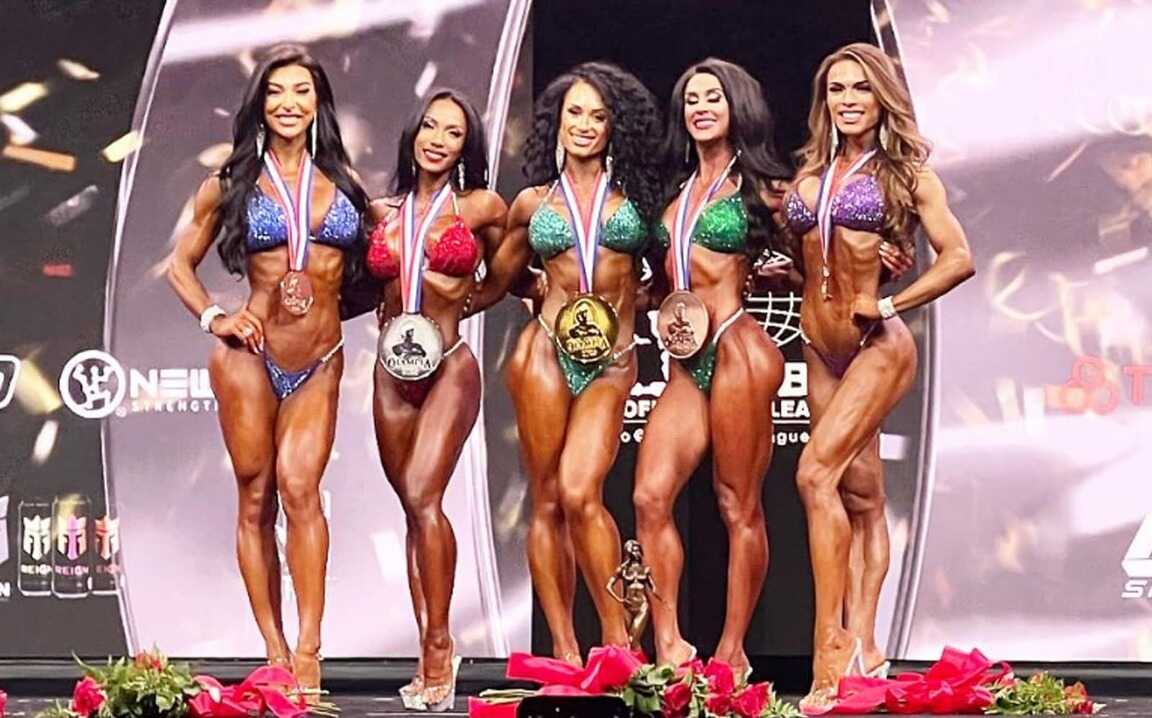
The variety of divisions can feel exciting and overwhelming when stepping into the world of Women’s IFBB Pro League bodybuilding. Each of the six categories temporarily available offers a unique blend of athleticism, aesthetics, and artistry, allowing women to showcase their strength and dedication in distinct ways. With categories designed to highlight different aspects of physique and performance, there’s something for everyone. Discover how each division celebrates diverse strengths and styles, guiding athletes toward achieving their peak form while thrilling audiences worldwide.
A. Overview of IFBB Pro League
The International Federation of Bodybuilding & Fitness (IFBB) Pro League is renowned as one of the most prestigious organizations in the world of competitive bodybuilding. Established to provide athletes with a platform to showcase their dedication, strength, and aesthetic prowess, the IFBB Pro League has become synonymous with excellence and professionalism in the sport. This league is the gateway to elite competitions, including the renowned Mr. Olympia contest, where the most elite athletes vie for top honors. For women, the IFBB Pro League offers an array of divisions that cater to different physiques and presentation styles, reflecting the diversity and dynamism of female bodybuilding.
B. Importance of Understanding Divisions
Understanding the various divisions within the IFBB Pro League is crucial for athletes, fans, and aspiring bodybuilders alike. Each division has criteria emphasizing different aspects such as muscle size, symmetry, conditioning, and overall presentation. This knowledge is vital for athletes to determine where they fit best and how to tailor their training and nutrition to meet specific standards. A deeper understanding of each division enhances the viewing experience for fans, allowing for a greater appreciation of the athletes’ hard work and dedication. Moreover, this knowledge fosters a more inclusive and supportive community by celebrating the unique qualities each division brings to the sport.
C. Purpose of the Guide
The purpose of this guide is to demystify the six women’s IFBB Pro League bodybuilding divisions by providing detailed insights into each category. This guide aims to serve as a valuable resource for anyone interested in the sport, whether they are competitors, coaches, enthusiasts, or newcomers. By exploring the history, characteristics, and notable figures within each division, readers will understand what it takes to excel at the professional level. Furthermore, this guide will highlight the impact these divisions have on the broader landscape of women’s bodybuilding and discuss emerging trends that may shape the future of the sport.
Breaking Down Women’s IFBB Pro League Categories/Divisions
The IFBB Pro League consists of a total of 11 divisions. Six of these are explicitly designed for women, and five are dedicated to men. Let’s break it down:
Women’s Divisions:
- Women’s Bodybuilding
- Fitness
- Figure
- Bikini
- Women’s Physique
- Wellness
- Men’s Open Bodybuilding
- 212 Division
- Classic Physique
- Men’s Physique
- Wheelchair
1. Women’s Bodybuilding (Ms. Olympia)
History and Evolution
The Women’s Bodybuilding Division has a rich history that dates back to the late 1970s, marking the beginning of a new era for women in the sport. The first official female bodybuilding competition, the U.S. Women’s National Physique Championship, took place in 1978, paving the way for many more upcoming contests. The division gained significant traction with the inaugural Ms. Olympia contest in 1980, quickly becoming the pinnacle of women’s bodybuilding competitions. Over the years, women’s bodybuilding has evolved to embrace the pursuit of extreme muscular development and the celebration of strength, discipline, and dedication. The division has undergone various changes, reflecting shifting societal perceptions of female muscularity and athleticism. Despite facing challenges and fluctuating popularity, women’s bodybuilding has remained a cornerstone of the IFBB Pro League, continuing to inspire athletes around the globe.
Key Characteristics
The Women’s Bodybuilding Division is characterized by its emphasis on muscular size, symmetry, and definition. Competitors in this division strive to achieve a well-balanced physique with pronounced muscle mass while maintaining a lean and sculpted appearance. Judges look for athletes who can display their musculature through a series of mandatory poses, including the front double biceps, side chest, and rear lat spread. The division demands physical prowess and the ability to present oneself with confidence and poise on stage. Athletes must demonstrate a deep understanding of muscle control, posing technique, and stage presence, all of which are critical in the judging process.
C. Notable Athletes
Throughout history, the Women’s Bodybuilding Division has seen numerous iconic figures who have left an indelible mark on the sport. Among these trailblazers is Cory Everson, a six-time Ms. Olympia winner known for unparalleled symmetry and charismatic stage presence. Another legendary figure is Lenda Murray, whose eight Ms. Olympia titles solidified her status as one of the greatest female bodybuilders ever. More recently, athletes like Iris Kyle, with her record-setting ten Ms. Olympia wins, have continued to push the boundaries of the sport. These women, along with many others, have excelled in bodybuilding and become influential role models, inspiring future generations of female athletes to pursue their passion for the sport.
2. Fitness Division
Unique Features and Requirements
The Fitness Division in the IFBB Pro League is distinct for its blend of physique display and performance-based routines. Unlike other divisions, competitors must demonstrate their aesthetic appeal and athletic prowess. The judging criteria emphasize a balanced physique, focusing on muscle tone and symmetry. However, what truly sets this division apart is a two-minute fitness routine showcasing the athlete’s strength, flexibility, and creativity. This routine often incorporates elements of dance, gymnastics, and aerobic exercises, highlighting the competitor’s athletic versatility and endurance.
This category often includes athletes who are a blend of bodybuilders, gymnasts, cheerleaders, and dancers.
Routine and Performance Aspects
The performance routine is a crucial component of the Fitness Division, accounting for a significant portion of the overall score. Athletes must choreograph a routine that captivates the audience and adheres to strict judging guidelines. The routine should seamlessly blend artistic expression with technical skill, incorporating high-energy movements, acrobatics, and strength elements like push-ups and high kicks. Judges evaluate the routine based on criteria such as execution, difficulty, creativity, and overall presentation. As such, competitors must invest considerable time in perfecting their routines, often working with coaches to refine their choreography and enhance their performance skills.
Career Opportunities
The Fitness Division offers many career opportunities beyond the competitive stage. Competitors often have diverse skills. These can be used in various fitness roles. Many transition into jobs as personal trainers, fitness instructors, or performance coaches. They use their expertise to inspire and educate others. Participating in high-profile competitions can also lead to sponsorship deals and media appearances. There are also chances to work with fitness brands. This division combines aesthetics with athletics. It allows competitors to find unique niches in the fitness and wellness industry.
3. Figure Division
Development and Inception
The Figure Division was introduced as a response to the growing demand for a category that balanced muscularity and femininity. Emerging in the early 2000s, this division served as a middle ground between the more muscular Women’s Bodybuilding and the less muscular Bikini Division. The Figure Division quickly gained popularity as it appealed to women who wanted to showcase a toned and athletic physique without the extreme muscularity required in traditional bodybuilding. This division emphasizes symmetry, proportion, and overall presentation, paving the way for a new era in women’s competitive bodybuilding.
Comparison with Other Divisions
The Figure Division stands out due to its unique balance of muscle size, definition, and femininity. Unlike the Women’s Physique Division, which demands more muscular development and conditioning, the Figure Division focuses more on aesthetic appeal and symmetry. Competitors are expected to display a well-defined upper body, including shoulders and back, a narrow waist, and well-toned legs. This contrasts with the Bikini Division, which places a greater emphasis on overall presentation and less muscularity. The Figure Division requires athletes to maintain a delicate balance between muscularity and softness, resulting in a sculpted yet feminine look.
In the figure division, athletes don’t engage in traditional bodybuilding poses. Instead, they execute a four-quarter turn sequence, akin to participants in the Men’s Physique division.
The Fitness division could be ideal for you if you naturally have broad shoulders and a narrow waist. Plus, you’ll likely excel in this division if you tend to build muscle quickly or have more muscle mass.
Famous Competitors
Over the years, the Figure Division has produced several iconic athletes who have left a significant mark on the sport. Among them is Nicole Wilkins, a four-time Figure Olympia champion known for her exceptional symmetry, poise, and consistent performance. Another notable figure is Erin Stern, a two-time Figure Olympia winner recognized for her athletic background and striking stage presence. These athletes and many others have helped elevate the Figure Division to new heights, inspiring a generation of women to pursue competitive bodybuilding within this category. Their achievements highlight the division’s emphasis on discipline, dedication, and the art of aesthetic presentation.
4. Bikini Division
Origins and Growth
The Bikini Division is one of the most popular categories in the IFBB Pro League. It was introduced in 2010 as a response to the growing demand for a category that emphasizes a more attainable and marketable physique. This division was created to celebrate athletic and toned bodies with a softer appearance than other, more muscular ones. Its appeal lies in its accessibility to a wider range of competitors and its alignment with mainstream fitness trends, making it a prominent fixture in bodybuilding events.
Aesthetic Focus and Presentation
The Bikini Division is distinctively characterized by its focus on aesthetics and presentation rather than extreme muscularity. Competitors are judged on balance, shape, and proportion, emphasizing a fit and healthy appearance. Key criteria include a toned physique with visible muscle definition without excessive size or striations. Presentation is crucial, as athletes are evaluated on their stage presence, poise, and confidence. Competitors typically wear two-piece bikinis and heels, allowing them to showcase their physique through various poses that highlight their symmetry and elegance. The goal is a harmonious blend of muscle tone, femininity, and charisma.
The Bikini division has two main rounds: the presentation round and the comparison round. Competitors take the stage individually during the presentation round to showcase their model walk.
Popular Bikini Athletes
The Bikini Division has produced many celebrated athletes who have become icons within the fitness community. Notable competitors include Ashley Kaltwasser, a three-time Bikini Olympia champion known for her exceptional conditioning and presentation skills. Another prominent figure is Angelica Teixeira, who has claimed multiple Bikini Olympia titles with her graceful stage presence and well-balanced physique. These athletes, among others, have helped elevate the Bikini Division’s profile, inspiring countless women to pursue careers in bodybuilding. Their influence extends beyond the stage, as they often engage with fans through social media, fitness modeling, and coaching, further solidifying the Bikini Division’s impact on the broader fitness culture.
5. Women’s Physique Division
Introduction and Background
The IFBB Pro League introduced the Women’s Physique Division in 2012 to provide a category that bridges the gap between the traditional Women’s Bodybuilding and the more recently established Figure Division. This division caters to athletes who desire to develop a muscular yet feminine physique, with a focus on symmetry, proportion, and overall aesthetic appeal. The Women’s Physique Division has quickly grown in popularity, offering a platform for women who appreciate muscular development while maintaining a refined and graceful look.
Judging Criteria
The judging criteria for the Women’s Physique Division are distinct yet closely aligned with the core principles of bodybuilding. Athletes are evaluated based on muscle size, symmetry, and overall conditioning. However, unlike traditional bodybuilding, the emphasis is on a more streamlined and aesthetically pleasing physique. Judges look for a balance of muscularity and femininity, ensuring competitors maintain a softer and more natural appearance.
While competitors in this division showcase more excellent muscle definition than those in figure and bikini categories, having excessive muscle mass can work against them. According to the guidelines, women participating in the physique division are advised against being excessively “ripped” or “shredded.”
Posing is also critical, allowing athletes to showcase their muscle definition and symmetry through compulsory poses such as the front double biceps, side chest, and back double biceps. Presentation, stage presence, and the ability to connect with the audience are vital in the evaluation process.
The mandatory poses in the Women’s Physique Division include the front double biceps, side chest, back double biceps, side triceps, and abdominal and thighs. These poses are essential for athletes to effectively demonstrate their muscle symmetry and definition.
Women’s Physique competitors differ from bikini and figure athletes as they perform on stage without high heels, opting to go barefoot instead.
Training and Preparation
Training for the Women’s Physique Division requires a strategic combination of strength training, cardiovascular conditioning, and nutrition. Athletes typically engage in rigorous weightlifting programs designed to build and sculpt muscle while maintaining a lean physique. Emphasis is placed on developing a proportionate body, focusing on areas such as the shoulders, back, and legs to create an aesthetically pleasing V-taper. Nutrition is meticulously planned to support muscle growth and fat loss, often involving a balance of macronutrients and careful meal timing. In addition to physical preparation, athletes spend considerable time perfecting their posing routines, which is essential for highlighting their strengths and achieving a commanding stage presence.
The Women’s Physique Division represents a harmonious blend of strength and beauty, offering a unique opportunity for athletes to express their passion for bodybuilding within a framework that celebrates both muscular development and femininity. As this division continues to evolve, it remains a testament to women’s bodybuilding’s dynamic and diverse nature.
6. Wellness Division
Emergence and Significance
The Wellness division stands as the newest addition to the IFBB Pro League. The inaugural Wellness Olympia took place in 2021. This division features different height categories for competitors.
The Wellness Division bridges the gap between the Bikini and Figure divisions, providing a platform for women whose body types are naturally fuller, particularly in the lower body. Its significance lies in its inclusivity, offering a competitive space for women who might not fit the traditional criteria of other divisions but still possess high muscle development and conditioning.
Body Composition Criteria
The IFBB Pro League states, “This division is for females with athletic physiques that showcase more body mass in the hips, glutes, and thigh areas. The upper body should be developed but not to the same degree as the lower body.”
Wellness competitors must execute a series of quarter turns and a model walk. Judges focus on a level of conditioning similar to that of Bikini athletes while also expecting Wellness competitors to showcase more muscle mass. Furthermore, athletes should exhibit minimal body fat with slight muscle separation but without any striations.
Influence on Fitness Culture
The Wellness Division has reshaped fitness culture by promoting body positivity and diversity in bodybuilding. It attracts women by celebrating naturally fuller physiques, influencing training to focus on lower body strength. This division sparks body image discussions, fostering inclusivity in fitness communities. As it grows, Wellness inspires trends, celebrating unique physiques.
Future Trends and Developments
The future of women’s bodybuilding promises continued innovation and development. As the sport evolves, we may see further refinement in judging criteria and new divisions that reflect emerging trends and preferences in fitness culture. Advances in training techniques, nutrition, and recovery will likely enhance athletic performance and longevity. Additionally, the increasing visibility of women in bodybuilding, through both social media and mainstream coverage, will continue to challenge stereotypes and encourage broader participation. Ultimately, the future of women’s bodybuilding is bright, with endless possibilities for growth, empowerment, and excellence.
Summary of Women’s IFBB Pro League Divisions
| Division | Launch Year | Main Characteristics | Posing Requirements | Judging Focus |
|---|---|---|---|---|
| Women’s Bodybuilding (Ms. Olympia) | 1980 | Extreme muscular development and symmetry | Mandatory poses including front double biceps | Muscle size, definition, and balance |
| Fitness | 1989 | Blend of muscle tone, flexibility, and performance | Routine round with gymnastics and aerobics | Athletic ability and proportion |
| Figure | 2003 | Moderate muscularity and feminine shape | Quarter turns showing balance and shape | Symmetry and overall appearance |
| Bikini | 2010 | Lean and toned physique with emphasis on curves | Front and back poses with emphasis on presentation | Overall presentation and marketability |
| Women’s Physique | 2013 | Balance between muscle mass and femininity | Mandatory poses and free posing routine | Elegance, muscle tone, and detail |
| Wellness | 2021 | Fuller hips and thighs with toned upper body | Quarter turns focusing on physique balance | Lower body development and shape |
This guide explored the six significant women’s divisions within the IFBB Pro League: Bodybuilding, Physique, Figure, Fitness, Bikini, and Wellness. Each division offers a unique platform for athletes to showcase their dedication, strength, and artistry in bodybuilding. From the traditional and muscular Women’s Bodybuilding division to the more recent and dynamic Wellness division, these categories highlight the diverse possibilities for women in competitive bodybuilding. Understanding the nuances of each division allows athletes and enthusiasts alike to appreciate the different paths and achievements within the sport.
