



Among the many natural ingredients found in modern testosterone boosters, Fenugreek (Trigonella foenum-graecum) consistently ranks near the top. This ancient herb has been used for centuries in Ayurvedic and traditional medicine, but only recently has science started to uncover how it may influence male hormone balance.
As one of the key components in most testosterone booster supplements, Fenugreek is praised for its potential to enhance free testosterone, increase libido, and support strength and energy. But how much of that is real science — and how much is just marketing hype?
In this evidence-based guide, we’ll explore what research says about the fenugreek testosterone connection, how it actually works in the body, and what you can realistically expect from using it.
What Is Fenugreek? — Origin and Active Compounds
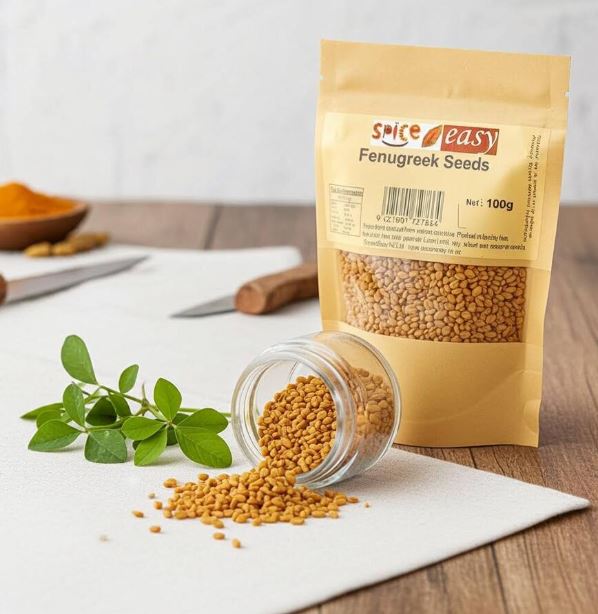
Fenugreek is an herb belonging to the Fabaceae family, native to the Mediterranean region, southern Europe, and western Asia. Its seeds contain a rich concentration of furostanolic saponins, fenusides, and protodioscin — bioactive compounds thought to drive most of its hormonal and metabolic effects.
Traditionally, fenugreek seeds have been used to aid digestion, improve lactation, and stimulate appetite. In sports nutrition, however, it became popular once studies began linking its extract to improved testosterone metabolism and male vitality.
Commercial forms include:
- Standardized extracts (typically 50% saponins)
- Testofen®, a patented form standardized for furostanolic saponins
- Fenugreek powder or capsules derived from seed extracts
How Fenugreek Works — The Mechanism Behind Testosterone Support
Fenugreek appears to influence testosterone through several mechanisms:
- Reduced SHBG (sex hormone-binding globulin): Fenugreek’s saponins may lower SHBG, allowing for more “free” testosterone to circulate and become active.
- Aromatase inhibition: Certain compounds in fenugreek help block the enzyme that converts testosterone into estrogen, keeping testosterone available for use.
- Improved insulin sensitivity: Better blood-sugar control can indirectly support testosterone production and recovery.
- Cortisol balance: Fenugreek may act adaptogenically, lowering stress-related hormone spikes that suppress testosterone.
Visually simplified:
🔬 Mechanism of Action — Simplified
🌿 Fenugreek → ⚙️ SHBG ↓ → 💪 Free Testosterone ↑ → ❤️ Libido ↑ & ⚡ Energy ↑
In simple terms, Fenugreek may lower SHBG — a protein that binds testosterone — allowing more active hormone to circulate freely. The result? Better drive, energy, and overall vitality.
In my experience, fenugreek rarely creates a dramatic “testosterone surge,” but clients often report steady improvements in libido, mood, and recovery. It’s not a magic bullet — it works best as part of a comprehensive lifestyle approach that includes proper training, rest, and micronutrient balance.
Proven Benefits for Bodybuilding and Men’s Health
While results vary between studies, most agree that fenugreek testosterone supplementation offers the greatest benefit for men with borderline or suboptimal hormone levels. In these cases, Fenugreek helps free up bound testosterone, supports libido, and improves vitality through hormonal and metabolic regulation.
However, for younger or well-trained men with already normal or high testosterone levels, the effects tend to be mild or barely noticeable. Studies suggest that once hormonal balance is optimal, Fenugreek does not push testosterone beyond its natural ceiling — rather, it helps maintain that healthy range.
In my coaching practice, I’ve seen Fenugreek work best for men who feel “off” — low motivation, lower libido, or fatigue from stress. For those already training hard, eating well, and hormonally balanced, the effect is subtle at best. Think of it as fine-tuning, not transformation.
Not all testosterone boosters are created equal. Learn which ingredients are clinically proven to elevate energy, strength, and performance in men.
🔍 Explore the ScienceScientific Evidence — What Human Studies Reveal About Fenugreek and Testosterone
Below is a summary of the most relevant human clinical trials investigating how Fenugreek influences testosterone levels, libido, and performance.
The findings show a consistent trend — Fenugreek tends to help men with low or borderline testosterone, improving free hormone levels, vitality, and mood.
However, for men with already normal hormonal profiles, the changes are usually minor or statistically insignificant.
| Authors (Year) | Study Title | Key Finding & Verdict |
|---|---|---|
| Wilborn CD, Taylor LW, Poole C, Foster CA, Willoughby DS, Kreider RB (2010) | Effects of a purported aromatase and 5α-reductase inhibitor on hormone profiles in college-aged men | Improved strength/body composition; hormonal shifts modest and within normal range. ✅ supports practical benefits |
| Steels E, Rao A, Vitetta L (2011) | Efficacy of a standardized Trigonella foenum-graecum seed extract on libido and androgenic activity in healthy males | Libido ↑; free T slight ↑; total T unchanged. ✅ positive for free T/libido |
| Rao A, Steels E, Inder WJ, Abraham S, Vitetta L (2016) | Testofen®, a specialized Trigonella foenum-graecum seed extract, increases testosterone and improves symptoms of androgen deficiency in aging males | In aging men with mild androgen deficiency: T ↑ and symptoms improved. ✅ strong support (low/borderline T) |
| Wankhede S, Mohan V, Thakurdesai PA (2016) | Effect of Trigonella foenum-graecum extract on strength, body composition, power output, and hormonal profiles in resistance-trained males | No significant T increase in trained men with normal baseline T; performance/body comp benefits noted. ❌ no hormonal effect at normal T |
| Chauhan NS, Sharma V, Dixit VK, Thakur M (2012) | Effect of standardized Trigonella foenum-graecum seed extract on male sexual function and testosterone levels | Libido/androgenic activity ↑; serum T mild ↑ (stronger when baseline T is lower). ✅ supportive (low/borderline T) |
Legend: ✅ study supports practical benefits or ↑ free/total testosterone (especially in low/borderline T) · ❌ no meaningful testosterone change in men with normal baseline T.
While several studies confirm Fenugreek’s ability to improve free testosterone and libido in men with low or borderline hormone levels, research also shows that individuals with already normal testosterone experience minimal to no change in hormone values.
Potential Side Effects and Safety Profile
Fenugreek is generally safe for healthy adults, but as with any active herbal compound, moderation matters.
Possible mild effects:
- Gastrointestinal upset or bloating
- Slight drop in blood sugar (use caution with diabetes medication)
- A distinct “maple syrup” smell in sweat or urine due to sotolon compound
- Rare allergic reactions in those sensitive to legumes
Safety summary:
Human trials up to 900 mg/day for 12 weeks reported no serious adverse effects. Pregnant or breastfeeding women should avoid it, and men on hormonal or diabetic medication should consult a healthcare professional.
I’ve found that the biggest mistake users make with fenugreek is overdosing or expecting steroid-like results. Keep it moderate, stay consistent, and pair it with a nutrient-rich diet — that’s when the real benefits show.
Human trials and a subchronic toxicology study indicate that standardized Fenugreek extracts are safe and well-tolerated at typical doses used for testosterone support.
| Study | Duration | Dose / Material | Participants | Outcome |
|---|---|---|---|---|
| Steels et al., 2011 | 8 weeks | Std. seed extract | Healthy adult males | No serious adverse events; labs stable. ✅ Safe |
| Rao et al., 2016 | 12 weeks | Testofen® (std. extract) | Aging males (mild androgen deficiency) | No clinically significant changes in liver/kidney or hematology. ✅ Safe |
| Taylor & Wilborn et al., 2011 | 8 weeks | Fenugreek extract 500 mg/day | Resistance-trained men | No adverse shifts in clinical/biochemical markers. ✅ Safe |
| Krishnaswamy et al., 2018 (preclinical) | 90 days | High-dose seed extract (rats) | Subchronic toxicity model | No organ toxicity at multiples of human doses. ✅ Favors safety |
Typical minor effects: GI discomfort, transient “maple syrup” odor in sweat/urine. Usually mild and reversible.
Practical note: Use caution with antidiabetic medication (possible blood-glucose lowering). Avoid during pregnancy and breastfeeding.
Recommended Dosage and Usage
Finding the right dosage and timing for Fenugreek can make a noticeable difference in its overall effectiveness. Since its bioactive compounds — mainly furostanolic saponins (like protodioscin) — interact with hormonal and metabolic pathways, consistent daily intake is key for stable results.
Most studies agree that moderate doses are both safe and effective, with no need for cycling or loading phases.
- Typical dosage: 500–600 mg of standardized Fenugreek extract (usually 50% saponins) per day. This aligns with the doses used in successful human trials (Steels et al., 2011; Rao et al., 2016).
- Timing: Take with breakfast or your first meal of the day. This helps with absorption and minimizes any chance of stomach discomfort.
- Form: Capsules are preferred for accurate dosing and reduced bitterness; powders can also work when mixed with shakes.
- Cycling: Continuous use for 8–12 weeks is considered safe. Some athletes take short breaks (1–2 weeks) after every 2–3 months to maintain sensitivity.
Stacking Ideas for Maximum Results
Combining Fenugreek with complementary nutrients or ingredients can enhance its testosterone-boosting and recovery effects. These stacks are common in advanced natural test-booster formulas and have synergistic mechanisms:
- Fenugreek + D-Aspartic Acid → supports both LH stimulation and free testosterone release, targeting two key hormonal axes.
- Fenugreek + Ashwagandha → lowers cortisol and prevents stress-induced testosterone suppression, improving recovery and focus.
- Fenugreek + Zinc + Vitamin D3 → provides essential cofactors for enzymatic testosterone synthesis and endocrine balance.
- Fenugreek + Magnesium → enhances sleep quality and muscle relaxation, indirectly supporting hormonal recovery.
In practice, I’ve found that consistency matters more than timing tricks. Most clients start feeling subtle improvements in motivation, energy, and libido after 3–4 weeks of steady use. Pairing Fenugreek with zinc and vitamin D3 often makes results more pronounced, especially in men who were initially deficient in those micronutrients.
Who Should Use Fenugreek?
Fenugreek isn’t a magic bullet — but it can be an excellent choice for certain groups of athletes and men seeking hormonal balance. When used consistently, it supports energy, mood, and libido, especially in those whose natural testosterone levels have started to decline due to age or stress. Furthermore, it fits well into a long-term health strategy focused on recovery, strength, and endurance.
Ideal for:
- Men with low to normal testosterone who are looking for a natural hormonal edge. Fenugreek can help increase free testosterone by lowering SHBG levels, leading to better energy and motivation.
- Individuals experiencing fatigue, low libido, or mild hormonal imbalance. In addition, those going through demanding work or training schedules may find Fenugreek helps them regain drive and balance.
- Strength athletes and bodybuilders under high training stress. Heavy training can elevate cortisol, and Fenugreek’s adaptogenic properties help counteract that, promoting faster recovery.
- Men over 35 seeking natural vitality and improved recovery. As a result of gradual hormonal decline, Fenugreek can provide a subtle but meaningful boost to well-being and physical performance.
- Those avoiding synthetic hormone treatments. On the other hand, if you prefer a natural alternative to pharmaceuticals, Fenugreek offers mild but measurable support with minimal side effects.
However, it’s important to note that Fenugreek tends to be most effective for men with suboptimal testosterone levels. If your hormones are already within a healthy range, you may notice improvements in mood and stamina rather than large hormonal shifts. Therefore, Fenugreek works best as part of a holistic plan — combined with solid nutrition, recovery, and strength training — rather than as a standalone fix.
Who Should Avoid Fenugreek?
Although Fenugreek is generally safe and well-tolerated, it’s not suitable for everyone. Certain individuals may need to exercise caution or even avoid it completely. Understanding these exceptions helps ensure you use the supplement responsibly and without unwanted side effects.
You should avoid Fenugreek if:
- You are pregnant or breastfeeding. Fenugreek may stimulate uterine contractions, which could pose a risk during pregnancy. Moreover, its hormonal activity can subtly affect lactation, so it’s best avoided unless prescribed by a healthcare provider.
- You have diabetes or take blood-sugar-lowering medication. Fenugreek can naturally reduce blood glucose. Therefore, combining it with similar medications might cause hypoglycemia or dizziness.
- You have allergies to legumes. Since Fenugreek belongs to the same family as chickpeas and peanuts, cross-allergic reactions can occur, although rarely. In this case, start with a very small dose — or better yet, skip it entirely.
- You are on anticoagulants or antiplatelet drugs. Fenugreek has mild blood-thinning properties. For this reason, it could enhance the effects of such medications and increase the risk of bruising or bleeding.
- You have hormonal or prostate-related medical conditions. While rare, any supplement that affects androgenic pathways should be discussed with your doctor, especially if you have a history of prostate issues or hormonal therapy.
In addition, individuals undergoing fertility treatments or hormone replacement therapy should speak with their endocrinologist before introducing Fenugreek. On the contrary, if you’re a healthy adult male using moderate doses (500–600 mg/day) as part of a balanced supplement plan, the safety data is reassuring.
Therefore, consulting a physician or sports nutritionist before starting any testosterone-related supplement — especially if you’re managing chronic conditions or taking prescribed medications — remains the smartest and safest approach.
Conclusion
Fenugreek isn’t a miracle testosterone booster — but it is one of the few herbal ingredients backed by human research for supporting free testosterone, libido, and energy. It works best for men with mild hormonal sluggishness or stress-related fatigue and shows its full effect when paired with consistent training, recovery, and smart nutrition.
👉 For a complete breakdown of how Fenugreek fits into modern testosterone booster stacks, check out:
The 10 Best Testosterone Boosters for Men in 2025
Can Fenugreek improve sperm quality or fertility?
Yes. Some studies show Fenugreek may enhance sperm count, motility, and morphology due to its antioxidant compounds and mild androgenic effects. This makes it a promising natural aid for men with fertility issues related to low testosterone or oxidative stress.
Is Fenugreek testosterone support permanent or temporary?
The testosterone-supporting effects are generally reversible. In other words, once supplementation stops, hormone levels usually return to baseline within several weeks. Long-term benefits come mainly from improved training consistency, recovery, and overall vitality during use.
Can Fenugreek help with weight loss or fat reduction?
Indirectly, yes. Fenugreek may curb appetite and stabilize blood sugar, helping reduce snacking and fat accumulation. Combined with proper diet and resistance training, it supports leaner body composition — though it’s not a stand-alone fat burner.
Does Fenugreek work better with other herbal boosters like Ashwagandha or Tongkat Ali?
Absolutely. These adaptogenic herbs complement each other well. Fenugreek helps with free testosterone availability, while Ashwagandha and Tongkat Ali influence testicular and adrenal hormone production. Their synergy supports mood, recovery, and libido holistically.
What’s the difference between Fenugreek extract and Testofen®?
Testofen® is a patented, standardized form of Fenugreek extract containing 50% furostanolic saponins. It’s used in most clinical trials and ensures consistent potency, whereas generic fenugreek powders may vary widely in active content.
Can women safely use Fenugreek for hormonal balance?
Yes — in smaller doses (around 250 mg/day). Fenugreek may help with energy, mood, and menopausal symptoms. However, it’s not recommended during pregnancy, and women on hormone therapy should consult their doctor first.
Why does Fenugreek sometimes make sweat or urine smell like maple syrup?
That’s completely harmless. It’s caused by a compound called sotolon, a natural metabolite present in Fenugreek seeds. The odor disappears once supplementation stops.
Can Fenugreek lower estrogen levels?
Possibly. Some of its bioactive saponins may act as mild aromatase inhibitors, slightly reducing the conversion of testosterone to estrogen. This can support a better hormonal balance, particularly in men with higher estrogen activity.
How does Fenugreek affect athletic recovery and muscle soreness?
Fenugreek contains antioxidants that can reduce inflammation and oxidative stress after intense workouts. As a result, athletes often report faster recovery, less fatigue, and improved endurance over time.
Should Fenugreek be cycled or taken continuously?
Most users take it continuously for 8–12 weeks without issues. As a precaution, taking a short 1–2-week break every few months can help maintain sensitivity and prevent adaptation — a common practice with herbal testosterone boosters.
This article is for informational and educational purposes only. It should not be interpreted as medical advice or a substitute for professional diagnosis or treatment. Always consult with your physician or a qualified healthcare professional before starting any supplement, especially if you have existing health conditions, take prescription medications, or are undergoing hormonal therapy.
