


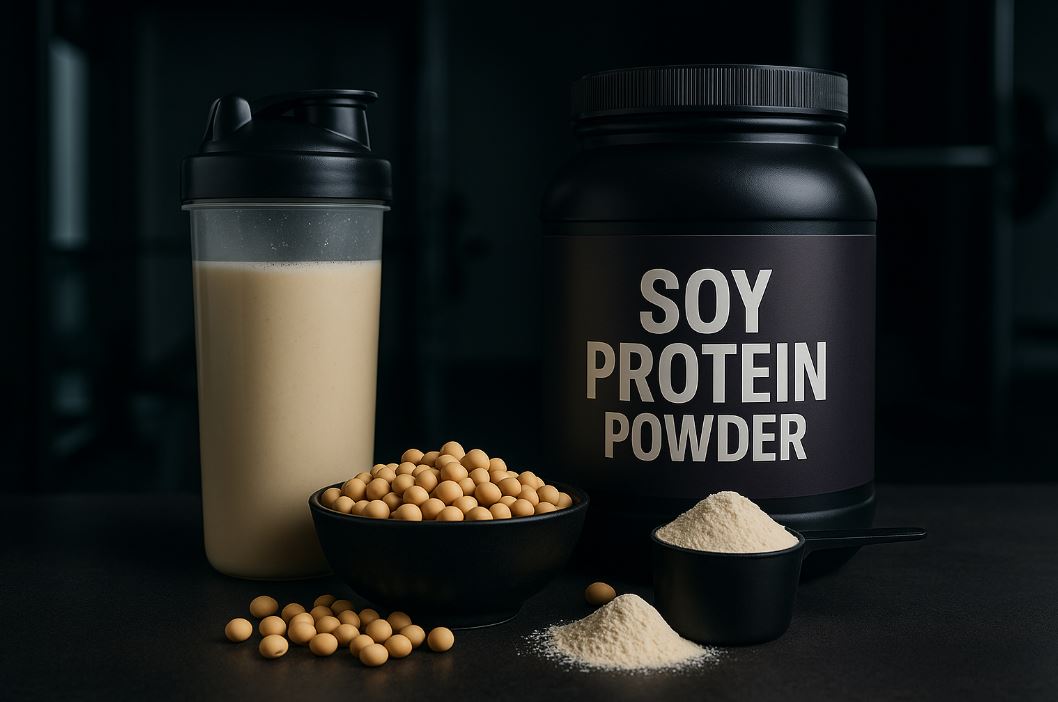
When it comes to plant-based options, soy protein powder is the king. It’s the most researched vegan protein, known for its high protein content, complete amino acid profile, and wide availability. While animal-based proteins like whey and casein dominate bodybuilding, soy has carved out a strong reputation, especially among vegetarians, vegans, and those with lactose intolerance.
As a strength coach and doctor of kinesiology, I’ve seen soy protein powder divide opinions. Some athletes swear by it as a clean and effective protein source, while others dismiss it due to myths about hormones and muscle growth. In this article, we’ll cut through the noise and explore what science really says about soy protein.
What is Soy Protein Powder?
Soy protein is derived from soybeans, a legume native to East Asia. Through processing, the protein fraction is isolated and turned into powder form.
The main forms include:
- Soy Protein Concentrate (SPC): ~70% protein, with some carbs and fiber remaining.
- Soy Protein Isolate (SPI): ~90% protein, minimal carbs and fat, the most common form in supplements.
- Textured Soy Protein (TSP): Used more in cooking than supplements.
Soy protein is classified as a complete protein because it contains all nine essential amino acids — something not all plant proteins can claim.
Amino Acid Profile of Soy Protein
Although most vegetable proteins are considered “incomplete,” soy protein can be viewed as a “complete” protein.
Nevertheless, the protein profile in soy is poor. It is not a very high-quality protein, even if it contains a lot of it. The difference is quality over quantity. If a soy protein beverage contains 35 grams of protein, savvy consumers know that very little of that is going to be absorbed by the body. Soy has a low biological value (BV) for protein at 74, or medium-low. This is hardly ideal for a protein supplement. Furthering this, it has a low rating for Net Protein Utilization at 61. These numbers grade the ease of the digestive system to absorb and then use up the proteins in foods.

Foods Rich in Soy Protein
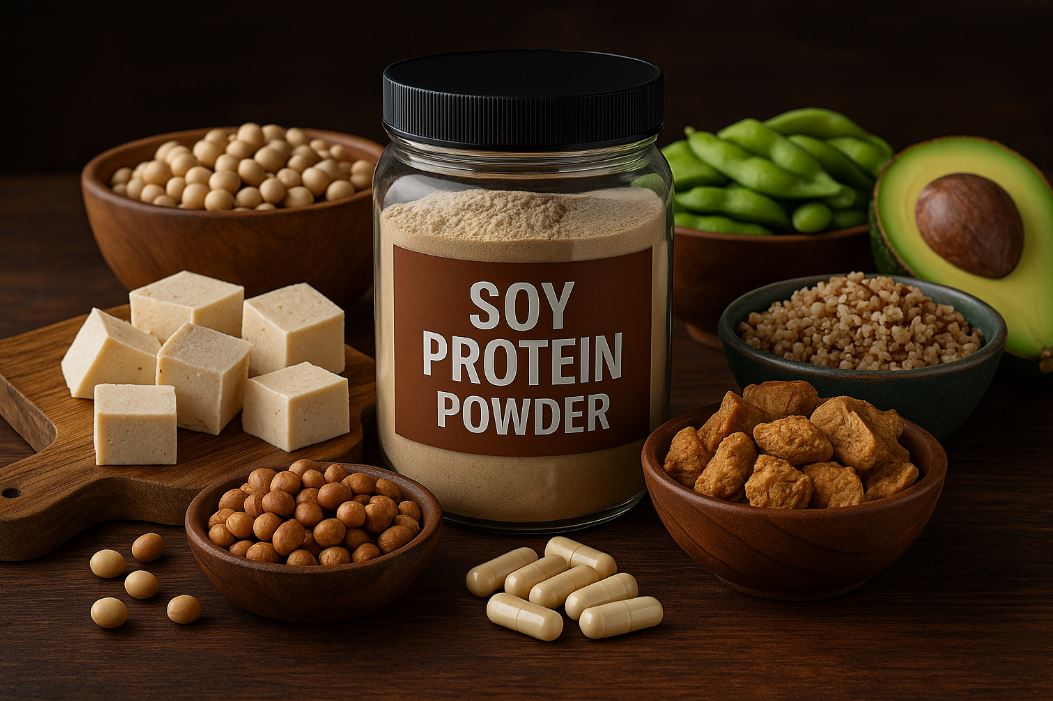
While soy protein powder is the most concentrated and convenient way to supplement protein, many whole soy foods also provide high-quality protein. Including these in your diet not only increases protein intake but also delivers additional nutrients, such as fiber, vitamins, and minerals, that powders don’t provide. Here are some of the most common soy-based foods and their approximate protein content:
| Food Source | Protein (per 100 g / 100 ml) | Notes |
|---|---|---|
| Edamame (green soybeans) | ~11 g | A popular snack rich in protein and fiber can be eaten boiled or roasted. |
| Tofu | ~8 g | Versatile soy product that absorbs flavors well; can be grilled, baked, or blended. |
| Tempeh | ~19 g | Fermented soybeans have a nutty flavor; higher in protein and probiotics than tofu. |
| Soy milk | ~3 g (per 100 ml) | A plant-based milk alternative, often fortified with calcium and vitamin B12. |
| Soy protein snacks (bars, chips) | Varies (~10–15 g per serving) | Commercial products designed for athletes; convenient but often contain additives. |
How Does Soy Protein Powder Work? – Mechanism of Action
Soy protein powder works by supplying amino acids that stimulate muscle protein synthesis (MPS). While its leucine content is slightly lower than whey, it still provides enough to trigger anabolic signaling via the mTOR pathway.
It also contains bioactive compounds called isoflavones, which have antioxidant and potential cholesterol-lowering properties. These add extra health benefits beyond muscle growth.
Proven Benefits of Soy Protein Powder
When evaluating any supplement, athletes want more than marketing claims — they want solid, science-backed benefits. Soy protein powder has been studied for decades, and while it may not always outperform whey, it provides unique advantages that make it one of the most valuable plant-based proteins. Here are the main reasons why soy deserves a place in certain diets and training programs:
#1 Supports Muscle Growth
Multiple studies show that soy protein supplementation can increase lean body mass and muscle strength when combined with resistance training. While it may be slightly less anabolic than whey due to its lower leucine content, soy still provides all essential amino acids necessary for muscle protein synthesis. For vegan and vegetarian athletes, this makes it an indispensable option.
#2 Dairy-Free and Vegan-Friendly
Soy protein powder is the only plant-based protein that naturally offers a complete amino acid profile, similar to animal proteins. This makes it a lifesaver for vegans and those with lactose intolerance who would otherwise struggle to meet their protein requirements with high-quality sources.
#3 Cardiovascular Benefits
Beyond muscle, soy protein has documented effects on lowering LDL cholesterol and supporting vascular health, thanks to its isoflavone content. This sets it apart from whey and casein, which are neutral in this regard. For athletes with a family history of heart disease, soy offers both performance and long-term health benefits.
#4 Helps with Satiety and Weight Management
Research indicates that soy protein helps regulate appetite by increasing satiety hormones and reducing cravings. This is especially helpful for bodybuilders in cutting phases or recreational lifters trying to manage calorie intake without sacrificing recovery.
#5 Bone Health Support
Soy’s isoflavones mimic some of estrogen’s effects, which may support bone density and reduce the risk of osteoporosis. This benefit appears particularly relevant for women during perimenopause and postmenopause, when bone health becomes a concern.
Potential Side Effects and Risks
Even though soy protein powder is considered safe and well-tolerated for most athletes, it isn’t without potential drawbacks. Understanding these risks helps you make an informed decision and use soy protein in the smartest way possible.
#1 Digestive Issues
Soy naturally contains certain carbohydrates (oligosaccharides) and fiber that can ferment in the gut, leading to bloating, gas, or mild stomach discomfort. This effect is more common with soy protein concentrate, while soy protein isolate tends to be gentler on digestion because most of these compounds are removed during processing.
#2 Soy Allergies
Soy is one of the eight major food allergens, particularly in Western populations. Symptoms of an allergic reaction can range from mild (skin irritation, stomach upset) to severe. Anyone with a known soy allergy should avoid soy protein powder entirely and seek alternative protein sources like pea or rice protein.
#3 Hormonal Concerns (Myth vs Reality)
Soy contains phytoestrogens called isoflavones, which have a weak estrogen-like activity. This has sparked debate about whether soy lowers testosterone or disrupts hormone balance. However, large-scale studies and meta-analyses show that moderate soy intake has no adverse effects on male hormones, sperm quality, or fertility. For women, the phytoestrogens may actually provide benefits, particularly in bone and heart health.
#4 Possible GMO Concerns
A significant percentage of soybeans worldwide are genetically modified. While this doesn’t directly impact protein quality, some consumers prefer non-GMO or organic soy protein for peace of mind. Luckily, many reputable supplement companies now offer certified non-GMO soy protein isolates.
Recommended Dosage and How to Take Soy Protein Powder
Getting the most out of soy protein powder isn’t just about using it — it’s about using it at the right time, in the right amount, and in the right way. Research shows that both dosage and timing can make a real difference in how effectively your body uses the protein for recovery and growth.
#1 Dosage
Most studies support 20–40 g per serving (roughly one scoop), taken once or twice daily depending on your overall protein requirements. For strength athletes, the upper range may be more beneficial, while recreational lifters often do well with a single serving per day to complement whole-food protein sources.
#2 Timing
- Post-workout: Soy provides all essential amino acids, making it suitable for recovery shakes. While whey may stimulate muscle protein synthesis faster due to higher leucine, soy still supports rebuilding muscle tissue when taken after training.
- Between meals: Thanks to its moderate digestion speed, soy protein helps curb hunger and stabilize energy levels between main meals.
- For vegans and vegetarians: Soy can serve as a cornerstone protein source at any time of the day, ensuring consistent intake of essential amino acids.
#3 How to Take
Soy protein mixes well with water, oat milk, almond milk, or other plant-based options. It can be blended into smoothies, oats, or even coffee for a convenient source of protein. Because soy isolate is heat-stable, it can also be used in baking recipes like protein muffins, pancakes, or homemade protein bars without losing much nutritional value.
Different Forms of Soy Protein Powder
Not all soy protein powders are created equal. Depending on how the soybeans are processed, the nutritional profile, digestibility, and best use of the protein can differ quite a bit. Here are the main forms you’ll find on the market:
#1 Soy Protein Concentrate (SPC)
Soy protein concentrate contains about 65–70% protein by weight, with some carbohydrates and fiber still intact. Because of this, it digests a bit slower than isolates and can sometimes cause mild digestive discomfort in sensitive athletes. On the positive side, SPC is less processed than isolate and often more affordable, making it a practical option for general use and weight management.
#2 Soy Protein Isolate (SPI)
Soy protein isolate is the purest and most common form of soy protein found in supplements, containing up to 90% protein with minimal carbs and fat. During processing, most of the non-protein components are removed, which improves digestibility and reduces the risk of bloating or stomach upset. This is the form used in most protein powders marketed to athletes and bodybuilders because it offers the best balance of purity, absorption, and taste.
#3 Textured Soy Protein (TSP)
Textured soy protein is typically used in cooking rather than as a supplement powder. Made by extruding defatted soy flour, it has a meat-like texture when hydrated and is often used in plant-based meat alternatives, soups, and stews. While it’s a decent source of protein, TSP is not as concentrated as isolate or concentrate and is best thought of as a food ingredient rather than a sports supplement.
Build lean muscle and recover faster with top-rated vegan protein powders for women — clean, delicious, and clinically supported for optimal performance.
View Coach-Tested Picks| Form | Protein Content | Carbs & Fat | Digestibility | Cost | Best Use |
|---|---|---|---|---|---|
| Soy Protein Concentrate (SPC) | ~65–70% | Moderate (some carbs & fiber remain) | Medium – may cause mild bloating in sensitive people | Lower | General protein support, budget-friendly option |
| Soy Protein Isolate (SPI) | ~88–90% | Very low (minimal carbs & fat) | High – well tolerated, ideal for athletes | Moderate | Post-workout shakes, bodybuilding, vegan diets |
| Textured Soy Protein (TSP) | ~50–55% | Higher, since less refined | Medium – mostly used as a food ingredient | Very low | Cooking, meat substitutes, high-protein recipes |
Soy Protein Powder vs Other Protein Sources
Soy protein powder is often compared with whey and casein, the two most popular animal-based proteins. While all three deliver complete amino acid profiles, their digestion speed, unique benefits, and ideal use cases differ. The table below highlights the key distinctions so you can choose the right one for your goals.
| Feature | Soy Protein Powder | Whey Protein Powder | Casein Protein Powder |
|---|---|---|---|
| Digestion Speed | Medium (3–4 hrs) | Fast (1–2 hrs) | Slow (6–8 hrs) |
| Vegan-Friendly | Yes | No | No |
| Satiety | Moderate-High | Moderate | High |
| Isoflavones / Health Benefits | Yes (heart, bone health) | No | No |
| Best Use | Anytime / Between meals | Post-workout | Before bed |
| Cost | Moderate | Moderate | Moderate |
Who Should Use Soy Protein Powder?
The soy protein powder isn’t just a fallback option for vegans — it’s a complete, research-backed protein source that can benefit a wide range of athletes and fitness enthusiasts. Its versatility makes it suitable for both plant-based diets and omnivores who want to diversify their protein intake. Here’s who should consider adding it to their supplement plan:
#1 Vegans and Vegetarians
Soy protein is the only plant-based protein that naturally contains all nine essential amino acids in sufficient amounts. This makes it an invaluable protein source for those who don’t consume animal products and still want to maximize muscle growth and recovery.
#2 Athletes with Dairy or Lactose Intolerance
For athletes who can’t tolerate whey or casein due to bloating, cramps, or lactose sensitivity, soy provides a complete and effective alternative. It allows them to meet daily protein needs without digestive discomfort.
#3 Women Concerned About Bone and Heart Health
Thanks to its isoflavone content, soy protein has unique benefits for women, particularly around menopause. Studies suggest it may support bone density and lower cholesterol levels, offering long-term health benefits alongside muscle recovery.
#4 Anyone Seeking Variety in Protein Sources
Even athletes who use whey or casein can benefit from rotating protein sources. Incorporating soy protein powder can help prevent flavor fatigue, support digestive comfort, and provide a range of micronutrients not found in dairy-based proteins.
Who Should Avoid Soy Protein Powder?
While soy protein powder is safe and effective for most athletes, there are certain situations where it may not be the best choice. Knowing its limitations helps ensure you pick the right protein source for your individual needs.
#1 People with Soy Allergies
Soy is one of the most common food allergens, and reactions can range from mild (skin rashes, digestive discomfort) to severe. For anyone with a diagnosed soy allergy, soy protein powder must be avoided completely. Plant-based alternatives like pea, hemp, or rice protein are safer substitutes.
#2 Athletes Seeking Maximum Anabolic Effect
Soy protein provides all essential amino acids, but its leucine content is slightly lower than whey’s. Since leucine is the key trigger for muscle protein synthesis, athletes chasing the fastest, most potent anabolic response may find whey protein a better fit, especially immediately post-workout.
#3 Those Sensitive to Soy Digestion or Additives
Some athletes experience bloating or stomach issues from soy protein, particularly if they use soy protein concentrate instead of isolate. Choosing soy protein isolate or rotating it with other protein powders may reduce discomfort, but if problems persist, another protein source may be more suitable.
#4 Consumers Concerned About GMOs
A large proportion of soy crops worldwide are genetically modified. Although this doesn’t directly affect protein quality, some athletes prefer to avoid GMO products. In that case, it’s important to choose certified organic or non-GMO soy protein powders if available.
Do You Really Need Soy Protein Powder? – A Simple Guide
Choosing the right protein supplement doesn’t have to be complicated. Use this quick guide to see if soy protein powder is right for you:
| Question | If YES → | If NO → |
|---|---|---|
| Are you vegan or vegetarian? | Soy can be one of your best complete protein sources. | Consider whey, casein, or egg protein instead. |
| Do you have lactose intolerance or dairy sensitivity? | Soy provides a clean, dairy-free option. | Stick with whey or casein if tolerated. |
| Are you primarily focused on maximum muscle growth and strength? | Soy will help, but whey or casein may work better. | Go with whey protein isolate or casein for more substantial anabolic effects. |
| Do you have a soy allergy? | Avoid soy completely —opt for pea, rice, or hemp protein. | Soy could be an option if other factors fit. |
| Do you care about cholesterol and long-term heart health? | Soy’s isoflavones may offer extra benefits. | You can still prioritize animal-based proteins. |
Bottom line:
If you’re vegan, vegetarian, or lactose-intolerant, soy protein powder can play a crucial role in your diet. But if you tolerate dairy and want the most effective protein for muscle building, whey, casein, or egg protein are generally better choices.
Conclusion: Is Soy Protein Powder Worth It?
Soy protein powder is one of the most extensively researched plant-based proteins, providing a complete amino acid profile along with potential health benefits for cholesterol, bone density, and satiety. For vegans, vegetarians, and athletes with dairy intolerance, it can be a reliable way to meet daily protein goals without relying on animal products.
However, when compared to whey or casein, soy generally falls short in terms of anabolic efficiency and taste. Its lower leucine content makes it slightly less effective for triggering rapid muscle protein synthesis, and many athletes find its texture less enjoyable. Add in common concerns about allergens, digestion, and GMO sourcing, and soy becomes less appealing if you already have access to superior alternatives (animal-based proteins).
