



In recent years, veganism has gained widespread popularity due to its perceived health benefits and an ethically-minded approach towards animals. This nutritional shift hasn’t just piqued the general public’s interest, but it’s also garnered the attention of athletes, especially those in the field of bodybuilding. Regardless of popular beliefs, muscle building on plant-based nourishment (vegan bodybuilding diet) has become increasingly mainstream, demonstrating that success in this field is undoubtedly obtainable without meat and dairy.
What is vegan bodybuilding?
Vegan bodybuilding is an innovative approach to bodybuilding that rejects animal products and embraces plant-based nutrition while emphasizing on achieving and maintaining optimal muscle mass. Contrary to the misconception that animal products are necessary for building muscle and achieving fitness goals, vegan bodybuilders have proven that it is possible to thrive on a plant-based diet while sculpting a strong and muscular physique. The term “vegan” was chosen by combining the first and the last letter of “vegetarian”.
So, who exactly are vegans, and how do they differ from vegetarians?
Vegans strictly exclude animal products from their diet. This involves not only refraining from meat, poultry, and seafood, but also from dairy, eggs, honey, and any other substances derived from animals. In contrast, vegetarians do eat dairy products and eggs but still avoid meat, poultry, and seafood. The principal distinction between vegans and vegetarians lies primarily in their diet.

How much protein do vegans need to increase muscle mass?
For vegans looking to build muscle, the requisite protein intake varies based on factors such as body weight, training intensity, and goals. The common recommendation for weightlifters is to consume 1.6 – 2.2 grams of protein per kilogram of body weight every day. This holds no matter your diet preference: whether you are a vegan, vegetarian, or an omnivore.
When it comes to building muscle mass, some might argue that it’s generally easier for omnivores than vegans. The reasoning behind this perception is that a traditional omnivorous diet tends to be higher in protein, a macronutrient crucial for muscle development. Animal-based protein sources such as meat, poultry, and fish are dense in the essential amino acids needed for muscle growth.
On the other hand, plant-based protein sources are often incomplete proteins, meaning they lack some of the essential amino acids the body needs. This means that vegans may need to put in a bit more effort to ensure they get all the necessary nutrients for muscle growth, often needing to pair different plant-based proteins together or supplement their diet to meet their protein needs.
Despite the type of diet, bodybuilding hinges on a simple principle: you must consume more energy than you expend. This surplus is funneled back into the body, specifically to repair and develop the muscles that have been worked out, resulting in muscle mass gain. Therefore, irrespective of whether you are vegetarian or vegan, achieving a caloric surplus is a prerequisite for successful muscle building. This can be achieved by incorporating energy-dense plant-based foods such as nuts, seeds, avocados, and whole grains into the diet.
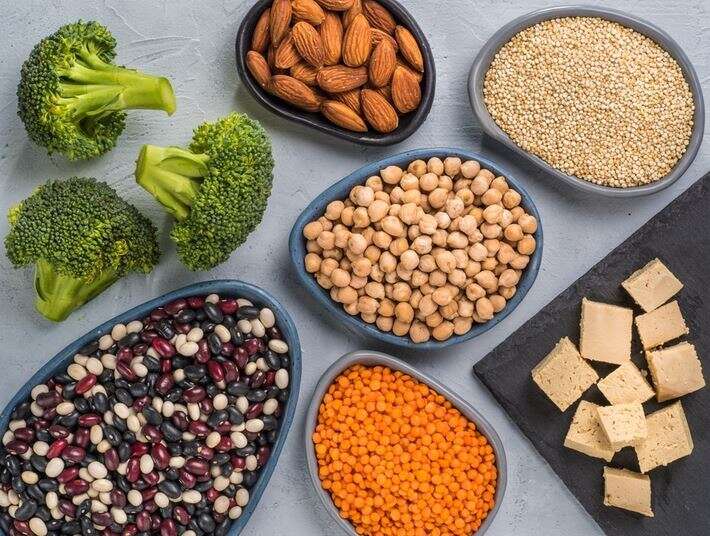
This is also more difficult if you’re vegan since in general plant-based foods (such as fruits and vegetables) are generally low in calories and high in fiber. The crux lies in choosing calorie-dense plant foods, such as legumes, nuts, seeds, and grains, that deliver an array of essential nutrients. Creating muscle-building meals also means incorporating abundant plant-based proteins from sources like tofu, seitan, edamame, chickpeas, peas, and lentils.

What can a vegan bodybuilder eat?
Transitioning to a vegan diet? Here’s a comprehensive list of plant-based foods to incorporate into your meal plans:
- Vegetables: Think vibrant veggies such as spinach, tomatoes, asparagus, broccoli, kale, cauliflower, and peppers.
- Whole Grains: Nutrient-rich options include quinoa, brown rice, brown rice pasta, farro, and rolled oats.
- Fruits: Delight your palate with fruits like bananas, apples, pears, berries, mangoes, and pineapples.
- Legumes: Consider lentils, black beans, chickpeas, peanuts, and peas.
- Starchy Vegetables: Keep your energy levels high with sweet potatoes, potatoes, and butternut squash.
- Nuts, Seeds, and Nut Butter: Enjoy the richness of macadamia nuts, almonds, natural peanut butter, sunflower seeds, tahini, and pumpkin seeds.
- Healthy Fats: Opt for heart-healthy fats such as avocados, unsweetened coconut, coconut oil, and olive oil.
- Condiments: Enhance the flavor of your meals with lemon juice, mustard, salsa, vinegar, nutritional yeast, and soy sauce.
- Plant-based Protein: Load up on proteins with tofu, tempeh, and other plant-based protein sources.
- Unsweetened Plant-based Milk: Quench your thirst with almond milk, cashew milk, or coconut milk.
- Spices, Seasonings, and Herbs: Add a punch of flavor with spices and herbs like basil, turmeric, rosemary, salt, curry, and black pepper.
- Beverages: Stay hydrated with tea, coffee, or sparkling water.
What food to avoid if you are a vegan bodybuilder?
For those on a vegan journey, there are numerous items stacked on grocery store shelves that might appear to be in alignment with vegan principles but are, in reality, not. These products contain ingredients derived from, or linked to, animal exploitation and therefore do not align with vegan ethics. This comprehensive list provides you with the less obvious foods that you, as a vegan, need to steer clear of:
- Any forms of meat, poultry, and their by-products;
- Seafood of any kind;
- All dairy products (milk, cheese, butter, yogurt, ice cream, etc);
- Products produced by bees like honey, beeswax, royal jelly, and pollen;
- Certain food additives, specifically ones of animal origin like E120, E322, E422, E471, E542, E631, E901, and E904;
- Dairy by-products like whey, casein, and lactose;
- Chips that might contain chicken fat or dairy ingredients like casein, whey, or animal-derived enzymes;
- The regular white, brown, and powdered sugars we often use, can be replaced by vegan-friendly sweeteners like maple syrup or agave nectar;
- Some varieties of dark chocolate contain animal products like whey, milk fat, milk powder, refined oil or skimmed milk powder;
- Any red products that derive their color from cochineal females (insects). These ingredients are labeled as cochineal, carmine acid, or carmine on product labels;
- Margarine, which could contain gelatin, casein (a milk protein), and whey;
- Certain pasta types, especially fresh ones, that contain eggs;
- Non-dairy creams, many types of which contain the milk protein casein;
- Worcestershire sauce, a spicy soy sauce with vinegar and spices, many versions of which contain anchovies;
- Gelatin: a by-product of the processing of animal connective tissue;
- Pepsin, an enzyme present in the gastric juice of mammals, birds, reptiles, and some fish species;
- Vitamin D3 supplements, as most vitamin D3 is derived from fish oil or lanolin found in sheep’s wool;
- Omega-3 fatty acid supplements, the source of most being fish. Luckily, today’s market offers a multitude of vegan-friendly alternatives to fish oil and DHA supplements.
Discover the best vegan protein powders for women in 2025 — pure ingredients, complete amino profiles, and smooth taste to support energy, tone, and recovery.
Explore the Best Vegan BlendsWhat are the specific challenges faced by vegetarians and vegans who want to build muscles?
Vegetarians and particularly vegan bodybuilders face some unique challenges regarding muscle building and overall health. The following detailed list will tackle these challenges:
- Nutrient Deficiency: With the absence of meat and dairy products from their diet, vegetarians and especially vegans can experience a deficiency in crucial nutrients like vitamin B12, calcium, iodine, and zinc – which play a vital role in overall health and muscle recovery.
- Protein Powder Selection: While there’s a growing number of protein powders suitable for vegetarians and vegans, they need to carefully assess the ingredients to ensure they’re truly plant-based and free from animal-derived substances like whey or collagen.
- Combining Proteins: Unlike animal proteins, most plant proteins are incomplete, meaning they lack one or more essential amino acids. Therefore, strategic meal planning is needed to ensure the intake of all essential amino acids by combining different plant proteins.
- Bioavailability and digestibility of plant-based proteins: The bioavailability and digestibility of plant-based proteins are often less efficient compared to animal-based proteins, meaning that the body can struggle to use the nutrients effectively so you might need to consume more to get the same benefits.
- Satiety: Plant-based foods tend to be lower in calories and higher in fiber, leading to early feelings of fullness. This could make it difficult to consume enough calories which are essential for muscle growth and energy during workouts.
- Finding a vegan-friendly post-workout: Finding a vegan-friendly post-workout recovery meal or snack is another hurdle. Typically, bodybuilders rely on whey protein powders and bars, derived from dairy, for fast and convenient protein after a workout. Vegans need to find plant-based alternatives that provide comparable amounts of protein to support muscle recovery and growth.
- Balancing omega-3 and omega-6 fatty acids: Balancing omega-3 and omega-6 fatty acids can be tricky on a vegan diet. Omega-3 fatty acids found in fish oil support heart health and reduce inflammation, facilitating muscle recovery. Vegans must ensure that their diet includes plant-based sources of omega-3, like flaxseeds, and closely monitor their intake of omega-6, which can promote inflammation if consumed in excess.
- Planning & Preparation: A plant-based diet often requires more time and creativity in terms of meal planning and prep – to ensure variety, taste, and nutritional value.
- Overcoming Social Pressure: can be an uphill battle for many individuals who choose veganism. However, being firm in one’s beliefs and showing the world that muscle development and a vegan lifestyle can coexist is the ultimate challenge to face and conquer.
What are the most important protein sources for a vegan bodybuilder?
The cornerstone of bodybuilding is protein, whether you’re a vegan or not. Though often attached to animal products in popular culture, you’ll be surprised to know several plant-based sources are providing ample amounts of protein important for vegan bodybuilders. Here’s a look at them:
Oats, the staple breakfast for many, serve as a great protein source providing around 13g of protein per 100g serving. Not only high in protein, they’re filled with complex carbohydrates and fiber promoting sustained energy release and a feeling of fullness.
Green peas, a humble vegetable, are a powerhouse providing up to 5g of protein per 100g. They’re also an excellent source of vitamins A, C, and K with a good amount of fiber.
Another brilliant protein source for vegan bodybuilders is tofu, which provides approximately 17 g of protein per 100g. Made from soy milk, it’s a complete protein containing all essential amino acids and a decent helping of iron and calcium.
Chickpeas, besides offering 9 g of protein per 100g, pack an impressive content of dietary fiber, along with a range of vitamins and minerals that support overall health. They can be incorporated as a snack, main dish, or salad.
Seitan stands out with an astonishing 75 g of protein per 100g, it’s undoubtedly a vegan bodybuilder’s delight. Made from gluten, it can be a valuable protein source for those without gluten intolerance.
Tempeh and Edamame, both products of soybeans, deliver a strong protein punch, providing 20 g and 11 g per 100g respectively, while also keeping heart health in check.
Spirulina, a type of blue-green algae, comes in with 57 g of protein per 100g and is loaded with beneficial antioxidants.
Nutritional yeast, a deactivated yeast often used by vegans for its cheese-like taste, provides 50 g of protein per 100 g and also offers a wealth of B vitamins.
Chlorella, a type of green algae found in freshwater which is rich in chlorophyll and proteins.
Quinoa and lentils also deserve a special mention. Quinoa is not only a complex carbohydrate but also a full protein, providing all nine essential amino acids that our body can’t produce on its own. This excellent nutrient profile makes quinoa a beneficial food for muscle repair and growth. Similarly, lentils are another protein power source, featuring in many vegan bodybuilders’ diets. They also deliver a substantial amount of fiber that aids digestion, ensuring that all those nutrients for muscle growth are effectively absorbed.
Lastly, various kinds of beans, including black, kidney, or pinto beans, serve as excellent protein sources, offering around 8 g-10 g per 100 g servings. Moreover, they offer significant amounts of fiber, slow-digesting carbs, and a variety of minerals.


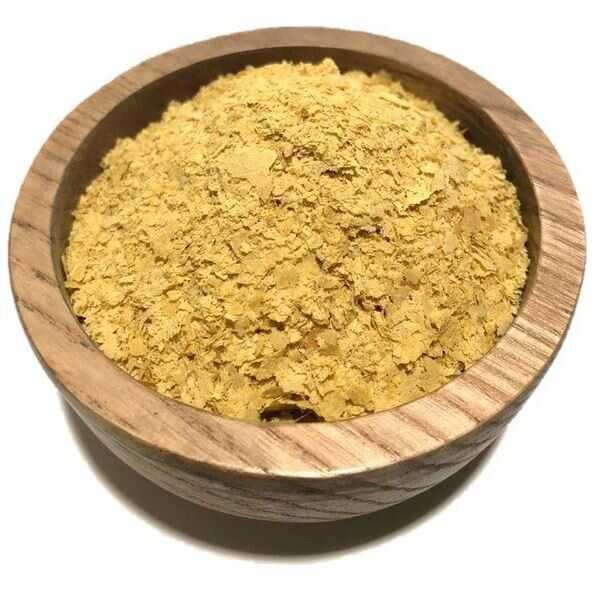
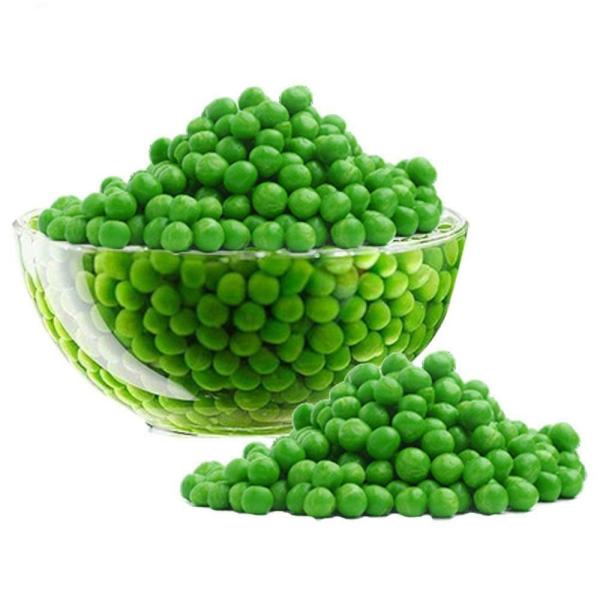
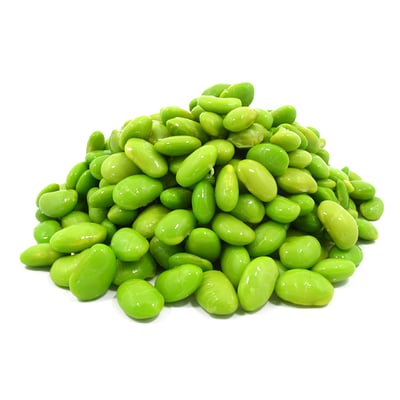

So, as you can see, a vegan diet provides several suitable options for getting your required daily protein intake for muscle building.
Here’s a breakdown of the macronutrients that different plant-based protein sources have to offer (based on serving size: 100 g)
| Protein source | Proteins (g) | Carbs (g) | Fiber (g) | Fat (g) |
|---|---|---|---|---|
| Oats | 12,5 | 67,5 | 10,0 | 6,25 |
| Green peas | 5,36 | 15,6 | 5,5 | 0,22 |
| Nutritional yeast | 50,0 | 31,25 | 18,8 | 3,12 |
| Spirulina | 57,5 | 23,9 | 3,6 | 7,72 |
| Edamame | 10,6 | 9,41 | 4,7 | 5,29 |
| Tempeh | 20,3 | 7,64 | 6,0 | 10,8 |
| Seitan | 75,2 | 13,8 | 0,6 | 1,85 |
| Tofu | 17,0 | 3,0 | 2,3 | 9,0 |
| Garbanzo Beans (Chickpea) | 8,9 | 27,4 | 7,6 | 2,6 |
Why do people go vegan?
There are several primary factors motivating individuals to adopt a vegan lifestyle:
- ETHICAL REASONS: Some vegans hold strong beliefs about the rights of all creatures to life and freedom, leading them to refuse to partake in the consumption or use of animal products. They abhor conditions in modern farming practices such as the confinement of animals to small pens and cages, and the killing of animals shortly after birth. Some ethical vegans also protest against industry practices like the egg industry’s crushing of male chicks or the force-feeding of ducks and geese for foie gras production.
- HEALTH BENEFITS: Other people may be drawn to veganism due to its potential health advantages. A plant-based diet can help reduce the risk of heart disease, type 2 diabetes, cancer and premature death. Some studies also found that avoiding animal products can decrease the risk of Alzheimer’s and mortality from cancer and heart disease. Additionally, modern animal farming’s side effects, such as hormone and antibiotic usage, have led some individuals towards veganism. Vegan diets are frequently associated with lower body weight and Body Mass Index (BMI), making it an attractive choice for those seeking weight loss.
- ENVIRONMENTAL CONCERN: The environmental impact of animal agriculture is another compelling reason to go vegan. A 2010 United Nations report showed that animal products generally require more resources, leading to heightened greenhouse gas emissions compared to plant-based alternatives. For instance, animal farming contributes significantly to the global emission of greenhouse gases. Animal farming is also a water-intensive process and can lead to widespread deforestation, thus contributing to habitat destruction and biodiversity loss. By adopting veganism, individuals can take a stand against these environmental concerns.
Benefits of the vegan bodybuilding diet
Following a vegan bodybuilding diet can offer a wide range of health benefits.
By focusing on plant-based foods, athletes can reduce the risk of heart disease, promote a healthy body weight, and even protect against certain types of cancers. The vegan bodybuilding diet is rich in fruits, vegetables, and plant-based protein sources, providing athletes with essential nutrients, vitamins, and minerals. Vegetables, nuts, and seeds come loaded with antioxidants that help combat oxidative stress and inflammation.
One of the key advantages of a plant-based diet for bodybuilders is the lower cholesterol and saturated fat content. Plant-based protein sources such as beans, tofu, tempeh, seitan, lentils, and vegan protein powder are not only excellent sources of protein but also tend to have lower levels of saturated fat compared to animal-based protein. This can contribute to better heart health and overall well-being.
Moreover, the vegan bodybuilding diet is typically high in fiber, which aids in digestion (digestive regularity) and promotes a healthy gut. The abundance of antioxidants and phytochemicals found in plant-based foods can also provide anti-inflammatory properties, aiding in muscle recovery and reducing exercise-induced inflammation.
Downsides of the vegan bodybuilding diet
While the vegan bodybuilding diet offers numerous benefits, it is important to address the potential challenges and nutrient deficiencies that can arise. Any specialized diet has its challenges and downsides.
Nutritional Downsides
- Nutrient Deficiencies: A restricted diet might lead to deficiencies in certain nutrients that are abundant in animal-based foods, like vitamin B12 and iron. Supplementation with vitamin B12, iron, vitamin D, and omega-3 fatty acids may be necessary to ensure optimal health and performance.
- Difficulties in obtaining a complete protein profile from a single plant-based source: While plant-based protein sources can provide all the essential amino acids, it is crucial to incorporate a variety of protein sources to ensure a well-rounded intake. This can include combinations of legumes, whole grains, seeds, and soy products. This means you might need to consume larger quantities of food to meet your protein requirements, which may trigger digestive discomfort or lead to weight gain if not carefully monitored.
- Challenges in achieving calorie surplus while bulking: The high fiber content of a plant-based diet may pose challenges in meeting protein and calorie needs, especially during bulking phases.
Logistical Downsides
- Higher Meal Frequency: Plant-based protein sources typically contain less protein per serving, so multiple meals throughout the day might be required to reach protein goals. This can be time-consuming.
- Greater Volume of Food: Due to the lower protein density, you may need to consume a larger volume of food. This can be challenging for those with smaller appetites or less time to prepare meals.
Socio-Cultural Downsides
- Dining Options: Dining out or attending social gatherings can be more challenging as vegan options may be limited or non-existent. This could isolate you socially or make sticking to your diet more difficult.
- Perception of Strength and Fitness: Despite growing visibility and acceptance, some people may still associate vegan diets with weakness or malnutrition. These stereotypes and misinformation can be disheartening or frustrating.
Overall, while a vegan bodybuilding diet certainly has its challenges, many can be mitigated with proper planning, understanding, and a little creativity.
Supplements for Enhanced Performance
Vitamin and Mineral Supplementation
As a vegan bodybuilder, ensuring sufficient intake of essential vitamins and minerals is crucial for optimal performance and overall health. While a well-planned plant-based diet can provide most of the necessary nutrients, some supplements may be necessary to fill in potential gaps.
One of the key supplements for vegan bodybuilders is vitamin B12. Since this vitamin is primarily found in animal products, vegans are at a higher risk of deficiency. Vitamin B12 plays a vital role in energy production, red blood cell formation, and neurological function. To meet the recommended daily intake of vitamin B12, vegan bodybuilders can take a daily supplement or consume fortified foods like plant-based milk, cereals, and nutritional yeast.
Iron is another nutrient that requires attention from vegan bodybuilders. Plant-based sources of iron, such as beans, lentils, and leafy greens, are less readily absorbed by the body compared to animal-based sources. Therefore, it may be necessary to include an iron supplement or focus on combining plant-based iron sources with vitamin C-rich foods to enhance absorption.
Vitamin D is essential for bone health, immune function, and muscle strength. Since it is primarily obtained through sunlight exposure and fortified dairy products, vegan bodybuilders may need to consider a vitamin D supplement, especially if they have limited sun exposure or live in areas with minimal sunlight.
Omega-3 fatty acids, particularly EPA and DHA, are important for reducing inflammation, supporting brain function, and promoting heart health. While plant-based sources like flaxseeds and chia seeds provide ALA (a precursor to EPA and DHA), the conversion process in the body is inefficient. Therefore, vegan bodybuilders may benefit from an algae-based omega-3 supplement to ensure an adequate intake of these essential fatty acids.
It’s important to note that supplementation needs may vary depending on individual factors such as age, gender, activity level, and overall health. Consulting with a healthcare professional or registered dietitian can help determine specific supplement needs based on personal circumstances.
Vegan Protein Powders
Protein is a vital macronutrient for muscle growth, repair, and recovery. While many people associate protein with animal products, vegan bodybuilders can easily meet their protein needs through a well-planned plant-based diet.
Plant-based protein sources include beans, lentils, tofu, tempeh, seitan, and various whole grains. However, some vegan bodybuilders may find it challenging to consume enough protein solely through whole foods. This is where vegan protein powders can be a convenient and effective option.
Vegan protein powders are typically made from plant-based sources such as peas, rice, hemp, or a blend of different plant proteins. They provide a concentrated source of protein, making it easier to reach higher protein intake goals. Additionally, vegan protein powders are often fortified with essential vitamins and minerals, further supporting overall nutrient intake.
When choosing a vegan protein powder, it’s important to consider factors such as taste, texture, protein content, and ingredient quality. Reading reviews and trying out different brands can help find the one that best suits individual preferences.
Is there any successful and famous vegan bodybuilder? Is there a vegan Mr. Olympia?
While vegan bodybuilding is still a relatively new trend, several successful bodybuilders have embraced it. For example, Torre Washington, a competitive bodybuilder, has been a vegan since 1998. Nimai Delgado, an IFBB Professional Men’s Physique competitor, has never eaten meat in his life, growing up in a vegetarian household and transitioning to veganism in adulthood. As of yet, there hasn’t been a vegan Mr. Olympia, but with veganism’s growing popularity in bodybuilding, that could certainly change.
Seeking Professional Guidance
Coaches and dietitians who specialize in vegan bodybuilding can provide valuable guidance and support throughout your fitness journey, especially if you are new to vegan bodybuilding. They have the knowledge and expertise to help you create a customized plan that aligns with your goals, preferences, and dietary needs. Whether you’re looking to gain muscle, lose fat, or improve athletic performance, a professional can help you develop a strategy that maximizes your results.
Vegan bodybuilding diet meal plan
Understanding that every individual’s caloric and macronutrient needs may vary, we offer you a potential five-day meal guide to support your vegan bodybuilding diet.
Day 1 Menu
- Breakfast: Whip up protein-packed oatmeal using vegan protein powder, oats, soy milk, a banana, and a dollop of your favorite nut butter.
- Lunch: Create a hearty tofu stir-fry featuring extra firm tofu, vegan pasta, nutritious beans, red lentils, celery, onion, and spinach.
- Dinner: Savor a dish of tempeh glazed with teriyaki sauce, served with a side of broccoli and quinoa.
- Snack: Cooling down with a refreshing strawberry-banana protein shake.
Day 2 Menu
- Breakfast: Energize your day with breakfast burritos incorporating a tofu scramble and mixed vegetables in vegan tortillas.
- Lunch: Enjoy a slice of lentil loaf made from a combination of lentils, kidney beans, veggies, and nutritional yeast.
- Dinner: Gratify your appetite with a black-bean veggie burger accompanied by sweet potato fries.
- Snack: Grab a quick bite of peanut butter and oatmeal snack bars.
Day 3 Menu
- Breakfast: Relish hummus toast, made from sprouted grain bread, topped with hummus, hemp seeds, and sunflower seeds.
- Lunch: Discover the flavors in a vegan burrito bowl, featuring rice, beans, and homemade mock taco meat.
- Dinner: Delight in a sweet-and-sour stir-fry cooked with tofu, rice noodles, and fresh vegetables.
- Snack: Munch on a mock tuna salad sandwich.
Day 4 Menu
- Breakfast: Indulge in a chocolate-peanut-butter smoothie bowl, prepared with bananas, peanut butter, almond milk, vegan protein powder, and a dash of cocoa powder.
- Lunch: Fill up with black bean and quinoa “meat” balls served on whole grain vegan pasta.
- Dinner: Warm up with vegan chili containing tofu mince, kidney beans, tomatoes, and red lentils.
- Snack: Snack on roasted chickpeas spiced up with red pepper flakes.
Day 5 Menu
- Breakfast: Treat yourself to protein pancakes made from whole grain flour and vegan protein powder, topped with your choice of toppings.
- Lunch: Immerse in the flavors of coconut-tofu-curry stir-fry combining tofu, soba noodles, and edamame.
- Dinner: Savor a delicious vegan sloppy joe made with hearty lentils and a mix of fresh veggies.
- Snack: Unwind with a chocolate-peanut-butter protein shake.
In conclusion, a vegan bodybuilding diet offers a range of health benefits, including reduced risk of heart disease, healthy weight management, and protection against certain cancers. However, it is important to address the potential challenges and nutrient deficiencies associated with this lifestyle. Through proactive meal planning, strategic supplementation, and guidance from professionals, vegan bodybuilders can thrive and achieve their fitness goals while embracing a plant-based diet.
Bodybuilders, regardless of their dietary preferences, go through bulking and cutting phases to achieve their desired physique. For vegan bodybuilders, careful calorie and macronutrient management is crucial. In the bulking phase, it is important to consume a surplus of calories to support muscle growth. This can be achieved by incorporating energy-dense plant-based foods such as nuts, seeds, avocados, and whole grains into the diet.
During the cutting phase, vegan bodybuilders need to create a calorie deficit to reduce body fat while preserving muscle mass. This can be achieved by adjusting portion sizes, focusing on high-quality plant-based protein sources, and incorporating plenty of fruits and vegetables to provide essential vitamins and minerals.
