


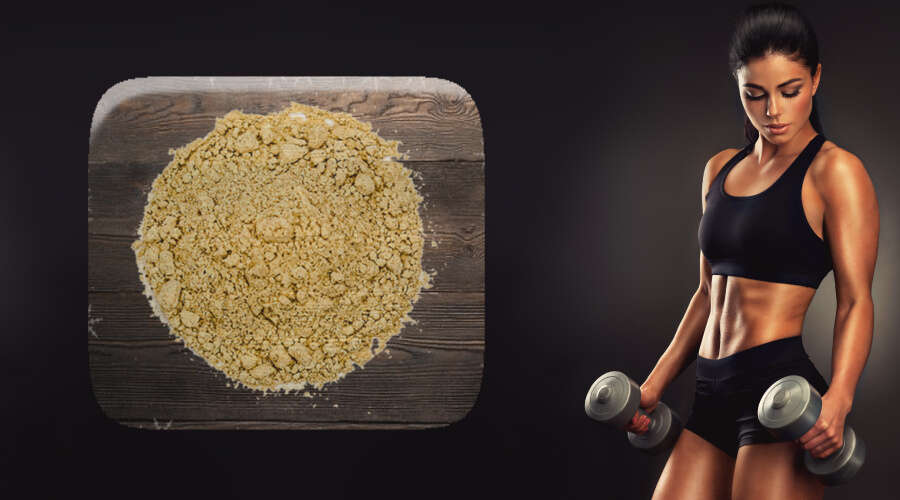
Protein and its role in bodybuilding can hardly be overstated. Whether it’s repairing worn-out muscles or contributing to new muscle growth, high-quality proteins are an indispensable part of any bodybuilding routine. But what happens when dietary restrictions stand in the way of getting optimal nutrition for muscle building? Well, that’s where nutritional yeast comes into play. Packed with protein and enhancing muscle development, it has become a staple in the diet of many plant-based athletes. This article specifically covers the importance of nutritional yeast for building muscles, especially for vegans and vegetarians. As such, nutritional yeast is the staple of a vegan bodybuilding diet.
In this comprehensive article, we delve into the world of nutritional yeast. We will take you through its production process, decipher its nutritional profile, and validate its status as a complete protein. We will also address potential side effects, and how you can integrate it into your daily diet. Furthermore, we will compare nutritional yeast to other popular plant-based proteins like seitan and tofu in terms of muscle building. Let’s dive in and dissect everything you need to know about this powerful little ingredient.

What are the specific challenges faced by vegetarians and vegans who want to build muscles?
Vegetarians and vegans often struggle to consume enough high-quality proteins necessary for muscle building. The reason for this challenge often stems from the fact that most complete proteins are found in animal products, which they exclude from their diet. Therefore, they have to rely on multiple plant-based protein sources to meet their protein needs. Vegans and vegetarians might find it difficult to get enough of certain nutrients like Vitamin B12, which is essential for muscle metabolism and health.
What is nutritional yeast and how is it made? Is it a complete protein?
Nutritional yeast, also known as ‘nooch,’ is a deactivated form of the Saccharomyces cerevisiae yeast (the same variety of yeast utilized in baking bread and crafting beer). Inactivated form simply implies that nutritional yeast, won’t perform effectively if you attempt to use it for brewing beer or baking bread, and it would probably yield a taste that’s far too bitter to be enjoyable.
It’s made by culturing the yeast for several days in a sugar-rich medium, after which it is deactivated, harvested, washed, and dried before use. It is indeed a complete protein as it contains all nine essential amino acids that the human body can’t produce on its own. Nutritional yeast is aptly named for its rich content of proteins, along with an impressive variety of vitamins, minerals, and antioxidants, all encapsulated within its powdery form. As for home production, while it’s theoretically possible, it’s generally more complex and time-consuming than it’s worth, given the readily available commercial options.
What is the taste and texture of nutritional yeast?
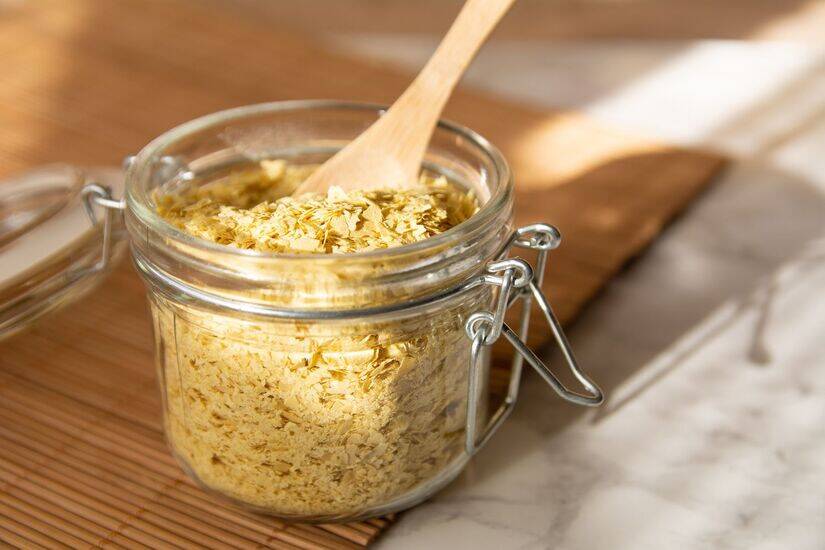
Nutritional yeast is often described as having a rich, nutty, or cheesy flavor, making it a popular ingredient in many vegan dishes to imitate cheese. Its taste is also umami, which is a savory and satisfying type of taste that’s often found in meat. The texture, on the other hand, can vary depending on the form you purchase it in. Nutritional yeast comes in yellow flakes, granules, or a powder-like form. The flaky and granulated versions have a somewhat crunchy texture until they’re blended into food, at which point they add a creamy, smooth consistency to the mix. The powdered form is similar but is quicker to dissolve and integrate into dishes creating a nice, smooth texture.
How does nutritional yeast differ from other types of yeast?
There are three main types of yeast derived from Saccharomyces cerevisiae used for different culinary and health-enhancing purposes.
- Firstly, there’s Brewer’s yeast, traditionally used in the beer brewing process. Its natural fermentation abilities convert sugars into alcohol, infusing the beer with a distinctive yeasty flavor. The leftover product, post-fermentation, is often sold as a dietary supplement due to its rich B-vitamin content.
- Secondly, Baker’s yeast is a strain specifically cultivated for bread making. It leavens dough by producing carbon dioxide and alcohol. When used correctly, it gives the bread a soft, light texture and a characteristic pleasant taste.
- Lastly, Nutritional yeast, the main focus of the article, is deactivated yeast. These deactivated yeasts are highly beneficial for health and provide a significant source of B vitamins and high-quality proteins. Its cheese-like flavor makes it particularly popular amongst vegans and vegetarians as a dairy substitute.
Adding to our understanding of nutritional yeast, one could categorize it into two broad types: unfortified and fortified.
- Unfortified nutritional yeast, as the name might suggest, is stripped of any added vitamins or minerals, solely relying on those produced naturally by yeast cells during their growth phase.
- On the flip side, we have fortified nutritional yeast. This variety includes synthetic vitamins that are integrated during the production process with the deliberate aim of enhancing its overall nutrient value. You’ll find these additional vitamins listed separately in the ingredient breakdown.
The benefits of nutritional yeast for muscle building
Apart from being a complete protein source, nutritional yeast is packed with a host of benefits that enhance muscle building and the overall fitness of the body.
Nutritional yeast nutrition facts
When considering the nutritional makeup of nutritional yeast, it is clear that it offers much more than just plant-based protein.
Macronutrients in nutritional yeast
It is a high-quality protein source that contains all nine essential amino acids that play a critical role in muscle development and repair. This makes nutritional yeast especially beneficial for those who adhere to plant-based diets, offering richness in protein that may be more difficult to attain from other sources.
Focusing on the carbohydrates in nutritional yeast, the reasonable content promotes digestion and energy balance without spurring blood sugar spikes. The carbohydrate in nutritional yeast is primarily fiber – promoting gut health and regular digestion. Because muscle building isn’t just about protein – a well-functioning metabolism and digestion system are key to utilizing the nutrients you eat.
Furthermore, the fat content in nutritional yeast is almost negligible. This low-fat feature of nutritional yeast may benefit those who are focusing on muscle building without consequently increasing body fat levels. Consuming nutritional yeast can help maintain a leaner body composition, crucial in any bodybuilding or muscle gain regimen.
| Protein | Carbohydrate | Fat |
|---|---|---|
| 8 grams | 5 grams | 0.5 grams |
| – complete protein | – primarily fiber: 3 g | – mostly unsaturated |
16 grams serving (around 1.5 tablespoons) of nutritional yeast contains 60 calories.
Micronutrients in nutritional yeast
Beyond macronutrients, the micronutrient profile of nutritional yeast is outstanding. It is fortified with B vitamins (B1, B2, B6, B3), including B12, crucial for nerve function and DNA synthesis. Vegans, who may struggle to get enough B12 from their diet, can significantly benefit from nutritional yeast. It also boasts an impressive mineral profile with high levels of zinc, iron, potassium selenium, and magnesium – nutrients that are essential for boosting immunity, supporting muscle function, and enhancing oxidative balance.
Can nutritional yeast alone provide enough protein for muscle building? What are the alternatives for vegetarians and vegans?
Can nutritional yeast alone deliver the required protein for muscle building? Well, no, but it has its place in a balanced diet. While nutritional yeast does contain a solid amount of protein, generally offering around 9 grams per two tablespoons, it shouldn’t be your sole source of protein if you’re trying to build muscle. To build and repair tissues efficiently, the body requires a variety of amino acids, some of which we must obtain from food. Although nutritional yeast is a complete protein, meaning it contains all nine essential amino acids our bodies can’t produce, you should still aim to get protein from diverse sources for optimal health and muscle growth.
For vegans and vegetarians, this means including other plant-based proteins like legumes (green peas, for example), nuts, seeds, and whole grains. Other alternatives include quinoa, lentils, chickpeas, tofu, beans, tempeh, edamame, spirulina, oatmeal, and seitan, all of which are rich in protein and can be an excellent addition to any muscle-building diet.
How does nutritional yeast compare to other plant-based protein sources like seitan, edamame, tempeh, or tofu for muscle building?
Nutritional yeast holds its own when compared to other plant-based protein sources. For instance, while seitan boasts a high protein content, it lacks the variety of essential nutrients that nutritional yeast provides. In terms of tofu, its protein content is somewhat lower, and while it’s rich in calcium and iron, it doesn’t provide the range of B vitamins that nutritional yeast does. Tempeh and edamame, for their part, are high in fiber and protein but, again, fall short of providing a full spectrum of vitamins and minerals. Adding nutritional yeast to your meals not only up the protein quotient but infuses your diet with a variety of other nutrients as well. Another reason why nutritional yeast outshines others is due to its substantial amounts of vitamins, notably the B-complex vitamins, which are necessary for converting food to energy – a vital process in muscle building. In short, nutritional yeast’s nutritional profile makes it a valuable addition to the plant-based diet when it comes to muscle building.
Are there any potential side effects of taking nutritional yeast for certain people?
For most people, eating nutritional yeast is safe and beneficial. The benefits of nutritional yeast outweigh the side effects. However, those with a specific type of inflammatory bowel disease known as Crohn’s disease might want to avoid it as it can potentially cause a flare-up. Additionally, people with yeast allergies or intolerances should avoid nutritional yeast.
In addition to what’s already been stated, it’s also crucial to understand that overconsumption of nutritional yeast could potentially lead to several side effects. It’s packed with a variety of vitamins, and while this is generally beneficial, too much of certain vitamins can cause unwanted issues. For instance, a significant excess of Vitamin B3 (Niacin), which is abundantly present in nutritional yeast, can lead to ‘flushing’, a painful tingling sensation in the skin.
Furthermore, nutritional yeast is high in purines. When your body breaks down purines, it produces uric acid. An accumulation of uric acid, due to a high dietary intake of purine-rich foods like nutritional yeast, could potentially lead to gout and kidney stones, especially if you’re already susceptible to these conditions.
Lastly, it’s worth noting that as nutritional yeast becomes more popular, there have been reports of people experiencing an uncomfortably bloated feeling or excess gas after consuming it, particularly in large amounts. It’s always a good idea to introduce new foods or supplements into your diet gradually, to let your body adjust and to identify any adverse reactions early on.
How to incorporate nutritional yeast into your diet?
There are several creative ways to integrate nutritional yeast into your diet. Sprinkle it over popcorn for a healthy snack, stir it into pasta sauces for added depth, or even blend it into smoothies for an extra protein boost. You can use it as a topping for roasted vegetables, enhancing the flavor while adding extra nutrition. Mixing it into soups or stews can add a depth of flavor and it blends well with the other ingredients. Due to its cheesy flavor, nutritional yeast works effectively as a cheese substitute in vegan dishes, such as in vegan mac and cheese or vegan lasagna. You can also stir it into mashed potatoes or scrambled eggs. For a quick nutritious snack, blend nutritional yeast into your choice of nuts to create a tasty, protein-packed nut butter. It’s all about exploring and making it work for your taste and dietary habits.
In wrapping up, it’s important to emphasize the central role that nutritional yeast can play in muscle development. As a powerhouse of proteins and a host of essential nutrients, it is an excellent substitute for traditional protein sources, particularly for vegetarians and vegans. The unique flavor of nutritional yeast, combined with its dietary advantages, offers a refreshing change from conventional muscle-building foods.
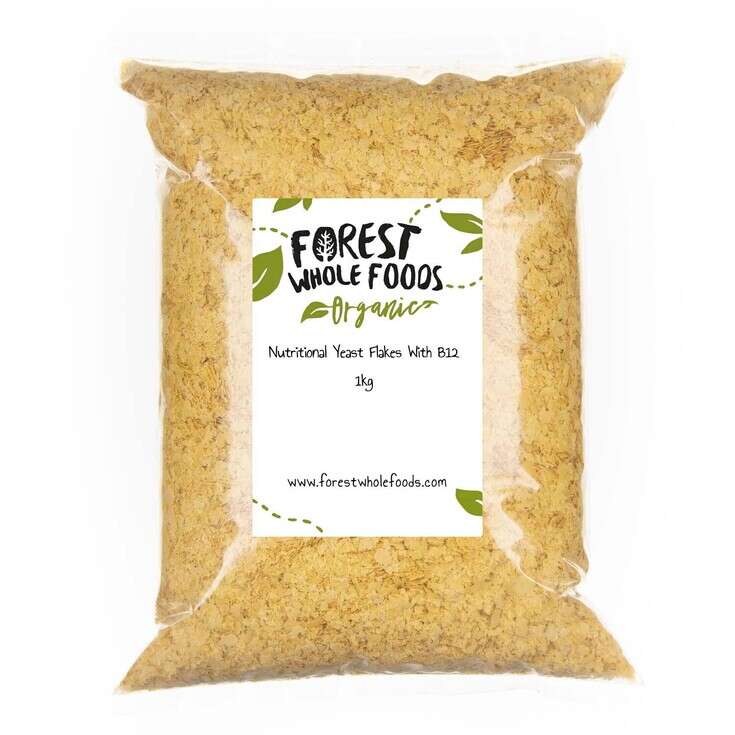
Moreover, the ease with which nutritional yeast can be incorporated into multiple dishes cannot be overstated. This versatility extends its appeal, making it an effortless choice for those committed to their fitness objectives. When selecting nutritional yeast, it’s critical to ensure its quality, as this can profoundly impact its nutritional content and subsequently, your muscle growth.
While it is a potent source of protein, it should be consumed as part of a balanced diet that includes other plant-based proteins and nutrients. But as we’ve cautioned, nutritional yeast may pose side effects for certain individuals, so it’s advisable to proceed with suitable discretion.
