


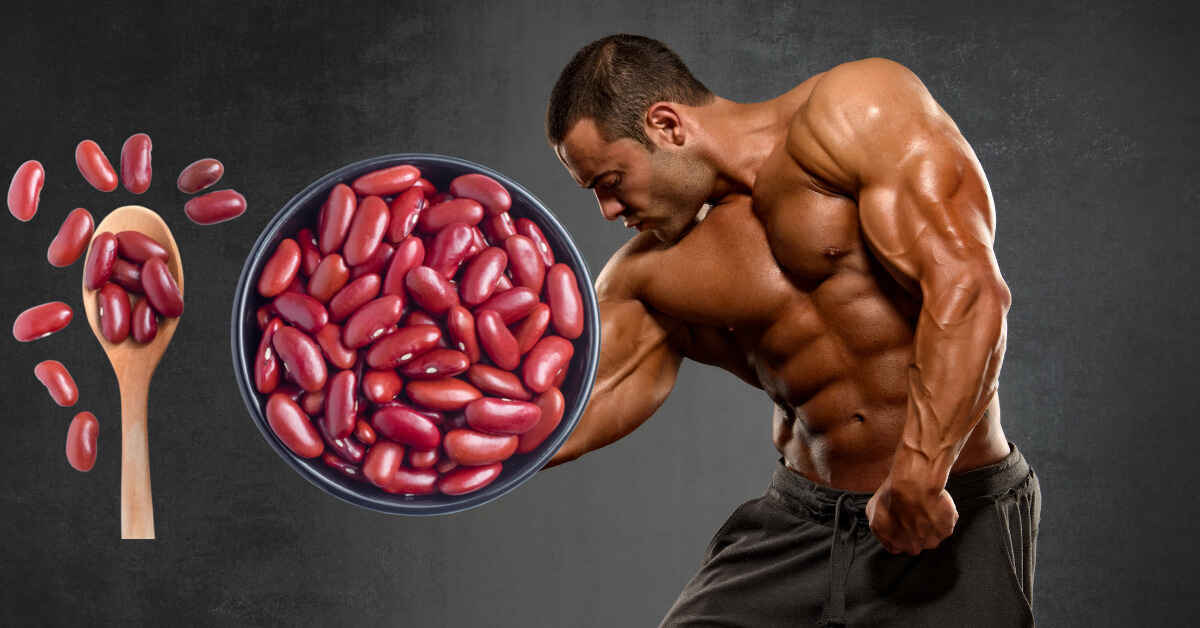
When it comes to building muscles, consuming high-quality protein is non-negotiable. Whether it’s leg presses, deadlifts, or before and after a grueling cardio routine, protein fuels the body for these intense activities and aids in the repair and growth of muscle tissues. But, what if you’re vegetarian or vegan? How do you get the right amount of protein with a meat-free diet? Enter the humble bean – your new protein-packed best friend.
But why beans? Beans are not merely an excellent alternative to meat for our vegan and vegetarian friends, they are a nutrient-dense and versatile food that can work wonders in any muscle-building diet. As such, beans are the staple of a vegan bodybuilding diet. In this article, we’ll cover everything from the challenges faced by non-meat eaters, the nutritive profile of beans, the benefits of consuming them, potential side effects, common misconceptions, and how to incorporate beans into your diet f. So fix a bowl of your favorite legume, sit back, and read on to discover why beans might just be the secret ingredient for your bodybuilding success.
What are the specific challenges faced by vegetarians and vegans who want to build muscles?
Vegetarians and vegans aiming to build muscle mass often face specific hurdles. The primary obstacle is finding protein-heavy foods that align with their chosen way of eating. Animal-based products (especially meat) contain a high concentration of protein, making them the preferred choice for individuals looking to increase muscle mass. Nonetheless, for those adopting a plant-based diet, the challenge intensifies. Not only do they need to locate rich protein sources compatible with their dietary habits, but they also have to contend with other nutritional requirements necessary for muscle growth. These nutrients include vitamins like B12, generally abundant in animal products, and specific amino acids, which are paramount for muscle recovery and growth. Overcoming these challenges means diligently exploring and adopting diverse plant-based proteins, ensuring a well-rounded and balanced diet.
What are beans? Are beans a complete protein? What are the best types of beans for building muscles?
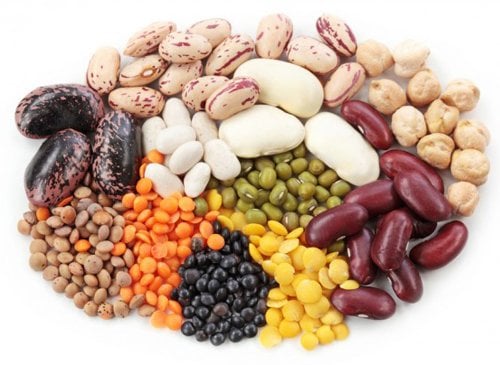
Beans are seeds from the Fabaceae family, commonly known as the legume family. Beans typically grow in pods with more than one bean inside. A vast variety of beans exist, but the most commonly consumed ones are black beans, kidney beans, lima beans, and chickpeas. Classified as legumes, beans share this category with other plants like peas and lentils, all known for being excellent sources of protein and fiber.
While beans contain all nine essential amino acids, they lack sufficient quantities of methionine, making them an ‘incomplete’ protein (in comparison to animal sources or soy). However, pairing them with ‘complete’ protein sources like quinoa or brown rice can fulfill the protein requirements.
Both brown and white rice are abundant in methionine yet deficient in lysine. At the same time, beans are an excellent source of lysine but have insufficient methionine. An effective strategy to acquire ample quantities of these, as well as the remaining seven vital amino acids, is to combine them both. This enables you to reach the requisite level of a well-rounded protein.
Among the various types of beans, soybeans, cranberry beans, pinto beans, and black beans shine out as the best for muscle building due to their high protein content.
Types of beans
There’s a vast spectrum of beans out there, each packed with its unique nutritional profile and contributing distinctively to muscle building. The beautiful diversity of beans ranges from the commonly consumed like kidney beans and black beans to the less prevalent such as Adzuki and Cranberry beans. Let’s delve a little deeper into the world of these protein powerhouses and see what each one has to offer.
- Black Beans: Also known as ‘turtle beans’, black beans are protein-rich, fiber-filled, and hearty. They have a dense texture and a slightly sweet flavor, making them a popular choice for recipes like soups, stews, and chili.
- Kidney Beans: These beans are named after their kidney-like shape and are quite popular in dishes like chili con carne. Kidney beans are high in essential minerals and protein, contributing greatly to muscle building.
- Pinto Beans: These beans are a staple in Mexican cuisine. They have a creamy texture when cooked and carry a nutty yet sweet flavor, which is perfect for recipes like refried beans and chili.
- Chickpeas: Also known as garbanzo beans, chickpeas are round and nutty-flavored. They are rich in protein and fiber and are a large part of Mediterranean and Middle Eastern cuisines, most notably in hummus.
- Lima Beans: Named after the city of Lima in Peru, these beans are slightly sweet and starchy. They are a great source of proteins, making them a key element in many muscle-building diets.
- Navy Beans: Small and white, navy beans are perfect for making bean soup or adding to a salad. They are low in fat, rich in fiber (offering prolonged energy without a spike in blood sugar), and high in protein.
- Green Lentils: These are an often overlooked source of plant-based protein. Known for their peppery taste, green lentils retain a firm shape and are a great addition to salads and stir-fries.
- Adzuki Beans: Originating in East Asia, Adzuki beans are a sweet and nutty bean, often used in desserts. This type of bean is rich in protein and fiber and also contains high levels of potassium.
- Cranberry beans: Cranberry beans are an excellent protein source for those chasing muscle gains. They are rich in fiber and antioxidants, aiding in digestion while also fighting off harmful free radicals. Their dense, meaty texture and subtly sweet flavor make them a satisfying and versatile addition to your muscle-building diet.
- Fava beans. Typically large and flat, fava beans, also known as broad beans, are densely nutritious and offer an impressive host of health benefits. They possess a rich, slightly sweet flavor and a texture that’s both meaty and creamy when cooked. Fava beans provide an excellent source of protein and fiber, which makes them a powerful tool for muscle building and overall wellness.
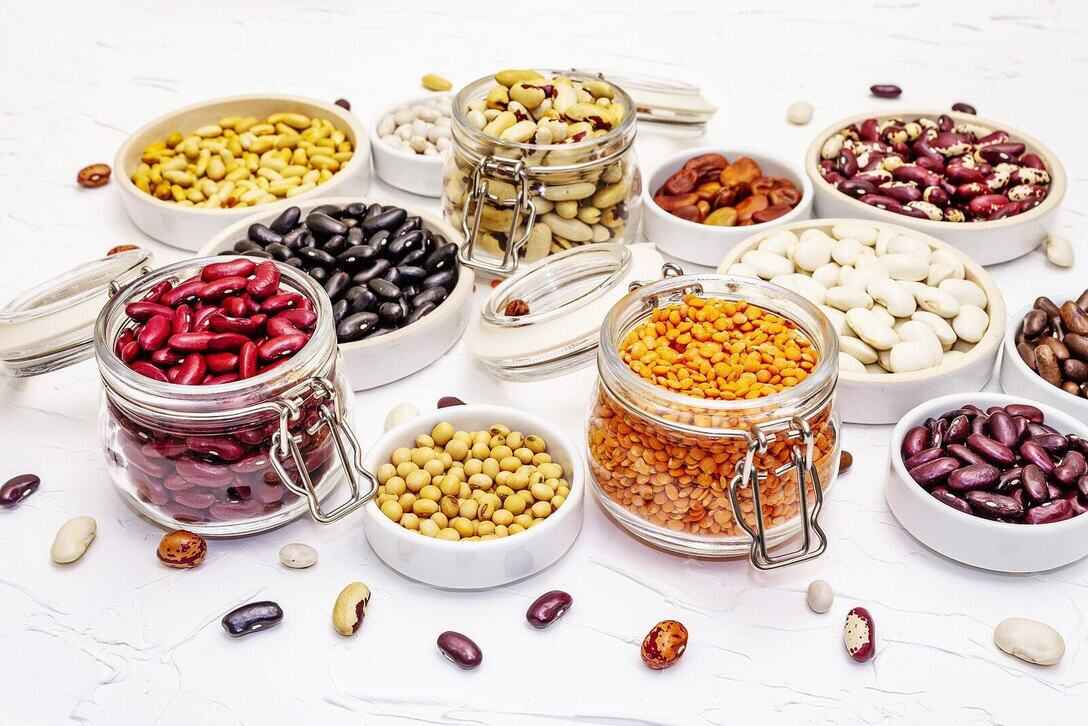
When it comes to protein-rich beans suitable for bodybuilding, soybeans, cranberry beans, pinto beans, and black beans take the lead. Their high protein contents, combined with their rich fiber and nutrient profiles, make them solid choices for muscle growth and bodybuilding.
No need to fret, with a plethora of healthy varieties on offer, rest assured, there’s a type of bean perfectly suited to your palate.
The benefits of beans for muscle building
Vegan bodybuilders have a special bond with beans. This can be attributed to the unique benefits of this legume in supporting muscular development and overall health. Here’s why:
#1 Protein-packed
Beans are rich in protein, the fundamental building block for muscle growth and repair. With a protein content that can rival many animal sources, beans provide the fuel that you need to build muscle mass. They deliver a steady supply of amino acids to your muscles, helping them repair and cultivate tissues. This makes it a substantial choice for vegetarians and vegans.
#2 Rich in Fiber
Beans are incredibly high in dietary fiber, a nutrient that bodybuilders might not adequately consume in their daily diet. Despite the recommended daily intake of fiber set at 25 grams, it’s notable that many bodybuilders consume less than 20 grams daily. This not only provides for better digestion and gut health but also plays a major role in keeping you satiated for extended periods. By keeping your hunger pangs at bay, beans can help you manage your calorie intake effectively.
#3 Loaded with Micronutrients
Beans are packed with vitamins and minerals crucial for muscle building, such as iron, magnesium, phosphorus, and zinc. Iron is necessary for oxygen transportation to your muscles, boosting their performance. Magnesium plays a key role in muscle contraction and relaxation, contributing to workout performance. Phosphorus and zinc help in the recovery and growth of muscle tissue.
#4 Low in fat
Most beans are low in fat and high in complex carbohydrates, which ensures a slow release of energy – perfect for sustained workouts. You can compare the fat content of many popular types of beans in the table below.

The nutritional profile of beans
Macronutrients
Considering their macro and micronutrient breakdown, beans gain recognition as a nutritious choice for those looking to build muscle.
Rich in protein, they aid in muscle repair and growth effectively. Generally, a 100 g serving of beans can bring about 8-10 grams of protein to your diet (depending on the type of beans). Soybeans are an exception, delivering 18 grams of protein per 100g serving.
Alongside this, they also present a significant source of complex carbohydrates, usually between 15 – 27 grams per 100 g serving, which provide steady, lasting energy for intense workouts. Beans that pack the highest amount of carbohydrates include pinto beans, chickpeas, navy beans, black and kidney beans. These types of beans contain around 24 – 28 grams of carbs per 100g, making them a substantial source of energy. The types of beans that are lowest in carbs include black soybeans, mung beans, Great Northern, and Cannellini beans.
But wait, before you worry about fat content, you should know that beans are low in fat, with most varieties (black beans, kidney beans, lima beans, adzuki beans, and navy beans, for example) containing less than 1 gram per 100g. The only exceptions to this rule are garbanzo beans (chickpeas) and soybeans. This factor makes them a wholesome addition to any muscle-building diet, an excellent ally in meeting your macro nutritional goals without tipping the scales on unwanted intake. A well-rounded nutritional profile ensures you’re not just feeding your muscles, but promoting overall body health. So, in essence, beans play a key role, helping fuel both your workouts and recovery efficiently and effectively.
| Type of beans | Protein (g) | Carbs (g) | Fiber (g) | Sugar (g) | Fat (g) | Calories |
|---|---|---|---|---|---|---|
| Black Beans | 8,86 | 23,70 | 8,70 | 0,32 | 0,54 | 132 |
| Red Kidney Beans | 8,67 | 22,80 | 7,40 | 0,32 | 0,50 | 127 |
| Pinto Beans | 9,01 | 26,20 | 9,00 | 0,34 | 0,65 | 143 |
| Garbanzo Beans (Chickpea) | 8,86 | 27,40 | 7,60 | 4,80 | 2,59 | 164 |
| Lima Beans | 7,80 | 20,90 | 7,00 | 2,90 | 0,38 | 115 |
| Navy Beans | 8,23 | 26,00 | 10,50 | 0,37 | 0,62 | 140 |
| Adzuki Beans | 7,52 | 24,80 | 7,30 | 0,00 | 0,10 | 128 |
| Cranberry Beans | 9,34 | 24,50 | 8,60 | 0,00 | 0,46 | 136 |
| Fava Beans | 7,60 | 19,60 | 5,40 | 1,82 | 0,40 | 110 |
| Soybeans | 18,2 | 8,36 | 6,00 | 3,00 | 8,97 | 172 |
| Great Northern | 8,33 | 21,10 | 7,00 | 0,00 | 0,45 | 118 |
| Cannellini Beans | 6,15 | 14,62 | 3,80 | 0,77 | 0,00 | 85 |
| Mung Beans | 7,02 | 19,20 | 7,60 | 2,00 | 0,38 | 105 |
It’s worth noting that the caloric content of beans can change depending on what type they are. Nevertheless, on average, you’re typically looking at anywhere between 90 and 180 calories per 100 grams.
Micronutrients
Supercharging more than just protein, beans are nutritional powerhouses in terms of vitamins and minerals, too. Foremost, their high levels of B vitamins, such as riboflavin, thiamin, niacin, and folate are worth mentioning. Let’s start with B vitamins – these are substantial in their role to maintain energy levels, keep brain functions optimized, and even boost cell health. Specifically, folate is crucial for DNA synthesis and repair, which aids in the process of muscle regeneration and can potentially speed up recovery after workouts.
Moving onto minerals, beans boast a high concentration of essential ones like iron, magnesium, potassium, and calcium. Iron is pivotal in transporting oxygen in your system, which can enhance your workout by increasing blood oxygen levels, ensuring your muscles are well-nourished during exercise. On the other hand, potassium helps balance electrolytes and fluids in the body, it also aids muscle contraction and nerve signals. So, gobbling up beans before or after a workout could result in lesser muscle cramps and improved muscle function.
Furthermore, magnesium plays a key role in muscle function, protein synthesis, and energy production – all critical for effective workouts and muscle building – while calcium is necessary for bone health and muscle contraction. Naturally, with bones being the framework that supports your muscles, having them strong is undeniably beneficial for bodybuilding. Overviewing the nutritional profile of beans, it’s clear they pack more than just protein, hosting a suite of vitamins and minerals that boost muscle building and overall health.
Can beans alone provide enough protein for muscle building?
The question of whether beans alone can provide enough protein for muscle building is complex because, while they are a rich source of protein, they may not provide all types of proteins (amino acids) needed for muscle growth. Proteins are composed of amino acids, and out of 20 total amino acids, 9 are essential, meaning we must obtain them from our diets. While beans typically contain a decent spread of these essential amino acids, they are considered incomplete proteins because they are extremely low in one or more of the essential amino acids – typically methionine.
Therefore, simply relying on beans for protein might inhibit muscle development. To ensure you’re consuming a complete protein profile, you can combine beans with whole grains or nuts to make up for the deficient amino acids. A balanced, varied diet is the key to meeting protein needs for muscle development.
What are the alternatives to beans for high-quality protein in vegan bodybuilding?
If you’re seeking other high-quality plant-based protein sources to supplement your muscle-building regimen, there are numerous options available to you. Nutrient-dense and protein-packed oats can be an excellent way to start your day. Green peas offer not just protein but a variety of essential vitamins and minerals. Nutritional yeast is a unique, tasty addition to many meals that provides a surprising protein boost. Spirulina’s high protein and antioxidant content make it a beneficial supplement. Hearty edamame can provide a satisfying, protein-rich snack or main meal. Tempeh and tofu are other soy-based options, capable of being versatile, substantial main ingredients in many dishes. Each of these provides a hearty dose of protein that can help support muscle growth alongside beans in a vegan or vegetarian diet.
Are there any potential side effects of eating beans for certain people?
While beans are an excellent source of protein for many, certain individuals may experience side effects from consuming them. A common issue is an allergic reaction; symptoms can manifest as skin rashes, nasal congestion, or even anaphylactic shock in severe cases. This is relatively rare but important to keep in mind.
Additionally, beans are high in purines, naturally occurring substances that can cause health complications for individuals with conditions like gout or kidney stones. Elevated purine ingestion can lead to spikes in uric acid, leading to painful flare-ups in these conditions.
Some varieties of beans, particularly red and kidney beans, contain lectins, protein-based substances that can cause nausea, vomiting, and diarrhea if consumed raw or undercooked. It’s crucial to prepare beans correctly to avoid any potential gastrointestinal discomfort associated with these compounds. Soaking and thoroughly cooking beans can greatly reduce their lectin concentration, making them safe for consumption.
Lastly, while beans are high in fiber, a sudden increase in fiber consumption can lead to symptoms like bloating, gas, and abdominal discomfort. These issues are usually short-lived and improve when the body adjusts to the increased fiber intake.
What are some common misconceptions about beans?
Despite their numerous health benefits, beans have been subjected to several misconceptions. The most common misconception about beans is that they can’t provide enough protein for muscle building. Although beans alone may not be sufficient, they are still an excellent protein source, especially when combined with a variety of plant-based proteins.
Furthermore, some people think that beans are difficult to digest or can cause bloating and gas. However, these effects are often temporary and lessen as your body adjusts to a high-fiber diet. Additionally, beans are falsely labeled as “poor man’s food”, when in truth, they are nutritional powerhouses loaded with essential nutrients beneficial for everyone regardless of their financial status.
Furthermore, beans’ reputation for causing weight gain is another common misconception. Contrarily, beans are quite filling due to their high fiber and protein content, thus helping in weight management by preventing overeating.
Lastly, it’s a common belief that cooking beans is time-consuming but with modern cooking techniques such as pressure cookers or instant pots, beans can be prepared in a fraction of the time.
How to incorporate beans into your diet?
From soups, and salads, to wraps and burritos, there are countless ways to incorporate beans into your diet. Don’t be afraid to experiment.
If you’re new to eating beans as a primary protein source or are simply looking for new ideas, there are several delicious ways to increase your bean consumption of beans effectively.
Start your day by blending beans with your morning smoothie, giving it a protein boost along with a smooth, creamy texture. Beans can also be mashed and spread onto toast or used as a filling for sandwiches or wraps for lunch.

Don’t forget the famed bean burger, a great alternative to traditional meat burgers. For dinner, why not incorporate beans into a hearty salad or as a part of pasta dishes?
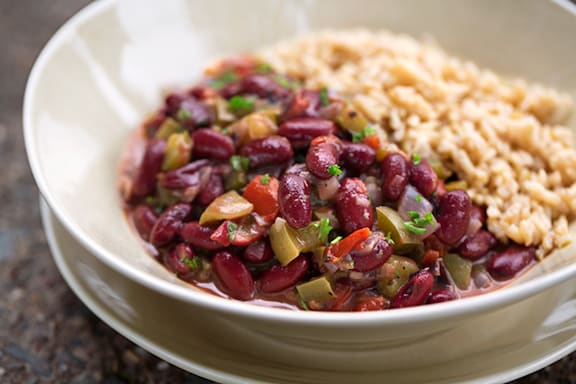
Also, cooked beans can be a great addition to a rice dish or standalone as warming bean soups or curries.
Lastly, snack time isn’t left out as roasted beans are nutritious and flavorful, making an ideal snack. And if you’re into baking, black bean brownies or chickpea cookies (chickpea is a type of bean) can be fun ways to pack protein into your dessert!
What are some tips for selecting the best quality beans for muscle building?
When it comes to selecting the best quality beans for muscle building, you should keep a few factors in mind. Firstly and most importantly, it’s essential to focus on protein content. Soybeans, cranberry beans, pinto beans, and black beans are particularly high in protein, which can help with muscle synthesis and repair after strenuous workouts.
While soybeans can indeed often be genetically modified, they’re not the only ones that can be; other beans like kidney beans, navy beans, and pinto beans may also be genetically modified. As such, always check the packaging and opt for labels indicating that the beans are organic and non-GMO to be safe.
Additionally, the way the beans are processed can affect their nutritional value. To preserve the maximum amount of nutrients, choosing dried beans over canned ones is often recommended. Dried beans have typically undergone less processing, which means they can retain more of their original nutritional content. However, if you prefer canned beans for convenience, look for brands that do not use preservatives or unnecessary additives.
Last but not least, incorporating a variety of different types of beans into your diet can also be beneficial. This allows you to gain a wide range of nutrients while keeping your meals exciting and diverse. Remember, muscle building isn’t just about protein – it’s also about maintaining overall health and well-being!
How do beans compare to other plant-based protein sources for muscle building?
Here’s a breakdown of the macronutrients that different plant-based protein sources have to offer (based on serving size: 100 g)
| Protein source | Proteins (g) | Carbs (g) | Fiber (g) | Fat (g) |
|---|---|---|---|---|
| Oats | 12,5 | 67,5 | 10,0 | 6,25 |
| Green peas | 5,36 | 15,6 | 5,5 | 0,22 |
| Nutritional yeast | 50,0 | 31,25 | 18,8 | 3,12 |
| Spirulina | 57,5 | 23,9 | 3,6 | 7,72 |
| Edamame | 10,6 | 9,41 | 4,7 | 5,29 |
| Tempeh | 20,3 | 7,64 | 6,0 | 10,8 |
| Seitan | 75,2 | 13,8 | 0,6 | 1,85 |
| Tofu | 17,0 | 3,0 | 2,3 | 9,0 |
| Garbanzo Beans (Chickpea) | 8,9 | 27,4 | 7,6 | 2,6 |
Beans offer various health benefits, making them a crucial ingredient in the nutritional plan of not only vegans and vegetarians, but everyone aiming to lead a healthy life. The high protein content in beans bridges the nutritive gap often faced by vegetarians and vegans in their quest for bodybuilding. Not only do beans provide significant amounts of protein, but they also offer a host of micronutrients, including vitamins and minerals, which ensure overall well-being and optimal bio-functionality.
Beyond their nutritive potential, beans bring to the plate immense versatility; with a plethora of bean types and preparation methods, they can easily find their way into most meals, further simplifying the protein-boosting endeavor. In addition to protein, beans are packed with dietary fiber, aiding digestion and contributing to a feeling of fullness, essential for managing a healthy dietary regimen.
Still, it’s pivotal to note that not all beans are created equal. The type of beans consumed will substantially impact their ability to support muscle building. Knowledge of the nutritional profile of specific beans can guide us toward more conscious and productive choices. It’s also essential to recognize that beans alone may not suffice in supplying the necessary proteins for muscle building, emphasizing the need for a varied diet that includes other high-quality protein sources.
Beans may elicit digestion-related issues for certain individuals, underscoring the importance of adequate preparation and consumption. Guarding against common misconceptions can elevate the optimized use of these nutrient-dense legumes for muscle building. Lastly, beans certainly don’t have to stand in the shadow of other plant-based protein sources such as tofu or seitan. Their nutritional efficacy makes them a formidable contender, underscoring their value in the pantheon of foods crucial for muscle building.
Enveloped in all these exciting insights, it’s impossible not to see the transformative potential of beans in championing a muscle-building journey aligned with nutritional goodness. So, whether you’re a vegan, a vegetarian, or anyone trying to pack on muscle, don’t forget to power your diet with the might of beans – a powerhouse legume that has your muscle-building ambitions in mind.
