


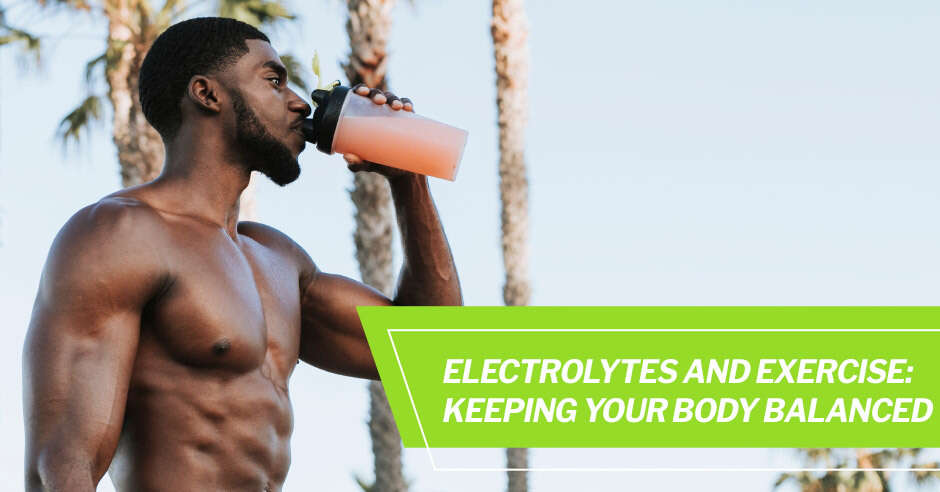
Whether you’re a casual gym-goer or a professional athlete, you’ve probably heard about the importance of electrolytes. But what are these curious compounds that spark so many conversations in the health and fitness world? And why have they gained such an esteemed reputation among athletes and bodybuilders? In this article, we are going to illuminate the crucial role of electrolytes in your fitness journey. We’ll dig into science, explore their unique benefits, delve into potential side effects of electrolyte imbalance, and even spill the beans on finding your sweet spot for optimal intake. Strap in and get ready to empower your athletic endeavors with the knowledge to keep your body fueled, functional, and at its peak!
The ‘electric’ in electrolytes isn’t just for show. When these minerals dissolve in our body fluids, they produce electrically charged particles called ions, vital to many of our bodily functions.
- Sodium (positive ion)
- Chloride (negative ion)
- Potassium (positive ion)
- Calcium (positive ion)
- Magnesium (positive ion)
Curious about why these ions matter so much to your athleticism? Read on, and we will decode this for you. Think of electrolytes as a winning sports team: individual players each bring a specific function to the game, but true success comes when they work together.
What are electrolytes and their functions in the body?
Electrolytes are minerals found in your blood and other body fluids that carry an electric charge. They are essential for a variety of bodily functions as they help regulate your heartbeat, allow muscles to contract so you can move, and assist in nerve impulse transmission. They are obtained from the foods and fluids we consume.
- Electrolytes play a crucial role in maintaining the balance of fluids in the body. They regulate the movement of fluids in and out of cells, which is important for maintaining the body’s hydration levels. This is especially vital for athletes, as dehydration can significantly impact performance and health.
- In addition to fluid balance, electrolytes are also key in nerve and muscle function. They facilitate the electrical signals needed for nerve impulses and muscle contractions, including those of the heart. This is why electrolyte imbalances can lead to symptoms like muscle weakness or spasms.
- Electrolytes also help to maintain the body’s pH balance. The body’s pH level, which measures how acidic or alkaline the body’s fluids are, needs to be tightly regulated to ensure optimal function of various bodily systems. Electrolytes like bicarbonate help buffer the pH of the blood, keeping it within a narrow range.
- Moreover, electrolytes like sodium, potassium, and calcium are involved in the process of energy production. They play a role in the breakdown of nutrients and the generation of energy, which is crucial for athletic performance.
- Lastly, electrolytes also assist in blood clotting, which is essential for wound healing and preventing excessive bleeding. Calcium, in particular, plays a key role in the blood clotting process.
Key electrolytes for athletes and bodybuilders
Before delving further into the science of electrolytes, you need to understand the key players in this game. We’re talking about specific minerals, namely: sodium, chloride, potassium, calcium, and magnesium – which are essential for a myriad of bodily processes. But how do these elements specifically impact your exercise performance, you might ask? Let’s break these down one by one:
- Sodium: Known as a major star in the hydration process, sodium helps manage fluid balance inside and around your cells. When you’re sweating it out in the gym or on the court, it’s this mineral that matters the most. Imagine running a marathon on a hot day without adequate sodium – your body would lose water rapidly, potentially leading to a dangerous condition known as dehydration.
- Chloride: This electrolyte works closely with sodium to maintain proper blood volume, blood pressure, and pH of your body fluids. During intense workouts, chloride ensures your body fluid isn’t too acidic or too basic.
- Potassium: It also aids in maintaining cell hydration and plays a pivotal role in muscle contractions. Potassium takes the helm when it comes to maintaining heart rhythm and muscle functions. Lack of this can lead to lousy performance or worse, cardiac issues. Imagine being on the field, your muscles freezing up and cramping – not exactly the pinnacle of athleticism, now, is it?
- Calcium: Strong bones? Think about calcium. But its role doesn’t end there. It helps in muscle contraction and nerve signaling too. So, the right calcium balance can directly impact your athletic performance.
- Magnesium: This is your go-to for converting food into energy, bone health, and muscle contraction. A deficiency may lead to muscle cramps, which could drastically hamper your workout or game.
| Electrolyte | Function in Body | Common Source | Recommended Daily Intake |
|---|---|---|---|
| Sodium | Contributes to muscle contractions, nerve function, and bone health | Table salt, processed foods | 1500 mg for adults |
| Potassium | Maintains heart and muscle function | Spinach, bananas, potatoes | 4700 mg for adults |
| Chloride | Supports digestion and maintains fluid balance | Table salt, tomatoes | 1800-2300 mg for adults |
| Calcium | Needed for muscle function and bone health | Dairy products, tofu, almonds | 1000-1300 mg for adults |
| Magnesium | Contributes to muscle contractions, nerve function and bone health | Green vegetables, nuts, brown rice | 310-420 mg for adults |
Remember: these minerals aren’t operating solo. They work closely, reinforcing each other’s functions. Neglecting one can result in the imbalance of others, leading to reduced athletic performance and potential health complications.

The importance of electrolytes for athletes and bodybuilders
You can now appreciate why a proper electrolyte balance is vital for anyone, but for athletes, it’s even more critical. Competitive sports often involve strenuous, sweat-inducing activities which can flush electrolytes out of your body. This can lead to dehydration, muscle cramps, or even more severe conditions if not replenished.
Keeping your electrolyte balance in check can significantly improve your sports performance. And remember, like a good team, electrolytes must be balanced to function optimally. That’s why many athletes turn to drinks and foods high in these essential minerals to fuel their bodies during training and competition.
So, whether you’re a soccer star or a yoga enthusiast, never underestimate the power of electrolytes! Knowing and understanding the importance of electrolytes can significantly influence your performance and impact your overall health.
1. Optimized hydration
Electrolytes help to regulate the body’s hydration levels. When an athlete sweats, they lose not only water but also electrolytes, particularly sodium and chloride. We often hear ‘stay hydrated’, especially in the sports world, but do you understand the true extent of it? Water is necessary, yes, but hydration is more than just consuming water. It’s about electrolyte balance to retain the hydration. Just drinking water won’t do. Drinking electrolyte-infused water, now that’s a different story! Hydration becomes optimized, doing wonders for stamina and performance.
2. Dodging muscle cramps
Ever experienced that jarring muscle cramp in the middle of a game or workout session? That could be a sign of electrolyte imbalance. Electrolytes, especially calcium and potassium, are critical for muscle contraction and nerve impulse transmission. Neglecting electrolyte replenishment can lead to muscle weakness, spasms, or in severe cases, even seizures. So do your muscles a favor and maintain that electrolyte balance.
3. Keeping a steady heartbeat
The heart, your body’s hardest-working muscle, also needs proper electrolyte balance. Ever wonder why? Electrolytes like potassium and calcium help maintain your heartbeat regular and steady. Stay on top of your electrolyte game to keep your heart strong and steady, just like your athletic spirit.
4. Maintaining the body’s acid-base balance
Electrolytes help to maintain the body’s acid-base balance, which is crucial for normal cellular functions. During intense exercise, the body produces lactic acid, which can decrease the pH of the blood, leading to acidosis. Electrolytes, particularly bicarbonate, can help buffer this acid, preventing acidosis and helping to sustain athletic performance.
5. Aiding in the recovery process post-exercise
Lastly, electrolytes also aid in the recovery process post-exercise. Replenishing lost electrolytes helps to restore fluid balance, supports muscle recovery, and reduces fatigue and muscle cramps. This can help athletes recover faster and prepare for their next training session or competition.
What happens to an athlete’s body when there is an electrolyte imbalance?
When an athlete’s body experiences an electrolyte imbalance, several physiological changes can occur.
- Dehydration. An imbalance, either a deficiency or excess, can lead to dehydration. Dehydration occurs when the body loses more fluids than it takes in, and without adequate electrolytes, the body cannot properly absorb or retain water. This can result in symptoms like dry mouth, fatigue, and dizziness, which can significantly hinder an athlete’s performance.
- Nervous system disorders. Electrolyte imbalances can also affect the nervous system. Electrolytes are essential for transmitting electrical signals throughout the body, including the brain. An imbalance can disrupt these signals, leading to symptoms like confusion, seizures, or even coma in severe cases. For athletes, this can mean slower reaction times and decreased coordination.
- Impaired muscle function. Muscle function is another area significantly impacted by electrolyte imbalances. Electrolytes are necessary for muscle contraction and relaxation. An imbalance can lead to muscle weakness, cramping, or spasms, which can affect an athlete’s ability to perform and recover from exercise.
- Heart rhythm disturbance. Finally, electrolyte imbalances can affect the cardiovascular system. Sodium and potassium, in particular, are essential for maintaining heart rhythm. An imbalance can lead to irregular heartbeats, known as arrhythmias, which can be life-threatening in severe cases. For athletes, this can mean decreased endurance and increased risk of injury.
How can athletes ensure they are getting enough electrolytes?
- Athletes can ensure they are getting enough electrolytes by incorporating a balanced diet that includes foods rich in these essential minerals. Foods such as bananas, sweet potatoes, avocados, spinach, and yogurt are excellent sources of potassium, while foods like nuts, seeds, and whole grains provide magnesium. Dairy products, meat, and eggs are good sources of calcium and phosphorus.
- Hydrating properly is another key aspect. Drinking water alone is not enough, especially during intense or prolonged physical activity. Athletes should consider using electrolyte-enhanced beverages, such as sports drinks, which contain a mix of electrolytes and carbohydrates. These drinks help replenish electrolytes lost through sweat and provide energy.
- Supplements can also be a useful tool for athletes to maintain electrolyte balance. There are many over-the-counter electrolyte tablets, powders, and gels available that can be added to water. However, these should be used with caution and under the guidance of a healthcare professional or a sports nutritionist, as overuse can lead to an imbalance.
- Regular blood tests can help monitor electrolyte levels and ensure they are within the optimal range for athletic performance. These tests can identify any deficiencies or imbalances, allowing for targeted dietary changes or supplementation.
- Lastly, athletes should listen to their bodies. Signs of electrolyte imbalance can include muscle cramping, fatigue, nausea, and irregular heartbeat. If these symptoms occur, it’s important to seek medical attention and adjust intake accordingly.
Fine-tuning your electrolyte intake
Every athlete’s body and regimen are different, which is why there is no ‘one-size-fits-all’ solution to electrolyte intake. What works best will depend on factors like your level of activity and duration of exercise, body weight, the climate, individual sweat rates, and specific athletic tasks. Paying attention to your body and understanding its signals will help you find the balance that’s right for you.
Finding your sweet spot
You might ask, “How do I know if my electrolyte intake is on track?” Some signs of a healthy electrolyte balance include staying well-hydrated, a steady, strong heartbeat, and a lack of muscle cramps. Generally, if you’re feeling strong and energetic, your electrolyte balance is probably good. But if you’re often fatigued or experience muscle twitches or cramps, it may be time to reassess.
Seeking professional advice
If you’re unsure how to balance your electrolyte levels, don’t hesitate to seek help from professionals. A dietitian or sports nutritionist can provide scientific advice tailored to your individual needs. Their expertise can guide you to a balanced diet that supports optimal electrolyte levels.
Finally, remember that while electrolytes are crucial, they’re just part of the bigger picture. Good nutrition, regular exercise, adequate rest, and staying hydrated also play vital roles in your athletic success. It’s about fostering a holistic approach to complete body care. Now, make sure your electrically charged minerals are in balance, and get ready to enjoy the game even more!
Best food sources of crucial electrolytes for athletes
Electrolytes can be found in a variety of foods and drinks.
- Bananas are an excellent source of potassium, an essential electrolyte that helps regulate heart and muscle contractions. They’re also easy to digest and can be consumed before, during, or after exercise.
- Coconut water is another great source of electrolytes, particularly potassium and magnesium. It’s a natural, refreshing beverage that can help replenish electrolytes lost during intense physical activity. However, it’s worth noting that coconut water may not contain enough sodium for those engaging in prolonged or high-intensity workouts.
- Leafy green vegetables like spinach and kale are packed with potassium and magnesium. Incorporating these into an athlete’s diet can help maintain electrolyte balance. They can be consumed in a variety of ways, such as in salads, smoothies, or as a side dish.
- Dairy products like milk and yogurt are also beneficial. They contain calcium, an electrolyte that plays a vital role in muscle function and bone health. They also provide a good amount of potassium and sodium.
- Nuts and seeds, especially almonds and pumpkin seeds are rich in magnesium, an electrolyte that supports muscle and nerve function. They can be a great snack option for athletes, providing not only essential electrolytes but also healthy fats and protein.
- Sports drinks are specifically designed to replenish electrolytes lost during exercise. They typically contain sodium, potassium, and often magnesium. While they can be helpful during long or intense workouts, sports drinks often contain added sugars, so it’s important to consume them in moderation.
The best time to take electrolytes
Timing is everything, especially when it comes to optimizing your performance as an athlete. The question of when to take electrolytes – before, during, or after physical exertion – is not as straightforward as it may seem.
Pre-loading your body with electrolytes before you even break the first sweat can be highly beneficial. When you hydrate yourself with electrolyte-rich fluids before exercise, you’re effectively priming the pump. This approach helps prepare your body for the inevitable loss of electrolytes you’ll experience during your workout. Think of it as a preemptive strike that helps maintain optimal balance throughout your session.
During exercise, the intake of electrolytes may depend on the intensity and duration of your workout. Particularly, if your physical exertion extends beyond an hour, replenishing electrolytes can be crucial. It can help you avoid cramps, fatigue, and other symptoms of electrolyte imbalance. Consuming sports drinks which are formulated with key electrolytes during these prolonged periods of activity helps to replenish those being lost through sweat, sustaining your performance and stamina.
Post-exercise electrolyte supplementation is especially important when it comes to recovery. After you have expended energy and lost electrolytes through sweat, replacing these lost electrolytes can enable a speedier recovery. Consuming electrolyte-packed drinks or foods can restore your body’s balance, aid muscle recovery, and prepare you for your next workout.
In summation, each phase of your workout – before, during, and after – presents an opportunity to ensure you are at your best. By strategically consuming electrolytes, you can prime your body for exercise, sustain your performance, and promote a faster recovery. Of course, the specifics can vary based on individual needs, intensity of workouts, and other factors – so always listen to your body!
Relevant statistics
Numbers and data play a pivotal role in illustrating the significance of our subject, electrolytes, particularly for athletes. So, let’s delve into some compelling statistics that highlight the indispensability of electrolytes in the sporting world.
- Up to 60% of the human adult body is water.
- During intense exercise, athletes can lose up to 2-3% of their body weight in sweat.
- For every kilogram of sweat lost, approximately 20-50 millimoles of sodium are lost.
- Potassium, another key electrolyte, can be lost at a rate of 5-15 millimoles per kilogram of sweat.
- Athletes who replenish electrolytes during endurance events can improve performance by 2-3%.
- During a marathon, runners can lose between 1-4 kilograms of body weight due to sweat.
- A study of Ironman triathletes found that 10% experienced hyponatremia, a condition caused by low sodium levels.
- In a survey of 200 endurance athletes, 85% reported using electrolyte supplements during training or competition.
- A study of professional soccer players found that those who consumed electrolyte drinks had a 32-53% lower rate of muscle cramps.
Top 10 electrolyte supplements for athletes and bodybuilders
Keeping electrolyte levels balanced is integral for any athlete or bodybuilder aiming to stay on top of their game. There is a wide array of electrolyte supplements available, designed to help replenish lost nutrients and optimize performance. Here are some popular ones:
- Nuun Sport: These hydration tablets contain multiple beneficial electrolytes and are easily soluble in water. The sugar-free feature makes it a popular choice for health-conscious athletes.
- GU Energy Hydration Drink Tablets: These tablets not only add flavor to your water but are also packed with vital electrolytes to replenish losses during an intense workout or competition.
- LyteTrace Trace Mineral Drops: A simple and fast-acting solution. These drops easily add a powerful electrolyte boost to any drink.
- Ultima Replenisher: Available as a powder, this supplement offers a colorful spectrum of electrolytes along with vitamin C to support a healthy immune system.
- Hi-Lyte Electrolyte Concentrate: This supplement contains a concentrated solution to replenish more minerals and trace elements at once. It can be diluted in water or any other preferred beverage.
- Pedialyte: Though traditionally aimed towards children, this product is increasingly popular amongst athletes due to its high electrolyte content and ability to combat dehydration.
- Dr. Price’s Electrolyte Mix: A powder form supplement, free from sugar and artificial ingredients, providing an array of essential electrolytes to support you during your workout.
Always remember, that every individual is unique, and what works for one person may not work for another. It’s important to experiment with these supplements to see which best aids your performance and recovery.

Conclusion
In conclusion, electrolytes play multiple crucial roles in an athlete’s body. From optimizing hydration to mitigating muscle cramps, maintaining a steady heartbeat, preserving the body’s acid-base balance, and even assisting in post-exercise recovery. Any imbalance in these critical minerals can lead to a range of health issues that can severely impact an athlete’s performance.
Indeed, the journey of an athlete is not just about physical training; it’s equally about understanding and managing their body’s nutritional needs. This means being aware of the importance of electrolytes, which are the silent architects behind many of our body’s essential physiological functions.
Through careful management of diet and possibly with the addition of targeted supplements, athletes can ensure their electrolyte levels are well-balanced. Professional advice is of utmost importance to fine-tune this balance, giving athletes a competitive edge on the field or in the gym.
In the spirit of healthy competition and optimal performance, every athlete should have a fair and comprehensive understanding of electrolytes and their pivotal role in athletic performance. Make sure electrolytes are given due importance in your nutrition plan and be prepared to experience the positive impacts on your performance.
Literature consulted (references)
- "Roles of sodium and chloride ions on the effects of dehydration and rehydration on exercise performance in humans" - British Journal of Sports Medicine
- "Nutrition for Sport and Exercise, 4th Edition" - Marie Dunford, J. Andrew Doyle
- "Fluid Balance and Sweat Strategies for Competitive Athletes" - Sports and Exercise Medicine Open Journal
- "Sweat and Sodium Losses in NCAA Football Players: A Precursor to Heat Cramps?" - International Journal of Sports Nutrition and Exercise Metabolism
- "Impact of Oral Rehydration and External Cooling Strategies on Exercise Performance in the Heat" - Sports Medicine
- "Advanced Nutrition and Human Metabolism" - Sareen S. Gropper, Jack L. Smith, Timothy P. Carr
- "Influence of Hydration Status on Thermoregulation and Cycling Hill Climbing" - Medicine & Science in Sports & Exercise
