
Building muscles demands more than just a rigorous workout routine; it calls for nourishing your body with high-quality proteins that promote muscle growth and recovery. And where does one find these vital proteins? While meat is a common go-to, let’s explore a viable alternative for our vegan and vegetarian friends striving to build muscles – oats and oatmeal. These grains aren’t just a breakfast staple but a nutritious powerhouse and an excellent source of quality plant-based protein.
In this article, we’re delving deep into understanding the muscle-building potential of these humble grains. We’ll uncover the specific challenges faced by vegetarians and vegans, explain what oats are oatmeal are, and how you can easily incorporate them into your bodybuilding diet. You’ll be enlightened on the benefits of these grains for muscle growth, their nutritional profile, and the versatility they offer.
We’ll also explore other alternative sources of high-quality protein for bodybuilding, delve into potential side effects, common misconceptions, and how to incorporate oats into your daily diet. How do oats taste compared to meat and how do they fare when compared to other plant-based protein sources? Keep reading to find out, along with getting tips for selecting the best quality oats for muscle building. Let’s embark on this oats-y journey together!
What are the specific challenges faced by vegetarians and vegans who want to build muscles?
Building muscles is a journey that involves consistent workout regimens, carefully planned diets, and ample rest. However, vegetarians and vegans can often face a unique set of challenges. The primary concern is sourcing adequate protein, which is vitally important for muscle building. Though protein occurs in a variety of plant-based foods, finding sources of complete protein – those that contain all nine essential amino acids – can be slightly more complex. Most plant-based protein sources contain some of these essential amino acids, but not all. This is where oats and oatmeal come into play, proving to be a powerful source of proteins (although missing one essential amino acid) for those on a plant-based diet.
Additionally, the bioavailability and absorption of proteins from plant-based foods are often less efficient than proteins from animal sources, meaning vegetarians and vegans might have to consume more total protein to achieve the same muscle gain. Lastly, vegetarian and vegan athletes need to ensure they are getting enough Vitamin B12, Omega-3 fatty acids, Iron, and Zinc, nutrients often abundant in animal foods but sometimes lacking in plant foods. Overcoming these challenges requires careful meal planning and potentially incorporating fortified foods or supplements into your diet.

What are oats? Are oats a complete protein source?
Oats are grains from the cereal plant, Avena Sativa. After harvesting, the oats are processed to remove the outer husk (or hull), leaving the nutrient-rich inner kernel or ‘groat’. These groats can then be processed in a variety of ways to create different types of oatmeal, such as steel-cut, rolled, and instant oats. As for protein completeness, oats are not a complete protein as they lack an adequate amount of the essential amino acid, lysine. You can, however, pair oats with lysine-rich foods like legumes, to form a complete protein within the body. As such, oats are the staple of a vegan bodybuilding diet.
What is the difference between oats and oatmeal?
Before we delve in, let’s briefly address the difference between oats and oatmeal. Oats are whole grain, raw, and unprocessed, while oatmeal is essentially oats that have been rolled, crushed, or steel cut and then boiled with water or milk until they reach the desired consistency (porridge-like dish). Sometimes oatmeal simply refers to the processed form of the whole grains—but now, all these terms are often used interchangeably.
For this article, the term oatmeal will simply refer to oats that have been either rolled, crushed, or steel cut (processed) without boiling with any liquid (like water or milk). The ultimate ‘breakfast of champions’, both form a power-packed meal that can help you reach your fitness goals.
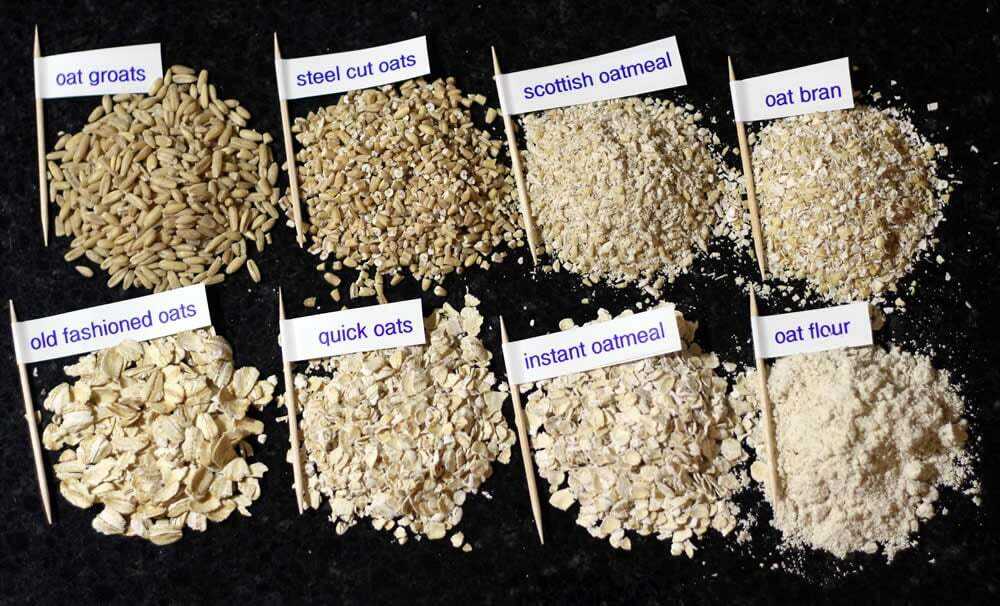
Different varieties of oatmeal
When it comes to oatmeal, there are three main varieties, each with its specific attributes.
- Firstly, we have steel-cut oats, also known as Irish or Scottish oats. These are the most unprocessed forms of oat grains, which are simply chopped into two or three pieces using large steel blades. They have the firmest texture and chewiest feel of the three types of oats, need the longest cooking time, and offer a nutlike flavor.
- Secondly, we have rolled oats or old-fashioned oats. These are made by steaming the oats and then rolling them to flatten. They are partially cooked, have a less robust flavor than steel-cut oats, and take less time to prepare. They’re ideal for baking and excellent for making a hearty, nutritious bowl of oatmeal.
- Lastly, there are instant oats. Instant oats are the most processed form of the grain. They’re pre-cooked, dried, and then rolled and pressed slightly thinner than rolled oats. They cook more quickly than steel-cut or rolled oats, but retain less of their texture, and are often characterized as being mushier. Despite being the most processed variety, they still have a similar nutritional profile to other kinds of oats as they’re made from whole grain. However, it’s important to check the packaging of instant oats as some varieties can contain added sugars and preservatives.
What type of oatmeal has the most benefits?
When it comes to choosing the type of oatmeal with the most benefits, steel-cut oats come out on top. Here’s why:
- Nutrient Preservation: Steel-cut oats are the least processed form of oats. Processing can strip away some nutrients, meaning steel-cut oats are closer to their natural state and retain most of their original nutritional content.
- Lower Glycemic Index: Steel-cut oats have the lowest glycemic index of all oat types, meaning they cause a slower rise in blood sugar levels, which is beneficial for managing weight and controlling diabetes.
- Fiber Content: Steel-cut oats have a slightly higher fiber content than other oatmeal types, given they’re in a more whole, less processed state. Fiber can aid in digestion, weight management, and heart health.
The benefits of eating oats (oatmeal) for muscle building
If you have decided to give a vegetarian or vegan lifestyle a shot and are concerned about how to build your muscles without animal-based proteins worry no more.
#1 High in Protein
Oats are an excellent source of quality protein that is crucial for muscle growth and repair. Every half-cup serving of oats (40.5 g) gives you nearly 6 grams of protein. This helps build and retain muscle mass, especially if you’re partaking in strength training exercises.
Although oats are not classified as a complete protein – they are low in the essential amino acid lysine – they still pack a significant protein punch. In fact, if you’re a vegan or vegetarian trying to build muscle, oats can be a critical part of your diet. Partner them with other plant-based foods that are high in lysine, like lentils, to ensure you are getting a balanced amino acid profile.
#2 Low glycemic index
One key aspect of oats that is noteworthy is their low glycemic index. The glycemic index indicates how quickly a food will raise your blood sugar levels (glucose) after consumption. Foods with a low glycemic index (under 55) are digested slowly, causing a gradual rise in blood sugar levels. This prevents the unwanted spikes and crashes that can come from consuming high-glycemic foods.
Raw oats boast a glycemic index of around 55. This low ranking is beneficial for those with diabetes, as it helps regulate blood sugar levels. It can also aid in weight management, as foods with a low glycemic index help you feel full and satisfied for longer periods of time, thus potentially reducing overall calorie intake. Furthermore, maintaining steady blood sugar levels can also improve physical and mental energy levels, aiding in your workouts and recovery sessions.
#3 Rich in Fiber
The presence of fiber in oats plays an integral part in achieving and maintaining a healthy digestive system. Dietary fiber acts as a bulking agent that helps to prevent constipation by maintaining regular bowel movements. Moreover, fiber in oats supports good gut health by serving as food for good bacteria, thereby promoting a balanced gut microbiota. A healthy gut is not only crucial for digestion but it plays a major role in our immune system, which in turn aids overall health and muscle growth.
Furthermore, fiber in oats has a profound impact on heart health. Numerous scientific studies have demonstrated that the soluble fiber beta-glucan in oats can help lower levels of bad cholesterol (LDL), without affecting the good cholesterol (HDL). This leads to reduced risks of cardiovascular diseases. Additionally, the high fiber content of oats helps to regulate blood sugar levels, making them an excellent food choice for those with diabetes or insulin resistance.
Conclusively, the fiber in oats has extensive health benefits reaching far beyond muscle-building and weight management. It plays a vital role in regulating digestion, promoting heart health, balancing gut bacteria, and maintaining stable blood sugar levels, making oats a superfood worth incorporating into your regular diet.
#4 Good Source of Vitamins and Minerals
When it comes to muscle growth, the vitamins and minerals in oats pack a powerful punch. They not only contribute to the overall health of the body but also play specific roles in muscle development and recovery. The B vitamins found in oats, for instance, are essential for converting proteins and sugars into energy (essential for energy production), and they help repair and build muscle tissue. This is particularly significant after a heavy workout when muscle tissues have been strained and need the most recovery.
It’s also worth recognizing the important role of minerals. Magnesium, for one, aids in protein synthesis, an essential process in muscle growth. Moreover, it assists in muscle contractions and helps keep cramps and fatigue at bay. Phosphorus works in harmony with calcium to strengthen bones, providing a strong foundation for your growing muscles. Meanwhile, zinc boosts the immune system, aids in cell division and growth, and helps maintain hormone levels which can improve muscle growth and performance. In a nutshell, the vitamins and minerals inherent in oats are essential co-factors for optimal muscle building and recovery.
#5 Helps in Weight Management
There’s no denying the power of oats when it comes to encouraging healthy weight management. How so, you may ask? Well, it primarily draws upon the magic of their highly soluble fiber content – termed beta-glucan. This humble component acts in a myriad of ways to help you maintain a balanced weight.
Firstly, beta-glucan forms a gel-like substance upon contact with water, similar to a viscous sponge, if you will. This is attributed to a slower stomach-emptying rate, which in turn, takes the edge off hunger pangs and curbs the urge for mid-meal snacking. You’ll be munching less, yet feeling satisfied, striking right at the core of weight control.
Additionally, this magic fiber works behind the scenes on your metabolism too. It reduces the absorption rate of consumed fats and sugars leading to a steady and controlled release of energy. This prevents sudden spikes in blood glucose levels – causing you to avoid those quick energy crashes that can often lead to unhealthy food cravings.
Last, but certainly not least, oats play a crucial part in promoting gut health. The fiber acts as a prebiotic, nourishing the friendly bacteria in your gut. A healthier gut goes a long way in improving digestion, boosting metabolic rate, and ultimately, driving effective weight management.
In conclusion, those little grains of oats aren’t just filling; they are working overtime to keep your weight in check. Incorporating oats as a mainstay in your diet could be one of the most effective strategies for weight management you’ve been seeking!
#6 Energizes Your Workout (Stedy Energy Fuel)
The influence of oats and oatmeal in workout energy levels comes from their slow-digesting complex carbohydrates. This delay in digestion allows the body to have a consistent stream of fuel (prolonged energy supply) throughout your workout rather than a quick energy surge followed by a rapid drop. The powerhouse that is oats and oatmeal doesn’t stop there; it offers the body a plethora of vitamins and minerals vital for energy. For example, B vitamins, largely found in these ingredients, are essential for converting the food you eat into adenosine triphosphate (ATP) – the energy currency of our cells.
Another crucial component found richly in oats is iron. Low iron levels are known to result in fatigue, shortening the length and reducing the intensity of your workouts. By incorporating oats and oatmeal into your diet, you can ensure you’re getting a good intake of iron, helping keep fatigue at bay during your exercises.
Lastly, oats are naturally high in magnesium – a crucial nutrient for energy production which aids in muscle function. Approximately 300 enzymatic reactions in the body, including those involved in the body’s energy production, require this essential mineral. Additionally, magnesium plays a part in the synthesis of protein, which is vital for muscle building and repair post-workout. So, a bowl of oatmeal before your workout can ensure your muscles have the energy they need to perform optimally.
#7 Ideal For Pre-Workout Meals
If you’re a bodybuilder, oatmeal should be your go-to choice for a pre-workout meal. Why? It’s packed with complex carbohydrates that break down into glucose at a slow and steady pace, unlike simple carbs like refined sugar. This gradual digestion keeps your blood sugar at optimal levels, preventing a sudden spike and dip that can leave you feeling exhausted during your workout. What’s more, oatmeal can be enriched with additional nutrients by pairing it with foods such as fresh banana slices or a handful of nuts. This combination of protein and healthy fats contributes to muscle development and boosts overall endurance. Incorporating oatmeal into your pre-workout routine could transform your performance in the gym, making it an essential dietary element for any dedicated fitness enthusiast or bodybuilder looking to optimize their gains.
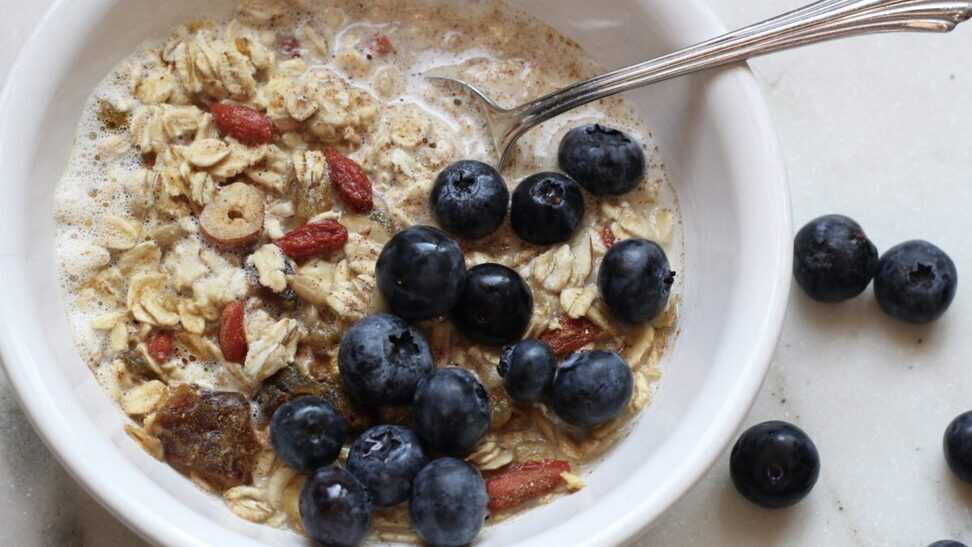
The nutritional profile of oats and oatmeal
Regarding the nutritional profile, oats are a great source of macronutrients and micronutrients crucial for muscle growth and maintenance. They are rich in complex carbohydrates (around 68g per 100g), which provide sustained energy necessary for intense workouts. In the total content of carbohydrates, dietary fiber accounts for as much as 10 grams. It is also important to point out here that oats are packed with a valuable component called beta-glucan. This particular type of soluble fiber offers significant benefits for cardiovascular wellness and optimal digestion.
Oats contain an impressive amount of protein (around 13g per 100g), essential for muscle building, and low in fat (approximately 6g per 100g). Therefore, 100g of steel-cut oats contains approximately 375 calories most of them coming from low GI complex carbs. The standard serving size of steel-cut oats (40 grams) has 150 calories. To burn these calories you have to ride a bike for 21 mins or run for about 15 mins. While oats may not classify as a complete protein, they nonetheless pack a greater protein punch than other grains such as rice and wheat that are commonly consumed.
Macronutrients
Here’s a breakdown of the macronutrients that steel-cut oats have to offer (based on serving size: 100 g)
| Carbohydrates | Proteins | Fats |
|---|---|---|
| 67.5 grams | 12.5 grams | 6.25 grams |
| – 10.0 grams of dietary fibers | – incomplete protein (lysine missing) | – no saturated fat, or cholesterol |
Micronutrients
When it comes to micronutrients, oats are filled with a multitude of vitamins and minerals. They have a high content of B vitamins, particularly B1 (Thiamine) and B5 (Pantothenic acid), both crucial for energy production. Oats also deliver a good amount of essential minerals like Magnesium, Manganese, Zinc, and Iron, all of which play essential roles in muscle function and health.
Can oats alone provide enough protein for muscle building?
Oats and oatmeal are fantastic sources of plant-based protein. However, while they provide an adequate amount of protein, they should not be the sole source of protein in your diet. It’s crucial to combine them with other high-protein foods like legumes, nuts, and seeds, and if you’re not a strict vegetarian or vegan, dairy, and eggs, to ensure an adequate intake of all essential amino acids.
Are there any alternatives to oats and oatmeal for high-quality protein in vegan bodybuilding?
There are many high-quality plant-based alternatives to oats and oatmeal in terms of protein content. Options like quinoa, lentils, chickpeas, green peas, edamame, tempeh, seitan, tofu, spirulina, nutritional yeast, and various types of beans offer substantial amounts of protein. For those who consume animal-based products, lean meats, fish, dairy products, and eggs are all excellent sources of complete proteins.
Are there any potential side effects of eating oats and oatmeal for certain people?
While oats and oatmeal are generally well-tolerated, some individuals may experience digestive discomfort due to their high fiber content. This can usually be prevented by gradually increasing fiber intake over time. In rare cases, some individuals may have an allergy to oats, causing symptoms such as itching, rashes, and in severe cases, difficulty breathing.
What are some common misconceptions about oats and oatmeal?
One common misconception is that oats are unhealthy because they’re carbohydrates. While it’s true that oats are rich in carbs, these are complex carbohydrates (with low GI) that provide slow-release energy and help keep you fuller longer, making oats a fantastic choice for people who are trying to build muscle. Thus, rather than dismissing oats as just carbs, understanding the type and beneficial nature of these carbs can give a robust argument for including oats in a muscle-building diet.
How to incorporate oats and oatmeal into your bodybuilding diet?
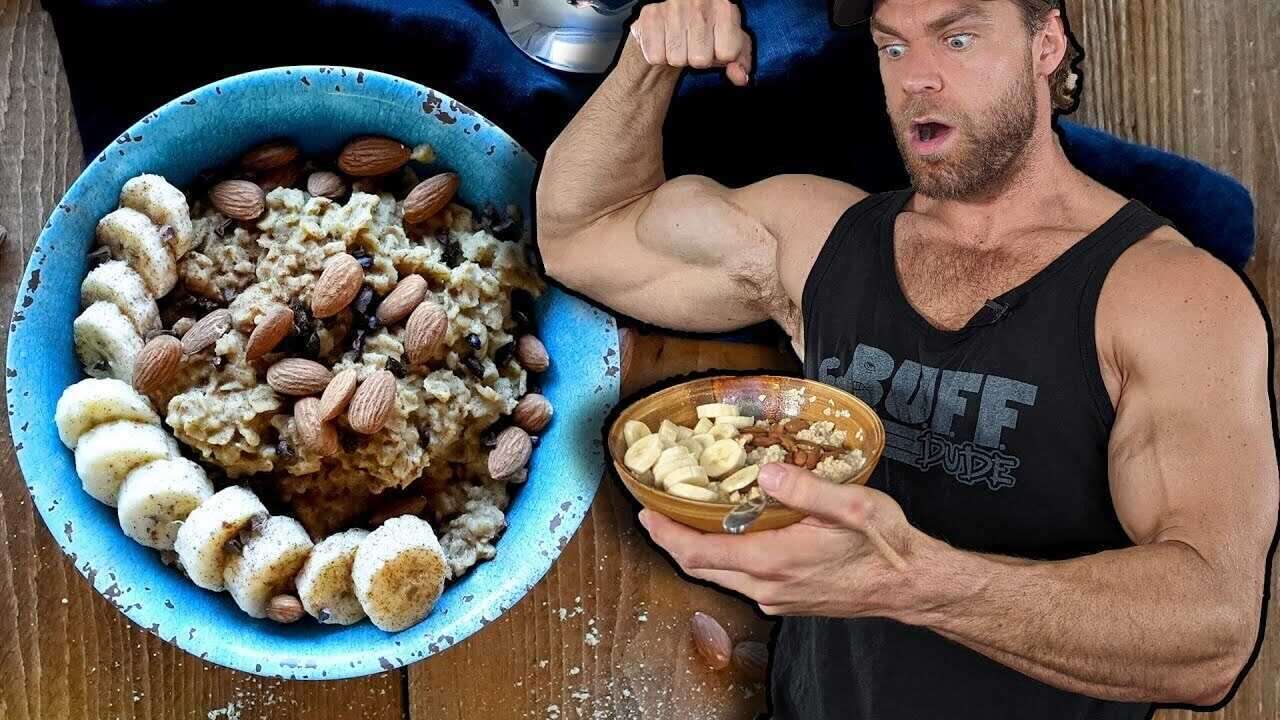
Incorporating oats into your daily eating habits can be effortless and also delightful. One of the most classic ways to enjoy them is cooking them into a hearty, warming oatmeal. Pair it with almond, soy, or cow’s milk, depending on your preference, and top it off with fruits like berries, bananas, or apple slices for a balanced, protein-packed breakfast.
Another invigorating way, particularly suitable for fitness enthusiasts and athletes, is to blend oats into your protein shakes or smoothies. They not only provide a substantial protein punch but also add a satisfying thickness to your drinks.

Aside from these, oats can also be utilized in baking. Try whipping up granola bars or oat muffins, which are not only portable and convenient but also an excellent source of protein and fiber – making them an ideal snack option. Fitness enthusiasts and bodybuilders can also use it as a base for protein-packed pancakes.

For a fusion of flavors, consider cooking oats with savory ingredients. You could stir them into a vegetable broth for a high-protein, fiber-rich soup or incorporate them into a veggie patty mix to add texture and nutrient value.
Another creative way to increase your oat intake is by using ground oats as a healthier replacement for breadcrumbs in recipes like meatballs, or for a crunch on top of your mac and cheese.
And if you’re an overnight oats fan, try soaking them in Greek yogurt or kefir for a creamy and protein-forward breakfast alternative. The possibilities with oats are virtually infinite; with their subtle flavor, they can easily adapt to both sweet and savory preparations, making them a versatile addition to your muscle-building diet.
How do oats compare to other plant-based protein sources like seitan, edamame, tempeh, quinoa, or tofu for muscle building?
When it comes to building muscles, oats are a fantastic source of essential nutrients but they’re just one piece of the puzzle. Comparatively, seitan is a complete protein source, meaning it contains all nine essential amino acids. This makes it an excellent choice for muscle building. Edamame, tempeh, quinoa, and tofu are also beneficial due to their high protein content and variety of amino acids. However, they lack the fiber content and slow-digesting carbohydrates found in oats, which can aid in sustained energy and satiety. Therefore, a combination of these plant-based proteins can provide a well-rounded diet for optimal muscle growth.
Oats and oatmeal certainly prove to be a powerhouse of nutrients, especially for those aiming to build muscles. For anyone, but especially for vegetarians and vegans, they are a fantastic source of high-quality proteins that rival meat and are equally beneficial for muscle development. They’re not just extraordinary due to their protein content but also because of the plethora of other nutrients like carbs, fibers, vitamins, and minerals they harbor. Effectively adding oats and oatmeal into your diet can support not only muscle growth but also provide consistent energy for workouts and aid in efficient weight management.
However, it needs to be noted, that oats and oatmeal alone cannot fulfill the protein requirements, and should be supplemented with a variety of other plant-based proteins. Despite some misconceptions and potential allergies, the benefits of incorporating oats and oatmeal into your diet far outweigh any minor concerns. It’s just a matter of how you coax out the nutritional goodness of this humble grain and turn it into a tasty meal. Lastly, while taste may vary greatly from the familiar meat-based proteins, one should not neglect the value of oats as an alternative protein source, as the nutritional benefits prove it to be in the league of other esteemed plant proteins like seitan or tofu.
In essence, our journey into understanding the value of oats and oatmeal in muscle building has revealed that they indeed are formidable contenders in the world of fitness nutrition. Whether you’re a bodybuilder, a fitness enthusiast, or just someone looking to lead a healthier lifestyle, oats and oatmeal can certainly find a special place in your dietary regimen.
