

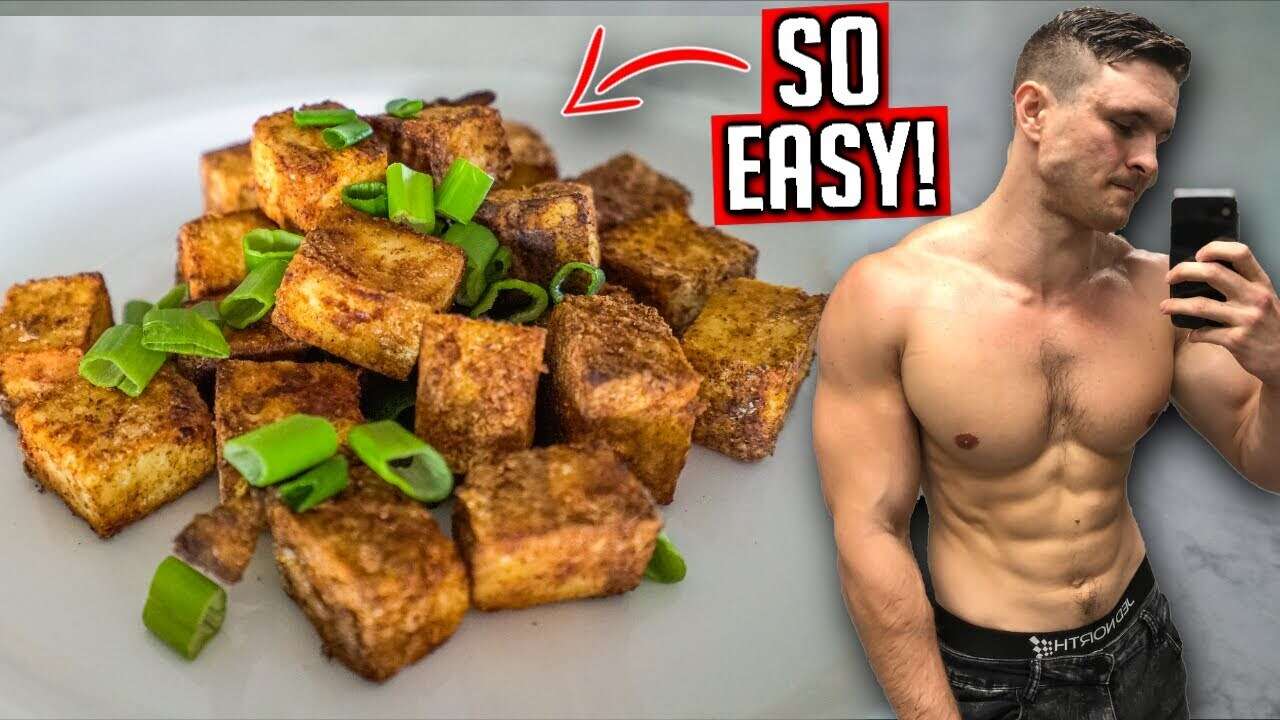
Every fitness enthusiast knows the vital role that protein plays in muscle building. It’s the building block of muscles, repairing and building tissues that are damaged during intense workout sessions. But here’s a situation to consider – where do vegans and vegetarians source their protein for muscle building, when the majority of high-protein foods are derived from animals? For sustaining muscular health, optimum recovery, and gains, vegetarians and vegans need to include high-quality, plant-based proteins in their diet. One popular food amongst those who follow a plant-based diet is tofu. It’s not only packed with protein but also comes with a bounty of critical nutrients, making it absolutely indispensable for anyone aiming for enhanced muscle strength and size. In this article, we are going to dive deep into the benefits of tofu for muscle building, its nutritional profile, and the best ways to incorporate tofu into your personal routine.
What are the specific challenges faced by vegetarians and vegans who want to build muscles?
Vegetarians and vegans who want to build muscles face specific challenges due to their dietary restrictions.
- Obtaining enough high-quality protein. One of the main challenges is obtaining enough high-quality protein. Protein is essential for muscle building as it provides the necessary amino acids for muscle repair and growth. Animal-based sources of protein, such as meat, poultry, and dairy, are considered complete proteins as they contain all the essential amino acids. However, plant-based protein sources, which are commonly consumed by vegetarians and vegans, often lack one or more essential amino acids. This makes it crucial for vegetarians and vegans to carefully plan their diets to ensure they are getting all the necessary amino acids for muscle building.
- Lower bioavailability of plant-based protein sources. Another challenge faced by vegetarians and vegans is the lower bioavailability of plant-based protein sources. Bioavailability refers to the body’s ability to digest, absorb, and utilize the protein. Plant-based proteins, such as those found in legumes, grains, and vegetables, are generally less bioavailable compared to animal-based proteins. This means that even if vegetarians and vegans consume an adequate amount of protein, their bodies may not be able to fully utilize it for muscle building. To overcome this challenge, it is important for vegetarians and vegans to consume a variety of plant-based protein sources to ensure they are getting a wide range of amino acids and maximize their protein absorption.
- Difficulties with meeting calorie needs. Vegetarians and vegans may also struggle to meet their calorie and nutrient needs for muscle building. Plant-based diets tend to be lower in calories and certain nutrients, such as iron, zinc, and vitamin B12, which are important for muscle growth and overall health. It is essential for vegetarians and vegans to carefully plan their meals to ensure they are consuming enough calories and obtaining all the necessary nutrients. This may involve incorporating calorie-dense plant foods, such as nuts, seeds, and avocados, and considering fortified foods or supplements to meet their nutrient needs.
- Social and cultural challenges. The perception that a plant-based diet is inadequate for muscle building is still prevalent in some communities. This can lead to misconceptions and discouragement for individuals who are trying to build muscles while following a vegetarian or vegan lifestyle. It is important for vegetarians and vegans to educate themselves and others about the benefits and feasibility of muscle-building on a plant-based diet, and to seek support from like-minded individuals or communities to stay motivated and overcome any challenges they may face.
What is tofu and how is it made?
Tofu, also known as bean curd, originates from East Asia and has been a staple in Asian cuisine for centuries. The process of making tofu involves curdling fresh soya milk, pressing it into a solid block, and then cooling it – quite similar to how traditional cheese is made. The result is a protein-packed, versatile food that can take on many flavors and textures depending on how it’s prepared.

There are several main types of tofu you can explore, each with its unique texture and consistency:
- Silken tofu, also referred to as “soft” or “Japanese-style” tofu, is delicate and often used in soups, sauces, and desserts.
- On the other hand, firm and extra-firm tofu hold their shape better, making them ideal for stir-fries, grilling, or baking.
- You’ll also find ‘fried tofu‘, which has a golden crust and sponge-like texture, perfect for soaking up flavors in a dish.
- Lastly, there’s ‘processed tofu‘, such as tofu skin and fermented tofu, each adapted to specific culinary applications.
The benefits of eating tofu for muscle building
Here are the most important benefits of tofu for bodybuilding.
- Packed with protein. Tofu’s high protein content makes it a powerful ally for muscle building. Proteins are the building blocks of muscles, and consuming an ample amount of protein helps to repair muscle tissue broken down during exercise and build new muscle tissue.
- High in calcium. Calcium, an essential nutrient found generously in tofu, is much more than just the key ingredient for bone health – it’s pivotal for muscle building as well. It plays an instrumental role in muscle contraction, a necessary process that underpins all our physical activity – including strength training and cardio workouts. Additionally, calcium aids in releasing hormones which boost muscle development and strength. Thus, including tofu in your diet can boost your calcium intake, leading to more productive workouts and better muscle growth.
- High in iron. Iron is a crucial nutrient not only for overall health but specifically for muscle building as well. It plays a key role in carrying oxygen throughout the body, including to the muscles, which can help to enhance workout performance and muscle growth. More specifically, iron is necessary for the production of hemoglobin, the protein in our red blood cells that carries oxygen. If we lack iron, our body’s ability to transport and use oxygen decreases, which can result in decreased muscle performance and growth. Iron-rich foods like tofu can help prevent iron deficiency, providing the body with the iron it needs to maximize muscle-building efforts.
- Rich in phytonutrients. Rich in phytonutrients such as antioxidants and polyphenols, tofu is almost a superfood all athletes should consider. Studies demonstrate these compounds can alleviate inflammation, oxidative stress, and muscle pain caused by intense exercise. Therefore, incorporating tofu in your pre- or post-workout meal plan could be highly advantageous.
- Boosting blood circulation and HGH levels. Soy isn’t only an excellent source of antioxidants. It also elevates nitric oxide levels, which in turn increases blood flow to muscles, and fosters an increase in growth hormone levels.

The nutritional profile of tofu
Nutritionally, tofu is pretty impressive. Not only is it a high-quality protein, but it also contains all nine essential amino acids. Along with protein, tofu supplies a good chunk of your daily intake of iron, manganese, selenium, magnesium, copper, zinc, and vitamin B1. As a bonus, it’s low in calories and virtually free of saturated fat and cholesterol. This robust nutritional profile makes tofu a real superstar in the world of plant-based protein sources!
Macronutrients
Tofu is primarily acknowledged for its rich protein content. The reason for this acknowledgment, quite surprisingly, lies in its complete amino acid profile. For the uninitiated, a complete protein source refers to a food product that contains all nine essential amino acids that your body can’t produce on its own. These essential amino acids play an integral role in all vital physiological functions, including muscle repair and growth. In fact, a single 100g serving of tofu equates to 17 grams of protein.
But the nutrition benefits of tofu aren’t restricted just to protein. It is considered a low-carb food, making it a suitable addition to many diet plans. In the same 100g serving, tofu contains only about 3 grams of carbohydrates. Even better, it’s virtually free from saturated and trans fats. This balanced nutritional profile makes tofu a ubiquitous food choice, especially amongst those who are conscientiously counting their macronutrients in pursuit of bodybuilding.
Each 3.5-ounce (oz), or 100-gram (g), serving of raw, firm tofu, prepared with calcium sulfate:
| Carbohydrates | Proteins | Fats |
|---|---|---|
| 3.0 grams | 17.0 grams | 9.0 grams |
| calories from carbs: 12 (7%) | calories from proteins: 68 (42%) | Calories from fat: 81 (50%) |
Micronutrients
Here’s a breakdown of the micronutrients (vitamins and minerals) that each 3.5-ounce (oz), or 100-gram (g), serving of raw, firm tofu, prepared with calcium sulfate contains:
| Vitamins | Minerals |
|---|---|
| Vitamin A (18% of the Daily Value) | Calcium (53% of the Daily Value) |
| Vitamin B1 (negligible: <1% DV) | Manganese (51% of the Daily Value) |
| Vitamin B2 (negligible: <1% DV) | Selenium (32% of the Daily Value) |
| Vitamin B3 (negligible: <1% DV) | Phosphorus (15% of the Daily Value) |
| Vitamin B12 (negligible: <1% DV) | Iron (15% of the Daily Value) |
| Vitamin D (negligible: <1% DV) | Zinc (14% of the Daily Value) |
As you can see, the vitamin content in tofu is not as impressive as the mineral composition. As such, tofu is the staple of a vegan bodybuilding diet.
Can tofu alone provide enough protein for muscle building?
Protein is key when it comes to building muscle, and since tofu is packed with this vital macronutrient, it holds a special place in the diet of many fitness enthusiasts. So you may be wondering – can tofu alone provide enough protein for muscle building?
Well, it’s important to consider some things first. Each person’s protein needs can vary depending on their activity level, age, and overall health. The American Dietetic Association recommends that athletes looking to build muscle consume 1.2 to 2.0 grams of protein per kilogram of body weight each day. As you can see from the table above, tofu is packed with protein so it can definitely contribute to meeting these needs.
While tofu is an excellent source of protein, relying on it alone for your protein intake may not be the most optimal approach. That’s because variety is key to a healthy diet, and consuming a range of high-protein foods can help ensure you get a good mix of nutrients. Besides, relying on a single source of protein might get boring after a while! So while tofu can certainly play a substantial role in your muscle-building regimen, pairing it with other protein-rich foods can bring you closer to your fitness goals.
Are there any alternatives to tofu for high-quality protein in bodybuilding?
While tofu is certainly a crucial part of a vegetarian or vegan muscle-building diet, it’s not the only source of plant-based protein out there. Foods such as lentils, oatmeal, chickpeas, quinoa, and other types of beans are also rich in protein. Additionally, protein powders made from hemp, pea, or brown rice can provide a vital protein boost to shakes and smoothies.

Are there any potential side effects of eating too much tofu for muscle building?
While tofu is likewise a healthy choice for muscle building, like many things in life, too much of a good thing can have its downsides. Excessive consumption of tofu can lead to potential side effects. It’s crucial to consume tofu as part of a varied and balanced diet.
The most common side effect of consuming too much tofu is digestive discomfort. If you find yourself bloating or experiencing gas after eating tofu, you might want to consider cutting back your consumption. Some people also report cases of allergies and intolerances, though these are relatively rare.
Soybeans, the primary component of tofu, contain phytates, natural substances that can impair the absorption of certain nutrients, such as calcium, zinc, and iron. This implies, that if you exclusively rely on tofu for protein, you might miss out on these essential minerals.
Furthermore, there’s been a good amount of debate over the effects of soy protein and soy isoflavones on hormone balance. Some studies suggest that eating a lot of tofu might affect estrogen levels due to the isoflavones, which can mimic the effects of this hormone. However, more recent research has demonstrated that for most people, eating soy foods like tofu doesn’t have significant effects on hormone levels or fertility.
So, while it’s perfectly safe and beneficial to incorporate tofu into your muscle-building diet, varying your protein sources and maintaining a balanced diet is crucial.
What are some common misconceptions about tofu?
Many people hold preconceived ideas about tofu and its role in muscle building, often fueled by a lack of understanding or misinformation. Let’s debunk a few myths:
- Myth: Tofu doesn’t have enough protein for muscle building. On the contrary, tofu is rich in high-quality protein essential for muscle growth and recovery. A 100g serving of tofu contains 17 grams of protein.
- Myth: Only animal proteins are complete proteins. Absolutely not! Tofu is a complete protein, meaning it provides all the essential amino acids your body needs but can’t produce. This makes it particularly beneficial for vegans and vegetarians seeking to build muscle.
- Myth: Tofu is bland and tasteless. While this may be true when eaten raw, tofu basically absorbs the flavors of whatever it’s cooked with. It can be marinated, stir-fried, baked, or grilled to suit your palate. Moreover, tofu also comes in several textures from silken to extra-firm, each suiting different types of dishes.
- Myth: Soy products like tofu increase the risk of breast cancer. While it’s true that soy contains compounds called isoflavones, which can act like estrogen in the body, numerous studies have shown that soy foods in a diet don’t cause or promote cancer. In fact, populations that consume more soy, such as in Asia, often have lower rates of breast cancer.
- Myth: Soy reduces levels of testosterone. Contrary to popular belief, soy doesn’t lower testosterone levels. Soy indeed contains plant-based compounds known as phytoestrogens, which mimic estrogen, the female sex hormone. However, it’s vital to note that these phytoestrogens don’t behave in the same way as estrogen does in the male body. There’s significant proof showing soy doesn’t negatively impact testosterone levels or muscle growth.
With these myths dispelled it becomes clearer that tofu can offer a multitude of benefits for those seeking to build muscle.
How to incorporate tofu into your diet?
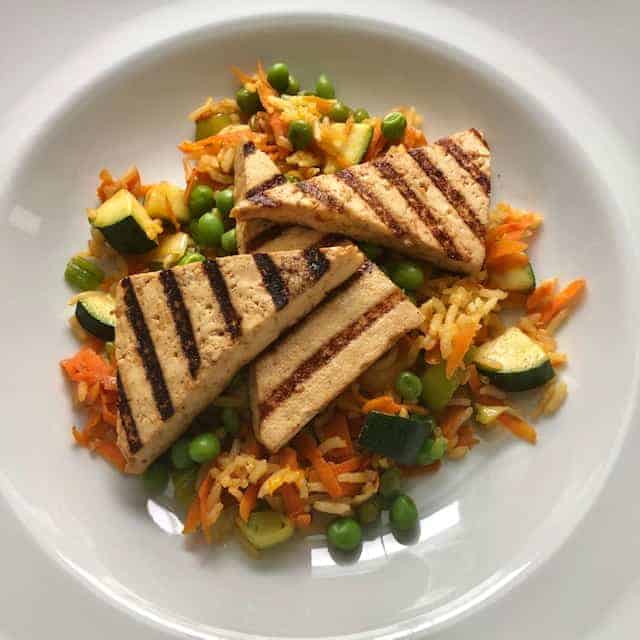
Thanks to its versatility, tofu can easily find a place in your every meal. Want to start your day high on protein? Add crumbled tofu to your morning scramble. For lunch or dinner, stir-fry tofu with some colorful veggies, or grill it and toss it into a hearty salad. Even desserts aren’t off-limits with tofu — blended silken tofu can make a surprisingly velvety base for chocolate or custard puddings!
Are there any specific cooking methods that enhance the muscle-building benefits of tofu?
If you’re planning to incorporate tofu into your muscle-building diet, you might be wondering about the best ways to prepare it.
First and foremost, marinating tofu can be a game-changer. Thanks to its porous nature, tofu can absorb all kinds of delicious flavors, bolstering not only its taste but also its nutritional profile. For instance, marinating tofu in a concoction rich in amino acids, like soy or teriyaki sauce, can enhance its protein content.
Baking is another method that retains the nutritional integrity of tofu. All you need to do is chop it into chunks or slices, season according to your preference, and pop it in the oven. Because no oil is required, the tactic helps keep the calorie count down.
The method of stir-frying tofu is worth mentioning too. Ensure to use a minimal amount of oil – remember, we don’t want unnecessary calories – and toss it together with wholesome vegetables. Cooking this way yields a dish that ticks all the nutrient boxes while being lower in fat than other preparation methods.
A less common yet highly advantageous tactic is to grill your tofu. Grilling imparts a unique, smoky flavor while maintaining the tofu’s optimal macronutrient profile. Always remember to marinate the tofu beforehand for the best results.
Finally, don’t forget to press your tofu before cooking – irrespective of the method you choose. Pressing it drains out the water, making the tofu more absorbent to flavors and more robust in texture.
So there you have it – cooking methods that not only ensure the lip-smacking deliciousness of tofu but also optimize its muscle-building properties.
How does the taste of tofu compare to meat?
Taste can often be a deciding factor when it comes to choosing protein sources for muscle building. One may wonder, how does tofu, a plant-based option, compare to the tastes we associate with traditional meat proteins?
Notably, tofu has a mild taste, which essentially can make it a blank canvas. This allows it to absorb the flavors of the other ingredients you pair it with, leading to a tasty and nutritious meal. From spicy tofu stir-fries to tofu-based desserts, its versatility is arguably one of the tofu’s key strengths.
On the other hand, meats such as chicken, beef, and fish have distinct flavors of their own. Some people thoroughly enjoy these tastes, while others may find them too overpowering. Also, there is often a need to carefully season and cook these meats to bring out their best flavors, which could be relatively more time-consuming and complex compared with tofu.
In conclusion, while tofu does not naturally have the strong, rich flavors associated with meats, its ability to adopt a wide array of tastes and consistent texture could make it an exciting addition to your muscle-building diet.
What are some tips for selecting the best quality tofu for muscle building?
Choosing the right tofu for your muscle-building journey starts with understanding the different types available. Generally, there are three types: silken, firm, and extra firm. For muscle building, you’ll want to reach for firm or extra-firm tofu. These varieties contain a higher protein content, making them more beneficial for muscle growth. Here are some tips to help you select the best quality tofu:
- Check the expiration date: Always purchase tofu that is well within its use-by date. Fresh tofu ensures you get the maximum nutritional benefits.
- Consider organic: If possible, opt for organic tofu. This will ensure that your tofu is free from genetically modified organisms (GMOs) and harmful pesticides.
- Look for non-GMO labels: Most soybeans are now genetically modified. To ensure you’re getting the highest quality product, look for tofu that is specifically labeled non-GMO.
- Choose a reliable brand: Different brands have variations in taste, texture, and nutritional content. Research and try different brands until you find one that suits your preferences and nutritional needs.
- Note the firmness: As mentioned previously, firm and extra firm tofu contain more protein. The firmer the tofu, the higher the protein content.
How does tofu compare to other plant-based protein sources like tempeh or seitan for muscle building?
When it comes to plant-based protein sources, tofu not only stands up against meat but also holds its own among other popular options for vegans and vegetarians, such as tempeh and seitan. This trifecta of muscle-building food sources each offers its own unique advantages and of course, taste profiles.
Tofu, as we’ve learned, is a fantastic source of protein and a great choice for bodybuilders. It’s versatile in terms of cooking, can be easily incorporated into a variety of dishes, and has a mild flavor that can take on the taste of whatever it’s cooked with. Plus, tofu is often the ‘gold standard’ in terms of texture, resembling the bite of traditional meat.
Tempeh, on the other hand, has a uniquely different texture and earthier flavor compared to tofu. Often considered the most nutritious of the three, tempeh is a form of fermented soybeans that delivers a substantial amount of protein per serving. It has a firmer texture and offers a variety of essential nutrients such as manganese, phosphorus, and vitamin B2. However, the stronger taste can be a turn-off for some people.
Finally, seitan enters as an entirely different beast—wheat gluten. In terms of protein content, seitan is hard to beat, boasting a whopping amount of protein per serving thanks to its wheat origins. This high-protein contender has a meat-like texture and taste that many vegetarians and vegans enjoy. However, it should be kept in mind that seitan is not suitable for those with gluten allergies or intolerance.
So, in the fight for plant-based protein supremacy, how does tofu stack up? In terms of protein content, tofu, tempeh, and seitan all come out fairly even, but depending on individual preference and dietary restrictions, one may prove to be a more suitable option than the other. Nevertheless, each of these protein sources can effectively contribute to muscle-building efforts.
Conclusion: Tofu and muscle-building
In conclusion, tofu is a versatile and nutritional powerhouse, especially for those pursuing a plant-based diet. It provides a hefty dose of high-quality protein vital for muscle building, along with an array of micronutrients. It holds its own against other plant-based proteins such as tempeh and seitan, and can be easily added to various dishes due to its adaptable nature. Tofu is undoubtedly an excellent option for those eager to build muscle without relying on animal sources of protein, offering a beneficial alternative with immense nutritional reward.
