



Imagine unlocking the door to your ultimate athletic performance. Sounds practically impossible, right?
But there’s a hidden gem in the world of sports nutrition that’s making this imagery possible: fulvic acid. This miraculous substance isn’t just a fad in the sports world but offers an array of health benefits. Let’s delve into this amazing discovery!
Fulvic acid, an active compound derived from humic substances, is rapidly claiming its place in the realm of sports nutrition. Why? Because it plays a crucial role in improving nutrient absorption, boosting immunity, and offering enhanced energy levels — all significant aspects for those committed to physical fitness.
In this article, we’ll unearth the secrets behind the efficacy of fulvic acid in sports nutrition. We will journey through its unique attributes, its role in enhancing physical performance, and how you, as an athlete or bodybuilder, can incorporate it effectively into your sports nutrition plan. Let’s delve deeper into the wonder that is fulvic acid.
Let’s begin with the basics — what’s so unique about fulvic acid?
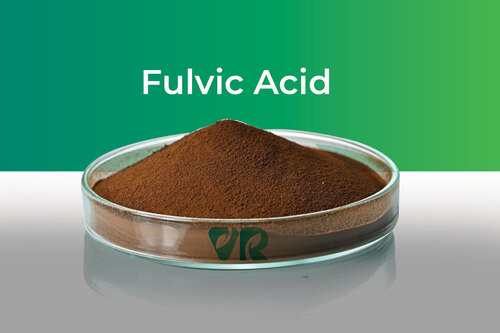
What is fulvic acid?
Fulvic acid is a natural yellow-to-brown compound found in the earth’s soils, rocks, and bodies of water. It is one of the key components of humus, the organic material that contributes to the fertility of soil. Formed through the microbial degradation of dead plant matter, fulvic acid is a type of humic substance, which are complex organic molecules that are vital for life on Earth.
What’s so unique about fulvic acid? Fulvic acid isn’t just one singular molecule. It’s a complex mixture of numerous potent constituents such as humic acids, organic acids, and trace minerals. These constituents directly participate in many biochemical reactions in our body, aiding in improved digestion, nutrient absorption, and energy production.
Due to its unique molecular structure, fulvic acid is capable of forming complexes with metal ions and organic molecules, which can enhance their solubility and availability. This ability to chelate, or bind, minerals and other nutrients enhances their absorption, making fulvic acid a potentially beneficial supplement in sports nutrition.
How does it differ from shilajit?
You’re likely to come across both fulvic acid and shilajit when seeking natural supplements to enhance your athletic performance. But here’s the thing, they’re not the same – even though they share some similarities.
Shilajit, often called “rock sweat” or “mountain blood,” is a sticky, tar-like substance found in the high altitudes of the Himalayas, Russia, and Scandinavia. Composed from decomposed plant matter over centuries, it’s packed with a mixture of minerals, fulvic acid, and humic substances.
On the flip side, fulvic acid, the star of our discussion, is a component of shilajit but is less complex in its chemical structure. It is one of the main active ingredients in shilajit that offers numerous health benefits. It is often extracted and used independently for its unique nutritional properties.
Here’s the bottom line: fulvic acid is a part of shilajit, but it’s the most valuable part, contributing to many of the health benefits that shilajit is praised for. In essence, when using fulvic acid, you’re going straight to the source of the potent benefits without the other components of shilajit.
Remarkable benefits of fulvic acid in sports nutrition
So, how does fulvic acid impact sports performance and recovery? Picture the grueling regime an athlete (bodybuilder) goes through — rigorous training sessions, competitions, and stressful situations. The body demands more nutrients, and efficient nutrient absorption becomes paramount for optimal performance. This is where fulvic acid steps in, acting as a catalyst in your body’s nutrient absorption process. It facilitates the transfer of minerals and other nutrients into your cells, ensuring your body does not run out of fuel during those intense, sweat-fest training sessions.
#1 Nutrient absorption
Fulvic acid has the unique ability to bind to and transport nutrients, such as vitamins, minerals, and amino acids, into cells. Incorporating fulvic acid into your sports nutrition routine ensures that the protein shakes and nutrient-dense meals you’re consuming get absorbed quickly and efficiently by your body. But it’s not just limited to macronutrients. Fulvic acid helps absorb micronutrients too, providing you with a 360-degree nutrition solution.
#2 Increased energy
The process of converting food into energy is significantly enhanced by fulvic acid. It helps stimulate metabolism, increasing your energy levels, and keeping you both physically and mentally alert throughout your training sessions. In other words, increased energy can lead to improved endurance and strength.
#3 Boosted immunity
Finally, fulvic acid can also support the immune system, a crucial aspect for athletes who need to stay healthy to maintain their training and performance levels. It does this by modulating the immune response and promoting a healthy gut microbiome, which is essential for immune health. This can help athletes to resist illness and recover more quickly from infections.
#4 Faster recovery after intense physical activity
Fulvic acid possesses powerful antioxidant properties, which help to neutralize harmful free radicals produced during exercise. These free radicals can cause oxidative stress, leading to inflammation and muscle damage. By combating this oxidative stress, fulvic acid can help to reduce post-exercise inflammation and accelerate muscle recovery.
Another way fulvic acid supports recovery is through its impact on hydration. It can increase cell membrane permeability, allowing for more efficient water transport into cells. This can help to prevent dehydration, a common issue for athletes, and promote optimal cellular function.
In conclusion, fulvic acid can significantly enhance sports performance and recovery through its ability to improve nutrient absorption, combat oxidative stress, promote hydration, and support immune health. These properties make it a valuable addition to any sports nutrition regimen.
How can fulvic acid be incorporated into a sports nutrition diet?
Fulvic acid can be incorporated into a sports nutrition diet in several ways.
#1 Using fulvic acid supplements
One of the most common methods is through supplementation. There are numerous fulvic acid supplements available on the market, often in the form of capsules, powders, or liquid concentrates. These can be taken directly or added to food and drinks. Liquid forms may be more easily absorbed, while capsules may be more convenient for on-the-go use.
#2 Eating food rich in fulvic acid
Fulvic acid is also naturally present in certain foods. Consuming a diet rich in these foods can help increase your intake of fulvic acid. Some of the best sources include root vegetables like carrots and beets, as well as leafy greens, fruits, and nuts. Organic produce is particularly high in fulvic acid due to the healthier soil in which it is grown.
#3 Through the use of fulvic acid-infused water
Another way to incorporate fulvic acid into a sports nutrition diet is through the use of fulvic acid-infused water. This type of water is believed to have enhanced hydration properties, which can be beneficial for athletes who need to stay hydrated during intense workouts or competitions.
#4 By using fulvic acid-enhanced protein powders
Finally, fulvic acid can be incorporated into a sports nutrition diet through the use of fulvic acid-enhanced protein powders. These powders can be used to make protein shakes or smoothies, providing a convenient and effective way to increase your intake of both protein and fulvic acid.
It’s important to note that while fulvic acid can be beneficial for sports nutrition, it should be used as part of a balanced diet. It’s also crucial to consult with a healthcare professional or a nutritionist before starting any new supplement regimen, including fulvic acid.
What scientific studies support the use of fulvic acid in sports nutrition?
- One such study published in the Journal of the International Society of Sports Nutrition in 2018 found that fulvic acid when combined with a complex of trace minerals, could improve brain function and energy levels in a group of healthy volunteers. This could potentially translate to improved athletic performance, as both brain function and energy levels play crucial roles in most sports.
- In another study published in the Journal of Medicinal Food in 2011, fulvic acid was found to have anti-inflammatory and antioxidant properties. These properties could potentially help athletes recover faster from intense workouts by reducing inflammation and oxidative stress, which are both common after strenuous exercise.
- A study published in the Journal of Trace Elements in Medicine and Biology in 2007 also found that fulvic acid could enhance the bioavailability of important minerals. This could potentially help athletes better absorb and utilize the minerals they consume, which is crucial for maintaining optimal health and performance.
- Furthermore, a study in the Journal of Alzheimer’s Disease in 2011 found that fulvic acid could protect against cognitive impairment. While this study was not specifically related to sports nutrition, it does suggest that fulvic acid could potentially help athletes maintain their mental sharpness, which is often crucial for success in sports.
- A study published in the Journal of the International Society of Sports Nutrition found that fulvic acid can enhance muscle strength and endurance. The study involved a group of athletes who were given a supplement containing fulvic acid. After some time, the athletes showed significant improvements in their performance, suggesting that fulvic acid can indeed boost athletic performance.
Can fulvic acid replace creatine?
The role of creatine is well-documented in sports nutrition. Known for its ability to rapidly produce energy to support cellular function, creatine aids in building lean muscle and improving performance during high-intensity, short-duration exercises like sprinting or weight lifting. However, can fulvic acid substitute creatine’s benefits? Let’s delve into this.
In the context of sports nutrition, fulvic acid primarily functions to enhance nutrient absorption and boost energy. It serves as a vehicle, making nutrients in the food you consume more absorbable. While it can indeed boost your energy levels, fulvic acid can’t replicate the specific creatine’s role in energy production for immediate, high-intensity performance.
Therefore, while fulvic acid is incredibly beneficial in many ways and its utility in sports nutrition is gaining recognition, it doesn’t function the same way as creatine. They both play distinctive, significant roles and thus, integrate well into a comprehensive nutritional approach for athletes. So, rather than viewing them as substitutes for one another, it may be more beneficial to consider how they can work together to enhance overall energy, recovery, and performance.
What are the potential side effects of fulvic acid?
While sports nutritionists and athletes alike rave about its benefits, as is the case with many dietary supplements, some individuals may experience side effects. It’s important to consider these before incorporating fulvic acid into your fitness regime.
Often, these side effects are harmless and subside after your body adjusts to the supplemental intake. However, some people might experience an upset stomach, diarrhea, or cramps, which often decrease with time. In rare instances, you may notice a slight skin rash resulting from skin contact with the fulvic acid.
In certain circumstances, taking fulvic acid may cause dehydration. This is because it can increase the body’s filtration of water. To avoid this dehydration effect, it’s recommended to increase your water intake while using a fulvic acid supplement.
Another crucial note is that the concentration of fulvic acid products on the market can vary greatly. It’s important to choose higher quality products (from trusted brands that are tested by third-party organizations) that ensure a consistent concentration of the nutrient. Lower-quality fulvic acid supplements could contain contaminants that lead to adverse reactions.
Dosage of fulvic acid & When To Take
When it comes to determining the ideal dosage of fulvic acid for athletes, it’s not a one-size-fits-all scenario. Each athlete’s needs can vary depending on various factors including their performance level, nutrition regime, and overall health status.
Every product might have its particular recommended dosage and usage instructions, depending on factors such as concentration and formulation. So always stick to your product’s instructions. A general guideline is to take 250-500mg of fulvic acid per day. It is always advisable to consult a healthcare professional before starting any new supplement regimen.
This isn’t to say, though, that more is necessarily better. Over-dosage can potentially lead to side effects like diarrhea, cramps, or an upset stomach. Therefore, it’s always best to start slow and adjust based on your body’s reaction.
Now, let’s talk about timing—it’s almost as critical as dosage. Fulvic acid can be taken at any time of the day, though many athletes prefer to take it in the morning to kickstart their metabolism and energy levels. Another great time to take fulvic acid is before or after workouts. Taking it pre-workout can increase your energy, while post-workout it helps with recovery and the removal of lactic acid build-up in muscles.

Popular fulvic acid supplements
- Onnit’s Fulvic Minerals Concentrate: This supplement comes in a liquid form, making it easy to mix with water, juice, or even your post-workout shake.
- Vimergy’s Fulvic Acid Blend: This blend comes in a convenient powder format. It can be easily added to your shakes, and smoothies, or can just be stirred into water.
- Optimal Health Bridge’s True Fulvic: This supplement is a capsule, preferred by those who don’t enjoy the taste of liquid or powdered fulvic acid supplements.
- Trace Minerals Research’s Fulvic Acid: Offered as a liquid drop supplement. It can be added to any drink and has an almost neutral taste.
- Ajoblanco’s Pure Himalayan Organic Shilajit Resin: comes in gel form you should dissolve in 1 cup of lukewarm water, milk, or tea.
In summary, fulvic acid plays a significant role in sports nutrition as it aids in nutrient absorption, increases energy levels, boosts immunity, and hastens recovery post full-throttle workout sessions. Athletes can take advantage of fulvic acid by incorporating it into their diet through supplements, food, water, or fulvic acid-enhanced protein powders. Though it may not replace creatine, ongoing scientific research supports its profound effect on sports nutrition. It is an efficient means for athletes to fuel their bodies optimally and can be a game changer when it comes to performance and recovery.
