


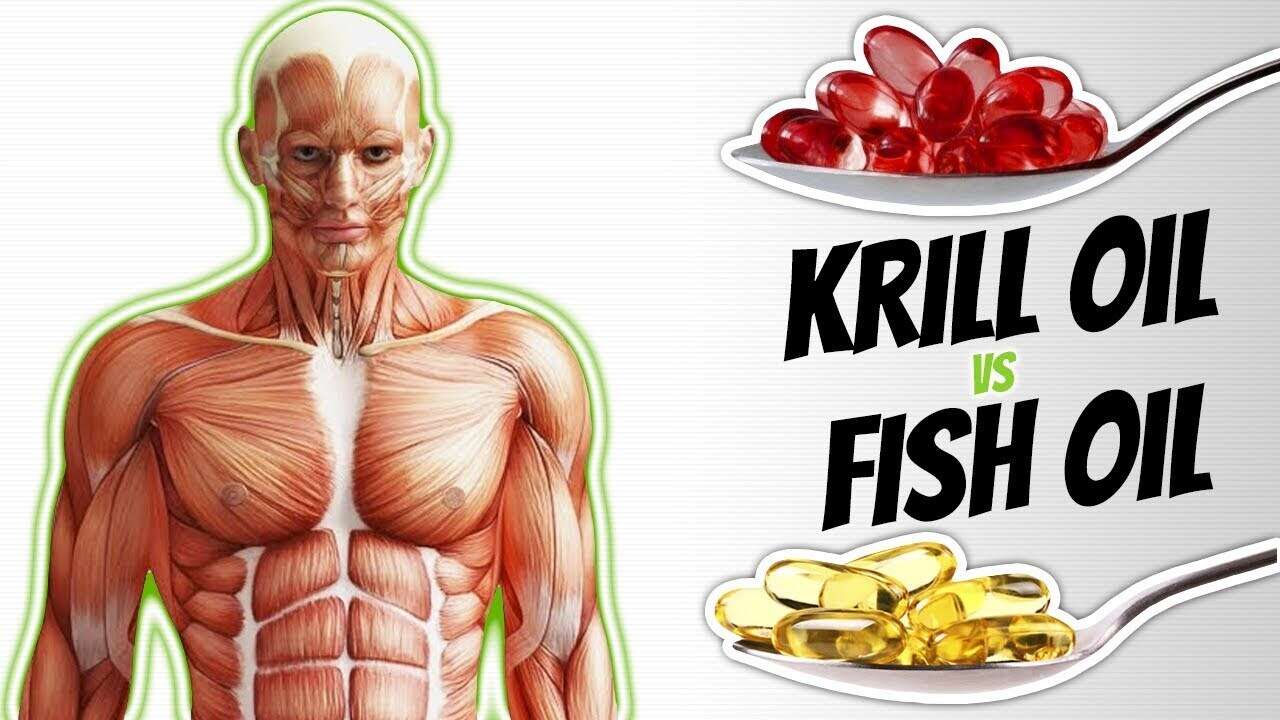
Have you ever felt overwhelmed by the vast array of supplements available on the market, each one claiming to be the solution to your health worries? One such supplement is krill oil, a lesser-known but equally potent sibling of fish oil. ‘What is this krill oil?’, you might ask. If you’re looking for an extensive rundown on the benefits of krill oil, or simply curious about how it differs from its more popular relative, then you’re in the right place. Here, we’ll delve into everything you need to know about this intriguing supplement – from how it works and its primary benefits (specifically focusing on its potential benefits for athletes and bodybuilders) to its dosage and the best time to administer it.
What is krill oil?
Krill oil is a supplement rich in omega-3 fatty acids which are derived from the tiny, shrimp-like animal called krill. This incredible supplement holds the vitality of the sea in a form that can offer numerous health benefits to those who ingest it. It can be seen as an alternative to the popular fish oil supplements, offering a booming list of nutrients including omega-3 fatty acids, phospholipids, and various antioxidants.
Due to the omega-3 fatty acids, such as EPA (eicosapentaenoic acid) and DHA (docosahexaenoic acid), which are linked to heart health, brain health, and inflammation reduction, krill oil has risen in popularity. With its higher antioxidant concentrations as compared to regular fish oil, including astaxanthin, a pigment that gives krill its reddish-pink color, krill oil also helps protect your cells from harmful oxidative damage.
What differentiates krill oil from fish oil?
You may be wondering, “What sets krill oil apart from fish oil?” While both sources are rich in omega-3 fatty acids which carry immense health benefits, the two differ significantly based on the source, structure, absorption, and nutrients.
Firstly, their origin creates a distinction. As the names suggest, krill oil is sourced from a tiny shrimp-like animal called krill, while fish oil comes from oily fish, like salmon or mackerel. The difference in sources leads to variability in sustainability, with certain studies suggesting that krill oil could be a more sustainable option.
Furthermore, the structure of their omega-3 fatty acids plays a role. Fish oil carries omega-3s in triglyceride form, while in krill oil, they are in the form of phospholipids. Phospholipids are more easily absorbed by your body, which means you need less krill oil to gain the same advantages.
Additionally, krill oil characteristically contains a potent antioxidant called Astaxanthin, which is absent in fish oil. Astaxanthin has antioxidant activity greater than vitamin E, making krill oil a superior combatant against harmful free radicals within the body.
Lastly, krill oil is less likely to cause the ‘fishy’ aftertaste or burps that are often associated with fish oil supplements. This is due to its different composition and the fact that it is more easily absorbed by the body.
In conclusion, the differences between krill and fish oil are much more than just their sources. From their structure and absorption to the unique nutrients they offer, each oil brings its own set of benefits to the table. So, when making a choice, consider which differences align best with your health needs and goals.
What is the biochemical composition of krill oil?
Primarily, krill oil is known for its high concentration of omega-3 fatty acids, specifically EPA (eicosapentaenoic acid) and DHA (docosahexaenoic acid). These are polyunsaturated fats that are essential for human health. They play crucial roles in brain function and development, as well as inflammation and heart health.
Krill oil also contains a potent antioxidant called astaxanthin. Astaxanthin is a carotenoid that gives krill and other crustaceans their reddish-pink color. It has powerful antioxidant properties that can protect the body against damage from harmful free radicals.
Additionally, krill oil contains vitamins A and E. Both of these vitamins are antioxidants, meaning they can help protect the body from damage by free radicals. Vitamin A plays a role in vision and immune function, while vitamin E is important for heart health.
Other components of krill oil include various phospholipids and triglycerides. Phospholipids are a type of fat that is a major component of all cell membranes. Triglycerides are the main constituents of body fat in humans and other animals, and, in the bloodstream, they can serve as a source of energy.
Lastly, krill oil contains choline, an essential nutrient that is important for liver function, normal brain development, nerve function, muscle movement, and supporting energy levels. It’s also needed to make substances that are necessary for cell membranes.
What are the scientifically proven benefits of krill oil?
If you’ve been wondering what makes krill oil a superstar in the world of nutritional supplements, here are some of the scientifically proven benefits:
- Rich in antioxidants: Krill oil is renowned for its high antioxidant content, which is essential in combating oxidative stress and cell damage. They neutralize free radicals, potentially reducing associated health risks.
- Heart health: With its potent antioxidant capacity, krill oil may lower the risk of heart disease. Also, krill oil is rich in omega-3 fatty acids, which are essential for heart health. These fatty acids, specifically EPA and DHA, have been linked to a reduced risk of heart disease by lowering triglyceride levels and blood pressure, as well as reducing inflammation.
- Boosts immunity: Studies show components in krill oil can enhance the immune system, keeping you healthier.
- Anti-inflammation properties: Krill oil contains omega-3 fatty acids that may help reduce inflammation in the body.
- Better liver function: Research indicates that krill oil might offer improvement in lipid profiles and liver function indices.
- Prevents weight and abdominal fat gain: Higher intake of the antioxidants provided by krill oil has shown positive effects on metabolic disorders and prevention of weight and abdominal fat gain.
- Eye health: Krill oil offers protection from age-related macular degeneration thanks to its carotenoid content.
- Cognitive function. The omega-3 fatty acids it contains are essential for brain health, and studies have shown that they can improve memory and processing speeds, as well as reduce the risk of Alzheimer’s disease and other forms of dementia.
Remember though, it’s always crucial to discuss any new supplements with your healthcare provider to ensure they’re the right fit for your specific health needs.

Are there any potential side effects of krill oil consumption?
Like any nutritional supplement, krill oil does have the potential to cause side effects and it’s important that you’re aware of them. Some individuals may experience stomach discomfort, loose stools, or diarrhea. These tend to be the common gastrointestinal side effects.
On the other hand, there could be an uncommon, but more serious, concern about elevated uric acid levels which potentially contribute to the risk of gout. Furthermore, although antioxidants in krill oil can be beneficial, excessive intake can lead to what’s known as the ‘antioxidant paradox’ – essentially a situation where isolated antioxidants can actually become toxic.
It’s also important to note that certain individuals could have an allergy to krill oil or another ingredient contained in the supplement. Allergic reactions could range from skin rashes to more severe symptoms that need immediate medical attention.
To mitigate these risks, always follow the dosage instructions provided by the manufacturer, and consult your healthcare provider before starting any new supplement regimen. It’s also recommended to test your sensitivity to krill oil by starting with a lower dosage and gradually increasing to the recommended amount if no adverse reactions occur.
Are there any benefits of taking krill oil supplements for athletes and bodybuilders?
Athletes and bodybuilders can also reap the benefits of krill oil supplements. Krill oil can play a crucial role in their dietary supplementation due to its rich composition of essential Omega-3 fatty acids, alongside antioxidants like astaxanthin. The incorporation of these vital nutrients in an athlete’s diet can promote better cardiovascular health, enhance cognitive functions, and support muscle recovery.
- Cardiovascular Health: The Omega-3 fatty acids present in krill oil are instrumental in supporting heart health, reducing cholesterol levels, and maintaining blood pressure. As athletes and bodybuilders often subject their bodies to strenuous workouts, the use of krill oil can help ensure that their cardiovascular health is not undermined due to their rigorous activities.
- Cognitive Functions: Omega-3 from krill oil is beneficial for cognitive health. Athletes and bodybuilders require a swift decision-making ability and high concentration levels. The intake of krill oil supplements can help improve their cognitive performance, aiding them to stay alert and focused during their training routines or games.
- Muscle Recovery: Post-workout recovery is crucial in any physical activity. The antioxidants in krill oil, such as astaxanthin, can curb inflammation after strenuous workouts, assisting in muscle recovery and minimizing the risk of injury, enabling athletes and bodybuilders to get back to their fitness regimens more quickly.
In conclusion, by acting as a strong source of essential nutrients, krill oil becomes a potent dietary supplement for athletes and bodybuilders, catering to their distinct health and fitness requirements.
Can krill oil help with recovery after workouts?
Definitely, krill oil might be a powerful tool to aid your post-workout recovery. Here’s why: the primary active ingredients of krill oil are omega-3 fatty acids, eicosapentaenoic acid (EPA), and docosahexaenoic acid (DHA). Both are renowned for their anti-inflammatory properties, which can facilitate your body’s recovery process.
A 2013 study suggested that the anti-inflammatory properties of omega-3 fatty acids can help reduce muscle soreness and increase muscle strength after exercise. This makes krill oil a beneficial supplement for athletes, particularly those undergoing intense training sessions.
Besides, krill oil contains a potent antioxidant – astaxanthin, which can enhance your body’s defenses against oxidative stress. Oxidative stress can result from intensive workouts and delay your recovery. Consuming krill oil thus might help combat the destructive effects of oxidative stress and expedite your recovery after workouts.
However, while the potential benefits of krill oil are promising, further research is warranted on the beneficial effects of krill oil on post-exercise recovery. Always consult your healthcare provider before starting any new nutritional supplement regimen, including krill oil.
What is the recommended dosage of krill oil?
Like fish oil, the recommended dosage of krill oil is based on the amount of DHA and EPA found in the supplement.
Your daily dose of krill oil can vary depending on individual factors such as your age, health condition, and nutritional needs. But if you’re looking for a general pointer, an average recommendation for adults is around 1 to 3 grams (1,000-3,000 mg) per day, according to clinical trials. Always follow the instructions given on the product’s label. Each product has unique dosage recommendations developed by the manufacturer.
Some people prefer to take it in the morning with their breakfast to kick start their day with a dose of healthy omega-3 fatty acids. However, if you suffer from mild indigestion, you may want to take your krill oil supplement with a larger meal like lunch or dinner. This can help your body absorb the oil better and minimize any potential stomach discomfort. Ultimately, the best time to take krill oil is when it fits seamlessly into your daily schedule and when you can be consistent with it.
However, it’s essential to stress that it’s always the best practice to consult with your healthcare provider before taking any dietary supplements, including krill oil. They can provide personalized advice based on your medical history and current health status.
Relevant statistics
Numbers don’t tell the entire story, but they do shine a light on compelling facts and trends. These numbers can help us better understand its growing popularity and far-reaching impact in the realm of health and wellness.
- Krill oil is absorbed 68% better than fish oil [1]
- Krill oil can reduce LDL cholesterol levels by up to 34% [2]
- Krill oil can increase HDL cholesterol levels by up to 43.5% [3]
- Athletes taking krill oil showed a 50% reduction in inflammation and muscle damage [4]
- Athletes taking krill oil showed a 5% increase in performance [5]
- Krill oil can reduce triglyceride levels by up to 27.2% [6]
- Krill oil can reduce arthritis symptoms by up to 29% in 7 days [7]
- Krill oil can improve mental health symptoms in 45% of patients [8]
- Krill oil can improve skin health in 60% of users [9]
- Krill oil can improve joint health in 79% of users [7]
Which krill oil supplements are the best on the market?
Navigating the vast array of krill oil supplements can be challenging due to their abundant presence in the market. While selecting the best krill oil supplement, you should consider several factors such as purity, quality, and sustainability, the percentage of Omega-3 fatty acids, EPA, and DHA, present in the product.
Moving forward, we will turn our attention to our top five krill oil supplement recommendations. These are discerned via an elaborate and intensive examination process, where we scrutinize numerous features of a product. We closely examined the details of product labels, meticulously analyzing every ingredient used and their quantities. This provides us with insight into the purity of the product.
Moreover, we also studied the reputation of the manufacturers. This ensures the product is made by a reliable entity that upholds high standards of safety and efficacy. We consider the credibility of the brand, its transparency, and its adherence to Good Manufacturing Practices (GMP).
Last but not least, user testimonials play a vital role in our evaluation process. The experiences of others who have tried and tested these products enable us to further understand the potential benefits and drawbacks. From their feedback, we learn about product quality, consistency, and overall customer satisfaction.
All these factors combined allow us to deliver an educated top-three recommendation list, aiding you in making an informed decision.
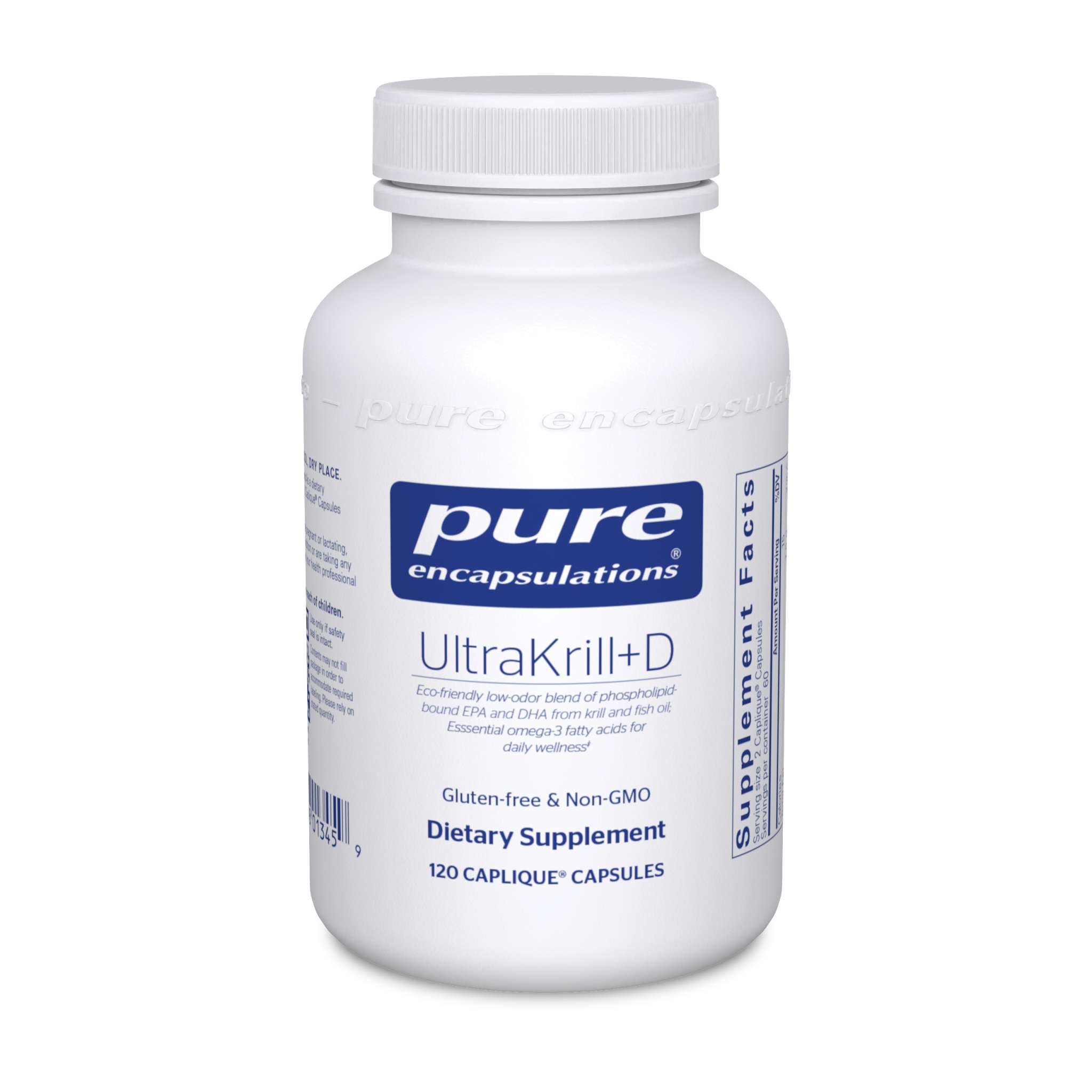
Pure Encapsulations Krill-plex
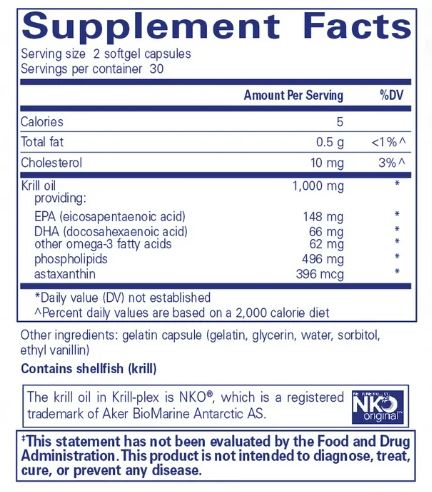
Though Pure Encapsulations Krill-plex falls on the pricier side it is of paramount worth in terms of the quality of ingredients and nutritive value it offers. The krill oil in this product is obtained from the Antarctic krill, known as Euphausia superba, yielding 276 mg of total omega-3 fatty acids, 100 IU of naturally occurring vitamin A, and around 56 mg of choline. To further enhance the absorption and utilization of omega-3, this supplement incorporates 496 mg of phospholipids, a quantity that is significantly higher compared to others in its category.
Pros:Cons:


Sports Research Antarctic Krill Oil
Free from soy and fillers, this krill oil comprises only a few components, in addition to the high-quality, sustainable Superba2 brand krill oil encompassed in the soft gel capsule. This specific type of krill oil is among the elite few that bear a trademark, with clinical trials showing its effectiveness in enhancing omega-3 levels in the blood. Additionally, the krill deployed in this product is certified by the Marine Stewardship Council (MSC), assuring that the collection patterns used are sustainable.
Pros:Cons:

Viva Naturals Antarctic Krill Oil
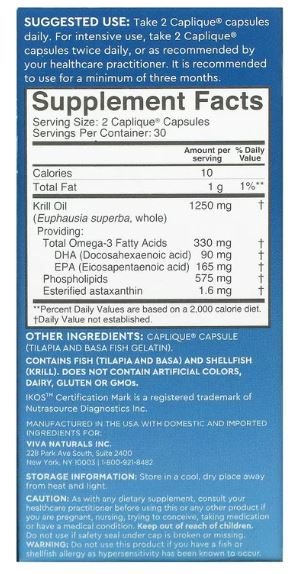
This supplement undergoes rigorous testing by third-party organization IKOS and is notable for its high concentrations of omega-3s and astaxanthin. Further, it comprises only sustainably sourced Atlantic krill oil and the essential gelatin required for the soft gel capsule. A quality krill oil supplement should ideally contain a minimum of 250 mg of total omega-3 fatty acids. Notably, this product not only meets but exceeds this criterion, while also offering a substantial 1.6 mg dose of astaxanthin.
Pros:Cons:
Closing thoughts about krill oil supplements
In conclusion, krill oil is a powerful supplement with numerous health benefits and few potential side effects. Its profile is unlike any other supplement on the market, thanks to its unique composition offering a potent blend of omega-3 fatty acids, phospholipids, and antioxidants. Not only can it aid in heart and joint health, but it’s also an excellent choice for promoting mental health and cognitive function—a bonus for people from all walks of life, including athletes, professional bodybuilders, and fitness enthusiasts.
References
- Krill Oil vs Fish Oil: Which Is Better for You? https://www.healthline.com/nutrition/krill-oil-vs-fish-oil
- Krill Oil Inhibits Cholesterol Synthesis and Stimulated Cholesterol Excretion in Hypercholesterolemic Rats; Ok-Kyung Kim, Jeong Moon Yun, Dakyung Kim, Soo-Jeung Park, Chungil Lee, Eun Byeol Go, Jae Sil Kim, Sang Yong Park, and Jeongmin Lee; Mar Drugs. 2022 Oct; 20(10): 609.
- Will Krill Oil Improve My Cholesterol? https://www.healthline.com/health/high-cholesterol/krill-oil-and-cholesterol
- The Effects of Krill Oil on mTOR Signaling and Resistance Exercise: A Pilot Study; John Georges, Matthew H. Sharp, Ryan P. Lowery, Jacob M. Wilson, Martin Purpura, et. al; J Nutr Metab. 2018; 2018: 7625981.
- The Effect of Krill Oil Supplementation on Exercise Performance and Markers of Immune Function; Mariasole Da Boit, Ina Mastalurova, Goda Brazaite, et al; PLoS One. 2015; 10(9): e0139174.
- Krill oil supplementation lowers serum triglycerides without increasing low-density lipoprotein cholesterol in adults with borderline high or high triglyceride levels; Kjetil Berge, Kathy Musa-Veloso, Melody Harwood, et al; Nutr Res. 2014 Feb;34(2):126-33.
- Krill oil improved osteoarthritic knee pain in adults with mild to moderate knee osteoarthritis: a 6-month multicenter, randomized, double-blind, placebo-controlled trial; Welma Stonehouse, corresponding author Bianca Benassi-Evans, Jana Bednarz, et al.; Am J Clin Nutr. 2022 Sep; 116(3): 672–685.
- Omega-3 fatty acids and major depression: A primer for the mental health professional; Alan C Logan; Lipids Health Dis. 2004; 3: 25.
- Krill Oil’s Protective Benefits against Ultraviolet B-Induced Skin Photoaging in Hairless Mice and In Vitro Experiments; Jongkyu Kim et al; Mar Drugs. 2023 Sep; 21(9): 479.
