



Every year, the fitness world sees new trends emerge, capturing the interest of fitness enthusiasts worldwide. Whether it’s a breakthrough workout regime or an innovative gadget, these trends reflect our evolving understanding of health and our changing lifestyles and preferences. You’re probably wondering what the future holds and which new waves will dominate the fitness scene in 2025.
“The key to enjoying exercise is to never get bored – and staying updated with the latest fitness trends can keep you inspired and motivated.”
A blend of science, technology, and good old human creativity often influences fitness trends. They evolve due to technological advances, cultural shifts, or, sometimes, just because of a viral Instagram post. By 2025, several trends are poised to reshape how individuals approach fitness, training, and overall wellness. This article examines these anticipated trends, providing insights into what fitness lovers can expect in the coming years.
So, let’s explore the fitness trends of 2024 that saw the most significant surges in Google search activity.
The key factors driving changes in fitness trends
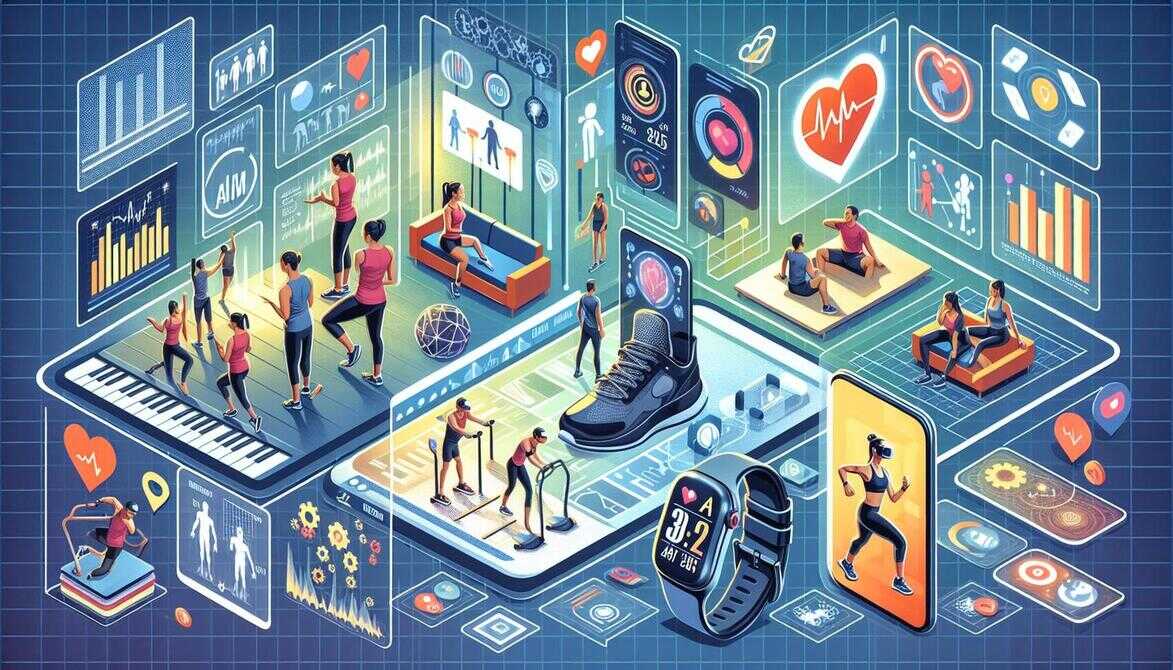
As you observe the dynamic world of fitness, you’ll notice that change is a constant companion. Driven by many factors, these evolving trends are not just about workouts; they’re reshaping how individuals perceive and engage with fitness as part of their lifestyle. Several key elements are at play, from technological advancements to societal shifts, each contributing to the ever-evolving fitness landscape.
- Technological Advancements: The proliferation of wearable devices, fitness apps, and AI innovations provides personalized insights, enhancing individual workout experiences.
- Changing Consumer Preferences: A growing demand for flexibility and convenience has led to the rise of hybrid fitness models combining both virtual and in-person sessions.
- Health and Wellness Integration: A shift towards holistic approaches prioritizes not just physical fitness but also mental well-being and mindfulness practices.
- Social Influences: Fitness influencers on platforms like Instagram, YouTube, and TikTok shape trends by showcasing diverse workout styles and routines to wide audiences.
- Sustainability Focus: An increasing awareness of environmental issues encourages eco-friendly practices within the fitness industry, from green gyms to sustainable attire.
- Inclusivity and Accessibility: Greater emphasis on diversity and inclusivity ensures fitness offerings cater to individuals of all abilities and backgrounds.
- Post-Pandemic Lifestyle Changes: Lessons learned from the pandemic shift the focus towards home workouts, hybrid models, and outdoor activities.
- Aging Population: With a growing demographic of older adults, there is an increased need for inclusive fitness programs that consider different physical abilities.

Fitness Trends That Could Dominate in 2025
1. Personalized Fitness Experiences
The Rise of AI and Data Analytics
In 2025, integrating artificial intelligence (AI) and data analytics in fitness will take personalized experiences to new heights. Fitness enthusiasts will benefit from AI-driven apps and wearable devices that analyze personal data, including heart rate, sleep patterns, and activity levels. These tools will offer tailored workout plans and nutrition advice, ensuring individuals achieve their unique fitness goals efficiently.
For example, companies like WHOOP and Fitbit are already using data to help users optimize their performance. This trend is set to expand, allowing for even greater personalization in fitness routines.
Customizable Nutrition Plans
The demand for customizable nutrition plans will soar in conjunction with personalized fitness programs. Nutrition apps will utilize AI to create meal plans based on users’ dietary preferences, fitness goals, and health requirements. This trend will empower individuals to make informed dietary choices that complement their fitness journeys.
2. Hybrid Fitness Models
Blending In-Person and Virtual Workouts
The COVID-19 pandemic accelerated the adoption of online fitness classes, and this trend is likely to persist. By 2025, hybrid fitness models that combine in-person and virtual workouts will dominate the fitness industry. Gyms and studios will offer a mix of live, on-demand classes and in-person sessions, allowing members to choose their preferred environments.
Fitness companies have already begun to embrace this model, allowing users to work out when and where they want. This approach caters to diverse preferences and schedules, making fitness accessible to everyone.
Community Building Through Technology
In addition to hybrid models, fitness communities will thrive in online spaces. Social media platforms and dedicated fitness apps will foster connections among individuals with similar goals, providing support and motivation. These digital communities will enhance accountability and encourage individuals to stay committed to their fitness journeys.
3. Holistic Wellness Approaches
Mindfulness and Mental Health Integration
As the understanding of mental health continues to evolve, the fitness industry will increasingly focus on holistic wellness. By 2025, fitness programs will incorporate mindfulness practices such as meditation, yoga, and breathwork to promote mental well-being alongside physical fitness. This trend acknowledges the link between mental health and physical performance, encouraging individuals to prioritize both aspects of their well-being.
Functional Fitness for Everyday Life
Functional fitness, which emphasizes movements that mimic daily activities, will gain traction as people seek workouts that enhance their quality of life. Programs will focus on strength, flexibility, and balance, allowing individuals to perform everyday tasks more easily. This trend will appeal to a broad audience, from fitness newcomers to seasoned athletes.
4. Sustainability and Eco-Friendly Practices
Green Gyms and Eco-Conscious Equipment
As environmental awareness continues to grow, fitness facilities will adopt sustainable practices. By 2025, the concept of “green gyms” will become mainstream, featuring energy-efficient equipment and eco-friendly materials. These gyms will prioritize sustainability, appealing to environmentally-conscious fitness enthusiasts.
Fitness equipment manufacturers will also respond to this trend by developing eco-friendly products. Brands like Technogym are already investing in sustainable practices, and this commitment will likely become a standard in the industry.
Sustainable Fitness Fashion
In addition to eco-friendly gyms and equipment, sustainable fitness fashion will surge in popularity. Consumers will increasingly seek activewear made from recycled materials and produced through ethical manufacturing practices. This trend reflects a broader societal shift toward responsible consumption, and fitness enthusiasts will play a vital role in driving this change.
5. Hyrox: Competitive Fitness Race
Hyrox is an invigorating competitive fitness race that combines the elements of endurance and functional strength. It is designed to challenge athletes through a series of grueling exercises, testing their speed, power, and stamina. Participants embark on a unique fitness journey that includes running, rowing, skiing, and pushing or pulling heavy equipment. The race has gained popularity due to its international expansion, drawing fitness enthusiasts worldwide to compete in a fast-paced, adrenaline-pumping environment. Catering to athletes of all levels, Hyrox offers an inclusive but competitive stage for those eager to push their fitness boundaries.
A network of gyms affiliated with Hyrox has been established, with gyms paying an annual affiliation fee. Three affiliation tiers are offered: HYROX Performance Centers, HYROX Training Clubs, and HYROX Performance Academy. HYROX365 oversees the training and educational aspects of HYROX. The number of gyms affiliated with HYROX experienced rapid growth, reaching 5,000 by the end of 2024.
Races occur indoors within vast exhibition halls, offering an immersive and electrifying experience where your supporters can cheer you on from start to finish.
6. Innovative Technology in Fitness
Virtual Reality (VR) and Augmented Reality (AR)
By 2025, virtual reality (VR) and augmented reality (AR) technologies will revolutionize fitness experiences. Gyms will incorporate VR workouts that transport users to immersive environments, making exercise more engaging and enjoyable. AR applications will also provide real-time feedback on form and technique, enhancing the effectiveness of workouts.
This technological advancement has the potential to attract a new demographic of fitness enthusiasts, especially those who seek gamified experiences.
Advanced Wearable Technology
Wearable technology will continue to advance, offering more sophisticated features for fitness tracking. By 2025, wearables will monitor a wider range of health metrics, including hydration levels, muscle recovery, and stress management. These innovations will empower individuals to make data-driven decisions about their fitness routines, leading to improved results.
7. Inclusivity and Diversity in Fitness
Representation in Fitness Spaces
The fitness industry is gradually recognizing the importance of inclusivity and diversity. By 2025, gyms, studios, and brands will prioritize representation in their marketing and programming. Fitness enthusiasts will see a broader range of body types, ages, and backgrounds featured in fitness campaigns, making the industry more welcoming to all.
Adaptive Fitness Programs
Adaptive fitness programs will also gain traction, providing opportunities for individuals with disabilities to engage in physical activity. These programs will focus on creating accessible environments and tailored workouts, ensuring everyone can participate in fitness.
8. TikTok’s Influence: The ’30-30-30 Rule’
The influence of TikTok on the fitness landscape is undeniable, given how rapidly it disseminates new ideas. One such trend that’s capturing attention is the ’30-30-30 Rule’. But what exactly does this entail? Simply put, it’s a straightforward workout & diet regimen that’s gaining traction, especially among those seeking efficient routines.
The ’30-30-30 Rule’ consists of eating 30 grams of protein at breakfast. Eat breakfast within 30 minutes of waking up. After breakfast, get 30 minutes of low-intensity, steady-state exercise.
Embracing the 30-30-30 rule brings many benefits by helping you cultivate lasting healthy habits. Incorporating this routine into daily life can make these habits second nature.
Starting your day with a nutritious, protein-rich breakfast sets a positive tone, and dedicating 30 minutes to exercise daily places you ahead of the approximately 25% of Americans who skip exercise altogether. While the connection between exercise timing and weight loss remains debated, some research suggests a potential advantage to morning workouts.
9. Primal Fitness and ‘Quadrobics’
Recently, “quadrobics” has captured the attention of many fitness enthusiasts, as evidenced by a 174% surge in search interest. This full-body workout takes its inspiration from animal movements, offering a unique approach to fitness that focuses on natural and functional movements. Primal fitness is closely related, emphasizing exercises like crawling, climbing, and balancing. These workouts have gained popularity for their ability to significantly enhance overall body awareness, increase coordination, and strengthen the core.
Many fitness enthusiasts are drawn to these exercises’ primal nature, finding them effective but also invigorating and refreshing.
10. The Role of Recovery in Fitness
Enhanced Recovery Techniques
As the understanding of recovery’s importance grows, fitness enthusiasts will prioritize recovery techniques in their routines. By 2025, recovery modalities such as cryotherapy, infrared saunas, and massage therapy will become integral components of fitness programs. These treatments will help individuals optimize their performance and reduce the risk of injury.
Sleep Optimization
Recognizing the critical role of sleep in recovery, fitness communities will emphasize sleep optimization strategies. By 2025, individuals will have access to resources and tools that promote better sleep hygiene, ensuring they are well-rested and ready to tackle their fitness goals.
How do fitness influencers impact the emergence of new trends?
Fitness influencers hold a substantial sway in the emergence of new trends, serving as both trendsetters and powerful catalysts for changes within the industry. Their extensive social media reach allows them to disseminate fresh ideas and practices rapidly, offering followers a glimpse into what’s new and noteworthy. By showcasing innovative workouts, tools, and wellness practices, they inspire followers to experiment, adapt, and eventually integrate these trends into their own routines.
Moreover, influencers often collaborate with brands, helping to boost the visibility and credibility of emerging fitness products or methodologies. This partnership can catalyze a trend’s popularity, as devotees will likely trust and follow recommendations from influencers they admire. In addition to promoting products, many influencers also share their fitness journeys and challenges, providing relatable content that can often turn niche practices into widely accepted movements.
Ultimately, fitness influencers are pivotal in shaping how new trends form and gain momentum. Authentic storytelling and effective communication create a dynamic and engaging environment where followers are motivated to participate in the latest fitness innovations.
Conclusion: Top Fitness Trends for 2025
As the fitness industry continues to evolve, the trends anticipated for 2025 reflect a growing emphasis on personalization, technology, sustainability, and inclusivity. Fitness enthusiasts can expect a landscape that caters to their unique needs, promotes holistic wellness, and embraces innovative approaches. By staying informed about these trends, individuals can make empowered choices on their fitness journeys, ensuring they thrive in an ever-changing environment.
For those passionate about fitness, these trends herald an exciting future filled with opportunities for growth, connection, and well-being. As the industry adapts to meet the needs of its community, fitness lovers can look forward to a vibrant and inclusive fitness landscape in 2025 and beyond.
