



After deciding to take creatine, the next conundrum people get into is deciding which type of creatine to use. There are so many types, concoctions, blends, and “special” formulas. Creatine comes in several different forms, two of which are creatine monohydrate and creatine hydrochloride (HCL). Other types of creatine include creatine citrate, creatine ethyl ester, liquid creatine, creatine nitrate, and buffered creatine (kre-alkalyn). There are a few reasons why there are so many types of creatine, but the main one boils down to more marketing and hype advertising to sell more products.
Creatine is already a cheap supplement, so what some companies do is that they add more flashy items on top of the cheap creatine to sell it for much more than what it’s worth and so many people fall for that. In reality, you don’t need any fancy types of creatine. Aside from marketing, there are three legit types of creatine to be considered: monohydrate, hydrochloride, and free acid creatine.
In this post you will find out what is creatine hydrochloride, what differentiates it from creatine monohydrate, and does it really have any major advantages over creatine monohydrate.
How Does Creatine Work?
Creatine is a natural compound found in the muscle, brain, kidneys, and liver. When it is stored in the muscle, it is phosphorylated to phosphocreatine. It serves as a phosphate ion reserve that is used to convert ADP into ATP, which is the energy molecule the body uses. During exercise, our body breaks ATP (contains 3 phosphate ions) down to ADP (contains 2 phosphate ions). Phosphocreatine donates a phosphate ion to convert ADP back to ATP. Thus, creatine intake can increase energy stores, which are depleted during physical activities. Creatine has been found to increase lean mass, strength, and power output.
What is Creatine Monohydrate?
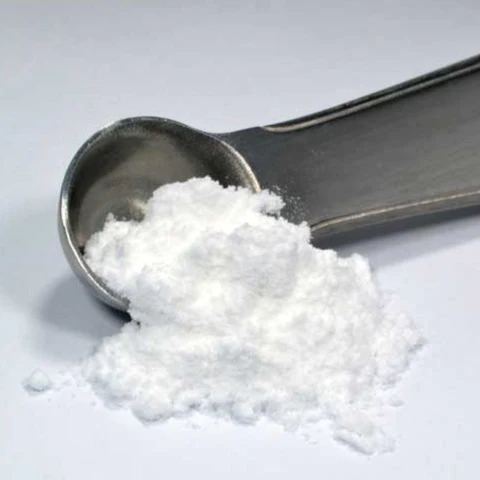
Creatine monohydrate is by far the most widely studied form, and it’s also the most common form you’ll see sold in stores and online.
Monohydrate creatine consists of creatine molecules and a water molecule, hence the term monohydrate. Once the water molecule is removed from this combination, you then have 100% pure creatine. Companies continue to process monohydrate even more which is why micronized creatine is so popular recently. The latter is just a monohydrate with better water solubility. If you pick creatine randomly from a store, it’s highly likely that it is going to be creatine monohydrate, and for good reason. It’s useful, effective, safe, and perfect for someone trying to get stronger and more muscular.
The only issue with creatine monohydrate is its solubility. Solubility simply means how well it mixes in water. Creatine monohydrate doesn’t mix as well in water as HCL, which is why you’ll often see creatine particles at the bottom of a glass or shaker cup even after you’ve mixed in water vigorously. Why is this a problem? Because when you ingest creatine that doesn’t mix well in water, the particles sit in your intestines. Creatine draws water into it, so any particles that haven’t gone into the solution will draw water into your intestines and cause GI issues (even diarrhea). Even micronized creatine monohydrate can cause these issues. Micronized creatine monohydrate is creatine that is made into tiny particles for better and faster absorption.
What Is Creatine Hydrochloride (HCL)?
Creatine HCL is still creatine, but there’s a different molecule added to the creatine (hydrochloride). The HCL enhances the solubility of creatine, which improves its uptake by the intestines. As it is more quickly absorbed, water retention is not a concern and by absorbing faster into your bloodstream, side effects are reduced.
Therefore, there are two reasons why hydrochloride is also popular. The first one is, as already stated, its high water solubility. The second reason is its higher potency. You only need a gram of creatine hydrochloride whereas you need five times that amount for monohydrate due to its water solubility.
However, when the doses of creatine itself are matched between creatine hydrochloride and monohydrate supplements, there are no significant differences between outcome measures (e.g. gain in lean body mass and one-rep max strength). Technically, creatine monohydrate and creatine HCL are equally effective.

Is Creatine HCL Better Than Monohydrate?
Creatine hydrochloride has two minor advantages over creatine monohydrate.
It has better potency. Because of this, you need far less creatine HCL to deliver the same amount of creatine to the muscles as creatine monohydrate. Whereas five grams of creatine monohydrate is recommended around workouts, you only need about one to two grams of creatine HCL for the same effect. Because you’re using less creatine, you’ll have fewer stomach issues with HCL versus monohydrate.
The second advantage is its water solubility. It will reduce relatively common side effects such as upset stomach and cramping due to loading protocols with creatine monohydrate. However, this advantage can be reduced or even completely eliminated if you’re smart enough. These gastrointestinal side effects of taking creatine monohydrate can be mitigated by adequate hydration and slower consumption by drinking it slowly rather than chugging it down with one sip.
Creatine supplementation recommendations
- Jacked Factory Creatine Monohydrate
- Micronized Creatine Powder by Optimum Nutrition
- Crazy Nutrition Ultimate CRN-5 Creatine Formula
- Transparent Labs Creatine HMB

Closing Thoughts: Creatine Monohydrate Vs. Creatine Hydrochloride
Again, the creatine being delivered to the muscles is the same whether you’re using monohydrate or HCL. Therefore there really are not that many reasons to take any creatine other than monohydrate. Monohydrate has been studied the most not only for its performance but also for its safety which is why it’s also added in stimulants such as pre-workout. Other types of creatine are certainly more expensive than creatine monohydrate, but they’re no more effective. Don’t overpay for overhyped forms of creatine pushed by million ad campaigns and sold in fancy bottles.
When it comes to performance gain in muscle, strength, and power output, there is little to no difference between creatine HCL and monohydrate.
If you use monohydrate and haven’t had any stomach issues with it, you can keep using it. But HCL is indeed a great option for those who have GI issues with monohydrate. But even they could first try to bypass GI issues by adequate hydration, slower consumption, and avoiding the loading phase. Simply take 3-5g of creatine monohydrate per day, avoid loading, and see what happens. If you still experience bloating and GI issues, switch to creatine hydrochloride.
