Close Menu
Bodybuilding Wizard

    Subscribe to Updates

    Join our mailing list to receive the latest updates from our team.

    Facebook X (Twitter) Instagram
    Trending
    • Decline Machine Press (Hammer Strength Decline Press): How To, Muscles Worked, Benefits & Alternatives
    • Ring Dips: How To, Muscles Worked, Benefits & Alternatives
    • Reverse-Grip Incline Dumbbell Press: How To, Muscles Worked, Benefits & Alternatives
    • Landmine Chest Press: How To, Muscles Worked, Benefits & Alternatives
    • Reverse-Grip Bench Press: How-To, Muscles Worked, Benefits & Alternatives
    • Dumbbell Squeeze Press (Hex Press): How To, Muscles Worked, Benefits & Alternatives
    • Muscle-Tendon Unit: How Muscles Transfer Force to Bones
    • Anatomical Position and Directional Terms: A Guide for Lifters
    RSS Facebook X (Twitter) LinkedIn YouTube Pinterest Instagram
    Bodybuilding Wizard
    Subscribe Login
    • Home
    • Tools
      • Interactive Muscle Anatomy
      • Interactive Human Skeleton
      • Bodybuilding & Fitness Calculators
      • Dietary & Nutrition Calculators
      • Body Measurement Calculators
      • Fitness Tests
      • Bodybuilding Glossary
      • DIY Projects
    • Training
      • Weight training basics
      • Advanced bodybuilding
      • Strength training for women
      • Workout programs
      • Home weight training programs
      • Cardio workout
      • Exercise equipment
      • Weight training accessories
      • Weight lifting injuries
      • Weight training for sports
    • Exercises
      • Chest exercises
        • Middle chest exercises
        • Upper chest exercises
        • Lower chest exercises
      • Back exercises
        • Middle back (latissimus dorsi)
        • Upper back (trapezius)
        • Lower back (erector spinae)
      • Arm exercises
        • Bicep exercises
        • Tricep exercises
        • Forearm exercises
        • Grip-strengthening exercises
      • Shoulder exercises
        • Front deltoid
        • Side deltoid
        • Rear deltoid
        • Rotator Cuff
        • Scapular & Shoulder Stability
        • Neck strengthening exercises
      • Leg and glute exercises
        • Quadricep exercises
        • Hamstring exercises
        • Calf exercises
        • Glute & Hip exercises
        • Shin exercises
      • Abdominal exercises
        • Upper abdominal exercises
        • Lower abdominal exercise
        • Oblique exercises
      • Core exercises
      • Kettlebell exercises
      • Foam rolling & Stretching
      • Explosive (dynamic) lifts
    • Motivation
      • Greatest physiques
      • Motivation techniques & tips
      • Events and competitions
      • Latest fitness news
      • Videos
        • Funny gym reels
        • Motivational videos
        • Funny workout videos
      • Pictures
      • Quotes
      • Funny Fitness
      • Transformations
    • Diet
      • Nutrition Fundamentals
      • Diet Types & Strategies
      • Foods & Superfoods for Athletes
      • Muscle Building & Performance Nutrition
      • Weight Loss & Fat Management
      • Food Psychology & Myths
      • Recipes & Meal Ideas
    • Supplements
      • Supplements Review
      • Muscle Building Supplements
      • Anabolic Steroids
      • Fat Burners & Weight Loss
      • Pre-Workout & Energy Boosters
      • Recovery & Sleep Aids
      • Cognitive & Nootropic Support
      • General Supplement Advice
      • Health Supplements
        • Joint & Bone Support
        • Gut Health & Digestion
        • Vitamins & Minerals
        • Superfoods & Greens
      • Steroid Alternatives
    • Anatomy
      • Upper-Body Muscles
      • Lower-Body Muscles
      • Bones & Skeletal Anatomy
      • Muscle Growth & Genetics
      • Joints, Tendons & Connective Tissue
      • Hormones & Endocrine System
      • Physiology & Body Systems
      • Body Composition & Fat
      • General Anatomy & Basics
    • Health
    Bodybuilding Wizard
    You are at:Home»Supplements»Muscle Building Supplements»Creatine HCL Vs Creatine Monohydrate: Which One Is Better?
    Muscle Building Supplements

    Creatine HCL Vs Creatine Monohydrate: Which One Is Better?

    No Comments6 Mins ReadkrunoslavBy krunoslavApril 22, 2023Updated:July 17, 2025
    creatine monohydrate or creatine hydrochloride
    Share
    Facebook Twitter Pinterest LinkedIn Email Tumblr WhatsApp Telegram

    After deciding to take creatine, the next conundrum people get into is deciding which type of creatine to use. There are so many types, concoctions, blends, and “special” formulas. Creatine comes in several different forms, two of which are creatine monohydrate and creatine hydrochloride (HCL). Other types of creatine include creatine citrate, creatine ethyl ester, liquid creatine, creatine nitrate, and buffered creatine (kre-alkalyn). There are a few reasons why there are so many types of creatine, but the main one boils down to more marketing and hype advertising to sell more products.

    Creatine is already a cheap supplement, so what some companies do is that they add more flashy items on top of the cheap creatine to sell it for much more than what it’s worth and so many people fall for that. In reality, you don’t need any fancy types of creatine. Aside from marketing, there are three legit types of creatine to be considered: monohydrate, hydrochloride, and free acid creatine.

    In this post you will find out what is creatine hydrochloride, what differentiates it from creatine monohydrate, and does it really have any major advantages over creatine monohydrate.
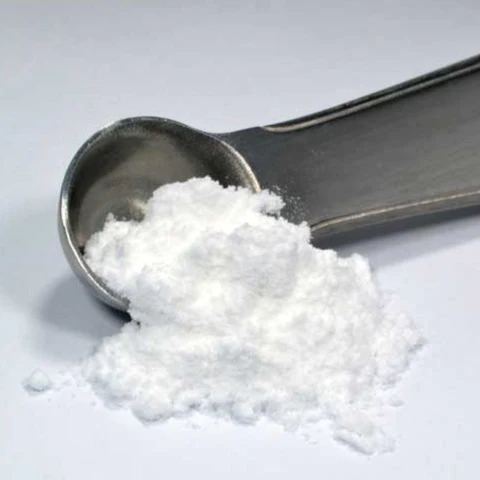
    creatine hcl pros and cons

    How Does Creatine Work?

    Creatine is a natural compound found in the muscle, brain, kidneys, and liver. When it is stored in the muscle, it is phosphorylated to phosphocreatine. It serves as a phosphate ion reserve that is used to convert ADP into ATP, which is the energy molecule the body uses. During exercise, our body breaks ATP (contains 3 phosphate ions) down to ADP (contains 2 phosphate ions). Phosphocreatine donates a phosphate ion to convert ADP back to ATP. Thus, creatine intake can increase energy stores, which are depleted during physical activities. Creatine has been found to increase lean mass, strength, and power output.

    What is Creatine Monohydrate?

    Creatine monohydrate is by far the most widely studied form, and it’s also the most common form you’ll see sold in stores and online.

    Monohydrate creatine consists of creatine molecules and a water molecule, hence the term monohydrate. Once the water molecule is removed from this combination, you then have 100% pure creatine. Companies continue to process monohydrate even more which is why micronized creatine is so popular recently. The latter is just a monohydrate with better water solubility. If you pick creatine randomly from a store, it’s highly likely that it is going to be creatine monohydrate, and for good reason. It’s useful, effective, safe, and perfect for someone trying to get stronger and more muscular.

    The only issue with creatine monohydrate is its solubility. Solubility simply means how well it mixes in water. Creatine monohydrate doesn’t mix as well in water as HCL, which is why you’ll often see creatine particles at the bottom of a glass or shaker cup even after you’ve mixed in water vigorously. Why is this a problem? Because when you ingest creatine that doesn’t mix well in water, the particles sit in your intestines. Creatine draws water into it, so any particles that haven’t gone into the solution will draw water into your intestines and cause GI issues (even diarrhea). Even micronized creatine monohydrate can cause these issues. Micronized creatine monohydrate is creatine that is made into tiny particles for better and faster absorption.

    What Is Creatine Hydrochloride (HCL)?

    Creatine HCL is still creatine, but there’s a different molecule added to the creatine (hydrochloride). The HCL enhances the solubility of creatine, which improves its uptake by the intestines. As it is more quickly absorbed, water retention is not a concern and by absorbing faster into your bloodstream, side effects are reduced.

    Therefore, there are two reasons why hydrochloride is also popular. The first one is, as already stated, its high water solubility. The second reason is its higher potency. You only need a gram of creatine hydrochloride whereas you need five times that amount for monohydrate due to its water solubility.

    However, when the doses of creatine itself are matched between creatine hydrochloride and monohydrate supplements, there are no significant differences between outcome measures (e.g. gain in lean body mass and one-rep max strength). Technically, creatine monohydrate and creatine HCL are equally effective.

    creatine hydrochloride hcl

    Is Creatine HCL Better Than Monohydrate?

    Creatine hydrochloride has two minor advantages over creatine monohydrate.

    It has better potency. Because of this, you need far less creatine HCL to deliver the same amount of creatine to the muscles as creatine monohydrate. Whereas five grams of creatine monohydrate is recommended around workouts, you only need about one to two grams of creatine HCL for the same effect. Because you’re using less creatine, you’ll have fewer stomach issues with HCL versus monohydrate.

    The second advantage is its water solubility. It will reduce relatively common side effects such as upset stomach and cramping due to loading protocols with creatine monohydrate. However, this advantage can be reduced or even completely eliminated if you’re smart enough. These gastrointestinal side effects of taking creatine monohydrate can be mitigated by adequate hydration and slower consumption by drinking it slowly rather than chugging it down with one sip.

    Creatine supplementation recommendations

    • Jacked Factory Creatine Monohydrate
    • Micronized Creatine Powder by Optimum Nutrition
    • Crazy Nutrition Ultimate CRN-5 Creatine Formula
    • Transparent Labs Creatine HMB
    comparison monohydrate vs hydrochloride

    Closing Thoughts: Creatine Monohydrate Vs. Creatine Hydrochloride

    Again, the creatine being delivered to the muscles is the same whether you’re using monohydrate or HCL. Therefore there really are not that many reasons to take any creatine other than monohydrate. Monohydrate has been studied the most not only for its performance but also for its safety which is why it’s also added in stimulants such as pre-workout. Other types of creatine are certainly more expensive than creatine monohydrate, but they’re no more effective. Don’t overpay for overhyped forms of creatine pushed by million ad campaigns and sold in fancy bottles.

    When it comes to performance gain in muscle, strength, and power output, there is little to no difference between creatine HCL and monohydrate.

    If you use monohydrate and haven’t had any stomach issues with it, you can keep using it. But HCL is indeed a great option for those who have GI issues with monohydrate. But even they could first try to bypass GI issues by adequate hydration, slower consumption, and avoiding the loading phase. Simply take 3-5g of creatine monohydrate per day, avoid loading, and see what happens. If you still experience bloating and GI issues, switch to creatine hydrochloride.

    Share. Facebook Twitter Pinterest LinkedIn Tumblr Email WhatsApp
    krunoslav
    • X (Twitter)

    Hey! My name is Kruno, and I'm the owner and author of Bodybuilding Wizard. I am a licensed fitness trainer with a Ph.D. in kinesiology. Throughout my career, I have dedicated myself to helping individuals achieve their health and fitness goals through personalized training programs. In addition to my academic qualifications, I have completed various specialized courses, including certifications in nutrition and strength training, which have further enhanced my ability to provide comprehensive fitness guidance. I started this website back in late 2014, and it has been my pet project ever since. My goal is to help you learn proper weight training and nutrition principles so that you can get strong and build the physique of your dreams!

    Related Posts

    Best Mass Gainer Supplements for Men in 2025 (In-Depth Reviews & Coach’s Guide)

    10 Best Egg White Protein Powders in 2025 Reviewed & Coach Approved

    Creatine vs. Pre-Workouts: Which Builds More Muscle? The Ultimate Comparison

    Leave A Reply Cancel Reply

    You must be logged in to post a comment.

    WE ARE SOCIAL
    • Facebook 3.6K
    • Twitter
    • YouTube 134
    • Instagram
    RECENT POSTS
    October 10, 2026

    Decline Machine Press (Hammer Strength Decline Press): How To, Muscles Worked, Benefits & Alternatives

    October 10, 2026

    Ring Dips: How To, Muscles Worked, Benefits & Alternatives

    October 6, 2026

    Reverse-Grip Incline Dumbbell Press: How To, Muscles Worked, Benefits & Alternatives

    October 4, 2026

    Landmine Chest Press: How To, Muscles Worked, Benefits & Alternatives

    October 3, 2026

    Reverse-Grip Bench Press: How-To, Muscles Worked, Benefits & Alternatives

    RECENT COMMENTS
    • Justin Dew on Designing your own home gym
    • krunoslav on How Skeletal Muscles Are Named: A Simple Guide to Muscle Names
    • Christina on How Skeletal Muscles Are Named: A Simple Guide to Muscle Names
    • igtropin on Stiff-Leg Deadlift: Proper Form, Muscles Worked & Hamstring Growth Guide
    • teragon labs on Barbell Back Squat: Proper Form, Benefits, Muscles Worked & Expert Tips
    LATEST GALLERIES

    Subscribe to Updates

    Join our mailing list to receive the latest updates from our team.

    ABOUT
    ABOUT

    We are a group of bodybuilding enthusiasts and this is our effort to have all the details about bodybuilding on a single website. We strive to educate and inform our visitors so that they can make the correct training, nutrition, and supplement decisions on their own. Bodybuilding Wizard will make your dream body your reality and take you to a whole new level!

    POPULAR POSTS
    April 2, 2014

    Lying Leg Curl: Complete Guide to Hamstring Isolation, Strength & Muscle Growth

    February 18, 2019

    How Skeletal Muscles Are Named: A Simple Guide to Muscle Names

    March 28, 2014

    Free weights: The main tool for building muscles

    BODYBUILDING WIZARD
    Bodybuilding Wizard Footer Logo
    Facebook X (Twitter) Instagram Pinterest YouTube
    • About
    • Authors
    • Editorial Policy
    • Write for us
    • Privacy
    • Contact
    • Terms of Use
    • Advertising
    • FAQ
    Copyright © 2014-2026 BodybuildingWizard. All rights reserved. Powered by WordPress. Made with love and lots of caffeine.

    Type above and press Enter to search. Press Esc to cancel.

    Sign In or Register

    Welcome Back!

    Login to your account below.

    Lost password?