
Introduction
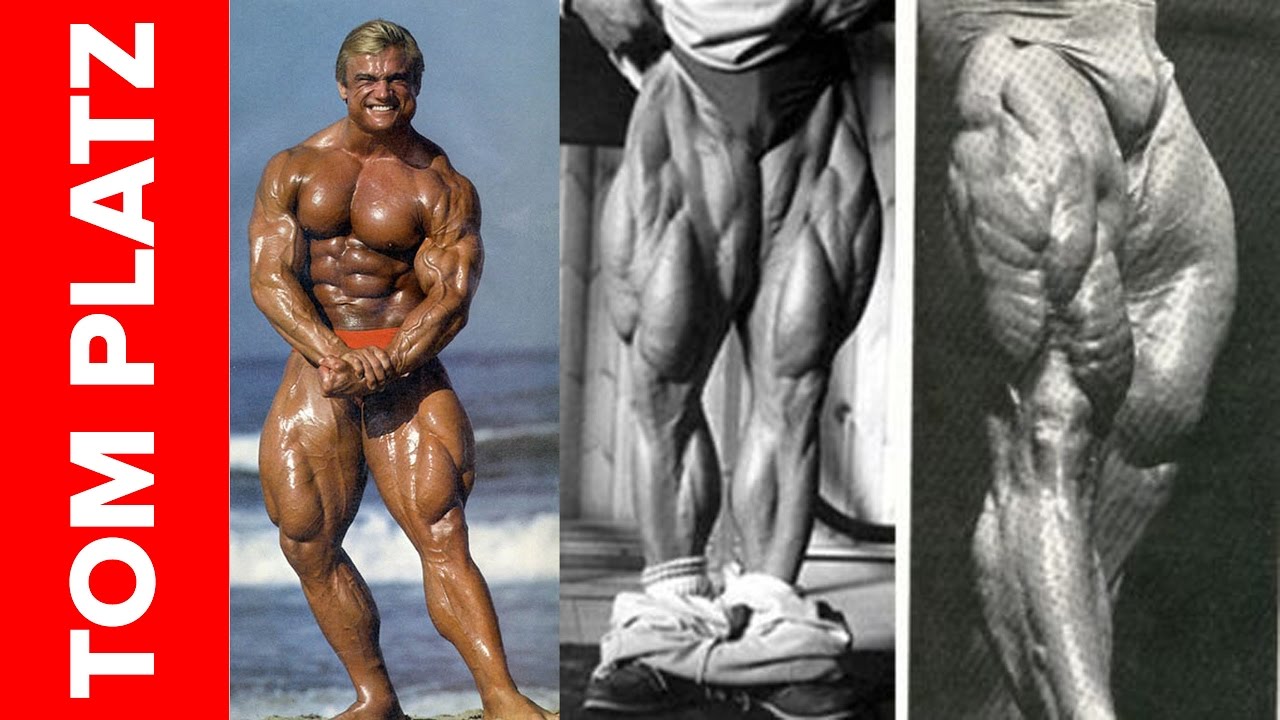
Tom Platz, widely known as “The Golden Eagle” and “The Quadfather”, is one of the most iconic and recognizable figures in the history of bodybuilding. Born in 1955 in Oklahoma, Platz carved his name into the sport with his legendary leg development, which remains unmatched to this day. More than just his legs, however, Tom represented an era of bodybuilding where intensity, passion, and discipline defined champions.
Competing professionally throughout the late 1970s and 1980s, Platz became a fan favorite thanks to his combination of freakish leg size, dramatic posing routines, and relentless training ethic. His best career highlight came at the 1981 Mr. Olympia, where he placed third, cementing his reputation as one of the sport’s greats.
Beyond the stage, Tom Platz became a professor of kinesiology, a seminar speaker, an author, and an inspiration to generations of bodybuilders and strength athletes. His high-rep squat sessions, mental toughness, and unique training philosophy left an influence that transcends bodybuilding competitions. Even today, his name is synonymous with intensity, extreme leg development, and the enduring spirit of the Golden Era.
This article offers a comprehensive overview of Tom Platz’s life and career, from his early background and bodybuilding journey to his competition history, training philosophy, personal life, and enduring legacy in the world of bodybuilding.
Tom Platz’s Profile Summary & Quick Facts
Below, you will find a comprehensive summary of Tom Platz’s impressive athletic statistics and personal details:
Personal Details
| Full Name | Thomas Steven Platz |
| Nickname | “The Golden Eagle”, “The Quadfather” |
| Date of Birth | June 26, 1955 |
| Place of Birth | Fort Sill, Oklahoma, USA |
| Nationality | American |
| Era | 1970s–1980s (Golden Era) |
| Division | Men’s Open Bodybuilding |
| Profession | Professional Bodybuilder, Trainer, Professor, Author |
Athletic Statistics (Body Measurements)
| Height | 5’8” (173 cm) |
| Contest Weight | 225 lbs (102 kg) |
| Off-Season Weight | 235–245 lbs (106–111 kg) |
| Arms | 20 in (51 cm) |
| Chest | 50 in (127 cm) |
| Waist | 29 in (74 cm) |
| Thighs | 30 in (76 cm) |
| Calves | 20 in (51 cm) |
Physique Analysis: Strengths & Weaknesses
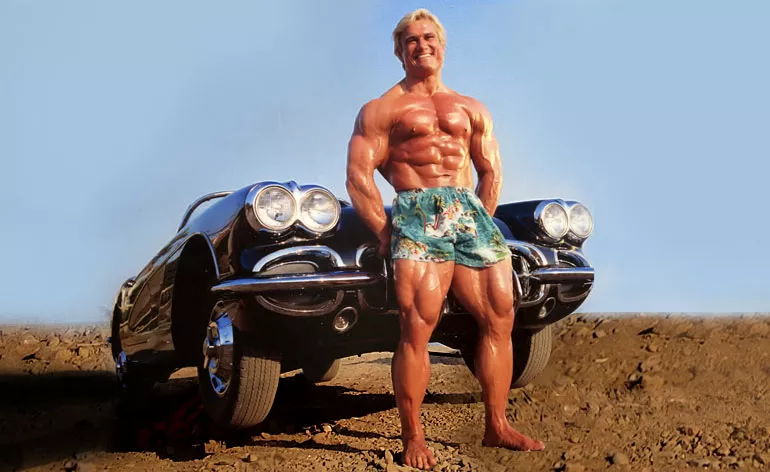
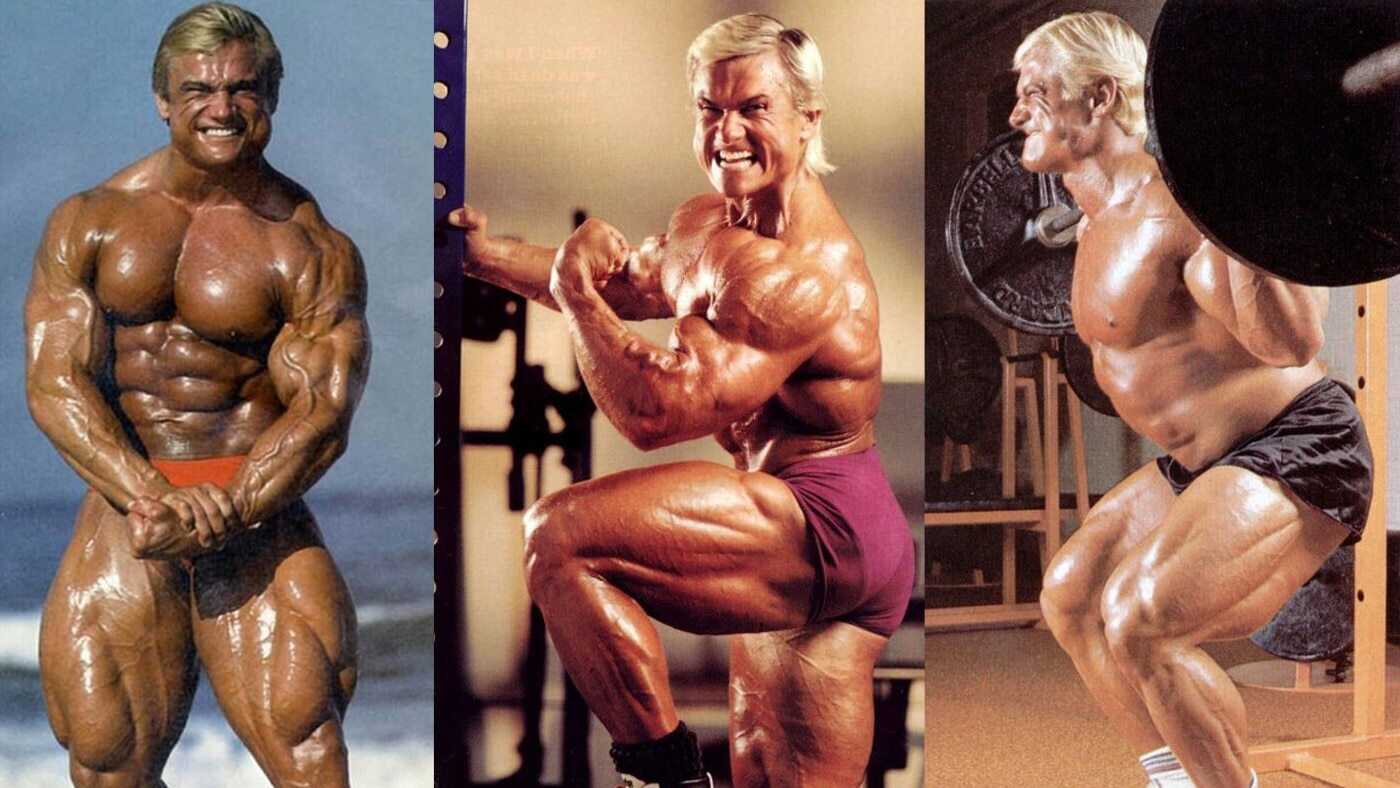
When analyzing Tom Platz’s body statistics, it becomes clear why he earned the legendary nicknames “The Golden Eagle” and “The Quadfather.” At 5’8” (173 cm) and a contest weight of around 225 pounds, Platz was not the biggest competitor of his era, but his proportions, balance, and density made him unforgettable.
Strengths
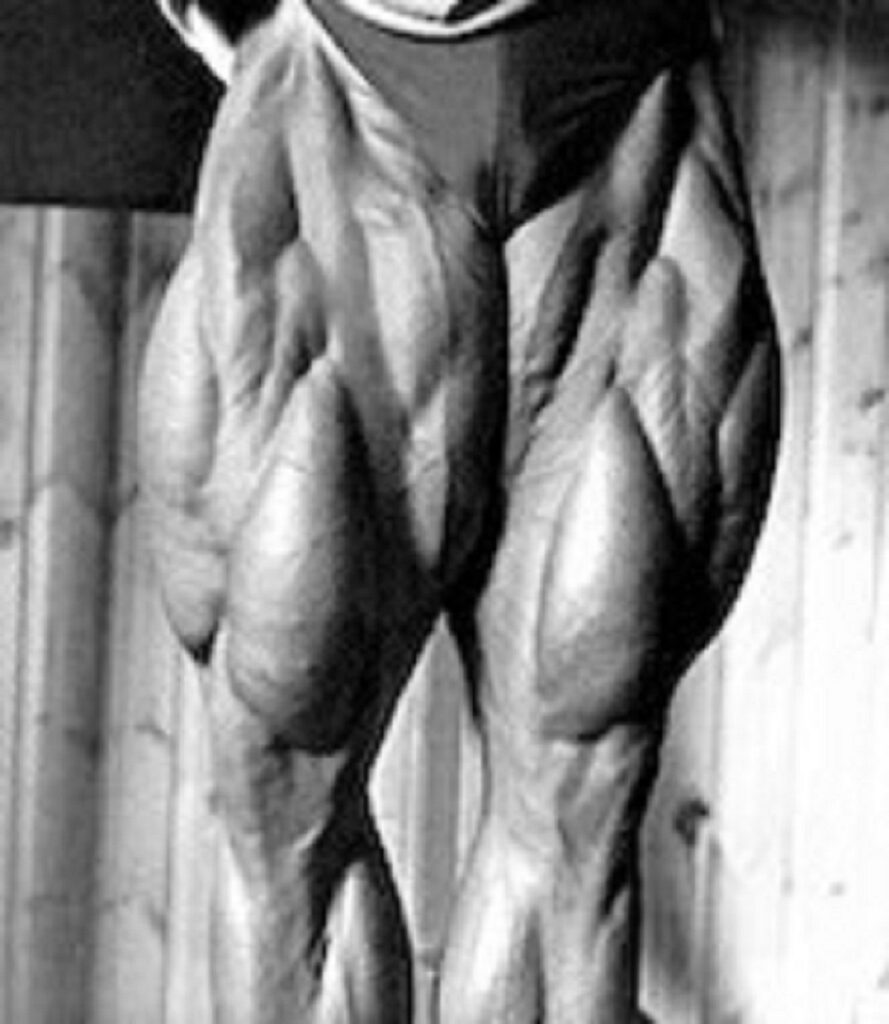
- Unparalleled Leg Development: Platz’s thighs, hamstrings, and calves were not only massive but also displayed a level of detail and separation rarely seen in bodybuilding. His high-rep squat philosophy translated into muscle endurance and definition that were decades ahead of his time.
- Conditioning and Vascularity: Despite carrying dense muscle mass, Platz often stepped on stage with shredded conditioning, which enhanced his already dramatic proportions.
- Posing Mastery: As a performer, Tom brought an artistic element to posing. His control, transitions, and charisma made him a crowd favorite, elevating his stage presence.
Weaknesses
- Upper-to-Lower-Body Imbalance: Platz’s legs were so extraordinary that they often overpowered his upper body. His arms and chest, while impressive, lacked the same dominance, creating asymmetry in some poses when compared to rivals like Arnold Schwarzenegger or Lee Haney.
- Back Development: His back, particularly the lats, lagged slightly behind his chest and shoulders. In the mass-focused 1980s, this made it difficult for him to consistently place at the very top against the likes of Haney or Bertil Fox.
- Judging Criteria of the Era: During the late 1970s and 1980s, judges favored balanced physiques and overall mass over extreme specialization. As a result, Platz’s unmatched legs — his greatest weapon — also highlighted his weaknesses.


Coach’s Note
From a coaching perspective, Tom Platz represents a fascinating case study in bodybuilding. He showed that a bodybuilder could redefine what was possible with a single muscle group. While this specialization limited his competitive achievements, it also made him immortal in the sport’s history. His physique wasn’t about balance in the traditional sense — it was about pushing a single aspect of human development to the absolute extreme, and that is why he continues to inspire athletes today. Even today, many lifters attempt “Platz-style squats,” chasing that same mythical leg development.
Early Life and Background
Tom Platz was born on June 26, 1955, in Fort Sill, Oklahoma, USA, and grew up in a modest American household. From a very young age, he showed interest in sports and physical development, often inspired by the heroic physiques he saw in comic books and on the silver screen. Unlike many of his contemporaries, Tom’s fascination with strength training began not simply as a competitive goal but as a genuine passion for self-improvement and pushing the human body to its limits.
At the age of 9, Platz was already experimenting with weights, inspired by legendary bodybuilders such as Arnold Schwarzenegger, Reg Park, and Dave Draper. His early exposure to muscle culture planted the seed for what would become his life’s calling.
“When I was 9 ½, I can remember doing bench presses on the cellar floor after dinner. My father would take my brother and sister and myself downstairs to the basement, to the cellar – they have cellars back East – and I would lay on the floor, and he would read the Weider instructional manual to me.” – Tom Platz
Tom pursued higher education and eventually studied kinesiology and fitness sciences, which helped him build a deeper understanding of biomechanics and exercise physiology. This academic foundation not only supported his own training but also allowed him to become a respected professor, lecturer, and fitness educator after retiring from competition.
During his late teenage years and early 20s, Platz fully committed himself to bodybuilding. He moved to California — the epicenter of bodybuilding in the 1970s — where he trained at the legendary Gold’s Gym in Venice Beach. Surrounded by icons such as Arnold Schwarzenegger, Franco Columbu, and Frank Zane, Tom sharpened his craft and molded himself into one of the most dedicated and intense bodybuilders of the Golden Era.
This combination of early passion, academic study, and training alongside legends gave Tom Platz the unique blend of knowledge, intensity, and charisma that later defined his career on and off the bodybuilding stage.
Tom Platz’s Bodybuilding Career
First Steps into Bodybuilding
Tom Platz’s official entry into bodybuilding began in his teenage years, when he started competing in small local contests across the United States. His passion and work ethic were immediately evident, and although his early physique lacked the refinement of later years, his determination set him apart from other amateurs.
By the mid-1970s, Platz had already begun to make a name for himself in regional shows. His early wins were modest, but what drew the attention of judges and audiences alike was his incredible lower-body development, even at a young age. Unlike most competitors, who focused heavily on chest and arms, Tom poured a tremendous amount of effort into his legs, squats, and high-volume training, which quickly gave him a unique identity on stage.
In 1978, Tom moved fully into the national scene, and his career accelerated rapidly. He competed in Mr. America contests and other AAU and IFBB amateur competitions, gradually improving his rankings with each show. His relentless work in the gym, combined with his academic knowledge of kinesiology, enabled him to craft a training approach that was both scientifically informed and brutally intense.
By the late 1970s, Tom Platz earned his IFBB Pro Card and began transitioning into professional bodybuilding. While many athletes struggled with the leap from amateur to pro, Platz carried with him not only an extraordinary physique but also a charismatic stage presence that captivated audiences. His ability to combine artistic posing with dramatic muscular development made him stand out immediately among his peers.
These first steps laid the foundation for the rest of his career: a journey where Platz would never be the biggest or the most decorated competitor. Still, he would become one of the most unforgettable bodybuilders of all time.
Professional Bodybuilding Career
After earning his IFBB Pro Card, Tom Platz entered the professional ranks in the late 1970s. Although he never won the prestigious Mr. Olympia title, Platz built an extraordinary reputation thanks to his unique leg development, high-intensity training, and crowd-pleasing posing routines. His most famous competitive moment came in 1981, when he achieved his best Olympia finish by placing third overall — a result still remembered as one of the most debated competitions in bodybuilding history.
Platz continued to compete throughout the early 1980s, leaving a mark not through the number of titles, but through his ability to inspire audiences and set new standards for lower-body development. His competitive career may not have been the most decorated, but it was one of the most influential.
| Year | Competition | Placement |
|---|---|---|
| 1978 | Mr. America (AAU) | 12th |
| 1978 | Mr. Universe (NABBA, Medium) | 2nd |
| 1979 | Mr. Universe (NABBA, Medium) | 1st |
| 1980 | Mr. Olympia | 8th |
| 1981 | Mr. Olympia | 3rd |
| 1982 | Mr. Olympia | 6th |
| 1984 | Mr. Olympia | 9th |
| 1986 | Mr. Olympia | 11th |
Career Highlights & Major Accomplishments
- Winner of the 1979 NABBA Mr. Universe (Medium Class) – the victory that solidified his reputation as a professional contender.
- 3rd place at the 1981 Mr. Olympia – his highest Olympia finish, remembered as one of the most controversial Olympias ever.
- Multiple Top 10 Mr. Olympia finishes throughout the early and mid-1980s, showcasing his consistency among the world’s best.
- Recognized as having the greatest legs in bodybuilding history, his thighs, hamstrings, and calves became the benchmark for lower-body development.
- Pioneered high-rep squat training methods, influencing generations of athletes and trainers.
- Transitioned to academia and fitness education after his competitive career, becoming a professor of kinesiology and inspiring through teaching.
- Cemented his legacy as “The Quadfather”, whose lower-body dominance remains unmatched even today.
Tom’s Toughest Rivals
Throughout his career, Tom Platz competed against some of the greatest names in bodybuilding history, which made his era one of the most competitive.
- Arnold Schwarzenegger – Although Platz’s peak came slightly after Arnold’s prime years, their paths crossed. Arnold’s unmatched charisma and complete physique often overshadowed Platz’s extraordinary legs. Still, sharing the stage with the Austrian Oak gave Platz credibility as a serious contender.
- Franco Columbu – Columbu’s compact, dense frame and incredible strength made him a difficult opponent. Franco’s balance between upper and lower body highlighted the contrast with Platz’s leg-dominant physique.
- Lee Haney – As the sport transitioned into the mass-dominated era of the 1980s, Haney became the standard of excellence with eight Olympia titles. His back and overall size posed challenges that Platz could not match in terms of symmetry.
- Bertil Fox – Known as “Brutal Bertil,” Fox carried extreme mass and density in his upper body. When compared side by side, Platz’s unmatched legs were striking, but his upper-body limitations became evident against Fox’s raw power.
Despite competing in an era filled with legends, Platz carved out his unique legacy. While he didn’t claim an Olympia title, his rivals helped shape his reputation as one of the most memorable and distinctive bodybuilders of all time.
Tom Platz’s Training Philosophy – “The Golden Eagle Method”
Tom Platz’s training philosophy is one of the most intense and unique in the history of bodybuilding. Unlike many of his contemporaries who prioritized heavy, low-rep training for maximum strength, Platz combined extreme volume, high repetitions, and unmatched intensity, particularly in his leg workouts. This approach earned him the nicknames “The Golden Eagle” and “The Quadfather.”
Key Characteristics of Tom Platz’s Training Approach
- High-Rep Squats: Platz often performed barbell squats for 20, 30, or even 50 reps in a single set. He believed this method pushed the muscles — and the mind — beyond their normal limits, creating unmatched endurance, density, and separation in the legs.
- Volume Overload: Instead of focusing solely on heavy weights, Platz emphasized total workload. He combined heavy compounds with multiple isolation movements, often completing up to 8–12 exercises for legs alone in one session.
- Mind–Muscle Connection: Platz frequently spoke about “talking to his muscles” during workouts. He insisted that focus and intent were as important as the weight itself, which made his posing and muscular control world-class.
- Pain as Growth: He believed that actual growth came only when training entered the zone of pain and discomfort. His philosophy was: “If you train to where it’s comfortable, you’re not really training.”
- Unorthodox Rep Ranges: While most bodybuilders stuck to 6–12 reps, Platz would blast through 20–30 reps on squats, leg presses, or extensions, proving that hypertrophy could be achieved outside of conventional ranges.
- Balance of Art and Science: Platz studied kinesiology and exercise physiology, so his training wasn’t just instinctive. He combined his scientific knowledge with an artistic flair for posing, creating routines that were as much about performance as they were about muscle building.
Coach’s Note
From my standpoint as a trainer, Platz’s philosophy was revolutionary but also extreme. His high-rep squat sessions pushed pain tolerance and cardiovascular endurance far beyond typical bodybuilding standards. This style was not sustainable for everyone, but it proved that training intensity, creativity, and mental toughness can sometimes be more important than sheer numbers on the bar. His approach is a reminder that bodybuilding is not just about lifting — it’s about how you lift and how much you’re willing to endure.
Tom Platz’s 1-Week Complete Workout Routine
Tom Platz – Weekly Training Overview
| Day | Focus | Muscle Groups |
|---|---|---|
| Day 1 | Chest (AM) / Back (PM) | Chest, Back |
| Day 2 | Shoulders | Delts (front, side, rear), Traps |
| Day 3 | Arms | Biceps, Triceps, Forearms |
| Day 4 | Legs | Quads, Hamstrings, Calves |
| Abs | Any Day Add-On | Core Work (Crunches, Twists, Leg Raises) |
Day 1 — Chest (Morning) & Back (Evening)
| Exercise | Sets | Reps |
|---|---|---|
| Chest — Morning | ||
| Incline Dumbbell Press | 5 to 6 | 10 to 20 |
| Dumbbell Flyes | 5 to 6 | 10 to 20 |
| Pec Deck Flyes | 5 to 6 | 10 to 20 |
| Weighted Dips | 3 to 4 | to failure (drop sets) |
| Back — Evening | ||
| Pull-Ups | 8 to 10 | 15 to 30 |
| Lat Pulldowns | 8 to 10 | 20 to 40 |
| T-Bar Rows | 5 to 6 | 10 to 15 |
| Low Cable Rows | 4 to 5 | 10 to 15 |
| Dumbbell Pullovers | 4 to 5 | 10 to 15 |
Day 2 — Shoulders
| Exercise | Sets | Reps |
|---|---|---|
| Smith Machine Military Press | 8 to 10 | 12 to 30 |
| Dumbbell Lateral Raises | 5 to 6 | 12 to 25 |
| One Arm Cable Lateral Raises | 3 to 4 | 12 to 20 |
| Barbell Upright Rows | 4 to 5 | 10 to 15 |
| Bent Over Dumbbell Lateral Raises (Rear Delts) | 4 to 5 | 10 to 20 |
| Cable Rear Lateral Raises | 3 to 4 | 10 to 15 |
Day 3 — Arms
| Exercise | Sets | Reps |
|---|---|---|
| Standing Barbell Curls | 4 | 10 to 15 |
| Incline Dumbbell Curls | 4 | 10 to 20 |
| Machine Bicep Curls | 4 | 10 to 20 |
| Cable Triceps Pushdowns | 4 | 10 to 20 |
| Close Grip Bench Press | 4 | 10 to 20 |
| One Arm Dumbbell Triceps Extensions | 4 | 15 to 30 |
| Barbell Wrist Curls | 4 to 6 | 20 to 30 |
Day 4 — Legs
| Exercise | Sets | Reps |
|---|---|---|
| Barbell Squats | 8 to 10 | 8 to 20 |
| Hack Squats | 5 | 10 to 15 |
| Leg Extensions | 5 to 8 | 10 to 15 |
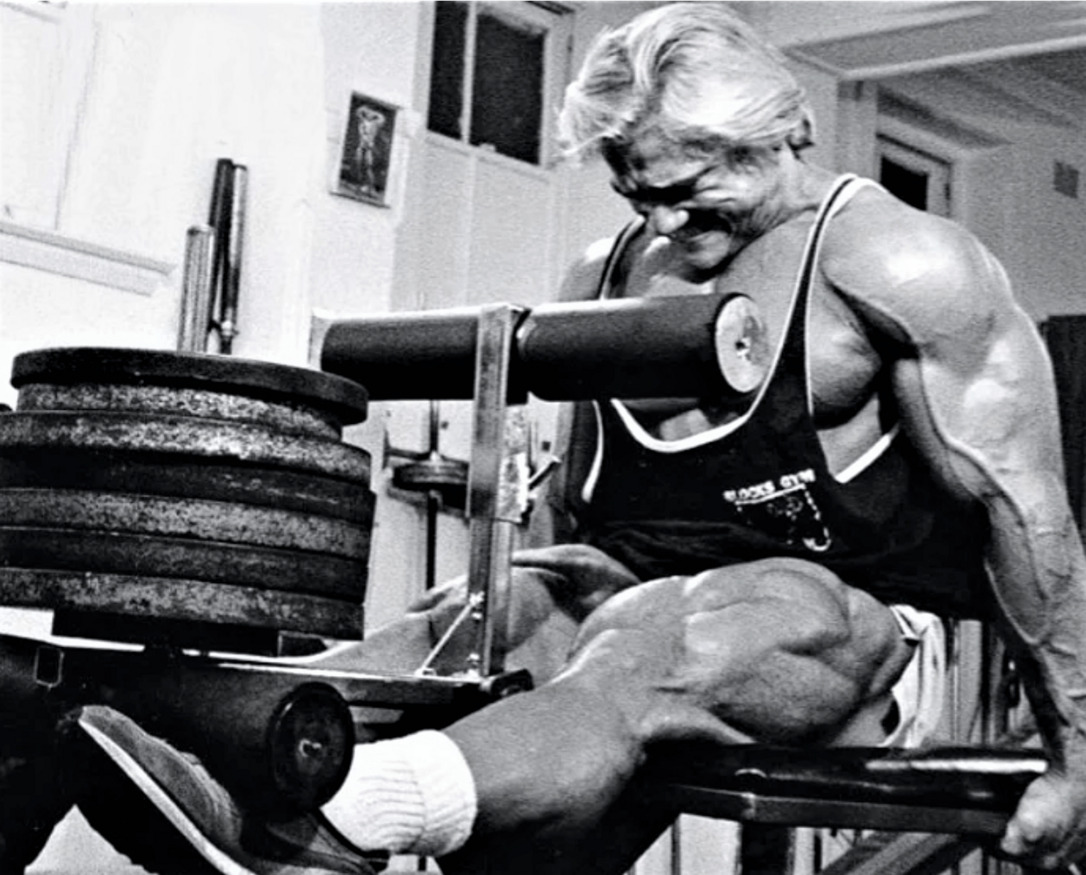
| Lying Leg Curls | 6 to 10 | 10 to 15 |
| Standing Calf Raises | 3 to 4 | 10 to 15 |
| Seated Calf Raises | 3 to 4 | 10 to 15 |
Abs — Add on Any Day
| Exercise | Sets | Reps / Time |
|---|---|---|
| Crunches | 2 | 100 |
| Twists | — | 10 minutes |
| Roman Chair Leg Raises | 4 | 25 to 30 |
Coach’s Note
Looking at this weekly layout, one thing becomes immediately clear — Tom Platz prioritized volume and specialization. By splitting chest and back into separate sessions on the same day, he ensured maximum focus on each muscle group without compromise. Shoulders and arms each received their own dedicated training days, which helped Platz keep up with his legendary legs and maintain balance in his physique.
The leg day itself is the crown jewel of this program — high volume, high intensity, and brutal rep ranges that made his quads iconic. Core work wasn’t locked into a fixed day but was instead sprinkled throughout the week, reflecting Platz’s belief in consistency over isolation for ab training.
From a modern coaching perspective, this program is extreme. Most lifters won’t recover optimally from this much volume. Still, it remains a golden template for intensity and work ethic, reminding us that Platz’s success was built as much on mental toughness as physical capability.
Diet Principles
- High-Protein Intake: Platz focused on staples such as beef, chicken, fish, and eggs to support muscle growth.
- Carbohydrates for Fuel: Whole grains, potatoes, and rice were his primary sources of energy, crucial for sustaining high-volume workouts.
- Healthy Fats: Nuts, seeds, and olive oil were used in moderation.
- Supplements of His Era: Platz relied on protein powders, amino acids, and vitamins, although supplement science was less advanced than it is today.
- Consistency Over Perfection: He emphasized eating clean, structured meals every day rather than chasing fads.
Personal Life & Media Presence
Beyond the bodybuilding stage, Tom Platz built a vibrant career as a media personality, educator, and motivational speaker. His charismatic presence and unique outlook on training enabled him to transcend the fitness culture and even enter Hollywood.
- Film and Television Appearances: Platz appeared in several films during the 1980s, including The Comeback (1980) — a documentary following the return of Arnold Schwarzenegger — and later had cameo roles in movies like Conan the Barbarian and The Running Man. His rugged physique made him a natural fit for action and fantasy roles of that era.
- Fitness Magazines: Throughout the Golden Era, Platz was frequently featured in Joe Weider’s magazines (Muscle & Fitness, Flex, IronMan), not only for his training insights but also for his posing artistry. His photoshoots became iconic, often highlighting his unmatched leg development.
- Seminars and Education: After retiring from competitive bodybuilding, Platz transitioned into academia. He became a professor of kinesiology and exercise science, sharing his deep understanding of anatomy and physiology with students and aspiring athletes. He also conducted seminars worldwide, teaching his Heavy Volume philosophy and motivating bodybuilders to break mental barriers.
- Motivational Speaking: Platz’s ability to communicate made him more than just an athlete. His speeches and interviews often emphasized mindset, passion, and consistency, which resonated with people outside of bodybuilding as well.
- Modern Media Presence: Even today, Tom Platz remains active in interviews, podcasts, and guest appearances at bodybuilding expos. On platforms like YouTube and Instagram, his training footage continues to inspire new generations who may never have seen him compete live but are drawn to his legendary intensity.
Platz’s presence in the media ensured that his influence extended well beyond the bodybuilding stage. He became not only an athlete but also a teacher, entertainer, and motivational figure who carried the essence of Golden Era bodybuilding into the modern age.
Business & Net Worth
After retiring from competitive bodybuilding, Tom Platz successfully transitioned into a career as a fitness educator, seminar leader, and motivational speaker. He became a professor of kinesiology and ran countless workshops around the world, focusing on training intensity, biomechanics, and the mental side of bodybuilding. Platz also worked closely with supplement companies and fitness magazines, cementing his reputation as both an athlete and a teacher.
While exact numbers vary, his net worth has been estimated at around $1–2 million, coming primarily from his bodybuilding career, public appearances, seminars, and business ventures in the fitness industry. Beyond financial success, Platz’s biggest “capital” remains his influence — his name continues to inspire, ensuring long-term recognition and opportunities within the bodybuilding world.
Legacy and Influence
Tom Platz’s impact on bodybuilding extends far beyond his competitive results. While he never won a Mr. Olympia title, his legendary legs and unrelenting intensity left a permanent mark on the sport. His legacy is built on the idea that bodybuilding is not only about winning trophies, but also about pushing human potential to its absolute limits.
- The Gold Standard of Leg Development: To this day, Platz is widely regarded as having the greatest legs in the history of bodybuilding. His quadriceps, hamstrings, and calves set a benchmark that even modern athletes struggle to match. Many aspiring bodybuilders still measure themselves against the “Platz standard.”
- Influence on Training Philosophy: Platz’s high-rep squats and extreme intensity inspired future legends, including Dorian Yates and Branch Warren, who adopted parts of his approach. Even outside of bodybuilding, athletes in powerlifting and CrossFit often reference his training style when pushing through limits.
- A Showman and Educator: Platz’s theatrical posing and emotional connection with the audience elevated bodybuilding into performance art. Later in life, he became a professor of kinesiology, a motivational speaker, and a sought-after seminar leader, proving that his role as a teacher was as influential as his stage presence.
- Enduring Popularity: Unlike some competitors who fade from memory, Platz remains one of the most searched-for Golden Era bodybuilders. His videos of high-rep squats and leg training sessions continue to be circulated worldwide as examples of unmatched intensity and discipline.
- Cultural Legacy: Nicknamed “The Golden Eagle” and “The Quadfather,” he represents a fusion of strength, aesthetics, and charisma. Platz’s ability to balance scientific knowledge with passionate training ensures his place as one of the sport’s greatest icons.
Conclusion
Tom Platz may not have collected the most titles of his era, but few bodybuilders have shaped the training culture as profoundly as The Golden Eagle. His high-rep squats, theatrical posing, and relentless mindset redefined what “intensity” could look like in the gym. More than a competitor, he became a standard of leg development, an educator who bridged science and passion, and a lasting symbol of the Golden Era’s spirit. For lifters today, Platz’s legacy is a reminder that progress is forged not only by numbers on the bar, but by focus, technique, and the willingness to suffer productively in pursuit of excellence.
How tall is Tom Platz?
Tom Platz stands at 5’8” (173 cm).
What was Tom Platz’s competition weight?
He competed around 225 pounds (102 kg), with offseason weights climbing higher.
Why is Tom Platz called “The Quadfather”?
He earned the nickname because of his legendary leg development, which remains unmatched in bodybuilding history.
What is Tom Platz’s net worth?
Estimates place his net worth between $1–2 million, largely from bodybuilding, seminars, and teaching.
What is Tom Platz most famous for?
He is most famous for his unbelievable legs and high-rep squat training that changed how athletes approached lower-body workouts.
Did Tom Platz ever win Mr. Olympia?
No, Platz never won Mr. Olympia. His highest finish was 3rd place in 1981.
What was unique about Tom Platz’s training style?
Platz was known for high volume, extreme intensity, and high-rep squats, sometimes going beyond 30 or even 50 reps per set.
What movies did Tom Platz appear in?
He appeared in films like The Comeback, Conan the Barbarian, and The Running Man.
What books or publications did Tom Platz contribute to?
He wrote extensively for Joe Weider’s magazines (Muscle & Fitness, Flex) and has been featured in numerous bodybuilding documentaries and training guides.
Is Tom Platz still active in bodybuilding today?
While retired from competition, Platz remains active as a teacher, motivational speaker, and seminar leader, continuing to inspire new generations.
