



🥣 Introduction — Why Fiber Matters More Than You Think
When athletes plan their nutrition, carbohydrates often dominate the conversation — but fiber rarely gets the attention it deserves. Dietary fiber is technically a carbohydrate, yet unlike sugars and starches, it resists digestion and absorption in the small intestine. Instead, it nourishes your gut, stabilizes blood sugar, and supports hormonal balance — all vital for sustained energy and long-term performance.
Coach’s Note — Kelley V., MPH, MS, CSCS, ACE
In my coaching work with women — from competitive athletes to busy professionals — I see how often fiber is neglected. Many assume it’s only about digestion, but in reality, it’s a silent regulator of energy, hormones, and recovery.
In this article, we’ll explore what dietary fiber really is, the different types and their specific roles, and the best high-fiber foods for athletes. You’ll also learn how to time your fiber intake for maximum comfort and performance, when to increase or reduce fiber, and how it connects to gut health, hydration, and hormonal balance, particularly for active women.
🧬 What Exactly Is Dietary Fiber?
Dietary fiber refers to plant-derived carbohydrates that cannot be fully broken down by human digestive enzymes. Unlike sugars and starches, which are digested into glucose, fiber travels through the gastrointestinal tract largely intact, influencing bowel health, cholesterol metabolism, and blood glucose regulation. It doesn’t provide usable calories, yet its metabolic and physiological impact is profound — acting as both a regulator and protector within the human body.
In the large intestine, fiber becomes fuel for beneficial gut bacteria through a process called fermentation. This produces short-chain fatty acids (SCFAs) such as acetate, propionate, and butyrate — compounds that help maintain gut lining integrity, reduce inflammation, and even influence hormonal and immune function. From a biochemical standpoint, fiber is more than a structural plant component; it’s a metabolic communicator that connects diet, gut health, and overall performance.
There are two primary classifications of fiber, each playing a different physiological role:
- Dietary fiber — naturally occurring in whole plant foods like fruits, vegetables, grains, and legumes.
- Functional fiber — isolated or synthesized forms (such as inulin, psyllium, or methylcellulose) added to foods or supplements to enhance fiber intake.
Coach’s Note — Kelley V., MPH, MS, CSCS, ACE
When I explain fiber to my clients, I call it the body’s natural ‘cleanup crew.’ It helps eliminate waste, supports beneficial gut microbes, and keeps blood sugar and hormones in sync — all essential for consistent performance and recovery.
🌿 Types of Dietary Fiber and How They Work
Not all fibers function the same way. Each type interacts differently with the digestive system, metabolism, and even hormonal regulation — which is why a balanced combination is essential for optimal health and performance. Broadly speaking, dietary fiber can be divided into soluble, insoluble, and resistant starch, each providing unique physiological benefits for athletes and active individuals.
1. Soluble Fiber
Soluble fibers dissolve in water to form a gel-like substance that slows digestion, helping control blood sugar spikes and lowering LDL cholesterol.
Sources: oats, barley, apples, citrus fruits, flaxseed, beans.
2. Insoluble Fiber
Insoluble fibers do not dissolve in water; they add bulk to stool and promote regular bowel movements — crucial for detoxification and gut efficiency.
Sources: whole wheat, brown rice, carrots, leafy greens, nuts.
3. Resistant Starch
Resistant starch acts like fiber, though it’s technically a starch. It ferments in the large intestine, feeding beneficial bacteria and improving insulin sensitivity.
Sources: green bananas, cooked and cooled potatoes, and lentils.
Coach’s Note — Kelley V., MPH, MS, CSCS, ACE
Soluble fiber is a game-changer for both men and women. It helps stabilize blood sugar, supports cholesterol management, and enhances satiety — all crucial for training consistency and long-term metabolic health. For women, it also contributes to balanced estrogen metabolism, while for men it may aid in maintaining optimal testosterone-to-estrogen ratios.
🥦 High-Fiber Foods — Best Natural Sources for Athletes
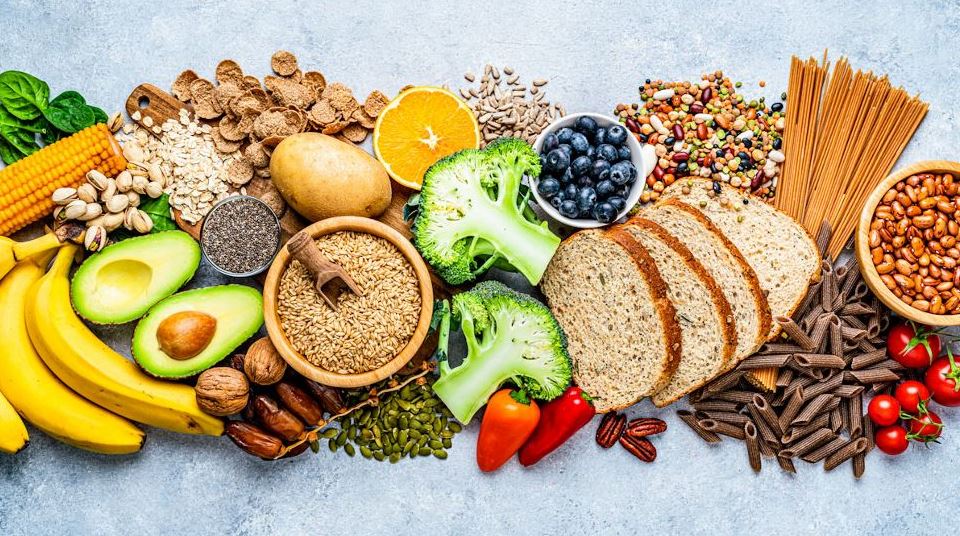
A diet rich in whole, unprocessed foods ensures an optimal fiber intake. Below is a list of common fiber-rich foods per 100 g, with their dominant fiber type and additional benefits.
| Food | Dominant Fiber Type | Fiber (g / 100 g) | Additional Benefits |
|---|---|---|---|
| Oats | Soluble (β-glucan) | 10.6 | Lowers cholesterol, stabilizes energy |
| Chickpeas | Both | 12.2 | High in protein and iron |
| Lentils | Soluble | 10.8 | Balances blood sugar |
| Black beans | Soluble | 8.7 | Supports gut microbiota |
| Avocado | Insoluble + soluble | 6.7 | Rich in potassium and healthy fats |
| Raspberries | Insoluble | 6.5 | High antioxidant content |
| Brussels sprouts | Insoluble | 3.8 | Detox support, vitamin C |
| Sweet potato (with skin) | Both | 3.3 | Steady energy for training |
| Brown rice | Insoluble | 3.5 | Long-lasting carbs for endurance |
| Flaxseed | Soluble | 27.0 | Omega-3 fats and estrogen balance |
Coach’s Note — Kelley V., MPH, MS, CSCS, ACE
I recommend my clients mix both soluble and insoluble sources daily — think oats for breakfast, beans for lunch, and greens at dinner.
🧘♀️ The Role of Dietary Fiber in Sports Nutrition
Dietary fiber plays a far greater role in athletic nutrition than most people realize. It’s not simply about keeping digestion regular — fiber directly influences how efficiently your body uses energy, recovers, and even manages hormones. Think of it as a performance stabilizer that quietly keeps multiple systems in balance.
1. Steady Energy and Blood Sugar Control
When you eat carbohydrates, your blood sugar naturally rises. Without enough fiber, those spikes can be sharp — leading to energy crashes, mood swings, and cravings. Fiber slows digestion and carbohydrate absorption, providing a steady release of glucose into the bloodstream.
This is critical for athletes, as consistent energy supports endurance, sharper focus, and sustained performance throughout long training sessions or competitions.
2. Improved Satiety and Weight Management
Fiber adds bulk to meals without adding calories, which helps you feel full longer. For athletes in a cutting or weight-maintenance phase, this is a huge advantage — it helps prevent overeating and keeps hunger in check between meals.
A balanced fiber intake can also improve dietary adherence, allowing athletes to stick to their meal plans without constantly feeling deprived.
3. Gut Health and Microbiome Support
Your gut is home to trillions of bacteria that influence digestion, immunity, and even mental health. Fiber serves as fuel for these beneficial microbes, which ferment it into short-chain fatty acids (SCFAs) like butyrate, propionate, and acetate.
These compounds reduce inflammation, strengthen the gut lining, and enhance nutrient absorption — all of which directly impact how well you recover, feel, and perform.
4. Hormonal Balance and Recovery
Fiber plays a quiet but influential role in hormonal regulation. It helps eliminate excess hormones, particularly estrogen, by improving bowel regularity and promoting gut detoxification.
For women, this supports menstrual cycle stability and eases PMS symptoms. For men, maintaining proper fiber intake can support a healthier testosterone-to-estrogen ratio — an often-overlooked aspect of long-term hormonal balance.
Stable hormones mean better recovery, improved mood, and consistent strength performance.
5. Cardiovascular and Metabolic Health
A high-fiber diet supports a healthy heart and circulatory system by helping to lower LDL (“bad”) cholesterol and stabilize blood pressure. Over time, this translates into better oxygen delivery to working muscles, improved recovery between workouts, and reduced risk of overtraining-related inflammation. Athletes who maintain cardiovascular health enjoy better endurance and longevity in their sport.
Coach’s Note — Kelley V., MPH, MS, CSCS, ACE
Stable energy levels and reduced bloating can transform training consistency. Many athletes don’t realize how much their gut impacts their performance, mood, and hormonal rhythm. When the digestive system is calm and balanced, training and recovery both feel smoother — like your body is finally working with you, not against you.
⏰ Timing Fiber Intake — When Athletes Should (and Shouldn’t) Eat Fiber
Just like protein and carbohydrates, the timing of your fiber intake can significantly affect how your body feels and performs. While fiber is essential for long-term health, too much at the wrong time can cause digestive discomfort or reduce the availability of energy when you need it most. Understanding when to include or limit fiber is key to optimizing both comfort and performance.
1. Before Training
High-fiber foods — such as beans, lentils, or whole grains — are excellent for general health, but eating them too close to a workout can backfire. Because fiber slows down digestion, it can cause bloating, cramping, or gas when your body redirects blood flow from your digestive system to your working muscles.
For most athletes, it’s best to avoid large, fiber-heavy meals within 2–3 hours of training, especially before high-intensity sessions or competitions. Choose low-fiber, easily digestible foods such as white rice, oats, bananas, or yogurt for a pre-workout meal.
Athletes who train early in the morning may even benefit from skipping fiber until later in the day to minimize gastrointestinal distress.
2. After Training
After a workout, the body’s priority is replenishing glycogen stores and repairing muscle tissue. While too much fiber can slow nutrient absorption, a moderate amount helps restore satiety and stabilize blood sugar when paired with quality protein and carbohydrates.
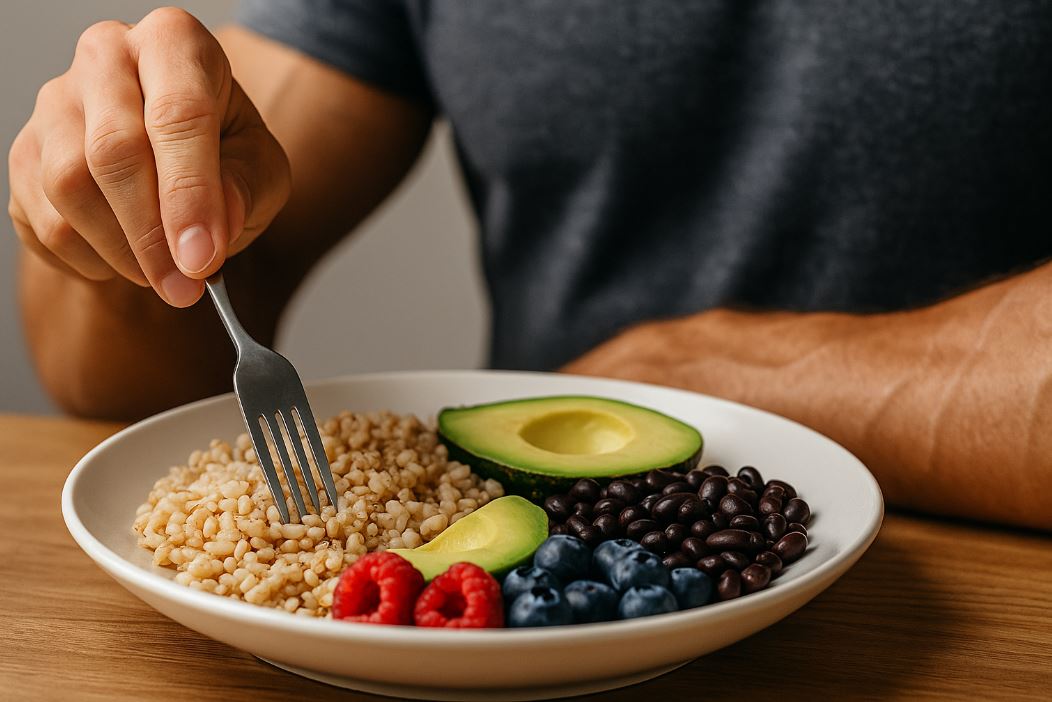
Post-workout meals containing moderate fiber sources — such as sweet potatoes, quinoa, berries, or lightly cooked vegetables — help maintain digestive balance without interfering with nutrient uptake.
Fiber also aids gut recovery by feeding beneficial bacteria that can be depleted after intense training. For endurance athletes or those training multiple times a day, this can support faster adaptation and less digestive strain over time.
3. Rest or Recovery Days
Rest and recovery days are ideal for increasing fiber intake. Since there’s no immediate demand for rapid digestion, higher-fiber meals can support detoxification, estrogen clearance, and microbiome balance. This is particularly beneficial for female athletes, as the gut plays a key role in hormone metabolism. For male athletes, higher fiber intake on recovery days supports cardiovascular health and helps maintain stable energy levels while calories are slightly reduced.
On these days, include a variety of whole grains, legumes, vegetables, and seeds, along with plenty of water to keep the digestive system running smoothly.
Coach’s Note — Kelley V., MPH, MS, CSCS, ACE
I tell my clients: low fiber before workouts, moderate after, and high on recovery days. It keeps energy high, digestion calm, and hormones balanced. Timing fiber isn’t restrictive — it’s strategic.
🥗 Fiber and Hydration — A Critical Connection
Fiber and water work hand in hand. Because fiber attracts and absorbs water in the digestive tract, adequate hydration is essential to keep digestion smooth and prevent constipation or bloating. When fluid intake is too low, fiber can actually slow intestinal movement and cause discomfort — the exact opposite of its intended effect.
For athletes, this connection becomes even more critical. Training increases fluid loss through sweating, which can intensify the side effects of a high-fiber diet. To maintain balance, athletes should aim for at least 30–35 ml of water per kilogram of body weight per day, and increase this target during periods of intense training, heat exposure, or high-fiber eating.
Pairing each fiber-rich meal with a full glass of water and sipping fluids consistently throughout the day ensures that fiber can do its job correctly — supporting digestion, nutrient transport, and overall performance.
⚖️ Fiber, Gut Health, and Hormonal Balance in Female Athletes
A healthy gut is the cornerstone of hormonal and metabolic stability. The relationship between the gut and hormones — often called the gut-hormone axis — is strongly influenced by dietary fiber. Soluble fiber and resistant starch feed beneficial bacteria that metabolize and help eliminate excess estrogen, keeping levels balanced and reducing symptoms such as bloating, fatigue, and mood swings.
In addition, fiber supports the production of short-chain fatty acids (SCFAs), which help reduce systemic inflammation and improve communication between the gut and the endocrine system. This process is particularly important for active women, as hormonal fluctuations can affect energy, recovery, and even body composition.
For men, a healthy gut also supports testosterone regulation and overall metabolic efficiency, showing that fiber’s influence on hormones benefits everyone — not just female athletes. Balanced fiber intake ultimately means steadier mood, smoother digestion, and better recovery across all training phases.
Coach’s Note — Kelley V., MPH, MS, CSCS, ACE
Women in perimenopause benefit enormously from steady fiber intake. It’s one of the simplest yet most powerful ways to improve hormone balance naturally and keep the gut — the body’s ‘second brain’ — functioning at its best.
🧴 Fiber Supplements — Do Athletes Need Them?
Even with a balanced diet, athletes sometimes struggle to meet their daily fiber requirements. Travel, tight schedules, restrictive meal plans, or contest preparation phases can all reduce access to fresh fruits, vegetables, and whole grains. In these situations, fiber supplements can be a convenient and effective way to maintain digestive health and consistent performance.
However, not all fiber supplements are created equal. They differ in how they behave in the digestive system — some gel up and slow digestion, while others pass through more smoothly. Choosing the right type depends on your body’s tolerance and athletic demands.
1. Common Types of Fiber Supplements
- Psyllium Husk: A natural soluble fiber derived from plant seeds. It forms a gel when mixed with water, helping lower cholesterol and improve bowel regularity. Ideal for athletes who need extra soluble fiber but should be introduced gradually to avoid bloating.
- Inulin (Chicory Root Fiber): A prebiotic fiber that feeds beneficial gut bacteria and supports immune function. Great for gut health, though it may cause gas in sensitive individuals if taken in large doses.
- Methylcellulose: A synthetic but gentle option that doesn’t ferment in the gut, making it suitable for athletes with sensitive digestion or during pre-competition phases.
- Partially Hydrolyzed Guar Gum (PHGG): A soluble fiber that mixes easily in liquids without thickening. It supports gut motility and is often well tolerated during heavy training cycles.
2. Practical Use and Timing
For most athletes, a small supplemental dose (3–5 g per serving) is enough to close the daily gap — not replace dietary sources. It’s best to take fiber supplements with plenty of water, and to avoid taking them with pre-workout meals to avoid digestive heaviness. Many athletes find success using them in the evening, when digestion can occur overnight without impacting training comfort the next morning.
3. Important Considerations
Too much supplemental fiber can reduce absorption of key micronutrients such as iron, zinc, calcium, and magnesium — all critical for performance and recovery. Overuse may also cause gas or discomfort if hydration isn’t adequate. As a rule of thumb, always start low and increase slowly while monitoring your body’s response.
Coach’s Note — Kelley V., MPH, MS, CSCS, ACE
Supplements are tools, not crutches. I always tell my clients to build their fiber base from real food first — fruits, vegetables, legumes, seeds, and grains — then use supplements strategically. When used mindfully, fiber powders can help maintain digestive stability during high training loads or travel, but they should never replace whole-food nutrition.
⚠️ Risks of Too Much Fiber in an Athlete’s Diet
While fiber is essential for gut health and overall performance, more is not always better. Excessive intake — especially when increased too quickly — can lead to several uncomfortable or counterproductive effects for athletes.
Potential downsides of too much fiber include:
- Digestive discomfort: bloating, gas, or cramping caused by excessive fermentation in the gut.
- Reduced nutrient absorption: particularly of iron, zinc, magnesium, and calcium — all vital for strength and recovery.
- Early satiety: feeling full too soon, which can make it difficult for athletes with high calorie needs to eat enough.
- Decreased energy availability: excessive fiber may slow digestion and reduce the speed at which carbohydrates are converted into usable energy.
- GI distress during training: too much fiber before workouts can increase bowel movement urgency or bloating, negatively affecting focus and comfort.
To prevent these issues, introduce fiber gradually, increase intake by only a few grams per week, and ensure adequate hydration (at least 30–35 ml of water per kilogram of body weight daily). A steady, balanced approach allows your digestive system to adapt while preserving comfort and performance.
🧮 Recommended Daily Fiber Intake for Active Women and Men
According to the official guidelines issued by central health authorities — including the U.S. Department of Agriculture (USDA), the Institute of Medicine (IOM), and the European Food Safety Authority (EFSA) — the recommended daily intake of dietary fiber is approximately 14 grams per 1,000 calories consumed, translating to about 25–30 grams per day for women and 35–40 grams per day for men.
| Category | Recommended Intake | Notes |
|---|---|---|
| Sedentary Women | 25 g/day | General health |
| Active Women | 25–30 g/day | Supports hormonal & digestive balance |
| Sedentary Men | 30–35 g/day | Cardiovascular protection |
| Active Men | 35–40 g/day | Optimal for metabolic health |
Gradual adaptation and variety of sources are key for tolerance.
💡 Practical Tips to Add More Fiber Without Hurting Performance
- Increase intake slowly (5 g per week).
- Hydrate adequately throughout the day.
- Distribute fiber evenly across meals.
- Combine soluble + insoluble sources.
- Choose whole grains, fruits, legumes, and seeds over refined options.
- Reduce fiber before heavy training sessions.
Getting enough fiber is important — but knowing how and when to eat it matters just as much. Athletes should generally keep fiber intake lower before and during workouts, as it can slow digestion and cause bloating or discomfort.
❤️ Conclusion — The Smart Athlete’s Approach to Fiber
Dietary fiber is one of the most overlooked yet essential components of an athlete’s diet. It regulates energy, supports hormonal balance, and strengthens gut resilience — all crucial for consistent performance and long-term well-being.
Coach’s Note — Kelley V., MPH, MS, CSCS, ACE
Don’t fear carbs — master them. Fiber is one of the smartest, most strategic carbs your body can rely on. When used wisely, it’s an invisible ally in your training journey.
Key Takeaways
- Fiber is a carbohydrate — but unlike sugars and starches, it resists digestion and supports long-term metabolic and gut health.
- Athletes benefit from both soluble and insoluble fibers to regulate energy, digestion, and recovery.
- Consistent intake helps stabilize blood sugar, prevent energy crashes, and improve endurance performance.
- High-fiber diets support hormonal balance in both men and women by aiding the clearance of excess estrogen.
- Timing matters: keep fiber low before workouts, moderate after, and higher on rest or recovery days.
- Hydration is key — drink 30–35 ml of water per kg body weight daily to help fiber work effectively.
- Whole foods first: fruits, vegetables, legumes, seeds, and grains should provide the majority of your daily fiber.
- Fiber supplements can help when traveling or dieting, but should be used strategically and gradually.
- Too much fiber too quickly may cause bloating, reduced nutrient absorption, or lower calorie intake.
- A balanced fiber routine promotes steady energy, gut resilience, and hormonal harmony — the foundation of athletic health.
What is the best time of day to eat dietary fiber for athletes?
Morning or post-workout meals are ideal times for fiber intake. A fiber-rich breakfast supports blood sugar stability, while moderate fiber after training helps recovery without slowing nutrient absorption.
Does dietary fiber affect protein absorption in athletes?
In small to moderate amounts, no — but very high fiber intake may slightly delay protein digestion. Athletes should keep high-fiber foods away from immediate post-workout meals if they prioritize fast amino acid delivery.
Can low-fiber diets improve short-term performance in competition?
Yes, temporarily lowering fiber 24–48 hours before endurance events or competitions can reduce the risk of bloating and gastrointestinal discomfort. It’s a common strategy among marathoners and bodybuilders before events.
How does dietary fiber influence inflammation in athletes?
Fermentable fibers produce short-chain fatty acids (SCFAs) that help reduce systemic inflammation, improving muscle recovery and joint comfort — especially beneficial for athletes under heavy training loads.
Are fiber needs different for endurance vs. strength athletes?
Endurance athletes may benefit from slightly higher fiber intake to support glycogen stability and gut health, while strength athletes often prefer moderate levels to avoid early satiety and excess fullness during bulking.
Can increasing dietary fiber improve sleep quality and recovery?
Yes. Studies suggest that higher fiber intake supports gut-brain communication and serotonin production, which can indirectly enhance sleep quality and nighttime recovery.
How does dietary fiber affect body composition in athletes?
Fiber helps manage appetite, stabilize insulin levels, and improve nutrient partitioning — all of which can support lean muscle gain and fat loss when paired with proper training and calorie control.
Is dietary fiber important for athletes on high-protein or low-carb diets?
Absolutely. High-protein or low-carb diets often lack fiber, which can lead to constipation or reduced gut diversity. Including fibrous vegetables and resistant starch sources balances digestion and overall metabolism.
Do fiber supplements interfere with creatine or amino acid absorption?
Generally no, but taking fiber supplements and ergogenic aids like creatine or amino acids at the same time can reduce absorption efficiency. It’s best to separate them by 1–2 hours.
What’s the safest way to increase dietary fiber for athletes without bloating?
Add fiber gradually (3–5 g per week), diversify sources between soluble and insoluble types, and increase water intake accordingly. Gut adaptation takes time — patience is key to avoid discomfort.
