

Looking to add a dynamic and explosive move to your boring workout routine? The Barbell Jump Squat might be exactly what you need. This powerful exercise combines the strength-building benefits of traditional squats with the explosive movement of a jump (plyometric), making it an excellent addition to both power and athletic training.
If you’re aiming to enhance your vertical leap, build muscle in your lower body, or improve your overall athletic performance, mastering the Barbell Jump Squat is a game-changer. Here you will find out everything you need to know.
What is a barbell jump squat?
The Barbell Jump Squat is a powerful lower-body exercise combining a traditional squat with an explosive jump, adding intensity with a barbell across your shoulders. Similar to dumbbell jump squats, this move enhances lower body strength, agility, and power. It’s especially effective for athletes focused on sports requiring explosive movements.
How do you perform barbell jump squats?
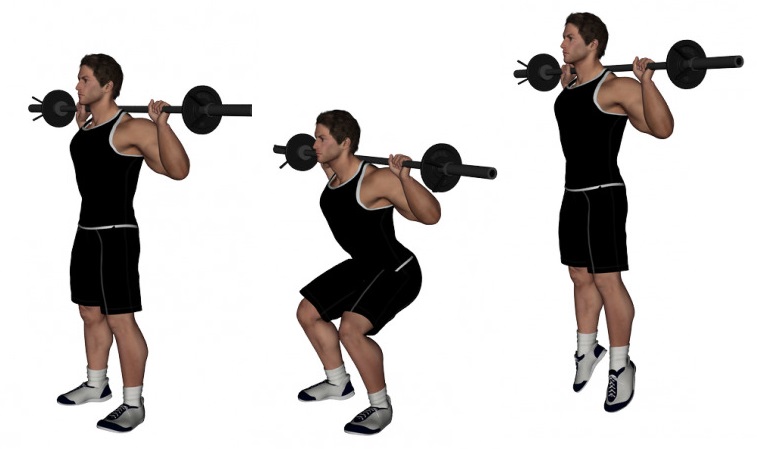
- Set up: Position the barbell on your upper back, just like you would for a traditional back squat. Ensure your feet are shoulder-width apart and your toes are pointed slightly outward.
- Initiation: Push your hips back and bend your knees to lower into a squat. Keep your chest up and your back straight throughout the movement.
- Descent: Lower your body until your thighs are at least parallel to the ground, maintaining tension in your legs and core.
- Explosive phase: Drive through your heels and explosively jump straight up into the air as high as possible. Use the power from your legs while keeping the barbell balanced on your shoulders.
- Landing: Land softly, bending your knees to absorb the impact and returning to the squat position. Make sure to control the descent to protect your joints.
- Repetition: After landing and stabilizing, go back into another squat and repeat the jump for your desired number of repetitions.
Additional tips, dos and don’ts
Enhancing your barbell jump squat experience means focusing on key performance tips and being aware of common pitfalls. Here are some dos and don’ts to ensure you maximize your workout while minimizing the risk of injury:
- Do: Engage your core throughout the exercise to maintain balance and stability.
- Do: Start with a lighter weight to perfect your form before gradually increasing the load.
- Do: Perform a dynamic warm-up including leg swings, lunges, and high knees to prepare your muscles for the explosive movement.
- Do: Land softly with your knees slightly bent to absorb the impact and protect your joints.
- Don’t: Allow your knees to cave inwards; keep them aligned with your toes during both the jump and the landing.
- Don’t: Overload the barbell; using too much weight can compromise your form and increase injury risk.
- Don’t: Neglect rest and recovery; proper rest between workouts is crucial for muscle repair and growth.
- Don’t: Skip the cool-down phase; incorporating stretching post-exercise aids in flexibility and muscle recovery.
Muscles engaged in a barbell jump squat
The Barbell Jump Squat targets multiple muscle groups, with a particular emphasis on the lower body. Here are the primary muscles engaged during this dynamic exercise:
- Quadriceps: These are the primary muscles worked, powering the upward phase of the squat and the jump.
- Glutes: They play a significant role in hip extension, contributing to the explosive motion of the jump.
- Calves: Essential for the push-off phase, helping you to generate more height in your jump.
- Hamstrings: These muscles assist in stabilizing the knees and aiding the overall movement during both the squat and jump phases.
- Core: Engaged throughout to maintain balance and support the lifting of the barbell.
- Lower Back: Provides stability and helps in maintaining proper posture throughout the exercise.
Variations of the barbell jump squat
Looking to switch things up in your workout? Consider these variations of the Barbell Jump Squat to keep your routine fresh and challenging:
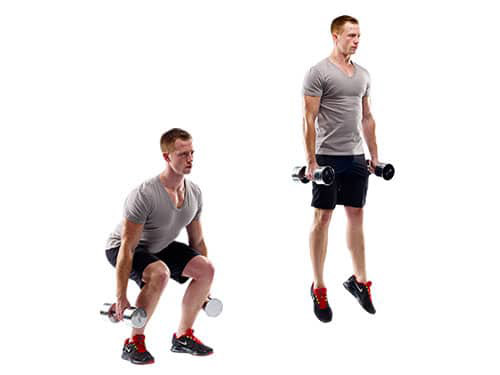
- Dumbbell Jump Squat: Hold a pair of dumbbells at your sides instead of a barbell. This allows for more freedom of movement and can be easier on the shoulders.
- Kettlebell Jump Squat: Hold a kettlebell with both hands at chest level. This variation engages your core muscles even more.

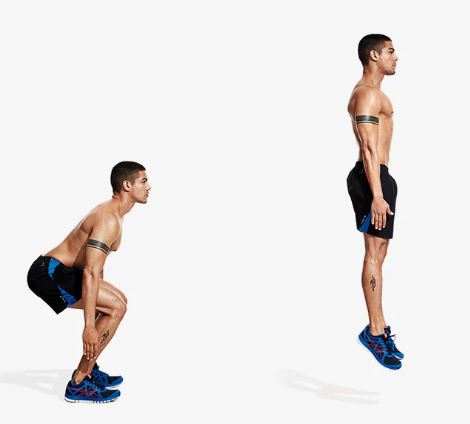
- Bodyweight Jump Squat: Perform the jump squat without any weights. Great for focusing on form or adding to high-intensity interval training (HIIT) routines.
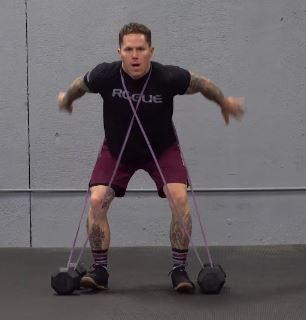
- Resistance Band Jump Squat: Place a resistance band around your thighs or stand on it while holding it in your hands to add resistance and target your glutes and legs more intensely.
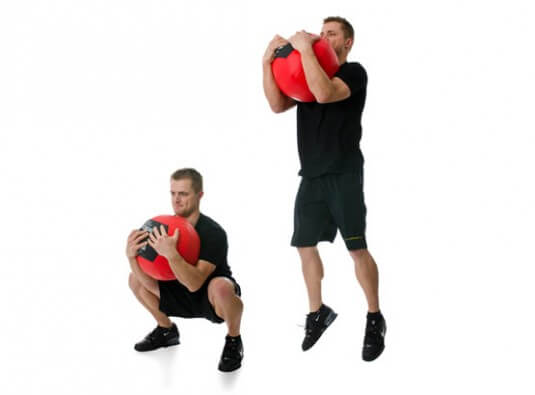
- Medicine Ball Jump Squat: Hold a medicine ball close to your chest for an added challenge to your upper body and core stability.
Benefits and potential drawbacks
Engaging in barbell jump squats can significantly boost your athletic performance by enhancing your power, strength, and explosiveness. This exercise is incredibly effective for developing the quadriceps, glutes, hamstrings, and core muscles, aiding in better functional fitness. Moreover, the dynamic nature of the movement helps improve coordination and balance.
However, there are some potential drawbacks. The exercise can be taxing on the joints, particularly the knees and lower back, making proper form crucial. It’s also not suitable for those with existing joint issues or lower body injuries. Beginners should progress gradually and consider starting with bodyweight jump squats or other lower-impact variations to build the necessary strength and technique.
In summary, while barbell jump squats offer substantial benefits, they must be performed with care to avoid injury. Proper warm-up, gradual progression, and attention to form are essential in any dynamic lift. Barbell jumps squat is not an exception.
Applications in other sports
The Barbell Jump Squat isn’t just a powerhouse move for your workouts—it’s also a game-changer in various sports. By incorporating this exercise, athletes can significantly enhance their performance, from jumping higher to sprinting faster. Here’s where and why you can have the greatest benefits from doing this exercise.
- Basketball: Improves vertical jump and explosive power, crucial for shooting, rebounding, and defensive movements.
- Volleyball: Enhances jumping height and quickness off the ground, essential for spiking and blocking.
- Track and Field: Boosts sprinting speed and agility, valuable for events like long jump, high jump, and sprints.
- Football: Increases power and acceleration, helping with explosive movements needed for tackling, sprinting, and evasive maneuvers.
- Olympic Weightlifting: Improves explosive strength and proper squat positioning, aiding in lifts such as the snatch and clean and jerk.
Replacement exercises
- Box Jumps: Highly effective plyometric exercise to develop explosive power in the legs, core stability, and improve vertical jump.
- Plyometric Lunges: Alternating explosive lunges that target the quads, hamstrings, and glutes while improving balance and coordination.
- Medicine Ball Slams: Engages your entire body with a focus on explosive power, core strength, and upper body involvement.
- Kettlebell Swings: Great for building explosive hip drive, core stability, and overall strength, particularly in the posterior chain.
- Broad Jumps: Emphasizing horizontal distance, these jumps build explosive power and improve overall athletic performance.
See other valuable plyometric exercises you can do.
Conclusion
Incorporating Barbell Jump Squats into your workout regimen can be a game-changer for building explosive power and strength. By following the proper technique and being mindful of safety precautions, you can effectively target multiple muscle groups and enhance your athletic performance. This exercise is particularly beneficial for athletes involved in sports such as basketball, football, and track and field. However, it’s essential to assess your fitness level and consult with a medical professional if you have any concerns. For those looking to diversify their training, various modifications and replacement exercises are available to suit your specific needs and goals. Embrace the challenge, focus on your form, and enjoy the dynamic benefits that the Barbell Jump Squat has to offer!
