


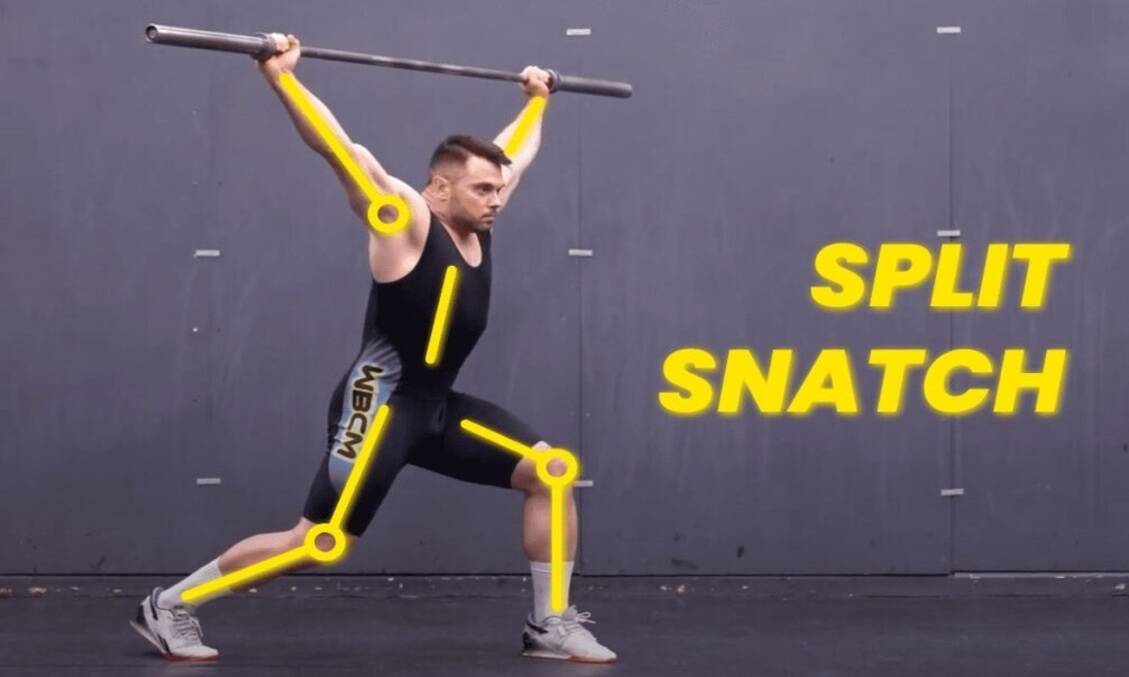
Are you looking to add a dynamic and powerful movement to your workout routine? Enter the split snatch! This explosive exercise not only builds strength but also improves agility, balance, and functional bodybuilding. Whether you’re an experienced lifter or a novice in weightlifting, mastering the split snatch can elevate your fitness game to new heights.
In this guide, we’ll break down the split snatch into easy-to-understand and reproduced steps. You’ll learn proper technique, discover performance tips, and understand common pitfalls to avoid. By the end, you’ll see how this versatile exercise can benefit your overall fitness regime and complement other sports.
What is the split snatch?
The split snatch is a dynamic strength-training exercise that involves lifting a barbell from the ground to an overhead position in one explosive movement. This lift is characterized by the lifter’s feet moving into a split stance where one foot goes forward and the other backward. It’s a powerful maneuver requiring a combination of speed, agility, and coordination.
Key characteristics of the split snatch include:
- Explosive lifting motion.
- Split stance for stability and balance.
- Requires high levels of timing and precision.
- Engages multiple muscle groups, including legs, hips, back, shoulders, and arms.
- Combines elements of strength, power, and agility.
Split snatch perfect technique
Executing the split snatch demands precision and coordination. By understanding each phase of the exercise, you can master the technique and maximize your performance. Follow these step-by-step instructions to perform the split snatch correctly:
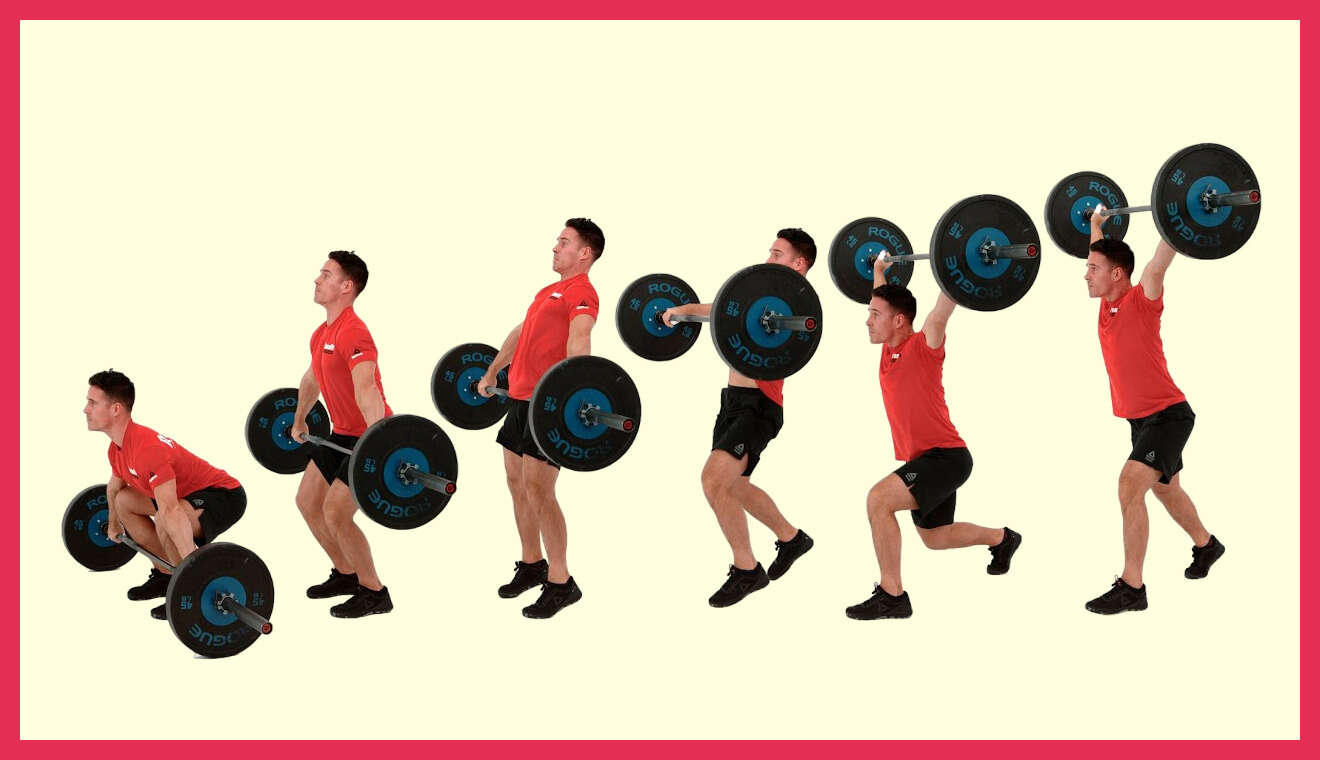
- Setup: Stand with your feet shoulder-width apart. Lower yourself into a squat position with the bar resting on the floor, your back straight, chest up, and eyes forward. Grip the barbell with a wide overhand grip.
- First Pull: Initiate the lift by pushing through your heels, keeping the bar close to your body as you extend your knees and hips.
- Second Pull: As the bar reaches your thighs, forcefully extend your hips, knees, and ankles while shrugging your shoulders upward. This explosive movement helps gain height for the bar.
- Transition: As you reach full extension, pull yourself under the bar while simultaneously splitting your legs – one foot moving forward and one backward – into a lunge position.
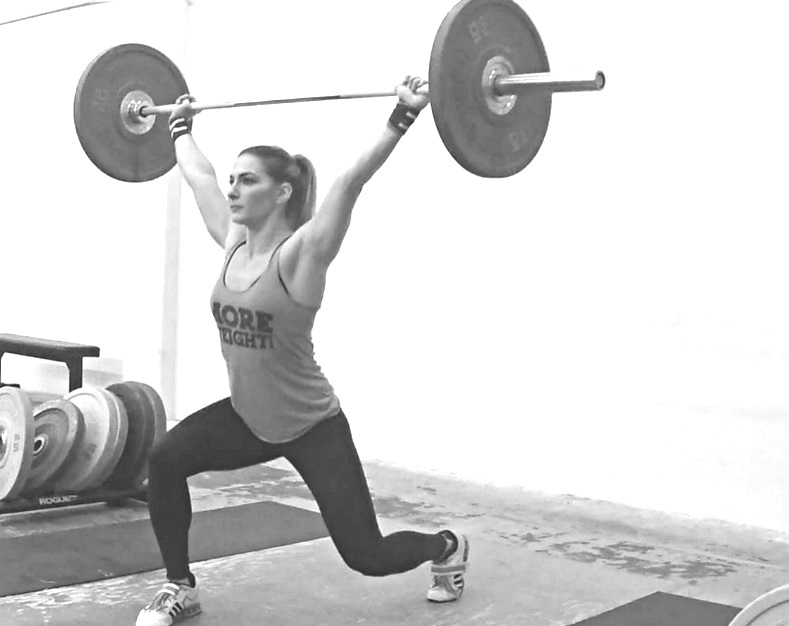
- Catch Phase: Secure the bar overhead with locked arms, ensuring your back leg is slightly bent and front leg forms a right angle. Your feet should land flat on the ground.
- Stabilize: Hold this position momentarily to stabilize before returning to the start position.
- Recovery: From the split position, recover to standing by bringing your front foot back and then your back foot forward to meet in a shoulder-width stance.
Additional tips & performance pointers
- Maintain a tight core throughout the lift to stabilize your body and prevent injury.
- Keep the bar close to your body during the pull to ensure a direct and powerful lift.
- Avoid rounding your back; maintain a neutral spine to protect against strain.
- Focus on a smooth, quick transition into the split position for better balance and control.
- Ensure your front knee is directly above your front foot and your back leg is slightly bent for stability.
- Don’t rush the initial pull; prioritize form and timing over speed to execute the move correctly.
- Practice regularly with lighter weights (or even with an empty barbell) to perfect your technique before progressing to heavier lifts.
Key benefits of performing the split snatch
The benefits of performing the split snatch are indeed numerous and far-reaching. This powerful exercise enhances not only your strength and coordination but also your overall athletic performance.
By including the split snatch in your workout regimen, you’ll notice improved power and explosiveness, which are essential for sports such as weightlifting, CrossFit, gymnastics, track and field, and various team sports like football and basketball. Athletes involved in these disciplines can significantly benefit from the agility, balance, and quickness developed through consistent practice of the split snatch.
Engaged muscle groups
The split snatch primarily engages the quadriceps and the glutes as they are crucial for the initial lift-off and the explosive drive. Your hamstrings and calves also play vital roles, especially during the second pull where extra thrust is necessary to elevate the bar. The deltoids and trapezius muscles are heavily involved when driving the arms forcefully up into the bar. Additionally, your lats and erector spinae work to stabilize and pull the bar close to your body. The core muscles, including the abdominals and obliques, are engaged throughout to maintain a neutral spine and provide overall stability.
Given the extensive list of muscles called into action—from the legs and core to the back and shoulders—it’s clear that the split snatch is targeting the entire body. This compound movement requires the coordination and engagement of multiple muscle groups, solidifying it as a true full-body workout.
The split snatch versus the snatch balance
While both exercises aim to improve your explosive power and coordination, they differ in mechanics and execution.
- Split Snatch: The lifter elevates the bar overhead while simultaneously splitting the feet into a lunge position—one foot forward, the other foot back. This requires more foot movement, a higher bar pull, and precise coordination.
- Snatch Balance: The lifter starts with the barbell on the shoulders and performs a quick dip and drive to push the bar overhead, immediately dropping into a squat. It focuses on speed and stability under the bar.
- Technical Demand: The split snatch is considered more technically demanding due to the need for precise foot placement, timing, and coordination between limb movement and bar path.
Split snatch variations and alternatives
The split snatch is a versatile exercise that can be adapted in several ways to suit different training needs and goals. Exploring variations and alternative exercises can help in targeting other muscle groups or simply adding variety to your routine. Below are some key split snatch variations and alternatives to consider incorporating into your workouts:
- Alternating Split Snatch: This variation involves alternating which foot is placed forward in the split stance, requiring more coordination and balance.
- Power Snatch: Instead of splitting the legs, the lifter catches the bar in a partial squat position, placing emphasis on muscle power and speed.
- Hang Split Snatch: This starts from a hang position (barbell at thigh level) rather than the floor, targeting upper back and traps more intently.
- Split Jerk: A similar movement focusing on the upper body, where the bar is lifted overhead from the shoulders using a split stance.
- Clean and Jerk: A compound lift that involves cleaning the bar to the shoulders and then performing a split jerk, highlighting full-body strength and power.
- Overhead Squats: While not a direct snatch variation, this exercise helps in building the stability and flexibility required for successful snatches.
- Romanian Deadlift: Useful for strengthening posterior chain muscles which are crucial for effective snatches.
- Snatch Balance: Focuses on the transition from a standing position to a deep squat, improving speed and precision in catching the bar.
Special considerations
While the split snatch is a highly effective exercise, it does come with some considerations, especially for those new to this lift. First and foremost, mastering the technique is crucial; beginners should prioritize proper form over lifting heavy weights. This means starting with lighter loads to ensure your technique is flawless, which can help prevent injuries and engrain good habits.
It’s also important to warm up thoroughly before attempting the split snatch. A dynamic warm-up that focuses on mobility, especially in the shoulders, hips, and ankles, can prepare your body for the explosive movements involved. Poor flexibility in these areas can lead to form breakdowns and potential injury.
If you’re new to this lift, seeking guidance from a qualified coach can make a significant difference. A coach can provide real-time feedback, correct mistakes, and offer personalized tips, all of which are invaluable for learning complex movements like the split snatch.
Be mindful of your surroundings and use appropriate equipment. Ensure you’re lifting in a space that’s clear of obstructions with a proper weightlifting platform. Utilizing bumper plates and maintaining an Overall awareness of your environment can further minimize risks.
Lastly, listen to your body. If you experience pain—especially sharp or sudden pain—stop immediately and reassess. Pushing through pain can lead to serious injuries. Gradual progression, patience, and consistency are key for anyone looking to incorporate the split snatch into their fitness routine.
List of other similar dynamic (explosive) lifts
- Push Press
- Snatch Balance
- Snatch Balance
- Hang Clean Pull
- Power Snatch
- Power Jerk
- Hang Power Clean
- Power Clean
- Overhead Squat
- Squat Clean
- Front Squat
- Barbell Jump Squat
- Dumbbell Jump Squat
- Power Snatch From Hang
- Behind-the-Neck Jerk
Summary
The split snatch is a complex but rewarding exercise, essential for athletes seeking to improve strength, coordination, and explosive power. Following proper techniques, including key tips and awareness of common errors, will help you execute the movement safely and effectively. Engaging multiple muscle groups, this move not only boosts athletic performance across various sports but also enhances overall physical fitness. Considerations such as individual fitness levels and specific goals are crucial before integrating this exercise into your routine. With variations and alternative exercises available, the split snatch can be adapted to meet diverse training needs and preferences. Embrace the benefits and execute diligently for maximal gains.
