


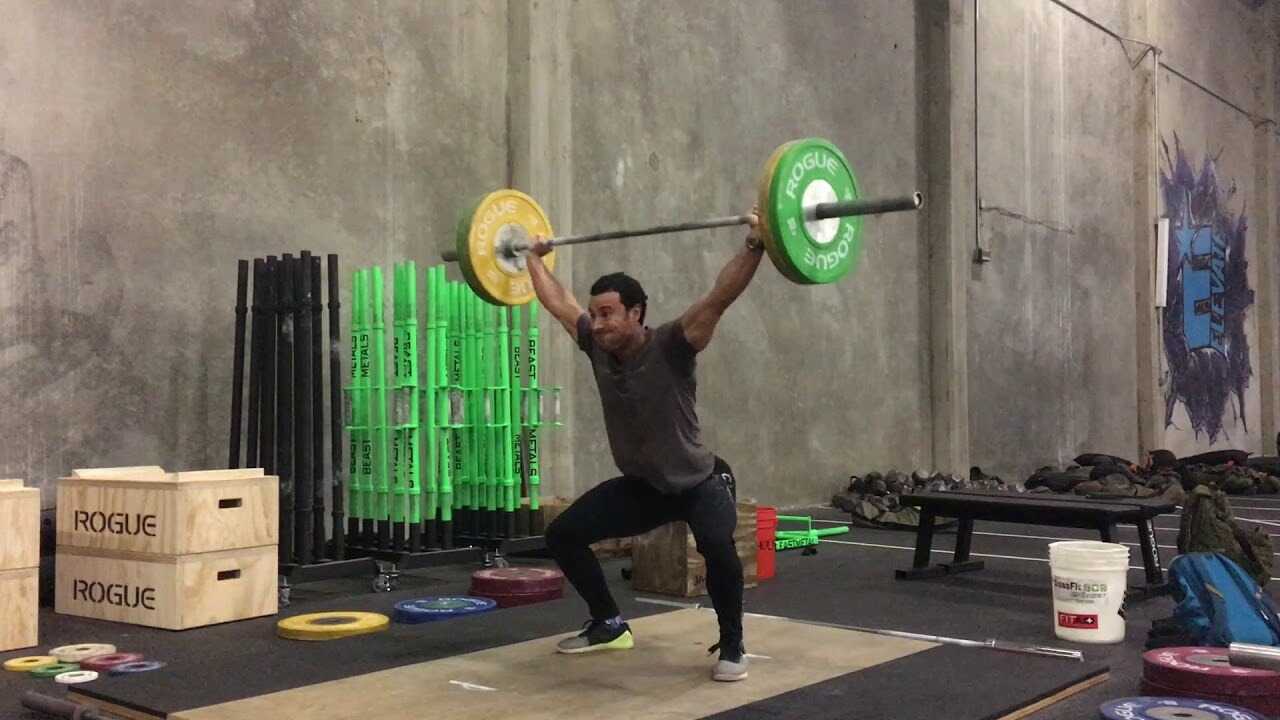
This full-body exercise is a favorite among athletes for its combination of power, speed, and technique. The power snatch from hang (or hang power snatch) is not just about lifting weights; it’s about mastering total body control, enhancing your explosive power, and engaging multiple muscle groups for a well-rounded workout.
In this guide, we’ll break down everything you need to know about this powerful dynamic lift – from the basics and step-by-step instructions to performance tips, common errors, and the muscles you’ll engage. We’ll also explore the pros and cons of this exercise, determine if it’s beginner-friendly, and discuss how you can progress to this sophisticated move. By the end, you’ll have a clear understanding of how to incorporate the power snatch from hang into your training regimen effectively.
What is the power snatch from hang?
The power snatch from hang (the hang power snatch) is a dynamic weightlifting exercise where you begin with the barbell held in your hands at thigh level, then explosively lift it overhead in one swift motion. Unlike the full snatch, you won’t be starting from the ground, but rather from a hanging position, making the movement more about power and speed. This exercise emphasizes upper body strength, coordination, and explosive power.
The key steps to perform the power snatch from hang
Mastering the power snatch from hang requires following a precise sequence of movements to ensure you execute it safely and effectively. Using proper technique will not only optimize your performance but also reduce the risk of injury. Below are the detailed steps to perform this exercise with perfect form:
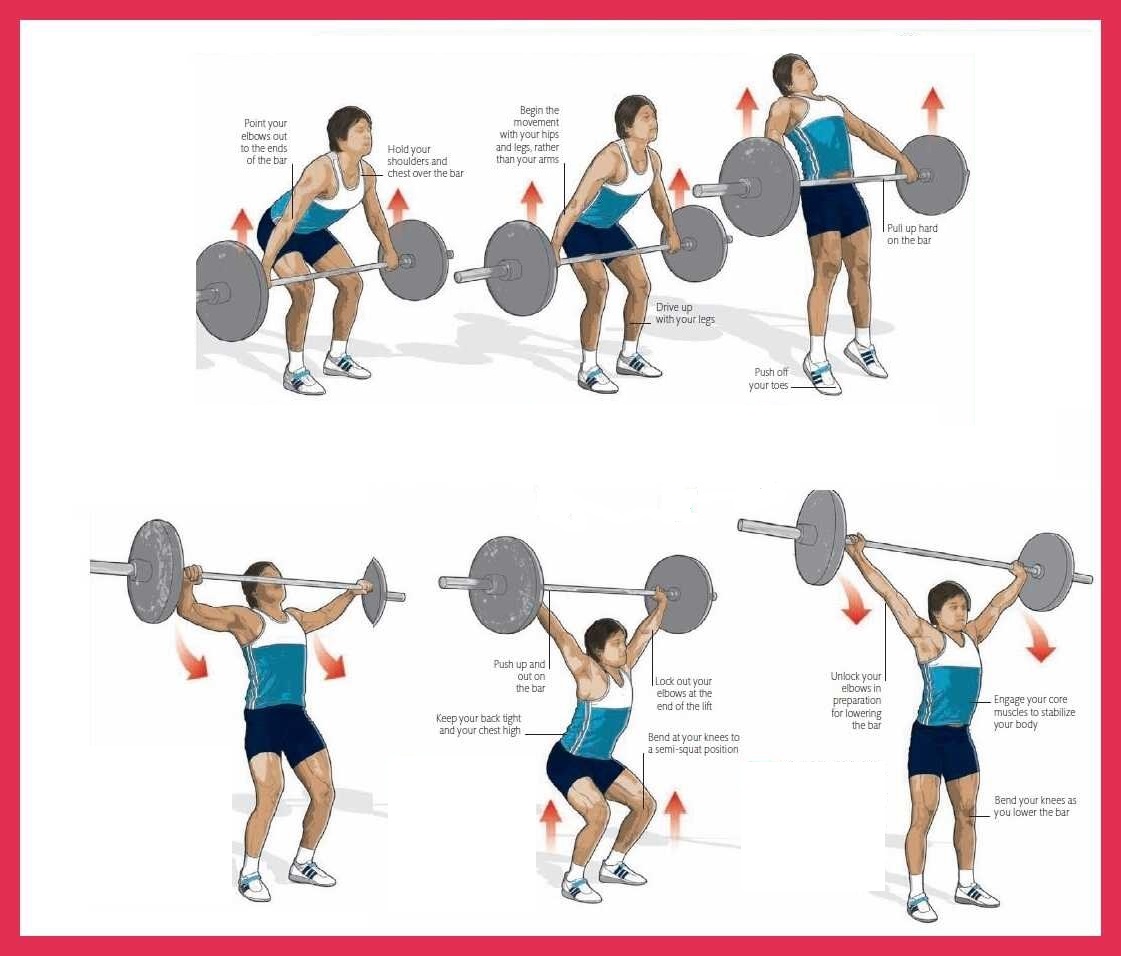
- Start Position: Stand with your feet hip-width apart and hold the barbell with an overhand grip, just outside your thighs. Your knees should be slightly bent, and the bar should hang just above your knees.
- Engage Your Core: Tighten your core and ensure your back is flat with a slight natural curve. Keep your chest up and shoulders back.
- First Pull: Begin by extending your hips and knees simultaneously, pulling the barbell upwards while keeping it close to your body. Use your glutes and hamstrings to drive the movement.
- Second Pull: As the bar reaches mid-thigh level, explosively extend your hips and shrug your shoulders to propel the bar upwards. Keep your elbows high and outside.
- Transition: As the bar reaches the peak of its ascent, quickly transition your body under the bar. Rotate your elbows under the bar and start to catch it in a partial squat position.
- Catch Position: Catch the bar overhead with your arms fully extended, ensuring your wrists are straight and your shoulders are stable. Your knees should be slightly bent, and your feet should be flat on the ground.
- Stand Up: Once you’ve stabilized the bar overhead, fully extend your hips and knees to stand up straight. Hold the bar overhead for a moment before carefully lowering it back to the starting position.
The Power Snatch from Hang video demonstration
Grasping the power snatch from hang through written instructions is helpful, but seeing it in motion truly makes a difference. Visual learning is incredibly beneficial for such a dynamic exercise. Watching the demonstration video allows you to catch the subtle details of the technique, ensuring you perform the movement both safely and effectively.
Extra performance tips
Mastering the power snatch from hang requires attention to detail and practice. Here are some very useful tips to enhance your performance and avoid common mistakes:
- Maintain a Neutral Spine: Always keep your back straight and avoid rounding your shoulders. Rounding can lead to poor form and potential injury. Focus on engaging your core and keeping the chest up.
- Use Your Hips: The power snatch is a hip-dominant movement. Try to drive through your hips explosively rather than relying solely on your arms and shoulders.
- Start with Light Weights: Begin with lighter weights to perfect your form before adding more load. This will help in building muscle memory and preventing strains.
- Feet Position: Ensure your feet are shoulder-width apart. Incorrect foot placement can affect your balance and power generation.
- Grip the Bar Correctly: Use a hook grip if possible. This improves your hold on the bar, reducing the risk of the bar slipping during the lift.
- Practice Full Extension: Fully extend your hips, knees, and ankles during the pull. Failure to do this can result in reduced lift efficiency and power.
- Focus on Timing: Ensure the coordination of your pull and catch phases. A synchronized movement increases efficiency and reduces the risk of injury.
Common mistakes and how to correct them
- Pulling with Arms: Many beginners tend to pull the weight with their arms instead of using their hips. Focus on driving through your legs and keeping your arms relaxed until you reach a full extension before the catch.
- Starting Position Too Low: Starting too low can lead to poor leverage and inefficient lifting. Push your hips back slightly and maintain a semi-squat position.
- Not Engaging Core: A weak or unengaged core can lead to instability. Tighten your abdominal muscles and think about bringing your ribcage down toward your pelvis.
- Overarching the Lower Back: Overextending the lower back can lead to injury. Ensure you keep a neutral spine throughout the movement.
- Imbalanced Foot Placement: Keeping your weight too forward on your toes or too far back on your heels can affect your balance. Aim to distribute your weight evenly across your feet.
Implementing these tips and avoiding common pitfalls can significantly improve your power snatch from hang technique.
Muscle engaged during the power snatch from hang
The power snatch from hang is a dynamic exercise that engages several major muscle groups. By understanding which muscles are activated, you can better appreciate the benefits of this powerful movement. Here’s a look at the primary muscles that come into play:
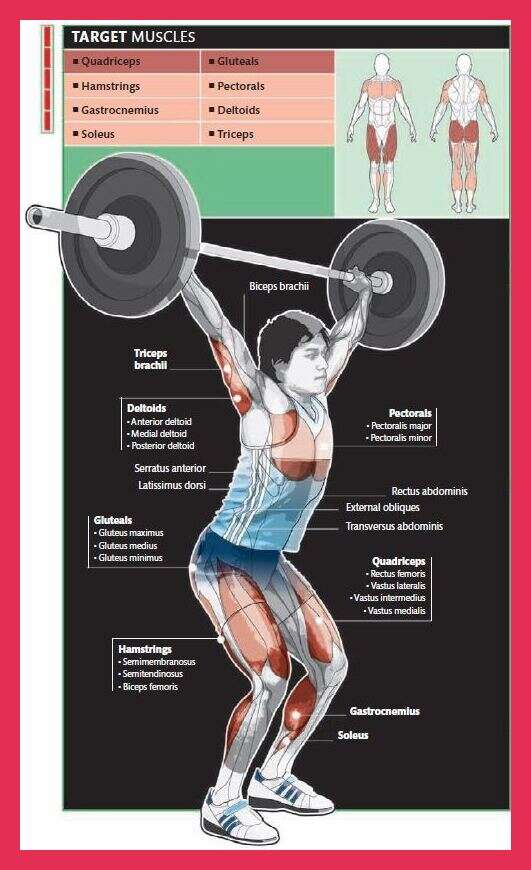
- Quadriceps: These muscles in the front of your thighs are heavily involved in the explosive upward motion.
- Gluteus Maximus: Your glutes play a crucial role in hip extension and generating power during the lift.
- Hamstrings: Located at the back of your thighs, the hamstrings aid in stabilizing and extending the hips.
- Deltoids: The shoulder muscles are used to stabilize and control the barbell as it moves upward.
- Trapezius: These upper back muscles are engaged as you shrug your shoulders to lift the barbell.
- Core: The abdominal and lower back muscles work together to provide stability and balance throughout the movement.
- Calves: Your calf muscles help in the final extension as you rise up on your toes to complete the lift.
Pros & cons
Pros
- Improves Explosiveness: The power snatch from hang enhances your ability to generate power quickly, which is crucial in many sports and athletic activities. Power snatch from hang increases explosive power by 15% in trained athletes
- Strengthens Multiple Muscle Groups: This exercise engages various muscles, including the shoulders, back, hips, and legs, promoting overall body strength.
- Enhances Coordination and Balance: Performing the power snatch from hang helps improve your proprioception, coordination, and balance.
- Increases Metabolic Rate: The full-body engagement and explosive nature of this lift can elevate your metabolic rate, aiding in fat loss and conditioning. Power snatch from hang can lead to a 20% increase in metabolic rate during workouts.
- Flexibility & Mobility Gains: The movement requires and thus improves flexibility and mobility in the shoulders, hips, and ankles.
Cons
- Risk of Injury: If performed with incorrect form, this exercise carries a risk of injury, particularly to the shoulders, back, and knees.
- Requires Proper Technique: Without adequate training and technique, you may struggle to perform the power snatch from hang correctly, limiting its effectiveness.
- Not Ideal for Beginners: Due to its technical demands and complexity, this exercise might not be the best choice for those who are just starting their fitness journey.
- Equipment Dependent: The exercise requires access to a barbell and weights, which might not be available to everyone, especially in at-home workout environments.
- Potential Overload: There’s a risk of overloading the joints and muscles if not appropriately programmed within a comprehensive fitness regime.
How do you progress to Power Snatch from Hang?
Progressing to the power snatch from hang involves building a solid foundation of strength, technique, and mobility. Here’s where to start:
- Master Basic Movements: Ensure you are proficient in foundational lifts such as the deadlift, back squat, and overhead press. These exercises build the necessary strength and coordination.
- Practice the Hang Position: Spend time mastering the hang position by holding the barbell at your mid-thigh, focusing on maintaining a tight core and strong back.
- Drill the Snatch Pull: Practice the snatch pull to learn the explosive hip extension and shrug needed for the power snatch. Start with lighter weights to perfect your form.
- Work on Flexibility: Enhanced flexibility, especially in your shoulders, hips, and ankles, is crucial for executing the power snatch correctly. Incorporate dynamic and static stretches into your routine.
- Use Progressions: Start with simpler variations such as the hang power clean and overhead squat. Progress to a full power snatch from the hang as you build confidence and technique.
- Lighten the Load: Begin with minimal weight to prioritize technique over strength. Gradually increase the load as your form improves.
- Seek Feedback: Record your lifts or work with a coach to receive feedback on your technique. Correcting errors early will lead to better long-term performance.
By starting with these steps, you will establish a strong base and smoothly transition to performing the power snatch from hang with confidence and precision.
Replacement exercises
Looking for alternatives to the power snatch from hang? These replacement exercises can help you achieve similar goals, engaging the same muscle groups and improving your explosive power:
- Hang Clean: This exercise also starts from the hang position and focuses on cleaning the barbell to your shoulders. It’s excellent for developing power, strength, and coordination.
- High Pull: A great alternative that eliminates the overhead component, focusing on generating explosive power through the hips and upper body.
- Overhead Squat: This exercise works similarly to the snatch by building shoulder stability, core strength, and mobility. It’s particularly useful for improving your overall snatch technique.
- Snatch-Grip Deadlift: By using a snatch grip during deadlifts, you can work on building the strength required for snatch movements, especially targeting your posterior chain.
- Push Press: This overhead movement helps develop shoulder and tricep strength, which is essential for the final lockout phase of the snatch.
- Kettlebell Swings: If you want to focus on explosive hip drive and conditioning, kettlebell swings are an excellent alternative, providing a cardiovascular element as well.
Power snatch from hang vs full power snatch
Unlike the full power snatch, which starts with the barbell on the ground, the power snatch from hang begins with the barbell at your hip or mid-thigh level. This difference fundamentally alters the initial mechanics of the lift.
In a full power snatch, you engage more of your posterior chain at the lift-off, especially your hamstrings and glutes, as you pull the bar from the floor. Conversely, the hang position minimizes initial leg drive, focusing more on the explosive pull from the mid-position, which heavily engages your upper back and traps.
This variation also bypasses the first pull phase of the lift, concentrating on the second pull, where speed and power are critical. As a result, athletes might find the hang version useful for developing a quick and powerful hip extension, while the full snatch works better for overall strength and technique development throughout the lift.
Closing Thoughts about Hang Power Snatch
Incorporating the power snatch from hang into your workout routine can yield significant benefits, from improving explosive power to engaging multiple muscle groups. It’s an excellent exercise for those looking to enhance athletic performance, build strength, and refine their overall technique. By following the steps and tips outlined in this guide, you can execute the movement with proper form and avoid common pitfalls.
Are you ready to give the power snatch from hang a try? What aspects of this exercise are you most excited or concerned about? Share your thoughts and experiences in the comments below!
