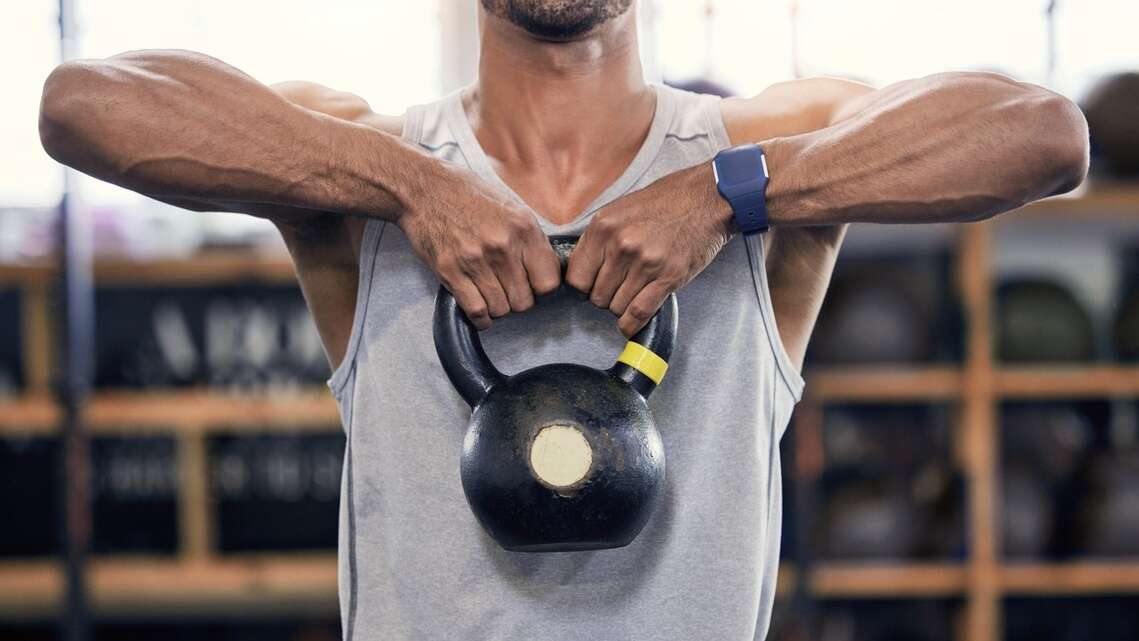
Looking to up your fitness game with dynamic, powerful movements? The Kettlebell High-Pull might just be the exercise you’re missing. This full-body, explosive lift not only challenges your strength and coordination but also boosts your cardio. Ideal for those seeking an efficient way to sculpt and tone, the Kettlebell High-Pull is a versatile addition to any workout regimen.
What is a kettlebell high-pull exercise?
The kettlebell high-pull is a dynamic, explosive movement that combines elements of a kettlebell swing and an upper-body pull. This exercise engages a broad spectrum of muscles, enhancing both power and coordination.
Key characteristics of the kettlebell high-pull include:
- Explosive Movement: Designed to build strength and power, the high-pull relies on a swift, explosive motion.
- Full-Body Engagement: This exercise activates multiple muscle groups, particularly the shoulders, upper back, and core.
- Controlled Return: Emphasis is placed on a controlled descent of the kettlebell to ensure proper technique and reduce injury risk.
- Coordination and Timing: Requires precise coordination between the lower and upper body for an efficient and effective lift.
- Versatility: Can be integrated into various fitness routines, from strength training to high-intensity interval workouts.
The kettlebell high-pull is a whole-body exercise that builds power. It is great training for explosive movements in sprinting, jumping, boxing, and karate.
Exercise instructions
Follow these step-by-step instructions to ensure you perform the exercise correctly:
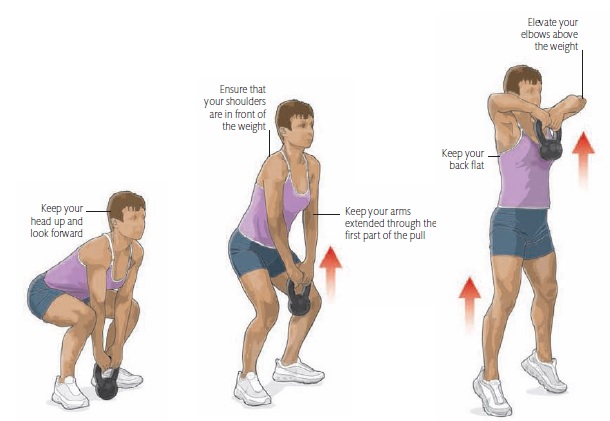
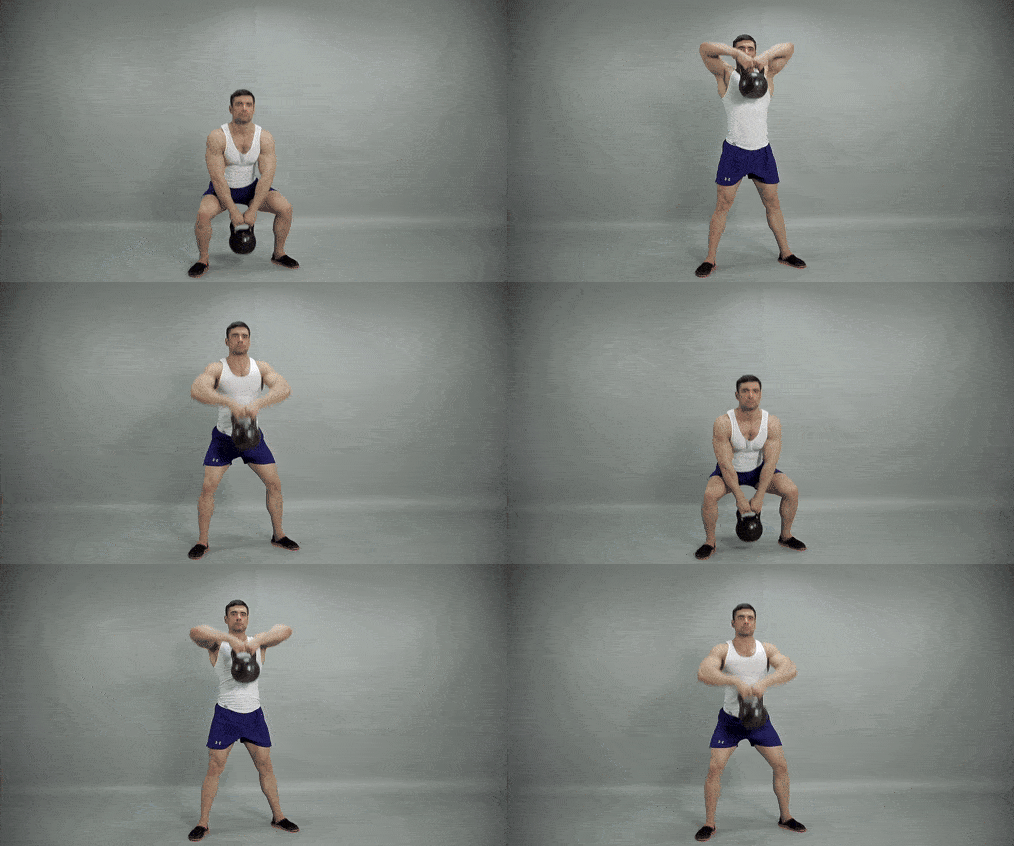
- Starting Position: Begin by standing with your feet shoulder-width apart. Place the kettlebell on the ground in front of you. Bend at the hips and knees to grasp the kettlebell with one hand, keeping your back flat and your chest up.
- Initial Lift: Drive through your heels to extend your hips and knees, bringing the kettlebell up in a smooth motion. Your arm should remain extended and close to your body.
- Explosive Pull: As the kettlebell reaches a hip level, initiate an explosive upward pull by bending your elbow and driving your elbow high and back. The kettlebell should rise naturally upwards as a result of this motion.
- Peak Position: At the top of the movement, your elbow should be higher than your wrist, and the kettlebell should be at chest height. Your body should be fully extended, with your abs and glutes engaged to maintain stability.
- Controlled Descent: Lower the kettlebell back down to the starting position in a controlled manner, reversing the motion and maintaining good posture. Avoid letting the kettlebell pull you forward or rounding your back.
Coach’s tip (helpful hints) for the kettlebell high-pull
- Engage Your Core: Before you start your pull, brace your core. Think of it as creating a stable foundation from which power can be generated. This not only helps maintain balance but also protects your lower back.
- Maintain a Neutral Spine: As you hinge at the hips, ensure your spine remains neutral. Avoid rounding your back, which can place undue stress on your spine and lead to injury.
- Use Your Hips: Focus on using the power of your hips rather than your arms to initiate the movement. The high pull should be an explosive movement driven primarily by the force of your hip thrust.
- Smooth Transition: Aim for a fluid pull, avoiding jerky or abrupt movements. The kettlebell should travel upward in a straight line, not in a looping motion.
- Grip Pressure: Maintain a relaxed grip on the kettlebell. Over-gripping can lead to premature fatigue in your forearms.
Muscles involved in kettlebell high-pull
The kettlebell high-pull is a full-body exercise targeting multiple muscle groups. Primarily, it engages the quadriceps, hips, gluteal muscles, core, and hamstrings. Additionally, you’ll experience significant engagement and work in the shoulders, biceps, and back. This makes it an effective move for building total-body strength and conditioning, focusing heavily on the posterior chain.
Exercise variations
Are you looking to add some variety to your workout routine while still reaping the benefits of the kettlebell high-pull? There are several exercise variations you can explore to keep your training sessions fresh and challenging. As you can see, there are many ways to modify and elevate your kettlebell high-pull.
- Single-Arm Kettlebell High-Pull: Perform the exercise with one arm, focusing on unilateral strength and coordination.
- Double Kettlebell High-Pull: Use two kettlebells simultaneously for a greater challenge to balance and core stability.
- Kettlebell High-Pull to Squat: After the pull, drop into a squat position to add lower body engagement.
- Kettlebell High-Pull to Press: Combine the high-pull with a press overhead to enhance shoulder and tricep involvement.
- Alternating Kettlebell High-Pull: Switch arms each rep to improve hand-eye coordination and balance.
- Kettlebell Sumo High-Pull: The kettlebell sumo high-pull is a variation that incorporates a wider stance, resembling a sumo wrestler’s stance.
Replacement exercises
- Clean and Press – A compound lift that also engages multiple muscle groups and improves power and endurance.
- Barbell Snatch – An Olympic lift focusing on explosive power and full-body coordination.
- Medicine Ball Slams – A high-intensity exercise for developing explosive power and core strength.
- Battle Ropes – Engages the entire body with powerful, dynamic movements, great for conditioning and strength.
- Power Clean – Another Olympic lift, excellent for building strength, power, and athleticism.
- Push Jerk – Involves powerful, explosive movements to lift weights overhead, useful for upper body strength and power.
Looking for more exercises to enhance your workout routine? Be sure to explore our exercise database for a diverse range of dynamic lifts (highly explosive exercises) that can boost your power, endurance, and overall strength.
Key benefits of kettlebell high-pulls
- Improves Explosive Power: The dynamic motion of the kettlebell high-pull builds your explosive strength, which is crucial for various sports and functional fitness activities.
- Enhances Cardiovascular Fitness: Incorporating the high-pull into your routine can improve cardiovascular health due to its fast-paced nature.
- Increases Coordination and Balance: As a complex movement, it requires precise coordination between your upper and lower body, enhancing overall balance and motor skills.
- Develops Upper Body Strength: Engages muscles in the shoulders, traps, and upper back, contributing significantly to upper body muscle development.
- Promotes Core Stability: Requires you to engage your core throughout the movement, leading to stronger abdominal muscles and improved core stability.
- Versatile and Time-efficient: Combines strength and cardio in one exercise, making your workout more time-efficient and versatile.
Conclusion
The kettlebell high-pull is a dynamic and explosive movement that can deliver remarkable benefits when performed correctly. It’s a versatile exercise that not only targets several major muscle groups but also enhances your overall fitness and athletic capability.
We’d love to hear from you! Have you tried the kettlebell high-pull? What are your experiences and tips for mastering this exercise? Share your thoughts and advice in the comments below.
