



Are you looking to add power and precision to your bodybuilding game? The Snatch Balance might just be the perfect exercise for your functional bodybuilding routine. This Olympic lift combines coordination, agility, and strength into one dynamic movement. Mastering the Snatch Balance can provide a host of benefits for your overall performance. In this guide, you are about to find out what makes this exercise so valuable and how you can incorporate it into your training regimen.
We will guide you through step-by-step instructions, share expert tips, and reveal common pitfalls to avoid. We’ll help you understand everything from the muscles engaged to who should give this exercise a go and who might want to steer clear. Plus, we’ll explore how the Snatch Balance translates to other sports and uncover some effective alternative exercises.
What is the snatch balance exercise?
The snatch balance is a dynamic weightlifting exercise that combines elements of the overhead squat and the snatch. It is designed to improve an athlete’s ability to receive the barbell in a stable overhead position, enhancing both strength and technique. This exercise is particularly beneficial for developing speed, stability, and confidence in the catch phase of the snatch. It requires precise coordination and timing to ensure the barbell is received in a controlled and balanced manner overhead.
Step-by-step instructions for performing the snatch balance
Performing the snatch balance with proper form is key to maximizing its benefits and minimizing the risk of injury. This exercise demands precision, coordination, and strength. The best approach is to break down the steps to ensure you master this lift.
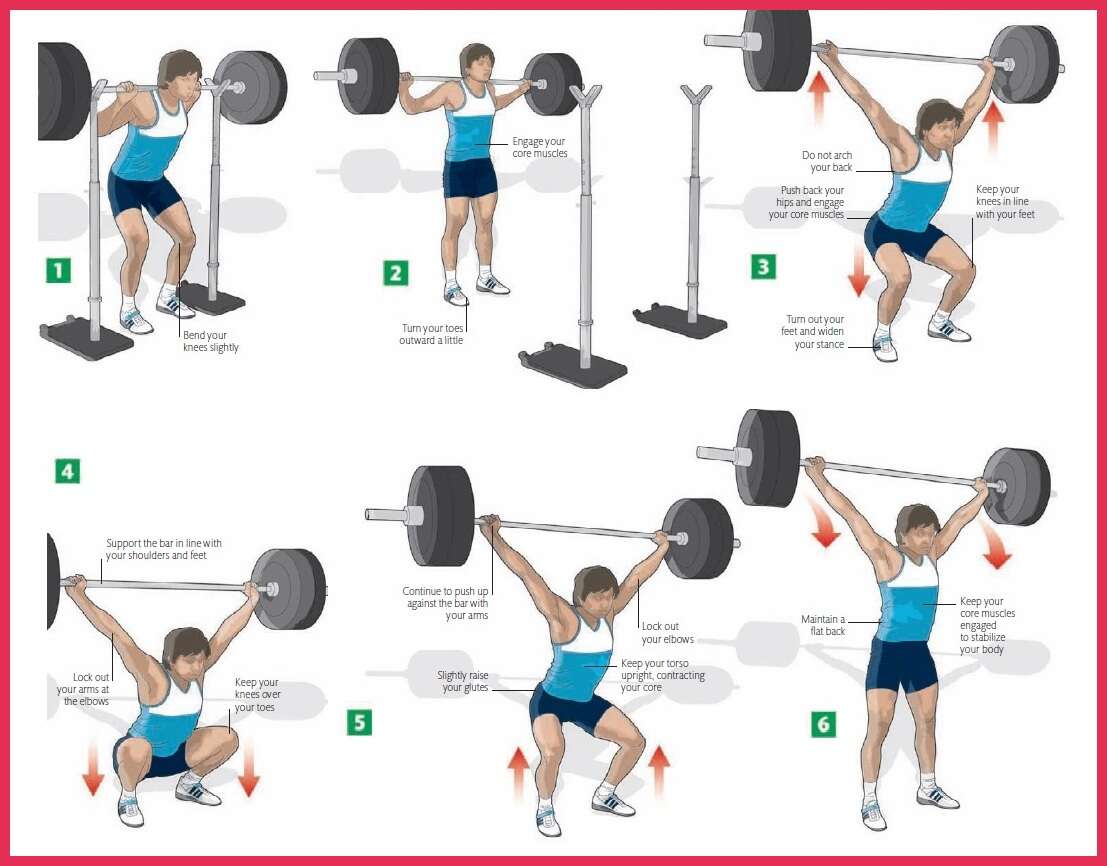
- Starting Position: Begin with the barbell resting across your upper back, hands in a wide snatch grip, and feet shoulder-width apart. Ensure your core is tight and your chest up.
- Dip: Bend your knees slightly while keeping your torso upright. This movement is similar to the initial dip in a push press.
- Drive: Explosively extend your knees and hips to drive the barbell upward slightly. Ensure your feet remain flat on the floor throughout this movement.
- Drop and Catch: As the bar begins to rise, quickly drop yourself into a deep overhead squat position. Simultaneously, press the bar overhead by locking out your arms.
- Stabilize: In the bottom position, ensure the bar is directly over the midline of your body, with your feet firmly planted and your torso upright. Hold this position briefly to confirm stability.
- Stand Up: Once stable, rise from the squat position by pressing through your heels and extending your knees and hips until you are standing upright with the barbell overhead.
- Reset: Carefully lower the barbell back to your shoulders. Reposition your feet to the starting stance, prepare your core, and repeat the exercise as needed.
If you need more details please consult article named “Snatch Balance Technique” by Jaw Dawes, PhD.
Performance tips & typical mistakes
For optimal performance in the snatch balance exercise, timing and technique are absolutely crucial. Ensuring that each phase of the movement is executed correctly can make the difference between a successful lift and a failed attempt. Focusing on these aspects will help you get the most out of the exercise.
Additional performance tips
- Engage Your Core: Keeping your core engaged throughout the movement provides stability and control, helping you maintain balance as you receive the bar.
- Practice Foot Placement: Consistent foot placement is key. Make sure your feet are positioned correctly to ensure you receive the bar in a strong, stable position.
- Use Adequate Weight: Begin with an empty barbell or very light weights to focus on the technique before gradually increasing the load.
- Controlled Descent: Lower into the squat with control rather than dropping quickly. This helps maintain balance and avoid unnecessary strain on the joints.
Frequent mistakes
- Meeting the Bar Too High: Receiving the bar too high can result in poor balance and control over the lift. Make sure to drop into the full squat position.
- Incorrect Foot Position: Uneven or inconsistent foot placement can lead to instability. Practice foot drills to ensure you are landing correctly.
- Overusing the Arms: Relying too much on your arms to stabilize the bar instead of your legs and core can lead to muscle strain and improper form.
- Lack of Breathing Technique: Holding your breath improperly can impact your overall stability and energy levels. Inhale deeply before the lift and exhale as you receive the bar.
Muscles involved during the snatch balance
The primary muscles engaged during the snatch balance are the shoulders, particularly the deltoids, as they play a crucial role in stabilizing and holding the weight overhead. The trapezius and back muscles, including the lats (latissimus dorsi) and rhomboids, also contribute significantly.
Additionally, the legs and glutes are heavily involved, with the quadriceps, hamstrings, and gluteus maximus working to propel the body under the bar. The core muscles, comprising the abdominals and obliques, engage to maintain stability and balance throughout the movement.
Potential benefits of doing the snatch balance
The snatch balance can be transformative for your lifting routine. Here are some potential benefits:
- Improved Overhead Stability: By practicing the snatch balance, you can develop greater control and strength in the overhead position, which is crucial for executing a successful snatch.
- Enhanced Technique: This exercise reinforces proper foot placement and body positioning, helping you refine your technique, especially in the receiving position of the snatch.
- Increased Confidence: Handling heavier weights than you typically can during a snatch builds your confidence and mental strength, making you more prepared for actual lifts.
- Flexibility: It aids in improving hip and shoulder flexibility, which are essential for a wide range of athletic movements.
- Reduced Risk of Injury: By training your body to move in the right ways, you minimize the risk of improper movement patterns that could lead to injuries.
Athletes in various sports can greatly benefit from adding the snatch balance to their training regimen. Here are a few:
- Weightlifters: Naturally, weightlifters will find this exercise indispensable for improving their snatch technique and overall performance.
- CrossFit Athletes: Given the emphasis on functional movements and Olympic lifts in CrossFit, snatch balance can enhance performance and efficiency in WODs.
- Gymnasts: The exercise helps to develop shoulder stability and strength, which are vital for various gymnastics maneuvers.
- Track and Field Athletes: Improved stability and flexibility can benefit runners, throwers, and jumpers, providing a solid foundation for better overall athletic performance.
- Martial Artists: Stability, balance, and strength are critical components in martial arts, and the snatch balance can contribute to these areas, enhancing overall effectiveness.
Variations of the snatch balance exercise
The snatch balance exercise comes with a few variations to suit different fitness levels and training needs:
- Heaving Snatch Balance: This variation involves a controlled downward dip and a powerful drive upwards while keeping the barbell close to the body before catching it in an overhead squat position.
- Drop Snatch Balance: In this variation, you immediately drop into the squat position after heaving the bar, focusing on speed without moving the feet.
- Snatch Balance Press: Here, instead of a dip and drive, you perform an overhead press into the catch position.
- Pause Snatch Balance: This adds a pause at the bottom of the squat, enhancing stability and strength in the receiving position.
Differences between the snatch balance and jerk balance
The snatch balance and jerk balance might look similar at a glance, but they target different goals and differ in execution.
Objective: The snatch balance is focused on improving your speed and stability in the snatch. It’s about receiving heavyweights in an overhead squat, which can be heavier than your regular snatch. On the other hand, the jerk balance is centered around refining the footwork and overhead positioning necessary for a successful jerk, emphasizing the split stance.
Leg Positioning: In the snatch balance, you begin with your feet in the same stance as you would during a regular snatch and move into an overhead squat. Conversely, the jerk balance starts with your feet in a more narrow stance and transitions into the split leg position crucial for the jerk.
Execution: The snatch balance involves a dip, and then a quick drop into an overhead squat without moving your feet majorly. With the jerk balance, you perform a dip and drive up, allowing your feet to split—one foot moving forward and the other backward.
Replacement exercises
Any other dynamic or explosive lift can effectively contribute to enhancing functional bodybuilding and overall athletic performance. Here are some examples:
- Power Snatch From Hang
- Power Snatch
- Jerk Balance
- Split Snatch
- Barbell push press
- Dumbbell Jump Squat
- Overhead Squat
- Squat Clean
- Power Clean
- Hang Power Clean
- Hang Clean Pull
- Barbell Jump Squat
Special precautions and warnings
Like any complex weightlifting exercise, the snatch balance has its risks and demands certain precautions for safe practice:
Shoulder and Mobility Issues: If you have existing shoulder pain or mobility issues, the snatch balance might exacerbate these problems. The overhead position requires a significant range of motion and stability, which can be challenging for those with joint issues.
Previous Injuries: Avoid this exercise if you have a history of knee, lower back, or shoulder injuries. The dynamic movements and heavy loads can aggravate these areas.
Proper Technique: Ensure you have mastered the basic snatch technique before attempting the snatch balance. Incorrect forms can lead to imbalances and potential injuries.
Load and Intensity: Start with light weights to perfect your form. Gradually increase the load to prevent undue stress on your joints and muscles.
Spotter or Coach: Have a spotter or coach observe your form, especially if you’re new to this exercise. Professional guidance can help correct errors and prevent injuries.
This exercise is best suited for advanced lifters or athletes aiming to improve their snatch technique. Beginners or those not confident with overhead lifts should steer clear of this exercise until they gain sufficient strength and technique proficiency.
Conclusion
The Snatch Balance exercise stands out as a powerful addition to any weightlifting routine, offering significant benefits in terms of strength, stability, and confidence in the receiving position. Whether you’re aiming to refine your snatch technique or enhance your overhead strength, incorporating the snatch balance can lead to noticeable improvements in your overall performance. By understanding the common errors and incorporating the right variations and replacement exercises when necessary, you can optimize your training effectively.
We’d love to hear from you! What’s your experience with the Snatch Balance exercise? Do you have any tips or variations that have worked well for you but are not mentioned here? Share your thoughts in the comments below!
