


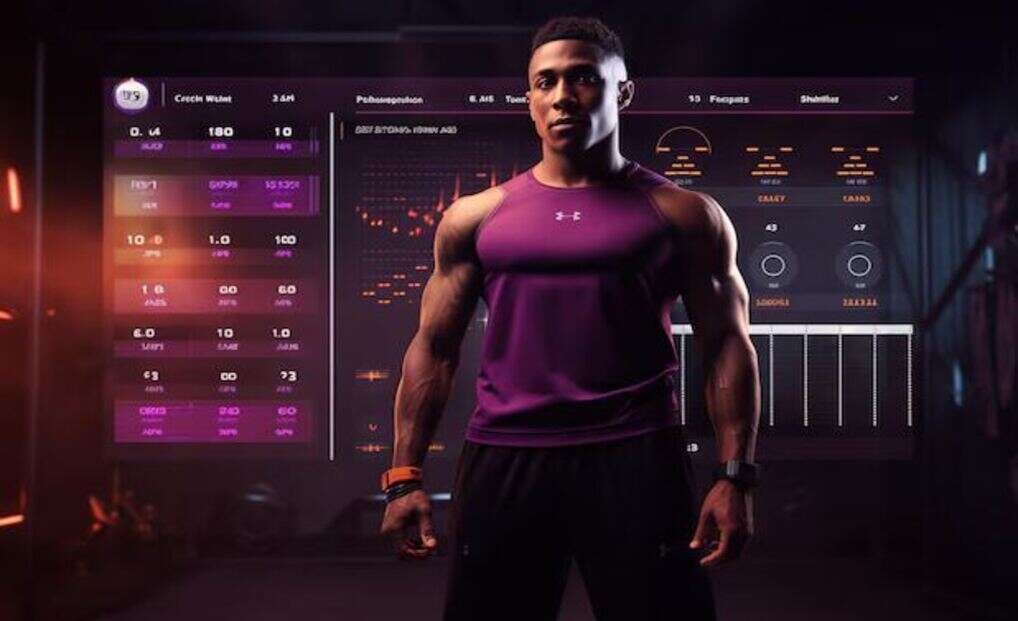
Imagine stepping into a gym where a cutting-edge personal trainer is always available, knows your fitness goals, and tailors workouts to your unique needs. Welcome to the exciting world of AI-driven personal trainers. These intelligent assistants offer a revolution in personalized fitness plans and bodybuilding routines, providing insights and guidance tailored to your body and aspirations.
“AI has the potential to revolutionize our fitness experiences, delivering tailored coaching that adapts and evolves with us.” – Fitness Expert Jane Doe
From understanding your fitness history and setting realistic goals to ensuring optimal performance and safety, AI-driven trainers promise a transformation in how we approach fitness. The blend of advanced algorithms and real-time data analysis leads to an unparalleled level of customization and efficiency in workouts.
- Personalized fitness plans based on your data
- Real-time adjustments and feedback
- Access to expert knowledge anytime, anywhere
- Increased motivation through smarter insights
In this article, our goal is to explore in depth how these advanced technologies are reshaping the landscape of fitness and bodybuilding by offering smarter, more efficient, and highly personalized training solutions.
What are AI-driven personal trainers?
An AI-driven personal trainer leverages advanced algorithms and machine learning to provide customized fitness and bodybuilding routines. Unlike traditional fitness apps, these digital trainers analyze vast amounts of data to craft personalized workout plans tailored to your unique goals, physical condition, and available equipment. Apps like Zing Coach and FitnessAI exemplify this revolution by simulating the expertise of human trainers and offering continuous motivation and adaptation in real-time. While they may lack the emotional engagement and nuanced understanding of human trainers, AI-driven personal trainers make high-quality, personalized fitness accessible to a broader audience by providing precise, data-driven recommendations and progress tracking.
What are the latest advancements in AI technology for fitness?
The rapid evolution of AI is transforming the fitness industry in ways we couldn’t have imagined a few years ago. These advancements promise to make fitness more accessible, personalized, and effective for everyone. Let’s explore some groundbreaking AI technologies that are pushing the boundaries of personalized fitness plans and bodybuilding routines:
- Machine Learning Algorithms: These algorithms analyze vast amounts of data to tailor workout programs to individual needs, optimizing exercises, sets, and reps.
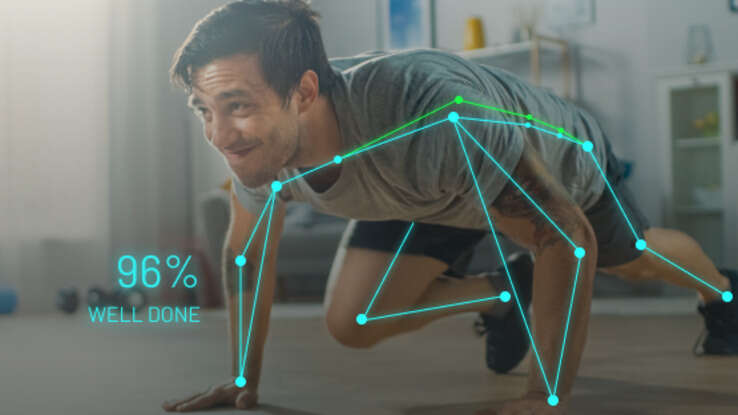
- Smart Coaching Systems: AI-powered systems provide real-time feedback on form and technique, reducing the risk of injuries and enhancing performance.
- Wearable Fitness Trackers: Integrating AI with wearables helps track your biometrics and gives insights into your performance and recovery.
- Virtual Reality (VR) Workouts: Coupling AI with VR creates immersive workout environments, making exercise more engaging and enjoyable.
- Voice-Activated Assistants: These AI-powered assistants can guide you through workouts, track your progress, and provide motivation.
- Nutrition Planning: AI tools can now offer personalized meal plans by analyzing your dietary needs and fitness goals.
- Predictive Analytics: Using advanced AI, these tools can predict the best times for workouts and rest, optimizing your training schedule.
- Automated Progress Tracking: AI applications seamlessly track and analyze your fitness journey, making it easier to see improvements over time.
- Adaptive Training Programs: These programs adjust your fitness plan in real-time based on your performance and changing goals.
- Social AI Platforms: AI-driven social platforms connect you with fitness communities, providing support and competition to keep you motivated.
What are the benefits of AI trainers over traditional trainers?
If you’re weighing your options between AI trainers and traditional trainers, it’s essential to understand the distinct benefits each brings to the table. AI-driven personal trainers have specific advantages that cater to modern fitness enthusiasts’ needs and can sometimes surpass the capabilities of human trainers in several ways. Here’s an in-depth look at the benefits of AI trainers over traditional trainers:
- Availability 24/7: AI trainers are accessible anytime, offering you the flexibility to work out according to your schedule. Whether it’s early morning or late at night, your AI trainer is always ready.
- Cost-Effective: Subscriptions to AI fitness apps are generally more affordable compared to hiring a personal trainer. This makes personalized fitness plans accessible to a broader audience.
- Data-Driven Insights: AI trainers utilize advanced algorithms to track your performance and progress in real-time, providing feedback and adjustments based on data rather than subjective observation.
- Personalization at Scale: With AI, you can receive highly personalized training plans that are continually adapted to suit your evolving fitness level, goals, and preferences.
- Consistency: Unlike human trainers who may face interruptions or varying availability, AI trainers offer consistent guidance and feedback without any lapses.
- Wide Range of Expertise: AI platforms often have libraries of exercises and routines curated by experts from various fitness disciplines, offering you a comprehensive range of workout options.
- Objective Monitoring: Your AI trainer can objectively track metrics such as heart rate, calorie burn, and strength improvements, providing a precise picture of your fitness journey.
- Privacy: For those who prefer working out in private, AI trainers eliminate the need for face-to-face interaction, making it ideal for individuals who are uncomfortable with in-person training.
- Motivational Support: Many AI trainers incorporate gamified elements to keep you motivated, including badges, achievements, and progress tracking charts.
- Customizable Feedback: You can choose the type of feedback and encouragement that best suits your personality and motivates you to achieve your fitness goals.
What are the potential drawbacks or limitations of AI-driven fitness?
While AI-driven personal trainers offer many advantages, they’re not without their limitations. It’s crucial to weigh these potential drawbacks to ensure they align with your fitness goals and needs. Here are some of the most significant limitations:
- Lack of Human Touch: AI trainers can’t provide the same level of empathy, emotional support, or motivation that a human trainer can. This human element can be essential for some individuals in maintaining motivation and accountability.
- One-size-fits-all: While AI systems use complex algorithms to personalize fitness plans, they may not account for unique considerations like specific injuries, medical conditions, or the nuanced progress of individual users.
- Technical Limitations: AI systems rely on user input and wearable data, which can sometimes be inaccurate or incomplete. This can lead to suboptimal training recommendations.
- Adaptability Issues: AI may struggle to adapt in real-time to unexpected changes in your routine or respond to immediate feedback as effectively as a human trainer would.
- Limited Motivation: While an AI can offer reminders and encouragement, it lacks the personalized engagement that a human can provide to push you through tough workouts.
- Data Privacy Concerns: Using AI fitness apps involves sharing personal data, which could be vulnerable to breaches or misuse.
- Subscription Costs: Many AI fitness apps require ongoing subscription fees, which can add up over time and may become a financial burden for some users.
What are some examples of AI-driven personal trainer apps?
#1 FitnessAI
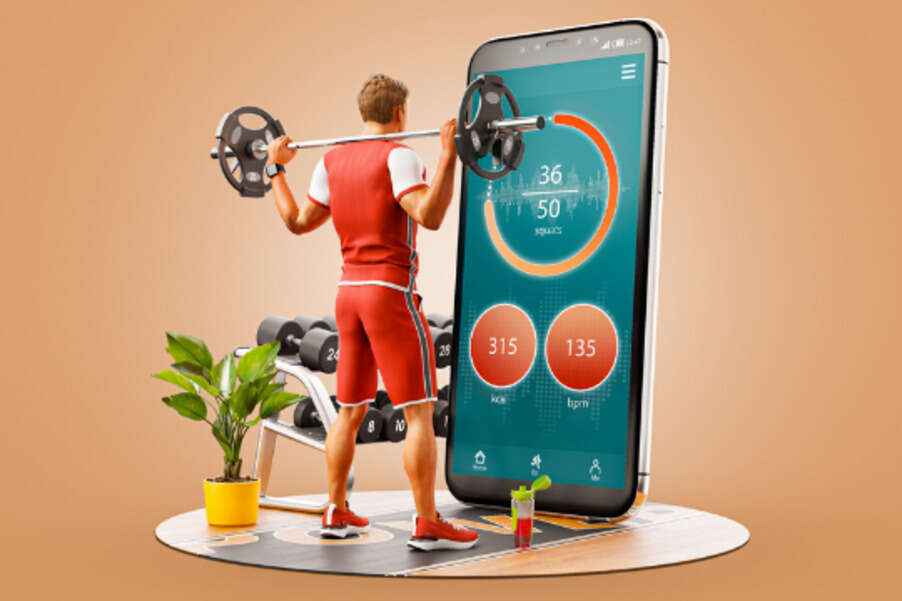
FitnessAI is an advanced app that personalizes your workout routines based on your goals and available equipment. Utilizing machine learning algorithms, it adjusts your plan as you progress, ensuring that you keep getting stronger and fitter. It also incorporates feedback from users and data from fitness wearables for a more tailored experience.
#2 Freeletics
Freeletics offers AI-driven workout plans that are designed to fit your fitness level, time constraints, and training goals. The app boasts a wide array of body-weight exercises and also includes a virtual coach that provides real-time feedback and motivation. One of the key features of Freeletics is its community feature, which connects you with other users for support and inspiration.
#3 JEFIT
JEFIT leverages AI to create personalized strength training programs. It’s ideal for bodybuilders and those looking to improve their muscle mass. The app offers a comprehensive exercise library, detailed workout logging, and performance analytics to help you track your progress. JEFIT’s AI adjusts your routines based on your workout history and user feedback.
#4 Aaptiv
Aaptiv combines AI with audio-based fitness coaching to deliver customized workout sessions. Whether you’re into running, strength training, or yoga, Aaptiv’s AI curates workout playlists and coaching cues that fit your preferences and goals. The app also provides personalized recommendations based on your training data and feedback.
#5 Vi Trainer
Vi Trainer employs AI to deliver interactive running and cycling workouts. The app acts as a virtual coach, offering guidance, motivation, and adjustments in real-time. Vi Trainer’s AI adapts to your fitness level and performance to keep you continually challenged and engaged. The app also integrates seamlessly with various fitness wearables for a comprehensive training experience.
#6 MyFitnessPal
While primarily known for its calorie tracking capabilities, MyFitnessPal has integrated AI features that offer personalized workout plans and nutrition advice. The app takes into account your goals, dietary preferences, and lifestyle to create a holistic fitness plan. Its AI-driven insights can help you make more informed decisions about your exercise and nutrition.
Will AI-driven personal trainers replace human trainers in the future?
While the rise of AI-driven personal trainers is undeniable, the notion that they will completely replace human trainers is highly unlikely. Instead, AI technology is more likely to complement the skills of human trainers, offering a hybrid approach to fitness that can be incredibly beneficial for many individuals. AI tools streamline operations, enhance client experiences, and allow for highly customized fitness plans. However, the human element—empathy, motivation, and personalized interaction—remains irreplaceable.
By integrating AI tools for client assessments, workout customization, and progress tracking, human trainers can significantly enhance their services. Ultimately, the choice between AI-powered fitness apps and human trainers depends on individual needs, goals, preferences, and financial considerations.

How do AI-driven personal trainers handle injuries or physical limitations?
When dealing with injuries or physical limitations, AI-driven personal trainers utilize vast amounts of data to make informed adjustments to your workout plan. They can analyze your specific problem areas and recommend exercises that avoid stressing those regions while promoting recovery.
Additionally, these platforms often integrate with wearable technology to monitor your performance and provide real-time feedback. For example, if the AI detects improper form that could exacerbate an injury, it will immediately alert you to correct it. However, it’s crucial to input accurate information about your condition to get the best results. While AI can be incredibly effective for managing minor injuries or physical constraints, complex medical conditions might still require the nuanced approach of a human trainer or physical therapist.
How do AI-driven personal trainers personalize bodybuilding routines?
AI-driven personal trainers leverage sophisticated algorithms and vast databases to create customized bodybuilding routines tailored specifically to your needs. They analyze various data points such as your age, weight, fitness goals, and current fitness levels. For example, by inputting details about your strength levels, previous workouts, and even dietary habits, the AI can suggest an optimal plan designed to maximize muscle growth and improve overall fitness.
Furthermore, these digital trainers can adapt and update your plans in real-time. If it detects that you’re consistently struggling with a specific exercise or not making progress, it can modify your routine to include variations or new exercises that target the same muscle groups more effectively. This dynamic customization is often achieved by leveraging machine learning, allowing the AI to learn and evolve with your performance data over time.
Additionally, AI-driven trainers often employ computer vision to provide detailed feedback on your form and technique, which is crucial for both preventing injuries and ensuring effective workouts. By analyzing your workout videos, they can give pointers on how to improve your posture or adjust your movements. This level of personalization not only enhances your bodybuilding routine but also helps maintain your motivation and keeps your training exciting and challenging.
How do AI-driven personal trainers track progress?
Tracking progress is a crucial component of any fitness journey, and AI-driven personal trainers excel at this task by leveraging advanced technologies. These apps monitor your performance through a combination of data points such as reps, sets, weights, duration, and even rest times. By consistently analyzing these metrics, AI can provide you with real-time feedback and detailed reports on your progress.
Data Analytics: One of the key tools AI trainers use is data analytics. They gather data from your exercises, analyze it, and display it in an easily understandable format. This helps you see patterns, identify weaknesses, and track improvements over time.
Visual and Sensory Feedback: Some AI-driven trainers even incorporate visual and sensory feedback mechanisms. For instance, using cameras or sensors, they can analyze your form and technique, providing corrective suggestions to enhance performance and prevent injuries.
Customization and Adaptation: As you progress, the AI trainer adapts your routine based on your performance data. If a particular exercise becomes too easy or too hard, the AI will automatically adjust the difficulty level to ensure you are continually challenged and can achieve your fitness goals.
Moreover, these apps often integrate with wearable fitness devices, collecting additional data such as heart rate, calories burned, and sleep patterns. This information creates a holistic view of your fitness journey, allowing for a more personalized and effective training experience. The synergy between AI algorithms and wearable devices ensures that your progress is tracked accurately and comprehensively.
Closing Thoughts
As we usher in a new era of fitness and bodybuilding, artificial intelligence fitness coaches stand at the forefront of this transformative journey. They offer compelling benefits, from unparalleled customization to real-time feedback, that are revolutionizing how we approach our fitness goals. While traditional trainers bring a human touch that technology cannot replace, the blend of AI-driven tools with human expertise can create an optimal fitness ecosystem.
From my perspective, the rise of AI personal trainers holds immense promise. They empower individuals to take control of their fitness journeys with precision, convenience, and motivation like never before. Embracing this technological advancement can lead to a healthier, more engaged society eager to achieve personal fitness milestones.
