


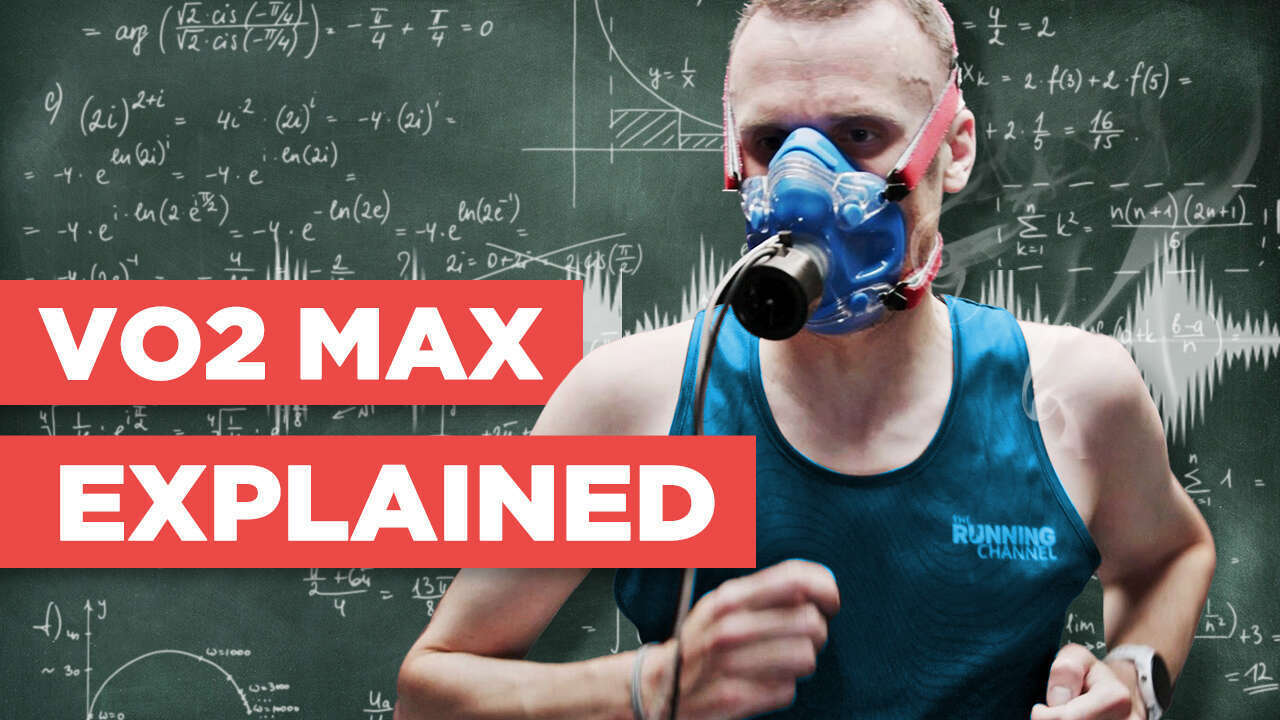
If you’re an athlete, fitness enthusiast, or someone who is simply fascinated by physical fitness, you’ve probably heard the term ‘VO2 Max’ or maximal oxygen consumption rate. But, what exactly is it, and how does it impact our physical performance? Packed with intriguing insights, this article covers all the essential aspects of VO2 Max – its implications for athletes and non-athletes, the factors that influence it, and ways to improve it.
What is VO2 Max or maximal oxygen consumption rate?
VO2 Max, also referred to as maximal oxygen consumption rate, stands as a crucial indicator of a person’s overall fitness level. Essentially, it represents the ultimate capacity of an individual’s body to utilize oxygen during intense exercise, usually per minute per kilogram of body weight. So, in simplistic terms, it showcases how effectively your body can consume and utilize oxygen when you’re pushing your physical limits.
In this fitness metric, ‘VO2 Max’, each element of the acronym has significance. The ‘V’ stands for volume, meaning the amount or quantity of a substance. Meanwhile, ‘O2’ is the chemical symbol for molecular oxygen, which our body cells require to produce energy. ‘Max’ signifies maximum, denoting the upper limits of this particular capacity. As for the ‘2’ in “O2” should be superscripted. However, this is not practical in non-science writing. Therefore, collectively, ‘VO2 Max’ captures the maximum volume of oxygen that our body can use in a given time period, particularly while engaged in strenuous physical effort.
What is the significance of VO2 Max?
VO2 Max (maximal oxygen consumption rate) is a powerful predictor (a measurement tool) of your aerobic endurance and cardiovascular health. This refers to how efficiently your heart, lungs, and blood vessels supply oxygen to your muscles during continuous, intense activities. So, a higher VO2 Max value generally implies a stronger cardiovascular system, greater lactic acid tolerance, and a higher anaerobic threshold. Subsequently, this means an individual can maintain strenuous physical activity at higher intensities for an extended duration. Hence, VO2 Max is considered a pivotal metric related to physical fitness, particularly in strenuous endurance sports such as cycling and running.
But the importance of VO2 Max is not just in sports. For the general population, a higher VO2 Max equates to better overall health, particularly cardiovascular health. By training to improve your VO2 Max, you’re also improving your heart’s efficiency, increasing your lung capacity, and enhancing your body’s ability to effectively transport and utilize oxygen.
How does oxygen consumption vary with exercise intensity?
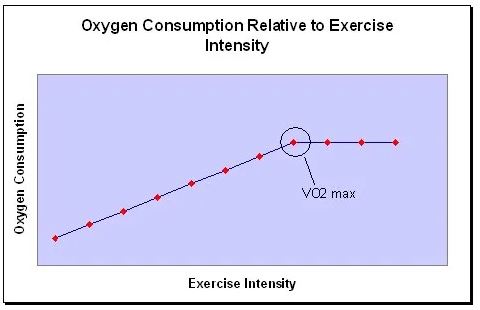
The correlation between oxygen consumption and exercise intensity is quite direct and substantial. When you start to exercise, your body’s metabolic rate – or energy consumption – increases. This surge in energy consumption necessitates a heightened delivery of oxygen to your cells, thus increasing your overall oxygen intake or VO2. Simply put, the harder you push yourself during a workout, the more oxygen your body craves.
During low to moderate-intensity exercise, the increase in your oxygen consumption is linear, matching stride for stride with the escalation in exercise intensity. However, when you approach the higher realms of intensity, the scenario changes slightly. Upon reaching peak exercise levels, your body’s oxygen needs to reach a plateau, not venturing further regardless of how forcefully you exert yourself. This peak is your VO2 Max: the maximum volume of oxygen your body can utilize during intensive exercise.
How are VO2 Max levels in athletes different from non-athletes?
Athletes, particularly those specializing in endurance sports, typically exhibit higher VO2 Max levels compared with non-athletes. The reason for this distinction lies in the physiological adaptations that athletes’ bodies undergo as a response to regular, intense training. These adaptations include an enhanced pumping capacity of the heart, a greater number of red blood cells, and better efficiency in using oxygen during high-intensity exercise. All these contribute to a higher VO2 Max in athletes.
Anyone who engages in continuous endurance activities, like long-distance running or cycling, encourages their body to increase its oxygen-processing capacities. This sort of training leads to the heart becoming stronger and able to pump more blood per beat. Thus, more oxygen is supplied to the working muscles. Additionally, endurance training boosts the production of red blood cells and hemoglobin which are crucial for carrying oxygen around the body.
On the other hand, aerobic capacity in non-athletes or less physically active individuals is generally lower due to less physiological stimulus for those adaptations. However, VO2 Max can also be improved through regular and specific types of training in these individuals.
It is important to note that while a higher VO2 Max is generally indicative of superior athletic potential, performance in athletes can be influenced by other factors including technique, mindset, and experience; suggesting that VO2 Max is not the sole determinant of athletic accomplishment.
What are the variables (factors) that influence VO2 Max?
Certain factors are essential in determining your maximal oxygen consumption rate. Inherent and external elements can affect the efficiency with which your body uses oxygen while exercising. Certain variables that influence VO2 Max include:
- Genetics/physiology: Your genetic makeup plays a pivotal role in your fitness level, and more specifically, your VO2 Max. It can determine how your body responds to exercise, the number of red blood cells you have, and how efficiently your muscles use oxygen. It also determines your muscle fiber composition, body size, muscle mass, body fat %, mitochondrial density, aerobic enzyme levels, capillary density, lung capacity, the viscosity of the blood, etc.
- Age: VO2 Max is known to decrease with age. As we grow older, the body’s ability to consume and utilize oxygen decreases, thereby reducing the VO2 Max level.
- Training: Your current fitness level and the intensity of your workouts impact your VO2 Max. Adopting a regular and rigorous training program can lead to improvements in VO2 Max as your body becomes more efficient at consuming oxygen.
- Body composition: Body composition, particularly body fat percentage, also influences VO2 Max. Lower body fat percentages can generally lead to higher VO2 Max scores because there’s less mass for the body to deliver oxygen to.
- Altitude: As altitude increases, oxygen levels in the atmosphere decrease, which can lower VO2 Max scores because it’s harder for the body to get the oxygen it needs.
- Exercise type: Examining the relationship between exercise type and VO2 Max, it’s clear that certain types of exercise have a significant impact on the body’s ability to maximize oxygen consumption. Boost your VO2 Max by partaking in high-intensity interval training (HIIT) and continuous endurance training such as jogging, cycling, or rowing. These activities are widely accepted methods for improving this crucial fitness marker.
Ways of expressing the VO2 Max
VO2 Max, a measure of aerobic capacity, is often expressed in two different ways – either as ‘mL/kg/min’ or as ‘L/min’. The former, ‘mL/kg/min’, describes the volume of oxygen (in milliliters) the body can consume per kilogram of body weight in one minute. The latter, ‘L/min’, indicates the absolute volume of oxygen (in liters) that a person can consume in one minute, regardless of body weight. Both expressions of VO2 Max are useful and can be utilized in different scenarios, based on group characteristics and fitness assessment needs.
For example, ‘mL/kg/min’ is often used when comparing individuals of different body sizes, such as in athletic performance testing, to account for the effect of body mass on oxygen consumption. On the other hand, ‘L/min’ can be employed in settings that are less concerned with body size or mass, such as testing for lung capacity or function.
However, in both cases, it is crucial to interpret the results in conjunction with other data points and in the context of the individual’s own unique physiology. Not to mention, the effectiveness of exercise programs or training regimens should be considered alongside VO2 Max results for a holistic evaluation of one’s fitness levels.
How to increase your VO2 Max? What exercises have the greatest impact?
Boosting your VO2 max is a question that often concerns fitness enthusiasts and athletes alike. The good news is that it’s possible to increase your VO2 max through dedicated training and exercises designed specifically to improve your body’s oxygen use during physical exertion.
The key to enhancing your VO2 Max mostly lies in high-intensity interval training (HIIT), inclusive of both aerobic and strength-training workouts. The great advantage of interval training is that more work is done in the same amount of time as in a traditional class (low-intensity steady-state cardio), offering such benefits as more caloric expenditure, more cardiovascular training, and more VO2 max training.
Therefore, these are some exercises that have a profound impact on your VO2 max:
- Interval Runs: These involve running at a fast pace for a set interval (training at around 90 to 95 percent of your maximum heart rate ), followed by a slow run or walk to recover before the next fast run.
- Circuit Training: This includes high-intensity aerobics and resistance training that push your aerobic and anaerobic systems.
- Fartlek Workouts: A blend of steady-state and high-intensity runs, these stimulate both sustained running and speed work, both effective in increasing VO2 max.
- Tabata Training: Involving 20 seconds of high-intensity exercise followed by 10 seconds of rest, repeated for 4 minutes, it’s excellent for improving VO2 max.
- Hill Workouts: By running or cycling up steep inclines, you put forward a great demand on your cardiovascular system, encouraging an increase in VO2 Max.
Exercises deemed to have a lower impact in improving VO2 Max often lack the intensity needed to sufficiently place stress on your cardiovascular system. Examples of such workouts include moderate walking, light jogging, and casual swimming. Lightweight strength training and exercise like Tai Chi or Yoga, while beneficial for overall health and flexibility, also fall into this category as they typically do not intensively push the aerobic capacity.
How can you find out your VO2 Max?
Estimating your maximal oxygen consumption rate can seem like a daunting process, but it’s easier than you might think. To do this, you have several options, which if applied correctly, can provide fairly accurate results.
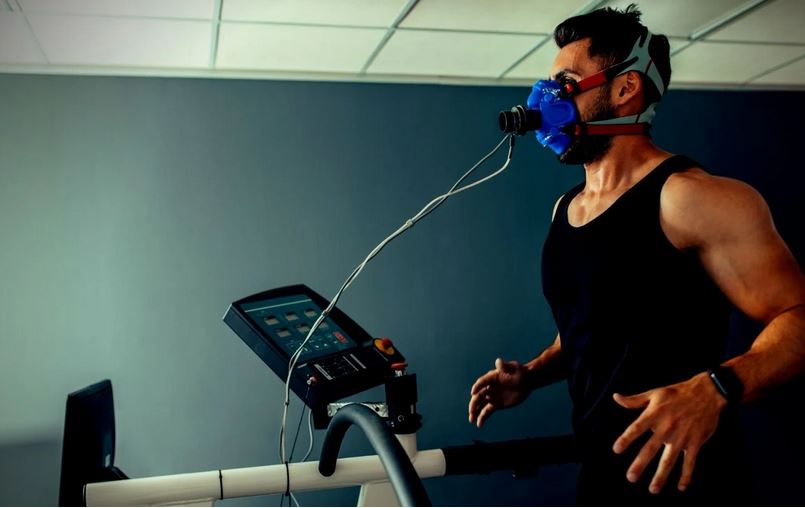
If you’re going the extra mile and seeking utmost precision, you can undergo a VO2 Max test in a lab setting, typically done on a treadmill or bike. This method involves equipment measuring your exhaled breath to determine the maximum amount of oxygen your body can consume during intense physical exertion. This way, you can obtain personalized results, which you can analyze independently or with the assistance of a coach. It’s a commitment, of course, but worth it if you want detailed insights into your cardiovascular fitness.
If visiting a laboratory isn’t feasible, don’t worry. You can calculate your VO2 Max with age, resting heart rate, and maximum heart rate. Remember, these estimates will be less precise, but they’re certainly better than nothing!
There are also other physical tests you can conduct to get an estimate of your VO2 Max. These include the Rockport Walk Test, the 1.5-mile Test, the Cooper VO2 Max Test, and the YMCA Cycle Ergometer Test. Each of these tests involves conducting specific physical activities and using the results to estimate your VO2 Max.
One more approach involves leveraging modern technology, like heart rate monitors, which estimate VO2 Max through mathematical models and heart rate data. All in all, these methods may not provide lab-grade precision but can certainly offer a robust starting point to assess and improve your cardiovascular fitness by tracking changes in your estimated VO2 Max as you train.
VO2 Max as a predictor of performance
For those seeking to gauge personal fitness or measure training effectiveness, VO2 Max has become a popular buzzword. But, can it be used as a reliable predictor of performance?
The simple answer is: it varies. VO2 Max holds a strong correlation with running performance, especially among athletes with varying degrees of training backgrounds. This makes it a useful predictive tool for cardio-intensive sports. It quantifies aerobic capacity, which, in layman’s terms, reveals how efficiently your body utilizes the oxygen it inhales during exercise, directly impacting your stamina and endurance.
However, this doesn’t hold as true in the profession of elite-level athletes. Amongst this group, the VO2 Max often falls short in determining race and competition outcomes. Instead, metrics like lactate threshold; your body’s capacity to clear lactate (a substance that builds up during intense exertion) from your blood, become more predictive of performance in endurance events.
That said, personalized VO2 Max test results can help you identify areas of improvement and tailor your training needs. So while it’s not the be-all and end-all predictor of performance, it’s certainly a number that carries some weight and insight.
Effects of aging on maximal oxygen consumption rate
You may not be thrilled to hear it, but age and VO2 Max are interconnected in a way you might not like. From your mid-twenties forward, that maximum oxygen consumption rate during physical exertion – your VO2 Max – incrementally gets smaller. The general rule of thumb suggests a decline of about 1% per year or 10% per decade after the age of 25. It’s a sobering fact, isn’t it?
However, you need to keep in mind that this decrease doesn’t necessarily doom you to a life of reduced physical ability. Sure, the raw VO2 Max number might change, but it doesn’t paint a full picture of you, your health, or your capabilities. Not only does continued fitness training impact the efficiency with which your body uses oxygen but also the right kind of exercise can help slow down that decrease rate.
So, while age is a non-negotiable factor that will affect your VO2 Max, it certainly isn’t the end-all and be-all. With a robust comprehension of your body, and a goal-targeted workout regime, you can still be an exceptional athlete – no matter what your birth certificate says.
How does maximal oxygen consumption rate (VO2 Max) alter with a change in altitude?
As you ascend beyond 1600 meters, your VO2 Max tends to decrease. Why is this? It boils down to the reduced oxygen pressure of thinner air at higher altitudes, which makes oxygen absorption by your body challenging. Even more interesting is that for every additional 1000 meters in height, your VO2 Max will fall further.
This drop in oxygen absorption limits the fuel available for intensive workouts or performances, effectively lowering your VO2 Max irrespective of your fitness levels at sea level. Since VO2 Max is a key marker of your body’s potential in physically demanding situations, this adaptation can negatively impact your capability for endurance or high-intensity training, especially if you are an athlete accustomed to training at lower altitudes.
However, spending extended periods at higher altitudes can initiate a series of physiological adaptations. This could include an increase in your red blood cell count and hemoglobin levels, allowing your body to utilize more of the available oxygen efficiently. But, remember, immediate exposure to high altitudes without time for adaptation may result in impaired physical performance due to a lower VO2 Max.
What’s the average VO2 Max for my age and gender?
VO2 Max values can widely vary depending on a person’s age and gender. Typically, women would have a relatively lower VO2 Max compared to men of the same age due to the differences in body composition, heart size, and hemoglobin levels. Here’s a general guideline:
| Age | Men (ml/kg/min) | Women (ml/kg/min) |
|---|---|---|
| 20-29 | 47-52 | 38-43 |
| 30-39 | 43-48 | 33-38 |
| 40-49 | 39-44 | 29-34 |
| 50-59 | 36-41 | 26-31 |
| 60+ | 33-38 | 24-30 |
Please note that these are averages and assume no significant health issues. Your maximal oxygen consumption rate levels could be higher or lower depending on various factors like training consistency, genetics, and overall lifestyle habits.
What is a good maximal oxygen consumption rate value?
| Athlete Category | VO2 Max (ml/kg/min) |
|---|---|
| Elite Male Endurance Athlete | 75-95 |
| Elite Female Endurance Athlete | 70-85 |
| Competitive Male Athlete | 65-75 |
| Competitive Female Athlete | 60-70 |
| Recreational Male Athlete | 50-65 |
| Recreational Female Athlete | 45-60 |
| Team Sport (Male) | 55-70 |
| Team Sport (Female) | 40-65 |
| Untrained | <45 |
Conclusion: Maximal oxygen consumption rate
In conclusion, your VO2 Max or maximum rate of oxygen consumption during exhaustive physical effort serves as an important benchmark of your overall physical fitness. Whether you’re an elite athlete or just an ordinary individual interested in understanding your fitness level, determining and monitoring your VO2 Max can provide valuable insights. Remember, however, that interpretation should focus on your own improvement rather than comparison with numerical standards. Though it takes considerable training to reach the upper VO2 Max thresholds, it requires less to maintain them. Endurance sports such as cross-country skiing are notable for yielding high VO2 Max levels, but running can also be effective. Overall, one must bear in mind the influence of factors like age, altitude, and individual differences when interpreting their VO2 Max. As always, consult with a fitness professional or healthcare provider when embarking on any new fitness regimen.
