



Introduction
Searching for the best cardio exercises for weight loss can quickly become confusing. One source tells you to run every day, another swears by HIIT, while someone else claims walking is all you need. With so many opinions online, it’s no surprise that many people feel stuck, frustrated, or unsure where to start.
The truth is simple: not all cardio exercises for weight loss work the same way, and not every form of cardio fits every body, lifestyle, or goal. What works brilliantly for one person may lead to burnout, joint pain, or zero results for another.
This guide exists for one apparent reason — to help you choose cardio exercises that actually support fat loss in the real world, not just on paper. As a fitness and conditioning coach, I don’t evaluate cardio based on hype or extreme claims of calorie burn. I look at how cardio affects consistency, recovery, muscle retention, long-term progress, and adherence — the factors that truly determine whether weight loss lasts.
Throughout 2025, my colleagues and I tested and evaluated a wide range of cardio approaches, both personally and through direct work with clients. Today, almost every client uses some form of structured cardio, fitness tracker data, or guided workouts. That gives us constant, real-life feedback — honest strengths, fundamental limitations, and practical results that no lab study can fully capture.
Instead of overwhelming you with technical jargon, this article focuses on clear explanations, proven strategies, and practical guidance. You’ll learn which cardio exercises for weight loss make sense for beginners, which work best for busy schedules, and which approaches often create more fatigue than results.
By the end of this guide, you’ll understand how to choose the best cardio exercises for weight loss based on your body, your goals, and your lifestyle — not trends, extremes, or unrealistic promises.
❤️ Coach’s Note: Making Cardio Your Ally (Not a Punishment)
From a coaching perspective, there’s a reason why January is both the most motivated and most frustrating month of the year. After weeks of holiday overeating, disrupted routines, and little movement, people feel the urge to “fix everything at once.” Cardio often becomes the chosen weapon — but used the wrong way, it quickly turns into punishment.
Every year, I see the same pattern with New Year’s resolutions: people start strong, train too hard, restrict too aggressively, and expect rapid results. When progress doesn’t match expectations, motivation collapses. Not because cardio failed — but because the plan was never sustainable.
This period right after the holidays is actually the perfect time to rebuild a healthier relationship with cardio. Not as a way to “burn off” food or chase guilt, but as a consistent tool that supports fat loss, energy levels, and long-term habits.
When cardio is approached intelligently — realistic volume, smart exercise selection, and paired with reasonable nutrition — it becomes a reliable ally instead of something you quit after a few weeks. The goal isn’t heroic effort. It’s consistency that still works in February, March, and beyond.
How Cardio Supports Weight Loss (The Big Picture)
Cardio is often presented as the primary tool for weight loss—but in reality, its role is more nuanced. Cardio supports fat loss by creating a sustainable calorie deficit, improving metabolic health, and reinforcing consistency. Misused, however, it can stall progress, increase fatigue, and even lead to rebound weight gain.
Understanding how cardio actually works in the context of fat loss is the difference between short-term results and long-term success.
Calorie Deficit Explained (Without the Confusion)
At its core, weight loss requires a calorie deficit—you must consistently expend more energy than you consume. Cardio exercises help by increasing total daily energy expenditure, making it easier to reach that deficit without extreme dietary restriction.
However, burning calories during a workout is not the same as driving fat loss over time.
There is an important distinction between:
- Burning calories in a single session
- Creating a sustainable weekly and monthly energy deficit
Many people overestimate how much fat loss a single cardio session produces, then subconsciously compensate by eating more or moving less afterward. When that happens, the theoretical calorie burn never translates into actual fat loss.
This is why cardio alone is rarely sufficient. Without appropriate nutrition, resistance training, and recovery, cardio becomes an inefficient tool rather than a solution.
Why Cardio Helps — But Isn’t Enough on Its Own
Cardio contributes to weight loss by:
- Increasing daily caloric expenditure
- Improving insulin sensitivity
- Enhancing cardiovascular fitness and work capacity
But cardio alone does not preserve muscle mass well. Over time, excessive cardio combined with insufficient strength training can reduce lean mass, lower resting metabolic rate, and make long-term fat loss harder.
The best cardio exercises for weight loss work with resistance training, not instead of it.
Cardio, Fat Loss, and Metabolism
Some forms of cardio appear to “work” quickly—but fail in the long term because of metabolic adaptation.
Your body is highly efficient at adapting to repeated stress. When you perform the same cardio at the same intensity week after week, your energy cost decreases. You burn fewer calories doing the same work, even though it feels just as hard.
This is one reason steady-state cardio often produces early results, only to plateau.
EPOC (Excess Post-Exercise Oxygen Consumption) is often overstated, but it still matters. Higher-intensity cardio—especially intervals—modestly increases post-exercise energy expenditure and places greater demand on the nervous system and musculature.
While EPOC alone will not drive fat loss, it contributes to:
- Higher total weekly energy expenditure
- Improved metabolic flexibility
- Better training efficiency
The key is not to chase exhaustion but to intelligently vary intensity, duration, and modality over time.
Why Repeating the Same Cardio Stops Working
When the body adapts to a predictable cardio pattern:
- Calorie burn decreases
- Hormonal stress increases
- Motivation and adherence decline
This is why variety matters. Rotating between different types of cardio exercises for weight loss—such as low-impact steady work, interval training, and sport-based movement—keeps the metabolic stimulus effective while reducing overuse injuries and mental burnout.
Cardio should evolve as your body evolves.

Types of Cardio Exercises for Weight Loss (What Actually Works)
When people search for the best cardio exercises for weight loss, they often assume there’s one superior option that works for everyone. In reality, effective fat loss comes from understanding different types of cardio and using them strategically — not randomly.
Cardio exercises can be broadly divided into three categories, each with a distinct role in a well-designed program.
Low-Intensity Steady-State Cardio (LISS)
Low-intensity steady-state cardio includes activities such as walking, incline treadmill walking, leisurely cycling, and light jogging. This type of cardio is performed at a conversational pace and can be sustained for longer durations.
From a coaching standpoint, LISS is one of the most underrated cardio exercises for weight loss. It places minimal stress on joints and the nervous system, supports recovery, and allows for frequent use without compromising strength training or muscle retention.
LISS works best when:
- Fat loss is the primary goal
- Stress levels are already high
- Recovery capacity is limited
- Consistency matters more than intensity
While it doesn’t burn calories as fast as high-intensity work, it excels at building long-term habits and increasing total weekly energy expenditure.
Moderate-Intensity Cardio
This category includes steady running, rowing, swimming, cycling, and fitness classes performed at a pace that elevates heart rate but remains sustainable.
Moderate-intensity cardio exercises for weight loss strike a balance between efficiency and recovery. They burn more calories per minute than LISS while remaining manageable for most people when performed 2–4 times per week.
This type of cardio is especially effective for:
- Individuals with a solid fitness base
- Those who enjoy structured cardio sessions
- People aiming to improve cardiovascular conditioning alongside fat loss
The key is volume control. Too much moderate-intensity cardio can quietly accumulate fatigue if recovery is ignored.
High-Intensity Interval Training (HIIT)
HIIT involves short bursts of intense effort followed by recovery periods. Sprint intervals, assault bike intervals, and circuit-style conditioning workouts fall into this category.
HIIT is often marketed as the best cardio for weight loss, but that claim is only partially valid. While HIIT is time-efficient and metabolically demanding, it also creates significant stress and requires careful programming.
HIIT works best when:
- Time is limited
- Conditioning is already decent
- Strength training volume is moderate
- Recovery and nutrition are dialed in
For many people, HIIT is most effective when used sparingly — not daily.
Sport-Based Cardio (The Overlooked Fat-Loss Tool)
Sport-based cardio includes activities such as football, basketball, tennis, martial arts, swimming, hiking, and recreational cycling. While often overlooked in traditional fitness plans, these exercises can be efficient for weight loss.
From a coaching perspective, sport-based cardio shines because it combines:
- Variable intensity (natural intervals)
- High energy expenditure
- Strong adherence and enjoyment
The most significant advantage is sustainability. People are far more likely to stay consistent with an activity they enjoy than with repetitive cardio sessions they dislike.
Sport-based cardio works best when:
- Motivation is a challenge
- Adherence matters more than precision
- Mental engagement is needed
- Fat loss is part of a lifestyle, not a short-term phase
The main limitation is control — intensity, duration, and progression are less precise than with structured cardio. That’s why sport-based cardio works best as a complement, not a replacement, for structured training.
❤️ Coach’s Note: Why No Single Cardio Type Wins
The most effective approach to weight loss combines different cardio exercises based on the individual’s lifestyle, recovery ability, and training background.
In real-world coaching, the best results rarely come from extremes. Instead, progress is built by blending lower-intensity cardio with occasional higher-intensity sessions—allowing the body to burn fat efficiently while staying consistent and injury-free.
In the next sections, we’ll move from theory to action and break down the best cardio exercises for weight loss, ranked by effectiveness, sustainability, and real-life results.
Cardio vs Strength Training for Weight Loss
When people search for the best cardio exercises for weight loss, they’re often asking a deeper question: Should I focus on cardio, strength training, or both? The honest answer—based on both physiology and real-world coaching—is that each plays a different role, and misunderstanding that role is where most people go wrong.
What Cardio Does Better
Cardio exercises shine when it comes to direct calorie expenditure. You move, you sweat, you burn energy—simple and immediate. This makes cardio incredibly intuitive, especially for beginners who want fast, tangible feedback.
Another significant advantage is accessibility. Walking, cycling, swimming, or using a cardio machine requires minimal technical skill. Almost anyone can start today, which lowers the barrier to entry and increases consistency—arguably the most crucial factor in fat loss.
There’s also a powerful psychological component. Many people feel a clear sense of completion after a cardio session. That “I did something today” feeling builds momentum, reinforces habits, and reduces the mental friction that often derails weight loss efforts.
However, cardio alone tends to solve only the short-term side of the equation.
Where Strength Training Wins
Strength training quietly handles the long game. While it may not burn as many calories per session, it protects lean muscle mass, which is critical during weight loss. Losing weight without preserving muscle often leads to a slower metabolism and a softer body composition.
Muscle tissue is metabolically active. The more of it you maintain, the higher your baseline energy expenditure remains over time. This is why people who rely only on cardio often hit plateaus—even while doing more work.
Then there’s the issue of appearance. Most people don’t just want to weigh less; they want to look leaner, firmer, and more athletic. Strength training shapes the body in ways cardio alone simply can’t.
❤️ Coach’s Note: The Optimal Combination
In practice, the most effective programs blend cardio exercises with structured strength training.
With clients, I typically anchor the week around 3–4 strength sessions, then layer in cardio based on recovery, lifestyle, and preferences. For example, one client used incline walking on non-lifting days to increase calorie burn without impacting recovery. Another relied on short HIIT sessions twice per week due to limited time, paired with full-body strength training.
The pattern is consistent: cardio drives the deficit, strength training protects the engine. When combined intelligently, they don’t compete—they amplify each other.
Best Cardio Exercises for Weight Loss
This is the core of this guide. When people search for the best cardio exercises for weight loss, they’re usually not looking for theory—they want to know what actually works, in the real world, with real bodies, busy schedules, and imperfect consistency.
Below are the cardio exercises I most often rely on in practice. Not because they look good on paper, but because they consistently help people create a calorie deficit, stay adherent, and lose fat without burning out.
Each option has strengths, limitations, and an ideal use case.
Running (Treadmill or Outdoors)
Running remains one of the most effective cardio exercises for weight loss because it requires a high energy demand. A realistic calorie burn for most adults ranges from 500–800 kcal per hour, depending on pace, body weight, and terrain.

The most significant advantage of running is efficiency: you burn a lot of calories in a relatively short time. It also improves cardiovascular fitness quickly and requires minimal equipment.

The downside is the impact and recovery cost. For beginners, heavier individuals, or those with joint issues, running can become limiting or lead to overuse injuries.
Coach tip: Use running as a tool, not a default. Two to three sessions per week, mixed with lower-impact cardio, deliver results without unnecessary wear and tear.
Brisk Walking (Underrated but Powerful)
Brisk walking is one of the most underrated cardio exercises for weight loss, yet it consistently delivers results—especially for beginners and long-term fat loss.
Calorie burn typically sits around 250–400 kcal per hour, but the magic lies in sustainability. Walking has low injury risk, minimal recovery demands, and can be done frequently, even daily.

This makes it incredibly effective for increasing total weekly energy expenditure, which matters more than single-session intensity.
Coach tip: incline walking or longer duration walks (45–75 minutes) often outperform short, intense sessions for clients who struggle with recovery or consistency.
Cycling (Stationary & Outdoor)
Cycling offers an excellent balance between calorie burn and joint friendliness. Most people burn 400–700 kcal per hour, depending on resistance, cadence, and terrain.

Stationary bikes are handy for controlled intervals, while outdoor cycling adds variety and mental engagement—important for adherence.
The main limitation is that cycling can underload the upper body and core if it’s the only form of cardio used.
Coach tip: Combine steady rides with short interval blocks. This improves fat loss while keeping sessions engaging and time-efficient.
Rowing Machine
The rowing machine is one of the most comprehensive cardio exercises for weight loss, engaging both the upper and lower body.
Calorie burn is high—often 500–800 kcal per hour—and the movement pattern builds strength endurance while improving cardiovascular capacity.

The drawback is the technique. Poor rowing form shifts stress to the lower back and reduces effectiveness.
Coach tip: keep sessions shorter (15–30 minutes), focus on powerful strokes, and prioritize form over pace. Quality beats volume here.
Jump Rope
Jump rope delivers one of the highest calorie burns per minute, often exceeding 10–12 kcal per minute for trained individuals.
It’s excellent for coordination, lower-leg stiffness, and conditioning, making it popular in boxing and combat sports.

However, it’s demanding. Ankles, calves, and feet need gradual exposure, and beginners may fatigue quickly.
Coach tip: Use a jump rope in short intervals—30 to 60 seconds—combined with rest or other movements. It’s a finisher, not a marathon tool.
Stair Climber / Incline Walking / Elliptical
Stair climbing and incline walking shift the workload toward the glutes and thighs, significantly increasing energy expenditure compared to flat walking.

The elliptical trainer is a joint-friendly cardio option that allows longer sessions with minimal stress on the knees and hips. Unlike most machines, it also engages the upper body through moving handles, increasing total muscle involvement and overall calorie expenditure.

Calorie burn commonly reaches 450–700 kcal per hour, with less joint stress than running.
The main challenge is cardiovascular fatigue—it feels more complicated than it looks.

Coach tip: Incline walking is one of my go-to tools for clients who want fat loss without impact. Consistent incline beats random intensity.
Swimming
Swimming is a full-body, low-impact option that burns 400–700 kcal per hour, depending on stroke and pace.
It’s ideal for individuals with joint pain, high body weight, or those recovering from injury. Water resistance also provides mild muscular engagement.

The downside is accessibility and skill level—not everyone swims efficiently enough to maintain intensity.
Coach tip: Interval-based swimming (laps with rest) produces better fat-loss results than slow continuous swimming.
Kettlebell Circuits (Hybrid Cardio)
Kettlebell circuits blur the line between cardio and strength training. When appropriately structured, they elevate heart rate while preserving muscle mass.
Calorie burn ranges from 400–600 kcal per hour, but the metabolic after-effect often extends beyond the session.
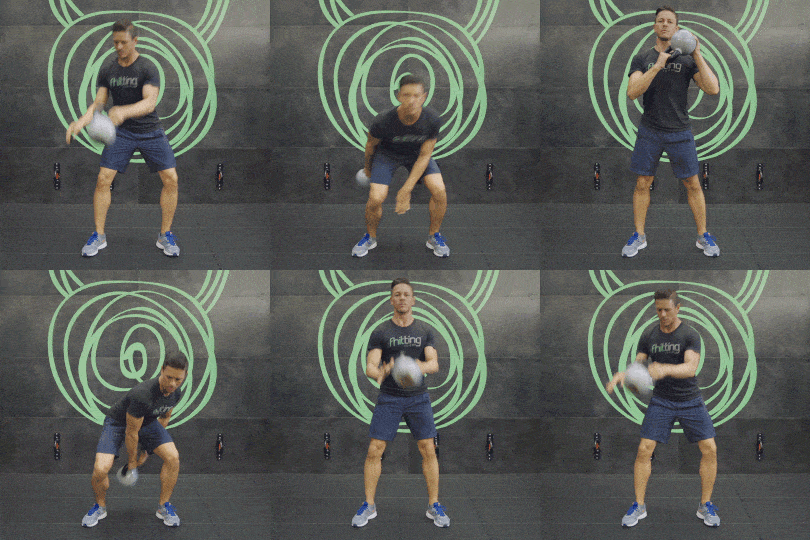
This is one of the most innovative cardio exercises for weight loss for people who want efficiency and body recomposition.
Coach tip: prioritize simple movements (swings, goblet squats, presses) and keep rest short. This is conditioning, not max strength work.
Battle Ropes
Battle ropes deliver brutal cardiovascular demand with minimal joint impact. They spike heart rate quickly and challenge the upper body in ways traditional cardio does not.
Sessions are typically short but intense, with calorie burn comparable to HIIT-style training.

The limitation is availability and fatigue—battle ropes are taxing and not meant for daily use.
Coach tip: Treat battle ropes as a metabolic finisher. Short bursts (20–40 seconds) at the end of a session are most effective for fat loss.
Minimal / No-Equipment At-Home Cardio
Not everyone has access to machines, outdoor space, or a gym—and that doesn’t disqualify you from using practical cardio exercises for weight loss. When programmed intelligently, bodyweight-based cardio can create a serious metabolic demand using nothing more than floor space and, optionally, a pair of sliders or a towel.
Exercises like jumping jacks and star jumps are deceptively practical. They elevate heart rate quickly, involve large muscle groups, and are easy to scale by tempo and volume. For beginners, they offer a simple entry point into cardio without technical barriers.
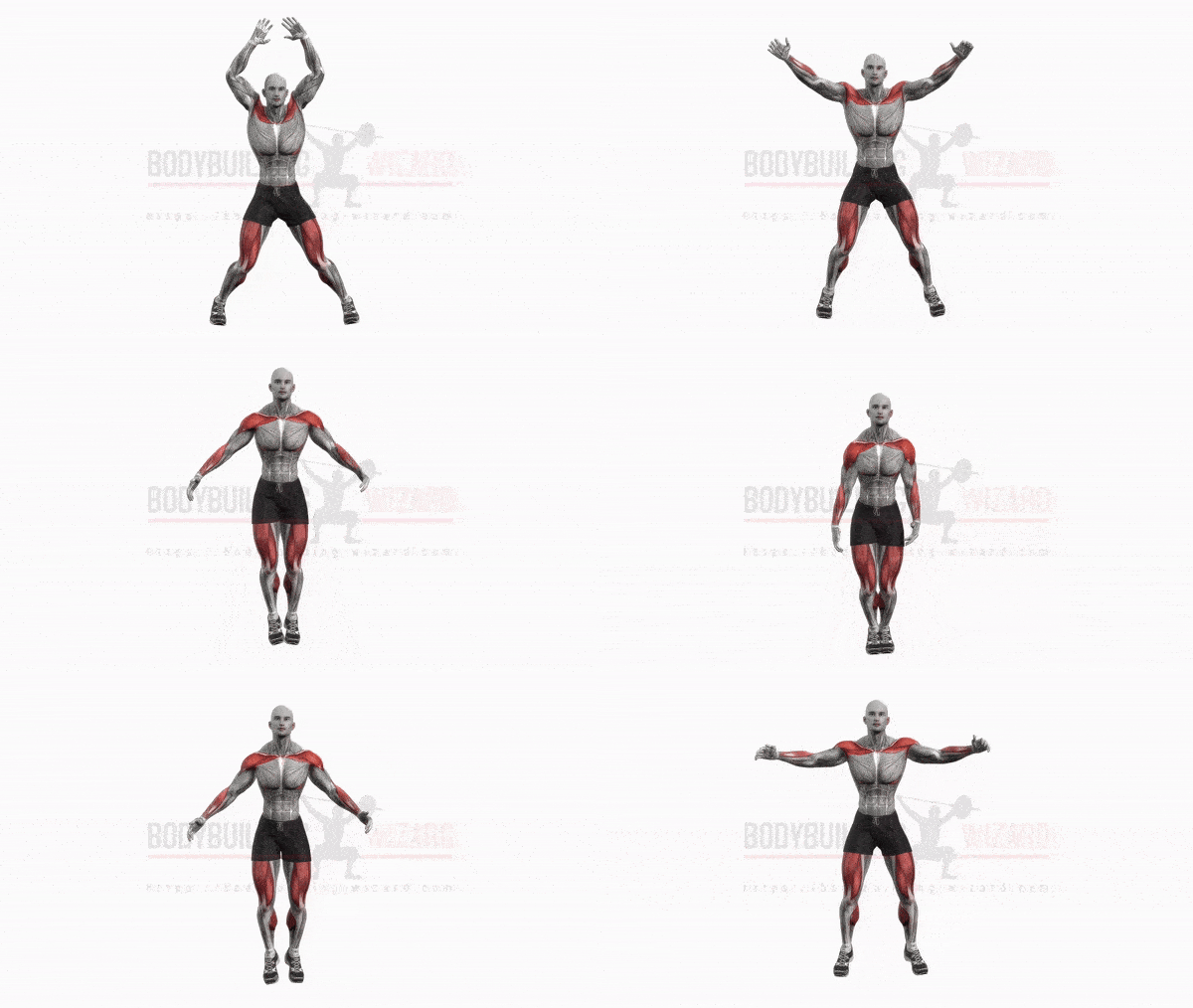
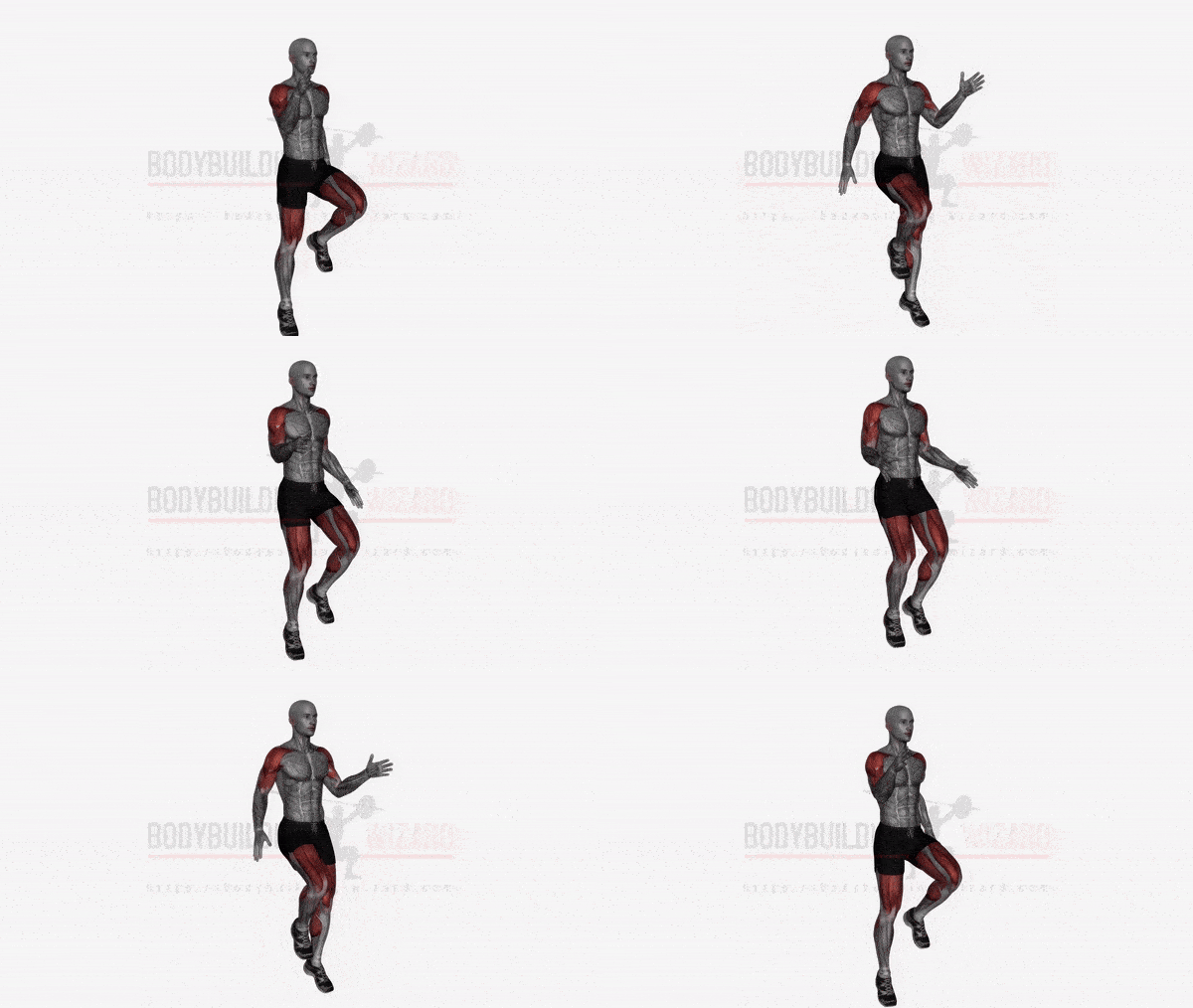
High knees and butt kicks increase intensity by demanding faster turnover and greater involvement of the hip flexors and hamstrings. Performed in short bursts, they mimic sprint-like cardiovascular stress while staying stationary—ideal for small spaces.
Mountain climbers, especially when done with sliders, add a core- and shoulder-stability component. This increases total muscular involvement and raises energy expenditure beyond what traditional steady cardio can offer. They also transition well into circuit-style training.

Burpees and frog jumps sit at the high end of the difficulty spectrum. They generate a rapid heart rate spike and significant fatigue, making them powerful tools—but also easy to overuse. These movements are best applied in controlled doses rather than long, sloppy sets.


Coach tip: At-home cardio works best in intervals. Combine 3–5 movements, perform each for 20–40 seconds, rest briefly, and repeat for 15–25 minutes. The goal isn’t exhaustion—it’s creating repeatable, sustainable intensity that supports fat loss without killing recovery.
This style of minimal-equipment cardio is especially valuable for consistency, which ultimately matters more than having the “perfect” setup.
Each of these options can be among the best cardio exercises for weight loss—when matched to the right person, goal, and context. The following section explains how to choose the right one for you, not just what looks good on a list.
Best Cardio Exercises for Different Goals
Not all cardio serves the same purpose. The best cardio exercises for weight loss depend heavily on where you’re starting from, how your body recovers, and how much time and energy you realistically have. Below is how I approach cardio selection in real coaching scenarios—goal first, tools second.
Best Cardio for Beginners
For beginners, the biggest mistake isn’t choosing the “wrong” cardio—it’s choosing too much, too soon.
What to avoid:
- High-impact HIIT right away
- Daily max-effort sessions
- Copying advanced routines from social media
Preambitious plans fail because beginners haven’t yet built tolerance—joint tolerance, cardiovascular tolerance, or recovery capacity. The nervous system gets overwhelmed long before fat loss becomes consistent.
The best cardio exercises for weight loss at this stage are simple, repeatable, and low-stress:
- Brisk walking
- Light cycling
- Incline treadmill walking
Consistency beats intensity here. If someone can’t imagine doing it for 8–12 weeks, it’s the wrong choice.
Best Cardio for Fast Fat Loss
“Fast” fat loss needs a reality check.
What’s realistic:
- A temporary increase in calorie expenditure
- Short phases of higher intensity
- Strategic use, not daily punishment
What isn’t:
- HIIT every day
- Expecting cardio alone to override poor recovery
- Treating exhaustion as progress
For faster results, cardio exercises work best when layered:
- 1–2 higher-intensity sessions per week (intervals, circuits)
- Supported by lower-intensity work on other days
Burnout happens when people chase speed without managing recovery. Fat loss stalls not because cardio “stopped working,” but because the body adapts defensively.
Best Low-Impact Cardio
This category matters more than people think—especially for:
- Knee or back sensitivity
- Older clients
- Higher body weight
- Long-term sustainability
Low-impact doesn’t mean low effectiveness. In fact, some of the most reliable cardio exercises for weight loss live here:
- Incline walking
- Elliptical training
- Cycling
- Swimming
These options reduce joint stress while allowing longer sessions and higher weekly volume—often resulting in better adherence and better results over time.
Best Cardio for Busy People
When time is limited, cardio must earn its place.
The sweet spot for most busy clients is 20–30 minutes, done with intent:
- Short interval blocks
- Fast walking with an incline
- Compact circuits that elevate heart rate without chaos
Practical advice:
- Schedule cardio like a meeting
- Pair it with strength training days when possible
- Avoid all-or-nothing thinking
For busy people, the best cardio exercises for weight loss are the ones that actually happen—not the ones that look perfect on paper.
Common Cardio Mistakes That Kill Weight Loss
Most people don’t fail at fat loss because they choose the wrong cardio. They fail because they repeat the same mistakes long enough to stall progress, burn out, or lose trust in the process. From a coaching perspective, these are the errors I see most often—and they quietly sabotage even the best cardio exercises for weight loss.
Doing Too Much Cardio
More is not better once recovery breaks down.
Excessive daily cardio raises fatigue, increases hunger, and often leads to muscle loss. The scale may drop at first, but progress rarely lasts. When cardio volume outpaces recovery, the body adapts by conserving energy—precisely the opposite of what you want for fat loss.
Eating Too Little to “Speed Things Up”
This is one of the fastest ways to stall results.
Undereating while increasing cardio leads to:
- Poor training performance
- Elevated stress hormones
- Reduced metabolic output
Weight loss becomes erratic, adherence drops, and fat loss slows. Cardio exercises for weight loss work with adequate nutrition, not against it.
Repeating the Same Cardio Every Day
The body adapts quickly to repeated stress.
Doing the same pace, distance, or machine daily reduces calorie burn over time and increases the risk of overuse. Variety isn’t for entertainment—it’s for continued adaptation. Rotating intensity, duration, or modality keeps cardio effective without needing more volume.
Ignoring Recovery Signals
Fat loss isn’t just about what you do—it’s about what you recover from.
Poor sleep, persistent soreness, declining motivation, and stalled strength are red flags. When recovery is ignored, cardio becomes counterproductive rather than supportive.
Trusting Watches and Calorie Numbers Too Much
Fitness trackers estimate—they don’t negotiate with physiology.
Chasing “calories burned” often leads people to compensate by eating more or pushing unnecessary volume. Real progress comes from trends over weeks, not numbers on a screen after a single session.
The takeaway is simple: Cardio supports weight loss only when it’s structured intelligently. When volume, food, recovery, and expectations are aligned, cardio becomes a powerful tool instead of a progress killer.
How Often Should You Do Cardio for Weight Loss?
There’s no universal “perfect” number of cardio sessions per week. The correct frequency depends on training experience, recovery capacity, and how cardio fits alongside strength training. When programmed correctly, cardio exercises support fat loss without draining energy or stalling progress.
Frequency
For beginners, 2–3 cardio sessions per week are ideal. This provides enough stimulus to increase calorie expenditure while allowing the body to adapt without excessive soreness or fatigue. At this stage, consistency matters far more than volume.
For intermediate trainees, 3–4 weekly sessions tend to work best. By now, the body tolerates more workload, and cardio can be distributed across different intensities (for example, one more extended low-intensity session and one slightly harder session).
For advanced individuals, frequency often rises to 4–6 sessions per week—but not all sessions are equal. Some may be short, recovery-focused, or embedded within conditioning work. High frequency only works when recovery, sleep, and nutrition are dialed in.
Duration
Beginners typically benefit most from 20–30 minute sessions. Longer workouts often lead to mental resistance and poor adherence early on.
Intermediate trainees can expand duration to 30–45 minutes, depending on intensity and modality. This range balances effectiveness with sustainability.
Advanced individuals may use a broader spectrum—from 15-minute high-intensity efforts to 60-minute low-intensity sessions—depending on goals and weekly structure. Duration becomes a tool, not a rule.
Intensity Balance
This is where most people go wrong.
Beginners should prioritize low- to moderate-intensity cardio. It’s easier to recover from, less intimidating, and builds a strong aerobic base.
Intermediate trainees benefit from a mixed approach: mostly low-intensity work with occasional higher-intensity sessions.
Advanced trainees must be strategic. Too much high-intensity cardio compromises recovery and strength. The most effective setups still rely heavily on lower-intensity work, with intense sessions used sparingly and purposefully.
The bottom line: cardio frequency should increase with experience—not urgency. Sustainable fat loss comes from matching effort to recovery, not from doing more as fast as possible.
Sample Cardio Plans for Weight Loss
Below are practical, real-world cardio plans I actually use when structuring fat-loss programs. These examples assume cardio is paired with regular strength training and adjusted based on recovery, not forced volume.
Beginner Cardio Plan (Week Example)
This plan is designed for people new to structured exercise or returning after a long break. The goal is habit formation, consistency, and recovery, not exhaustion.
- 3 cardio sessions per week
- Duration: 20–30 minutes each
- Intensity: Low to moderate
Example week:
- Day 1: Brisk walking (outdoors or treadmill), 25 minutes
- Day 3: Stationary bike or elliptical, 20–25 minutes
- Day 6: Incline walking or easy cycling, 30 minutes
At this stage, cardio should feel doable—even slightly easy. If someone finishes every session exhausted, adherence usually collapses within weeks. Progress comes from showing up, not pushing limits.
Intermediate Cardio Plan
For individuals who already train consistently and recover well, cardio can be layered more strategically to support fat loss without interfering with strength.
- 3–4 cardio sessions per week
- Duration: 30–45 minutes
- Intensity: Mostly low, one higher-intensity session
Example week:
- Day 1: Incline walking, 40 minutes
- Day 3: Cycling or rowing, 35 minutes
- Day 5: Short HIIT session (interval bike, jump rope), 20 minutes
- Optional Day 7: Light swim or long walk
Here, cardio starts to play a more active role in driving the calorie deficit, while still allowing strength performance to stay high.
Advanced / Hybrid Plan
This setup works best for experienced trainees who understand their recovery limits and track fatigue intelligently.
- 4–6 cardio exposures per week
- Duration: Varies by session
- Intensity: Structured balance
Example week:
- 2 low-intensity sessions (45–60 minutes walking or cycling)
- 1 moderate steady-state session (30–40 minutes)
- 1–2 short conditioning sessions (15–25 minutes: sleds, kettlebells, battle ropes)
At this level, cardio is used as a precision tool, not a blunt weapon. Low-intensity work handles volume, while brief high-intensity sessions preserve conditioning and metabolic flexibility.
Coaching Takeaway
The most effective cardio plans evolve with the individual. Beginners need confidence. Intermediates need structure. Advanced trainees need restraint. When cardio matches recovery and lifestyle, weight loss becomes predictable—and sustainable.
Cardio and Nutrition – What Most People Get Wrong
One of the biggest reasons people fail to lose weight—even while doing plenty of cardio—is poor nutritional alignment. Cardio can support fat loss, but it does not override basic physiology. When nutrition is mismatched, cardio quickly becomes frustrating, unsustainable, or counterproductive.
Cardio ≠ Permission to Overeat
A common mistake is treating cardio as a “calorie credit.” Someone burns 300 calories, then subconsciously eats 500 extra because they feel they’ve earned it. Over time, this erases the deficit.
Cardio should support a controlled nutrition plan, not justify looseness around food. Clients who succeed long-term view cardio as a consistent tool, not a bargaining chip in their diet.
Fasted Cardio – The Reality
Fasted cardio is often misunderstood. Yes, doing cardio without eating beforehand can increase fat oxidation during the session—but that does not automatically translate to greater fat loss over time.
For some people, fasted walking or low-intensity cardio feels great and improves adherence. For others, it increases fatigue, hunger, and poor training performance later in the day. The deciding factor isn’t science—it’s how your body responds and whether it helps you stay consistent.
High-intensity cardio in a fasted state, however, is rarely a good idea. It increases stress hormones and often backfires.
Protein and Recovery Matter More Than Timing
Many people focus obsessively on when they eat, while ignoring what they eat. Adequate protein intake is critical when combining cardio with weight loss. Without it, recovery suffers, muscle mass is more difficult to maintain, and metabolism slows over time.
Cardio increases energy expenditure—but recovery still requires building materials. Protein supports muscle preservation, hormonal balance, and appetite control.
Why Hunger Destroys Consistency
Extreme hunger is one of the fastest ways to sabotage weight loss. Too much cardio combined with too little food creates a cycle of restriction, cravings, binge episodes, and burnout.
The best fat-loss programs leave people slightly hungry at times—but never desperate. Sustainable progress depends on energy levels that allow you to train, move, and think clearly.
❤️ Coach’s Note: Cardio Can’t Outsmart a Bad Diet
From a coaching perspective, this is one of the hardest truths for people to accept: no amount of cardio can compensate for poor nutrition. You can undo an entire hour of cardio with just a few careless food choices. Not because cardio “doesn’t work,” but because energy balance always wins.
Many people fall into the trap of thinking that regular cardio gives them permission to eat more freely. That mindset might hold for a short time, but progress quickly stalls. In the best-case scenario, you maintain your weight. In most cases, fat loss simply never happens.
Pushing more and more cardio to offset overeating is not the solution. Long term, that approach leads to excessive fatigue, joint stress, cartilage wear, and burnout—especially when recovery and fueling are inadequate. Cardio should support your body, not slowly break it down.
In real-world coaching, cardio works best when nutrition is boring, consistent, and sufficient. When hunger is controlled and recovery is respected, cardio becomes a powerful ally instead of a constant fight.
Cardio From a Coach’s Perspective
From years of working with real clients—not lab subjects or perfectly disciplined athletes—one pattern keeps showing up again and again: the cardio that works best is the one people actually stick to. Results rarely come from the most extreme or “optimal” protocol on paper. They come from consistency, recovery, and realistic expectations.
What I see most often is that simple, repeatable cardio wins. Brisk walking, incline treadmill walking, cycling, rowing, and moderate steady-state cardio outperform aggressive HIIT plans in the long run—not because they burn more calories per minute, but because they can be sustained week after week without breaking the body or the mind. Clients who choose cardio don’t dread, show up more often, recover better, and progress faster.
There’s also a strong psychological component that’s often ignored. Cardio can either build momentum or create resistance. When someone feels punished by their cardio plan, adherence collapses. On the other hand, when cardio feels achievable—even on low-energy days—it reinforces identity: “I’m someone who moves consistently.” That mindset matters more than the specific machine or protocol.
Another recurring observation: people overestimate intensity and underestimate volume. They chase sweat and exhaustion instead of total weekly movement. Yet the clients who quietly accumulate steps, short cardio sessions, and non-exhaustive workouts are the ones who lose fat steadily without burning out.
In coaching practice, the goal is never to find the “hardest” cardio—it’s to find the most repeatable one. Simple plans reduce decision fatigue, lower injury risk, and leave room for strength training and life stress. When cardio fits naturally into someone’s routine, weight loss stops feeling like a constant battle and starts becoming predictable.
Conclusion
Trends, machines, or extremes do not define the best cardio exercises for weight loss—they’re defined by consistency, recovery, and real-life sustainability. Cardio works when it fits your lifestyle, supports your training, and aligns with your nutrition, not when it’s used as punishment or a shortcut.
When combined intelligently with strength training and a controlled diet, cardio becomes a powerful tool for fat loss, health, and long-term progress. Keep it simple, choose methods you can repeat week after week, and remember: the goal isn’t to do more cardio—it’s to do just enough, for long enough, to get lasting results.
✅ Key Takeaways: Cardio & Weight Loss
- The best cardio exercises for weight loss are the ones you can perform consistently without burning out.
- Cardio supports fat loss, but nutrition and strength training determine long-term results.
- Low-impact cardio (walking, cycling, elliptical) is often more sustainable than high-intensity methods.
- HIIT can accelerate results, but only when used sparingly and paired with proper recovery.
- Doing more cardio is not better—doing the right amount is.
- Strength training preserves muscle mass and metabolism while cardio helps create the calorie deficit.
- Simple, repeatable plans outperform complex routines in real-world fat loss.
- Tracking recovery, hunger, and energy matters more than chasing calorie numbers on a watch.
What are the best cardio exercises for weight loss?
The best cardio exercises for weight loss are those you can perform consistently while maintaining a calorie deficit. Brisk walking, running, cycling, rowing, and incline walking consistently deliver the best real-world fat loss results when paired with proper nutrition.
How often should I do cardio to lose weight?
Most people see optimal results with 3–5 cardio sessions per week. The exact frequency depends on fitness level, recovery capacity, and whether strength training is also part of the program.
Is cardio or strength training better for weight loss?
Cardio helps create a calorie deficit, while strength training preserves muscle and supports long-term metabolism. For sustainable weight loss, combining both is far more effective than relying on either alone.
How long should cardio workouts be for fat loss?
Effective cardio workouts for weight loss typically last between 20 and 45 minutes. Longer sessions are not automatically better and can increase fatigue and injury risk if recovery and nutrition are poor.
Is walking enough cardio for weight loss?
Yes, brisk walking is one of the most underrated cardio exercises for weight loss. When done regularly and combined with proper nutrition, it can produce steady fat loss with minimal joint stress.
What is the best low-impact cardio for weight loss?
Low-impact options like incline walking, cycling, swimming, and elliptical training are ideal for people with joint issues or beginners. These exercises allow consistent calorie burn without excessive strain.
Does fasted cardio help with weight loss?
Fasted cardio does not automatically increase fat loss. Total calorie balance over time matters far more than whether cardio is done fasted or fed. For many people, fed cardio improves performance and consistency.
Can you do too much cardio when trying to lose weight?
Yes. Excessive cardio combined with insufficient calories can stall fat loss, increase injury risk, and harm recovery. More cardio is not always better—strategic cardio is.
Why does cardio stop working for weight loss over time?
Cardio often stops producing results when calorie intake rises, intensity never changes, or recovery is ignored. The body adapts quickly to repetitive cardio without progressive planning.
What cardio mistakes prevent weight loss results?
The most common mistakes include relying only on calorie trackers, doing the same cardio every day, eating too little protein, and using cardio to compensate for poor nutrition rather than supporting a structured plan.
