



The bench press is a staple exercise for anyone seeking to build upper body strength. However, have you ever felt that twinge or persistent soreness in your wrist after an intense bench press session? You’re not alone. Wrist pain and severe wrist injuries during and after bench press exercises are common complaints, but understanding how they happen and how to prevent them can make all the difference in your workout routine.
In this article, we’ll explore how exactly the bench press may cause wrist discomfort and injury, share essential tips to protect your wrists, and guide you through methods to alleviate pain if it occurs.
Bad wrist pain or injury can keep you away from the gym for a long time. This can be tough for those who love working out regularly.
As someone who’s spent years gaining experience in weightlifting, I can relate all too well—I’ve encountered wrist pain more times than I’d like to admit.
How the Bench Press Causes Wrist Pain or Injury
What are the common causes of wrist injuries during bench press? Understanding the exact mechanics of the bench press and the potential stress it places on the wrist can shed light on the origins of this discomfort.
1. Poor Form and Technique
One of the primary reasons individuals experience wrist pain during the bench press is improper form. When the wrists are not aligned correctly, excessive strain is placed on the wrist joints. Common mistakes include:
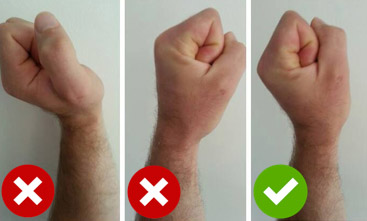
- Wrist Bending: Allowing the wrists to bend backward (extension) can increase the risk of injury. When the wrists are excessively bent backward, it places undue stress on the joint and can lead to strains or sprains. Maintaining a neutral wrist position, where the wrist is aligned with the forearm, helps distribute the weight more evenly and reduces the risk of injury.
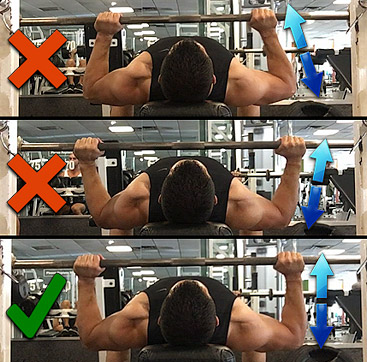
- Narrow Grip: Using a too-wide or too-narrow grip can also contribute to wrist injuries. A grip that is too wide can cause the wrists to rotate outward excessively, while a too narrow grip can lead to inward rotation. Both scenarios can place additional stress on the wrists, increasing the likelihood of injury.

- Elbow Position: Allowing the elbows to flare out excessively can alter the weight distribution and increase wrist strain.
2. Lack of Wrist Mobility and Strength
Wrist injuries can also stem from a lack of mobility or strength in the wrist joint. Individuals who do not engage in wrist-specific exercises may have limited range of motion, making them more susceptible to injuries during weightlifting.
3. Overloading Weights
Another substantial factor contributing to wrist pain during the bench press is lifting weights that are too heavy. Wrist injuries from bench pressing are more common in individuals lifting over 80% of their one-rep max. Overloading can lead to compromised form and excessive strain on the wrist, resulting in injury. Gradually increasing weight and ensuring proper form can help mitigate this risk.
4. Existing Injuries or Conditions
Those with prior wrist injuries or chronic conditions such as tendonitis or carpal tunnel syndrome may find that bench pressing exacerbates their symptoms. It is essential for individuals with such pre-existing conditions to approach bench pressing with caution.
5. Using Smith-machine for benching
The Smith machine, while providing stability and safety for solo lifters, unfortunately, can compromise natural body mechanics. Since the bar moves along a fixed path, your wrists are forced into unnatural positions they wouldn’t be in when using free weights. This restriction can lead to excessive stress on your wrist joints, increasing the risk of pain or injury. Furthermore, because the bar is stabilized for you, it can encourage lifting heavier weights than your wrists could comfortably handle otherwise. This overloading, paired with the lack of ability to adjust hand positioning naturally, can contribute to wrist injuries during the bench press.
How to Avoid Wrist Pain or Injury During Bench Press Exercise
So, do we have some solutions? Yes. Preventing wrist pain during bench pressing is a piece of cake with the proper techniques and practices. Here are several tips to help avoid injury:
1. Focus on Proper Technique
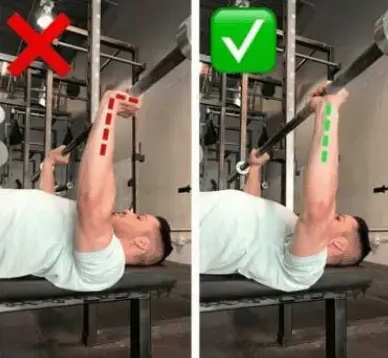
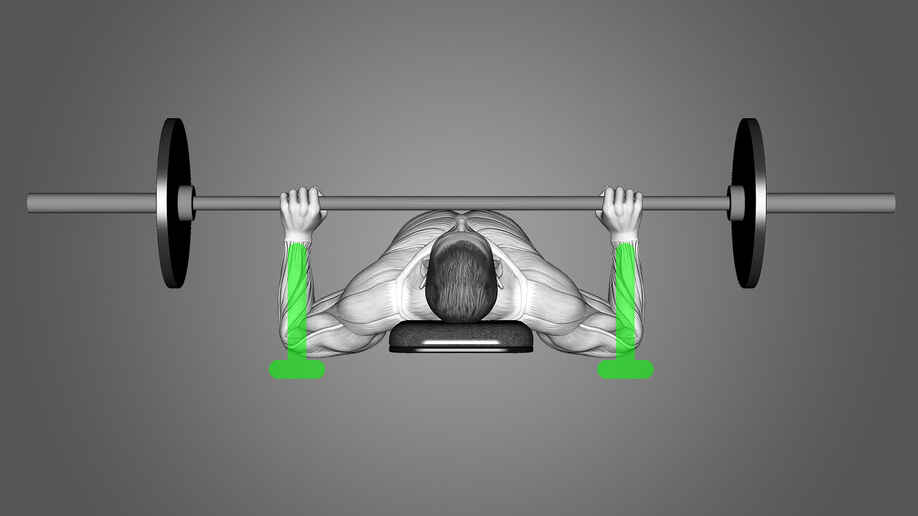
- Grip Width: Ensure that your grip is shoulder-width apart or slightly wider. This alignment helps distribute weight evenly across the shoulders and wrists. A moderate grip, where your forearms are perpendicular to the floor at the bottom of the lift, can help maintain wrist stability and reduce strain.
- Neutral Wrist Position: Maintain a neutral wrist position throughout the lift. The wrists should be straight and aligned with the forearms. This alignment helps distribute the weight evenly across the wrist joint, reducing stress and potential for injury.
- Elbow Angle: Keep your elbows at about a 45-degree angle to your body during the lift. This position helps reduce strain on the wrists.
2. Warm-Up and Stretch
Before bench pressing, it is crucial to warm up the wrists properly. Incorporate dynamic stretches to enhance mobility, such as:
- Wrist circles
- Palm stretches
- Flexor and extensor stretches
3. Build Wrist Strength
Incorporating wrist strengthening exercises into a regular training regimen can significantly reduce the risk of injury. Some practical exercises include:
- Wrist curls: Use light weights to perform wrist curls in both directions.
- Wrist rollers: A wrist roller can build endurance and strength in the wrist flexors and extensors.
- Grip trainers: Using grip trainers can improve overall wrist strength and grip stability.
4. Use Proper Equipment
Utilizing the right equipment can make a significant difference in preventing wrist pain. Here are a few recommendations:
- Wrist Wraps: Using wrist wraps can provide additional support and stability during heavy lifts, preventing excessive wrist bending. Made from elastic materials, wrist wraps can be adjusted for tightness, offering customizable support that can help prevent injuries.

- Bench Press Bar: Consider using a thicker barbell or a specialty bar designed to reduce wrist strain. These bars can provide a more comfortable grip.
5. Gradually Increase Weights
Instead of jumping into heavy lifts, individuals should gradually increase the weight they lift. This progressive overload approach allows the body to adapt to increased stress without risking injury.
6. Using Dumbbells Instead of a Barbell
Unlike barbells, which lock your hands and wrists into a fixed position, dumbbells allow for a more natural and flexible grip. This means less strain, as you can maintain a neutral wrist position, aligning your wrists with your forearms and reducing the risk of injury.
Dumbbells also encourage a full range of motion, allowing your wrists to move freely. This can enhance muscle activation and diminish the tension felt in your joints. For those already dealing with wrist pain or recovering from an injury, they’re a gentler option that can help you continue to work out without exacerbating your discomfort.
7. Avoiding Smith Machine
Smith machines might seem like a safer alternative due to their guided motion. However, this fixed path limits your natural movement and can exacerbate wrist pain. By avoiding the Smith machine, you opt for a free-weight bench press that allows your wrists to move more freely and naturally. This flexibility can help reduce strain on your wrists, ultimately minimizing the risk of discomfort or injury.
8. Take Rest Days
Rest is vital for recovery and injury prevention. Adequate rest days between bench press sessions allow the wrists to recuperate and help prevent overuse injuries.
How can you identify early signs of wrist injury during workouts?
- Pain or Discomfort: Notice if you experience sharp or dull pain while performing bench presses. Consistent discomfort during or after the exercise is a red flag.
- Swelling or Stiffness: Check for any signs of swelling or stiffness in the wrists post-workout. It might indicate inflammation and should not be ignored.
- Reduced Range of Motion: Assess your wrist’s ability to move freely. Difficulty in rotating or bending your wrist might suggest an impending injury.
- Weak Grip: Pay attention to your grip strength. A sudden weakness in your grip might be an early indication of a wrist injury.
- Tingling or Numbness: Be alert for any unusual sensations, such as tingling or numbness in the hands or fingers, which can stem from wrist issues.
- Clicking or Popping Sounds: Listen for unexpected sounds coming from your wrist during movement. These sounds can indicate an underlying issue.
What to Do If You Injure Your Wrist
Despite all preventive measures, injuries can still occur. Wrist injuries account for about 20% of all upper body injuries in weightlifting. Knowing how to respond to a wrist injury is crucial for recovery.
1. Stop the Activity
The first step upon feeling pain is to stop the exercise immediately. Continuing to lift can exacerbate the injury and lead to more serious complications.
2. Apply the R.I.C.E. Method
To manage wrist pain, consider using the R.I.C.E. method, which stands for Rest, Ice, Compression, and Elevation:
- Rest: Avoid using the injured wrist as much as possible.
- Ice: Apply ice for 15-20 minutes every hour as needed to reduce swelling.
- Compression: Use a compression bandage to help minimize swelling.
- Elevation: Keep the wrist elevated above heart level to reduce inflammation.
3. Seek Medical Attention
If the pain persists or worsens, it is essential to seek medical attention. A healthcare professional can diagnose properly and recommend further treatment options, including physical therapy if necessary.
4. Gradual Return to Activity
Once the wrist has healed, returning to bench pressing should be a gradual process. Start with lighter weights and focus on maintaining proper form. Incorporating wrist-specific exercises during the rehabilitation phase can aid in recovery.
5. Listen to the Body
Finally, it is crucial to listen to the body. If any pain or discomfort arises during bench pressing, addressing it immediately rather than pushing through is essential.

Conclusion: Wrist Injuries During Bench Press
Wrist pain and wrist injuries during the bench press are common issues that can arise from various factors, including improper technique, lack of strength, and overloading weights. However, individuals can significantly reduce the risk of wrist injuries by focusing on proper form, warming up, gradually increasing weights, and utilizing the right equipment.
Understanding how to manage pain and seek appropriate care can facilitate a quicker recovery in the event of an injury. With the right approach, fitness enthusiasts can continue to enjoy the benefits of bench pressing while minimizing the risk of wrist pain and injury.
