


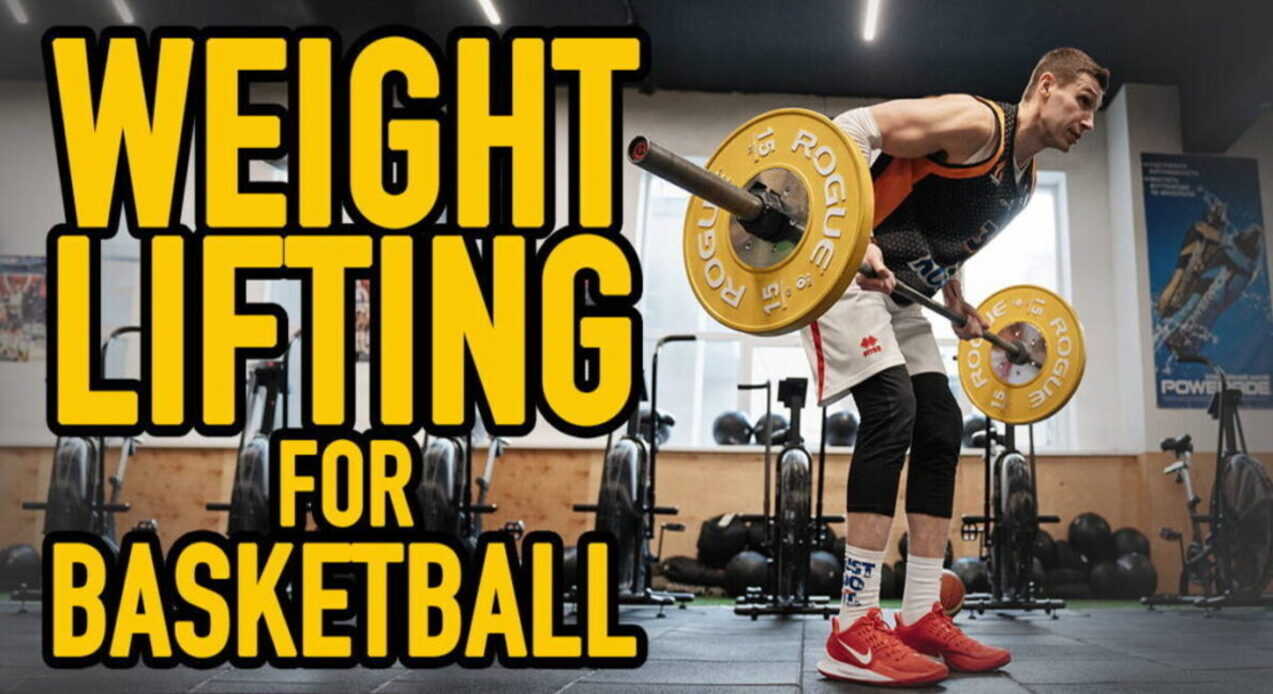
Basketball is a sport that demands both speed and strength. To shine on the court, you have to do more than just practice your shooting skills, you also need to amp up your strength training regimen. With a targeted approach to your workouts, even the most challenging opponents can be tackled head-on.
Strength training isn’t about bulking up. It’s all about enhancing your performance on the court through increased power, speed, and endurance.
Whether you’re a point guard, a power forward, or a center, strength training exercises tailored for basketball players can take your game to new heights. From improving your jump shot accuracy to boosting your defensive abilities, a solid strength training program is crucial. In this article, we’ll embark on a journey to uncover the best strength exercises for basketball players, efficient workout plans, and invaluable training tips. Dive in and empower your game to score those crucial game-winning points!
What are the essential components of a basketball player’s workout plan?
- WARM-UP. The first essential component of a basketball player’s workout plan is a comprehensive warm-up. This should include dynamic stretches and light cardio to prepare the body for the workout ahead. It’s crucial to raise the heart rate and increase blood flow to the muscles to prevent injuries.
- Next, STRENGTH TRAINING is a key part of any basketball workout plan. This should focus on both upper and lower body strength, as well as core stability. Exercises like squats, lunges, deadlifts, bench presses, and planks are all beneficial. It’s important to use proper form and technique to maximize gains and prevent injuries.
- EXPLOSIVE POWER TRAINING is another vital component. This can be achieved through plyometric exercises such as box jumps, burpees, and power cleans. These exercises help to improve jumping ability and quickness, which are critical skills in basketball.
- AGILITY AND SPEED TRAINING should also be incorporated into a basketball player’s workout plan. This might include drills like ladder runs, cone drills, and shuttle runs. These exercises improve a player’s ability to change direction quickly and efficiently.
- ENDURANCE TRAINING is also crucial for basketball players. This can include both cardiovascular exercises like running or cycling and muscular endurance exercises like high-repetition weight training. This helps players maintain a high level of performance throughout the entire game.
Developing as a basketball player involves refining numerous physical capabilities. Key elements such as explosive power, agility, speed, and endurance all form important parts of the overall training process. However, in this article, our aim is to shed light only on one specific component that is equally paramount – strength training. Let’s delve into the significance and methods of this core aspect of a basketball player’s workout plan.
What are the most effective strength training exercises for basketball players?
When it comes to basketball, strength training plays a crucial role in amplifying a player’s performance. The right exercises can boost your endurance, improve your muscle definition, and enhance your gameplay. Let’s dissect the most powerful strength training exercises that every basketball player should incorporate into their routine.
- SQUATS. This exercise targets the quadriceps, hamstrings, and glutes, which are crucial for jumping and running on the court. Squats can be performed with a barbell, dumbbells, or just body weight, depending on the player’s current strength level.
- DEADLIFTS. This compound movement works the entire posterior chain, including the hamstrings, glutes, and back muscles. Deadlifts help improve overall strength and stability, which are essential for maintaining balance during the game.
- BENCH PRESS. The bench press is also a valuable exercise for basketball players. It targets the chest, shoulders, and triceps, which are used when passing and shooting the ball. The bench press can be performed with a barbell or dumbbells, and it’s important to use a weight that allows for proper form and full range of motion.
- LUNGES. Lunges are another great exercise for basketball players. They target the quadriceps, hamstrings, and glutes, and also help improve balance and coordination. Lunges can be performed with body weight, dumbbells, or a barbell.
- PULL-UPS. Pull-ups are a fantastic exercise for developing upper body strength, particularly in the back and arms. They’re essential for basketball players as they help improve rebounding and blocking shots.
- CORE EXERCISES. Core exercises such as Planks and Russian Twists, are also important for basketball players. A strong core helps with balance, stability, and power in movements like jumping and shooting.
- PLYOMETRIC EXERCISES. Plyometric exercises like Box Jumps and Broad Jumps are beneficial for improving explosive power, which is crucial for quick movements on the court. These exercises train the muscles to exert maximum force in short intervals of time, which can help improve a player’s speed and agility.
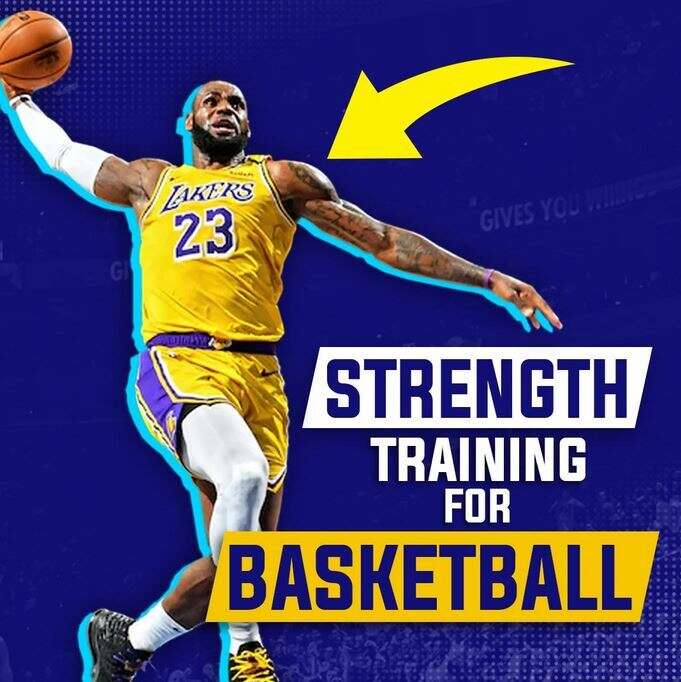
How does strength training specifically benefit basketball players?
Strength training is a crucial component of a basketball player’s overall conditioning program. It offers numerous benefits:
- IMPROVED PERFORMANCE ON THE COURT. By building muscle strength, players can increase their power for crucial movements like jumping, sprinting, and changing direction quickly. This can result in higher jumps for rebounds, faster breaks down the court, and more agile defensive maneuvers.
- INJURY PREVENTION. By strengthening the muscles, tendons, and ligaments, players can better withstand the physical demands of the game, reducing the risk of common basketball injuries like sprains, strains, and stress fractures. This is particularly important for the knees and ankles, which are often vulnerable in basketball due to the high-impact nature of the sport.
- ENHANCED ENDURANCE. As their muscles become stronger, they can perform at a high level for longer periods. This means that they can maintain their performance level throughout the entire game, which can be a significant advantage, especially in closely contested matches.
- IMPROVED BALANCE AND STABILITY. This is crucial in basketball, where maintaining control of your body during quick movements is key. A stronger core, for example, can help a player keep their balance during a drive to the basket or when boxing out an opponent for a rebound.
- AMPLIFIED MENTAL TOUGHNESS. The discipline and consistency required in a strength training program can translate to increased focus and determination on the court. This mental edge can be just as important as physical strength in high-pressure game situations.
Research studies reveal that a dedicated strength training regimen specifically curated for basketball players can enhance agility, reduce injury risks, and offer pivotal support in all those on-court scuffles.
Pro tips for enhancing a basketball player’s strength training routine
- FOCUS ON COMPOUND EXERCISES. These exercises, such as squats, deadlifts, and bench presses, work multiple muscle groups at once, providing a more efficient and effective workout. They also mimic the movements used in basketball, helping to improve performance on the court.
- INCORPORATE PLYOMETRIC EXERCISES INTO THE ROUTINE. Plyometrics, such as box jumps or power skips, help to improve explosive power, a crucial aspect of basketball. These exercises can help a player jump higher, run faster, and stay agile on the court.
- PERIODIZATION. This involves varying the training program at regular intervals to prevent the body from adapting to a certain type of stress. For example, a player might focus on building strength during the off-season, power during the pre-season, and maintenance during the season.
- PROPER NUTRITION AND HYDRATION. Athletes should ensure they are consuming enough protein for muscle repair and growth, carbohydrates for energy, and healthy fats for overall health. Staying hydrated is also important, as dehydration can lead to decreased performance and increased risk of injury.
- ADEQUATE REST AND RECOVERY. Overtraining can lead to decreased performance and increased risk of injury. Athletes should ensure they are getting enough sleep and taking rest days as needed. Incorporating active recovery, such as light cardio or stretching, can also help to promote recovery and prevent injury.
What is the recommended frequency and intensity of strength training for basketball players?
Strength training frequency
The recommended frequency of strength training for basketball players largely depends on the time of year and the player’s individual needs. However, a general guideline is to engage in strength training 2-3 times per week during the off-season. This allows for ample recovery time between sessions, which is crucial for muscle growth and injury prevention.
During the in-season, the frequency may decrease to 1-2 times per week. This is because the focus shifts towards maintaining the strength gains made during the off-season, while also ensuring the player is not overly fatigued for games. It’s important to note that the frequency should be adjusted based on the player’s response to the training load, their overall physical condition, and the demands of their position on the court.
Strength training intensity
In terms of intensity, basketball players should aim for a moderate to high intensity during their strength training sessions. This typically means lifting weights that are about 70-85% of their one-repetition maximum (1RM). This intensity level helps to build both strength and power, which are key attributes for basketball players.
However, it’s crucial that the intensity is adjusted based on the player’s fitness level, training experience, and the phase of the season. For instance, the intensity may be higher during the off-season when the focus is on building strength, and lower during the in-season when the aim is to maintain strength.
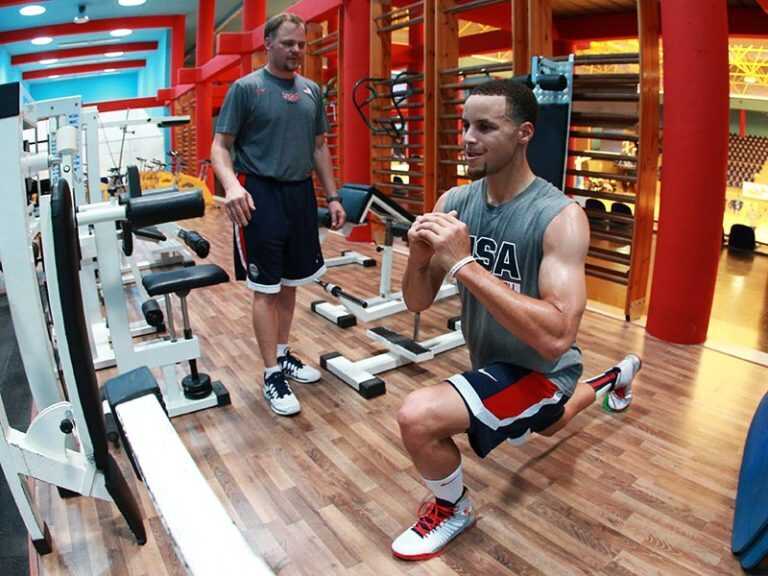
One-month strength training workout plan for a basketball player
With balls bouncing and shoes squeaking, you’re ready to enhance your basketball performance with a top-notch strength training program. Substantial focus is given to muscles that are critically engaged during basketball games, such as the legs, core, and upper body. Let’s delve into our one-month comprehensive strength training program. Each workout will consist of at least four exercises, primarily focused on using weights and compound exercises to maximize your gains.
Week 1: Building a Base
We start with foundational strength workouts to enhance your body’s resilience and ability. Every session introduces the key moves.
- Day 1 & Day 3: Squats – 3 sets of 12, Bench Press – 3 sets of 12, Bent-Over Row – 3 sets of 12, and Deadlift – 3 sets of 10, Barbell Hip Thrust – 3 sets of 12
- Day 2 & Day 4: Overhead Press – 3 sets of 12, Pull-Ups – 3 sets of 10, Lunges – 3 sets of 12 per leg, and Dumbbell Rows – 3 sets of 12.
Week 2: Introducing plyometrics
This week we bring in plyometric exercises to increase your explosive strength, essential for those high jumps and quick sprints on the court.
- Day 1 & Day 3: Cleans – 3 sets of 10, Push Press – 3 sets of 10, Jumping Squats – 3 sets of 15, and Burpees – 3 sets of 15.
- Day 2 & Day 4: Box Jumps – 3 sets of 15, Kettlebell Swings – 3 sets of 15, Medicine Ball Slams – 3 sets of 15, and Goblet Squats – 3 sets of 12.
Week 3: Increasing Intensity
Let’s ramp up the intensity with fewer reps, but more weight. This will help your muscular strength and endurance.
- Day 1 & Day 3: Front Squat – 4 sets of 8, Incline Bench Press – 4 sets of 8, Pendlay Rows – 4 sets of 8, and Romanian Deadlift – 4 sets of 8, Barbell Hip Thrust – 3 sets of 12
- Day 2 & Day 4: Military Press – 4 sets of 8, Weighted Pull-ups – 4 sets of 8, Step-ups – 4 sets of 8 per leg, and One Arm Dumbbell Rows – 4 sets of 8.
Week 4: Combination and Sports-specific exercises
In the final week, we combine strength training with sports-specific movements. This balance will ensure maximum on-court performance.
- Day 1 & Day 3: Deadlift to Clean – 3 sets of 10, Push Press to Overhead Squat – 3 sets of 10, Kettlebell Swing to Goblet Squat – 3 sets of 10, and Med Ball Slam to Jump – 3 sets of 10.
- Day 2 & Day 4: Thrusters – 3 sets of 10, One-Leg Box Jumps – 3 sets of 10, Weighted Walking Lunges – 3 sets of 10, and Dumbbell Snatches – 3 sets of 10.
Through this program, you’ll build strength, agility, and the stamina necessary to outperform your rivals. Remember, good form is crucial for effectiveness and safety. So, always warm up before your sessions and stretch afterward. And don’t forget, push yourself, but always listen to your body. You’re in this for the long haul. Good luck, and let’s win some games!
Conclusion about the role of strength training for basketball players
In closing, it’s crystal clear that strength training is a crucial aspect to excel in the game of basketball. It’s not only about building those muscles but enhancing your overall physical prowess, boosting agility, improving endurance, and fine-tuning those basketball-specific skills. An effective strength-training program specially tailored for basketball will play a key role in boosting your on-court performance and advancing your game to the next level. But remember, it’s not just about training hard—it’s also about training smart. So make sure your routine is well-rounded, diverse, and aligned with your personal goals. And most importantly, never stop pushing your limits and seeking improvement, because in the game of basketball—as in life—it’s the progress that truly matters. Happy training!
Lastly, it’s important to remember that strength training should be complemented by other forms of training such as conditioning, agility drills, and sport-specific skills practice. This ensures a well-rounded fitness program that not only enhances performance on the court but also reduces the risk of injury.
Literature consulted:
- “Relentless: From Good to Great to Unstoppable” by Tim S. Grover
- “Jump Attack: The Formula for Explosive Athletic Performance, Jumping Higher, and Training Like the Pros” by Tim S. Grover
- “Strength Training for Basketball” by the National Strength and Conditioning Association
- “ProBodX: Proper Body Exercise: The Path to True Fitness” by Marv Marinovich and Edythe M. Heus
- “Strength Ball Training” by Lorne Goldenberg and Peter Twist
FAQ about strength training for basketball
What muscles should basketball players focus on in strength training?
As a basketball player, strength training should be directed towards building up multiple muscle groups to aid overall balance, agility, power, and endurance. Here are some primary muscles to concentrate on:
Leg Muscles: The importance of robust leg muscles cannot be overemphasized in basketball. The quadriceps, hamstrings, and calves should be strengthened as these muscles power your jumps, sprints, and overall agility on the court.
Core Muscles: Your core, which includes your abdominal muscles and lower back, is crucial for stability and balance. A strong core can enhance your post-game, increase your agility, and help you maintain balance and control.
Arm and Shoulder Muscles: A basketball player should focus on their biceps, triceps, and shoulder muscles to improve their ball handling, shooting, and passing power. Furthermore, strong arm and shoulder muscles can help you during the intense physical contact that often occurs during a game.
Back Muscles: Your back muscles, particularly your latissimus dorsi (lats), provide balance and stability when jumping, shooting, and defending. Strength in these zones can help prevent injuries and increase your overall performance.
While these muscles should be your focal point, remember that strength training for basketball players should cover all the muscle groups for overall body balance and injury prevention.
What kind of diet should accompany strength training for basketball?
A diet supportive of strength training for basketball players must be well-rounded and consist of all necessary food groups, while also focusing on proteins, carbohydrates, and healthy fats. These diet components play a pivotal role in energy production, muscle repair, and recovery.
Proteins are crucial for muscle recovery and growth. Incorporate lean proteins like poultry, fish, lean beef, eggs, and plant-based proteins such as lentils, chickpeas, and quinoa into your diet. Aim for 1.2 to 2 grams of protein per kilogram of body weight daily to optimize muscle protein synthesis.
Carbohydrates are the body’s primary fuel source during high-intensity workouts. Choosing complex carbs like brown rice, quinoa, oats, and sweet potatoes keeps your energy levels steady and supports performance. As a basketball player, about 55-60% of your daily caloric intake should come from carbs.
Healthy fats support energy production and improve nutrient absorption. Avocados, fatty fish, nuts, and seeds are excellent sources of healthy fats. They should constitute around 20-30% of your total calorie intake.
Apart from these macronutrients, pay close attention to hydration and micronutrients as well. Drink ample water, especially before and after workouts. Regular intake of fruits, vegetables, and dairy products would ensure you get the necessary vitamins and minerals.
Remember, individual nutritional needs may vary, so it’s recommended to consult with a professional to personalize your diet plan.
How does strength training differ for basketball players compared to other sports?
Strength training for basketball players is quite distinctive when compared to other sports. Basketball demands a unique blend of explosive power, speed, agility, and endurance, making the required strength training protocols highly specific.
While sports like football or weightlifting might prioritize maximal strength or physical bulk, this isn't what you'll find in a basketball-focused strength training plan. In contrast, basketball places a higher premium on functional strength, quickness, and agility over sheer bulk and power. Therefore, strength exercises for basketball often incorporate movement patterns mimicking actual gameplay.
Moreover, another aspect that sets basketball apart is its emphasis on vertical leap ability. The significance of jumping power in the game necessitates plyometric exercises and lower-body strength workouts. Similarly, the need for swift directional changes while maintaining balance and control calls for proprioceptive training and core strength enhancement.
Additionally, upper body strength, particularly in the shoulders and arms, is fundamental in basketball for shooting and passing the ball accurately over long distances. Unlike a sport such as running, where upper-body strength doesn't hold as much prominence.
Lastly, basketball is a sport of both bursts of high-intensity and prolonged activities. Thus, strength training regimens for players often alternate between heavy lifting sessions for muscle building and hypertrophy, and high-rep, lower-weight exercises to develop muscular endurance. This approach is different from sports that majorly focus on either endurance (like long-distance running) or short, explosive power (like powerlifting).
All these factors result in a strength training routine for basketball that's methodically balanced and particularly tailored to the sport's unique physical demands.
How can I measure progress in my strength training for basketball?
Measuring progress in your strength training for basketball is essential to keep you motivated, and it also helps to ensure that your training regimen is effective. Remember, improvement isn't always marked by lifting heavier weights or cranking out more reps. Here are three crucial ways basketball players can track their strength training progression.
Keep a Training Journal
One simple method to gauge your progress is by keeping a training journal. Note down every detail about your workouts, including the exercises performed, the weights used, and the number of reps and sets for each exercise. Over time, you should see increased weight levels and repetitions, indicating improvement in strength. Plus, having a written record allows you to refine your regimen based on what works best.
Physical Changes
Your body itself can be a measure of progress. Increased muscle definition, stronger linear movement, and enhanced endurance during games are just a few indications that your strength training is paying off. You'll also notice improvements in your posture and agility, which are essential components of basketball. It may be useful to take regular photos to help visualize these changes over time.
Performance Metrics
Apply your strength gains on the court to monitor your progress. Improved vertical jumps, faster sprints, and enhanced stability can all indicate the effectiveness of your strength training routine. Keep a note of how your performance evolves concerning your increased strength.
Can strength training help in shooting basketball?
Strength training can significantly improve your basketball shooting skills. Your shooting strength is primarily determined by the muscle groups in your upper body, including the triceps, biceps, shoulders, and chest. By strengthening these muscles through targeted weightlifting and resistance training, you can increase the power and precision of your shots.
In particular, weightlifting can help to enhance the force with which you can propel the basketball toward the net, potentially boosting your three-point shooting success. Resistance training, on the other hand, can help improve the stamina of your shooting arm, enabling you to maintain effective shooting techniques even in the later stages of a game when tiredness can affect performance.
That being said, it's important to balance strength training with skills practice. Working on your overall body strength and fitness will provide the foundation for better shooting, but it's just as critical to practice your aiming and shooting techniques regularly. A combination of strength training and technical improvement can enhance your abilities on the court.
