



Are you ready to take your leg day to the next level? The Smith machine leg press (often called a vertical leg press) is a powerhouse exercise that targets multiple muscle groups in your lower body, offering strength, stability, and muscle growth. Whether you’re a seasoned gym-goer or just starting out, this guide is designed to help you master the Smith machine leg press with confidence and perfect form.
In this article, we’ll cover everything you need to know, including the essential equipment (hint: a leg press attachment might come in handy), step-by-step instructions, performance tips, common mistakes to avoid, and muscle groups involved. We’ll also examine the pros and cons of this exercise, explore variations and alternatives, and compare it to the traditional 45-degree leg press machine. Let’s get started! 🚀
Equipment required for the Smith machine leg press
To perform the Smith machine leg press, the primary piece of equipment you’ll need is a Smith machine. This versatile piece of gym equipment consists of a barbell fixed within steel rails, allowing for vertical movement. The barbell can be locked at various heights, providing safety and stability during exercises.
In addition to the Smith machine itself, you will require weight plates. These plates are added to the barbell to provide the necessary resistance for the leg press exercise. The amount of weight used can be adjusted based on your strength and fitness level.

A crucial accessory for performing the Smith machine leg press is a leg press attachment. This attachment is specifically designed to be used with the Smith machine, allowing you to position your feet on a platform while pushing against the barbell. This attachment ensures proper foot placement and helps in targeting the leg muscles effectively.
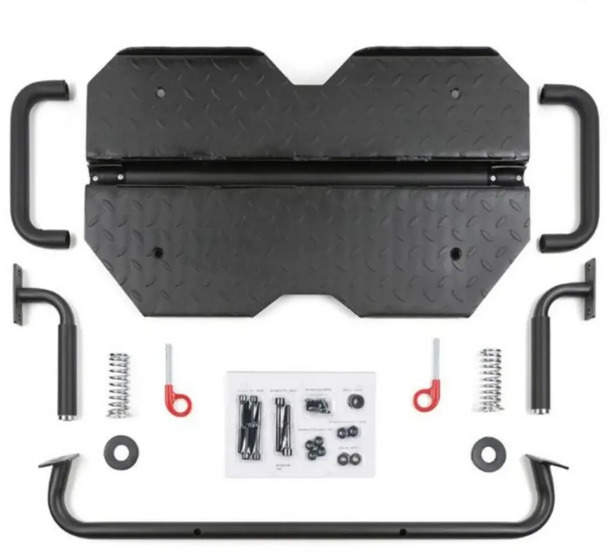
You may also need a sturdy bench or a padded surface to lie on while performing the exercise. This provides support to your back and ensures proper alignment of your body during the leg press movement.
How to perform Smith machine leg press with perfect form
SETUP:
- Set up the Smith machine: Position the bar at the desired height. Ideally, it should be set so that when you lie down, your feet can comfortably push against the bar in a stable position.
- Attach the leg press platform: If your Smith machine has a leg press attachment, securely attach it to the bar. Ensure it is locked in place to avoid any movement during the exercise.
- Add weights: Load the appropriate weight plates onto the Smith machine barbell. Make sure to evenly distribute weight on both sides to maintain balance.
- Assume the starting position: Lie on your back beneath the bar with your knees bent at about a 90-degree angle. Place your feet shoulder-width apart on the leg press platform or bar, depending on your setup.
- Unrack the bar: Press the bar upward with your feet and unlock the safety mechanisms on the Smith machine. Ensure that the bar is free to move.

MOVEMENT:
- Lower the weight: Slowly bend your knees to lower the bar toward your chest (until your thighs are parallel to the floor). Keep your core engaged, and ensure your back remains flat on the bench or floor.
- Press the bar upward: Push through your heels to extend your legs and press the bar upward. Ensure that you do not fully lock your knees at the top of the movement.
- Repeat: Perform the desired number of repetitions, maintaining controlled movements throughout the exercise.
- Rerack the bar: Once you have completed your set, engage the safety mechanisms on the Smith machine and carefully lower the bar back onto the rack.
Performance pointers & common mistakes
Performance tips
- Engage Your Core: Remember to keep your core muscles engaged throughout the exercise to maintain stability and protect your lower back.
- Control Your Movements: Avoid letting the weight drop quickly. Focus on a slow and controlled descent and ascent to maximize muscle engagement and safety.
- Watch Your Knee Placement: Ensure your knees are aligned with your toes and do not buckle inward or outward, which can strain ligaments and cause injury.
- Proper Foot Positioning: Experiment with different foot positions (high or low on the platform) to target various parts of your quadriceps, hamstrings, and glutes.
- Breathe Properly: Exhale as you press the weight up and inhale as you lower it. Proper breathing helps maintain intrabdominal pressure and stability.
Common Errors and Precautions
- Limited Range of Motion: Avoid performing half-reps. Ensure you utilize a full range of motion for better muscle engagement and effectiveness.
- Overloading the Weight: Do not put on more weight than you can handle with proper form. This can lead to serious injury.
- Locking Knees: Never fully lock your knees at the top of the movement to prevent joint strain and potential injury.
- Narrow Stance: Avoid a stance that is too narrow as it can reduce stability and increase the risk of knee injuries.
Tips for performing the exercise without the leg press attachment
While the Smith machine leg press is often performed using a special leg press attachment, some may opt to press the bar directly with their feet. If you choose this method, there are a few critical points to keep in mind:
- Foot Placement: Ensure your feet are positioned securely on the bar at shoulder-width apart. This promotes stability and helps distribute the weight evenly.
- Securely Gripping the Bar: Your feet must maintain a firm grip on the bar throughout the exercise. Consider wearing shoes with a good grip to prevent slipping.
- Controlled Movements: Perform the exercise with controlled, deliberate movements. Rapid or jerky actions can increase the risk of losing balance and causing injury.
- Avoid Heavy Weights: Without the platform, the risk of instability is higher. To mitigate this, start with lighter weights and gradually increase as you become more comfortable with the movement.
- Use a Spotter: If possible, have a spotter assist you. This can provide added safety and confidence as you perform the exercise.

Muscles involved in Smith machine bench press
The Smith machine leg press is a compound exercise that primarily targets the major muscle groups in your lower body, quadriceps to the greatest extent. The main muscles engaged include:
- Quadriceps (Front Thighs): The quads are heavily involved in pushing the weight away from your body, making them the primary muscle group worked.
- Gluteus Maximus (Buttocks): This muscle works alongside the quads to extend the hips during the pressing movement, particularly when you lower the weight.
- Hamstrings (Back Thighs): The hamstrings assist in stabilizing your legs and helping with the downward phase of the press.
- Calves (Lower Legs): The calves play a secondary role in stabilizing the ankles and providing additional push as you extend your legs.
- Adductors (Inner Thighs): These muscles help stabilize your legs and knees, especially when your feet are placed wider on the platform.
- Core Muscles: The abdominals and obliques are engaged to maintain stability and proper form throughout the exercise.
Pros and cons of the Smith machine leg press
When it comes to evaluating the pros and cons of the Smith machine leg press, you’ll find that many of the benefits and drawbacks align closely with those of using the Smith machine itself. Assessing your personal goals and preferences will help you determine how well this exercise fits into your fitness routine.
Pros
Cons
Exercise variations
Here are some variations of leg press.
45-Degree Leg Press Machine: This is a popular alternative where you push weighted plates at a 45-degree angle, engaging multiple lower body muscles.

Horizontal Leg Press Machine: Unlike the traditional 45-degree leg press machine, this machine allows you to perform the leg press exercise in a seated position where you push a weighted platform away from your body in a horizontal plane. This makes it a suitable option for individuals who prefer or require a seated position for comfort or safety reasons.

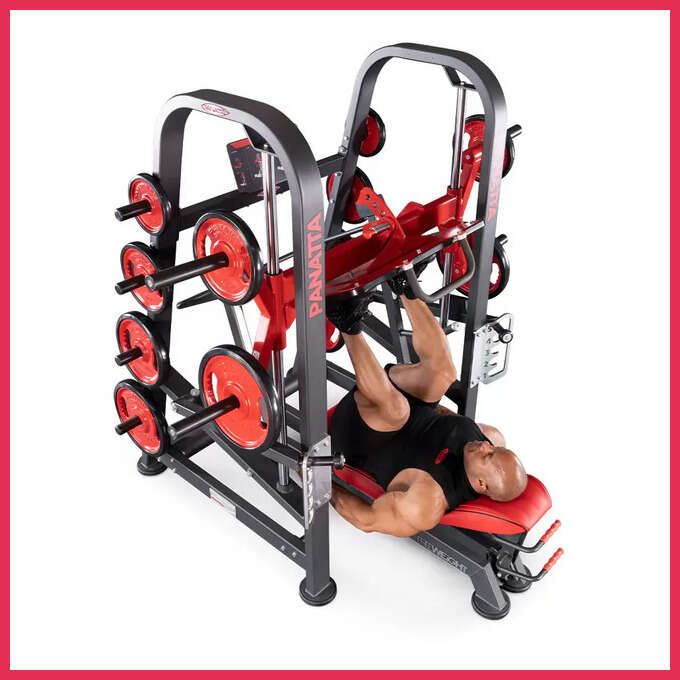
Vertical Leg Press Machine: In a vertical leg press, you lie flat on your back and press the weight upwards, directly perpendicular to your body (similar to the Smithe machine bench press).
Replacement exercises (alternatives)
Any exercise that targets the quadriceps can serve as an excellent alternative to the Smith machine leg press. Incorporating a variety of movements that zero in on this muscle group can keep your workouts fresh and dynamic while ensuring you build strength and stability in your lower body.
Here are a few examples:
- Hack Squat Machine: A great substitute, allowing you to perform squats with the support of a machine, focusing on quads and glutes.
- Traditional Squats: Perform with a barbell or dumbbell to target your lower body muscles effectively, offering greater flexibility and range of motion.
- Lunges: Use dumbbells or a barbell to add resistance and improve balance, stability, and lower body strength.
- Step-Ups: Using a bench or step platform, this exercise works your quads, hamstrings, and glutes with each step.
- Bulgarian Split Squats: A single-leg variation of the squat, enhancing balance and targeting each leg individually.
- Leg Extensions: Using a leg extension machine to isolate and strengthen the quadriceps muscles.
For more exercise variations and alternatives, be sure to check out our extensive exercises database (directory of bodybuilding exercises).
Final thoughts about Smith machine leg press
Ultimately, the Smith machine leg press offers a unique and effective way to target your lower body muscles, provided that you adhere to proper form and follow safety measures. With the flexibility to incorporate a special leg press attachment or perform the movement directly on the machine, you can tailor the exercise to fit your specific needs and preferences. By understanding the intricacies of this exercise, including potential alternatives and variations, you are well-equipped to decide whether to integrate the Smith machine leg press into your workout regimen. Remember, the key to success is consistency, proper technique, and gradual progress in your workouts.
