


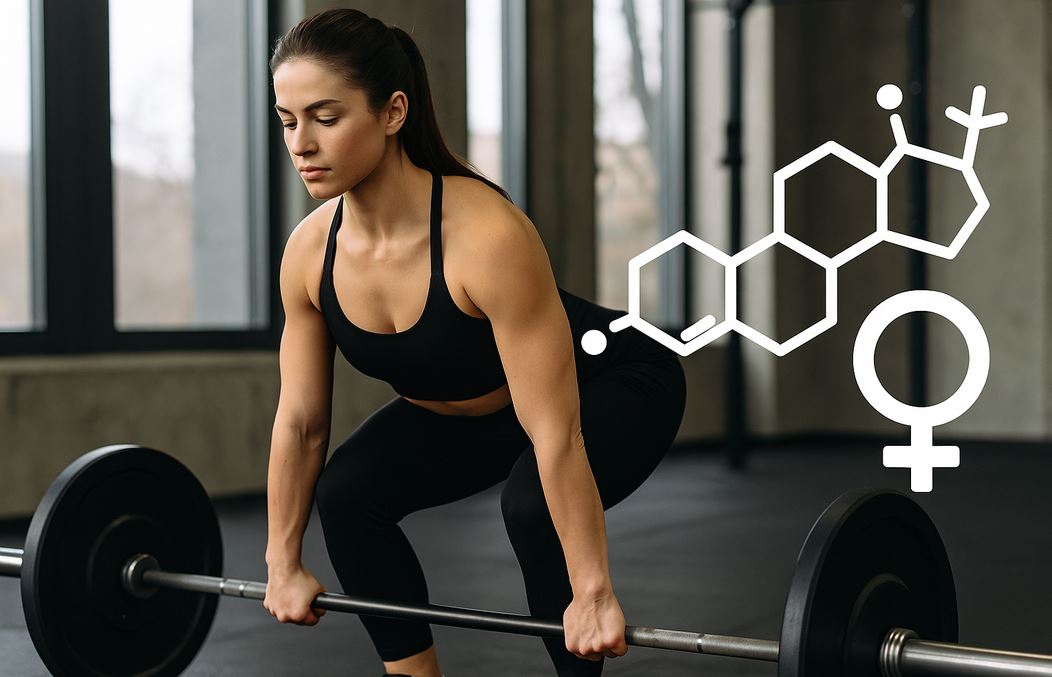
Understanding estrogen and strength training is essential for every woman who wants to train smarter, not just harder. Estrogen, the primary female sex hormone, has a profound influence on your muscles, bones, energy levels, recovery, and overall performance. This guide breaks down everything you need to know to harness estrogen’s power for strength gains throughout your life.
What Is Estrogen?
Estrogen is a group of hormones (estradiol, estrone, estriol) produced mainly in the ovaries, but also in the adrenal glands and fat tissue. It regulates reproductive health but also plays critical roles in bone density, muscle repair, metabolism, and even mood stabilization.
Estrogen is considered the primary female sex hormone because it plays a central role in female reproductive health and development. However, it’s essential to know that both women and men produce estrogen; men make it in much smaller amounts, which helps regulate libido, bone health, and other functions.
Estrogen’s Roles in Reproduction
Before exploring estrogen’s broader impact, it’s essential to know its primary role in reproduction. It controls the development of secondary sexual characteristics during puberty, regulates the menstrual cycle by stimulating the growth of the uterine lining, and prepares the body for potential pregnancy each month. During pregnancy, estrogen levels rise dramatically to support fetal growth, placental function, and the development of breast tissue for lactation. Without sufficient estrogen, ovulation and fertility can be impaired.
Estrogen’s Roles Beyond Reproduction
🦴 Bone Health
Estrogen maintains bone mineral density. Low estrogen (as in menopause) accelerates bone loss, increasing osteoporosis risk.
🔥 Metabolism & Fat Distribution
Estrogen affects where women store fat — higher estrogen levels favor fat around the hips and thighs, while lower levels can shift fat to the abdomen.
🧠 Mood & Cognitive Function
Estrogen supports the balance of serotonin and dopamine, which impacts motivation, focus, and energy — all vital for consistent strength training.
❤️ Cardiovascular Health
Adequate estrogen levels help keep blood vessels flexible and protect heart health.
👉 In summary, estrogen does far more than regulate reproduction. It plays vital roles in maintaining strong bones, supporting metabolism, stabilizing mood, and protecting heart health—making it essential for women’s overall well-being.
How Estrogen Levels Change Across a Woman’s Life
- Puberty: Estrogen surges, driving physical development.
- Reproductive years: Estrogen cycles monthly with your period.
- Pregnancy: Estrogen spikes dramatically.
- Perimenopause: Fluctuating hormone levels cause symptoms such as hot flashes, fatigue, and irregular menstrual cycles.
- Menopause and Postmenopause: Estrogen levels drop sharply and remain low, impacting strength, recovery, and muscle preservation.

Estrogen Across the Menstrual Cycle
- Follicular Phase (Days 1–14): Estrogen levels gradually rise, leading to improved energy, strength, and recovery.
- Ovulation (~Day 14): Estrogen peaks → Ideal time for high-intensity training, max lifts, and explosive work.
- Luteal Phase (Days 15–28): Estrogen declines → Some women notice fatigue and slower recovery.
- Menstruation (Days 1–5): Lowest estrogen levels → energy and strength may be reduced; focus on technique or lighter loads.

Estrogen and Strength Training: How It Impacts Performance
💪 Muscle Growth & Recovery
Estrogen enhances protein synthesis, reduces muscle damage, and speeds recovery, making it easier to build and maintain muscle.
🔗 Joint & Connective Tissue Health
Adequate estrogen helps keep tendons and ligaments strong and flexible, thereby reducing the risk of injury, a critical factor in estrogen and strength training.
🚀 Strength Potential
Higher estrogen during the follicular phase can increase power output. Women often feel stronger and more coordinated in this window.
👉 In short, estrogen is a powerful ally for female strength training. Balanced estrogen levels support muscle growth, recovery, and joint health, helping women train harder and stay injury-free.
Is High or Low Estrogen Better for Strength Training?
High Estrogen Benefits
Low Estrogen Risks
👉 Optimal is balanced estrogen. Chronically high estrogen (estrogen dominance) can cause bloating, PMS, and hormonal imbalances. Chronically low estrogen (as in menopause) leads to muscle and bone loss.
How to Support Healthy Estrogen Levels
🍽️ Nutrition
- Eat healthy fats (avocado, olive oil) for hormone production.
- Consume enough protein to support muscle repair.
- Include micronutrients like vitamin D, magnesium, and calcium.
🏃 Exercise
- Strength training itself helps regulate estrogen and improves hormone sensitivity.
- Incorporate resistance exercises three to four times a week, especially as you age.
🛌 Lifestyle
- Prioritize sleep (7–9 hours).
- Manage stress, which can disrupt estrogen balance.
⚕️ Medical Support
- If experiencing extreme symptoms, consult a healthcare provider. Hormone replacement therapy (HRT) may help women post-menopause balance estrogen.
👉 In summary, balanced estrogen levels rely on a nutrient-rich diet, regular exercise, good sleep, and stress management. These healthy habits can help keep estrogen in an optimal range for strength, energy, and long-term wellness.
Estrogen, Age, and Training Adjustments
As women age, estrogen levels fluctuate and eventually decline, especially during perimenopause and menopause.
🧓 In Your 40s: Estrogen may start to fluctuate → track your cycle, adjust intensity based on energy, and include joint-friendly movements.
🦴 In Your 50s+: As estrogen declines, strength training becomes even more essential. Prioritize compound exercises, add balance work, and focus on progressive overload to preserve muscle and bone mass. Include joint-friendly options, such as resistance bands or machines, if you are experiencing joint pain. Don’t forget to include balance and core work, which become increasingly crucial for stability as we age.
Finally, be flexible with your routine: some weeks you might feel more energized than others due to hormonal fluctuations. Listen to your body, prioritize good sleep, and give yourself grace on low-energy days — consistency over time matters more than perfection.
Conclusion: Estrogen and Strength Training
As a fitness coach who’s spent years helping women from their 20s to their 60s, I’ve seen firsthand how deeply estrogen and strength training are connected. Understanding your hormones isn’t just “extra” knowledge — it’s essential for training smarter, recovering better, and staying consistent.
When estrogen levels are stable, many women notice that they feel stronger, more energetic, and can push harder during their workouts. During phases of lower estrogen — whether it’s parts of the menstrual cycle, perimenopause, or menopause — training might feel tougher, but that’s when smart adjustments, patience, and listening to your body make the most significant difference.
My advice? Don’t fight your hormones — work with them. By embracing the natural ebbs and flows of estrogen, you’ll not only make your workouts more effective but also cultivate a positive relationship with your body at every stage of life.
Key Takeaways
✅ Estrogen is critical for strength, recovery, and injury prevention.
✅ Estrogen levels change throughout life and the menstrual cycle, impacting performance.
✅ Strength training supports healthy estrogen balance.
✅ For optimal performance, adapt your workouts to your hormonal patterns.
✅ Balanced estrogen, not extremes, is key to health and gains.
