
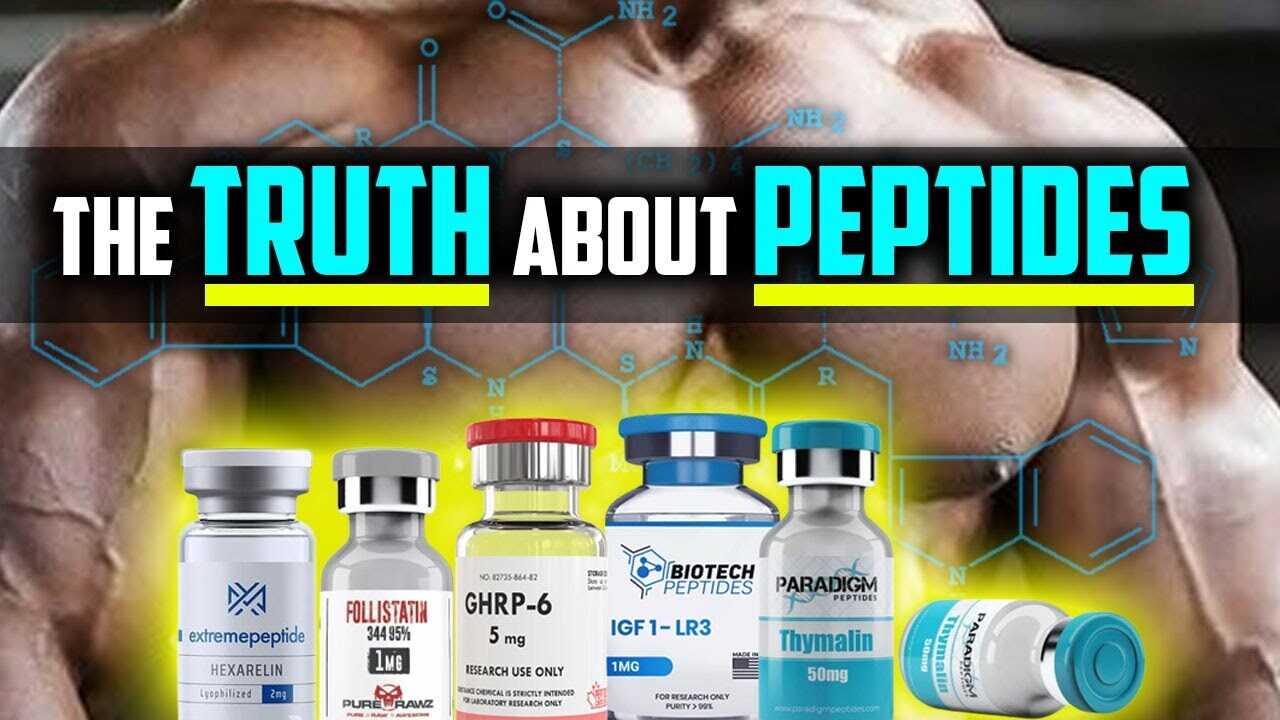
As the quest for superior performance and aesthetic physique continues, bodybuilders often look for ways to achieve their goals more efficiently. One such method that has gained popularity over the years is the use of peptides. This method (without rendering judgment on its efficacy or safety), is believed to offer added advantages in terms of muscle growth, recovery, and fat loss, among other benefits. However, like every other method, the use of peptides also comes with its own set of complexities and potential risks.
This article offers an in-depth overview of peptides within the context of bodybuilding. It delves into everything you might want to know about them: from what they are, how they work, their benefits for bodybuilding, popular types, safety and side effects, legality, and their comparison with other substances such as anabolic steroids and growth hormones. Should you consider using peptides for your bodybuilding regime? Read on to find out.
What are peptides?
Peptides are naturally occurring biological molecules comprised of short chains of amino acids linked together. Essentially, peptides are small proteins. These sequences act as messengers in the body, communicating between cells to regulate functions like healing, immunity, tissue repair, and muscle growth. Amino acids are essentially the “building blocks” of proteins, meaning peptides play a crucial role in fundamental bodily processes. However, where they differ from proteins is in their structure and size. While a protein contains 50 or more amino acids, peptides are much smaller, typically made up of 2 to 50 amino acids.
The smaller structure of peptides allows them to easily penetrate the skin and intestines, which means they can get directly into your bloodstream quickly. Because of this, peptides have become particularly popular in the fields of health, fitness, and bodybuilding, where rapid absorption and effectiveness are key.
Where do peptides come from?
Peptides, in their most natural state, are produced in the body. Our bodies generate peptides as part of their normal biological functions, creating these chains of amino acids to facilitate communication between cells and instructing them how to behave. It’s this property that makes peptides a critical part of basic bodily functions like healing, fighting inflammation, and building strength.
But what about synthetic peptides you may ask? Well, these are a different ball game altogether. Synthetic peptides are, as the name implies, man-made. They are created in a lab setting typically for use in scientific research, medical therapy, and yes, you guessed it right, bodybuilding. They are designed to mimic the functions and effects of naturally occurring peptides, but can often be modified to enhance certain characteristics or minimize potential side effects.
Now you’re probably wondering, when can you get peptides naturally? The answer is pretty straightforward – our bodies are always producing peptides. However, certain activities, like high-intensity workouts, can stimulate increased peptide production. This is one of the reasons why exercise is so beneficial for our health. At the same time, certain foods, like eggs and dairy, are also rich sources of natural peptides.
So, in a nutshell, peptides can come from within our bodies, from the lab, and our diets. Knowing this is key when considering including peptides in your bodybuilding regime.
Specific benefits of peptides for bodybuilding
Peptides, short chains of amino acids, are fundamental building blocks of proteins, which are essential for muscle growth and repair. In the context of bodybuilding, peptides are used to stimulate muscle growth, improve recovery, and enhance athletic performance. More precisely, peptides may:
- STIMULATE THE RELEASE OF GROWTH HORMONE FROM THE PITUITARY GLAND. This hormone plays a crucial role in muscle growth and recovery. By boosting its levels, bodybuilders can experience increased muscle mass and reduced recovery time.
- ENHANCE FAT BURNING OR LIPOLYSIS. This is beneficial for bodybuilders aiming for lean muscle mass. Certain peptides, like fragments 176-191, are known to target fat cells specifically, promoting a leaner physique. So, the benefits of peptides not only revolve around bulking up but also achieving a leaner, more aesthetic form.
- INCREASE THE PRODUCTION OF IGF-1. Insulin-like growth factor 1 (IGF-1) is a polypeptide hormone that promotes muscle growth and helps prevent muscle loss. This is particularly beneficial during cutting phases when bodybuilders aim to maintain muscle mass while shedding fat.
- BOOST ENDURANCE. Peptides can also improve endurance by influencing the way the body uses oxygen. For instance, peptides like AOD 9604 can increase the metabolism of fat, which can provide more energy for workouts. This implies being able to push harder and longer during workouts.
- HELP IN FASTER RECOVERY FROM INJURIES. They can increase the production of substances like collagen in the body, which is essential for repairing damaged tissues. This is particularly useful for bodybuilders who often push their bodies to the limit, resulting in occasional injuries. Faster recovery means that you can train more frequently and intensively, leading to better results.
- IMPROVE SLEEP QUALITY. Good sleep is crucial for muscle recovery and growth. Peptides like DSIP (Delta Sleep Inducing Peptide) work by inducing a deeper level of sleep, which can aid in better muscle recovery.
How do peptides work in the body?
When peptides are administered, they signal specific receptors in the body to carry out certain functions. These functions are typically based on the type of peptide used, which is why different peptides have different impacts on the body.
For bodybuilding purposes, many athletes and enthusiasts turn to peptides due to their ability to stimulate the release of the human growth hormone (HGH), a naturally occurring hormone in the body that promotes muscle growth, fat loss, and recovery.
The way peptides function is akin to a lock and key mechanism. The peptides, acting as the ‘key,’ have specific receptors in the body, or the ‘locks.’ When the ‘key’ is introduced and fits into the ‘lock,’ the body responds by carrying out the action linked with that specific ‘lock.’
For example, when you administer growth hormone-releasing peptides (GHRPs), they specifically target the body’s production of HGH. The GHRPs bind with the receptors in the pituitary gland—the body’s ‘lock’ for growth hormone production—and trigger the release of HGH, which then aids in muscle growth, fat burning, and recovery, all crucial aspects of bodybuilding.
It’s vital to note, that seeing the full effects of peptides isn’t instantaneous. It requires consistent use within a regulation framework and a healthy lifestyle for the peptides to work optimally. The good news is peptides are more gentle on the body compared to other bodybuilding supplements and steroids which can have severe side effects with prolonged use. This makes peptides an appealing, albeit still researched, option in the bodybuilding sphere.

Most popular types of peptides used in bodybuilding and their specific functions
Peptides used in bodybuilding are primarily growth hormone-releasing peptides (GHRPs) and growth hormone-releasing hormones (GHRHs). These are synthetic substances designed to stimulate the body’s production of growth hormone, which can aid in muscle growth and recovery.
Growth hormone-releasing peptides (GHRPs)
GHRPs include Ipamorelin, Hexarelin, and GHRP-6. They were designed specifically for their ability to stimulate growth hormone release and may serve as performance-enhancing drugs.
- Ipamorelin is popular due to its ability to stimulate the pituitary gland to produce more growth hormone without causing significant side effects.
- Hexarelin is known for its strong effect on growth hormone release, but it can also increase cortisol and prolactin levels, which may not be desirable.
- GHRP-6 is known for its ability to stimulate appetite, which can be beneficial for bodybuilders trying to gain mass.
Growth hormone-releasing hormones (GHRHs)
GHRHs include CJC-1295 and Sermorelin.
- CJC-1295 is a long-acting GHRH analog that can stimulate growth hormone release for an extended period.
- Sermorelin, on the other hand, is a shorter-acting GHRH analog that can stimulate a more natural pattern of growth hormone release.
Insulin-like Growth Factor-1 (IGF-1)
Another type of peptide used in bodybuilding is Insulin-like Growth Factor-1 (IGF-1). This peptide is a hormone that has anabolic effects in adults, meaning it can stimulate muscle growth. It is often used in conjunction with other peptides to maximize results.
Melanotan II
Melanotan II, a peptide widely used for its melanin-producing abilities, can lead to a tanned appearance. Although it doesn’t affect muscle growth directly, having a tanned look can escalate muscle definition – a sought-after aesthetic in bodybuilding.
BPC-157 and TB-500
These are peptides known for their healing and recovery properties.
- BPC-157 is known for its ability to accelerate wound healing and protect the body from injuries.
- TB-500, on the other hand, is known for its ability to promote muscle recovery, reduce inflammation, and improve flexibility.
Proper usage and dosing of peptides
When it comes to using peptides for bodybuilding, there are factors to consider beyond what specific type to use. How you administer the peptides and the dosage are crucial elements to implementing a successful pattern of usage.
Administering peptides
Subcutaneous injections are the most common, and often the most effective, way to administer peptides. This method involves injecting the peptide solution under the skin, allowing it to be slowly released into the bloodstream. However, it’s noteworthy to mention that other methods of administration are available. Peptide creams, transdermal patches, nasal sprays, and oral supplements are all potential alternative ways to deliver peptides into your system. Each method comes with its advantages and drawbacks, so it’s a good idea to discuss these with a healthcare professional.
Subcutaneous injections are the most common, and often the most effective, way to administer peptides.
Peptide dosage
The proper dosage of peptides varies widely depending on the specific peptide, the individual’s goals, body composition, and overall health status. In general, peptides are measured and taken in micrograms (mcg), not milligrams (mg). This is because they are much more potent, so a smaller amount is needed. Some peptides may require doses as low as 100 mcg per day, while others may require doses upwards of 500 mcg. It’s essential to understand that there’s not a one-size-fits-all answer to peptide dosage. You should always start with a lower dosage and make adjustments as necessary under professional guidance. Never exceed the recommended dose, as this may lead to adverse effects.
The most vital step in the proper usage and dosing of peptides is consulting with a healthcare professional for personalized advice and directions. Overdosing can lead to side effects like water retention, increased hunger, and in some cases, hyperglycemia.
Cycling and stacking
Bodybuilders typically follow peptide cycles, much like they do with anabolic steroids. These cycles often range from 6 to 12 weeks, taking a break afterward for the body to recuperate. Many bodybuilders also stack peptides – a practice of using multiple types simultaneously to enhance their effects. Yet, it’s crucial to proceed with caution and preferably under professional guidance because this can heighten the risk of side effects.
Potential side effects and safety concerns of using peptides in bodybuilding
Side effects
Peptides, like any other supplement or drug, have potential side effects and safety concerns. The severity and occurrence of these side effects can vary greatly among individuals, depending on factors such as the specific peptide used, dosage, duration of use, and individual health status.
- Common side effects associated with peptide use include water retention, increased hunger, dry mouth, itching at the injection site, and fatigue. These are usually mild and often subside as the body adjusts to the peptides.
- More serious side effects can occur, though they are less common. These include kidney damage, heart disease, and hormonal imbalances. Long-term use of certain peptides can potentially lead to these issues, especially if used in high doses.
- Peptides can also interact with other substances, including medications and supplements. This can lead to unexpected side effects or alter the effectiveness of the other substances. Therefore, it’s important to consult with a healthcare provider before starting peptide use.
- Another safety concern is the quality and purity of peptides. Not all peptides are created equal, and some may contain impurities or be mislabeled. This can lead to unexpected side effects or lack of effectiveness. It’s crucial to purchase peptides from a reputable source.
Legal status of peptides
The legal status of using peptides for bodybuilding and other purposes varies significantly from country to country. It’s crucial to be aware of the laws in your jurisdiction.
In the United States (at the time of writing the article), the sale of peptides is legal for research purposes. While this doesn’t explicitly control their use, it does mean that they are not officially approved for consumption or injection by the Food and Drug Administration (FDA).
Some exceptions
However, some peptide supplements have been approved by the FDA for certain medical treatments, but these are not the types that are commonly used in bodybuilding. As such, using peptides for bodybuilding can fall into a legal gray area in many countries, including the U.S. Subsequently, some bodybuilders access these substances through online pharmaceutical companies, often located overseas.
Regulatory measures
While these peptides are not entirely illegal, it’s important to note that regulatory bodies in professional athletics, like the World Anti-Doping Agency (WADA), have banned their use in athletic competitions.
Scientific research about the effectiveness of peptides
It’s natural to be skeptical about the efficacy of peptides for bodybuilding. However, various research studies can be considered to examine the impact of these compounds on muscle growth and recovery. Here are some examples of scientific research studies exploring the effects of peptides in various aspects of fitness and performance:
| Fitness/performance category | Study | Results |
|---|---|---|
| Muscle Growth | “Effect of GHRP-2 on in vitro proliferation and differentiation of rabbit bone mesenchymal stem cells.” (ang L, Zuo J, Liu Q, Wang L, Lian K, Tu Q., 2012) | GHRP-2 (Growth Hormone Releasing Peptide-2) promoted proliferation and differentiation of bone mesenchymal stem cells, indicating a potential role in muscle regeneration and growth. |
| Stimulating HGH Release | “Growth Hormone-Releasing Peptides: Clinical and Basic Aspects.” (Locatelli V, Ghè C, Carnevale Schianca GP, 2005) | This review article discusses the clinical and basic aspects of growth hormone-releasing peptides, highlighting their ability to stimulate the release of growth hormone, which can have implications for muscle growth and recovery. |
| Increasing Endurance | “The effects of a GHRP-6 analog (JMV 2959) on GH secretion, appetite, and adiposity in obese subjects.” (J Clin Endocrinol Metab. 2004) | The study suggests that GHRP-6 analogs can increase growth hormone secretion and improve fat metabolism, potentially enhancing endurance and performance in athletes. |
| Accelerating Fat Loss | “Growth hormone releasing peptides and their analogs.” (Front Neuroendocrinol. 2002) | This review article discusses the potential of growth hormone-releasing peptides and analogs to reduce body fat through increased lipolysis, offering potential benefits for fat loss and body composition improvement. |
| Recovery from Injuries | “Effect of hexarelin, a synthetic growth hormone-releasing peptide, on fracture healing in rats.” (Growth Horm IGF Res. 2006) | Hexarelin, a growth hormone-releasing peptide, demonstrated positive effects on fracture healing in rats, suggesting potential benefits for recovery from musculoskeletal injuries. |
| Accelerating Fat Loss | Effects of 12 Weeks of Hypertrophy Resistance Exercise Training Combined with Collagen Peptide Supplementation on the Skeletal Muscle Proteome in Recreationally Active Men (Vanessa Oertzen-Hagemann) | Studies have demonstrated that collagen peptides containing mostly non-essential amino acids increase fat-free mass (FFM) and strength in sarcopenic men. |
These studies provide insights into the potential effects of peptides on muscle growth, hormone release, endurance, fat loss, and recovery from injuries. However, it’s important to note that further research is needed to fully understand the efficacy and safety of peptide use in these contexts, especially in human subjects. Many studies are animal-based.
How do peptides compare to anabolic steroids and growth hormones?
Peptides, anabolic steroids, and growth hormones are all substances that can enhance physical performance, but they work in different ways and have distinct effects.
When you compare peptides and anabolic steroids, it’s clear that their methods of operation and impacts on the body are vastly different. Anabolic steroids are synthetic, man-made substances that resemble testosterone, a hormone naturally produced in the body. They stimulate muscle growth and development by directly adding hormones to the body, which then works to the advantage of bodybuilders looking for quick and significant muscle gain.
On the other hand, peptides function as biological triggers, encouraging your body to produce its natural hormones. They don’t introduce foreign hormones like steroids. Instead, they stimulate the body’s hormone production and then step aside to let the body handle the rest.
This difference also plays a major role in their side effects. Steroids, undoubtedly, can lead to rapid muscle growth, but it comes at a cost. Extended use of anabolic steroids can wreak havoc on a consumer’s kidneys, liver, and hormonal balance, leading to a variety of potential health problems including a higher risk of heart disease, stroke, mood disorders, and dependency.
Conversely, the careful use of peptides, which encourage natural hormone production, is typically associated with fewer adverse effects. Although peptides do come with some risks, they offer a safer alternative for bodybuilders looking for less drastic measures to improve their performance and physique.
In conclusion, peptides offer intriguing possibilities for bodybuilders, with their potential to stimulate growth hormones, accelerate recovery, and support fat loss. However, like any substance, they should be used with care and caution. While they can provide advantages, their use is not without potential side effects and legal implications. It’s also vital to take into account that every individual’s body responds differently to peptides or any other external substances. Hence, it is crucial to seek professional medical advice before incorporating peptides or other supplements into your routine.
Moreover, it’s worth noting that while scientific studies show promise for the benefits of peptides in bodybuilding, more research is needed to fully understand their long-term effects and potential hazards. Also, they’re not a stand-alone solution for achieving bodybuilding goals. A balanced diet, regular fitness routine, adequate rest, and a healthy lifestyle remain core to any successful bodybuilding endeavor.
Ultimately, whether peptides are suitable for you or not is a personal decision accounting not just your bodybuilding goals, but your overall health, your comfort with the possible risks, and the understanding of regulatory norms. Information is power and the more educated you are on the subject, the better choices you can make about your body and your health.
FAQ about peptides for bodybuilding
Can peptides be used in combination with other supplements for bodybuilding?
Yes, peptides can be used in conjunction with other supplements for bodybuilding. This practice is quite common, as achieving optimal results in bodybuilding often requires synergistic effects of various supplements. However, it’s crucial to understand that not all supplements work well together. In some cases, certain supplements can interfere with the effectiveness of others, or even cause adverse reactions.
When combining peptides with other supplements, it's crucial to do thorough research or seek professional advice. Certain peptides may work better with specific types of supplements. For instance, BPC-157 and TB-500 are popular for their healing properties and are often used along with standard protein supplements for enhanced muscle recovery. IGF-1, on the other hand, often pairs well with creatine or branched-chain amino acids (BCAAs) to maximize lean muscle gains and promote overall physical performance.
Ultimately, a solid understanding of which combinations work best for your bodybuilding goals, as well as awareness of potential interactions, will equip you with the knowledge to make the best decisions about incorporating peptides into your supplementation regimen. Safety should always come first, so never hesitate to consult with a healthcare provider or fitness professional before beginning a new supplement combination.
Do peptides have any recovery benefits for bodybuilders?
Definitely, peptides are known for their substantial recovery benefits in bodybuilding. Their ability to expedite the healing and recovery process is part of why they've become increasingly popular in this arena. The types of peptides known for this particular benefit include BPC-157 and TB-500. They work by accelerating healing, reducing inflammation, and promoting cellular repair.
For example, BPC-157 also referred to as Body Protective Compound, is believed to accelerate the healing of various wounds, including skin, muscle, tendon, ligament, and nerves. Additionally, it may help in repairing gut lining, making it beneficial for bodybuilders who may experience digestive issues due to strict diet plans.
On the other hand, TB-500 is known to mimic a protein called Thymosin Beta-4, which plays a crucial role in repairing damaged tissue. It’s utilized to speed up recovery from injuries, especially those related to muscles, ligaments, tendons, joints, and bones.
It's essential to remember that while these peptides may assist in recovery, they're not a substitute for proper rest and a balanced diet. Always approach your bodybuilding regimen holistically, giving your body the time and resources it needs to recover efficiently.
Can peptides help with fat loss in bodybuilding?
As a bodybuilder, it could be beneficial to know that peptides can indeed help in the weight loss process. Certain peptides are known to accelerate fat loss by stimulating the release of growth hormone. Growth hormone is closely linked with fat metabolism and insulin regulation, both of which play significant roles in weight management.
Peptides such as those in the growth hormone-releasing peptides (GHRPs) category, including Ipamorelin and GHRP-6, can stimulate your body's production of growth hormone. As growth hormones can help stimulate lipolysis (the process of breaking down fats), using these peptides may contribute to fat loss. This can be particularly beneficial in bodybuilding, helping to enhance muscle definition and lean body mass.
However, let's underline that while peptides can aid in fat loss, they should not be considered a magic bullet for weight loss. Adequate nutrition, regular physical activity, and a healthy sleep schedule remain essential components of any weight loss strategy in bodybuilding.
It's also crucial to follow recommended dosage and cycle schedules for peptide use. Overuse can lead to adverse effects such as water retention and insulin resistance. Always consult with a healthcare professional or a certified trainer before starting a peptide regimen for weight loss.
Are there any natural sources of peptides beneficial for bodybuilders?
es, for those looking to reap the benefits of peptides without resorting to synthetic supplements, you'll be pleased to know that you can derive peptides naturally from your diet. Good news, isn't it? You don't always need injections or pills. A well-rounded and well-planned diet can provide you with the needed peptides.
Peptides are present in practically every protein-containing food. Some of these include:
- Eggs: A powerhouse of essential amino acids and peptides beneficial for muscle growth and recovery.
- Lean Meats: Meats such as chicken, turkey, and lean cuts of beef and pork are rich sources of dipeptides, tripeptides, and oligopeptides that can help in muscle development and repair.
- Fish: Fish, especially oily fish like salmon and tuna, are abundant in protein and provide bioactive peptides that possess anti-inflammatory, anti-oxidative properties.
- Milk: Milk contains quantities of casein and whey, two high-quality proteins that are packed with beneficial peptides for muscle recovery and growth.
- Soy: Soy protein contains peptides that have been shown to stimulate muscle protein synthesis and may aid in recovery after a tough workout.
Eating a diet rich in these protein sources will help ensure you're getting a good amount of natural peptides. However, remember that dietary peptides won't provide as concentrated a dose as synthetic supplements. It’s essential to consult with a nutritionist or fitness expert to ensure your diet is helping you meet your bodybuilding goals.
Can women use peptides for bodybuilding?
Yes, women can certainly use peptides for bodybuilding. Similar to men, women can take advantage of the benefits peptides offer, such as enhanced muscle growth, improved recovery, and increased fat loss. Unlike anabolic steroids, which can bring about profound changes in a woman's physical appearance and have significant side effects, peptides are generally safer and more natural. They exert their effects subtly, making them an excellent choice for women aiming for a lean, well-toned physique.
However, it's essential to note that because everyone's body is unique, the effects of peptides can vary from person to person. Therefore, it's highly recommended to consult with a healthcare provider or a fitness expert before starting a peptide regimen. They can help you understand the potential benefits and risks, assist with dosage information, and guide you toward the peptides most suited to your individual bodybuilding goals.
In addition to this, keep in mind that taking peptides is just one part of the equation. They work best in conjunction with a well-rounded training routine, a balanced diet, and adequate sleep. Also, remember that while they can significantly boost your bodybuilding outcomes, the results are not instantaneous; the effects will be visible over time, promoting gradual but sustainable improvement.
In conclusion, peptides can be a valuable tool in a woman's bodybuilding toolkit. As with any supplement, the key is using them responsibly and under professional guidance.
Are there any age restrictions for using peptides in bodybuilding?
While there's no specific age limit set by health bodies for using peptides in bodybuilding, it is strongly recommended that peptides should only be used by adults who are well into their training routines. Actually, most bodybuilders and athletes start considering peptides once they have reached a plateau in their training. Yet, it's crucial to emphasize that teenagers and young individuals whose growth plates haven't closed should avoid peptide use due to potential changes in bone and organ size that can occur due to their powerful impact on growth hormone levels.
Furthermore, individuals with underlying health conditions, particularly heart disease, liver problems, kidney disease, or diabetes must exercise caution when considering peptide supplementation. Seek professional advice from a healthcare provider or a doctor first, before starting on peptides or any other supplement, to ensure safety and efficiency.
